
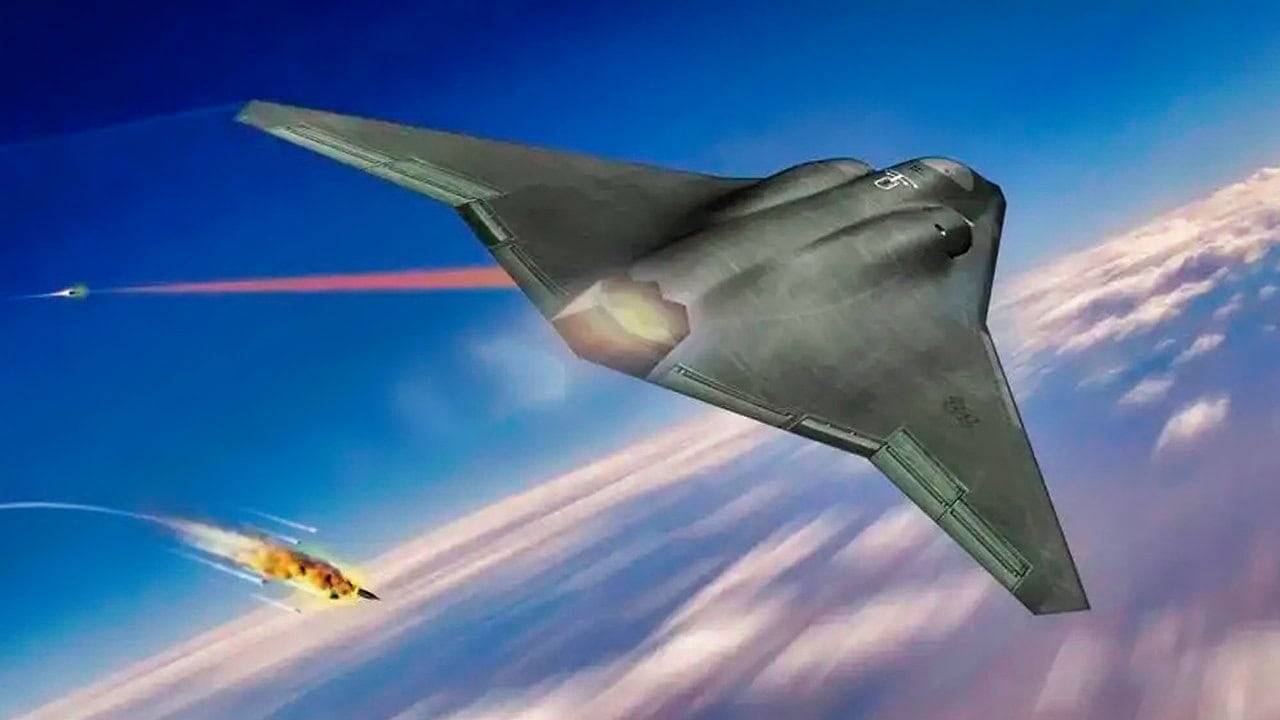
Key Points and Summary – Congress has gutted the U.S. Navy’s F/A-XX sixth-generation fighter program, approving just $74 million for FY 2026—an 84 percent cut from last year and a stark contrast to the multibillion-dollar boost for the Air Force’s F-47 NGAD.
-The move effectively leaves the carrier-based F/A-XX on life support just as aging Super Hornets wear out and F-35Cs confront growing radar threats from China and Russia.
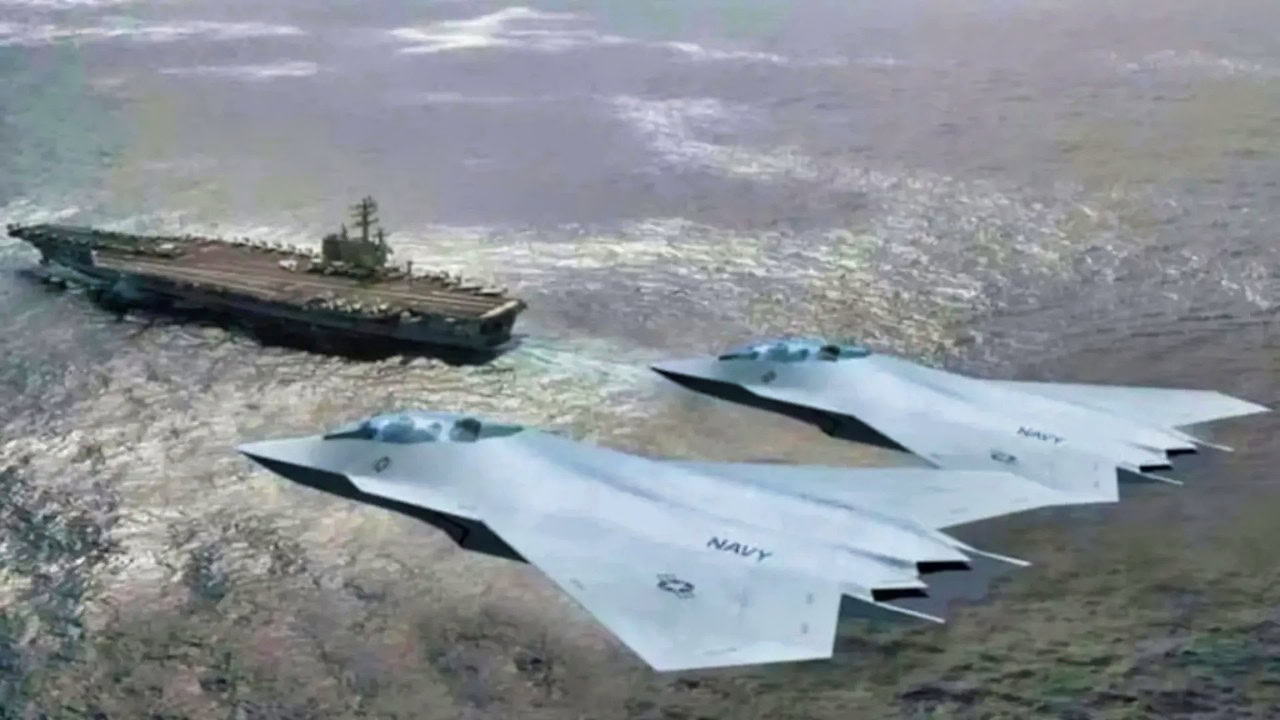
F/A-XX Fighter for US Navy. Navy graphic mockup.
-With Beijing already flight-testing its J-36 6th-gen bomber-fighter, critics argue that starving F/A-XX today risks leaving future carrier air wings outgunned in the Western Pacific.
-Navy airpower advocates warn the cut is a historic mistake.
Trouble in Paradise: Navy’s F/A-XX 6th-Gen Fighter Put Back on Life Support
When the Trump administration greenlit the F-47 Next Generation Air Dominance (NGAD) sixth-generation fighter jet in March, it was welcome news for the U.S. Air Force—the service’s current fleet is beset by old age and alarmingly low readiness.
However, the decision had some tough ramifications for the U.S. Navy. Its own sixth-generation fighter jet program, the F/A-XX, wasn’t killed outright. But it was left with a barebones budget.
Fast-forward to late August, and it looked like the F/A-XX was getting a new lease on life. But a few months later, we’ve come full circle, and the future of the Navy’s sixth-generation fighter is in doubt.
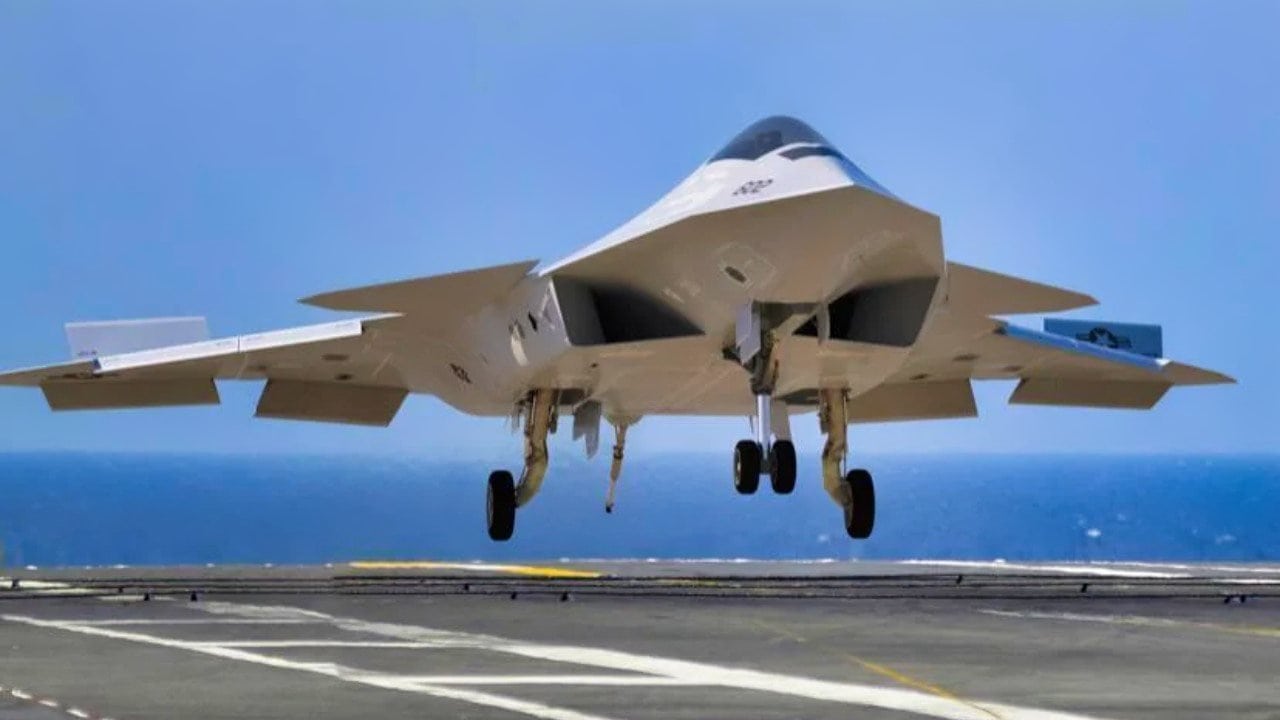
F/A-XX. Image Credit: Creative Commons.
Bottom Line Up Front (BLUF)
The latest developments come to us courtesy of FlightGlobal’s Ryan Finnerty:
“In what lawmakers describe as the final version of the annual defence policy bill known as the National Defense Authorization Act (NDAA), Congress appears poised to enact significant funding cuts to the F/A-XX programme, as requested by the Trump Administration…The administration’s fiscal year 2026 budget request to Congress was decidedly cool toward the naval fighter, including only $74 million for F/A-XX development – 84% less than the $453 million approved for the programme in FY2025.”
Some Backstory
That is unpleasant news for naval airpower advocates, but in hindsight, it is not a surprise.
Back in June, a Pentagon official told FlightGlobal on condition of anonymity that the Trump administration opted to direct resources to NGAD and keep the F/A-XX on the backburner: “‘We did make a strategic decision to go all-in on F-47,’ the defence official said of the FY2026 budget request.”
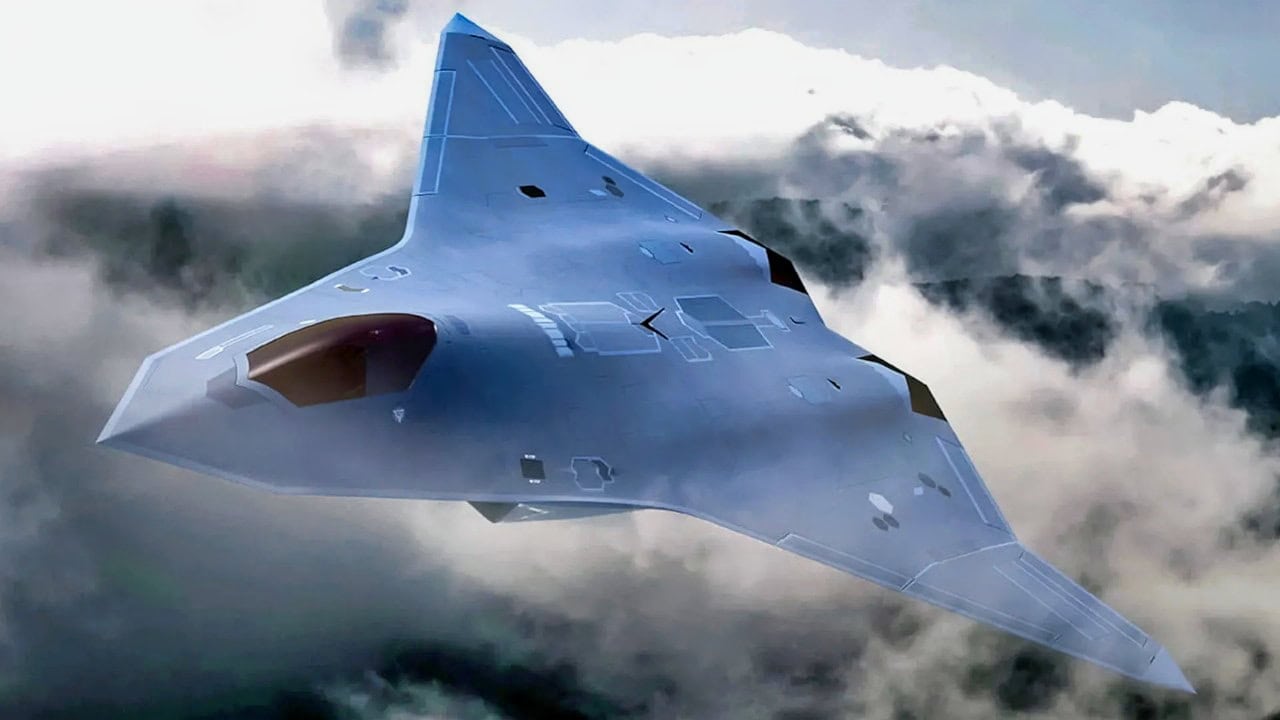
NGAD Fighter. Image Credit: Creative Commons.
Accordingly, the Air Force is set to receive more than $2.5 billion in development funding in FY 2026 under the latest (and allegedly final) draft of the National Defense Authorization Act. Meanwhile, an additional $400 million was already allocated to the F-47 under a one-time budget reconciliation spending package passed in July.
Why This Is a Bad Idea
As a former Air Force officer, I could be selfish and blindly cheer the emphasis on NGAD at the expense of the F/A-XX.
But as a veteran who fully appreciates the concept of “One Team, One Fight,” I’m able to put aside interservice rivalries and say that shortchanging the F/A-XX is a big mistake.
For one thing, there’s a pressing need to replace the Navy’s 4.5-generation Boeing F/A-18E/F Super Hornet fighter jets.
A Congressional Budget Office (CBO) report in 2023 noted the Super Hornets are actually deteriorating at a faster rate than the standard F/A-18 Hornets, which preceded them in Navy service by 11 years.
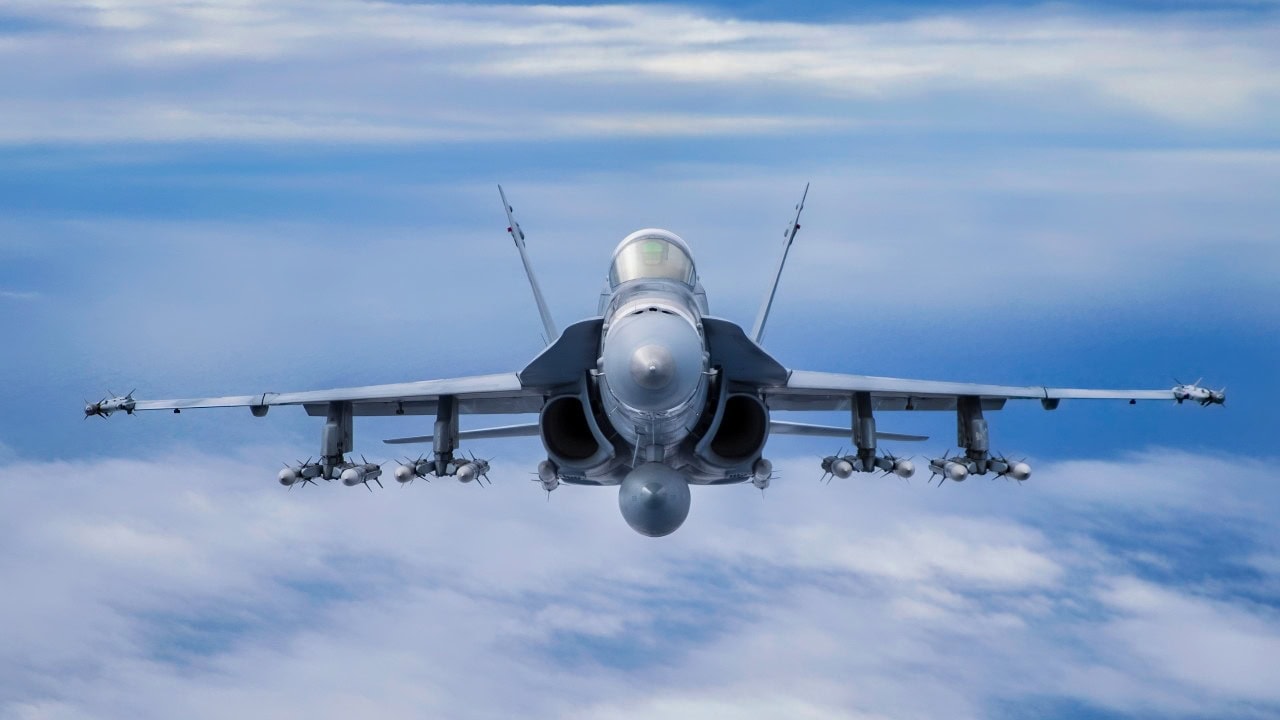
An F/A-18 Hornet with Marine Fighter Attack Squadron (VMFA) 323, MAG-11, 3rd Marine Aircraft Wing (MAW), carrying ten AIM-120 and two AIM-9X Air-to-Air missiles, prepares to refuel over the W-291 training area in southern California, March 6. MAG-11 supports and integrates aviation combat power and capabilities while enhancing 3rd MAW’s ability generate lethality for the supported Marine Air-Ground Task Force (MAGTF). (U.S Marine Corps photo by Sgt. Dominic Romero)
Meanwhile, for all of its impressive stealth technology features, the Navy’s fifth-generation F-35C is already showing some vulnerabilities. Back in March, one experienced a discombobulating near-miss from a Houthi surface-to-air missile.
Moreover, Russian and Chinese Very High Frequency radars such as the Nebo-M, Rezonans-NE, and JY-27A can now possibly detect the F-35.
Meanwhile, China is already developing its own sixth-generation fighter-bomber.
The Chengdu J-36 made its maiden flight in prototype form on Dec. 26, 2024 and has a targeted operational debut date in 2035.
Shortchanging the F/A-XX is indeed a mistake. If the Pentagon wants a viable, survivable, and effective naval aerial combat force, it had better give the program a budgetary boost sooner rather than later.
About the Author: Christian D. Orr, Defense Expert
Christian D. Orr is a Senior Defense Editor. He is a former Air Force Security Forces officer, Federal law enforcement officer, and private military contractor (with assignments worked in Iraq, the United Arab Emirates, Kosovo, Japan, Germany, and the Pentagon). Chris holds a B.A. in International Relations from the University of Southern California (USC) and an M.A. in Intelligence Studies (concentration in Terrorism Studies) from American Military University (AMU). He is also the author of the newly published book “Five Decades of a Fabulous Firearm: Celebrating the 50th Anniversary of the Beretta 92 Pistol Series.”