
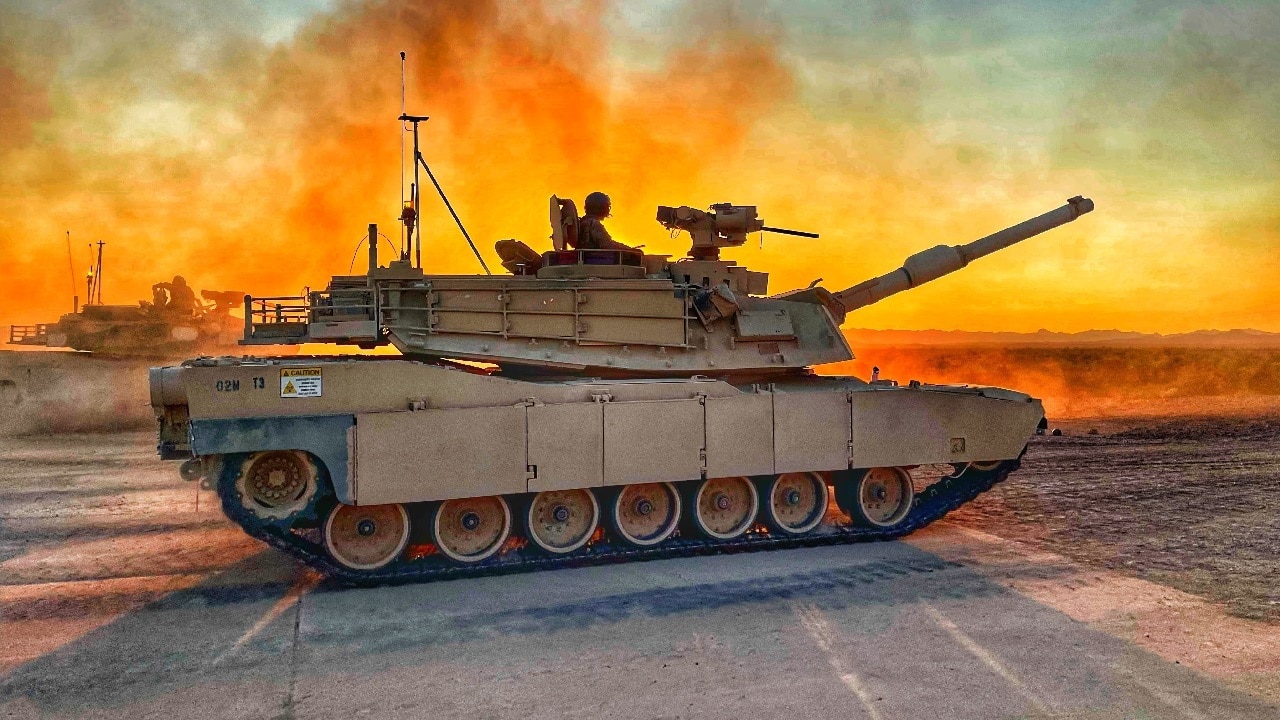
Summary and Key Points: Steve Balestrieri, a former U.S. Army Special Forces NCO and PFWA member, evaluates the transition of the M1 Abrams from the M1A2 SEPv3 to the sixth-generation M1E3.
-Despite a distinguished combat record in Operation Desert Storm, the Abrams faces new vulnerabilities from FPV kamikaze drones and Kornet ATGMs, as seen in Ukraine and Yemen.
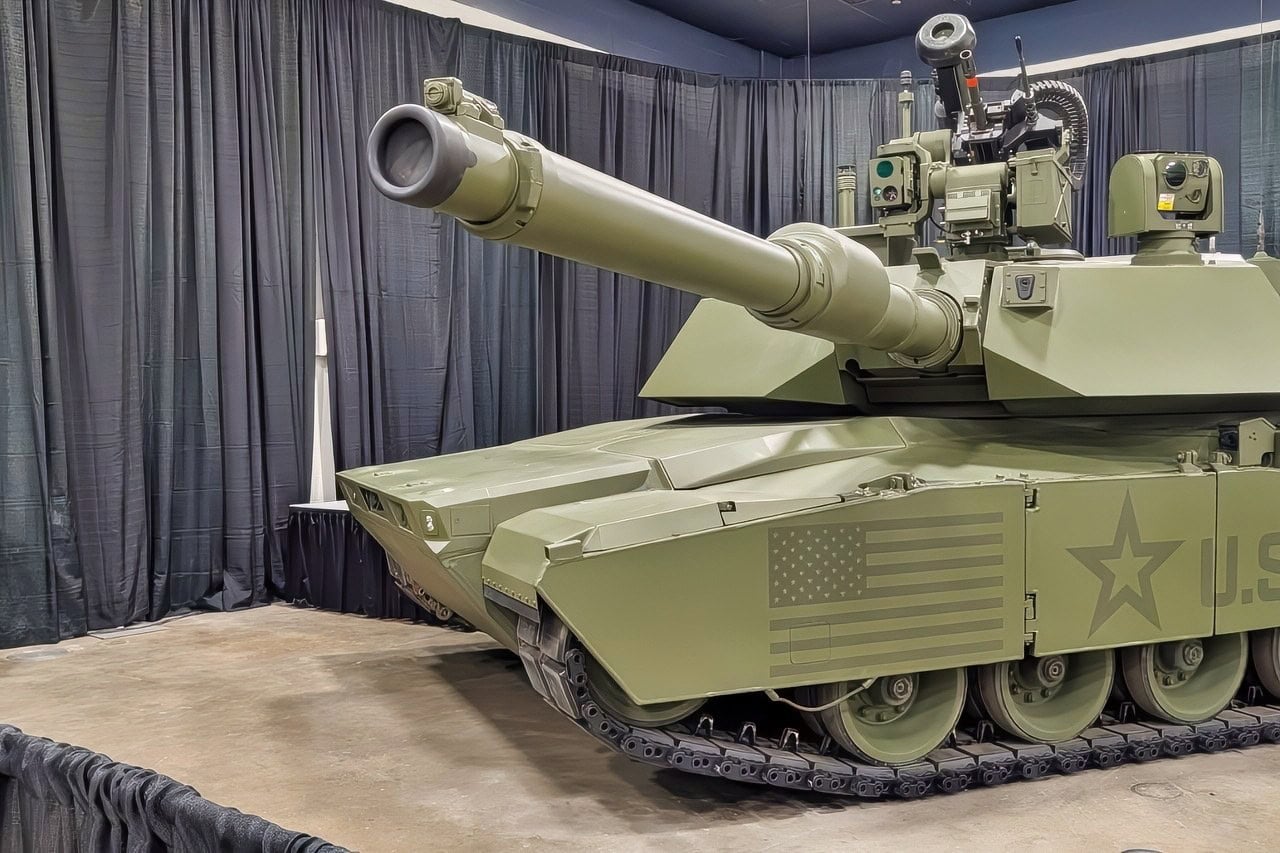
M1E3 Tank at the Detroit Auto Show. Image Credit: 19FortyFive.com
-This 19FortyFive analysis explores the Army Science Board’s warning regarding 2040 obsolescence and the Army’s pivot toward hybrid-electric propulsion, unmanned turrets, and the Israeli-built Trophy Active Protection System.
-BONUS – This article includes photos from our recent 19FortyFive photoshoot with the new M1E3 Abrams tank at the Detroit Auto Show.
Why The Army’s M1 Abrams MBT Is The Best Tank In The World
First of all, despite the ongoing war in Ukraine, the tank is not obsolete.
And while tank losses in the war in Ukraine have been massive, especially on the Russian side (4,325 tanks, 8,725 infantry vehicles, and 720 armored personnel carriers, according to Oryx), improved designs and tactics mean the tank’s role and importance continue to evolve.
But too many experts have examined Ukraine, misinterpreted the results, and reached the wrong conclusions. The Russian invasion was a massive miscalculation of the Ukrainian resolve to resist and the failure of the Russian military to tactically and strategically plan using a Combined Arms Team.
Meanwhile, the US has taken the best tank in the world and made it even better.
The M1A2 SEPv3 Program Explained
The M1E3 Abrams is a next-generation version of the M1 Abrams tank under development by the U.S. Army to be lighter, more technologically advanced, and more survivable than its predecessors.
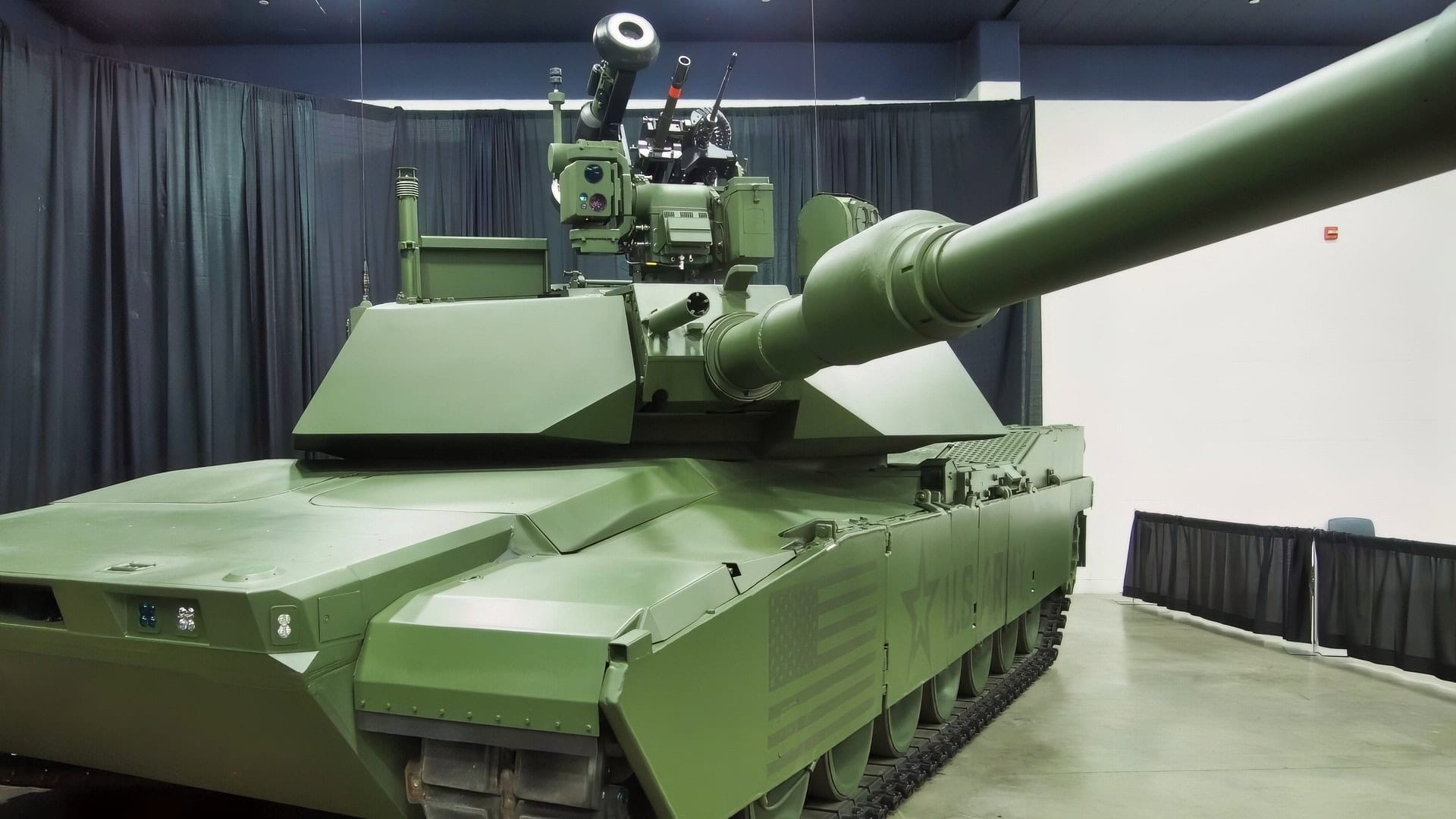
At the Detroit Auto Show, 19FortyFive visited the new M1E3 tank. Image Credit: 19FortyFive.com.
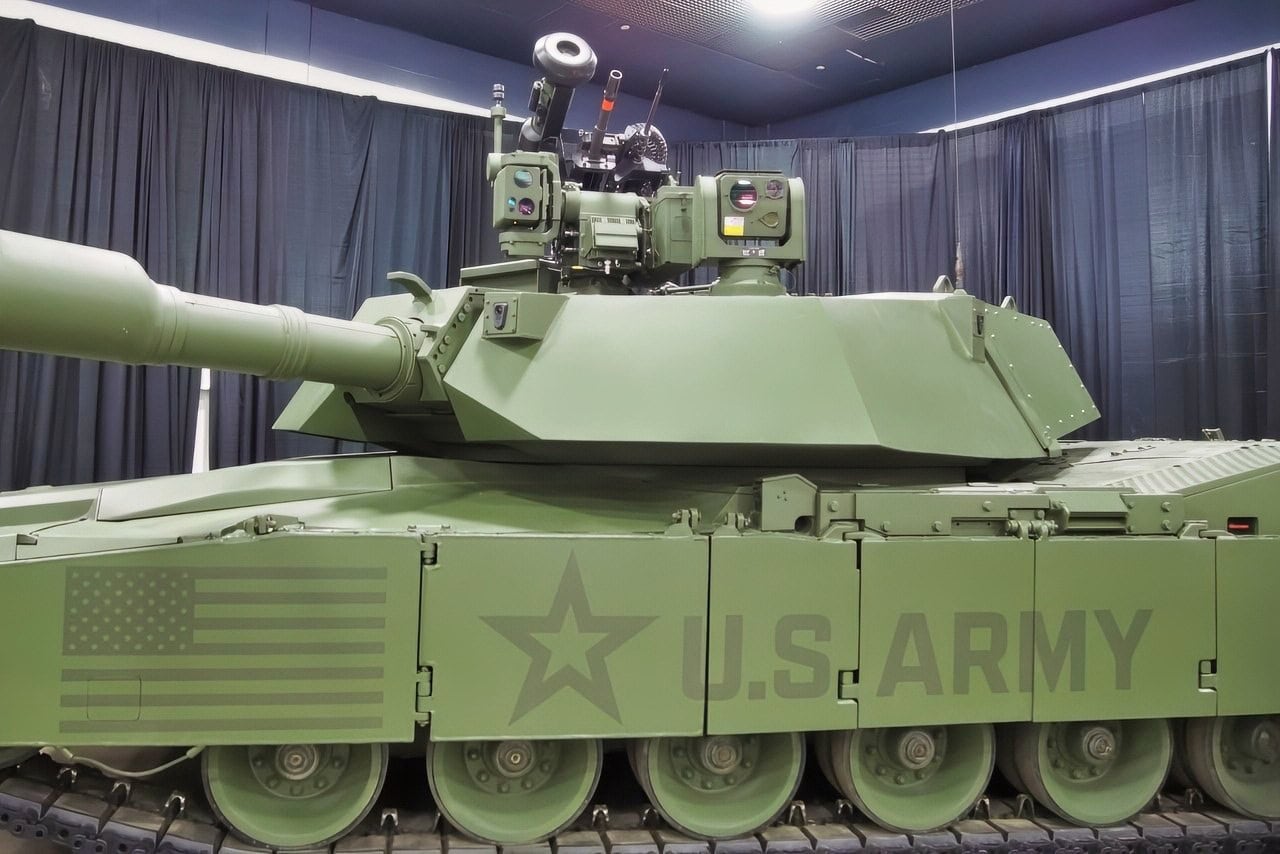
M1E3 from the Detroit Auto Show. Taken by 19FortyFive.com on 1/17/2026.
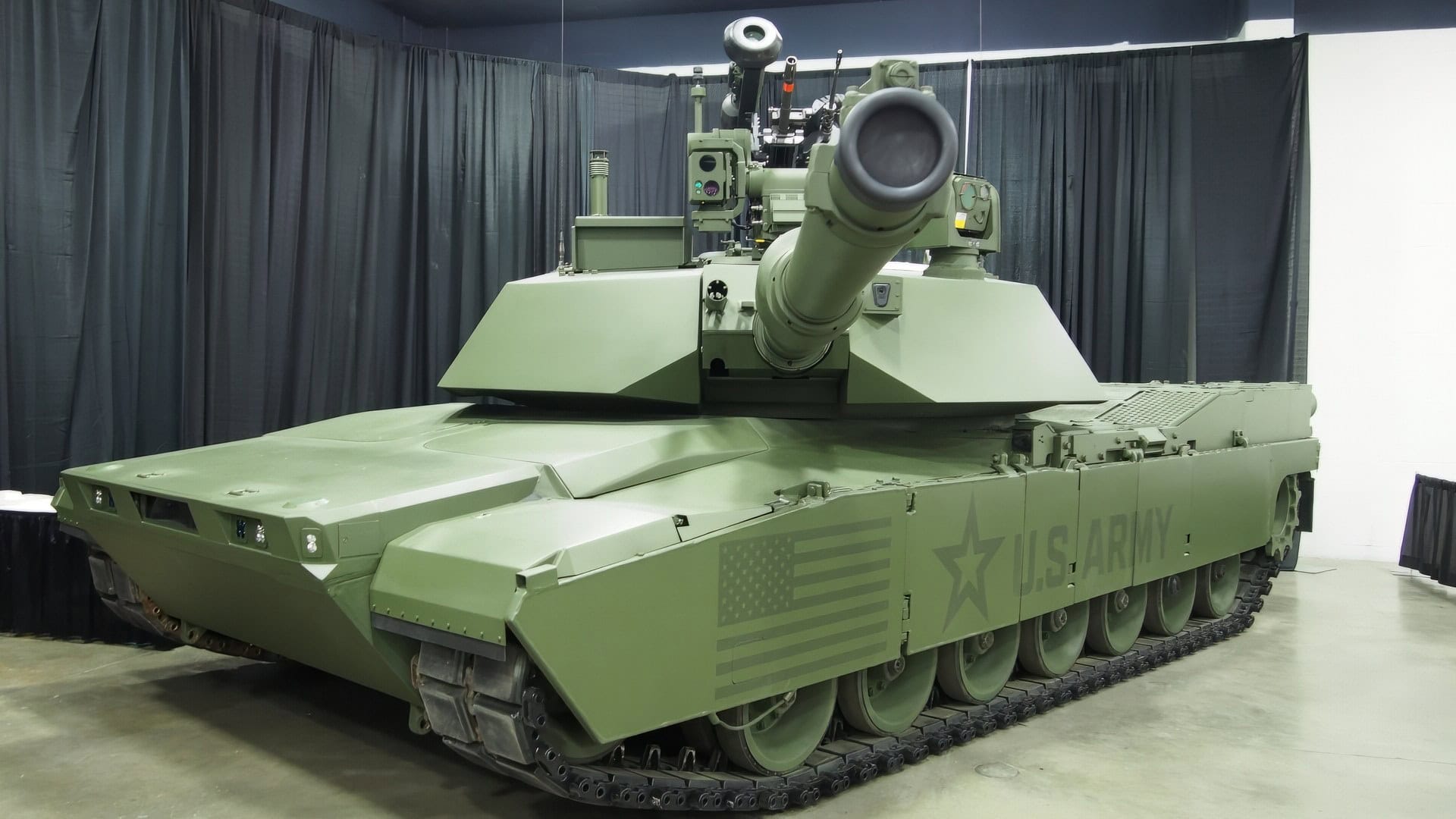
Photo taken on 1/17/2026 of the M1E3 Tank at the Detroit Auto Show. Image by 19FortyFive, All Rights Reserved.
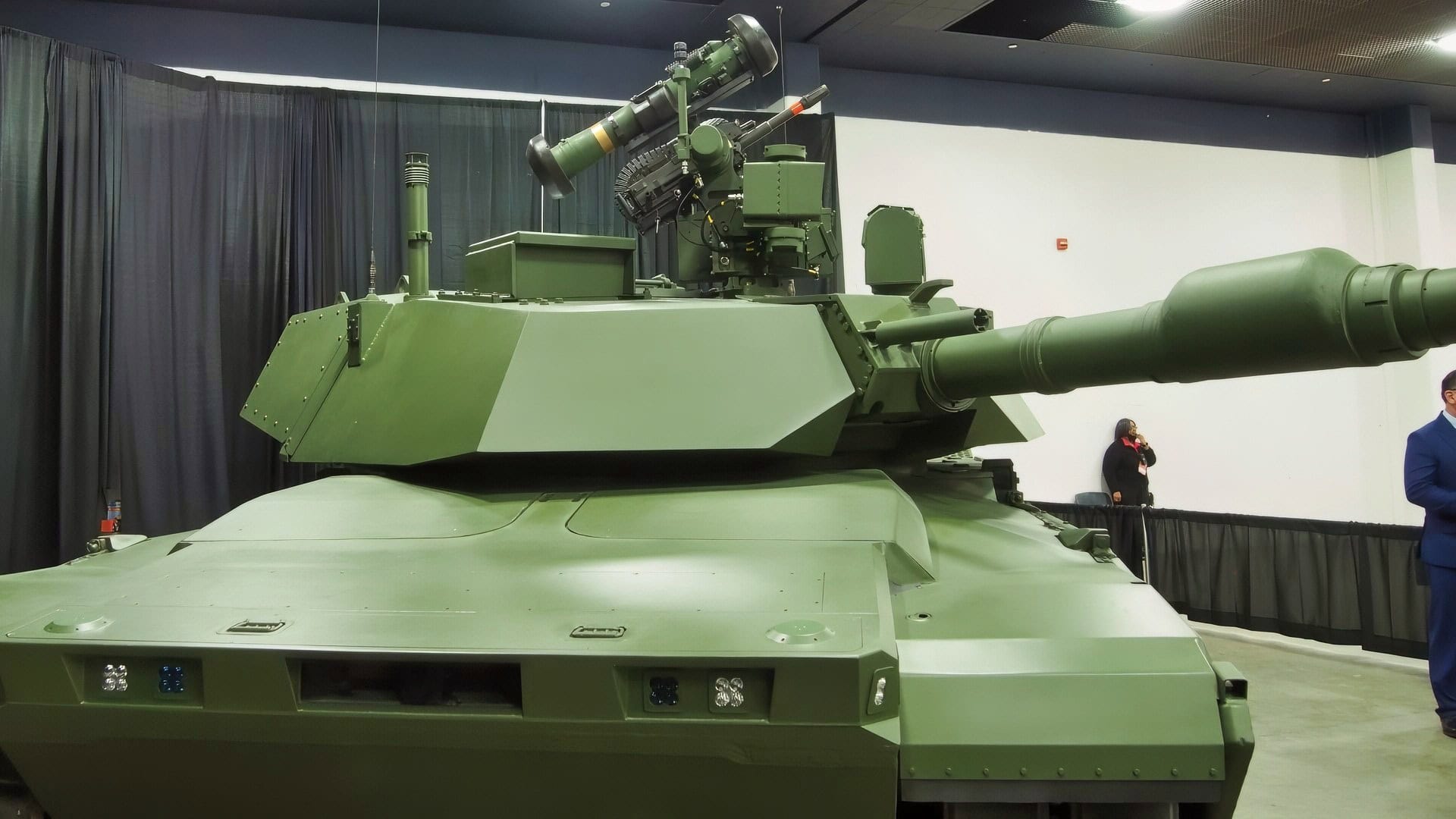
M1E3 Tank from the Detroit Auto Show. Photo Taken By 19FortyFive Staff on 1/17/2026.
It features a hybrid-electric drivetrain, an unmanned turret with an autoloader, and a modular open systems architecture for easier upgrades. It is designed to counter threats like drones and advanced anti-tank weapons.
The Army expects to receive the initial prototypes in 2026, with initial operational capability anticipated in the early 2030s.
The M1A2 Abrams SEPv3 is widely regarded as one of the best and most capable main battle tanks in the world, frequently ranked at or near the top for 2025–2026 due to its superior firepower, advanced protection (including Trophy APS), and enhanced electronics.
M1Abrams SEPv4 Canceled
The Army’s M1 Abrams System Enhancement Package Version 4 (SEPV4) was a proposed modernization of the long-standing American main battle tank (MBT). These upgrades offer numerous improvements over the previous SEPv3 configuration.
However, the M1 Abrams SEPv4 upgrade was cancelled due to concerns about its weight, mobility, and future battlefield dominance.
The Army decided to focus on a more radical modernization effort, the M1E3, which will incorporate lessons learned from the SEPv4 and address the evolving threats on future battlefields.
The Army Moves Ahead With the M1A2 SEPv3 Abrams
Meanwhile, the Army will continue to fund the M1 Abrams SEPv3 (System Enhancement Package Version 3) variant.
General Dynamics Land Systems (GDLS) has significantly upgraded the M1A2 Abrams, which is already an outstanding tank. The SEP stands for the System Enhancement Program. The newest iteration of the Abrams is already a popular model with our allies, as both Australia and Poland have ordered more tanks to beef up their armored forces. Ukraine is clamoring for more tanks.
This tank features advanced technologies, including enhanced infrared detection and a more powerful 120mm cannon. It will also include some of the SEPv4’s features and have a modular design, which makes it easier to incorporate new technology into an older weapon system.
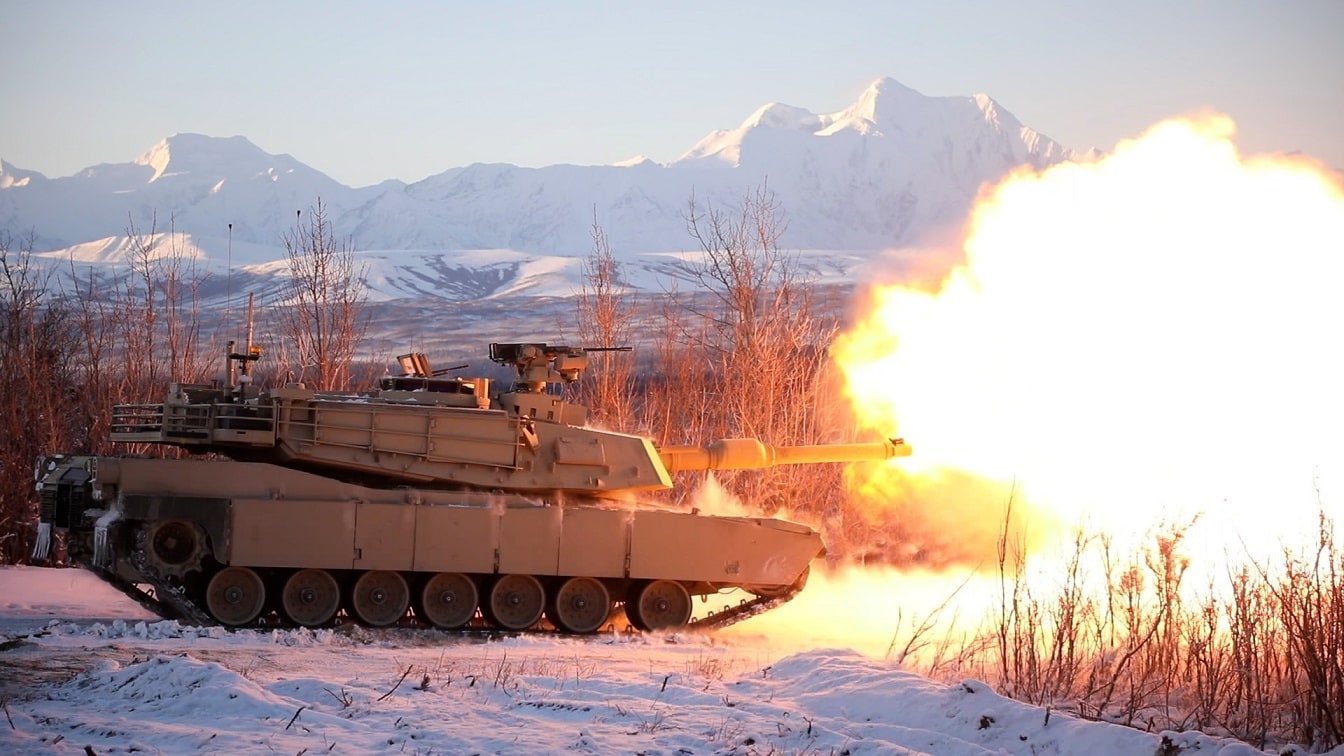
Since testing at U.S. Army Cold Regions Test Center, the Department of Defense’s lone extreme cold natural environment testing facility, began in January 2020, the M1A2 System Enhancement Package version 3 main battle tank was driven more than 2,000 miles in rugged conditions across three seasons of sub-Arctic weather, fired hundreds of rounds for accuracy in extreme cold, and underwent testing of its auxiliary power unit. Though the platform was extensively tested at U.S. Army Yuma Test Center prior to being put through its paces in Alaska, the sub-zero temperatures brought forth glitches that would have been unimaginable in the desert.
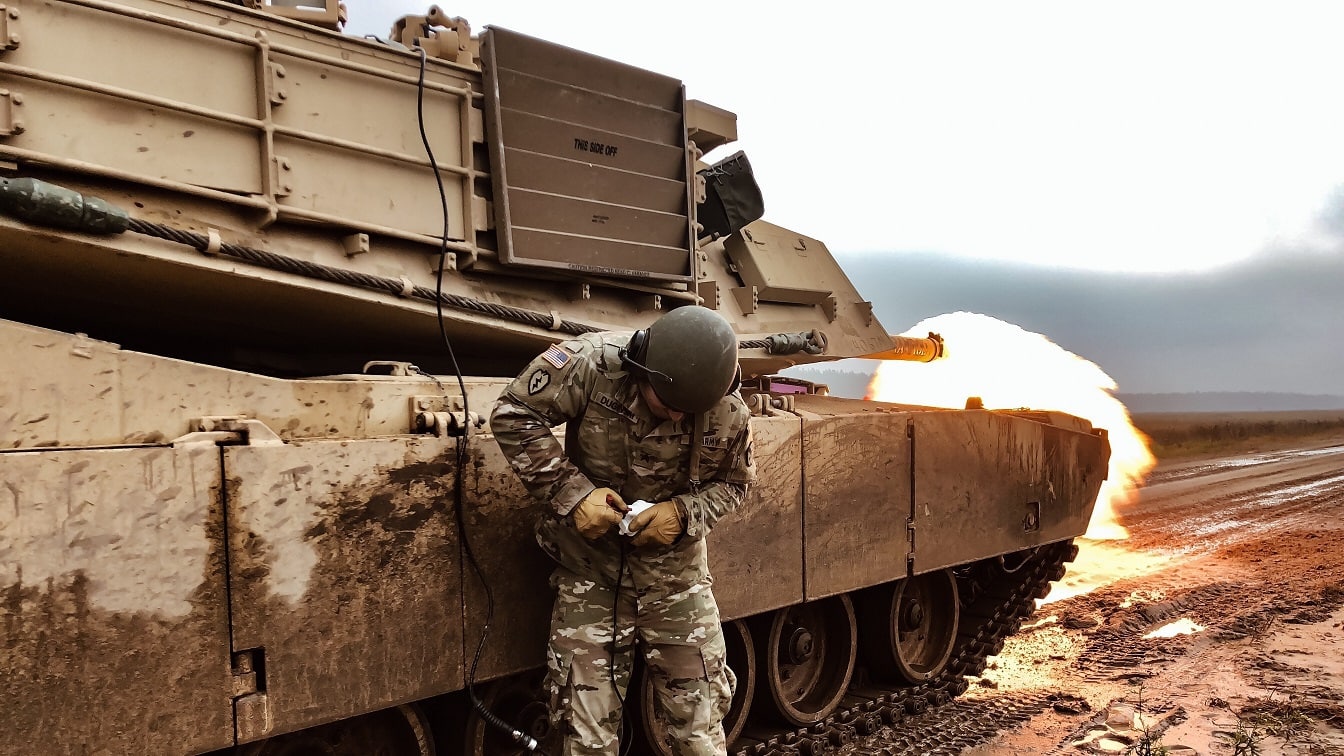
U.S. Army Sgt. Ryan Duginski, M1 Abrams Tank Master Gunner, assigned to Battle Group Poland, performs a tank remote-fire procedure to ensure firing capabilities function properly at Bemowo Piskie Training Area, Poland, Nov. 6. (Photos by U.S. Army 1LT Christina Shoptaw)
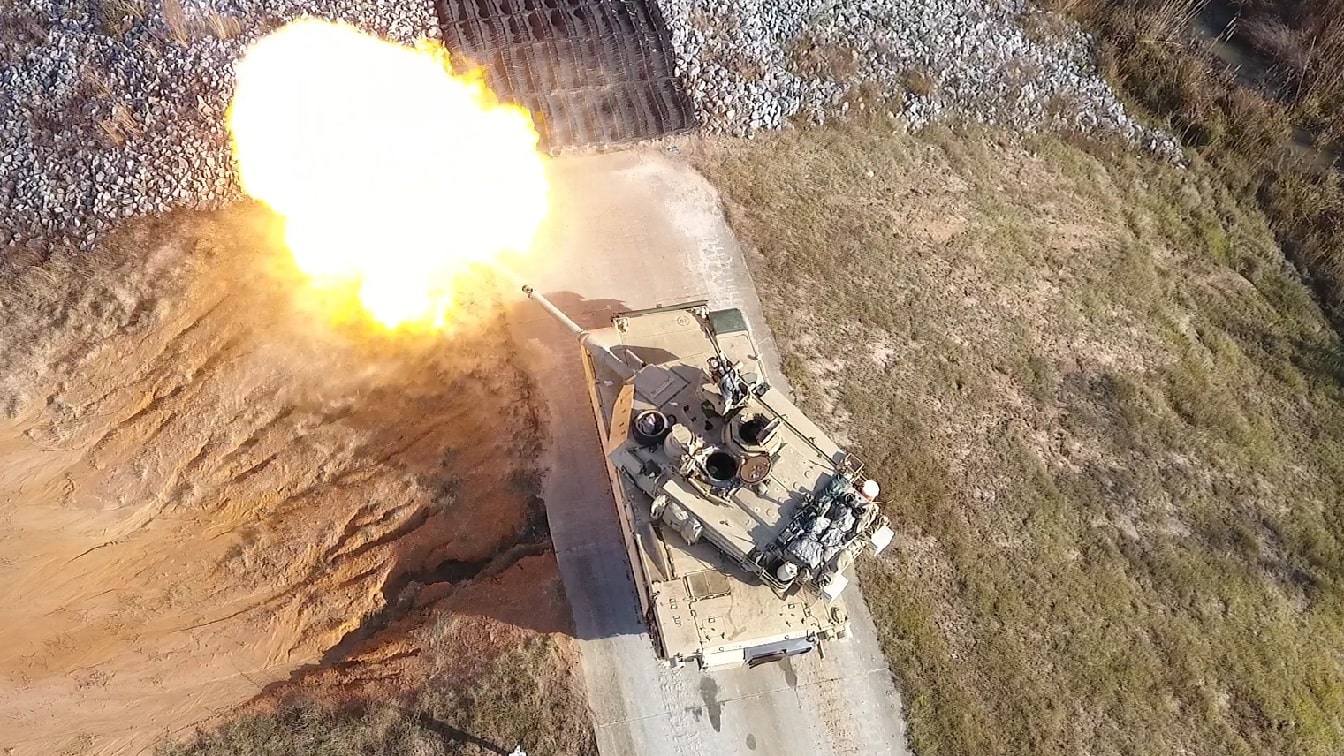
Aerial drone image of an M1A2 Abrams Main Battle Tank crew, from the 1st Armor Brigade Combat Team, 3rd Infantry Division, conducting Table VI Gunnery at Fort Stewart, Ga. December 6, 2016.
Once testing is complete, it will be named the M1A3 Abrams.
The Army has stated that the M1E3 Abrams will be the service’s first hybrid-electric combat vehicle.
The objective of this revolutionary change in basic armored vehicle propulsion technology will be to reduce the Army’s armored corps’ fuel consumption and extend the battlefield endurance of the entire M-1 fleet.
Some Enhancements And Upgrades of the M1A3 Abrams:
-A weight reduction of approximately 10 tons from the current SEPv3.
-A hybrid-electric diesel engine that will produce some 50 per cent improved fuel efficiency.
-An unmanned turret similar to those in contemporary MBT designs is seen in both Europe and Russia. This could reduce crew size from 4 to 3 by incorporating a compact MEGGITT autoloader. The three crewmen will be seated in the hull.
-An advanced set of armor protection developments designed to defeat drone-deployed munitions.
-A command and control system that permits Integration with unmanned aerial vehicles (UAVs)
-An AI-powered threat detection and fire control system.
-A modular open systems architecture (MOSA) will enable faster, easier Integration of future technology upgrades.
-Advanced protection: The tank will feature active and passive defense systems to counter threats such as drones and missiles.
The Abrams’ Improved Missile and Drone Defenses:
The M1A2 SEPv3 has adapted to consider the threat of Anti-tank missiles and drones. The SEPv3 has better explosive reactive armor, and the Israeli-built Trophy Active Protection System protects NATO tanks in a 360-degree perimeter against anti-tank missile threats.
The SEPv3 defends itself against drone attacks through a combination of its existing armor, newly added anti-drone screens, and improved electronic warfare capabilities to jam drone signals, thereby lessening the threat from small, fast-moving drones, particularly when facing drone swarms.
The improved third-generation Forward Looking Infrared targeting system allows the crew to fire from stand-off distances where the enemy can’t see it.
TWZ recently wrote that “the service has already integrated the Israeli-designed and combat-proven Trophy APS onto a portion of its existing Abrams tanks.
Trophy is a hard-kill APS that uses a burst of kinetic projectiles to defeat, or at least disrupt, incoming anti-tank guided missiles (ATGMs) and other infantry anti-armor weapons, such as shoulder-fired rockets and rocket-propelled grenades. A version of the system now exists that also offers protection against drones.”
Improvements To The Abrams Lethality/Firepower
The SEPv3’s main gun is the M256 120mm smoothbore cannon. It can fire M829A4 advanced kinetic-energy and advanced multi-purpose rounds via an ammunition data link.
This round is an Armor-Piercing, Fin Stabilized, Discarding Sabot – Tracer (APFSDS-T) cartridge consisting of a depleted uranium long-rod penetrator with a three-petal composite sabot.
These rounds will defeat third-generation explosive reactive armor (ERA) at extended ranges. ERA is designed for maximum penetration against heavily armored targets and has an effective range of 4,000 meters.
The crew compartment remains the same, with the driver in the middle of the hull and the commander, loader, and gunner in the well-armored turret. In addition to the main gun, the SEPv3 will have a .50-caliber M2 machine gun and a 7.62mm M240B coaxial machine gun.
M1A2 SEPv3’s Engine and Power Generation
The M1A2 SEPv3 is powered by a Honeywell AGT1500 gas turbine engine, which produces 1,500hp.
The auxiliary power unit, located under the armor, enables the tank to operate its onboard systems with a reduced probability of detection during silent watch operations.
The generator enables the turret to operate independently of the main engine when the vehicle is stationary, improving fuel efficiency and stealth.
The Army Science Board Says The M1 Will Be Inadequate By 2040:
The Army Science Board, a sanctioned independent group of experts that advises the Secretary of the Army, was candid in its report. The ASB explained in detail why the planned SEPv4 variant is inadequate for future warfare.
The study, which took several years to complete, concluded that the Abrams tank would not be usable in operations after 2040 and recommended developing additional fifth-generation armored vehicles.
“Based on our findings, the M1 Abrams will not dominate the 2040 battlefield. All of the M1’s advantages in mobility, firepower, and protection are at risk.
“The M1A2 SEP V3&4 upgrades will improve effectiveness but will not restore dominance. Near-total transparency across all domains will significantly increase the lethality our forces face. China and Russia have studied our forces and doctrine and are fielding countermeasures.”
The ASB report added, “We will continue to be outnumbered, which is exacerbated by a low MBT operational readiness rate and an aging fleet.”
The M1 Abrams Combat Record
The M1 Abrams, the American main battle tank (MBT), has been a cornerstone of U.S. armored forces since its introduction in the early 1980s. Its combat performance has been tested and proven in various conflicts, from the Gulf War to the war in Ukraine today.
The M1 Abrams has a distinguished combat record, characterized by high survivability and dominance in conventional warfare, notably in the Gulf War (1991), the Iraq War, and the Afghanistan War.
It has proven highly resistant to enemy fire, with no US tanks destroyed in 1-on-1 tank engagements, though several were damaged or lost to IEDs and friendly fire.
During the Gulf War, the M1 Abrams made its combat debut, playing a pivotal role in Operation Desert Storm.
The tank’s state-of-the-art Chobham composite armor and M68A1 rifled 105mm main gun (later upgraded to 120mm) gave it a significant edge over Iraqi forces equipped with older Soviet-era T-55 and T-62 tanks, as well as the T-72.
The Abrams’ superior firepower, mobility, and survivability were key to its success. Its ability to engage targets at long ranges with high accuracy was a game-changer. The tank’s thermal imaging system enabled it to operate effectively in the desert’s harsh conditions, both day and night, a capability that proved fatal for Iraqi tanks.
Abrams tanks were able to engage and destroy dug-in Iraqi T-72s before the Iraqi tankers could even see them.
This continued in the invasion of Iraq in 2003; however, when the fighting moved into the cities, the Abrams showed its limitations due to its large size and the numerous improvised explosive devices (IEDs) and rocket-propelled grenades (RPGs) that could be brought to bear against it.
Still, when engaging Iraqi armor or any other target at long range, the Abrams was very effective.
The war in Afghanistan, due to its counterinsurgency mission and mountainous terrain, didn’t offer many opportunities for the Abrams to be heavily used.
However, when the opportunity arose, the limited number of M1 Abrams tanks proved very effective at neutralizing long-range targets ahead of the infantry.
Lesser Performances By The M1 Abrams In Yemen And Ukraine
Saudi Arabia has deployed American-made M1A2S Abrams tanks in the Yemen conflict, primarily along the border in provinces like Jizan and Najran, where they have faced significant losses against Houthi rebels.
Houthi forces have frequently targeted these tanks with anti-tank guided missiles, resulting in numerous, often filmed, destructions.
While superior to any Yemeni armor, numerous Saudi Abrams tanks have been destroyed or disabled by Houthi rebels using older Soviet-era or Iranian-supplied anti-tank missiles.
Saudi Arabia uses the M1A2S variant, an upgraded version that lacks the specialized depleted uranium armor package found on US Army models, making it more vulnerable to attack.
The tanks are largely used in the border regions to defend against incursions and provide fire support, often falling victim to ambushes.
High losses prompted a $1.2 billion deal in 2016 for 153 additional tanks, 20 of which were to replace those destroyed in Yemen.
The First Combat For The M1A1 In Ukraine Went Poorly
The Abrams made its combat debut in 2024 during the defense of Avdiivka. Shortly after its first appearance, the Russians knocked out their first one, which Moscow propaganda crowed about.
Then the losses began piling up, culminating in Ukraine’s decision to temporarily pull the tank off the battlefield entirely after losing 20 of the 31 tanks sent by the US.
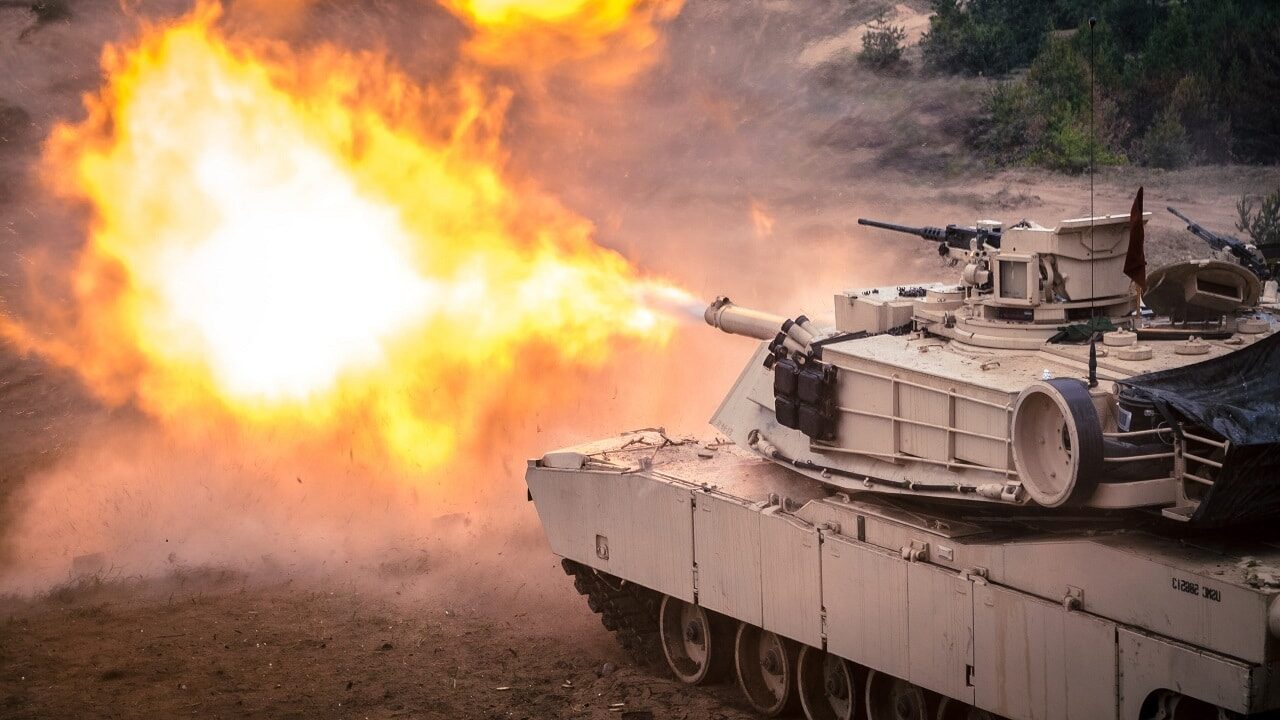
M1 Abrams Tank firing. Image Credit: Creative Commons.
The Russians captured a fully intact Abrams, which was then transported back to Moscow for study. This marked the first time a U.S. adversary had obtained and studied one of these tanks.
How did the Abrams, the best tank in the world, fail so badly?
Ukrainian Tactics Lacked Combined Arms Doctrine
The loss of so many M1A1s was not because of any shortcomings of the tank; it was due to tactics. The Ukrainians didn’t really understand how the Americans fight or use their armor.
The Abrams was designed to work within U.S. combined-arms doctrine, which dictates close cooperation among mechanized forces, infantry, artillery, and air power. Because Ukraine didn’t operate that way, Russian anti-tank missiles and drones took an unnecessary toll.
Due to manpower and equipment shortages, Ukrainian Abrams tanks often entered combat alone, without infantry or other armor support. Abrams tanks or any other ones are easy pickings for Russian anti-tank crews in these disadvantageous conditions.
Ukrainian tank crewmen complained that the tank was an easy target on the battlefield for Russian drone operators who easily spot and identify the massive tank. Russians were also quick to adopt the use of First Person View (FPV) kamikaze drones with explosives strapped to them.
FPV drones continue to pose a major problem for both Russian and Ukrainian armored vehicles.
Russian anti-tank equipment is also more sophisticated than many people give credit for. Reports indicate that several Abrams tanks were knocked out by Anti-Tank Guided Missiles (ATGMs), most notably the Kornet laser-guided missile, which has been responsible for many M1 Abrams kills.
The Ukrainians also noted that the Abrams they received had numerous technical issues, particularly with the engine and electronics.
The Abrams Is Still #1, But #2 Is Very Close
The US Army has made superb improvements with the M1A2 SEPv3. This may allow the Abrams to remain in inventory until 2040, giving it a 60-year lifespan. The best tank in the world is now even better.
But as I wrote at the end of December, the difference between #1 the M1A2 SEPv3 Abrams and the Leopard 2A7V is very slim, with some analysts believing the Leopard is now the best tank in the world.
But the Abrams is still King of the Hill, and has been for more than 40 years.
About the Author: Steve Balestrieri
Steve Balestrieri is a National Security Columnist. He served as a US Army Special Forces NCO and Warrant Officer. In addition to writing on defense, he covers the NFL for PatsFans.com and is a member of the Pro Football Writers of America (PFWA). His work was regularly featured in many military publications.