
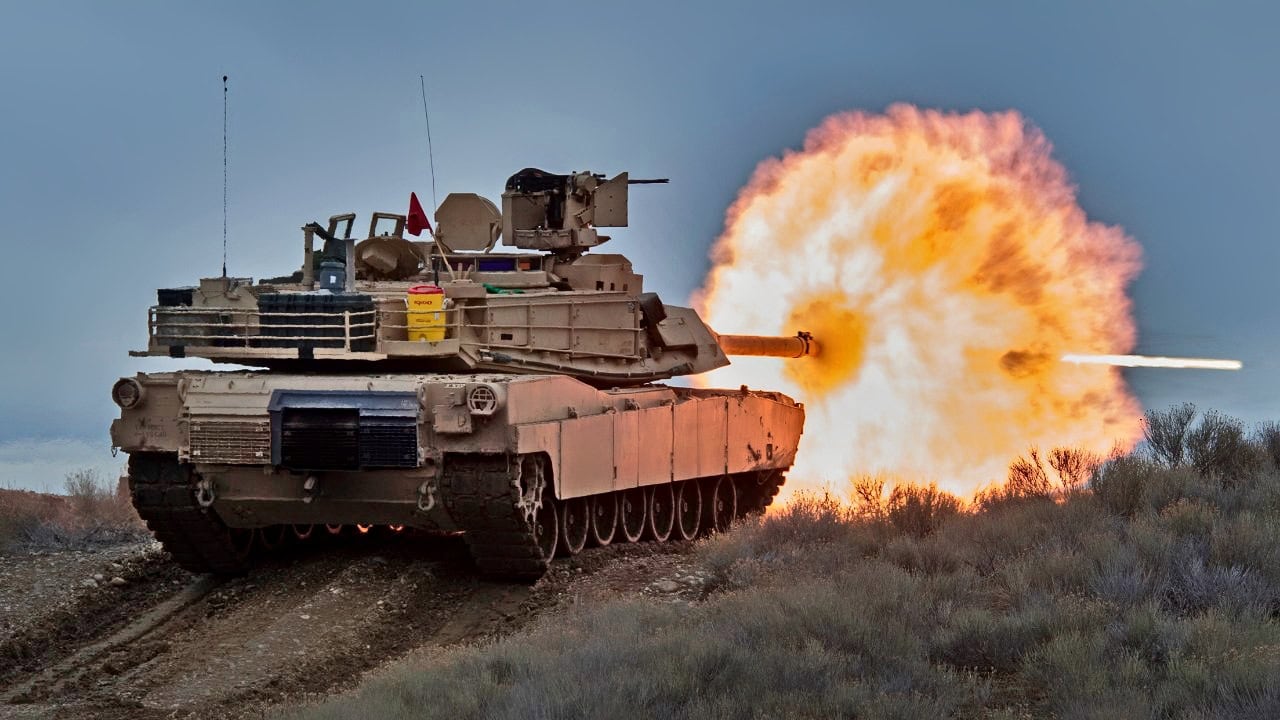
Summary and Key Points: The U.S. Army has officially transitioned from the overweight M1A2 SEPv4 to the M1E3 Abrams, an evolutionary redesign intended for the 2040 battlefield.
-Canceled due to an unsustainable 80-ton weight trajectory that threatened strategic mobility and logistics, the SEPv4’s bolt-on upgrades are being replaced by the M1E3’s integrated, modular architecture.
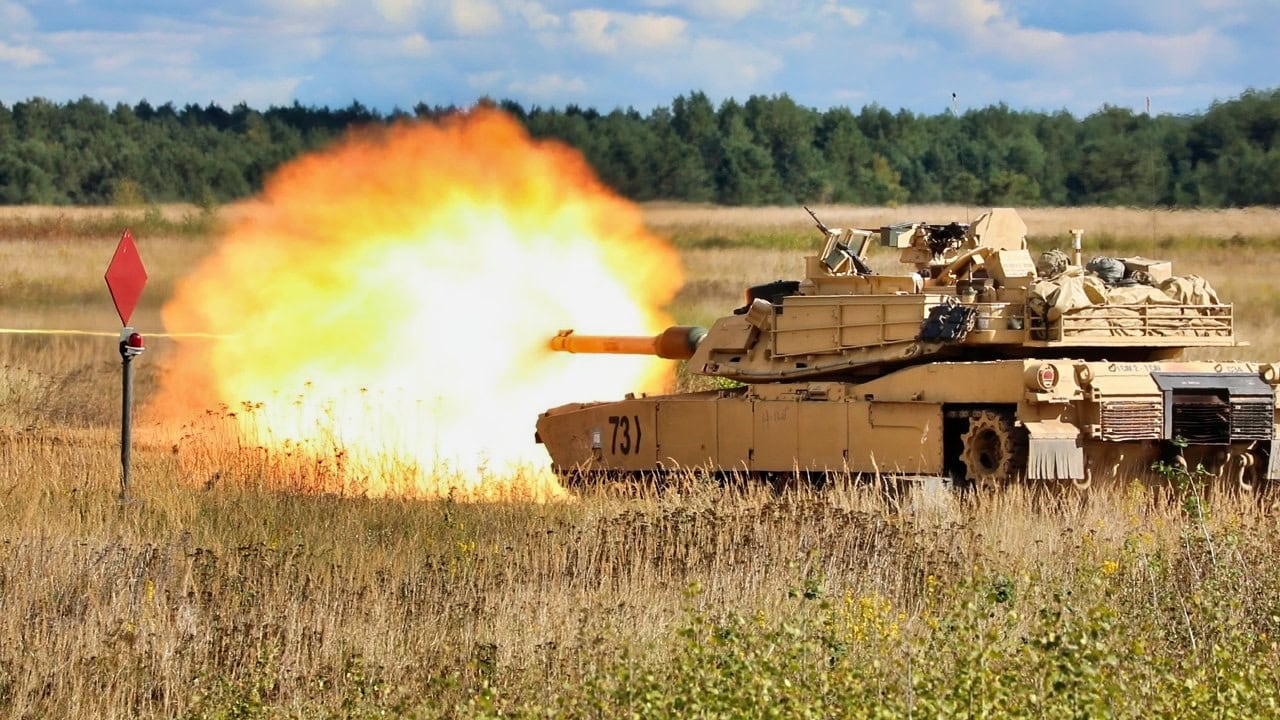
U.S Army troopers assigned to 3rd Armored Brigade Combat Team, 1st Cavalry Division fire the M1A2 SEPV3 Main Battle Tanks as part of gunnery qualification, Sept. 22, 2022, on Mielno Tank Range, Drawsko Pomorskie Training Area, Poland. Training like this ensures the units readiness in order to provide combat-credible forces in support of NATO allies and regional security partners. (U.S. Army Photo by Staff Sgt. Charles Porter)
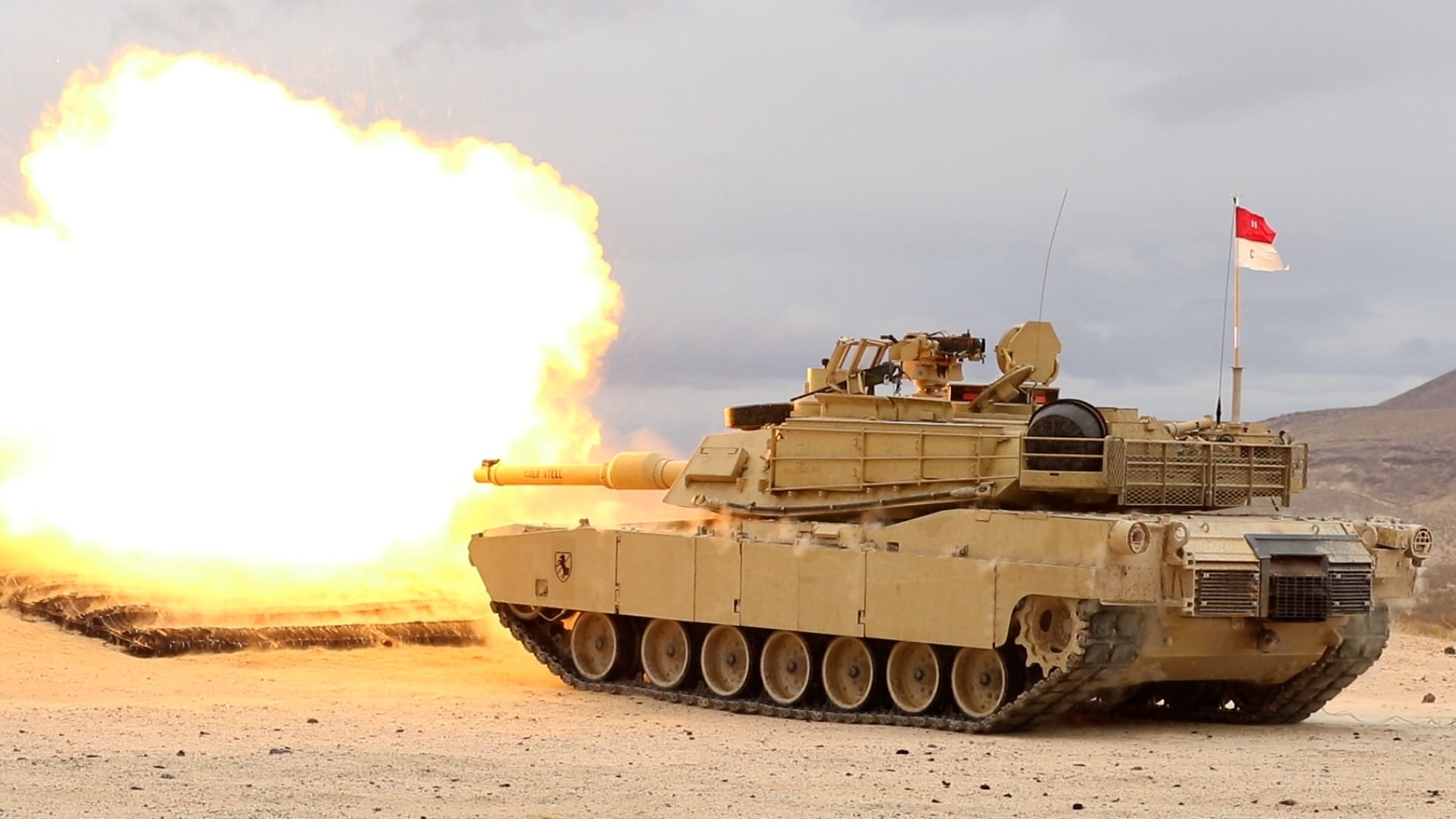
An M1A2 Abrams SEP V2 main battle tank, assigned to Cold Steel Troop, 1st Squadron, 11th Armored Cavalry Regiment, fires a M865 target practice cone stabilized discarding sabot with tracer on December 9, 2021, at the National Training Center and Fort Irwin training area.
-Unveiled as a pre-prototype in January 2026, the M1E3 features a reduced crew, autoloader, and hybrid powerplant.
-This shift prioritizes active protection and agility over raw mass, reflecting critical lessons from drone-saturated environments like Ukraine to ensure the Abrams remains the Army’s “apex predator.”
Why the U.S. Army Canceled the 80-Ton M1A2 SEPv4 for the Lighter M1E3 Abrams
In January, the U.S. Army unveiled a pre-prototype of the M1E3 Abrams, the next iteration of the venerable M1.
The M1E3 project was initiated after the discontinuation of the M1A2 SEPv4 program. Traditionally, the M1 undergoes modernization through the System Enhancement Package (SEP), which upgrades components ranging from the tank’s fire control systems to the communications equipment.
The question remains: Why did the SEPv4 program fail? Did the Abrams finally reach its limit, or is the Army making a mistake in pursuing the M1E3?
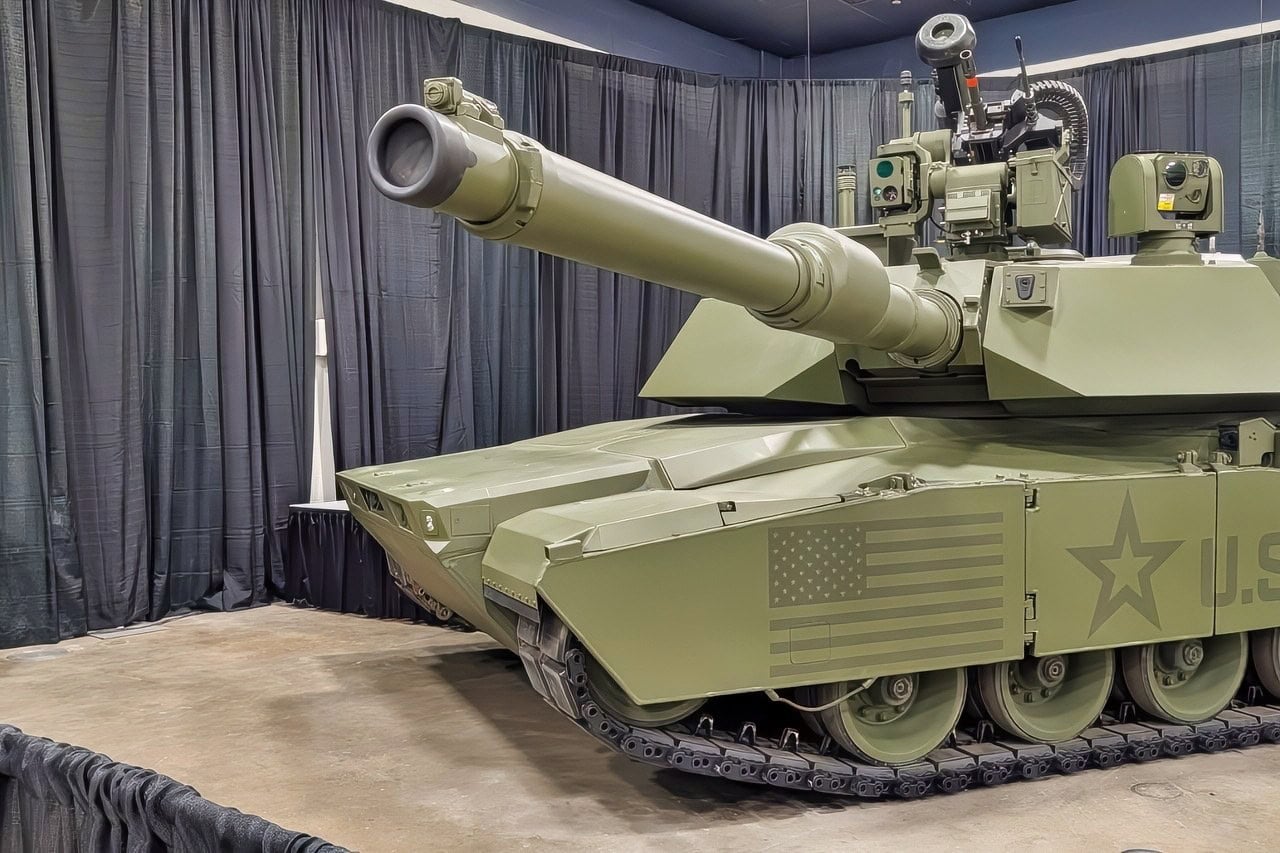
M1E3 Tank at the Detroit Auto Show. Image Credit: 19FortyFive.com
The SEPv4 Tank Proposition
The SEPv4 upgrade was conceived as a comprehensive modernization effort to enhance the Abrams’ lethality, survivability, situational awareness, and digital integration. The overarching package was intended to incorporate third-generation thermal sights, upgraded sensors, more advanced electronic warfare suites, improved ammunition data links, and a strengthened networking backbone to enhance the tank’s capability to operate in modern joint-force environments. These enhancements were intended to reinforce the Abrams’ battlefield dominance into the 2040s by enabling faster target detection, improved threat discrimination, greater compatibility with advanced munitions, and enhanced resilience against increasingly sophisticated anti-tank systems.
To be more specific, the SEPv4 was intended to be fitted with the AN/VVR-4 laser warning receiver, and the ROSY rapid obscurant system was trialed by the US Army on the M1A2 and Bradley Fighting Vehicle.
Both the commander’s site and the gunner’s site were to be upgraded with next-generation FLIR and receive improved laser rangefinders, color cameras, advanced sensors, and so on. Additionally, the tank was expected to receive next-generation rounds, such as the XM1147 Advanced Multi-Purpose (AMP) 120 mm tank round.
This was alongside many other proposed changes to enhance its situational awareness and networking. In concept, SEPv4 was to be the Abrams at its technological apex.
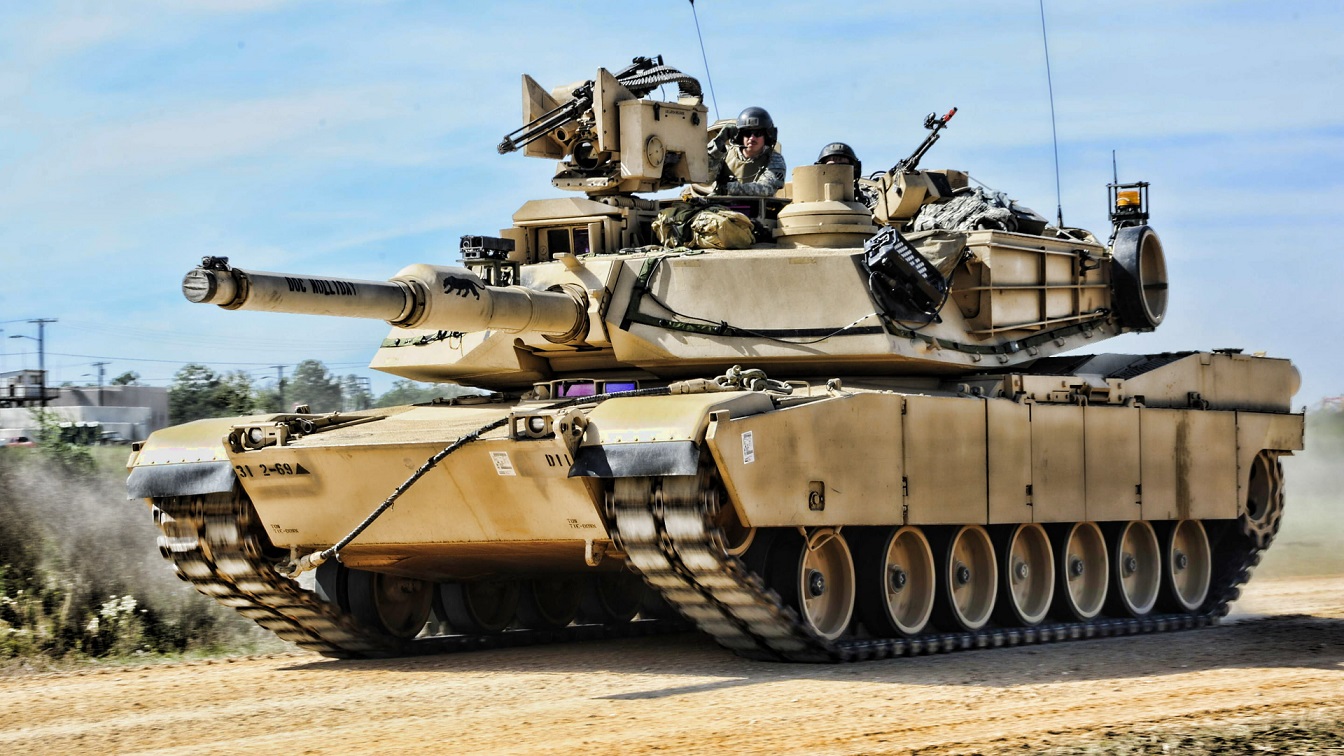
M1 Abrams Tank. Image Credit: U.S. Army.
The Army Shifts Its Priorities
However, the SEPv4 program soon encountered a challenge that plagued nearly every attempt to modernize the Abrams: the platform’s weight continued to increase at an unsustainable rate. The main issue lies within the Abrams platform itself.
After decades of adding package after package, the weight of the tank began to increase steadily. The M1A2 SEPv3 already weighs a staggering 73 tons.
The idea of adding more weight posed several complications, not only for speed and maneuverability but also for transportability, fuel efficiency, and the already heavy logistical demands associated with Abrams operations. A tank that was significantly heavier would encounter more difficulty crossing bridges, navigating soft terrain, and maneuvering in urban environments.
The outbreak of the war in Ukraine led the Army to reconsider its priorities.
While the SEPv4 was designed with drones in mind, no one knew just how much FPV drones would affect the battlefield. Maj. Gen. Glenn Dean, program executive officer for Ground Combat Systems, remarked that, “The war in Ukraine has highlighted a critical need for integrated protections for soldiers, built from within instead of adding on.”
The underlying message was that survivability now depended not simply on thicker armor or additional plating but on integrated defense systems. SEPv4, built around an older platform already burdened by decades of incremental enlargement, could not meet this requirement without further exacerbating weight problems.
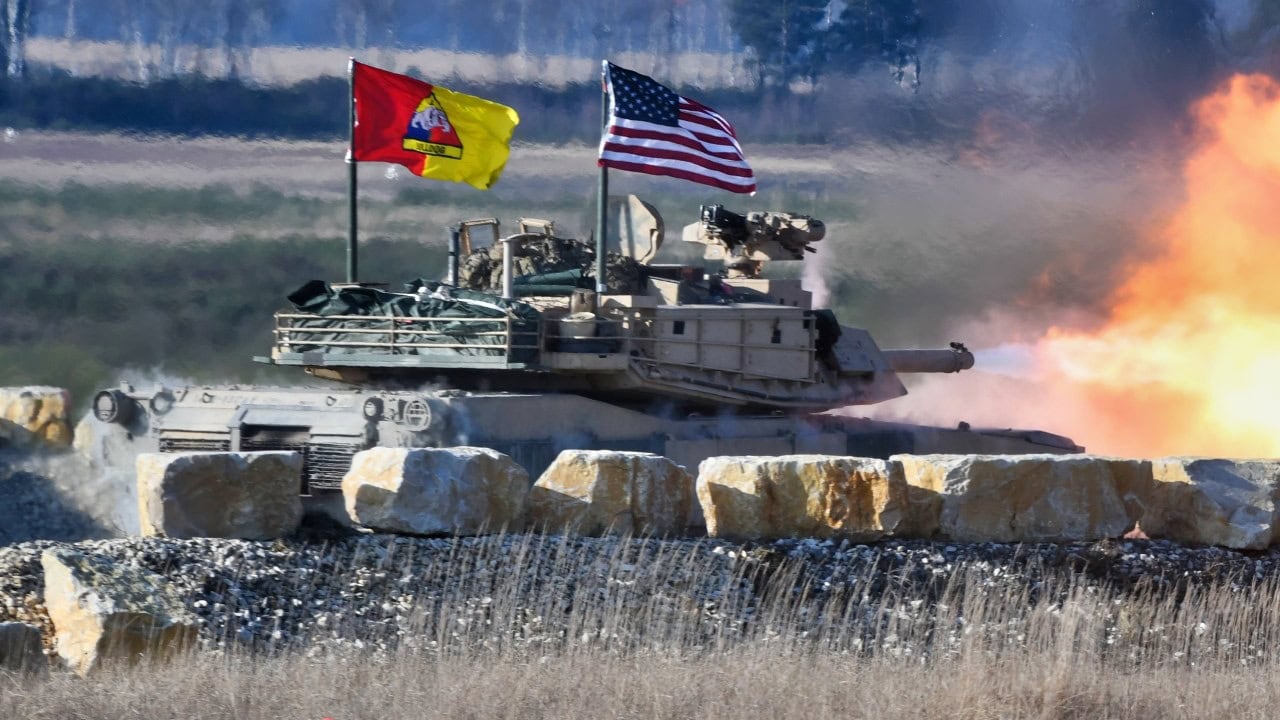
A U.S. M1 Abrams engages a target during the final event on Feb. 17, 2025 as part of the U.S. Army Europe and Africa International Tank Challenge at 7th Army Training Command’s Grafenwoehr Training Area, Germany. The USAREUR- AF International Tank Challenge builds tactical skills and enhances esprit de corps across the 11 teams from five participating allied and partner for peace nations. (U.S. Army photo by Sgt. Collin Mackall)
Enter the M1E3
As these concerns accumulated, the Army’s strategic thinking shifted toward a more ambitious redefinition of its future armored force. Rather than continuing to graft new systems onto an already heavy platform, leadership began advocating for a different approach that could integrate modern protection, power systems, and digital architectures from the ground up.
This new direction culminated in the decision to develop the M1E3 Abrams.
A quick point, but one that needs to be mentioned, the M1E3 is often described as a “clean sheet” redesign of the M1. This is not true.
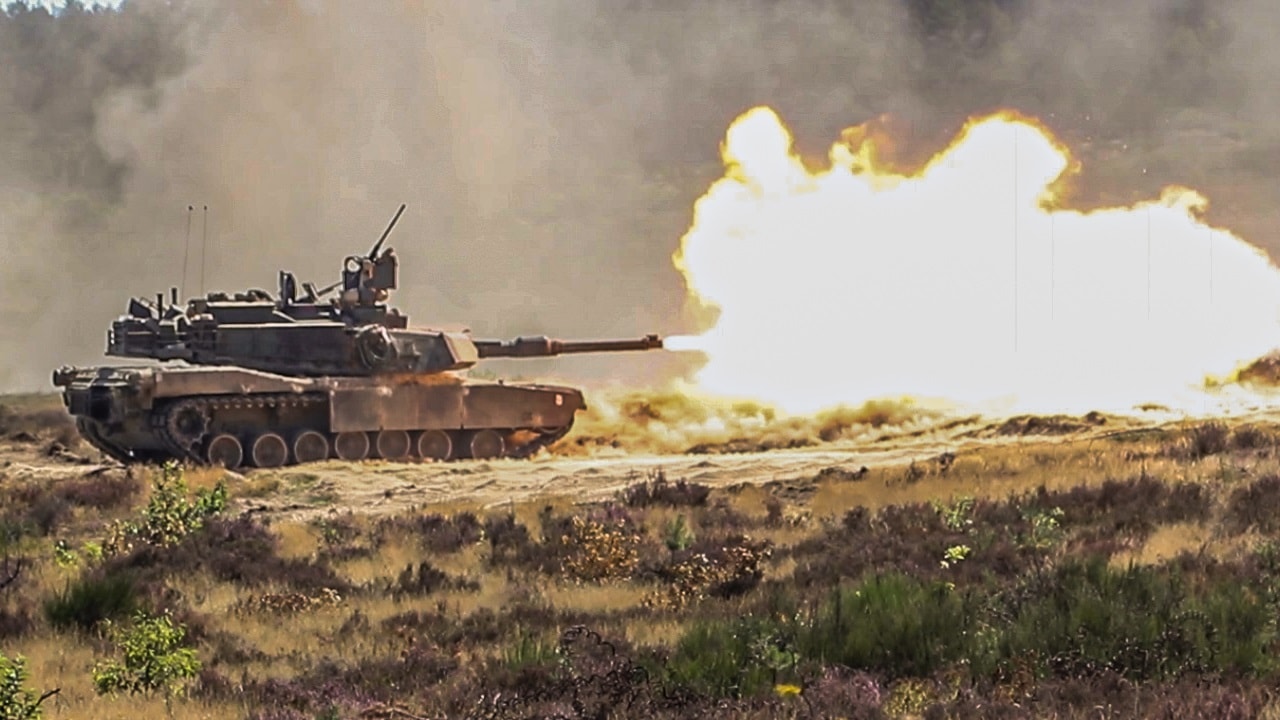
U.S. Army M1 Abrams Main Battle Tank variation fires at a target at Bucierz Range at Drawsko Pomorskie Training Area, Poland, August 11, 2020. DEFENDER-Europe 20 was designed as a deployment exercise to build strategic readiness in support of the U.S. National Defense Strategy and NATO deterrence objectives. In response to COVID-19, DEFENDER-Europe 20 was modified in size and scope. Phase I of the modified DEFENDER-Europe 20 was linked to exercise Allied Spirit, which took place at Drawsko Pomorskie Training Area, Poland, June 5-19 with approximately 6,000 U.S. and Polish Soldiers. In phase II of the modified DEFENDER-Europe 20, a U.S.-based combined arms battalion will conduct an emergency Deployment Readiness Exercise to Europe July 14-Aug. 22.
The M1E3 uses the same hull, gun, and many of the same sensors, but with major modifications to the crew configuration and suspension. Many of these systems are the same because they still work fine, and there is no need to change them for now.
In 2023, the SEPv4 program was officially paused and then canceled. For decades, the tank’s capability growth was achieved largely by bolting on additional armor packages, electronics, and sensors. This approach proved effective throughout the Cold War and into the early 21st century, but modern battlefields now reward active protection and reduced visibility rather than sheer mass.
The M1E3, designed around a modern modular open-systems approach, was expected to enable faster technology integration, more efficient resource use, reduced logistical burden, and significant improvements in both tactical and strategic mobility.
Too Big for Its Own Good, and the U.S. Army
In summation, the M1A2 SEPv4 failed because, as Col. Ryan Howell, the project manager of the M1E3, put it, “there wasn’t enough bang for its buck.”
The tank’s weight growth was the most pressing issue; SEPv4 risked producing a tank so heavy that it would struggle to maneuver or survive in modern warfare environments.
This, in turn, affected survivability, as slower, bulkier vehicles are easier to detect and target, particularly in conflicts characterized by omnipresent sensors and FPV drones. At the same time, the logistical demands of heavier armor threatened to strain supply lines in sustained combat operations. The Army Science Board’s findings further cast doubt on SEPv4’s long-term viability, concluding that no amount of evolutionary enhancement could prepare the Abrams platform to dominate the future battlefield.
Finally, the Army’s recognition that integrated, rather than add-on, protection systems were required necessitated a new approach.
About the Author: Isaac Seitz
Isaac Seitz, a Defense Columnist, graduated from Patrick Henry College’s Strategic Intelligence and National Security program. He has also studied Russian at Middlebury Language Schools and has worked as an intelligence Analyst in the private sector.