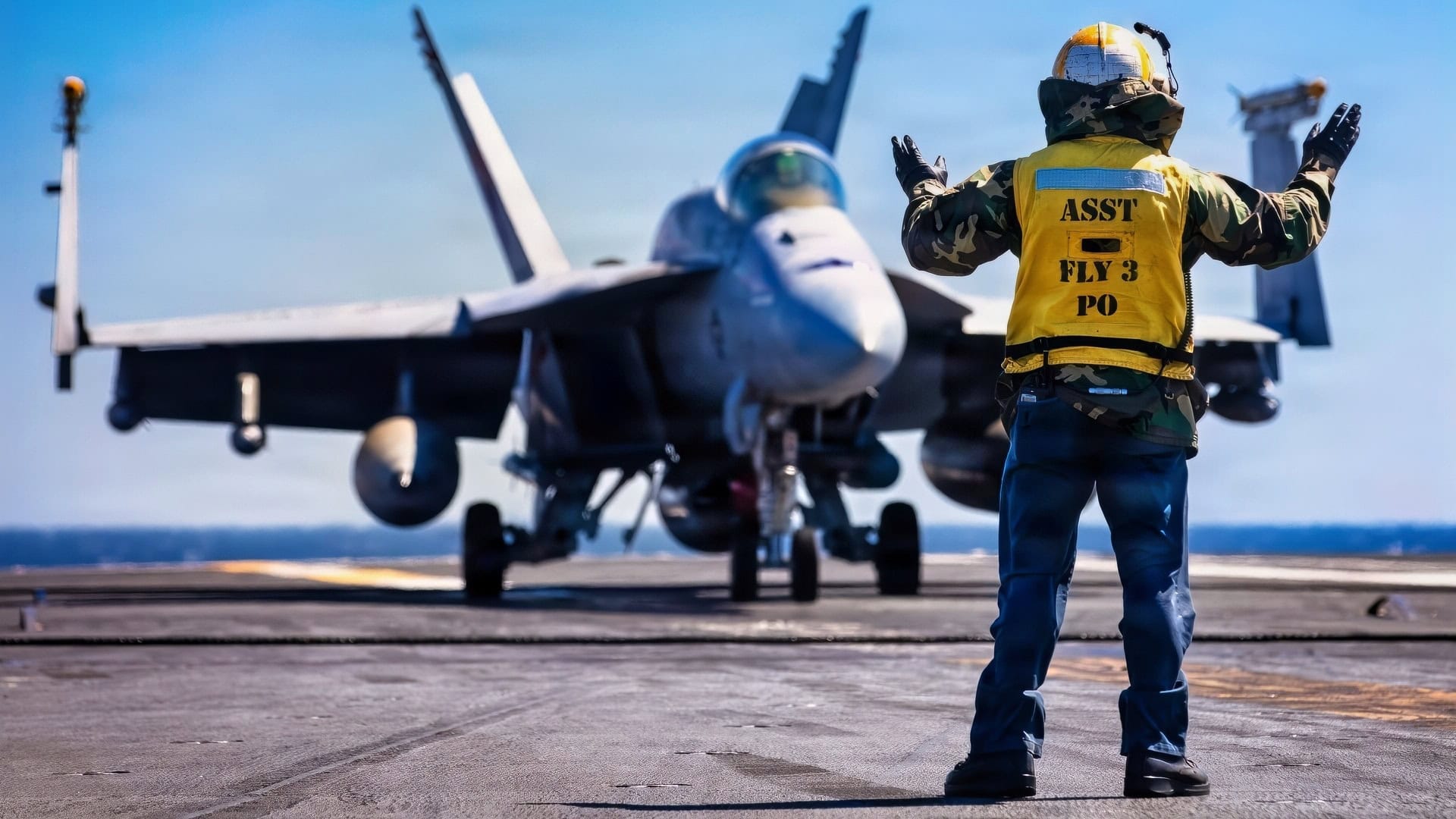
The U.S. Navy’s USS Gerald R. Ford Aircraft Carrier Has Been Tested To the Limit
The USS Gerald R. Ford is the U.S. Navy’s most advanced and pricey aircraft carrier, but some fear it has not been pulling its weight of late.
A fire erupted in the ship’s laundry area several weeks ago, forcing the carrier to abandon its frontline activities related to the current war with Iran. The carrier sailed over to Souda Bay in Crete for its repairs. The shocking incident, detailed by The New York Times, is sparking new anxieties over the problem-ridden vessel.
A spokesperson for US 5th Fleet told USNI News that “Ship’s force is inspecting and overhauling affected spaces, and the cause of the fire is under investigation”.
The newspaper revealed that sailors tackled the blaze for upwards of 30 hours on March 12.
Two members of the Navy received treatments for minor injuries, while others had smoke inhalation. 600-plus crew members had to sleep on floors and tables after their bunks were ruined in the blaze.
The paper also reported that the carrier, now in its 10th month of deployment, may remain at sea until May, potentially keeping it away from home for close to a full year.
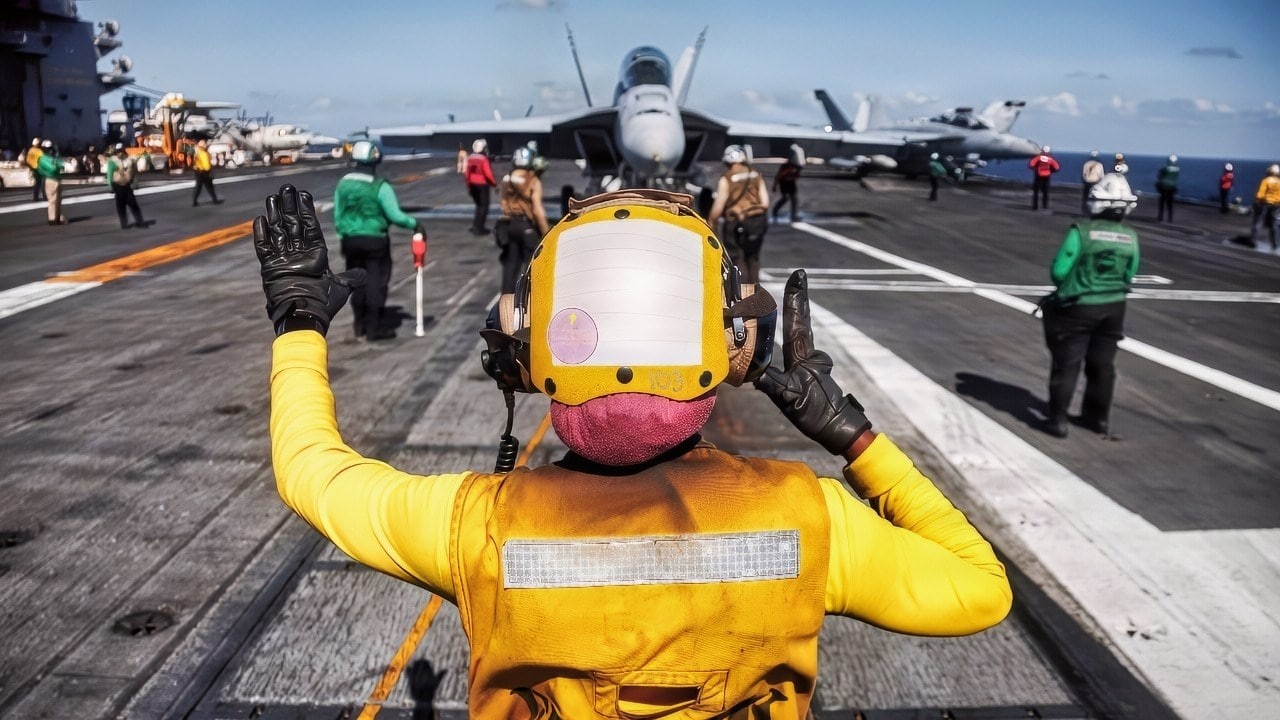
A U.S. Sailor signals to an F/A-18F Super Hornet aircraft, attached to Strike Fighter Squadron 213, on the flight deck of the world’s largest aircraft carrier, Ford-class aircraft carrier USS Gerald R. Ford (CVN 78), while underway in the Caribbean Sea, Feb. 5, 2026. U.S. military forces are deployed to the Caribbean in support of the U.S. Southern Command mission, Department of War-directed operations, and the president’s priorities to disrupt illicit drug trafficking and protect the homeland. (U.S. Navy photo)
That alone would be punishing for any carrier group. For the Ford, it has only amplified old concerns about strain on both ship and crew. A retired Rear Admiral, John Kirby, told The New York Times that ships “get tired too,” warning that prolonged deployments inevitably grind down their systems and personnel.
The Navy has insisted that the ship remains fully mission-capable.
A U.S. Navy statements aid the port call in Crete would allow for “efficient assessment, repairs, and resupply” while the USS Gerald R. Ford Carrier Strike Group continues its global deployment. The Ford arrived in Crete after being pulled away from Middle East operations during a live conflict.
The Times described the ship as being in “turmoil,” citing not only the fire but a broader pattern of mechanical and habitability failures. The damaged berthing spaces were already in short supply on a ship designed for a smaller crew, further spiking anxieties about how sustainable such deployments are in the long run.
The fire is a major public embarrassment, but perhaps more worrying is this wider pattern of problems. The USS Gerald R. Ford was finally commissioned in 2017 after many years of delays, and a price tag of roughly $13.2 billion.
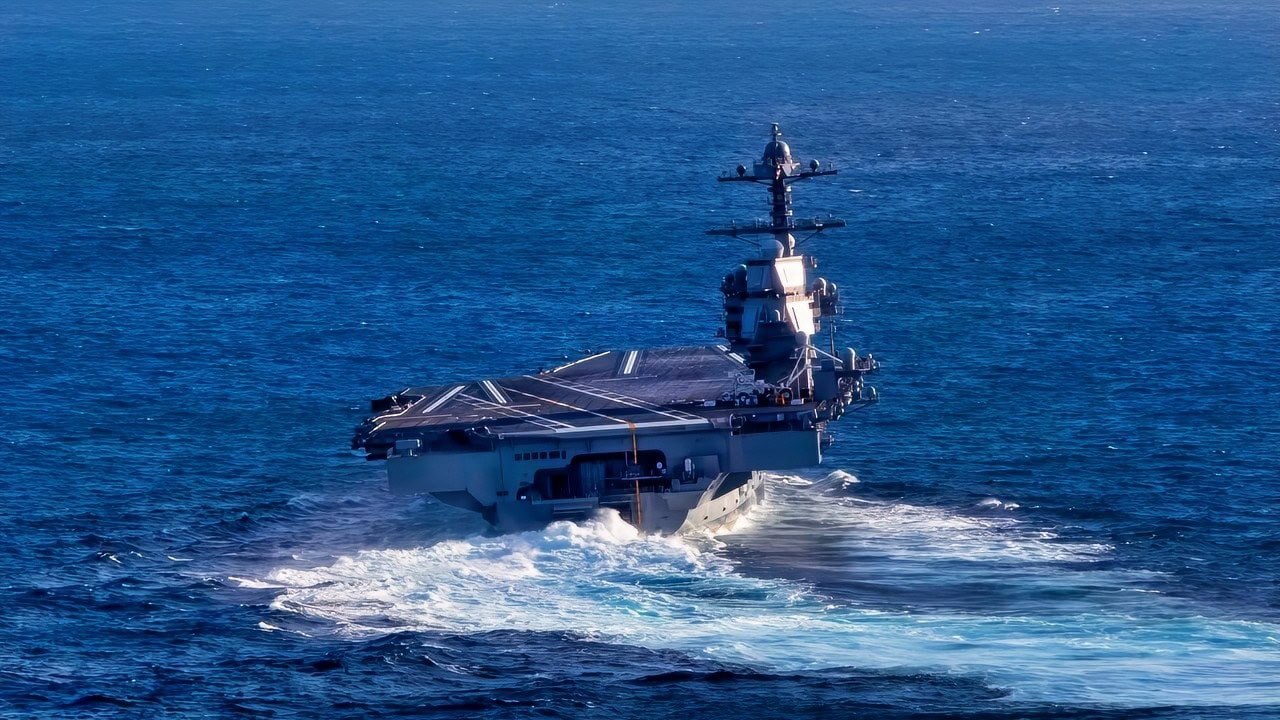
ATLANTIC OCEAN (Oct. 29, 2019) USS Gerald R. Ford (CVN 78) conducts high-speed turns in the Atlantic Ocean. Ford is at sea conducting sea trials following the in port portion of its 15 month post-shakedown availability.(U.S. Navy photo by Mass Communication Specialist 3rd Class Connor Loessin)
A recent Bloomberg report cited an internal Pentagon testing review suggesting that, nine years after delivery, the Department of Operational Test and Evaluation still has doubts about the ship’s “operational suitability.” Launch and recovery systems, radar performance, defensive systems, and weapons elevators reportedly remain insufficiently tested.
Grazier has argued that the Ford initiative became a lesson in how things can spiral when military procurement prioritises political delays and industrial sparring over effectiveness. The carrier incorporated some two dozen new and largely unproven technologies, resulting in delays of some three years and costs well over a quarter above earlier budget expectations.
The Electromagnetic Aircraft Launch System (EMALS) replaced the steam catapults used by older Nimitz-class carriers but proved less reliable than needed, requiring major off-ship support.
The vessel’s ongoing toilet issues, while Grazier, drawing on previous NPR reporting and Government Accountability Office concerns, described a badly designed vacuum sewage system prone to repeated clogs and costly maintenance. That might sound trivial next to questions of combat readiness, but it plainly is not. Habitability matters on a warship, especially during a deployment stretching toward a year.
EUalive, citing regional sources, reports that Ford could move on from Crete to Croatia for other repairs, although neither the U.S. Navy nor the Croatian government has officially confirmed this plan.
The USS Gerald R. Ford Aircraft Carrier: What Now?
The Navy is still defending the Gerald R. Ford as a premier combat platform, and former commanding officer Capt. Rick Burgess, last year, called it the “most capable, adaptable, and lethal combat platform in the world,” according to The Maritime Executive.
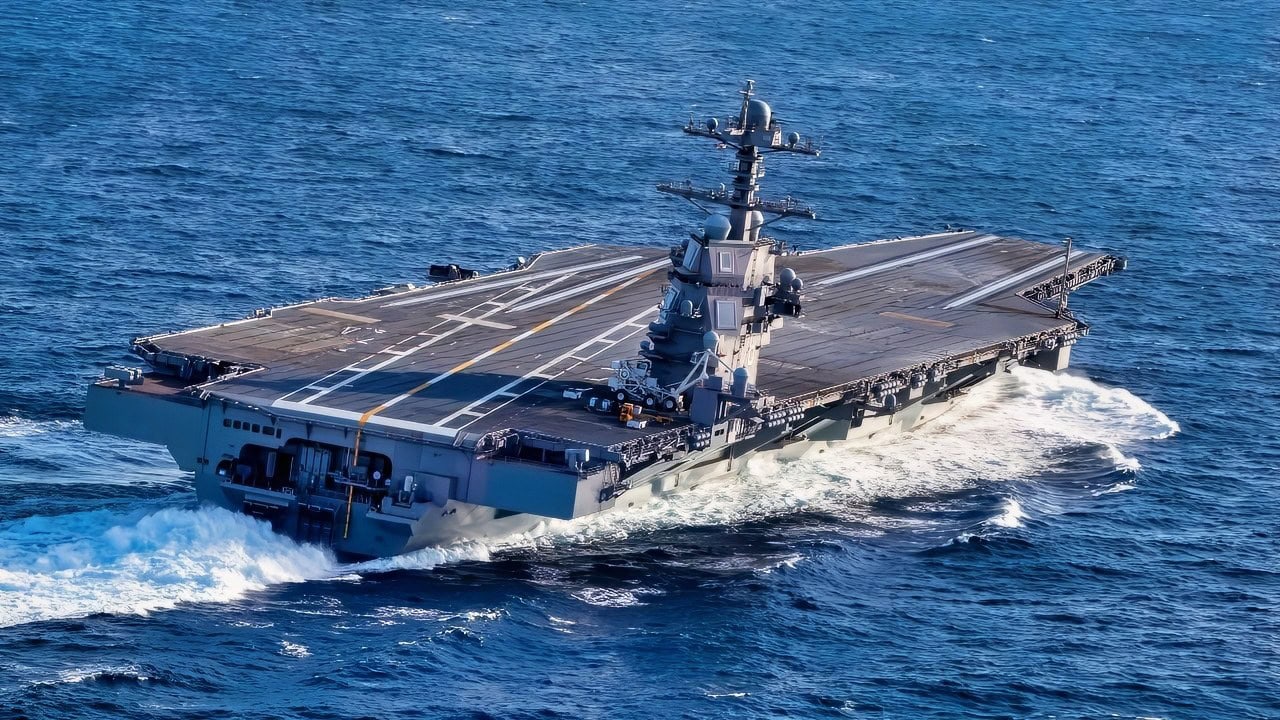
ATLANTIC OCEAN (Oct. 29, 2019) USS Gerald R. Ford (CVN 78) conducts high-speed turns in the Atlantic Ocean. Ford is at sea conducting sea trials following the in port portion of its 15 month post-shakedown availability. (U.S. Navy photo by Mass Communication Specialist 3rd Class Connor Loessin)
But such rhetoric must increasingly be faced with cold, hard facts. That this $13 billion flagship remains riddled with fire damage and plumbing failures is a huge problem, but there is little doubt that, as part of the most powerful and wealthy navy in the world, it should be able to turn its fortunes in the years ahead.
About the Author: Georgia Gilholy
Georgia Gilholy is a journalist based in the United Kingdom who has been published in Newsweek, The Times of Israel, and The Spectator. Gilholy writes about international politics, culture, and education. You can follow her on X: @llggeorgia.