

Summary and Key Points: National security writer Harrison Kass evaluates the operational relevance of the Los Angeles-class nuclear attack submarine during the Operation Epic Fury campaign.
-Despite the class’s age, a “688” boat achieved the first U.S. submarine-led sinking of an enemy warship in eight decades.
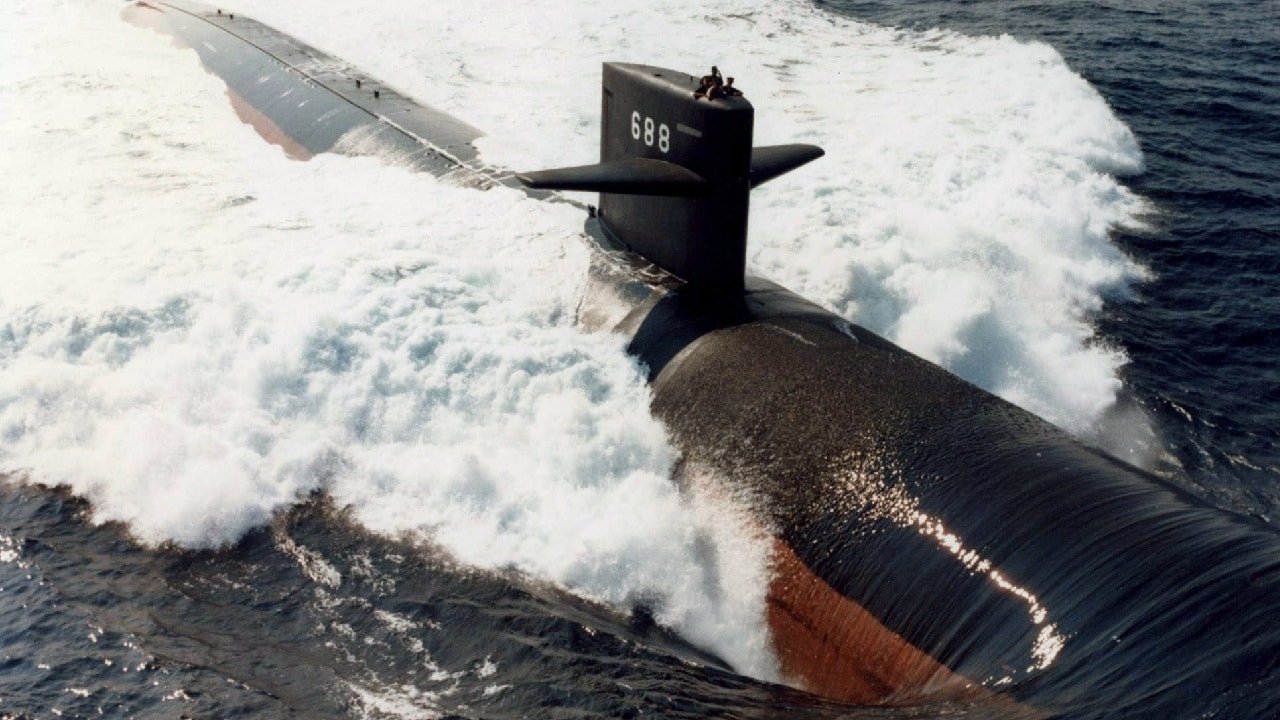
Los Angeles-class attack submarine. Image Credit: Creative Commons.
-This report analyzes the gradual phase-out of the remaining 23–26 hulls, including the 2026 retirements of the USS Newport News, USS Alexandria, and USS Scranton.
-Kass explores the trade-offs between the expensive nuclear refueling requirements and the superior sonar and electronic warfare suites of the Virginia-class, concluding that the shift is essential to counter China’s advanced anti-submarine warfare (ASW) capabilities.
The Los Angeles-Class Submarine Retirement Question That Looks over the U.S. Navy
The Los Angeles-class nuclear attack submarine has been the backbone of the Navy’s undersea force since the 1980s. And though aged, Los Angeles-class remains a relevant frontline operator even today.
To prove the point: last week, a Los Angeles-class submarine reportedly sank an Iranian warship during Operation Epic Fury, marking the first sinking of an enemy warship by a US submarine since World War II. The incident demonstrated that, despite being 40 years old, the Los Angeles-class is still a lethal platform.
Yet, Los Angeles-class is slated for retirement as the Navy transitions towards the newer Virginia-class.
But given that Los Angeles is still so lethal, is the retirement premature—could the platform be modernized to extend its service life? Or has retirement become unavoidable?
Cold War Workhorse
The Los Angeles entered service in the early 1980s; they were designed during the Cold War to counter Soviet submarine and surface fleets. At the height of the program, 62 boats were built, making it one of the largest nuclear submarine classes ever produced.
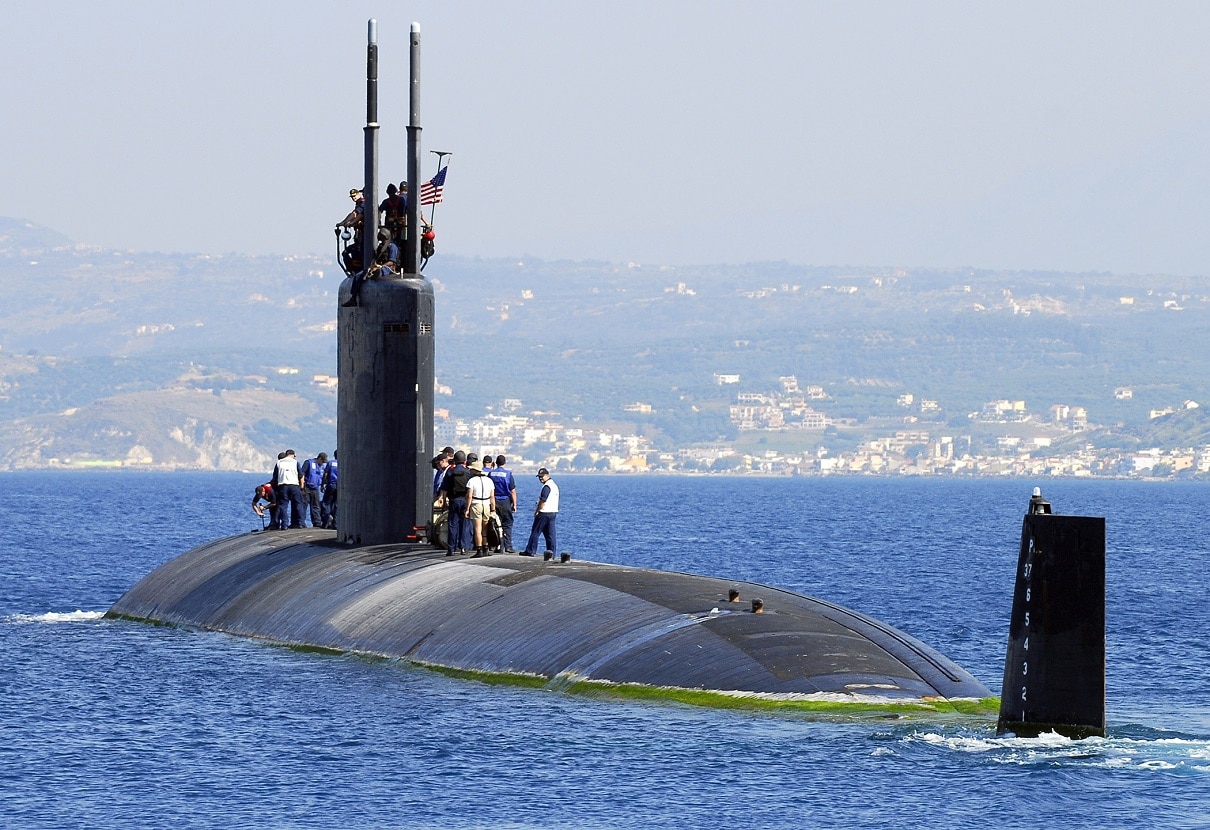
SOUDA BAY, Crete, Greece (June 15, 2007) – Los Angeles-class fast-attack submarine USS Scranton (SSN 756) departs Souda harbor following a routine port visit to Greece’s largest island. Scranton is on deployment as part of the Bataan Expeditionary Strike Group (ESG), which returned earlier this month to the 6th Fleet area of responsibility. Bataan ESG has the capabilities to support maritime operations, combat operations and humanitarian assistance/disaster relief. U.S. Navy photo by Mr. Paul Farley (RELEASED)
The boat was used for tracking Soviet ballistic missile submarines, protecting US carrier strike groups, and ISR. The core design principles were speed, stealth, and endurance, which gave the US an advantage over its Soviet adversaries.
Forty Years Later
Today, just 23-26 Los Angeles submarines remain in active service—not half of the original fleet—but still a significant portion of the current US submarine fleet.
Some of the newer Los Angeles-class submarines have received modernization upgrades, extending their service lifespans, such as the USS Cheyenne, which recently completed an overhaul that should allow the boat to operate into the late 2030s. Yet, despite these extensions, the class is shrinking as individual boats reach the end of their service lives.
Retirement Timeline
The Navy is gradually retiring the Los Angeles-class submarines as the Virginia-class submarines enter service.
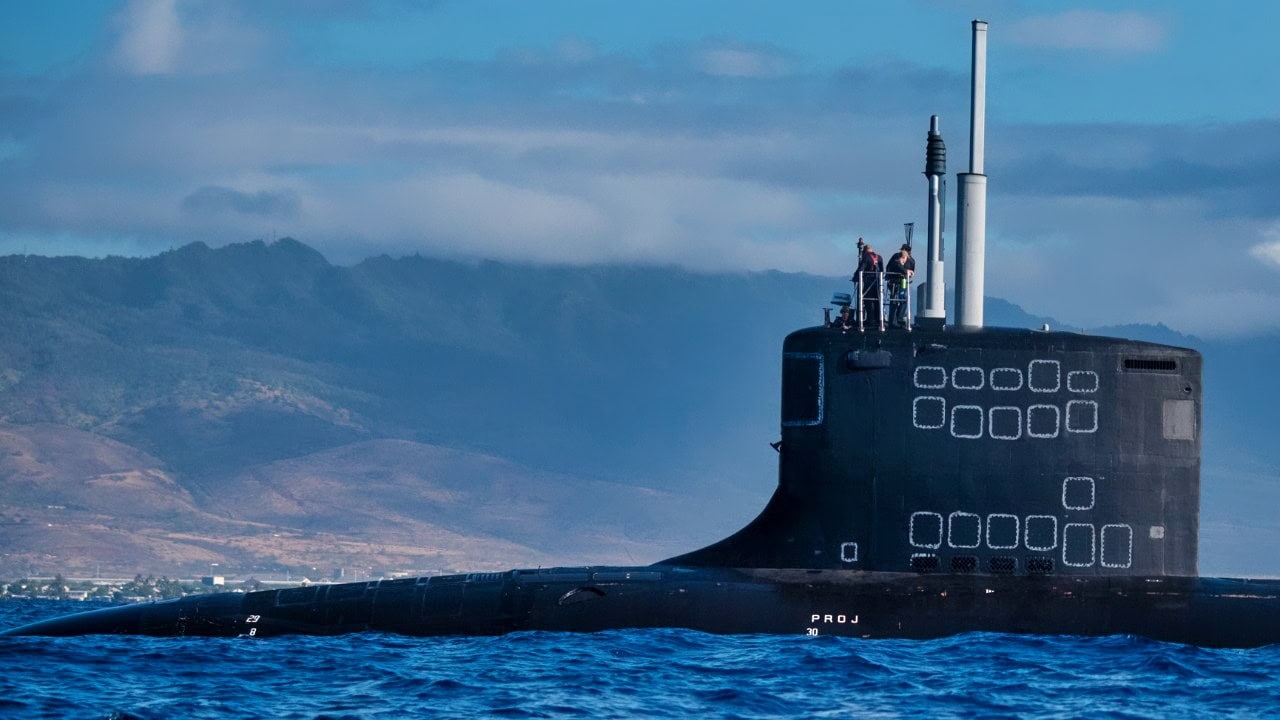
(July 9, 2018) – Multi-national Special Operations Forces (SOF) participate in a submarine insertion exercise with the fast-attack submarine USS Hawaii (SSN 776) and combat rubber raiding craft off the coast of Oahu, Hawaii during Rim of the Pacific (RIMPAC) exercise, July 9. Twenty-five nations, 46 ships and five submarines, about 200 aircraft, and 25,000 personnel are participating in RIMPAC from June 27 to Aug. 2 in and around the Hawaiian Islands and Southern California. The world’s largest international maritime exercise, RIMPAC provides a unique training opportunity while fostering and sustaining cooperative relationships among participants critical to ensuring the safety of sea lanes and security of the world’s oceans. RIMPAC 2018 is the 26th exercise in the series that began in 1971.` (U.S. Navy photo by Mass Communication Specialist 1st Class Daniel Hinton)
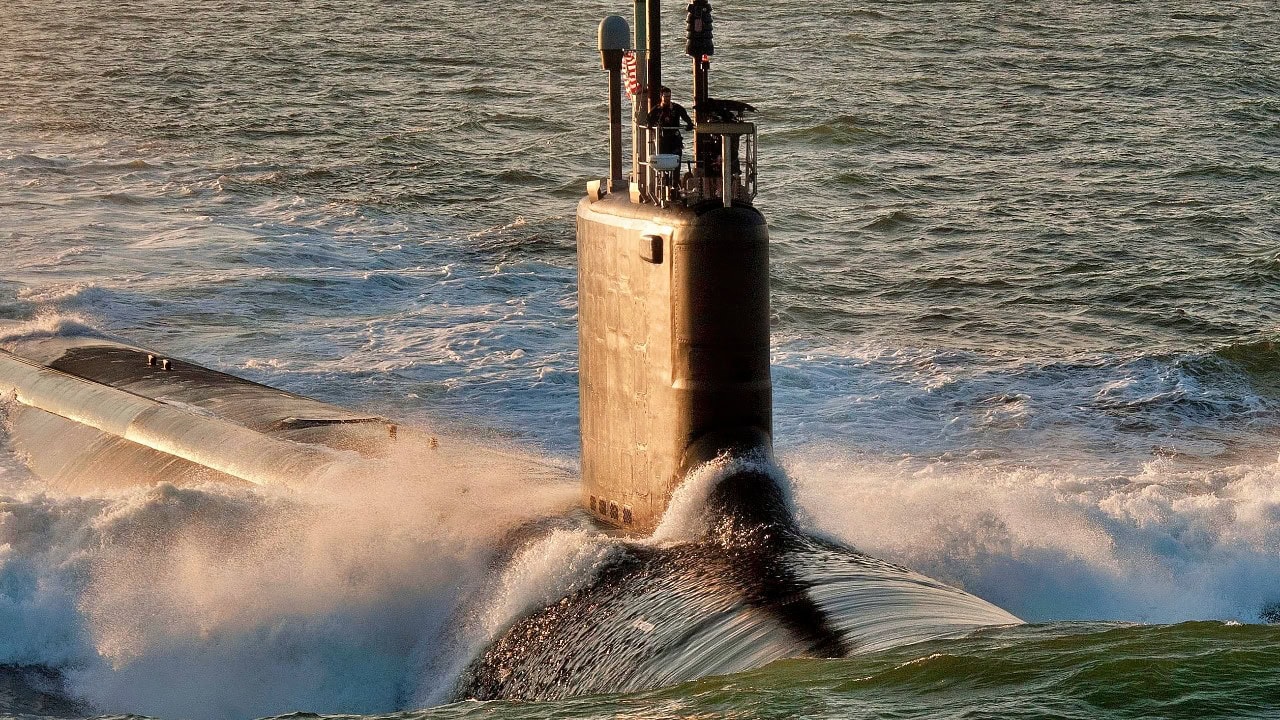
U.S. Navy Virginia-Class Submarine.
Typically, the Navy has retired one Los Angeles-class submarine for each Virginia-class submarine commissioned, making the swap feel somewhat literal. Recent Los Angeles retirement examples include the USS Newport News, retired in January of 2026, and upcoming examples include the USS Alexandria and USS Scranton, each slated for retirement later in 2026.
The reason for the retirements?
Nuclear reactors are reaching their life limits—and nuclear submarines cannot operate indefinitely without major refueling or reactor replacement. Most of the Los Angeles-class were built with reactor cores designed to last for 35 or 40 years. And while the reactors could be replaced, the process is extremely expensive and often not worth the cost, making retirement unavoidable in many circumstances.
Newer Tech
The investment in refueling the aging Los Angeles also takes resources away from newer submarines, which incorporate modern technologies that older boats can’t easily integrate.
For example, the Virginia-class features improved stealth, advanced sonar systems, enhanced electronic warfare capability, and increased land-attack missile capacity; the Virginia is, in effect, a better platform, better suited to the modern threat environment, which includes competition with China.
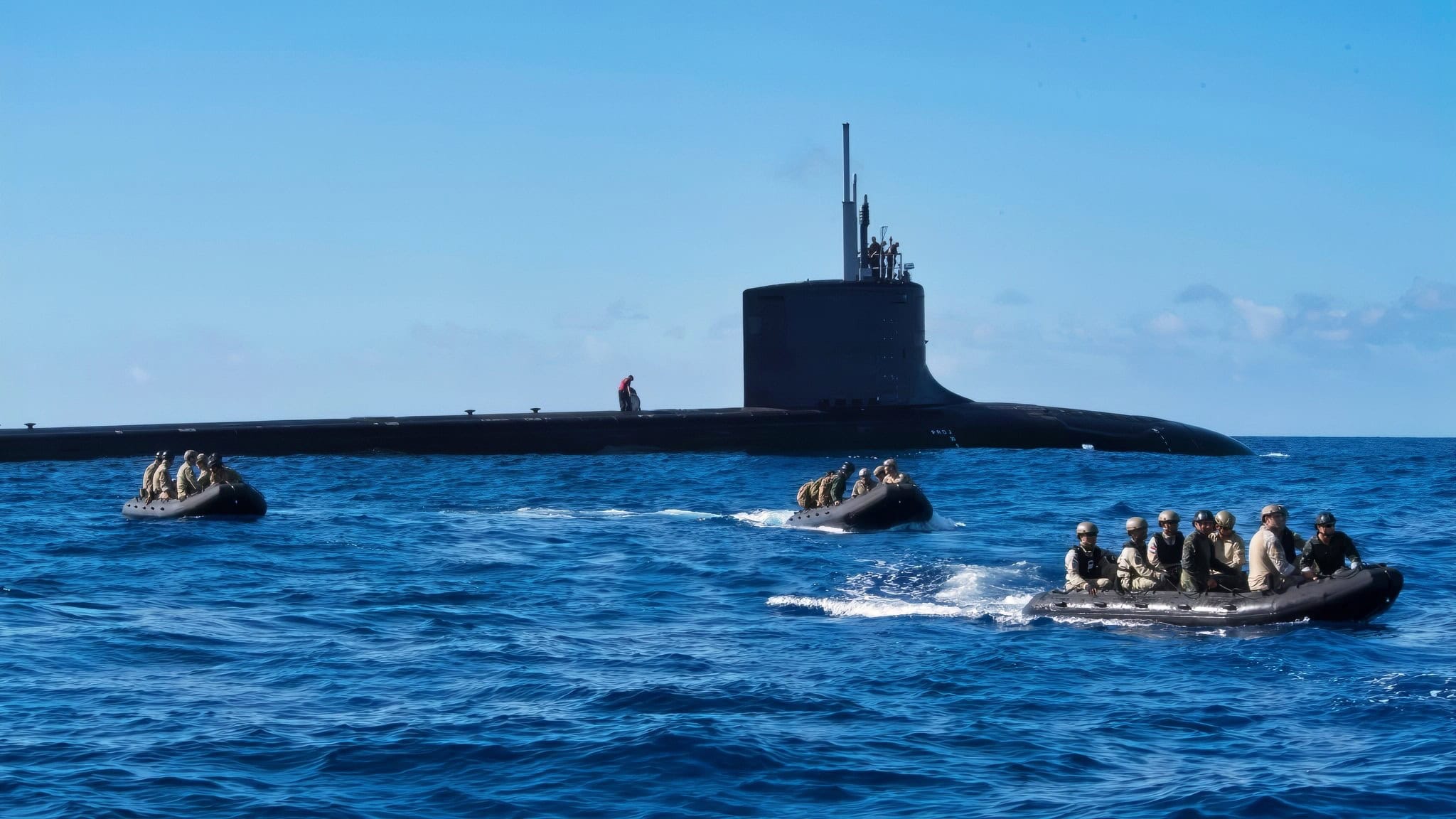
PEARL HARBOR (July 9, 2018) – Multi-national Special Operations Forces (SOF) participate in a submarine insertion exercise with the fast-attack submarine USS Hawaii (SSN 776) and combat rubber raiding craft off the coast of Oahu, Hawaii during Rim of the Pacific (RIMPAC) exercise, July 9. Twenty-five nations, 46 ships and five submarines, about 200 aircraft, and 25,000 personnel are participating in RIMPAC from June 27 to Aug. 2 in and around the Hawaiian Islands and Southern California. The world’s largest international maritime exercise, RIMPAC provides a unique training opportunity while fostering and sustaining cooperative relationships among participants critical to ensuring the safety of sea lanes and security of the world’s oceans. RIMPAC 2018 is the 26th exercise in the series that began in 1971. (U.S. Navy photo by Lt. j.g. Michelle Pelissero)
Preparing for China
The US is preparing its naval fleet for competition with China, whose naval forces are improving rapidly in terms of both quality and quantity.
The Indo-Pacific is becoming the central theater for great power competition—and for submarine operations. In this environment, with these stakes, technological superiority matters—and the Los Angeles-class lacks it.
Modern anti-submarine warfare capabilities are improving rapidly, with new sensors including seabed-monitoring networks, satellite-tracking methods, and improved sonar systems. Older submarines are more vulnerable to these new sensing methods and will likely become even more so as sensor technology continues to improve.
Gradual Retirement
Some observers have warned that retiring the Los Angeles-class too quickly could create a temporary attack submarine shortage, which would reduce the US submarine presence in the Indo-Pacific and increase the operational strain on remaining boats; maintaining sufficient fleet strength is important, so the retirement will need to be conducted gradually, not wholesale, as Virginia-class boats are commissioned.
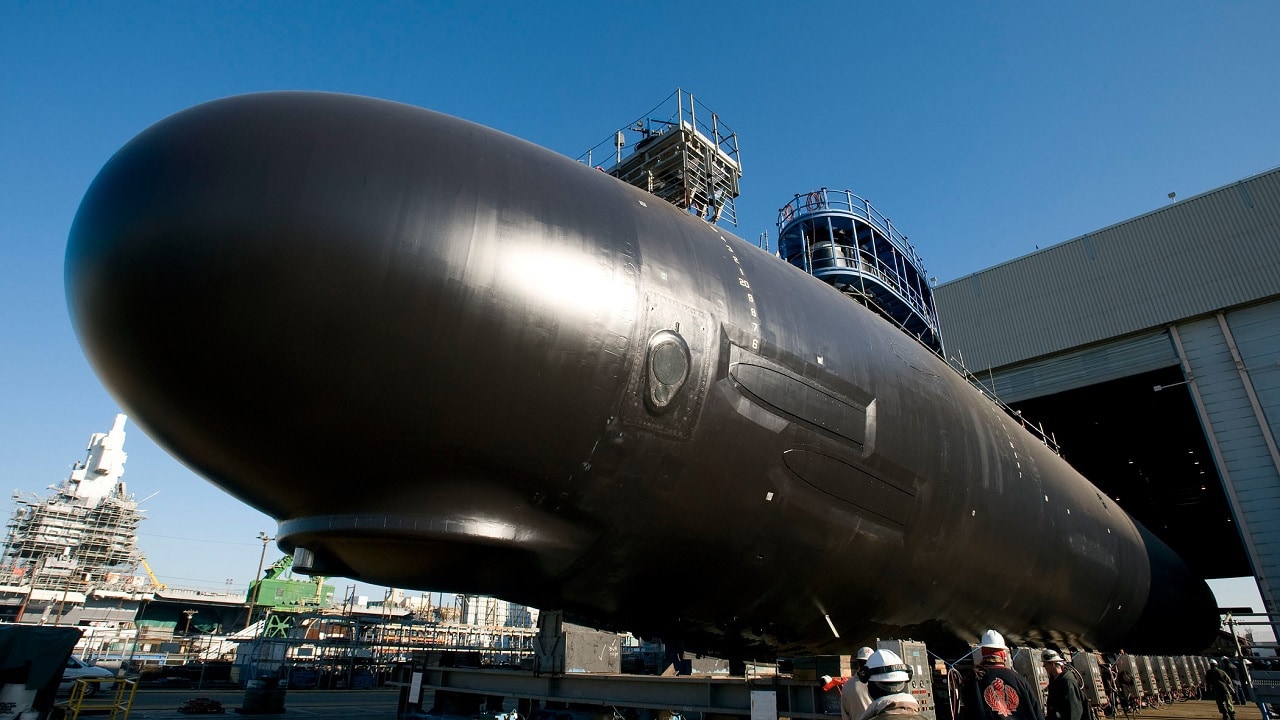
Virginia-Class. Image Credit: Creative Commons.
But despite these concerns, the ongoing relevance of the Los Angeles is unlikely to be extended beyond its current life due to reactor life limitations, rising maintenance costs, and a growing technological disadvantage. The US is prioritizing quality—and pivoting towards newer, better platforms.
Los Angeles has served as one of the most successful naval platforms in modern history, providing the US with decades of unmatched undersea capability. Even today, the platform is lethal, as Epic Fury demonstrated. But age and technological advancement have made retirement unavoidable. The key will be to transition to a new class carefully.
About the Author: Harrison Kass
Harrison Kass is an attorney and journalist covering national security, technology, and politics. Previously, he was a political staffer and candidate, and a US Air Force pilot selectee. He holds a JD from the University of Oregon and a master’s in global journalism and international relations from NYU.