Summary and Key Points: Reuben F. Johnson, a veteran defense technology analyst, evaluates the impact of Iranian Shahed-series drones on Gulf security during Operation Epic Fury.
-As Tehran launches over 500 drones at the UAE and hundreds more at Kuwait and Bahrain, regional air defenses are struggling with detection and “friendly fire” incidents, including the loss of three U.S. F-15E Strike Eagles.
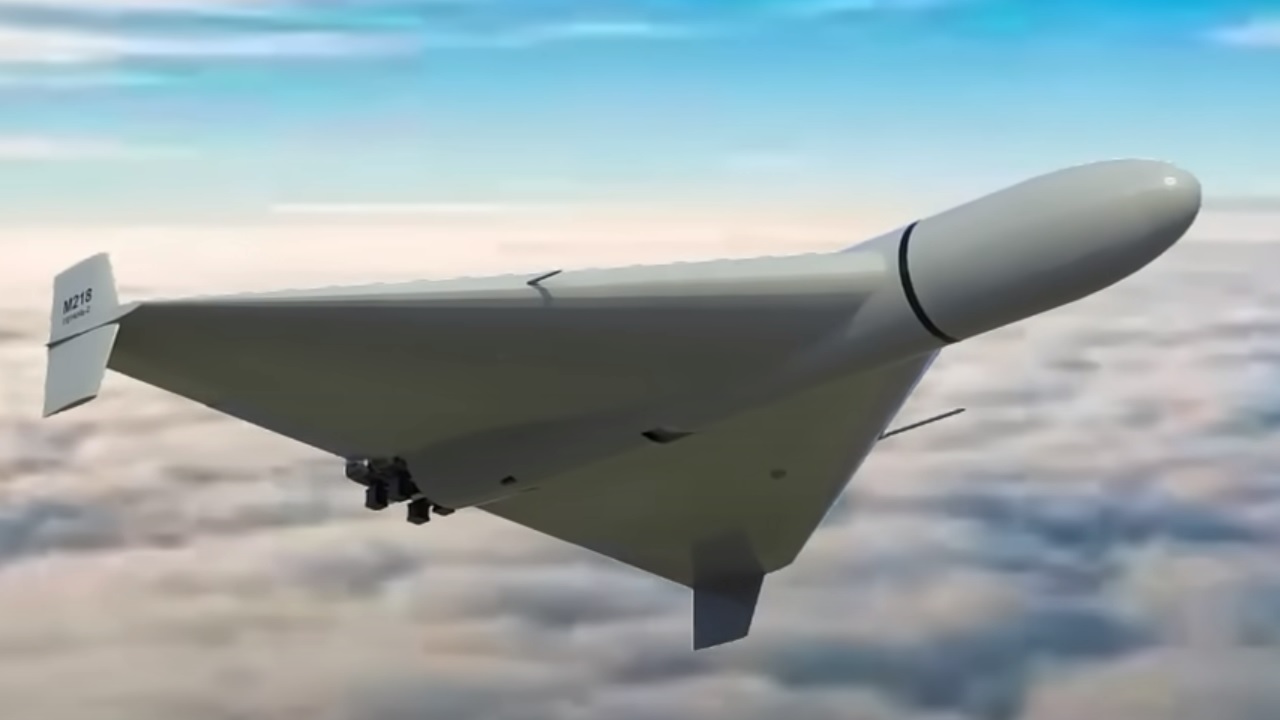
Shahed-136 Drone. Image Credit: YouTube Screenshot.
-This report analyzes the Ukrainian offer of drone-interception expertise in exchange for a Middle East-mediated ceasefire.
-Johnson concludes that the systematic “terrorization” of civilian hubs like Dubai is intended to destroy the Gulf’s reputation as a secure global investment haven.
Beyond Ballistic Missiles: Why Small, Slow-Moving Shahed Drones are a Radar’s Worst Nightmare
As the Wall Street Journal reported on March 1, since the United States and its allies began what is being forecast as a sustained air campaign against Iran, the Islamic Republic has unleashed hundreds of drone strikes on Gulf Arab states. In the process, these Iranian drones have damaged U.S. military bases and critical civilian infrastructure in several nations.
Iran’s attacks are creating a very serious challenge to the Gulf nations’ air-defense systems. Their militaries are used to occasional missile strikes or drone attacks from Iran, but in the past, these have been one-off type attacks—manageable numbers and not being launched in wave after wave of sustained attacks.
For these Gulf Arab countries, these Iranian-made drones present an array of specific complications that are at the heart of the problems for their air defense forces. It is rumored that three U.S. Air Force F-15E Strike Eagle aircraft shot down on March 2 by a Kuwaiti air defense battery in a “friendly fire” incident may have been mistaken for a formation of Iranian drones.
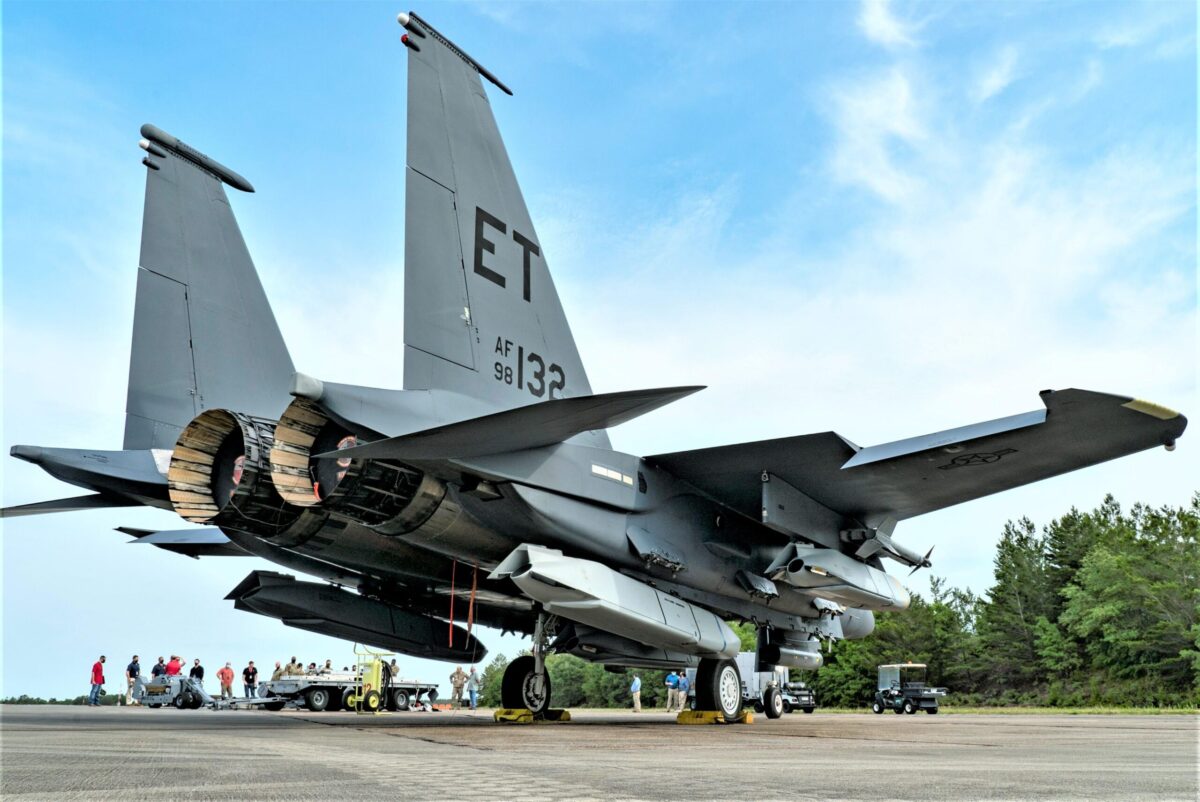
Image: USAF
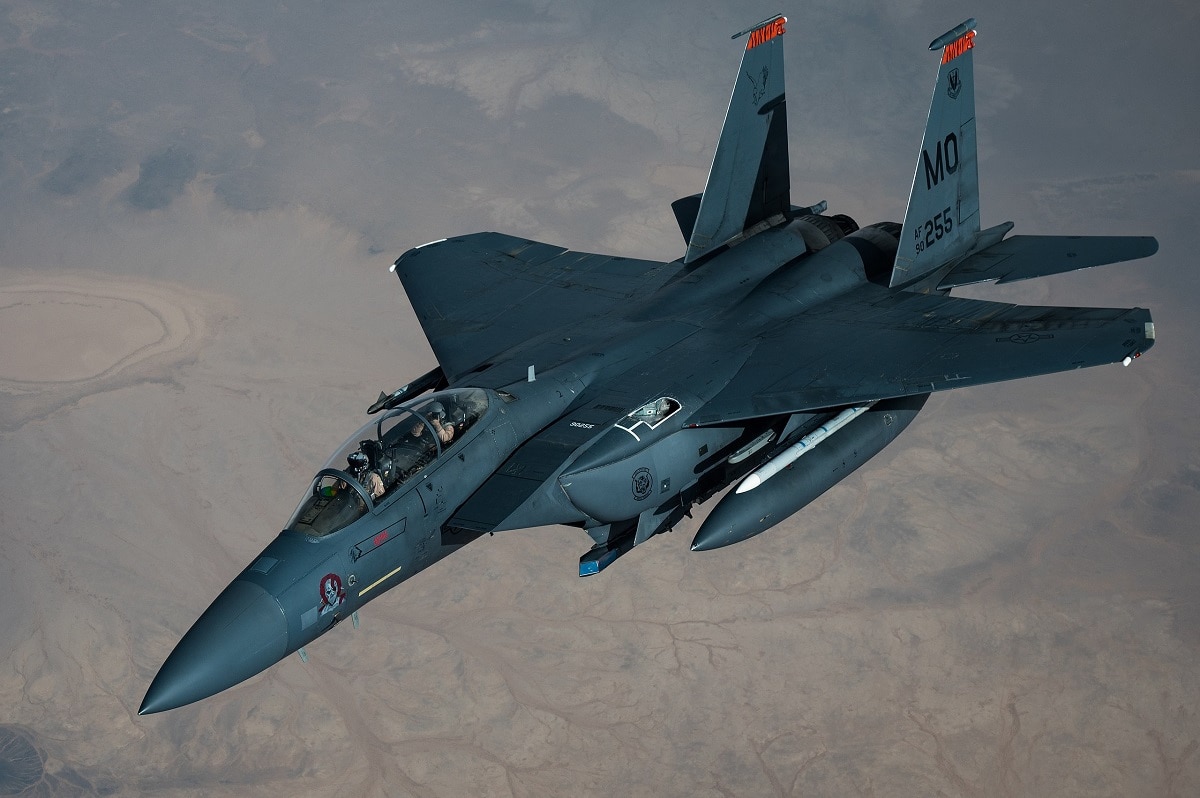
An F-15E Strike Eagle flies in the U.S. Central Command area of responsibility Jan. 27, 2021. The F-15E is a dual-role fighter designed to perform air-to-air and air-to-ground missions, demonstrating U.S. Air Force Central Command’s posture to defend and deter against potential aggression. (U.S. Air Force photo by Staff Sgt. Sean Carnes)
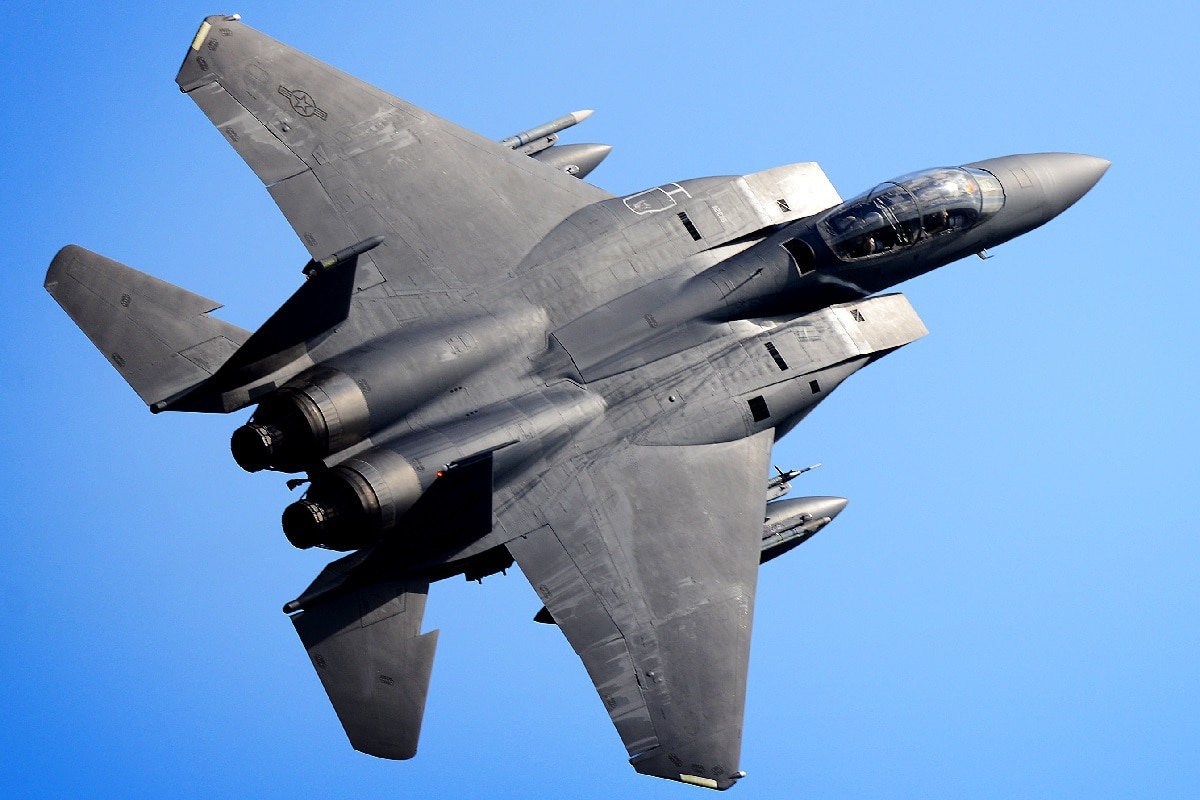
A Boeing (McDonnell Douglas) F-15E “Strike Eagle” assigned to the 492nd Fighter Squadron performs a high-speed pass over RAF Lakenheath, England, April 10, 2019. The 492nd conducts routine training daily to ensure RAF Lakenheath brings unique air combat capabilities to the fight when called upon by U.S. Air Forces in Europe-Air Forces Africa.
These drones are much smaller than a ballistic missile, which makes them harder to detect on radar. As such, they can only be identified at shorter ranges.
If an air defense team on the ground is not experienced in combatting these drones and correctly identifying them in time, plotting a firing solution and intercepting them is not as straightforward as it would seem.
What Kind of Air Vehicles Are the Iranian Drones?
The Iranian drones are mostly the infamous Shahed-series—small and relatively difficult to intercept. They are also easy to produce in large numbers. A video from around two years ago of a Russian production center showed these Shahed models being turned out on an assembly line, with the title “Shoigu’s Greenhouse.” Shoigu, the surname of Russia’s former defense minister, was used because he had made the deal with Iran to license-build the Shahed drones. Calling it a “greenhouse” was intended to illustrate that new models seem to sprout from out of nowhere.
These attack drones are equipped with an explosive warhead, but they contain far less explosive power than ballistic missiles. Iranian drones have successfully struck civilian airports, seaports, and other key civilian facilities. They have caused mass panic as local residents and expats have begun fleeing cities like Dubai in the United Arab Emirates (UAE), in order to reach airports in neighboring states where they can find flights out of the war zone.
One Ukrainian defense industrial enterprise director, who spoke with NSJ, had read the news about the damage and chaos being created by these Shahed drones hitting buildings in these Gulf nations. He commented, “Well, perhaps the world now realizes what kind of a terrorized environment people in Ukrainian cities have been living with for years now.”
But the real damage that the Iranian drones are doing to the Gulf states is by demolishing their reputations. Nations like the UAE and Qatar have strived to be seen as safe, stable, and reliable countries. The threat of missiles or suicide drones landing next to the Burj Khalifa or the Dubai airport was never supposed to be a concern.
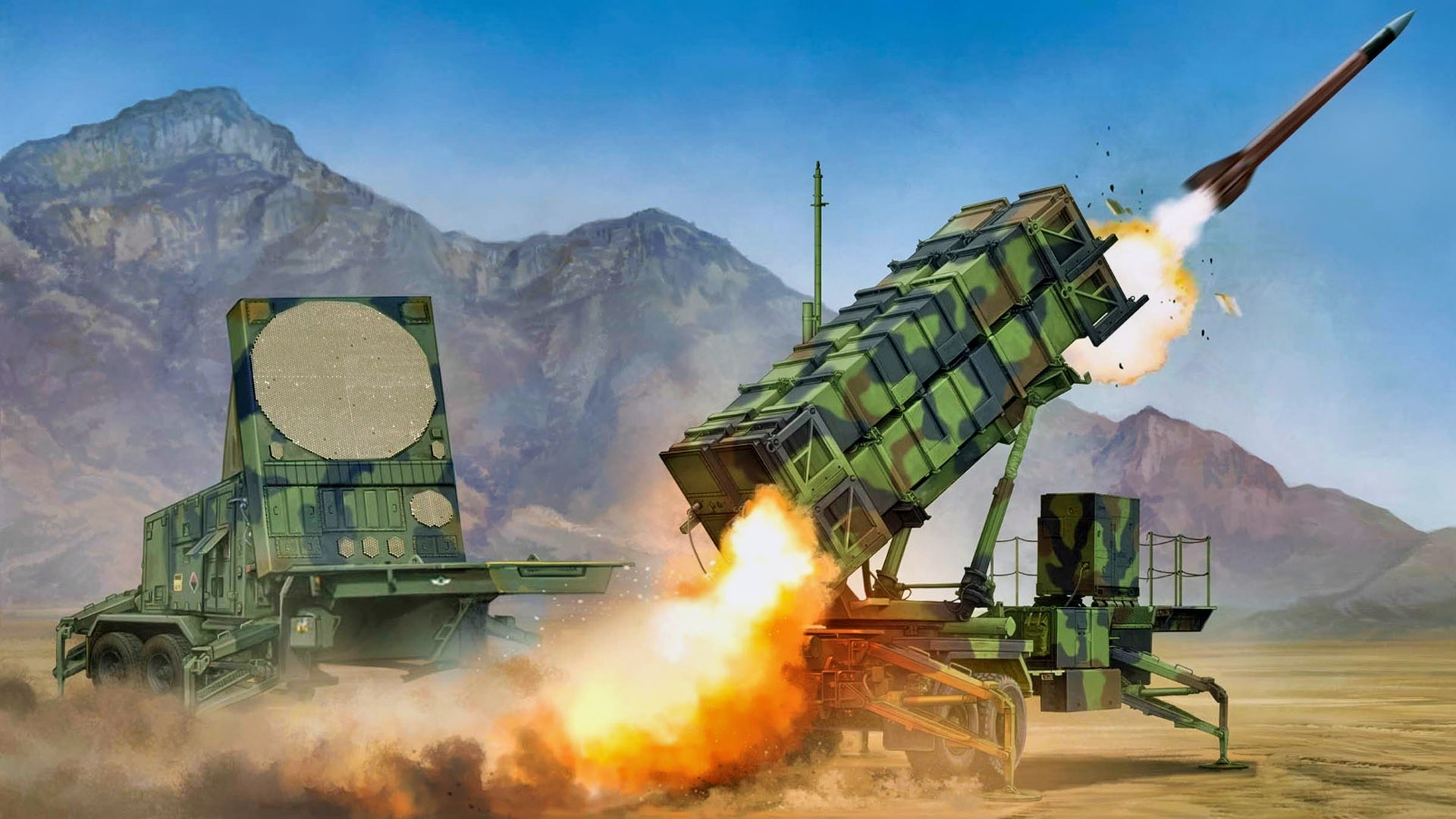
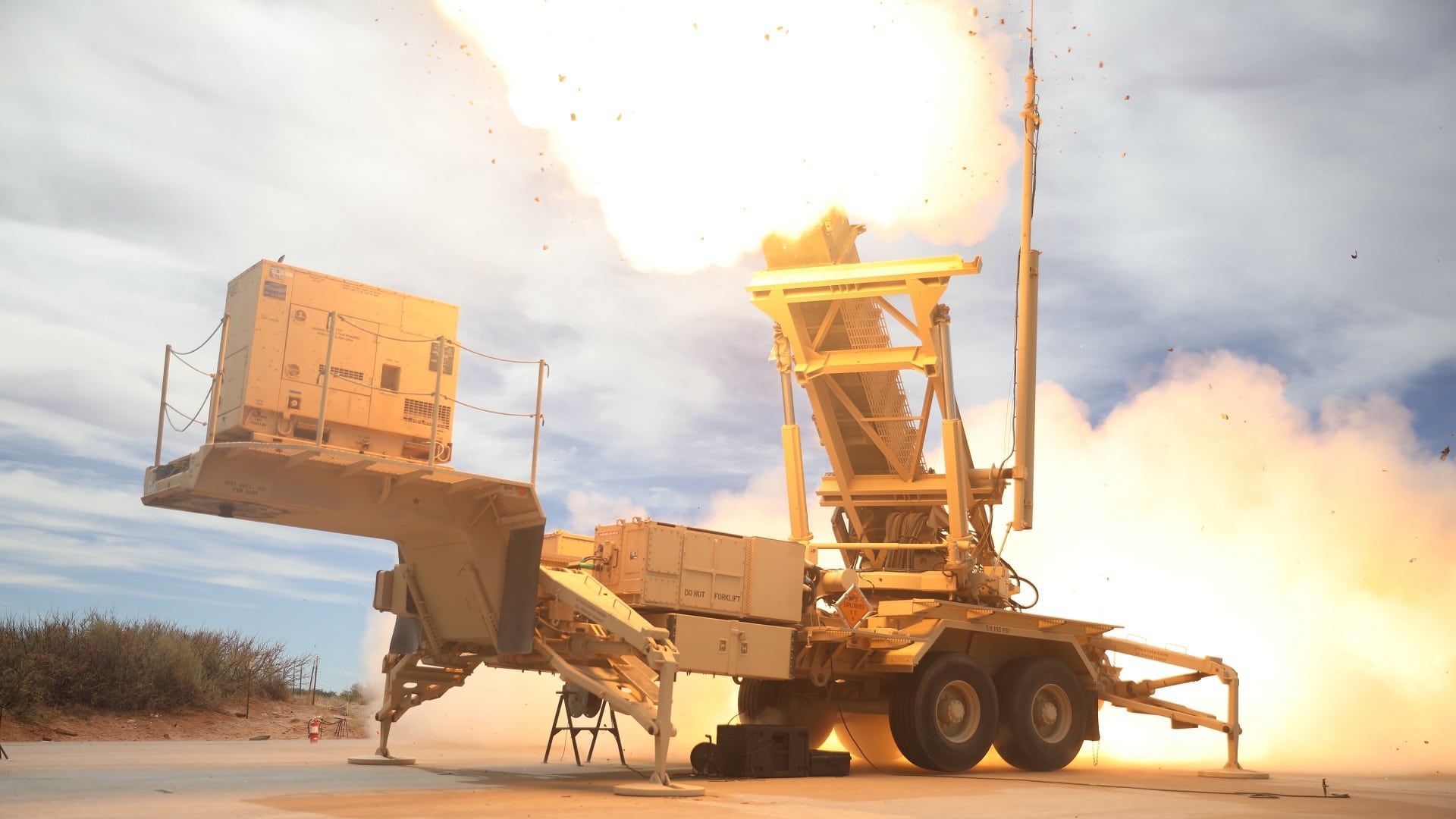
Patriot Missile. Image Credit: Creative Commons.
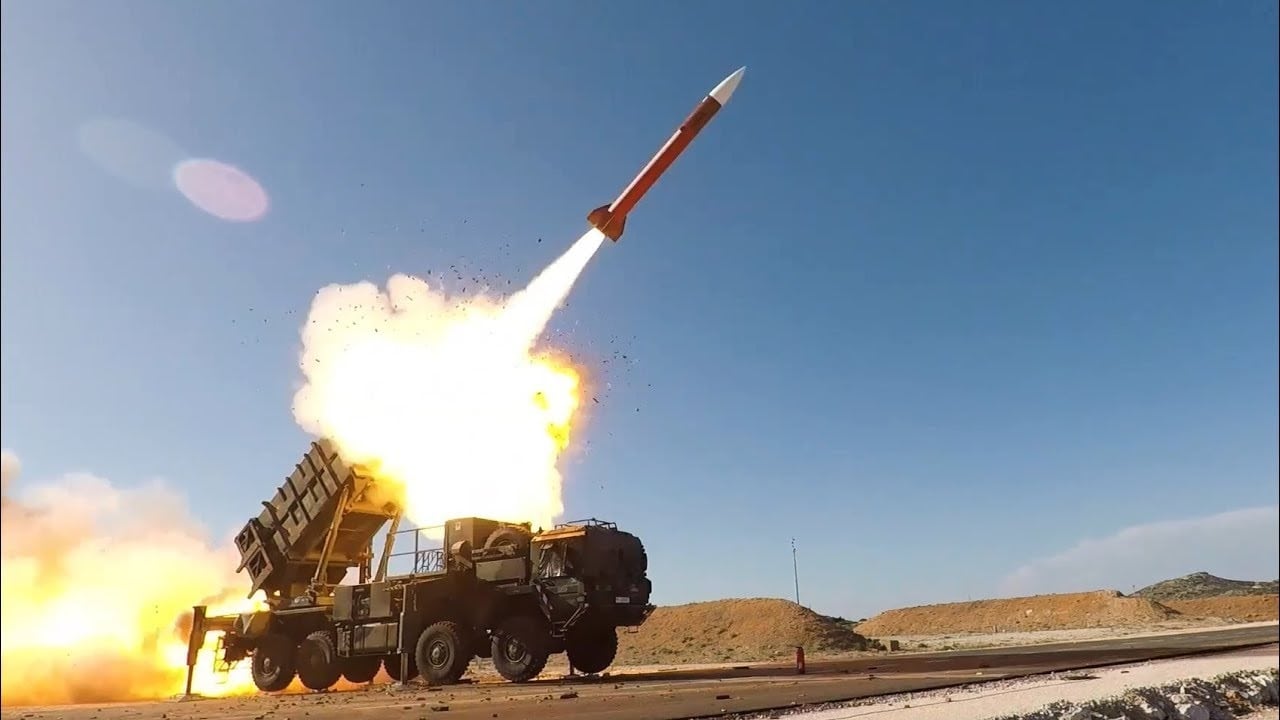
Patriot Missile. Image Credit: Lockheed Martin.
As Time magazine said this week, this image that the UAE and other Gulf states have created “had helped [them] cultivate investment, draw in expatriates, and attract tourism from around the world. That security was also the bedrock of many Gulf nations’ relationship with the United States.”
Ukraine Offers Assistance in Combating Drones
According to official Iranian government statements, Tehran had so far launched 541 drones at the United Arab Emirates, 283 at Kuwait, nine unmanned aerial vehicles and 136 Shahed drones at Bahrain, 12 drones at Qatar, and dozens more at Jordan. Iran has also fired hundreds of missiles at those countries.
In a related incident, Qatar reports that it shot down two Sukhoi Su-24 Russian-made bomber aircraft that threatened to hit targets in Doha and other cities, in addition to ballistic missiles.
In an example of how one man’s dilemma is another’s opportunity, Ukrainian President Volodymyr Zelenskiy has since come forward to offer his country’s assistance to the Gulf nations in combating Iranian-made drones. Four years of Russia’s full-scale invasion have given Kyiv a sizeable body of unique expertise in intercepting drones, many of which are variants of the same Iranian-made Shaheds. Ukraine says it is now prepared to share its expertise with these nations.
“I would suggest the following: leaders of the Middle East have great relations with Russians. They can ask Russians to implement a month-long ceasefire,” Zelenskiy reportedly told Bloomberg. “In exchange, we will send our best operators of drone interceptors to the Middle East countries.”
About the Author: Reuben F. Johnson
Reuben F. Johnson has thirty-six years of experience analyzing and reporting on foreign weapons systems, defense technologies, and international arms export policy. Johnson is the Director of Research at the Casimir Pulaski Foundation. He is also a survivor of the Russian invasion of Ukraine in February 2022. He worked for years in the American defense industry as a foreign technology analyst and later as a consultant for the U.S. Department of Defense, the Departments of the Navy and Air Force, and the governments of the United Kingdom and Australia. In 2022-2023, he won two awards in a row for his defense reporting. He holds a bachelor’s degree from DePauw University and a master’s degree from Miami University in Ohio, specializing in Soviet and Russian studies. He lives in Warsaw.