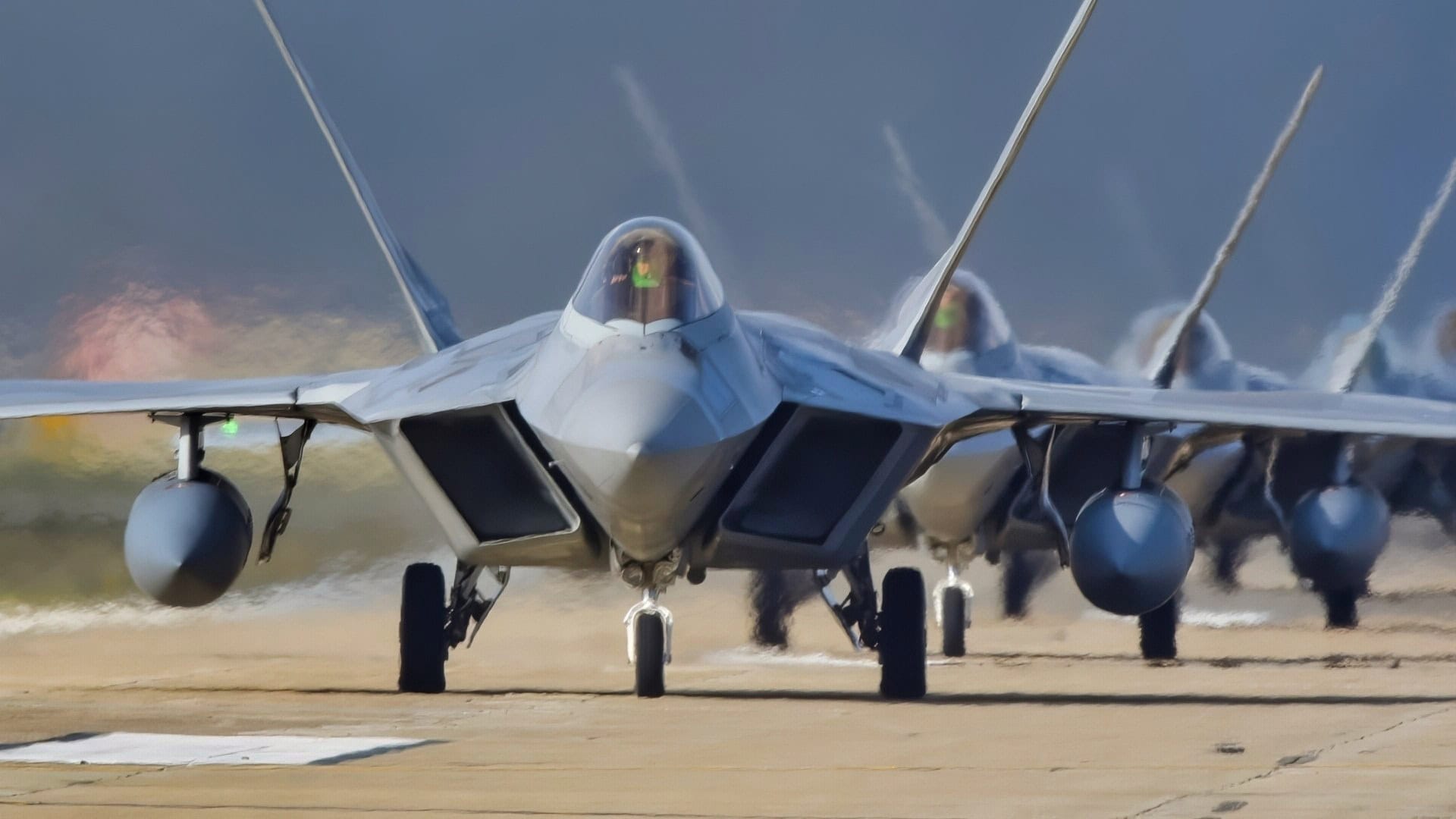
The F-22 Raptor’s Premature End: Why America Killed Its Best Fighter
The F-22 Raptor first flew nearly three decades ago, but despite its vintage, it is arguably still one of the world’s most effective air superiority fighters ever built.
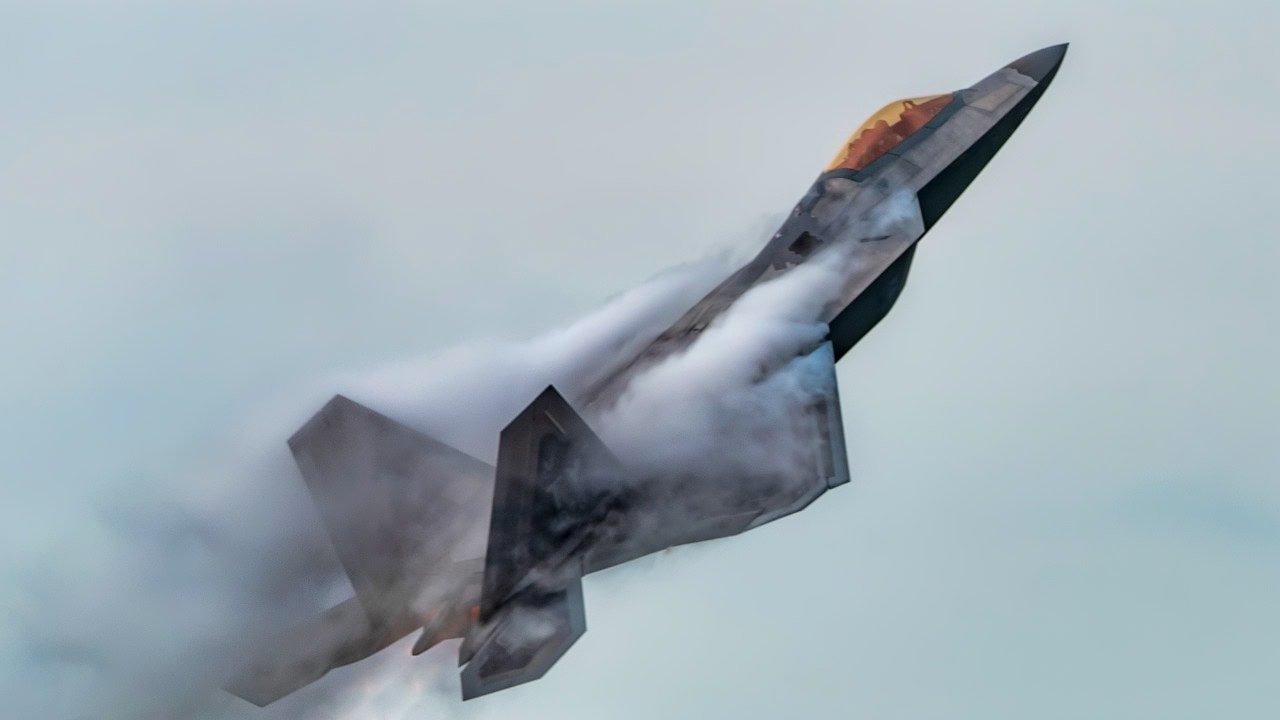
U.S. Air Force Maj. Paul Lopez, F-22 Demo Team commander, pulls into the vertical during the Battle Creek Field of Flight air show July 7, 2019. Maj. Lopez has over 1,500 hours flying both the F-15 Eagle and the F-22 Raptor and is in his second year as the commander of the F-22 Raptor Demonstration Team. (U.S. Air Force photo by 2nd Lt. Samuel Eckholm).
Stealthier and faster than the F-35, the Raptor won’t leave service with the United States Air Force until its replacement, the sixth-generation F-47, comes online.
But despite the Raptor’s qualities, it was never exported abroad to American allies as the F-35 has, and instead flies only with the United States Air Force.
American lawmakers are responsible for that tight export restriction. Here’s what happened shortly after the Raptor first took to the skies, and why the F-22 worried Congress.
The Obey Amendment and F-22
Despite its relatively short length, legislation known today as the Obey Amendment proved to be of significant consequence to the F-22 Raptor program.
The text specifically bars the export of the advanced fifth-generation stealth fighter abroad to any other foreign country.
The legislation was introduced by Congressman David Obey in 1998 as an attachment to defense appropriation legislation.
The core of the text was very straightforward and prohibited the use of federal funds to approve or license the export of the F-22 Raptor fighter.
The proviso also included complete F-22 Raptors as well as many of the technologies that went into their design.
In effect, the Obey Amendment prevented even very close allies of the United States from buying into the Raptor program.
Even if the executive branch supported exporting Raptors abroad, it would be impossible without Congress explicitly repealing the Obey Amendment legislation.
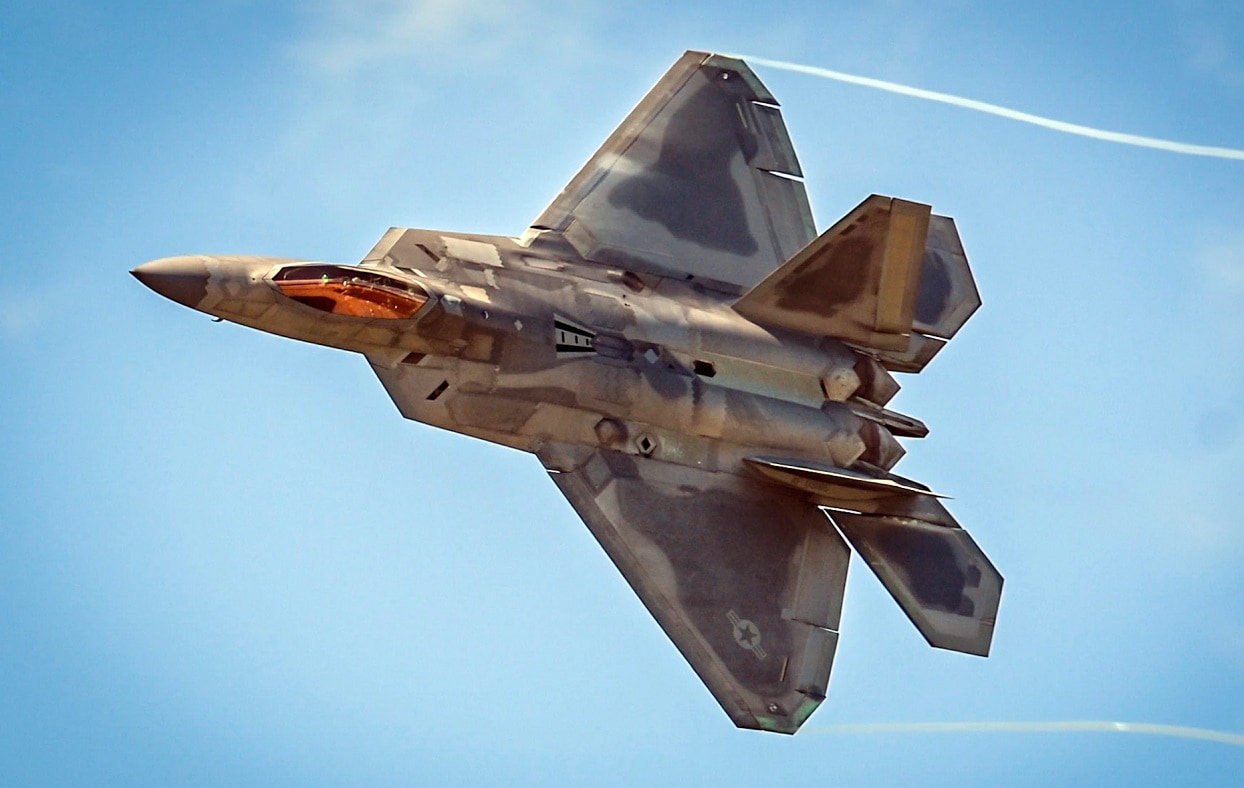
Image: Creative Commons.
The Rationale
The amendment reflected thinking about the F-22 in the late 1990s, a mix of strategic caution and anxiety about cutting-edge American technology.
When it debuted, the Raptor was not simply a more advanced aircraft but a revolution in airpower. It combined low-observable, or stealthy, design features with advanced radar and sensor fusion and integration, along with electronic warfare capabilities.
American lawmakers feared that exporting the jet — even to particular close allies of the United States — was an unnecessary and unjustifiable risk.
Technology leakage to the benefit of American adversaries was seen as significant, and raised the prospect of enemies of the United States reverse-engineering the stealth fighter and countering what was then an unrivaled American capability. The worry was not completely ridiculous either.
In the past, other sensitive American technologies had eventually been seen in the hands of the Soviet Union and later the Chinese, thanks to successful corporate theft and espionage attacks against advanced American defense projects.
Keeping the world’s leading air dominance platform exclusively in the United States would ensure the U.S. Air Force retained a qualitative edge over allies and adversaries alike, and that no other country could field a similar platform. The decision was a radical departure from the American approach to aerospace projects throughout the Cold War and afterward.
Fighters like the F-16 and F-15 were widely exported to countries friendly to the United States, as was the later F-35, a fifth-generation multirole fighter.
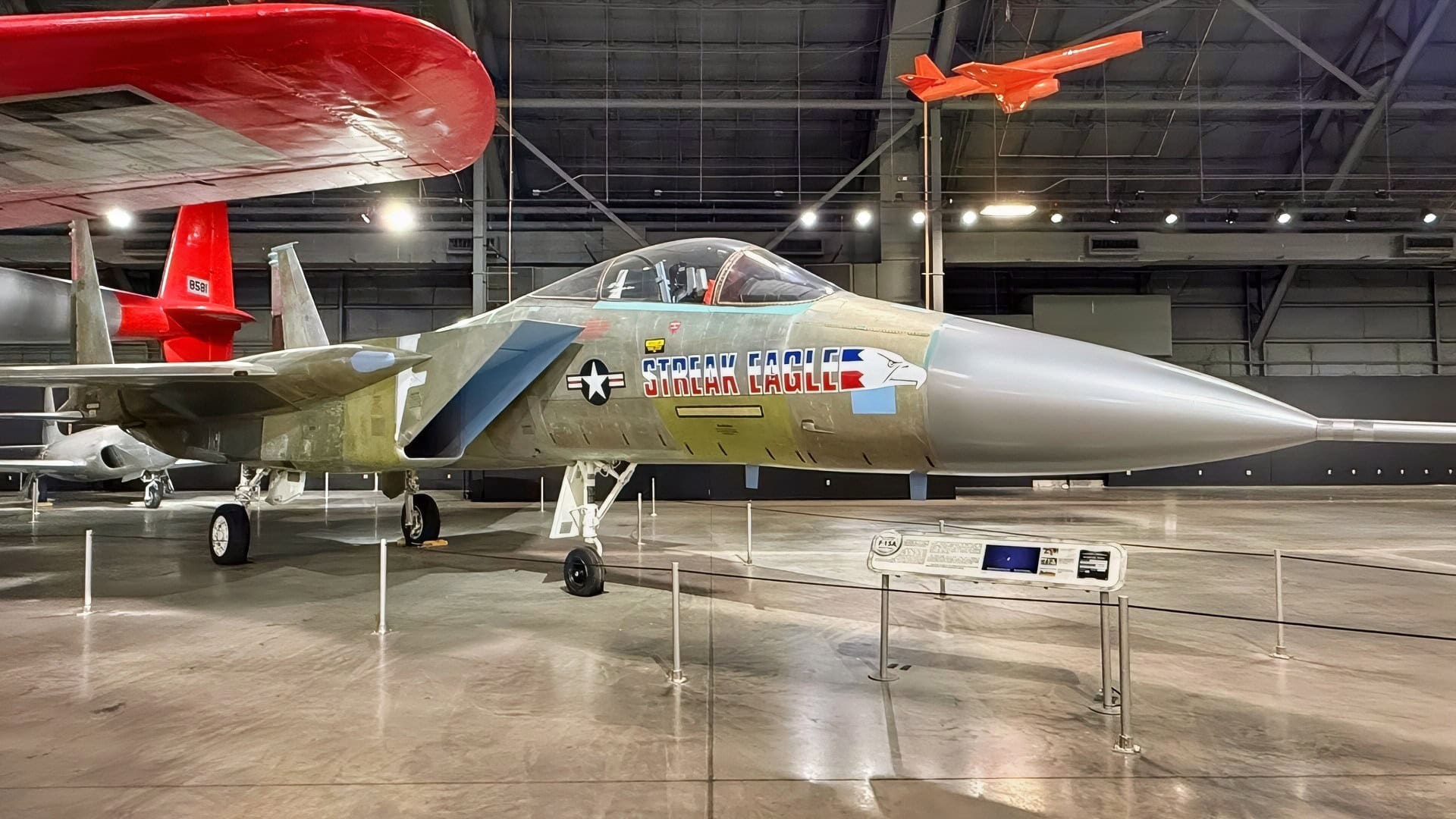
F-15A Fighter. Image Credit: 19FortyFive.com Original Image.
Impact Among Allies
The Obey Amendment had significant consequences for the United States’ allies, particularly Japan and Australia. Both Tokyo and Canberra had advocated acquiring the F-22 in the 2000s as a hedge against rising Chinese bellicosity in Asia.
Japan in particular sought the Raptor to counter threats in its near abroad, and even proposed acquiring a modified F-22, perhaps with somewhat lesser capabilities than its American counterpart. Japan also offered to contribute to the production of Japan-specific Raptor variants. But the Obey Amendment put the kibosh on all these plans.
Consequently, prohibitions on Raptor export boosted the F-35’s standing in the eyes (and plans) of America’s allies.
The F-35 was not barred from export — instead, that fifth-generation fighter has been exported widely abroad, not only to NATO allies but to Japan, Australia, Israel, and other friends of the United States around the globe, despite the two jets’ very different roles.
Differing Roles
Optimized for air superiority and air dominance, the Raptor is a pristine fighter designed from the outset to wrest control of the skies even in highly contested aerial environments. Its role reflects the strategic environment in which it was conceived. At the time, the United States primary geopolitical rival was the Soviet Union.
And while Soviet aircraft tended to follow American fighters rather than lead them technologically, the Soviets’ late Cold War-era aircraft began to close the gap. So too did increasingly advanced Soviet air defense assets, which threatened to reduce America’s technological aerial edge.
To that end, the Raptor was optimized for stealth, speed, and maneuverability.
The F-35, in contrast, was a multirole fighter aircraft capable of conducting a variety of missions, including strike, intelligence, surveillance, and reconnaissance (ISR), as well as electronic warfare and close air support. The F-35 was meant to replace a number of specialized aircraft types and operate as part of a networked force.
Where the Raptor was designed for maximum stealth against enemy aircraft, the F-35 was a more cost-effective yet stealthy solution.
About the Author: Caleb Larson
Caleb Larson is an American multiformat journalist based in Berlin, Germany. His work covers the intersection of conflict and society, focusing on American foreign policy and European security. He has reported from Germany, Russia, and the United States. Most recently, he covered the war in Ukraine, reporting extensively on the war’s shifting battle lines from Donbas and writing on the war’s civilian and humanitarian toll. Previously, he worked as a Defense Reporter for POLITICO Europe. You can follow his latest work on X.