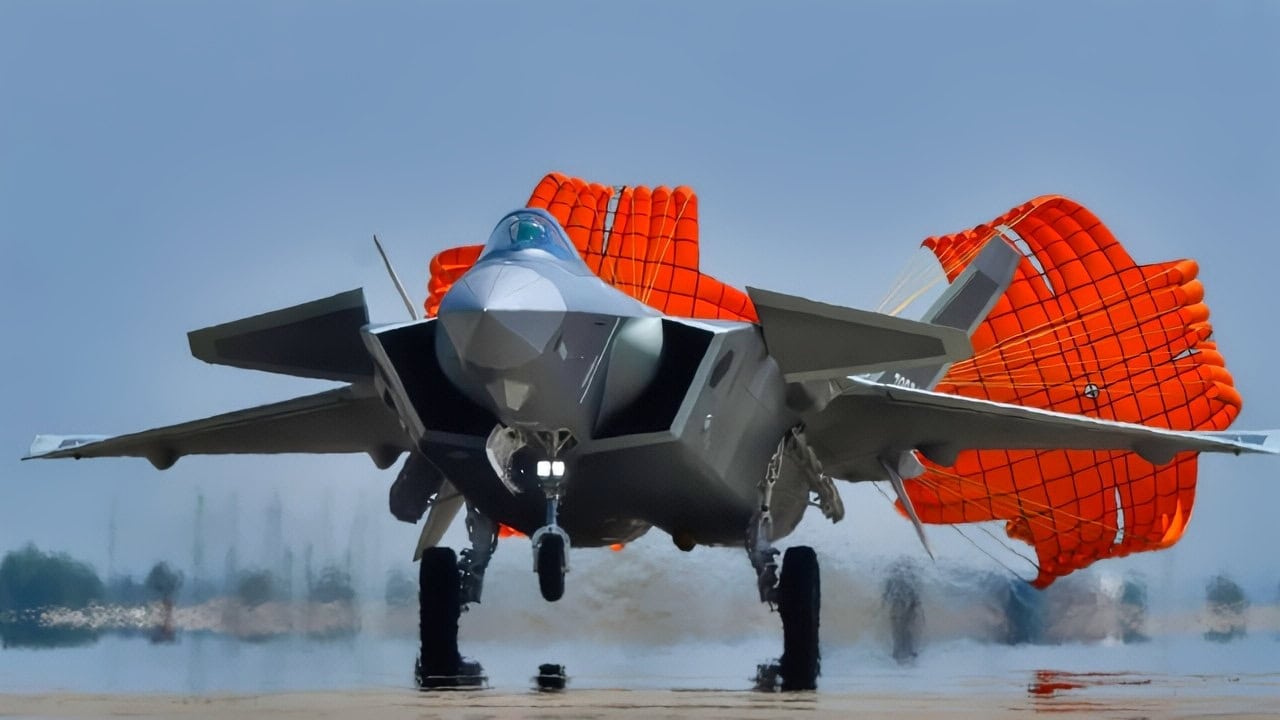
Summary and Key Points – Brandon J. Weichert, Senior National Security Editor at 19FortyFive, analyzes how China’s new Chengdu J-20S—the world’s first two-seat fifth-generation stealth warplane—serves as a critical node in an anti-ship ‘kill chain.’
-Operating within the First Island Chain, the J-20S Mighty Dragon variant outpaces the US Air Force’s NGAD and US Navy’s F/A-XX programs in manned-unmanned teaming (MUMT).
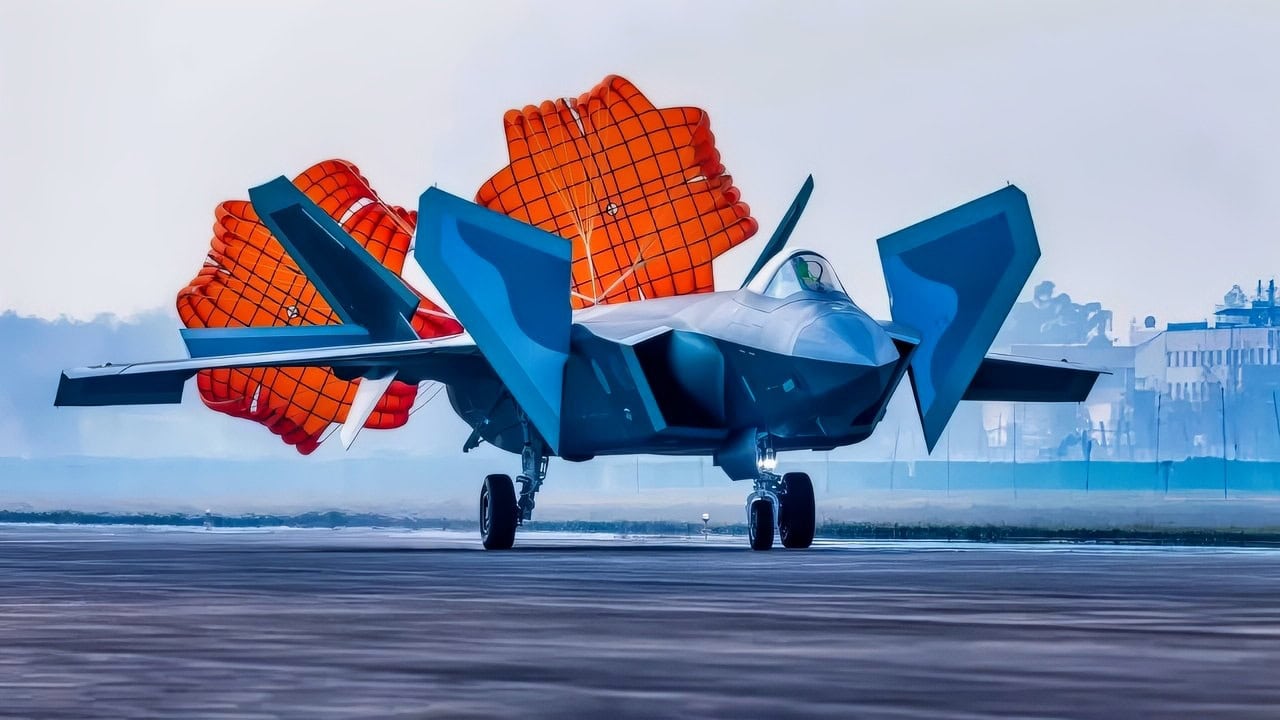
J-20S Fighter from China. Image Credit: Creative Commons.
-As carriers like the USS Abraham Lincoln and USS Gerald R. Ford face mounting anti-ship ballistic missile (ASBM) threats, the J-20S integrates electronic warfare and drone command to challenge Taiwan contingency plans and maritime security.
Why China’s J-20S “Mighty Dragon” Variant Is a Deadly Anti-Carrier Weapon
China is intent on sinking American aircraft carriers, and if the last year is any indicator of how badly the US carrier force is doing—how outmoded they are for modern warfare—then China’s growing capabilities should keep American naval planners up at night.
A Carrier Killer
The newest platform China is adding to its growing repertoire of anti-ship systems, specifically designed to send an American carrier to the bottom of the drink, is the Chengdu J-20S variant of the fifth-generation “Mighty Dragon” stealth warplane.
Unlike the original J-20, the J-20S is a new version of the plane and a two-seater to boot. Indeed, it is the first two-seat fifth-generation warplane ever built.
So, these new planes are not just about dogfighting. They’re meant to integrate into a much larger, comprehensive carrier-destroying kill chain that China has been perfecting for more than a decade.
A Node in China’s Carrier Crushing Kill Chain
A recent USNI article confirms that the J-20S can strike maritime targets. Having that second seat is key for such a task.
After all, two crew members on a fifth-generation stealth warplane enable greater sensor/data fusion, enhanced electronic warfare (EW) and jamming capabilities, and enhanced command-and-control functions, with the second crew member able to coordinate with drones or other aircraft. At the same time, the pilot ensures the plane is safe.
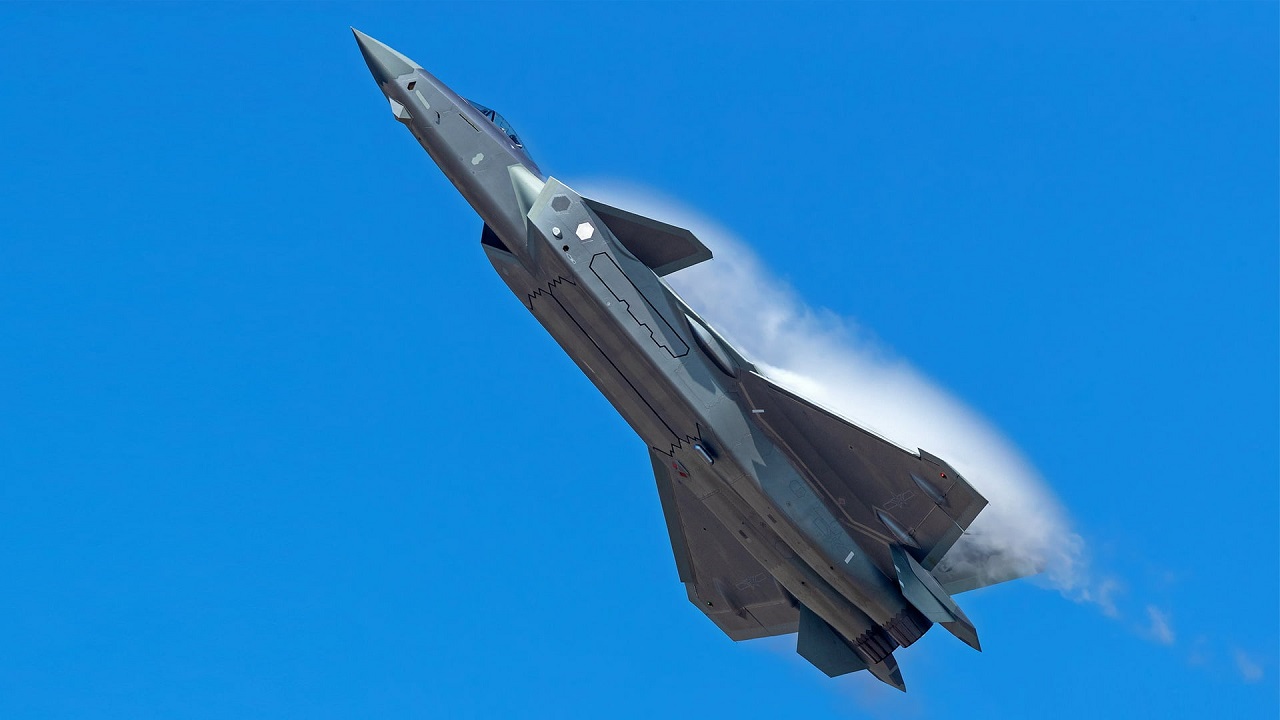
J-20 Stealth Fighter. Image Credit: Creative Commons.
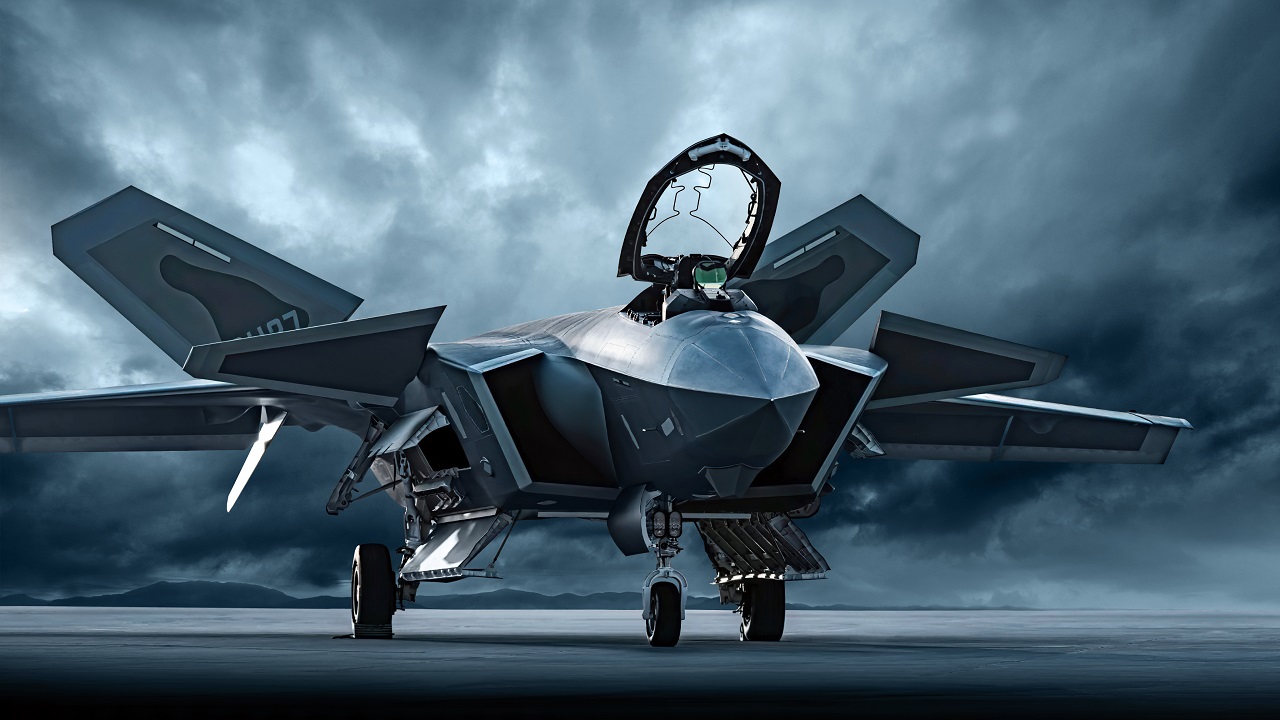
J-20 Stealth Fighter. Image Credit: Artist Rendering/Creative Commons.
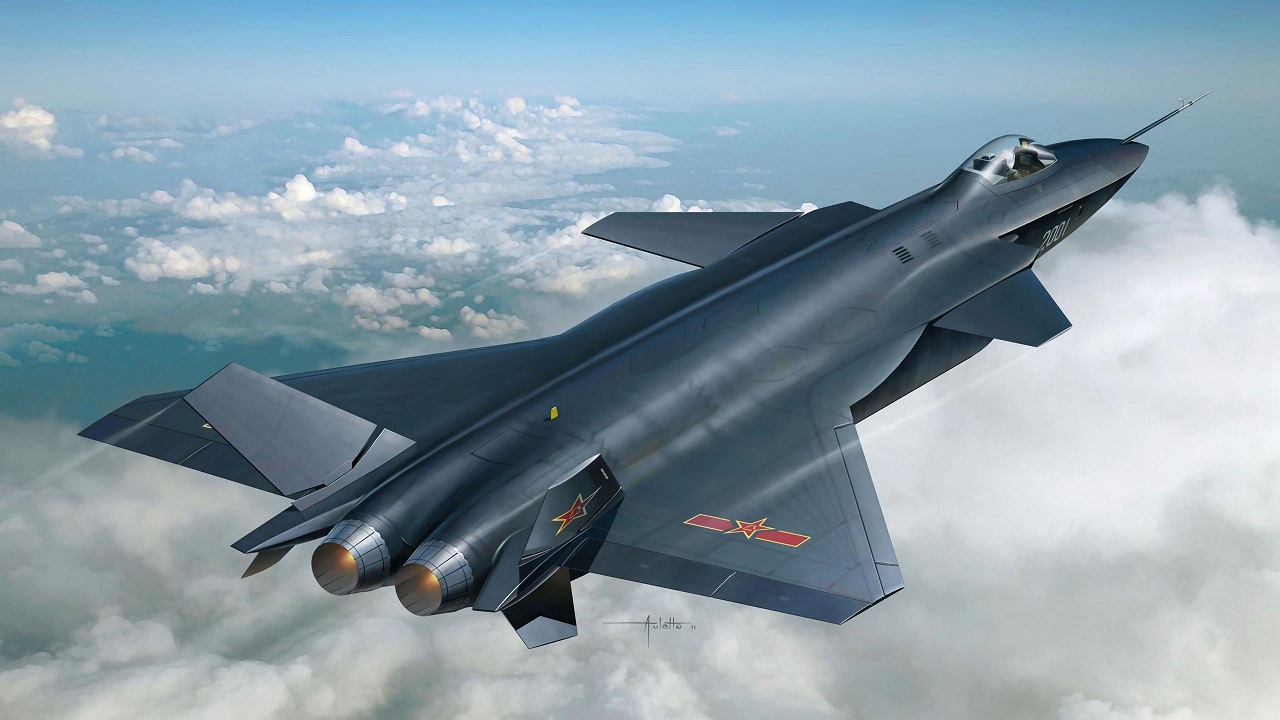
J-20 Fighter via computer generated artist rendering. Image Credit: Creative Commons.
This bird has medium-and long-range air superiority over most other fighters it might encounter; it can perform precision strikes on the ground (and now, as noted above, against maritime targets), it has some of the best situational awareness capabilities and electronic jamming features, and it can conduct manned-unmanned teaming (MUMT) missions. So, this bird will function like a stealth interceptor, a maritime strike platform, an airborne sensor node, and a drone-control aircraft all in one.
American planners desire such capabilities for their sixth-generation Next Generation Air Dominance (NGAD) platform, and the US Navy wants something similar for their F/A-XX sixth-generation warplane program. Yet China is actually doing that which the US Air Force and Navy hope to do eventually. And they’re marrying it to their existing fleet of advanced, fifth-generation warplanes.
This puts the Chinese military ahead of the Americans in some key capabilities.
China is Fielding What America is Still Designing
Think of the J-20S as being an airborne quarterback for China’s anti-carrier system. This is not just another fifth-generation warplane. It is part of a much larger system that brings massive Chinese military production and geographical advantages to bear against any potential US Navy intervention in what’s known as the First Island Chain (the line of territory stretching from the Kamchatka Peninsula through Japan and Taiwan down to the Philippines).
Currently, the US Navy is desperate to distract from the fact that its carriers are highly vulnerable to anti-ship ballistic missile attack. This is one of the main reasons why the US Navy failed to strike Iran a few weeks ago.
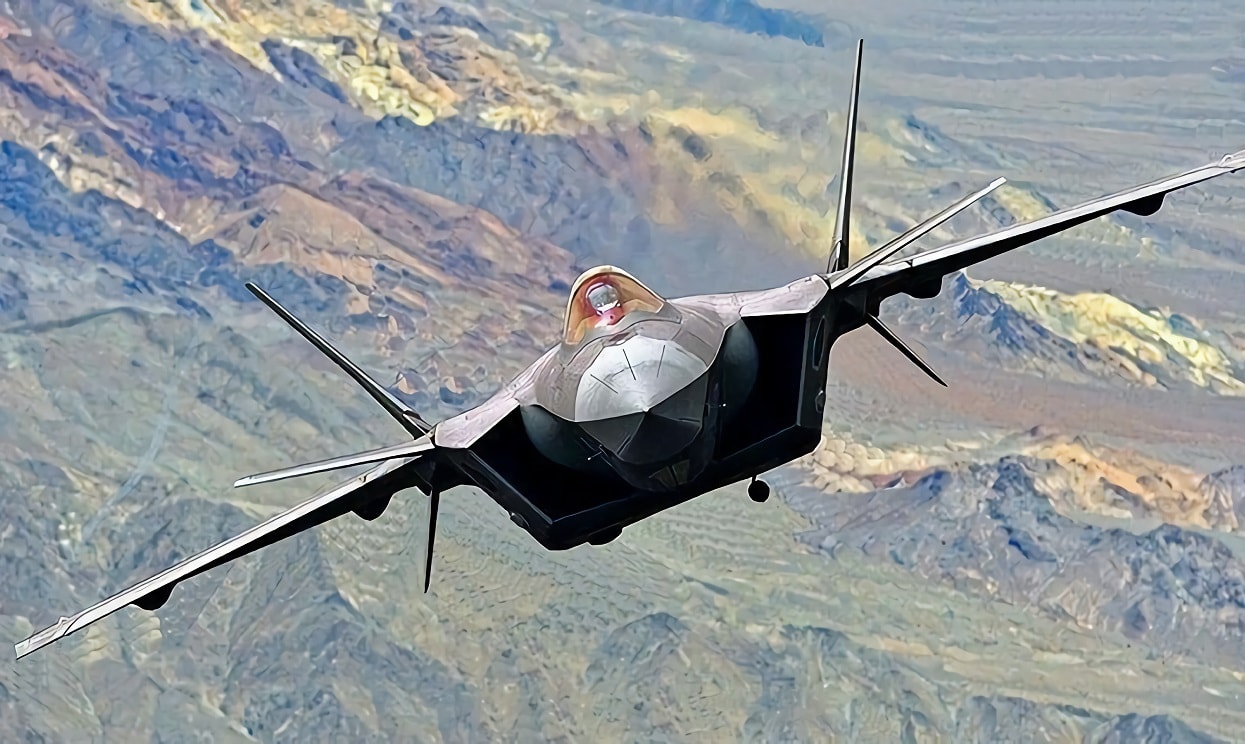
China’s J-20S Fighter. Image: Creative Commons.
If Iran Can Scare the US Navy, China Can Stop It Cold.
The Navy’s leadership likely shared concerns with Trump that the USS Abraham Lincoln was vulnerable to Iran’s ASBM force. So, they tried to move to another carrier—the USS Gerald R. Ford—to augment the Lincoln. But the presence of two carriers has done little to change the threat that Iran’s anti-ship capabilities pose to US carriers.
Now, imagine what China’s advanced anti-ship capabilities could potentially do to US carriers. Add in a fleet of the J-20S warplane, and US carriers will never get near the First Island Chain when—more like if—the Chinese decide to attack Taiwan.
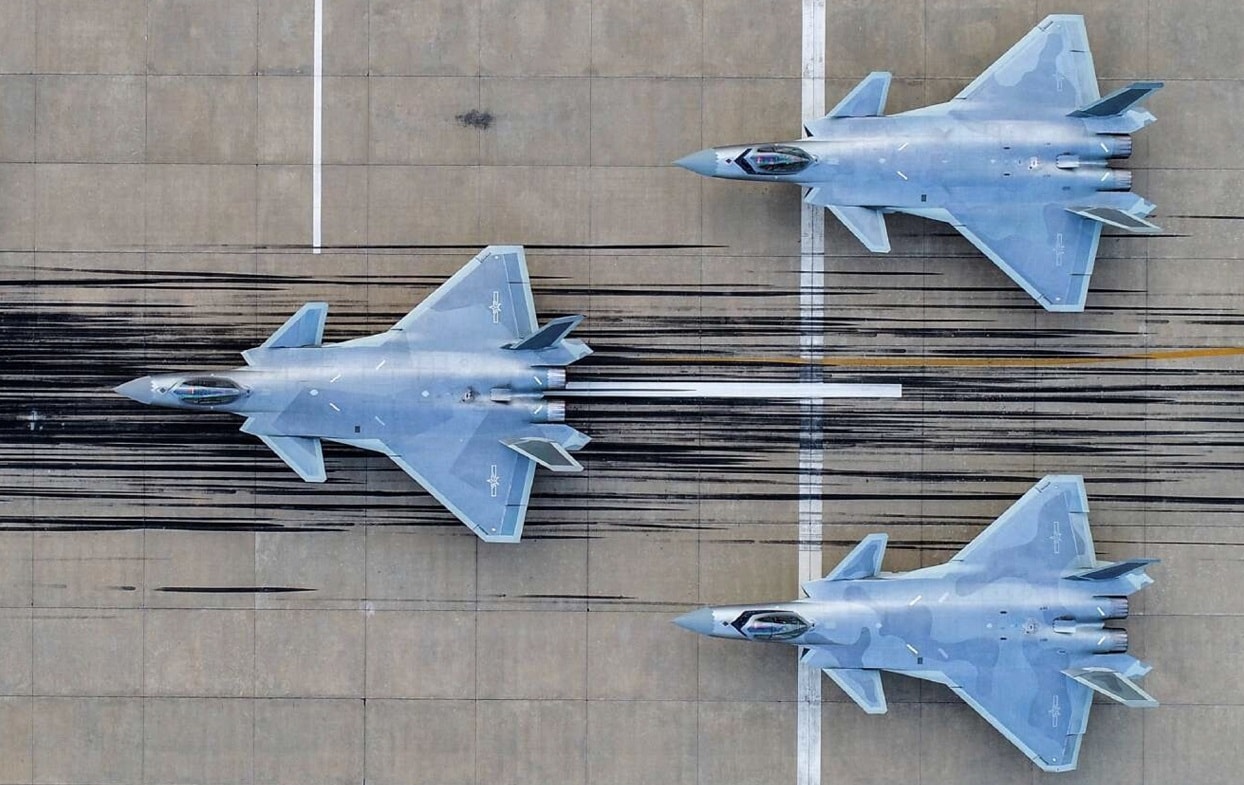
J-20. Image: Creative Commons.
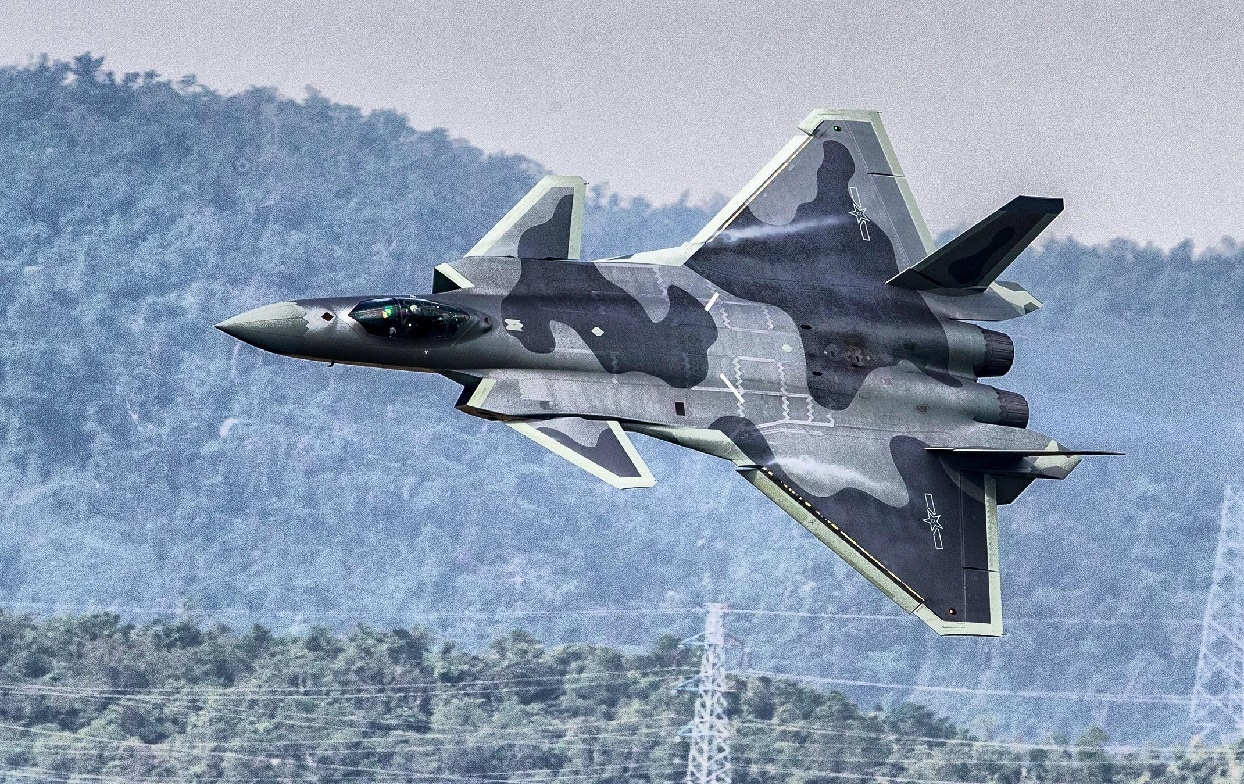
J-20 Image: Creative Commons.
About the Author: Brandon J. Weichert
Brandon J. Weichert is the Senior National Security Editor at 19FortyFive.com. He was previously the senior national security editor at The National Interest. Weichert is the host of The National Security Hour on iHeartRadio, where he discusses national security policy every Wednesday at 8 pm Eastern. He hosts a companion show on Rumble entitled “National Security Talk.” Weichert consults regularly with various government institutions and private organizations on geopolitical issues. His writings have appeared in numerous publications, among them Popular Mechanics, National Review, MSN, and The American Spectator. And his books include Winning Space: How America Remains a Superpower, Biohacked: China’s Race to Control Life, and The Shadow War: Iran’s Quest for Supremacy. Weichert’s newest book, A Disaster of Our Own Making: How the West Lost Ukraine, is available for purchase wherever books are sold. He can be followed via Twitter/X @WeTheBrandon.