
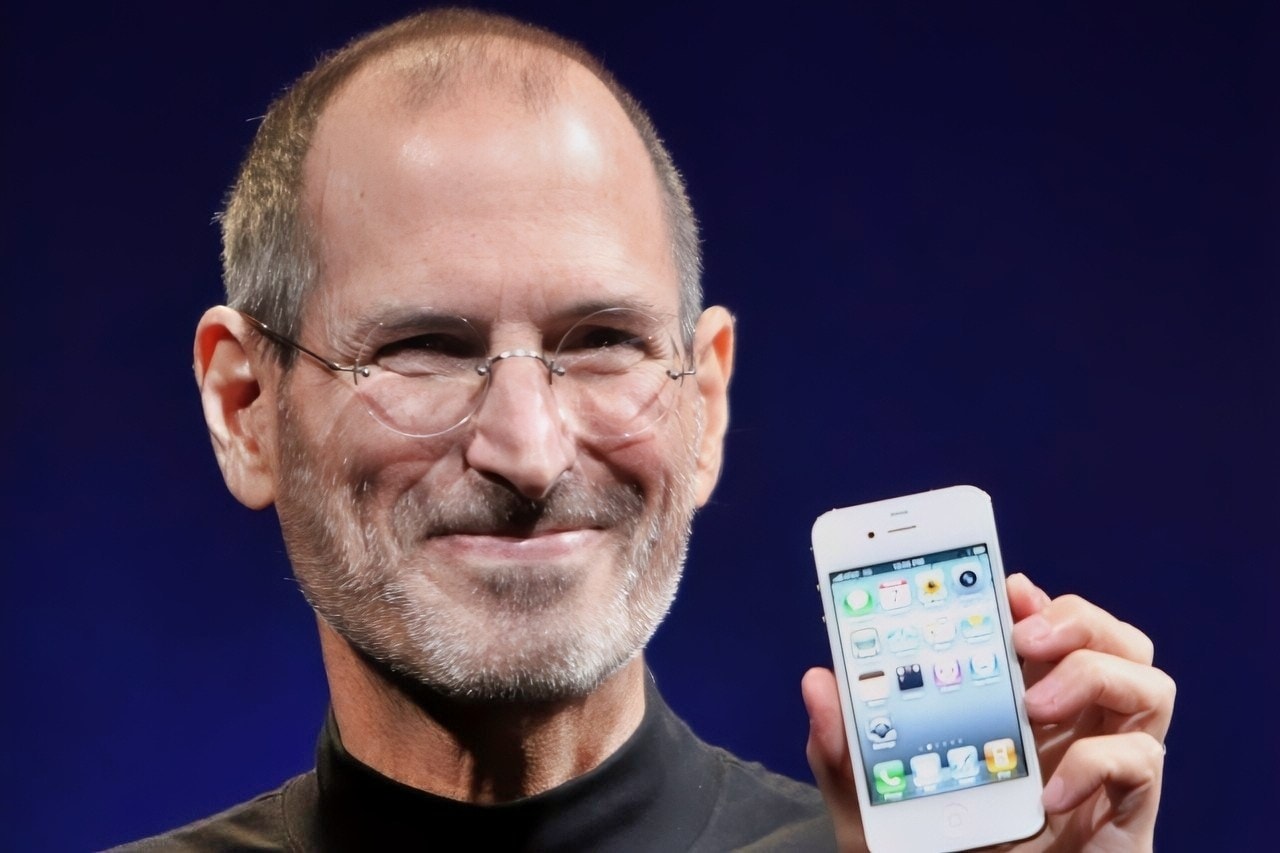
Summary and Key Points: Columnist Isaac Seitz explores the transformative legacy of Steve Jobs through the development of the iPhone.
-Jobs’ philosophy of “simplicity through thoughtful removal” led to the abandonment of the Newton MessagePad and the birth of Project Purple.

Apple Laptop. Image Credit: Iliescu Victor.
-By pivoting from physical keyboards to a multi-touch interface and anchoring the device in a full Mac OS X foundation, Jobs created a “three-in-one” product: a widescreen iPod, a phone, and an internet communicator.
-The 2008 App Store launch further shifted the device from a gadget to a global platform, merging liberal arts and engineering to reshape modern culture.
Quote of the Day by Steve Jobs
“You can’t just ask customers what they want and then try to give that to them. By the time you get it built, they’ll want something new.” – Steve Jobs
Steve Jobs remains one of the most influential figures in the history of modern technology, remembered not only for the boldness of his vision but for his exceptional ability to blend engineering, design, and human-centered thinking into world-changing products.
While his impact spans the personal computer, digital animation, music players, and tablets, the creation of the iPhone stands as perhaps his most important achievement.
The iPhone did not merely introduce a new type of device; it redefined entire industries, reshaped global culture, and set the standard for mobile computing for decades to follow.
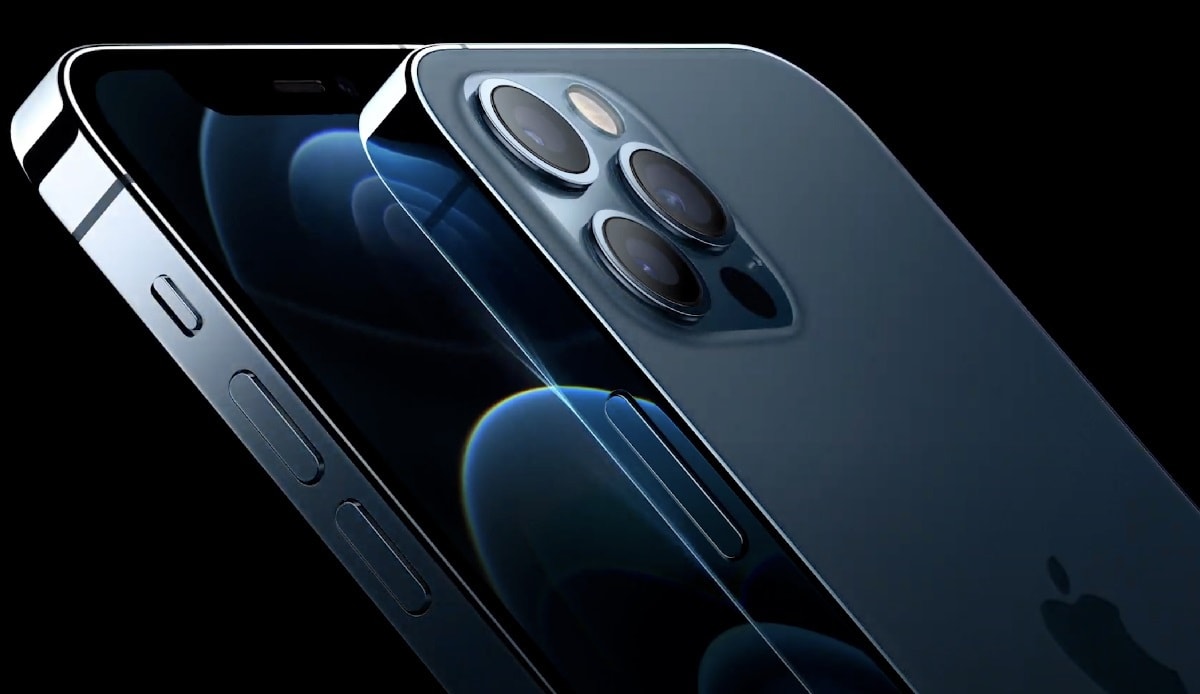
iPhone 12 Pro Max. Image: Apple.
Visionary Beginnings
Long before the first iPhone was unveiled in January 2007, Jobs had been thinking about the convergence of computing and communication.
Apple had experience with handheld devices, namely the Newton MessagePad in the early 1990s, a product that failed commercially but set the groundwork for the future.
Jobs famously killed the Newton when he returned to Apple in 1997, but his later efforts demonstrated that he never abandoned the idea; rather, he believed Apple needed better technology and greater design discipline to make it work.
Jobs had an intuition that phones would eventually become the most important personal device people carried.
In the early 2000s, he noticed that standalone music players like the iPod, Apple’s blockbuster product at the time, were threatened by mobile phones that began to include music playback. But Jobs did not see this as a threat to defend against; he saw it as a directional arrow pointing toward the future.
Under his leadership, Apple began exploring three paths simultaneously: improving the iPod, collaborating with phone manufacturers, and designing a phone of its own.
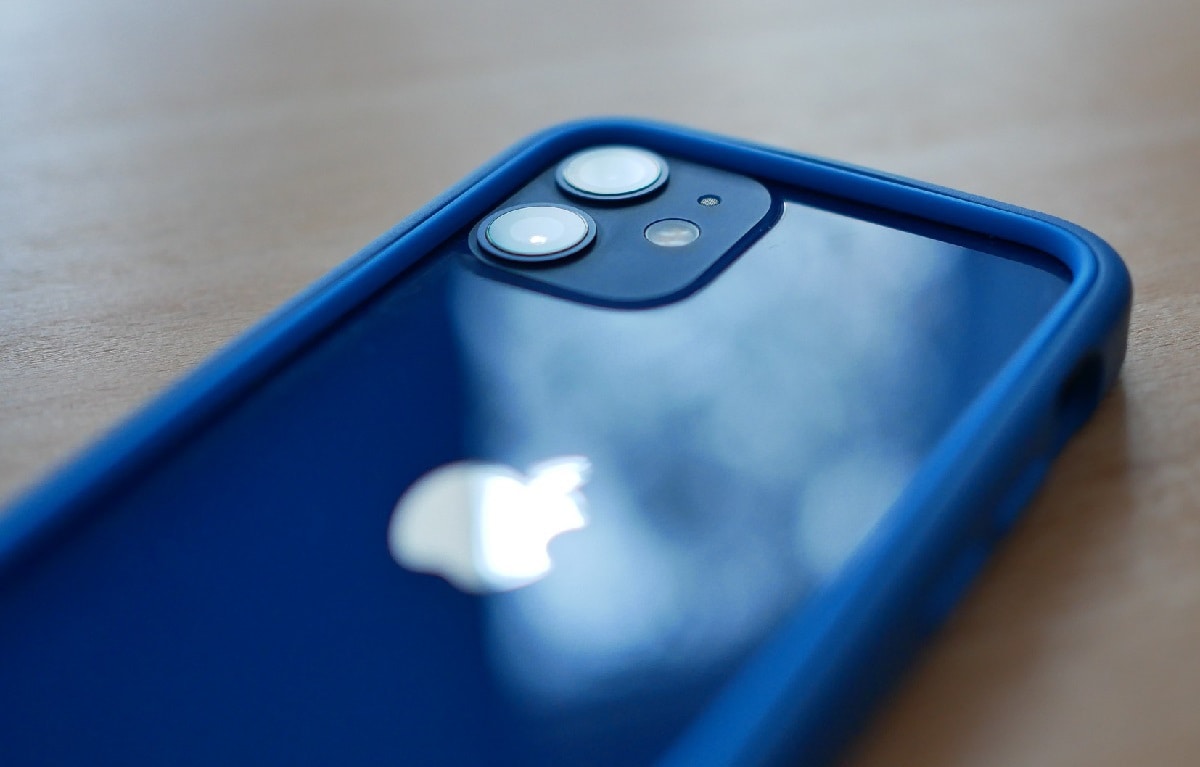
Apple iPhone. Image: Creative Commons.
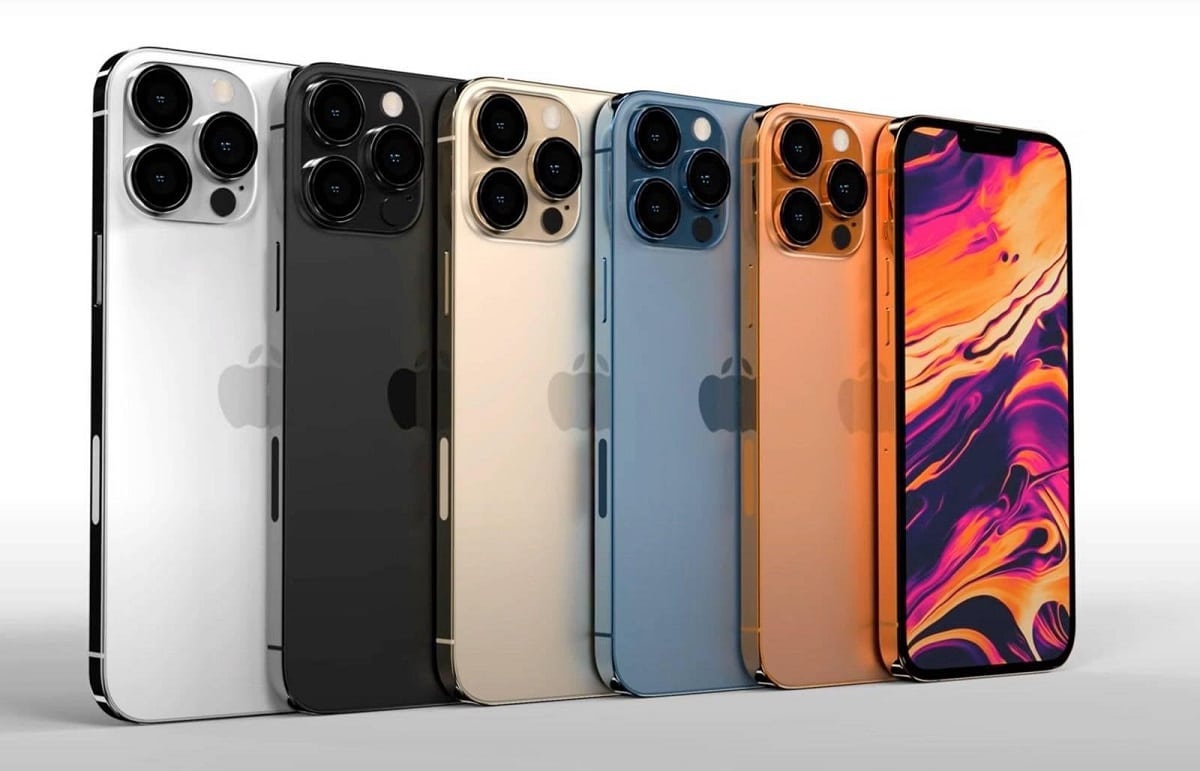
Image Credit: Apple.
Design Philosophy: Simplicity as a Guiding Principle
Jobs was fundamentally a design-driven leader. His philosophy centered on simplicity, which should not be interpreted as the absence of complexity, but as the thoughtful removal of unnecessary elements.
When Apple began working on what would become the iPhone, this principle influenced every decision. A crucial turning point came from Apple’s work on multi-touch technology. The company had been developing a multi-touch trackpad for laptops, but Jobs recognized its broader potential.
When engineers showed him a prototype interface that allowed fingers to manipulate objects directly on the screen, Jobs immediately redirected Apple’s focus toward building a full multi-touch interface for a handheld device.
This would eliminate the need for physical keyboards, styluses, or complex navigation buttons. Jobs insisted that the iPhone should be the first device where the software and hardware felt inseparable.
He pushed designers to craft an interface so intuitive that people would know how to use it the moment they picked it up. This required countless iterations, tightly coordinated teams, and a top-down insistence on excellence that Jobs enforced with exacting standards.
The Art of Relentless Focus
The creation of the iPhone was one of the most secretive and complex engineering efforts in Apple’s history. Jobs personally selected the leaders of what became known as the Project Purple team.
They worked in a locked-down section of Apple’s campus, often with extreme compartmentalization. Jobs pushed his teams hard, often demanding solutions that seemed impossible. Yet many Apple engineers have said that Jobs pushed them toward their best work, giving them a sense of mission and urgency.
One of the boldest decisions was to build the iPhone on the foundation of Mac OS X, Apple’s desktop operating system. Competitors like Microsoft and Palm built mobile operating systems stripped down for limited hardware.
Jobs insisted on the opposite: he wanted a fully capable, touch-based operating system that could support rich applications, smooth animations, and sophisticated web browsing. This decision proved visionary. It allowed Apple to introduce the concept of the “mobile app” years before it became an industry standard.
A New Era: The 2007 iPhone Unveiling
On January 9, 2007, at the Macworld conference, Jobs unveiled the iPhone in one of the most famous keynotes in technology history.
He introduced it as three products in one: a widescreen iPod, a revolutionary mobile phone, and a breakthrough Internet communicator. The presentation captured Jobs’ mastery of storytelling and his ability to translate complex engineering achievements into a compelling vision for everyday consumers.
Jobs demonstrated multi-touch gestures like pinch-to-zoom, showed the device’s seamless integration with the web, and reimagined voicemail through a visual interface.
He mocked the clunky interfaces of existing smartphones, especially those with physical keyboards, making a clear argument that the future would be software-driven.
The App Store Revolution
Initially, Jobs resisted opening the iPhone to third-party developers. Early on, he preferred web apps over native apps because he worried about security, quality control, and experience fragmentation. However, under strong internal and external pressure, he changed course in one of his rare pivotal moments, reversing a public position.
In 2008, Apple launched the App Store, a move that transformed the iPhone from an innovative device into a transformative platform. Under his leadership, the App Store became a thriving ecosystem for creativity and entrepreneurship, spawning industries in gaming, social media, mobile commerce, and beyond.
Steve Jobs passed away in October 2011, only months after introducing the iPhone 4S. Yet the device he championed continues to shape the world.
It redefined photography, media, communication, software distribution, and people’s expectations for technology.
It accelerated the shift to mobile computing, influenced industries from transportation to healthcare, and became one of the most commercially successful products in history.
The iPhone stands as the clearest expression of Jobs’ philosophy: technology at the intersection of the liberal arts and engineering, crafted to enrich people’s lives.
About the Author: Isaac Seitz
Isaac Seitz, a Defense Columnist, graduated from Patrick Henry College’s Strategic Intelligence and National Security program. He has also studied Russian at Middlebury Language Schools and has worked as an intelligence Analyst in the private sector.