
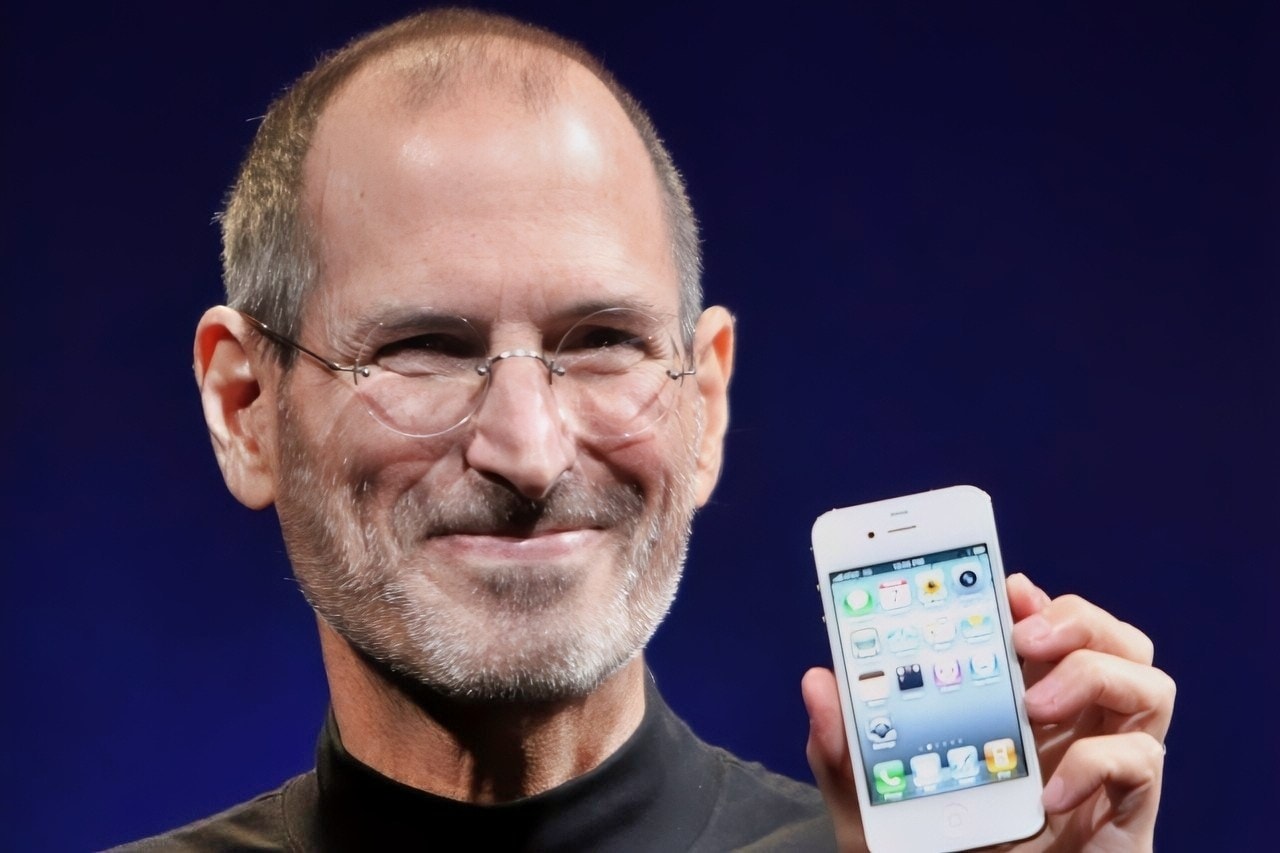
Summary and Key Points: Isaac Seitz, a strategic intelligence analyst, evaluates the cultural and technological impact of Steve Jobs and Apple through one quote and an amazing story.
-From the founding of Apple Computer in 1976 to the 1997 acquisition of NeXT, Jobs’ return as CEO catalyzed a corporate revival.
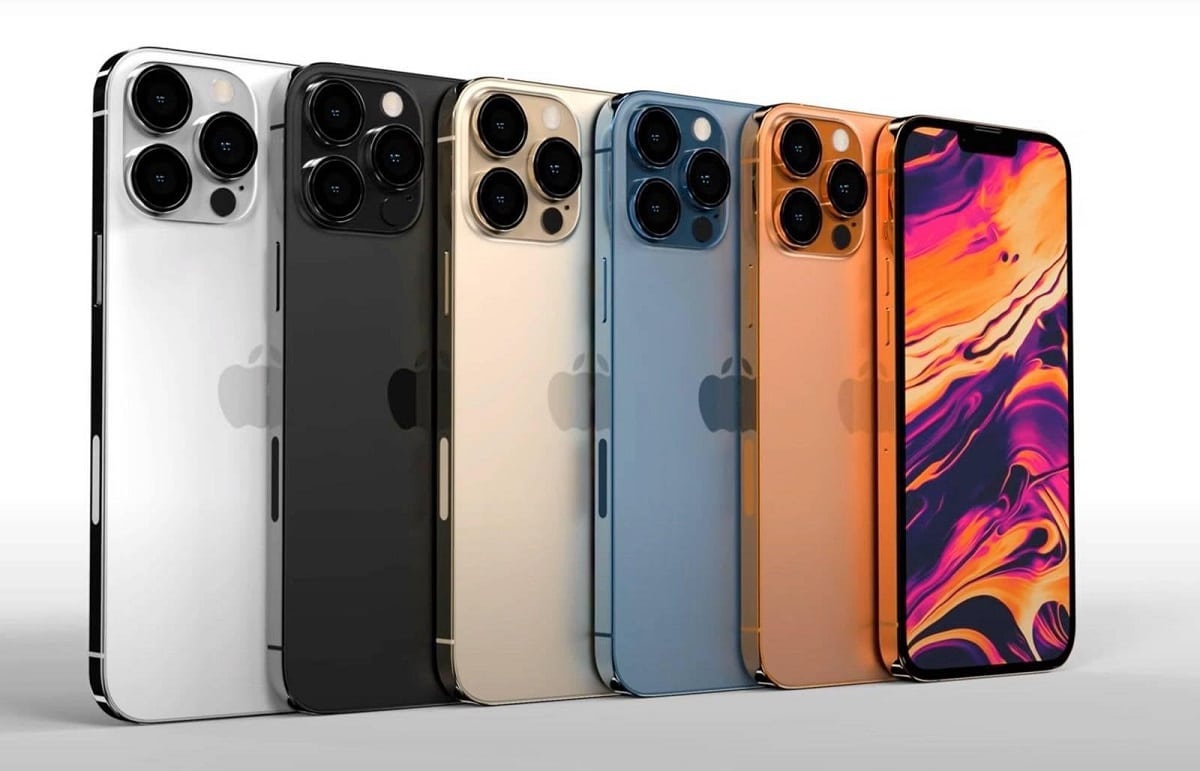
Image Credit: Apple.
-This report analyzes the development of multitouch technology, the transition from the iPod to the iPhone in 2007, and the 2010 unveiling of the iPad.
-By integrating hardware with the App Store, Jobs fundamentally reshaped the software industry, creating a “unified experience” that remains the global benchmark for intuitive, human-centric design.
Quote of the Day: The Three-in-One Revolution: Inside Steve Jobs’ Iconic 2007 iPhone Unveiling
“Your work is going to fill a large part of your life, and the only way to be truly satisfied is to do what you believe is great work.” – Steve Jobs
Jobs is one of the most important businessmen of the 21st century.
Apple, under his leadership, would introduce some of its most important products in the company’s history.
Devices such as the iPhone and the iPad fundamentally reshaped modern society—for better or worse. This was all thanks to Steve Jobs’ vision and ambitions of an interconnected world with access to the internet in the palm of one’s hand.
Steve Jobs and Apple
In 1976, Jobs, his childhood friend Steve Wozniak, and Ronald Wayne founded Apple Computer. Their first products, the Apple I and Apple II, gained momentum in the emerging personal-computer market. Jobs’ ambitious vision soon led to the development of the Macintosh, introduced in 1984.
Although the Mac initially struggled commercially, it revolutionized the industry by introducing a graphical user interface and mouse-driven navigation to a mainstream audience. But internal disagreements and political tensions within Apple culminated in Jobs’ resignation in 1985. During this brief tenure away from Apple, he founded his own company, NeXT, and continued developing software.
By 1997, Apple was nearing bankruptcy. The company acquired NeXT to modernize its software platform, and Jobs returned, first as an advisor, and soon after as interim CEO. His comeback marked one of the most remarkable corporate revivals ever seen.
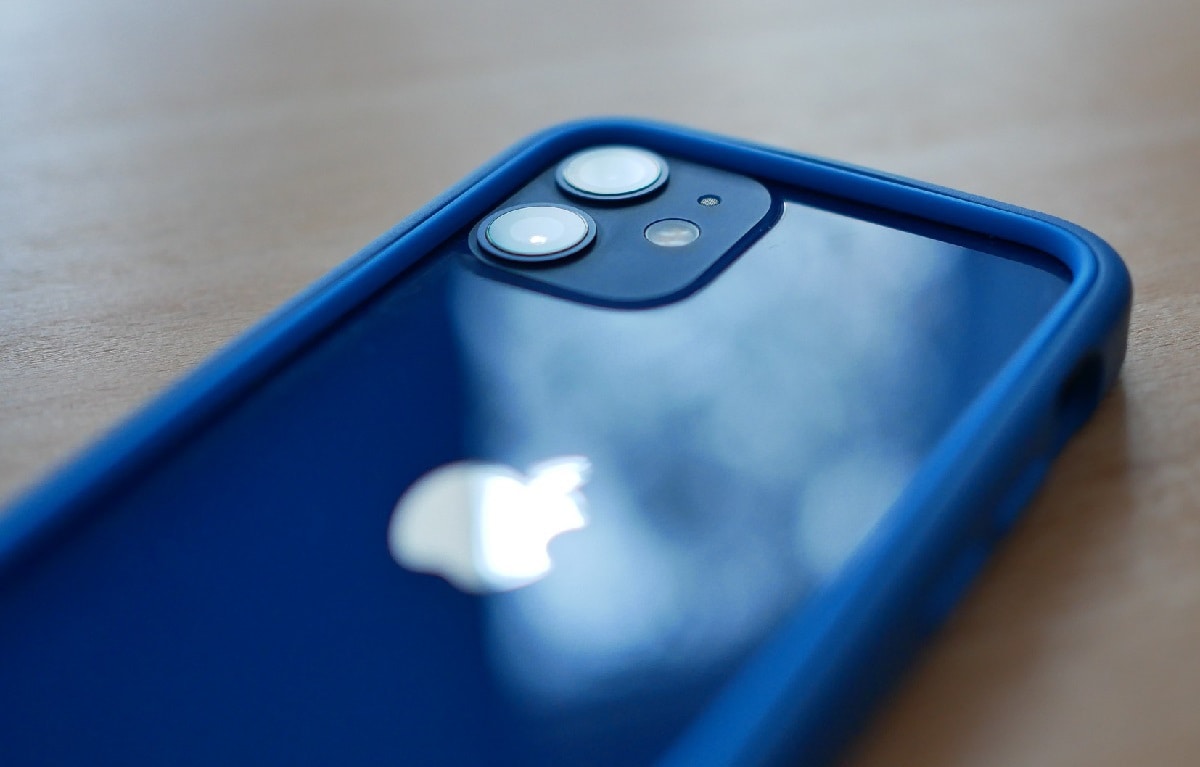
Apple iPhone. Image: Creative Commons.
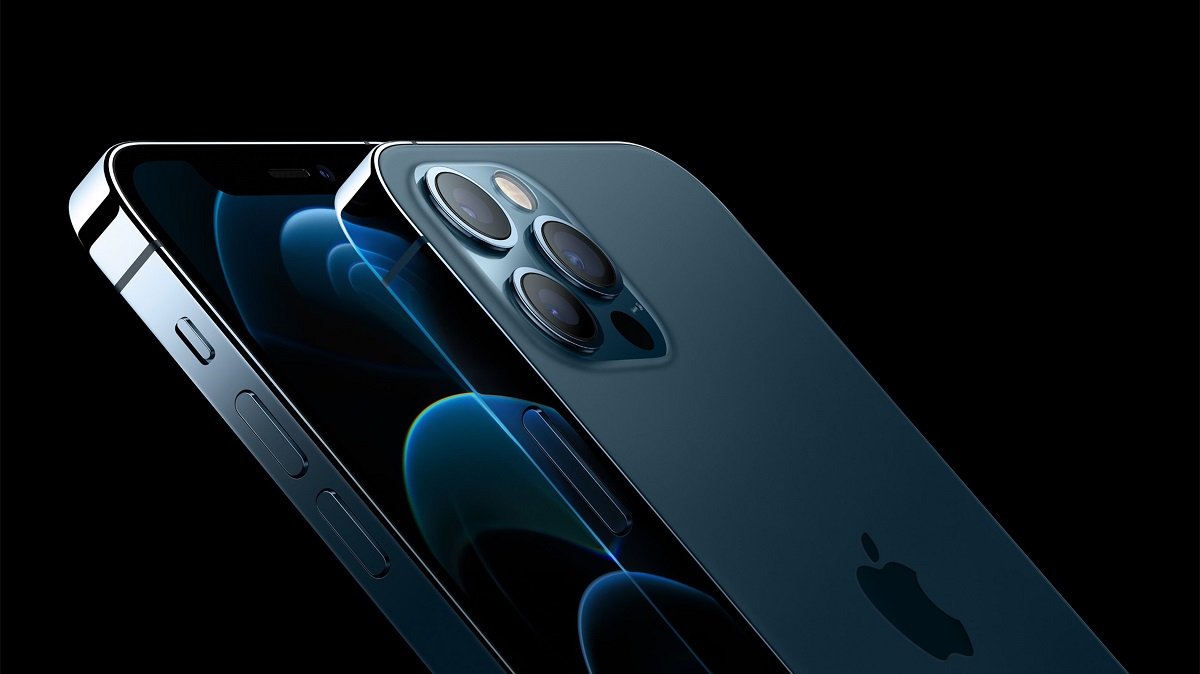
iPhone 12 Pro Max. Image: Apple.
Jobs streamlined Apple’s product line, introduced compelling innovations such as the iMac, and reimagined Apple not just as a computer manufacturer but as a digital lifestyle company. This evolution set the stage for Apple’s entry into consumer electronics.
Developing the iPhone
Jobs’ path toward the iPhone began with the iPod, introduced in 2001. The iPod was the first step towards Jobs’ vision of an integrated ecosystem with seamless software and emotionally resonant design. Its success showed that Apple could excel beyond computers and create devices that defined entire categories.
But as mobile phones began incorporating music and camera features, Jobs recognized that the iPod’s dominance could not last. He believed that Apple needed to create a device powerful enough to replace not just portable music players, but traditional mobile phones themselves.
This insight led to the iPhone. Jobs assembled a small, highly secretive team and pushed them to rethink what a phone could be.
His vision centered on eliminating physical keyboards, which he believed constrained creativity and forced users into inefficient interfaces. Instead, he championed multitouch technology, something Apple had been exploring in early tablet prototypes. When the engineers realized the technology could be adapted to a phone-sized screen, the iPhone took priority over the tablet.
Fundamentally Transforming the Tech Industry
On January 9, 2007, Jobs introduced the first iPhone in one of the most iconic product unveilings ever delivered. With characteristic showmanship, he declared that Apple would introduce three devices: a touchscreen iPod, a revolutionary mobile phone, and a breakthrough Internet communicator—all before revealing these were parts of one single device. The iPhone was a radical shift in the industry.

Apple Laptop. Image Credit: Iliescu Victor.
Its capacitive touchscreen replaced physical buttons with dynamic software interfaces. It had a minimal design that emphasized elegance and ease of use. Jobs insisted on fluid animations, responsive gestures, and an interface that felt intuitive—almost alive.
Under Jobs’ direction, the iPhone was never just a piece of hardware. It was part of a unified experience that included tightly integrated software, a refined ecosystem, and the App Store, which launched in 2008. Although Jobs initially hesitated to allow third-party applications, he eventually recognized their potential to transform the iPhone into a global platform for innovation. The App Store reshaped not just mobile computing, but the software industry as a whole, making developers essential partners in Apple’s success.
Apple’s Next Success: The iPad
Even before the iPhone launched, Jobs had dreamed of creating a larger touchscreen device. Throughout the mid-2000s, Apple experimented with tablet prototypes. The success of multitouch technology in the iPhone eventually encouraged Jobs to revisit and refine the idea.
He imagined a device more immersive than a smartphone and more approachable than a laptop; something ideal for reading, browsing, watching media, and interacting with creative apps.
The iPad, unveiled on January 27, 2010, fulfilled that vision.
Jobs described it as a magical device that brought Apple’s most advanced technologies together. It booted instantly, responded fluidly to touch, and offered a large canvas for apps and content.
While early skeptics dismissed it as an oversized iPhone, the iPad quickly carved out its own identity. It became widely adopted in education, medicine, aviation, business, and entertainment. Jobs had once again demonstrated his ability to foresee how people would want to use technology, often before they realized it themselves.
The Enduring Legacy of Steve Jobs
Jobs’ fingerprints were evident in every aspect of the iPhone and iPad. He was involved in decisions ranging from software behaviors to color choices, from materials to packaging, from marketing messages to the philosophy behind each product.
His famously exacting standards sometimes frustrated his teams but also pushed them to achieve results they once considered impossible. At the core of his approach was a belief that technology should enhance human life without requiring technical expertise. He wanted products that inspired joy and creativity—products that felt personal and powerful.
When Steve Jobs passed away on October 5, 2011, the world lost not only a visionary inventor but a cultural icon whose ideas transformed communication, media, and daily life. His work on the iPhone and iPad reshaped industries, influenced competitors around the globe, and changed the way billions of people interact with information.
More than any earlier contribution the iPhone and iPad reflect Jobs’ deepest convictions: that technology should be simple, beautiful, and profoundly human.
About the Author: Isaac Seitz
Isaac Seitz, a Defense Columnist, graduated from Patrick Henry College’s Strategic Intelligence and National Security program. He has also studied Russian at Middlebury Language Schools and has worked as an intelligence Analyst in the private sector.