
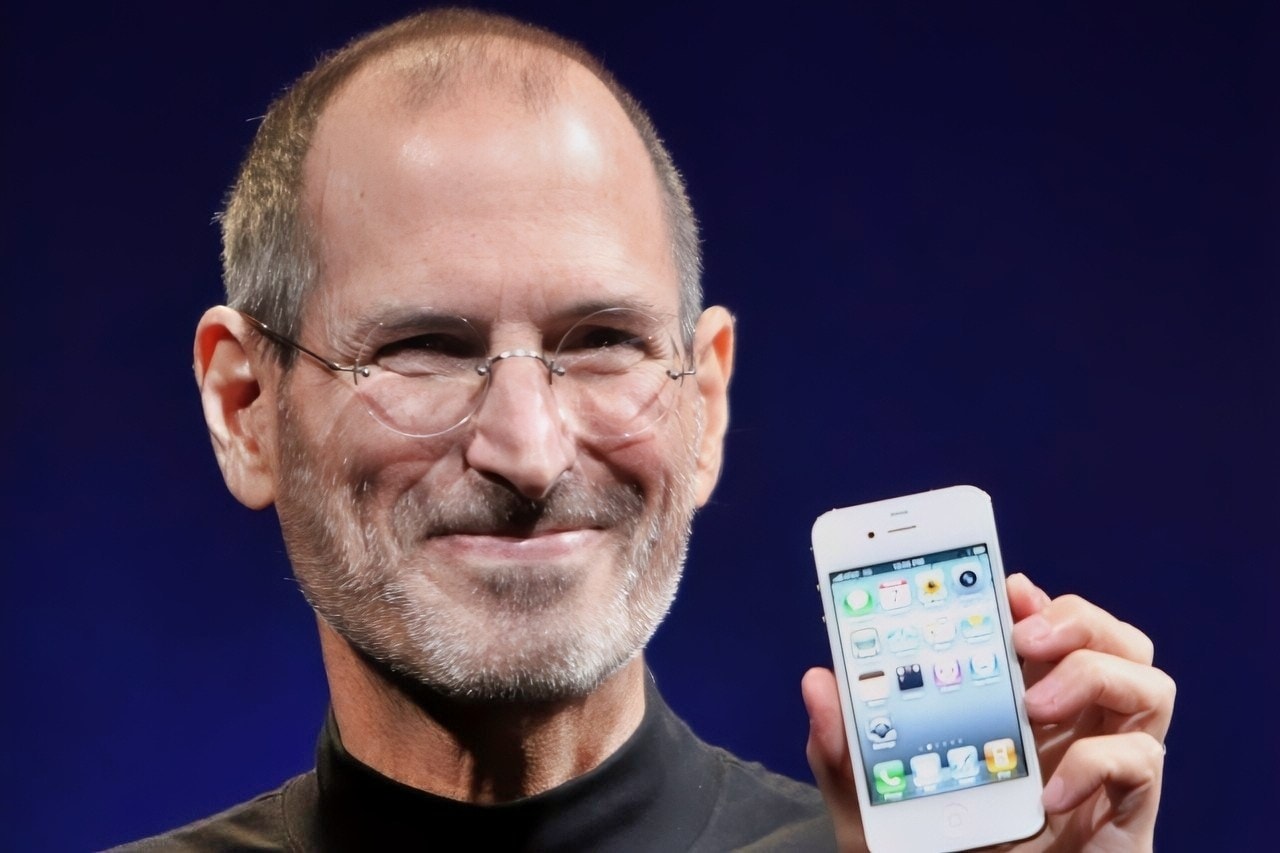
Summary and Key Points: Steve Jobs helped found Apple in 1976 and quickly became Silicon Valley’s defining product visionary, pushing design and user experience as the company raced from Apple II success to the Macintosh.
-But growth brought clashes, and after the board hired John Sculley for steadier leadership, Jobs was stripped of operational power and ultimately walked away.
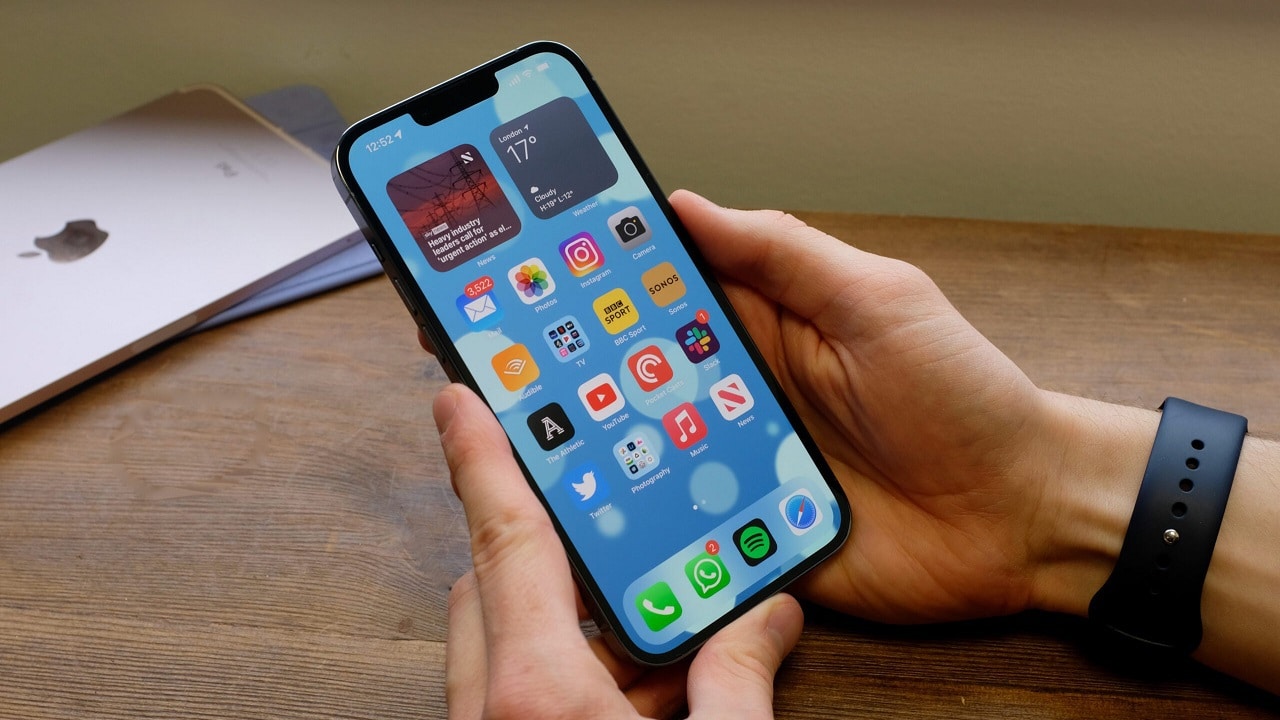
iPhone 13. Image Credit: Creative Commons.
-He used the setback to build NeXT—whose software would later shape modern Apple operating systems—and to turn Pixar into an animation powerhouse.
-As Apple faltered in the 1990s, it bought NeXT, bringing Jobs back. He cut complexity, refocused the product line, and set the stage for Apple’s revival.
Steve Jobs Summed Up in 1 Comeback and Quote: Fired, Then Built Apple’s Future Anyway
“Your time is limited, so don’t waste it living someone else’s life. Don’t be trapped by dogma—which is living with the results of other people’s thinking. Don’t let the noise of others’ opinions drown out your own inner voice. And most important, have the courage to follow your heart and intuition.” -Steve Jobs
Steve Jobs was one of the most influential entrepreneurs in the last century. Not only was he technically gifted, but he had the artistic vision and personality needed to realize his ambitions. He was, however, not without his hardships. For a time, Jobs was expelled from Apple due to tensions between him and other board members. While he was shaken by this event, he made the most of his situation, starting his own company before Apple accepted him back in.
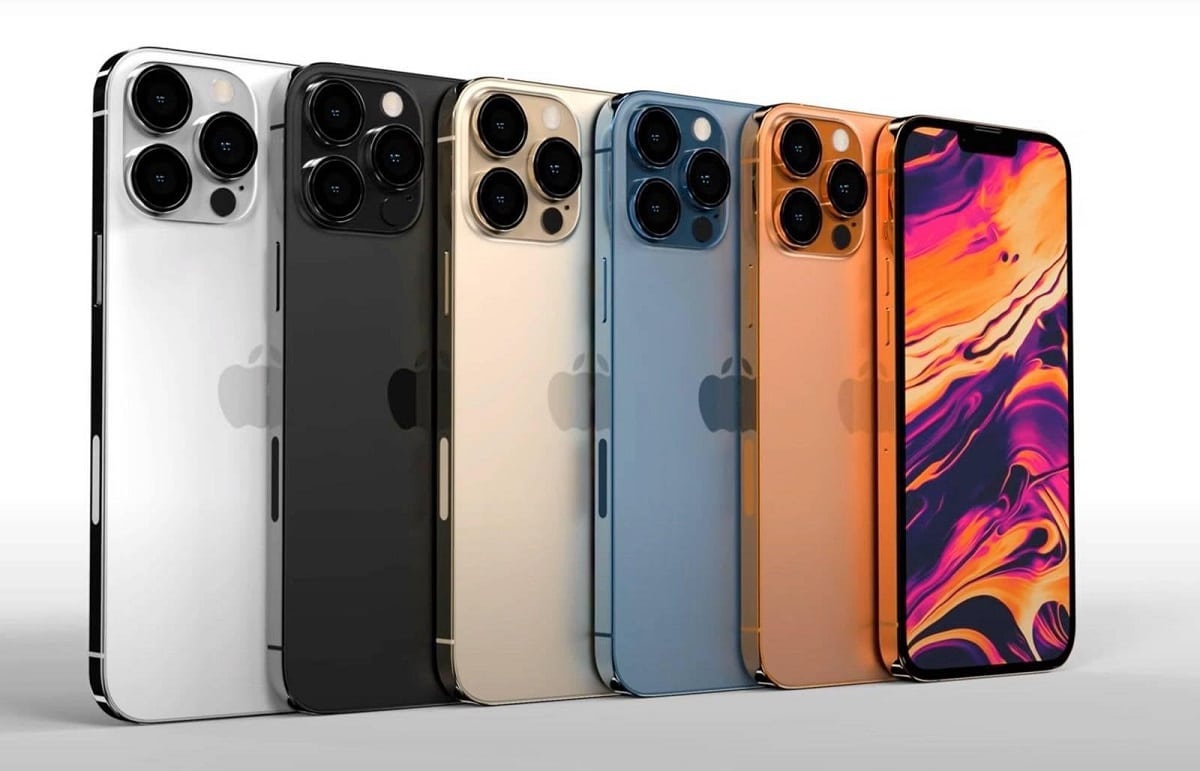
Image Credit: Apple.
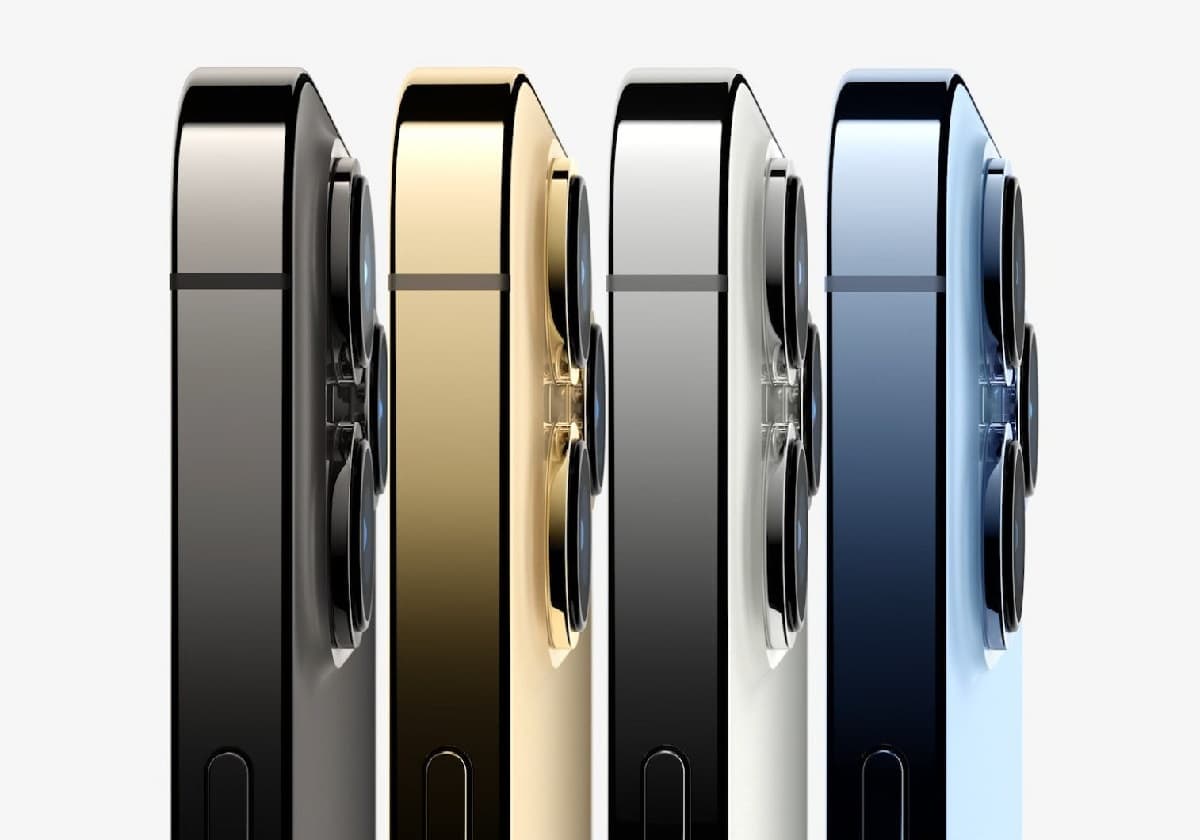
Image: Creative Commons.
The Founding of Apple
Jobs’ story begins with Apple’s founding in 1976, when he, Steve Wozniak, and Ronald Wayne launched Apple Computer from the Jobs family garage. The company’s early success came quickly. The Apple II became one of the first highly successful mass-market personal computers, helping to establish Apple as a major player in what was then a young and unpredictable industry. When Apple went public in 1980, Jobs, at only 25 years old, became a multimillionaire and a prominent figure in Silicon Valley.
From the beginning, Jobs distinguished himself not as an engineer, like Wozniak, but as a visionary with an intense focus on design, user experience, and product intuition. His ambition pushed Apple toward developing more sophisticated machines. He championed the Lisa computer and later the Macintosh, driven by his belief that personal computing would reshape the future and that hardware should be elegant, intuitive, and accessible. The Macintosh, released in 1984, embodied this philosophy with its graphical user interface, integrated design, and distinctive marketing.
Steve Jobs Gets Ousted
Yet even as the Macintosh became the product most associated with Jobs’ early vision, it also contributed to the tensions that would lead to his ouster. Jobs’ management style was notoriously demanding. He pushed his teams relentlessly, often clashing with colleagues and creating internal friction. As the company grew, the Apple board worried that Jobs lacked the managerial discipline required to oversee a corporation moving from a scrappy startup to a global enterprise. In 1983, seeking stability and seasoned leadership, the board recruited John Sculley, then president of PepsiCo, to serve as Apple’s CEO.
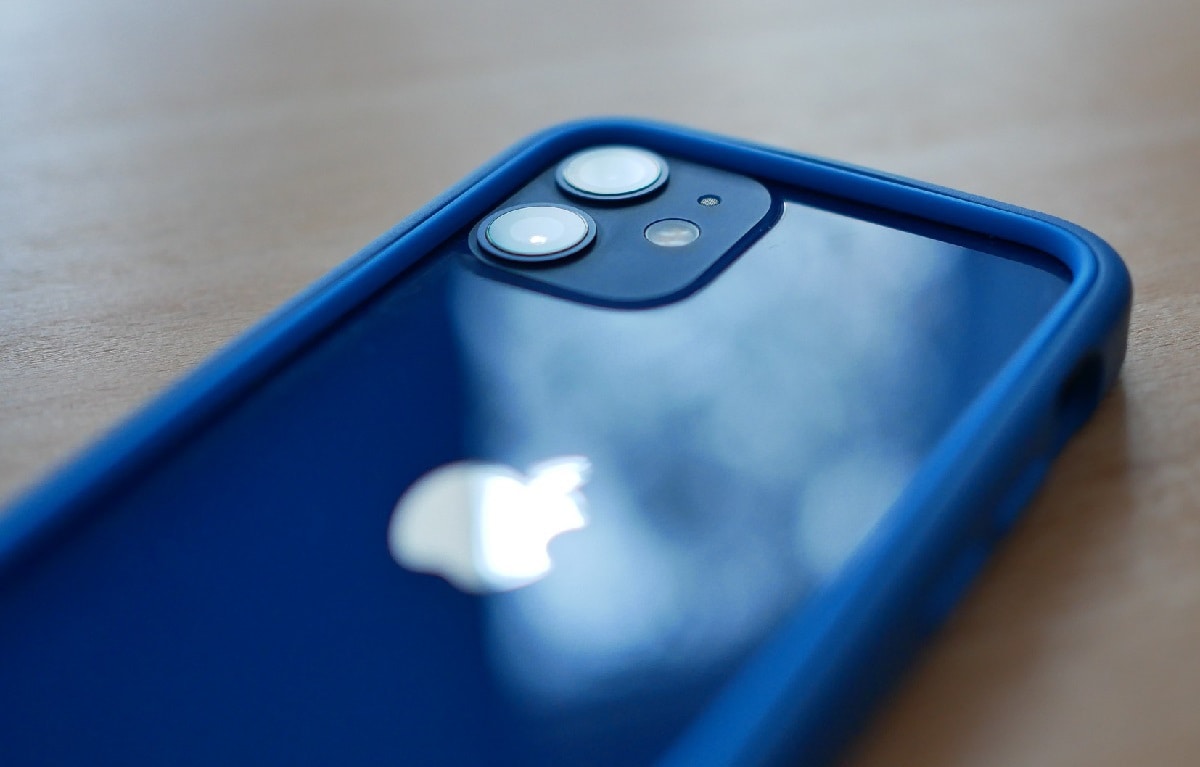
Apple iPhone. Image: Creative Commons.
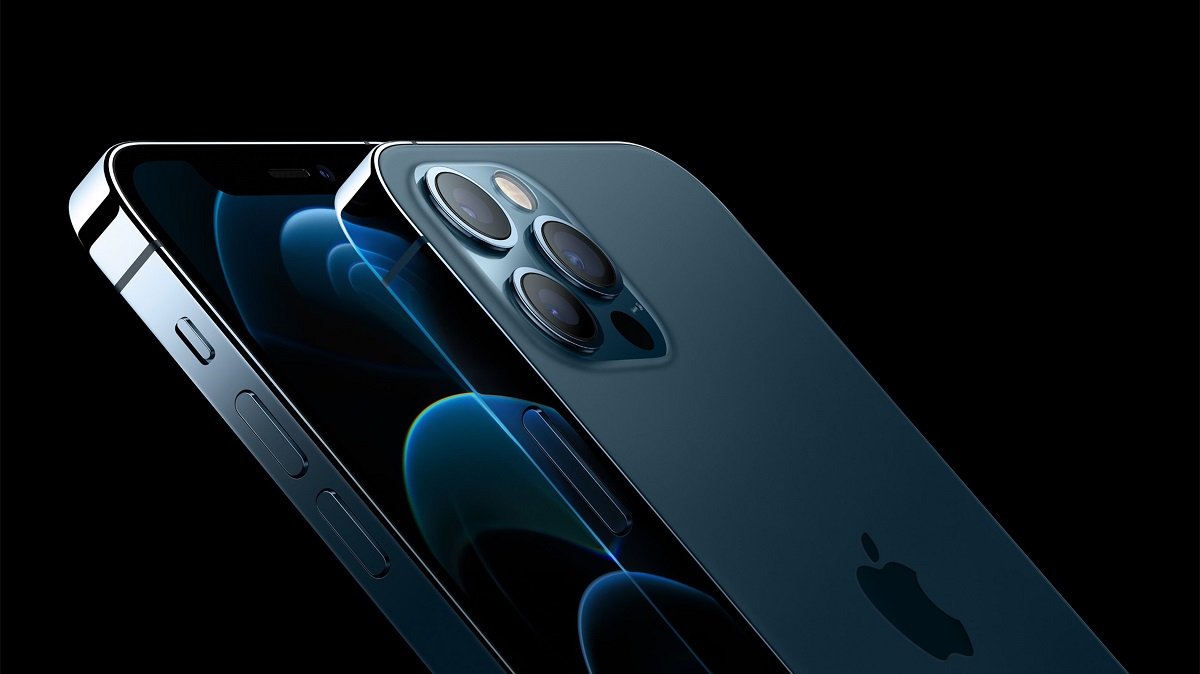
iPhone 12 Pro Max. Image: Apple.
Feeling that Jobs had become a destabilizing force, Sculley confronted the board, and the directors sided with him. Jobs was stripped of all operational responsibilities. Though he technically remained chairman, he was effectively demoted. The move was humiliating for him. Isolated and without meaningful influence in the company he had co-founded, Jobs chose to resign. He later described his departure as a public failure that shook him deeply, but he also saw it as an opportunity to begin again, free from the expectations and pressures that had surrounded him at Apple.
Time Away from Apple
Following his resignation, Jobs immediately founded NeXT Computer, a company dedicated to building advanced, high-performance computers for education and research. NeXT machines were beautifully designed, with clean lines and innovative features like the NeXTSTEP operating system, which incorporated a sophisticated object-oriented software environment.
Although NeXT’s hardware never achieved widespread commercial success because of its high price and specialized market, the software platform became enormously influential. Many developers and technologists recognized NeXTSTEP as years ahead of its time, especially in areas like interface design, application development, and system architecture.
During this period, Jobs also purchased the computer graphics division of Lucasfilm, which he renamed Pixar. What began as an experimental graphics technology company gradually transformed into a pioneering animation studio. Pixar’s breakthrough came with the release of Toy Story in 1995, the first full-length feature film created entirely with computer animation.
Its massive critical and commercial success launched Pixar into the spotlight and cemented Jobs’ reputation as a savvy entrepreneur who could spot and cultivate groundbreaking innovation. Pixar eventually went public, dramatically increasing Jobs’ wealth and influence.
Coming Back to the Company
Meanwhile, Apple was struggling. The company had fallen into a period of confusion. Its operating system, still based on architecture developed in the 1980s, had aged poorly. Its product lines had multiplied to the point of incoherence. Competitors like Microsoft were outpacing Apple in both market share and software development. By the mid-1990s, Apple’s finances were deteriorating, and many analysts predicted that the company might not survive.

Apple Laptop. Image Credit: Iliescu Victor.
Facing this crisis, Apple searched for a modern operating system to build its future on. After evaluating multiple options, including partnerships with other software providers, Apple turned to an unexpected solution: acquiring NeXT.
In December 1996, Apple purchased NeXT for approximately $429 million, bringing Steve Jobs back into the company he had once been forced to leave. Although his initial title was “advisor,” it became clear almost immediately that Jobs wielded significant influence. As Apple reevaluated its direction, CEO Gil Amelio struggled to stabilize the company, and tensions grew within the leadership team.
Reshaping Apple and the Tech Industry
In July 1997, the board removed Amelio, and Jobs was appointed interim CEO. Once in charge, Jobs moved decisively. He slashed Apple’s bloated product lineup, narrowing the company’s focus to a small number of core offerings that could receive full attention and resources.
He eliminated underperforming projects, restructured teams, and reintroduced a culture of rigorous design and engineering discipline. His partnership with industrial designer Jony Ive led to the creation of the iMac, released in 1998. With its translucent shell and bold aesthetics, the iMac signaled that a new Apple had emerged.
The foundations acquired through NeXT also played a crucial role in Apple’s resurgence. The NeXTSTEP operating system evolved into macOS, which became the basis not only for future Mac computers but also for the operating systems that would eventually power the iPhone, iPad, Apple Watch, and other devices. Jobs’ second tenure at Apple ushered in an unprecedented era of innovation. The iPod, introduced in 2001, transformed the music industry.
The iTunes Store followed, reshaping media distribution. The iPhone, released in 2007, revolutionized mobile communication and paved the way for the modern smartphone era. The iPad further extended Apple’s reach, proving that Jobs’ intuition for consumer technology remained as sharp as ever.
About the Author: Isaac Seitz
Isaac Seitz, a Defense Columnist, graduated from Patrick Henry College’s Strategic Intelligence and National Security program. He has also studied Russian at Middlebury Language Schools and has worked as an intelligence Analyst in the private sector.