
The Shahed Went to Moscow in 2022, Came Back as the Geran-2 in 2026: How a Drone Deal Came Full Circle in Two Wars
Russia always maintained a façade of neutrality in the Middle East and has attempted to position itself as an intermediary power in the region. This has allowed it to maintain close diplomatic ties between Israel, Iran, and Syria at the same time.
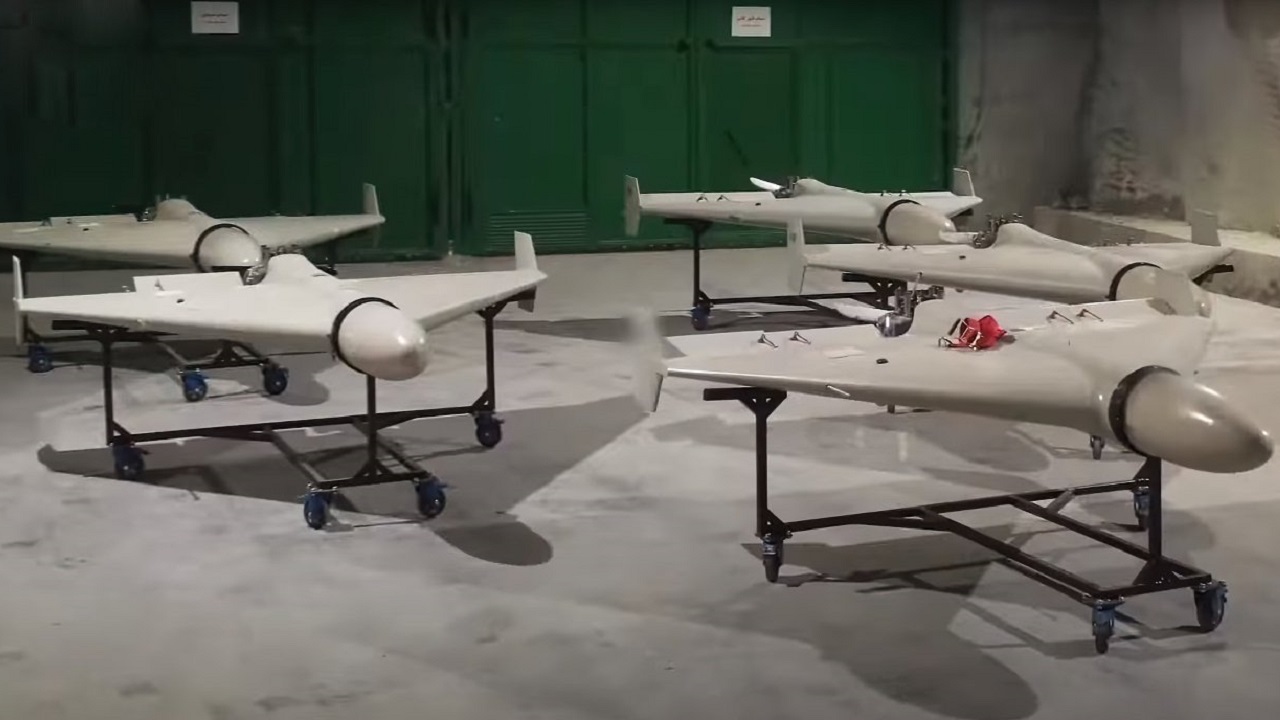
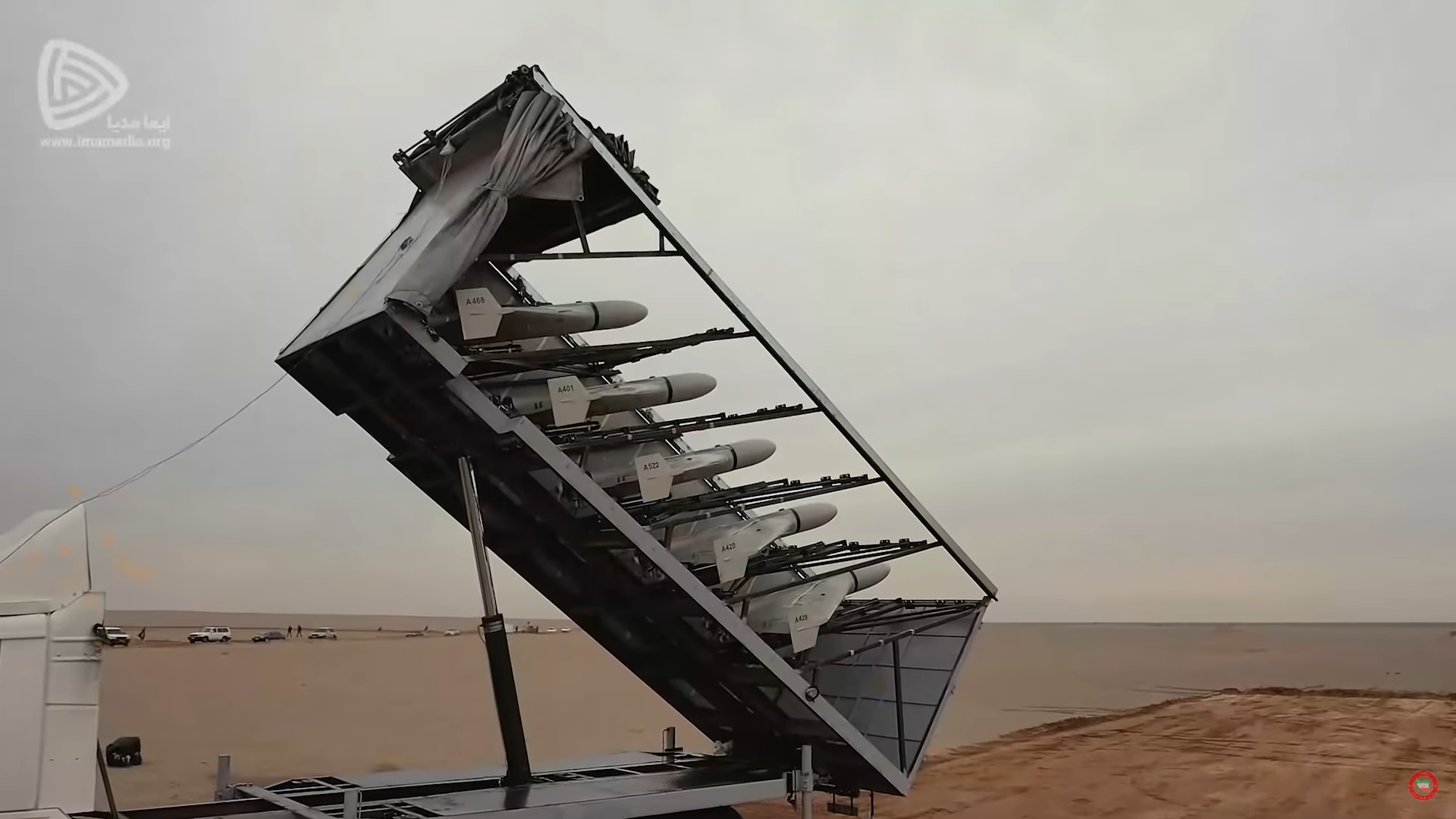
However, Moscow does occasionally play favorites and will support one state over the other, especially if it means weakening the United States’ position in the region. This is explicitly seen in recent reports that Russia is supplying Iran with drones and intelligence to use against U.S. and Israeli assets. Moscow and Tehran have an established relationship: It was Iran that provided Moscow with the Shahed kamikaze drone, which has been an integral part of Russia’s air campaign against Ukraine.
Shahed-136. Image Credit: Creative Commons.
Iran’s Role in the War in Ukraine
After the first few months of war in Ukraine, Russia concluded that it would have to either tone down its missile attacks, or find a newer and cheaper strike platform. Iran stepped into that gap beginning in the middle of 2022, supplying hundreds and eventually thousands of Shahed-136 kamikaze drones. These systems, while technologically simple, proved devastating when launched in mass salvos against Ukrainian power infrastructure and urban areas.
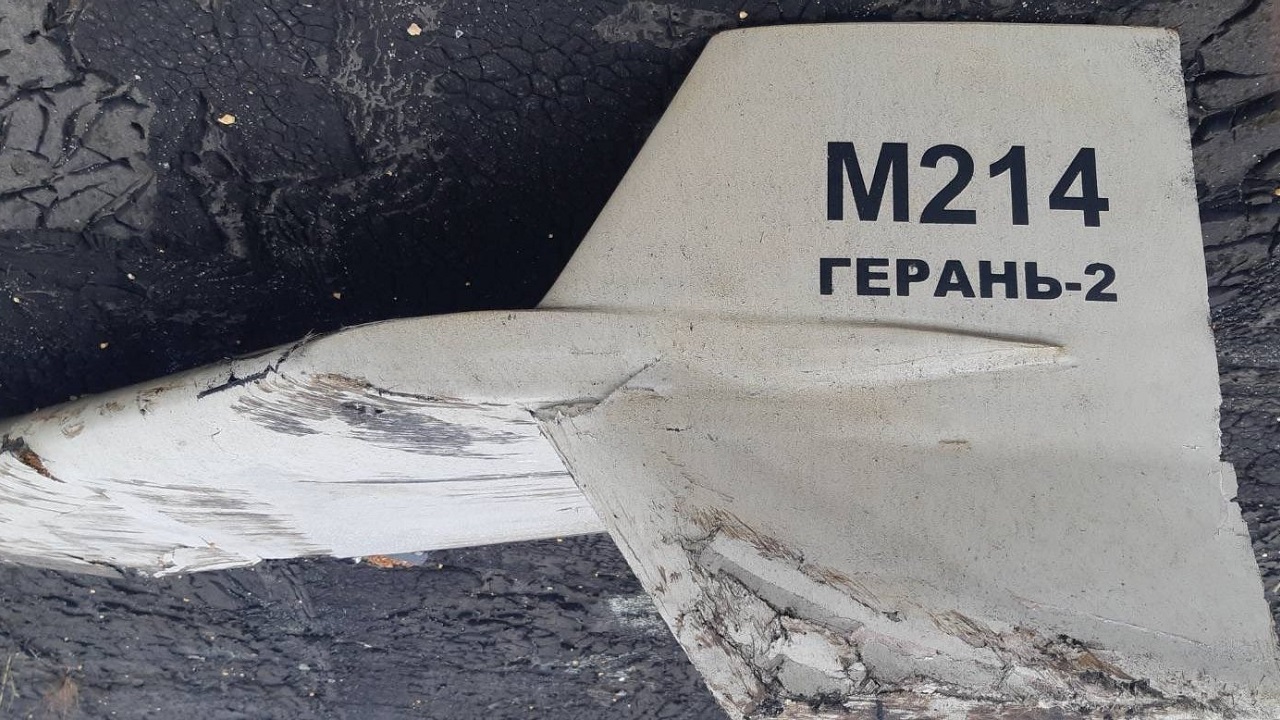
The drones forced Kyiv to expend scarce and expensive air-defense interceptors. Over time, Iran’s role expanded beyond supply to technical assistance, helping Russia establish domestic production lines, in which the Shahed-136 was rebranded as the Geran-2 and incrementally improved using combat data gathered over months of operations in Ukraine.
By 2024, Russia was no longer assembling Iranian kits—it had localized production and introduced a number of its own enhancements to improve guidance systems and resistance to electronic warfare. What started as an Iranian design had become a distinctly Russian system optimized for high-volume attrition warfare.
This transformation set the stage for the current reversal: When Iran’s drone and missile infrastructure came under sustained attack by Israeli and U.S. forces in late February 2026, Moscow was in a position to supply Tehran with systems that Iran had helped make possible.
Repaying its Debt to Iran
According to some reports by Western intelligence, Russia began shipments of drones, along with food and medical supplies, to Iran in early March. These shipments reportedly followed covert discussions among senior Russian and Iranian officials that occurred just days after U.S.-Israeli strikes on Iranian military sites. Although the Kremlin has publicly denied supplying lethal military aid, it has acknowledged ongoing dialogue with Iranian leaders and confirmed the delivery of humanitarian assistance.
Shahed-136. Image Credit: Social Media.
The drones involved are widely believed to be Geran-2 systems or closely related variants, which means that trade between Russia and Iran has come full circle. What began as Iranian assistance to Russia has now circled back to Russia sustaining Iranian strike capacity at a moment when Tehran’s domestic production capabilities are being degraded. Western estimates suggest that Israeli and U.S. strikes may have disrupted as much as two-thirds of Iran’s drone and missile manufacturing infrastructure, making external resupply particularly valuable, even for a state with a robust unmanned systems program.
Why Moscow is Sending its Drones Back to Iran
For Moscow, the transfer of drones to Iran serves multiple strategic purposes. One possible goal some experts have suggested is the stabilization of the Iranian regime during a period of direct military confrontation with superior adversaries. By supplying drones and intelligence support, Russia positions itself as a critical lifeline for Tehran, deepening long-term dependence and reinforcing a partnership that has been profitable for the Russians. Tehran has after all been an important customer for Moscow, buying Russian-made aircraft and weapon systems.
It also serves as a cathartic bite back to the United States, which has been openly sharing arms and intelligence with the Ukrainians for the last four years. Washington has been very public about its role in the war in Ukraine and has been sharing targeting data, intelligence, and the munitions necessary to attack Russian positions.
The Russians, wanting to give the Americans a taste of their own medicine, are now providing Iranians with intelligence and munitions in order to strike U.S. and Israeli positions.
Can Russia’s Drone Industry Keep Up With Demand?
The transfer of drones to Tehran, however, does raise some questions about sustainment. With Moscow currently engaged in a drone war of its own, how can it sustain its own stockpiles while also supplying Iran’s? According to some estimates, Ukrainian air defenses intercept around 70 percent of Russian drones in most large-scale attacks involving Gerans. With an interception rate this high, how can Russia expect to supply two wars?
First of all, the interception figures posting by the Ukrainian Ministry of Defense are most likely exaggerated. More important, though—even if the numbers are to be believed, Moscow’s industrial base is more than capable of supplying itself and Iran.
Shahed-136 Drone. Image Credit: YouTube Screenshot.
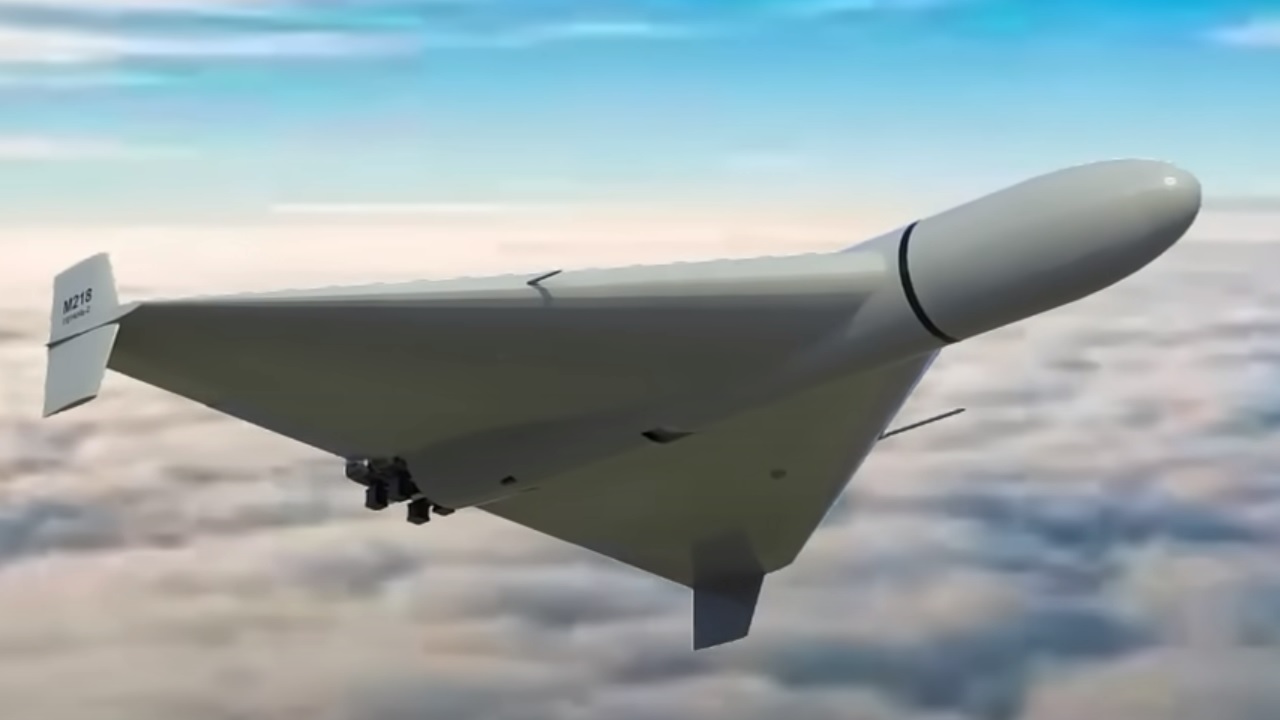
As said above, Russia is able to produce 1,000 Gerans per day, which averages out to around 30,000 per month—more than enough to sustain its operational tempo and supply a few to Iran. The Geran, originally the Shahed-136, was designed to be easy and cheap to produce in large quantities. There is no fear of them running out anytime soon.
Iran has already launched thousands of drones since late February against the United States and its regional allies—some of them have already hit high-value targets. The introduction of Russian-refined systems threatens to increase the survivability and effectiveness of these attacks, compelling the United States and its allies to expend high-value interceptors against inexpensive Gerans. This asymmetry closely mirrors the dynamic Russia exploited in Ukraine and risks prolonging the conflict by imposing unsustainable defensive costs on Iran’s adversaries.
About the Author: Isaac Seitz
Isaac Seitz, a Defense Columnist, graduated from Patrick Henry College’s Strategic Intelligence and National Security program. He has also studied Russian at Middlebury Language Schools and has worked as an intelligence Analyst in the private sector.