
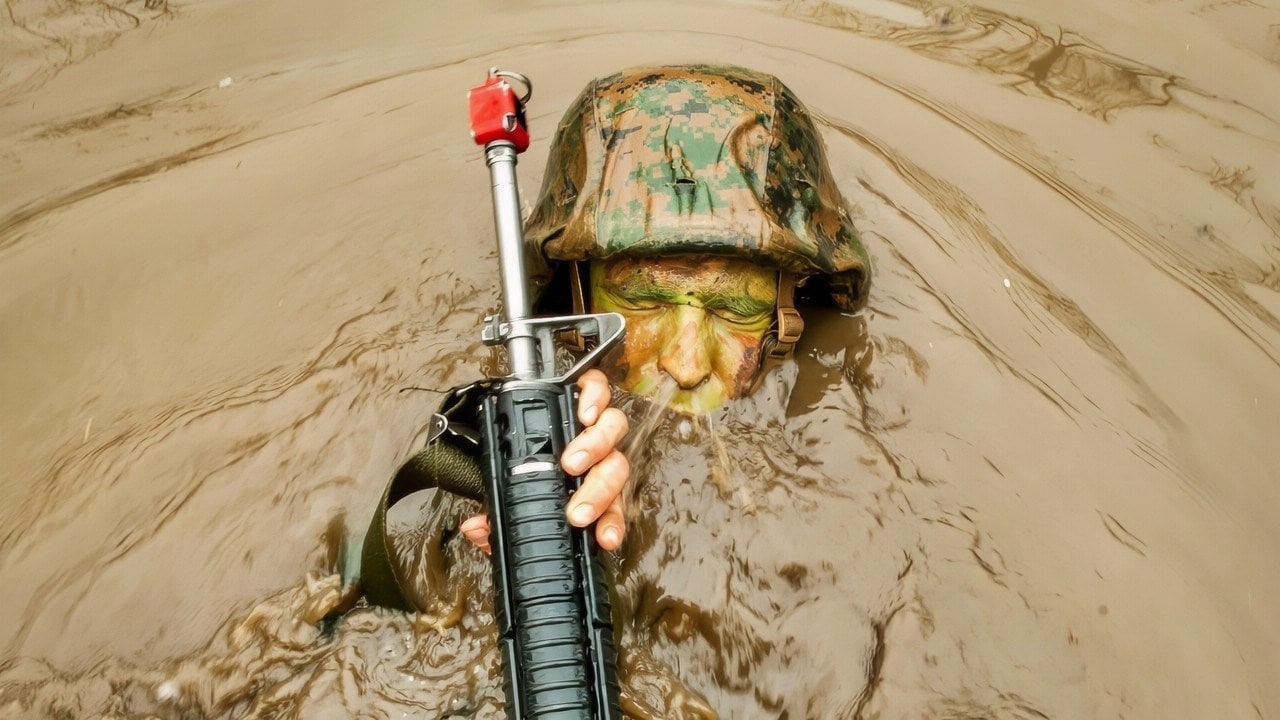
Summary and Key Points: Dr. Brent M. Eastwood, a defense analyst and former U.S. Army Infantry officer, evaluates the training methodology of Delta Force following the successful capture of Nicolas Maduro.
-Drawing on accounts from former Master Sergeant George E. Hand IV, Eastwood analyzes the unit’s “four pillars of combat physical training,” which include five-mile runs, 2,000-meter swims, and high-intensity kickboxing with legends like Dale Comstock and the Gracie brothers.
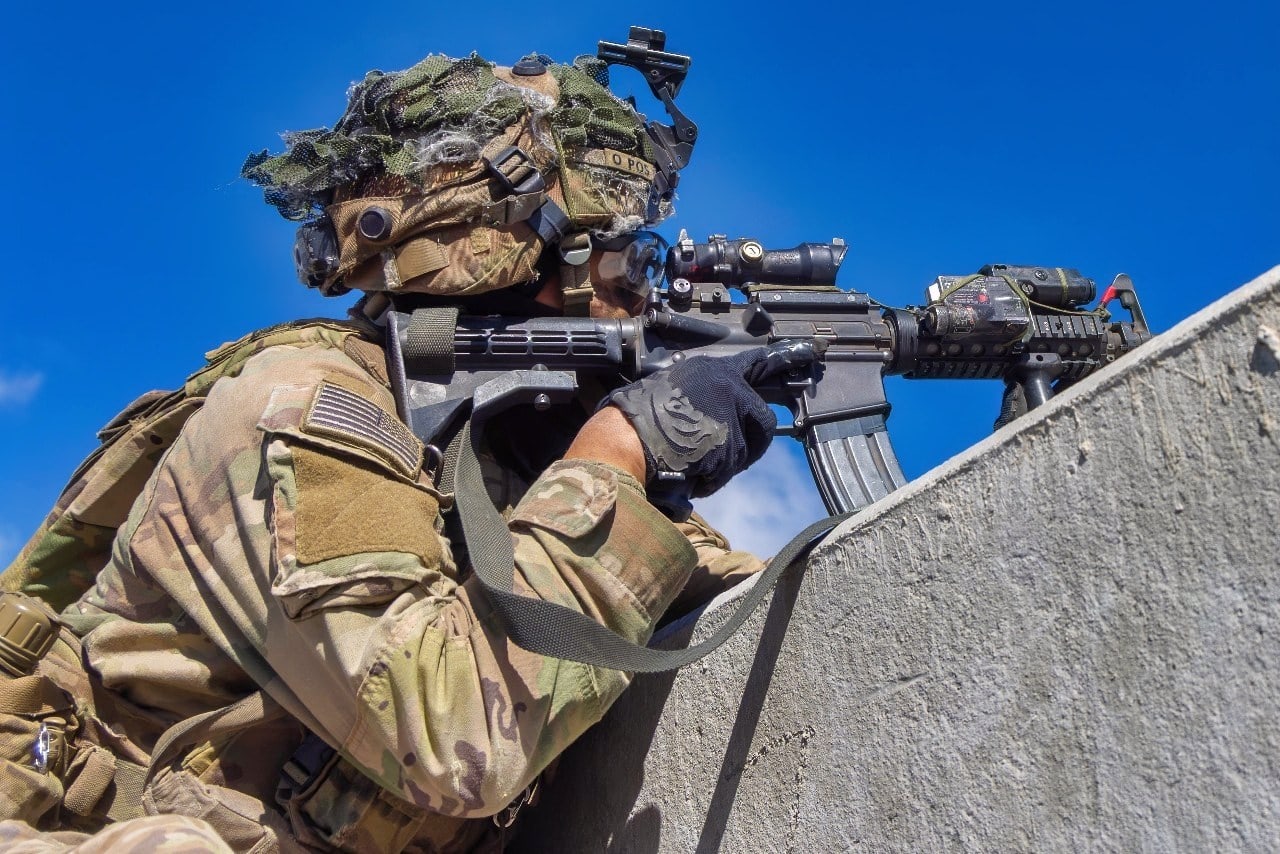
U.S. Army Soldier Pfc. Eric Rivera, assigned to Delta Troop, 1st Platoon, Multipurpose Company, 3rd Squadron, 4th Cavalry Regiment, 3rd Mobile Brigade, 25th Infantry Division, pulls security before a Ghost-X drone conducts reconnaissance. The mission was part of the Joint Pacific Multinational Readiness Center Rotation 26-01, which integrated U.S. forces, multinational partners, and joint capabilities to train tactics, techniques, and procedures required to dominate jungle and archipelagic terrain during large-scale combat operations. (U.S. Army photo by Pfc. Jose Nunez)
-This 19FortyFive report explores the “Gut Check” philosophy—combining parachuting, rucking, and live-fire drills into single, marathon sessions—concluding that this imaginative and intense preparation is what enables Delta’s flawless execution in high-stakes global operations.
Beyond the Maduro Raid: Inside the Grueling Daily Training Regimen of Delta Force
Delta Force is in the news again, and for good reason. Members of “The Unit” snatched Venezuelan President Nicolas Maduro and his wife in Caracas and exfiltrated them out of the country to bring them to justice. This was one of the most successful raids in U.S. special operations history.
How does a Delta Force operator train to execute flawless operations like the Maduro mission? To find out, Warrior Maven allowed former Delta Force master sergeant George E. Hand IV to describe what a normal training day looks like. In this article, I will take some quotes from Hand’s narrative and then break them down from my perspective as a former Regular Army infantry officer.
This Is Just a Warmup
“Early morning arrival for PT consisted of either a five-mile run in under 40 minutes, an eight-mile ruck march with a Selection standard weight of ~50 pounds, or a run-down range to complete the formidable obstacle courses our engineers built for us. Coupled with a decent bout of stretching, these events covered all four pillars of combat physical training,” Hand wrote.
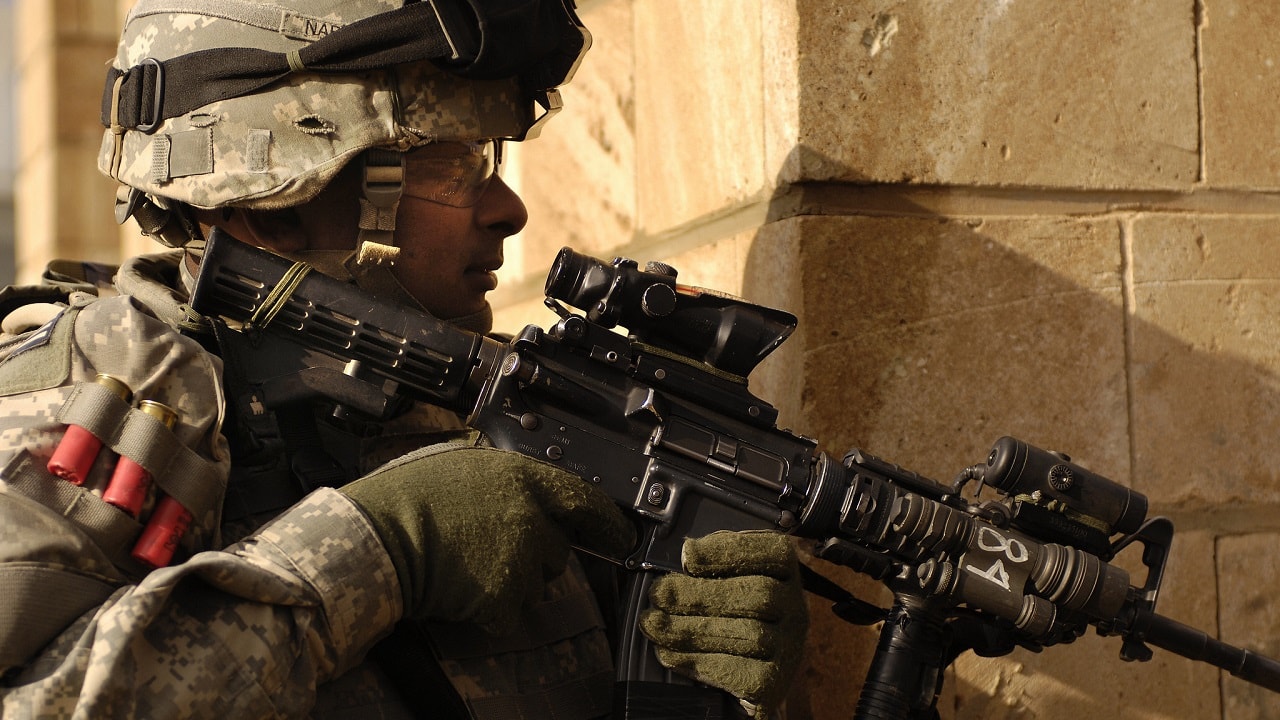
US Army. Image Credit: Creative Commons.
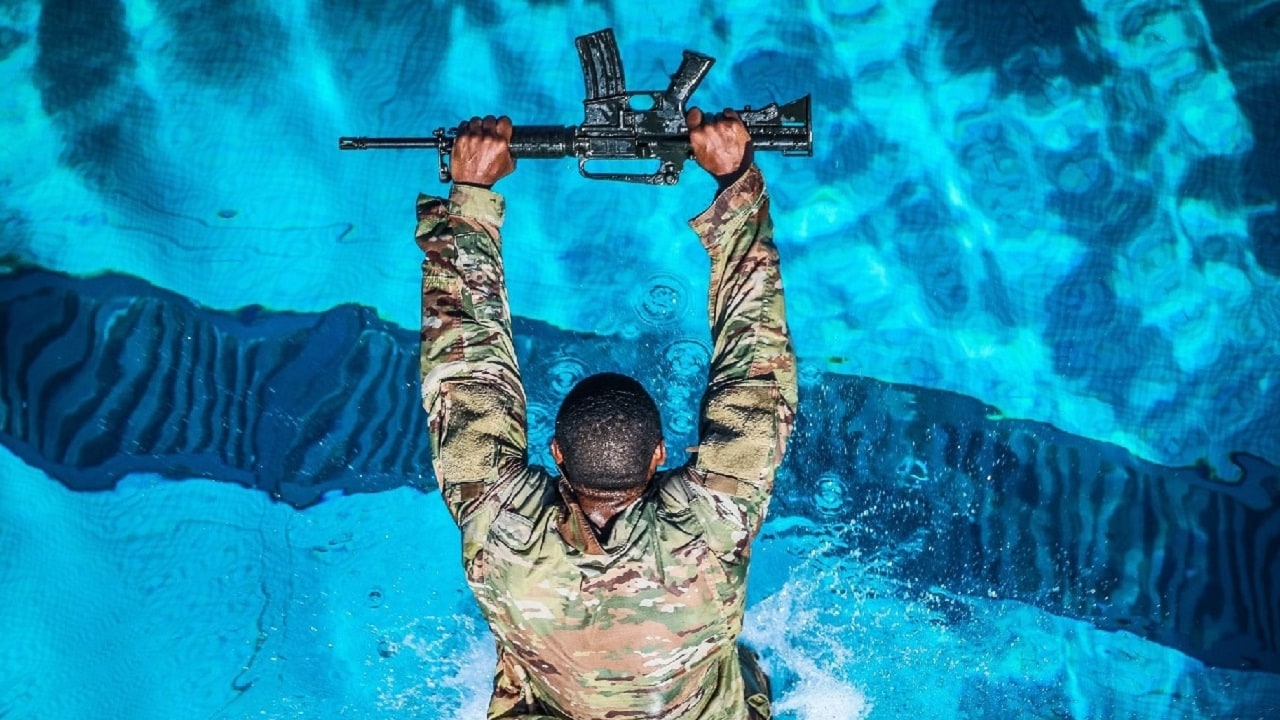
A Soldier completes a swim test at Schofield Barracks, Hawaii, May 14, 2021, while practicing for an upcoming Jungle Operations Training Course.
A five-mile run in 40 minutes is not that difficult, and I have done it many times in the Army. Those are eight-minute miles at a moderate pace. An eight-mile ruck with 50 pounds is easy, and I have done many more miles than that with heavier loads.
Doing an obstacle course after those events, though, is hard, and I was always terrible at O-courses. I could do all that in my day, however, and still feel pretty good.
2,000 Meter Swim When Swimming Is Not Even Part of the Job for Delta Force
“In the late morning, the squadron stopped training at ~1030hrs for PT, which for me consisted of either a two-thousand-meter swim or weight lifting, which in general rotated between push and pull exercises: push one day, pull the next day. That was a one-hour event followed by a mad dash to the chow hall in the last half hour prior to 1300 hrs.”
A 2,000-meter swim is amazing after the morning workout. Keep in mind that Delta Force operators are land warriors and are not known for maritime operations. That’s SEAL territory. I can only swim about 300 meters today without feeling out of breath and knackered. At that point, I’m ready to get out of the pool. Even when I prepared for triathlons, I did not swim 2,000 meters in training. Also, I’m sure the lifting regimen that Hand did was high-intensity and tough to do after his run and ruck.
Boxing and Kickboxing
“Several events I would engage in to focus on individual pillars included work upstairs in the boxing ring: heavy bag work, speed-bag work, and sparring among the pure-of-heart fighters that fancied the challenge. I had the good (or bad?) fortune of routine boxing and kickboxing bouts with American Bad-ass Dr. Dale M. Comstock, Josh Collins, Jim “Smokey” West, and Gracie Jujitsu brothers Royce and Rorion Gracie.”
Whoa. I have never in my life boxed or kickboxed. Comstock is a legend, as are the Gracie brothers. I did not even imagine boxing or kickboxing could be part of my military training. Sure, we trained one-on-one combative training and that was difficult, but I never went in the ring with even low intensity. I have a lot of respect for Hand doing something like that even on a weekly basis.
Climbing Beyond Normal
“Another event I intermittently tackled, which I called ‘Climb-Push-Climb,’ entailed climbing a five-story climbing rope in the gymnasium, followed by a set of 50 pushups, climbing a five-story caving ladder that hung next to the rope, descending from the top on the stationary steel maintenance ladder, and completing another set of 50 pushups. That was purely training for strength.”
This is an interesting rotation—impressive for sure. I was always terrible at rope climbing and could not have climbed a five-story rope. Fifty pushups is not bad, as pushups were my strong point while in the service. I do not even know what a “caving ladder” is.
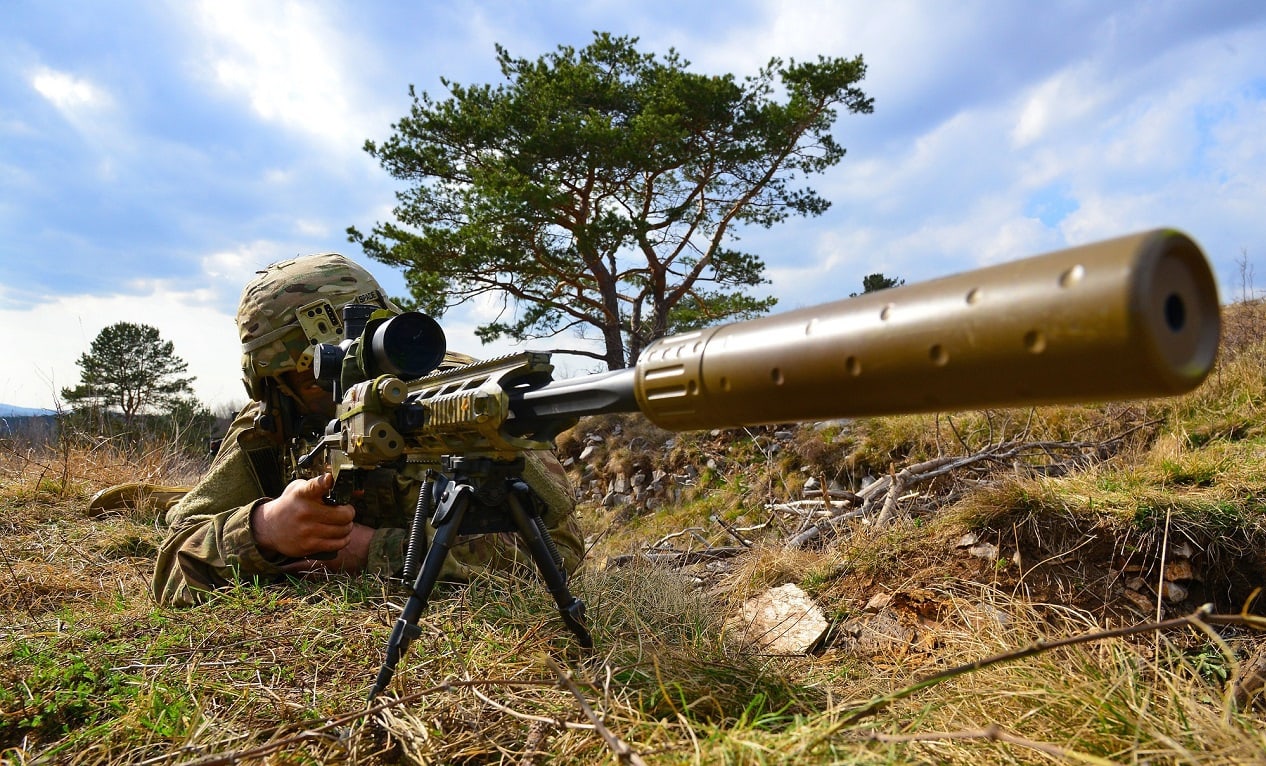
Image Credit: US Army.
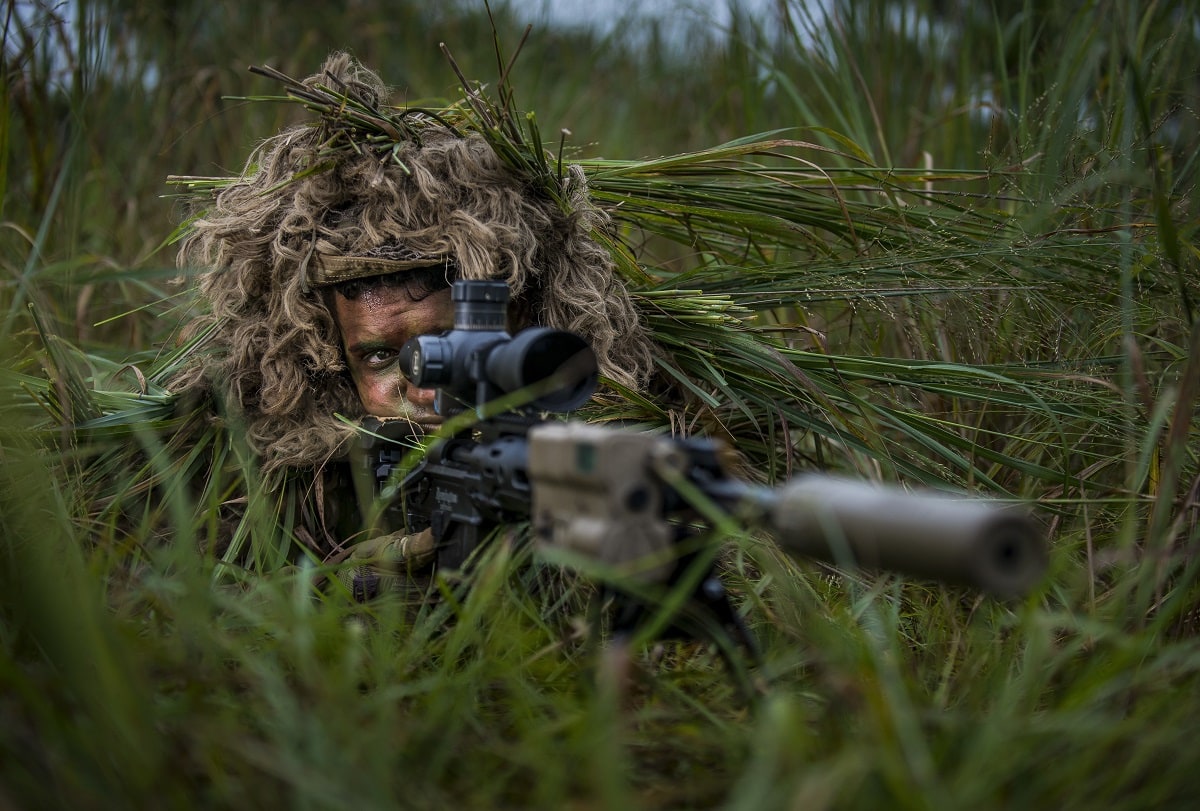
Delta Force. Image: Creative Commons.
On the other hand, descending a steel maintenance ladder doesn’t sound too bad, but I never thought that going up or down any type of ladder would be part of my military training.
I once completed a firefighter fitness test for a television segment when I was a broadcast news reporter, and that involved a lot of climbing and descending. Ending with 50 pushups is not that difficult on its face, but could be a challenge after all the other activity.
Getting Your Guts Checked
“Throughout the training cycle in the Unit, all were subject to the many ‘Gut Check’ episodes from the team, troop, and squadron-level leaders, who all planned no-notice alerts to return to the Unit. Some eight or so hours later, one might finally be coming to the end of a marathon event that might have started off with a parachute drop far off from the compound. The return route would include running, rucking, bicycle riding through sandy fire breaks, miles of paddling down rivers, obstacle courses, live fire drills, and anything and everything the leadership could pile on to prove their men were the toughest in the Unit.”
This is where it moves toward the superhuman efforts we would expect from Delta Force. These training events are amazing. Usually, in the Infantry there would just be one big event for the day. We never combined all of these different aspects into one large “Gut Check.” Shooting can be difficult after all of the physical work. A run-ruck-bike followed by paddling, O-courses, then marksmanship—all in one iteration. That’s just a huge effort; not for the meek. This is where these guys stand apart. One long cycle of everything in one day. And that is just a regular day at The Unit.
Frost Bite Creating ‘Death March’
“Remember that ‘death-march’ on skis we did that night in Camp Ethen Allan Vermont, that night it was 45 degrees sub-zero? How we scratched and clawed our way though some of the worst conditions imaginable? We thought we might even lose a man or two to that extreme climate. Remember that?”
What? I can’t even imagine doing that. I’ve been cold, but not that cold. This is what separates the men from the boys. These guys are the best in the business and push beyond what a normal person, even those in the regular Army, could even think of doing.
But that’s Delta Force for you. No wonder they are so good. Their training is varied, intense, diverse, imaginative, and awe-inspiring. Don’t even think about joining them if you are faint of heart or have any doubts about your human performance. If you ever meet one of these operators, just say “Thank you for your service,” and then you can wonder how this person is still alive.
About the Author: Brent M. Eastwood
Author of now over 3,000 articles on defense issues, Brent M. Eastwood, PhD is the author of Don’t Turn Your Back On the World: a Conservative Foreign Policy and Humans, Machines, and Data: Future Trends in Warfare plus two other books. Brent was the founder and CEO of a tech firm that predicted world events using artificial intelligence. He served as a legislative fellow for US Senator Tim Scott and advised the senator on defense and foreign policy issues. He has taught at American University, George Washington University, and George Mason University. Brent is a former US Army Infantry officer. He can be followed on X @BMEastwood.