

Summary and Key Points: Harrison Kass, a defense journalist and former Air Force pilot selectee, evaluates the “hollow victory” of Operation Epic Fury.
-As of March 2026, the Trump administration reports a 85% reduction in Iranian missile launches and the successful assassination of Ayatollah Khamenei.
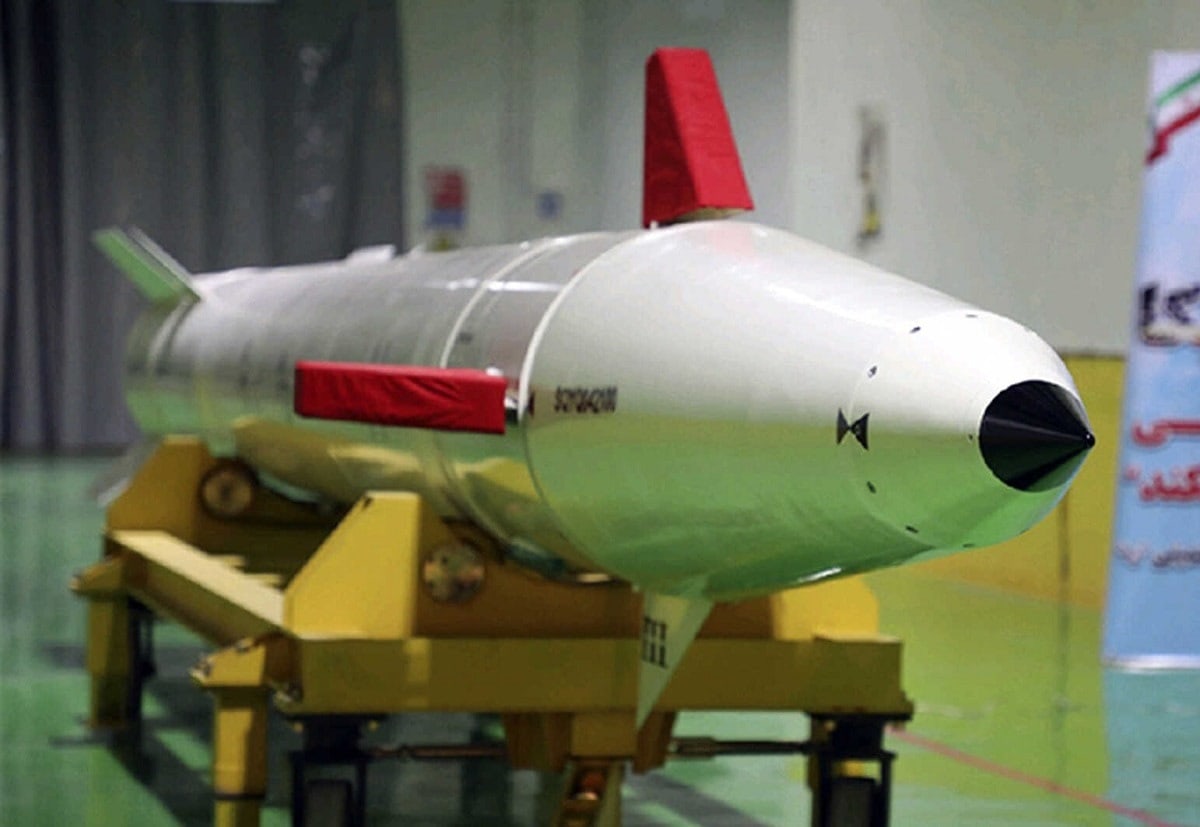
Iranian ballistic missiles. Image: Creative Commons.
-This report analyzes the “laser-focused” objectives set by Secretary of War Pete Hegseth, including the destruction of nuclear and naval assets.
-Kass concludes that while Trump can “market” a decisive win to an intervention-wary public, the preservation of nuclear knowledge and the political rise of the IRGC represent a lingering strategic threat.
Tactical Triumph, Strategic Doubt: Analyzing the Reality Behind Iran Operation Epic Fury’s “Marketing Victory”
Six days into Operation Epic Fury, the United States and Israel appear to have achieved tactical military success against Iran. The campaign has already produced marketable “wins,” including the death of Supreme Leader Ali Khamanei, the destruction of key military infrastructure, and air superiority over much of Iran. The Trump administration is framing the operation as a decisive blow against Iran’s nuclear and missile infrastructure, the dismantling of which was a stated goal upon entering the conflict.
But two overriding questions remain. One, to what extent have the United States and Israel won, and are the victories to date substantial or superficial? Two, at what point would the United States withdraw from the conflict—is the dismantling of infrastructure sufficient, or would regime change, or some degree of nation-building, be required to prompt a U.S. withdrawal?
Trump’s Initial Goal
From the onset, the Trump administration framed Epic Fury as a narrowly defined military campaign to occur intensively within a short window of time, rather than a regime-change war. According to statements from Secretary of War Pete Hegseth, the mission was “laser-focused” on four objectives.
First, destroy Iran’s nuclear pathway: permanently prevent Iran from acquiring nuclear weapons through the targeting of enrichment infrastructure, research facilities, and nuclear administration centers.
Second, destroy Iran’s missile program: target Iran’s ballistic missile arsenal and the industrial base that produces it, thereby removing the most important conventional threat that Iran poses to Israel and regional U.S. bases.
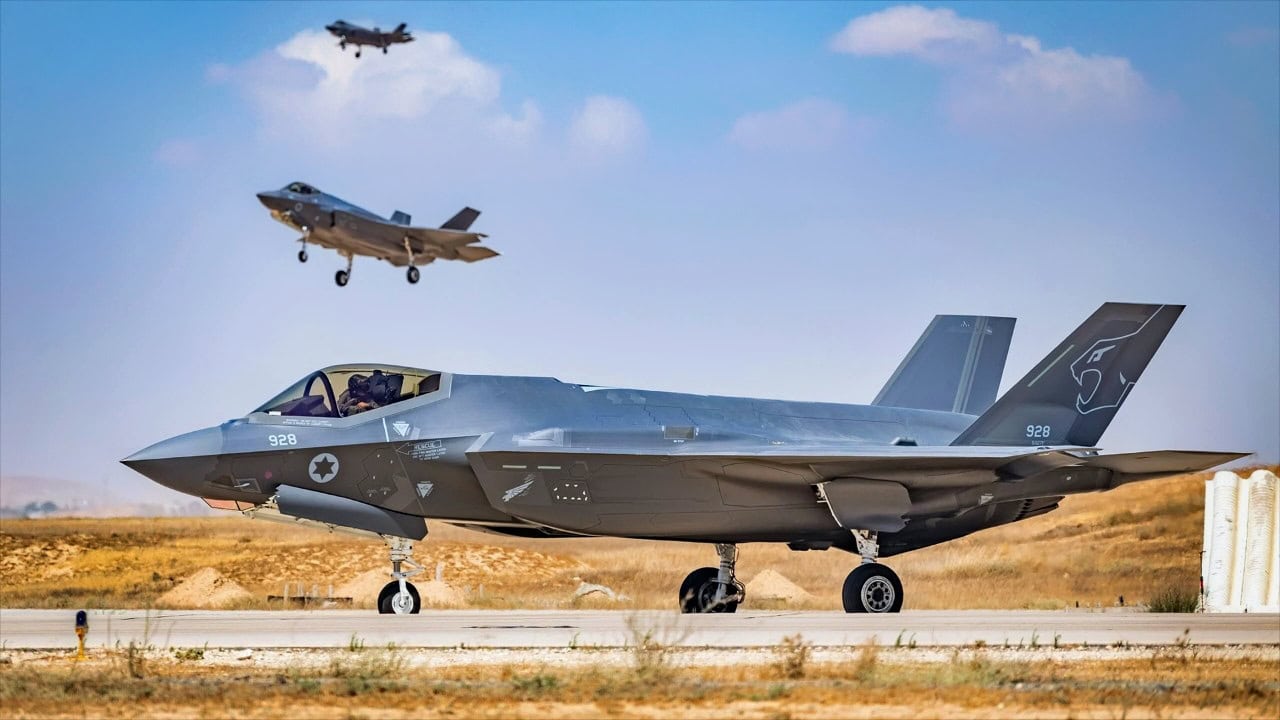
F-35I Adir. Image Credit: Creative Commons.
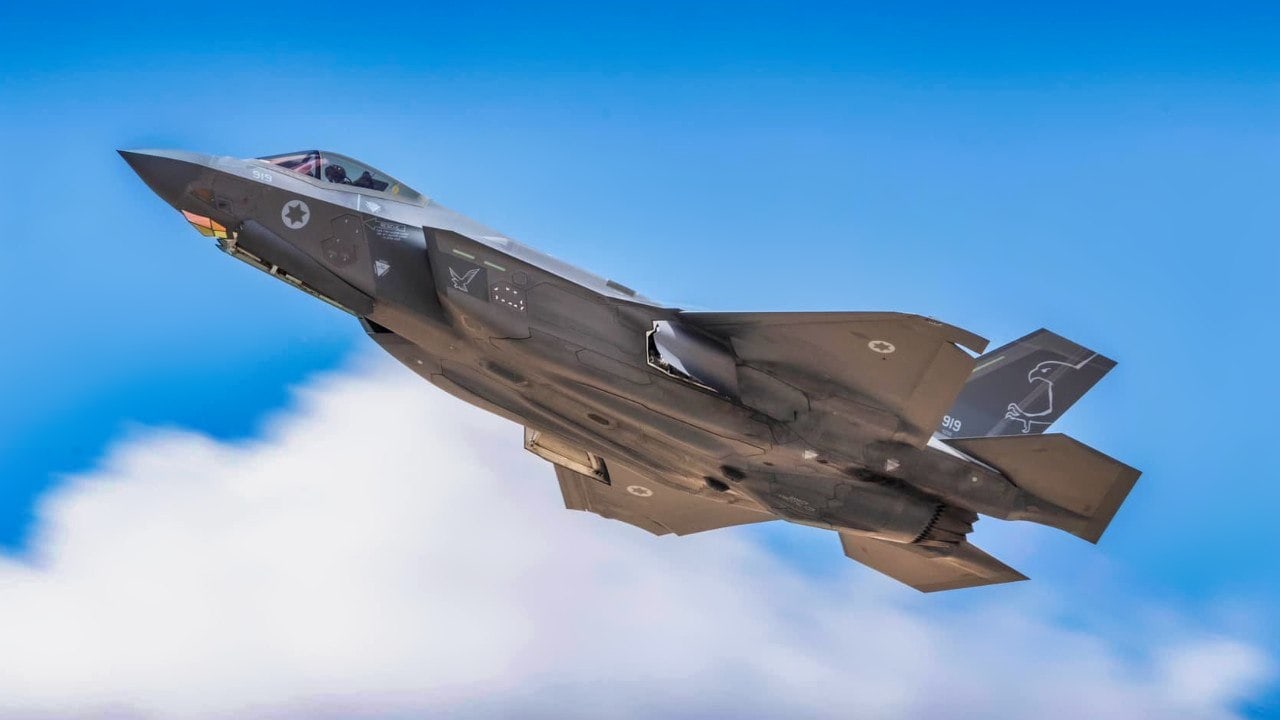
Israeli Air Force (IAF) F-35I Adir
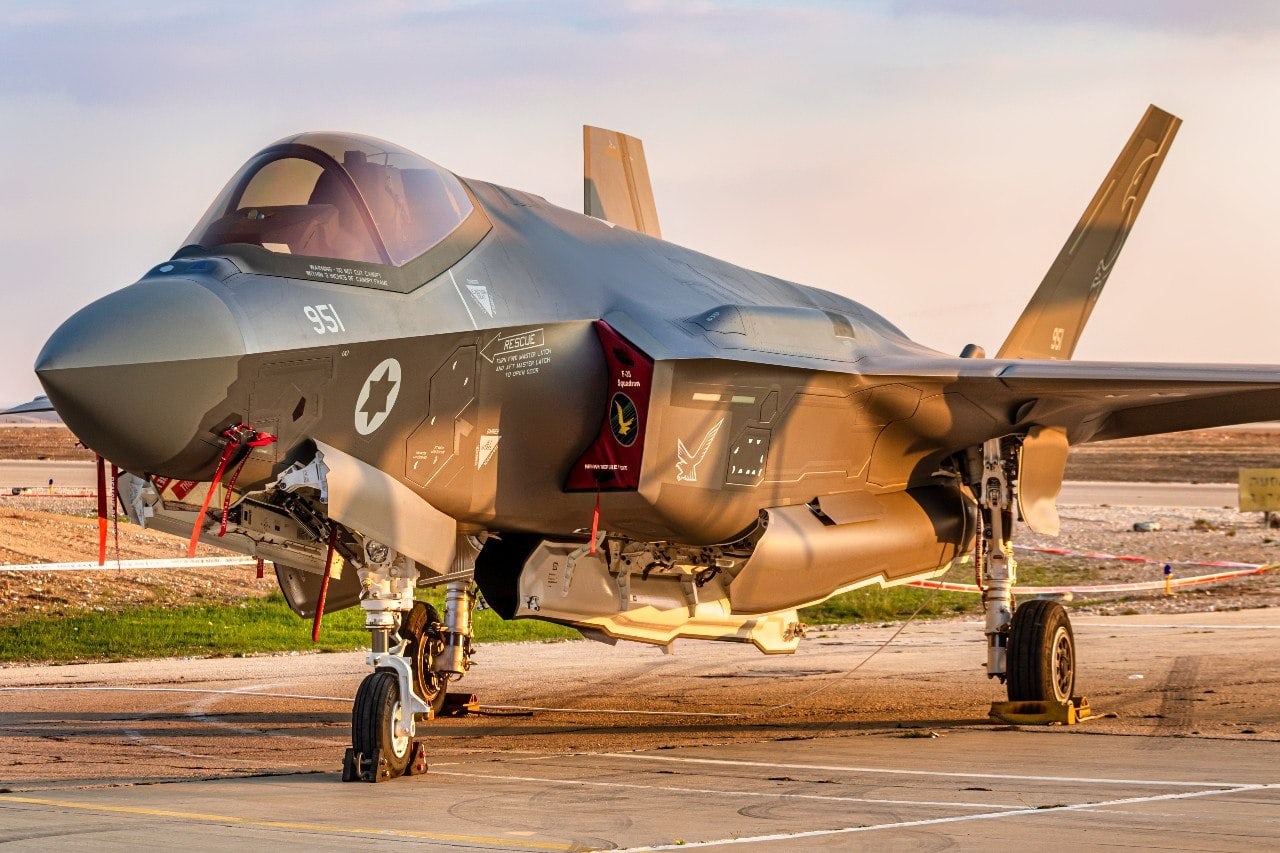
F-35I Adir from Israel. Image Credit: Creative Commons.
Third, neutralize Iranian naval power to guarantee freedom of navigation in the Persian Gulf and Strait of Hormuz, thereby removing Iran’s most compelling economic lever.
Fourth, degrade the Islamic Revolutionary Guard Corps’ (IRGC) security apparatus: target the IRGC and its ability to support regional proxy networks, i.e., Hezbollah, and the Houthis.
All of these goals were framed as limited and achievable, ostensibly avoiding the open-ended objectives that hemmed the United States into Iraq and Afghanistan for decades. These goals were easy enough to define, but is it so easy to determine when they are achieved?
Early Results Are Favorable
Through six days of combat, the reported results indicate a dramatic success. The opening strikes on February 28 killed Khamenei, who, for some reason, was sitting at his desk in his office, and roughly 40 senior regime officials. These strikes successfully targeted the heart of Iran’s command structure, a fairly remarkable military accomplishment given how obviously imminent military action was in the weeks prior.
The United States and Israel have also established control of Iranian airspace after the heavy destruction of Iran’s integrated air defense networks. This has allowed the campaign to shift from expensive stand-off weapons, i.e., Tomahawk cruise missiles, to cheaper precision gravity bombs (dropped from bombers like the B-52).
The United States has effectively destroyed the Iranian navy; a drone carrier was sunk, along with several other warships. One Iranian vessel was even reportedly sunk by a torpedo—the first such sinking since World War II. The point is that Iran’s ability to control the Persian Gulf or Strait of Hormuz has been significantly reduced.
Iran’s ballistic missile launches have been reduced by roughly 85 percent since the war began just six days ago, owing to the destruction of hundreds of missile launchers and facilities. Similarly, Iranian drone attacks have declined by more than 70 percent. This reflects a serious degradation of Iranian missile and drone capabilities.
With respect to Iran’s nuclear infrastructure, arguably the highest priority objective at the onset, strikes have hit administrative centers and research sites tied to Iran’s nuclear program. The Atomic Energy Organization of Iran’s headquarters and the Parchin testing facility were targeted. From a military perspective, these look like significant achievements for less than a week of combat.
Still, despite the early tactical success, questions remain about the thoroughness and longevity of the objectives achieved.
Marketing Victory
Oftentimes, in American politics, optics matter more than technical nuance; the general public’s perception often deviates from technocratic analysis. And to the average American, the outcomes of Epic Fury already look like a decisive military success. Point being: if Trump wanted to, he could probably walk away now, claim victory, and be generally accepted as victorious.
Trump could cite the destruction of Iran’s navy, the destruction of large parts of Iran’s missile program, the assassination of the supreme leader, U.S. air superiority over Iranian territory, the destruction of nuclear infrastructure, etc. The narrative is simple and compelling—and stands in an appealing contrast to the Iraq narrative, namely, no ground invasion, no long-term occupation, and no nation-building. The public, after enduring both Iraq and Afghanistan, is wary of another forever war and would likely welcome a quick strike campaign followed by withdrawal.
Trump also has a talent for declaring victory on his own terms, no matter the specifics on the ground. And here, with Epic Fury, the specifics on the ground lend themselves well to a declared victory. Trump can frame the operation as having neutralized the Iranian threat, as bringing peace to a long-tumultuous region. Trump can sidestep all the talk of power vacuums and uranium enrichment and second-order and third-order effects; he can leave the press to debate long-term specifics, claim victory, and move on, and he could probably do that right now. But the true strategic reality is far more complicated.
The Inconvenient Truth
The deeper strategic picture isn’t yet clear. And it isn’t clear that the four “laser-focused” objectives—the ones that outwardly appear to have been solved—have been reached either. Most importantly, the status of the Iranian nuclear program isn’t really known. The simple truth is you can’t bomb away nuclear knowledge. You can destroy the facilities and the centrifuges, but eliminating hard-earned scientific knowledge would require the targeted assassinations of thousands of scientists and the dismantling of research institutions and technical networks. That has not been achieved, meaning that the knowledge, the cognitive understanding of how to build the bomb, lives on amongst the Iranian population. Thus, the program can be rebuilt. And now, on the other side of Epic Fury, the Iranians will likely be incentivized to make their nuclear program more secretive, underground in hardened tunnels, with less access to outside monitoring. So, the program has almost certainly been delayed, but probably not eliminated, and in all likelihood, pushed further into the shadows.
The persistence of scientific knowledge is the most fundamental problem here—but infrastructure likely persists, too. Much of Iran’s nuclear infrastructure is located deep underground in hardened sites like those near Isfahan. These facilities contain enriched uranium stockpiles and tunnel complexes designed to survive airstrikes. Destroying such sites often requires repeated bunker-buster strikes and sustained intelligence operations to determine whether success has been achieved. And even then, determining success can be difficult through air- and space-based intelligence, surveillance, and reconnaissance. So, any claim of permanent denuclearization is likely hype.
The missile program is also hard to eliminate. Iran has spent decades building an enormous missile infrastructure, with underground “missile cities,” mobile launchers, and dispersed production facilities. While Epic Fury seems to have destroyed many visible targets, mobile launchers can be relocated and hidden, and missile stockpiles can be hidden. So, the missile program may well survive in a reduced but still functional form.
A Power Vacuum in Iran?
The death of Khamenei created a massive power vacuum. And while Trump has encouraged the Iranian people to rise up and enact democratic change, the more likely outcome is the IRGC’s seizure of power. Indeed, the IRGC seems positioned as the dominant power center in the days since Khamenei’s assassination. If the IRGC consolidates power, Iran could evolve into a more overt military dictatorship, with more militant decision-making, and stricter internal repression. So, Khamenei’s removal may have pushed Iran into a more radical posture, more hostile toward the United States and Israel, and more repressive of the Iranian citizenry.
The IRGC has suffered severe military losses during the campaign and has been militarily reduced, yet the group’s political position has improved. With the supreme leader removed, the IRGC has the opportunity to consolidate power and transition Iran into a security state. This could produce harder nationalist ideology, greater reliance on asymmetric warfare, and expanded proxy activity abroad. Such an outcome would be ironic: the campaign intended to weaken Iran’s regional influence might strengthen the most militant faction within the regime.
Frankly, if we draw upon historical precedents, a trend is clear: power vacuums in the Middle East are rarely stable. Iraq, Libya, Syria: when central authority collapses, factions compete for power, militias proliferate, and regional actors intervene. Iran is larger and more complex than recent examples, meaning the consequences of Epic Fury may be harder to predict.
Mission Accomplished?
Epic Fury, like so many recent U.S. military operations, achieved tactical success quickly. But the challenge comes now, after the initial shock and awe victory. Short-term victories are easy to declare but often hollow; favorable strategic outcomes can take years and decades to determine. So, the real question with Epic Fury is whether Iran’s threat has been permanently reduced, or just postponed, or worst of all, further radicalized and exacerbated.
Epic Fury appears to have achieved short-term tactical success. The missile program is degraded, the navy is in tatters, and the nuclear facilities are damaged. But long-term uncertainty remains. Nuclear knowledge may be preserved. The IRGC may have been politically strengthened. Regional instability is quite possible. Both tactical success and strategic failure can be true together.
From a purely political standpoint, Trump can walk away now and declare a plausible victory. But from the perspective of grand strategy, Trump’s declaration may ring hollow as the deeper structural questions will take years to answer.
About the Author: Harrison Kass
Harrison Kass is an attorney and journalist covering national security, technology, and politics. Previously, he was a political staffer and candidate, and a US Air Force pilot selectee. He holds a JD from the University of Oregon and a master’s in global journalism and international relations from NYU.