
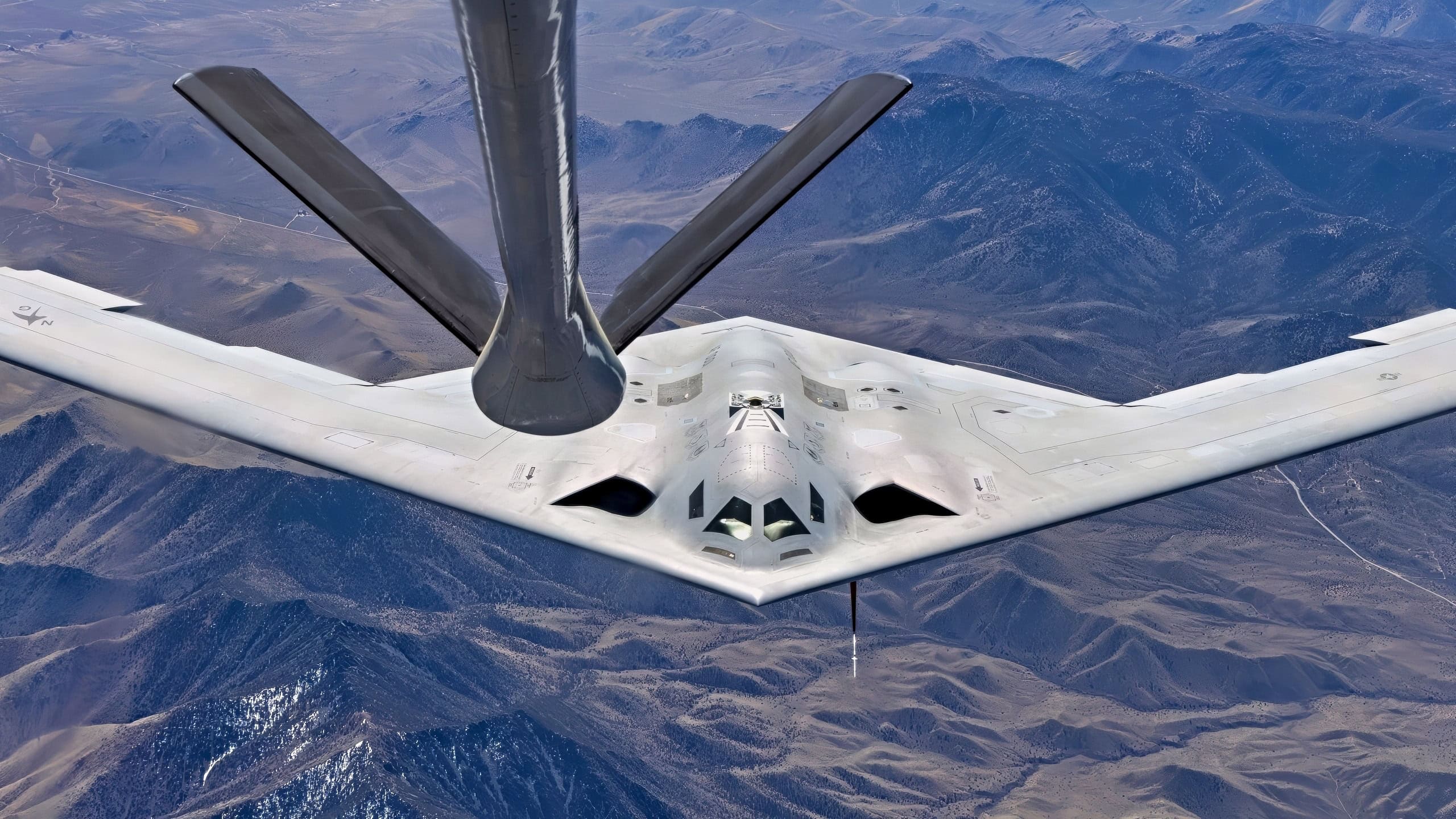
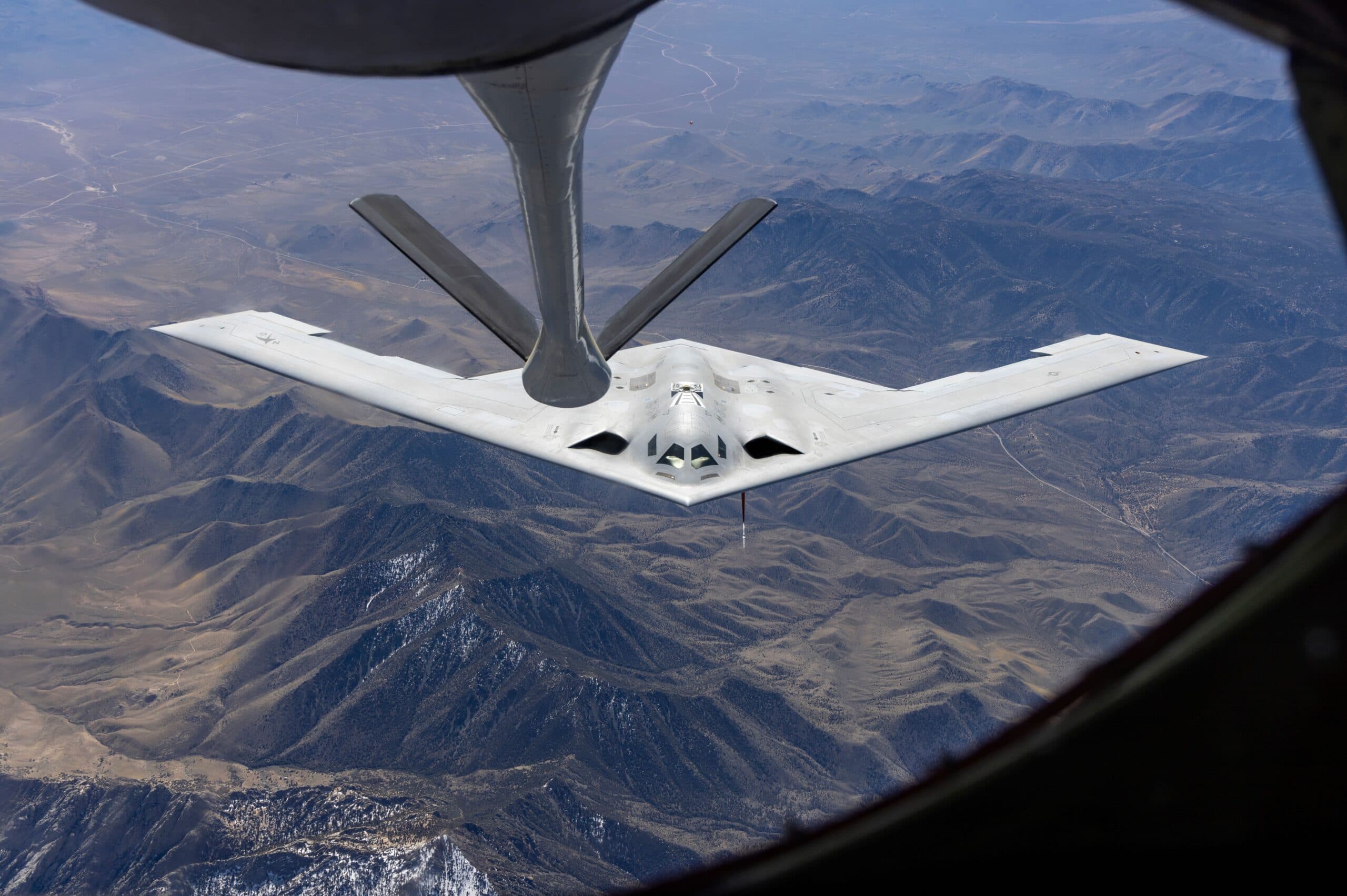
B-21 Raider: America’s Most Advanced Bomber Has a 1950s Achilles’ Heel: Look at the photograph the Air Force dropped this week. Not at the B-21. At the other plane. A KC-135 Stratotanker hangs in the frame, boom extended, feeding fuel into the most capable strike aircraft the United States has ever built. That tanker entered service in 1957. Eisenhower was president. The Soviets had just put Sputnik in orbit. The aircraft keeping America’s sixth-generation stealth bomber airborne was already flying when tailfins were still standard equipment on family sedans — and nobody in the Pentagon’s press release felt the need to mention that.
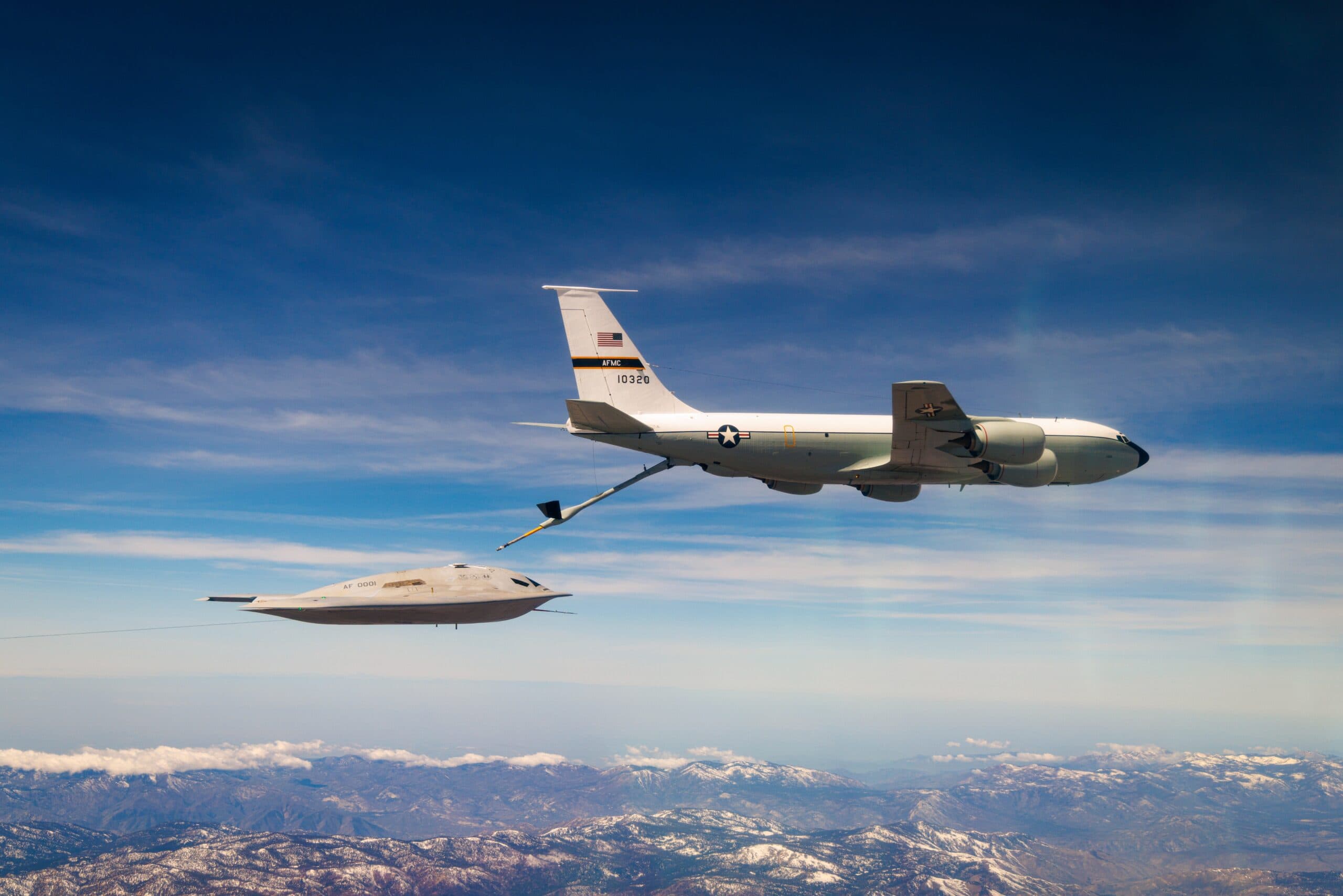
B-21 Raider Taking on Fuel. Image Credit: U.S. Air Force.
They should have. Because that tanker is the story.
The B-21 Raider: Great Stealth Bomber, Ancient Tanker
The program is further along than you think.
The skeptics have had years to write the B-21 off as another procurement farce. The program keeps not cooperating.
Aerial refueling is one of the harder operational tests in weapons development — not a photo opportunity, but the point at which you find out whether an aircraft actually functions inside a fighting force under real conditions.
The B-21 cleared that bar. A second test aircraft reached Edwards AFB last fall and moved straight into weapons and mission systems integration. The Air Force is past the question of whether the plane flies. It’s working out how the plane fights.
B-21 Raider. Image Credit: USAF.
Production is tracking the same way. Northrop Grumman is locked in a 25-percent capacity expansion in February with $4.5 billion already committed. First delivery to Ellsworth AFB is scheduled for 2027. Analysts who’ve run the Pacific contingency numbers tend to land around 200
B-21s as the minimum credible strike force against China. For the first time, the production math is starting to support that figure.
By the standards of modern American defense procurement — a graveyard of cost overruns, schedule slips, and quietly abandoned ambitions — this program looks like a minor miracle of execution.
Look Again at the Tanker
The B-21’s entire operational logic rests on distance. No forward bases. No exposure to the layered missile arsenals China has spent two decades building to push American forces out of the Western Pacific.
The concept is to launch from the continental United States, cross an ocean, hit targets deep inside defended airspace, and come home. That only works if the refueling system can hold together across that kind of range and duration.
Every mile of that mission runs through the tanker.
That is where the strain shows up. The KC-135 still makes up the bulk of the fleet, with hundreds of aircraft in service, many of them far older than the threat environment they’re now expected to support.
The KC-46 was supposed to fix this. Instead, it has compiled a list of Category 1 deficiencies — the Pentagon’s most serious problem classification — covering persistent failures with the refueling boom and the remote vision system operators use to actually transfer fuel.
Some of those problems have been in remediation for years.
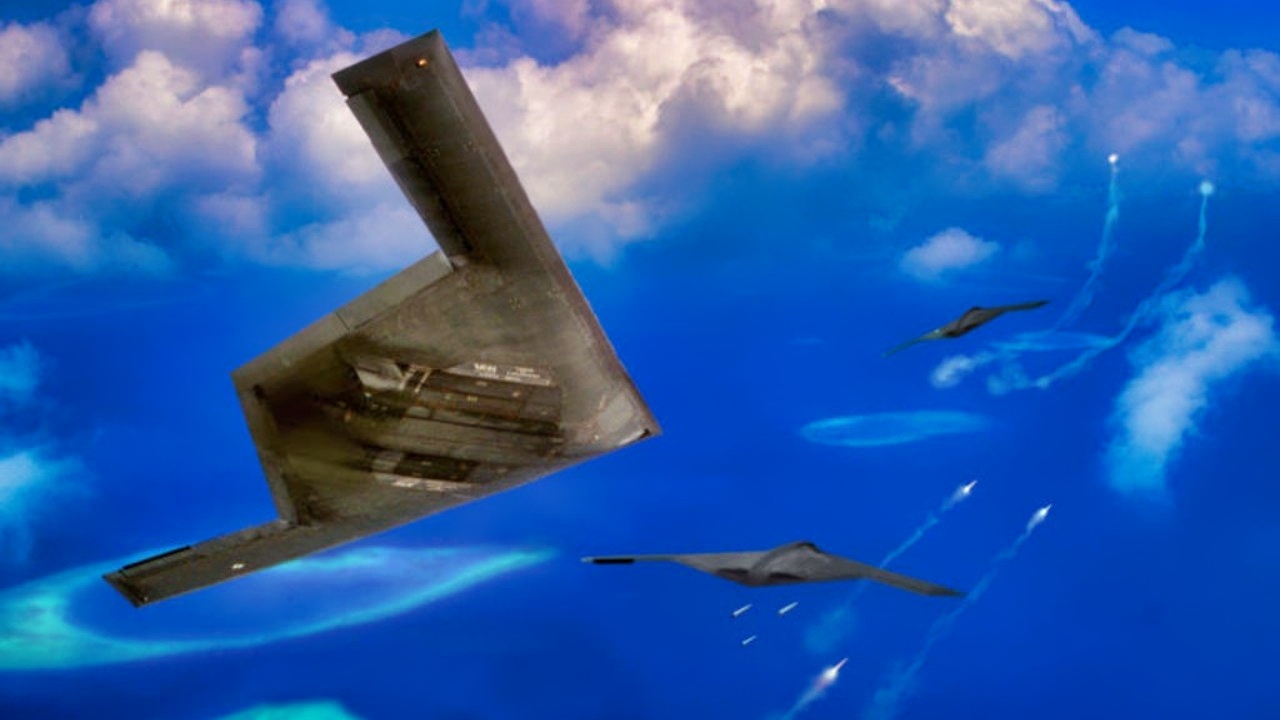
B-21 Raider Bomber. Artist Rendition/Creative Commons.
Congress stepped in through the FY2026 NDAA and blocked further KC-135 retirements, legally requiring the old airframes to remain as primary mission aircraft until the replacement can carry the load.
The Air Force has gone further — pulling retired KC-135s out of the boneyard at Davis-Monthan to meet operational demand.
That is not a modernization story. That is a stopgap wearing the label of one.
The B-21 is engineered for a 2040s threat environment defined by dense surveillance and layered missile defenses. The tanker sustaining it was designed before the Cuban Missile Crisis.
Beyond the B-21: The Pentagon Keeps Making This Mistake
The F-22 arrived as a genuine generational leap and spent years waiting for the communications architecture, logistics, and operational concepts needed to actually use it in a fight. The platform outran everything supporting it.
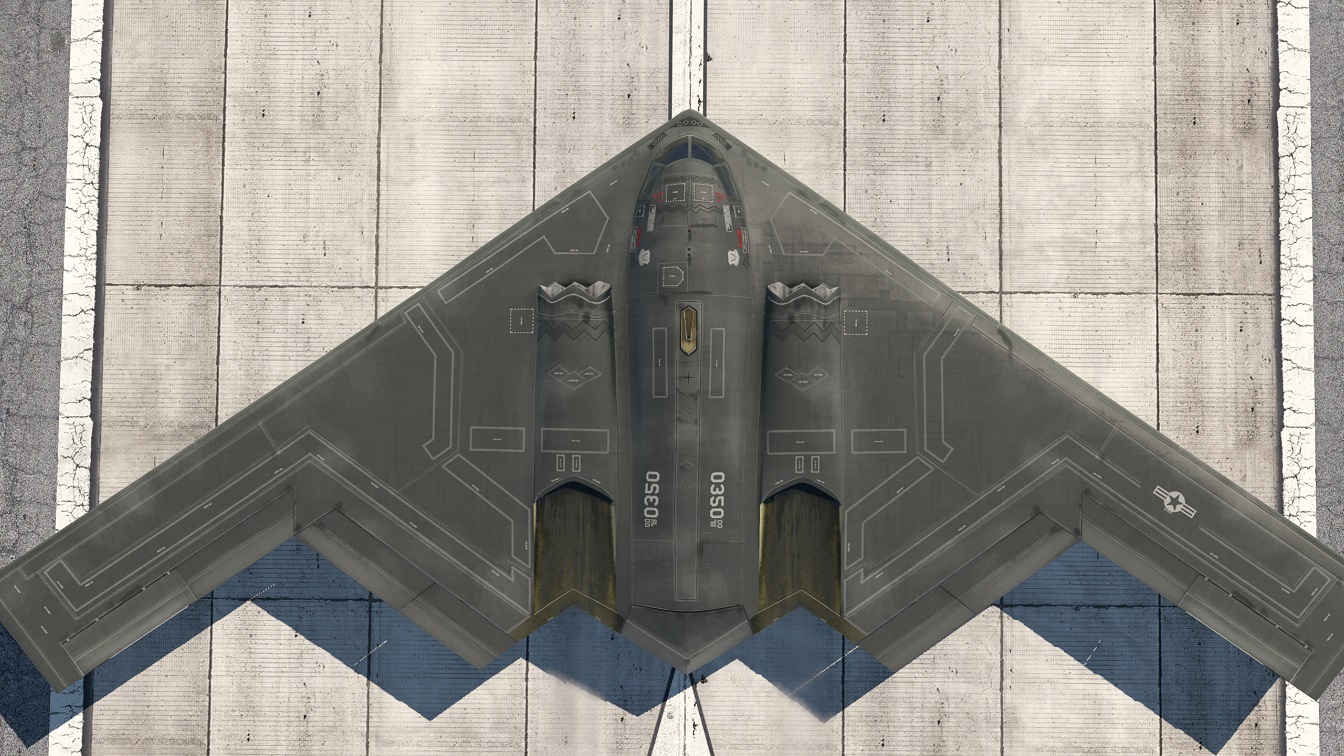
B-2 Bomber. The B-21 Raider will look very similar. Image Credit: Creative Commons.
The B-21 is headed for the same gap, at higher stakes, with less time to absorb the delay, given the timelines most senior officials now attach to a potential confrontation with China.
A bomber is one piece of a strike campaign. The Raider will also depend on survivable command-and-control systems and low-observable data links that can operate in a degraded, contested environment. The low-observable data link work is progressing.
The survivable C2 architecture — the systems that tell the aircraft what to hit and confirm that it did — is not, and that gap does not get discussed with anything like the urgency the production numbers receive.
What China Thinks When They See These Photos
Chinese military planners are not up at night worrying about the B-21’s radar cross-section.
They’ve modeled that problem. What they’re working through is the full sequence — sortie generation, tanker tracks, communications nodes — looking specifically for the links that break before the bomber ever reaches its target area.
Tankers are large, slow, and non-stealthy. They operate along predictable corridors within range of the anti-access systems China has spent its entire modernization budget to build.
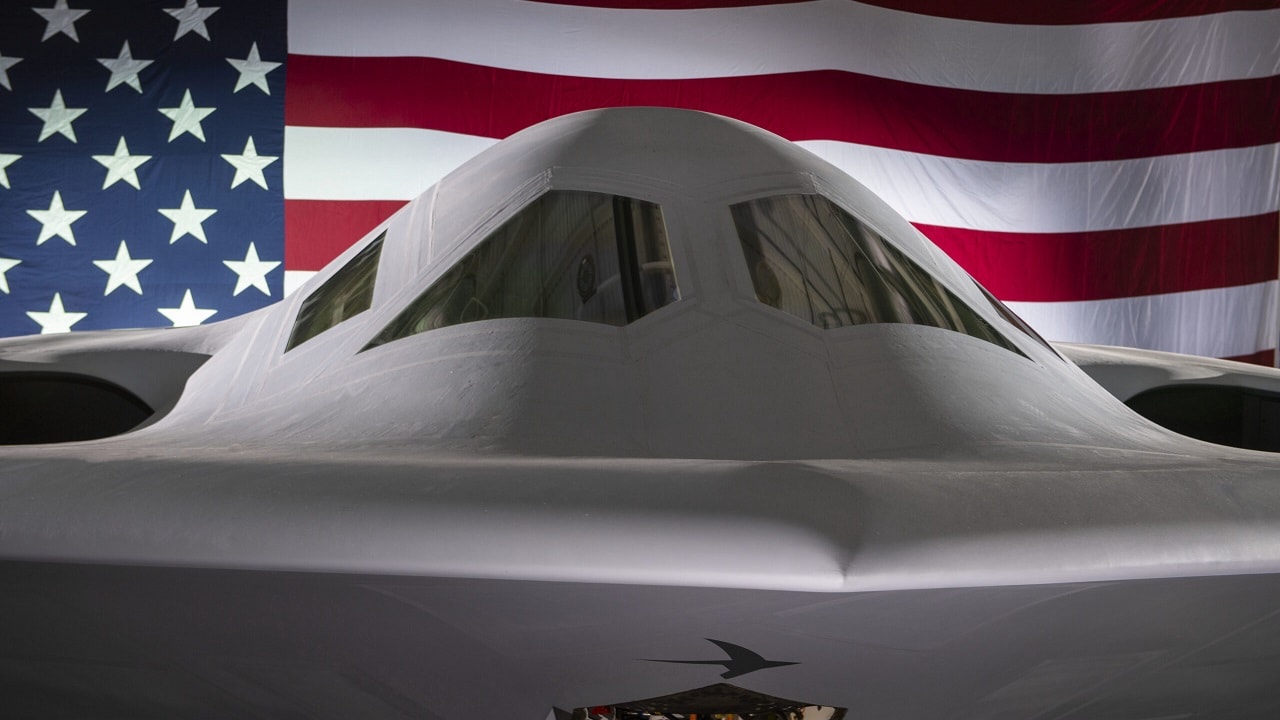
The B-21 Raider was unveiled to the public at a ceremony December 2, 2022 in Palmdale, Calif. Designed to operate in tomorrow’s high-end threat environment, the B-21 will play a critical role in ensuring America’s enduring airpower capability. (U.S. Air Force photo).
The bomber is designed to penetrate defended airspace that the tanker cannot survive.
If Beijing concludes that a sustained B-21 campaign in the Pacific can be degraded by targeting the refueling chain rather than hunting the aircraft itself, the deterrent effect the Air Force is selling with these photographs is undercut before a weapon leaves a bay.
The Pentagon Needs to Make a Call
The B-21 program has earned its moment. The aircraft is real, it’s coming, and it will arrive in numbers that matter.
But the KC-135 in that photograph isn’t background detail — it’s the operational constraint the Air Force would rather not headline, the part of the story that doesn’t fit inside a rollout ceremony or a press release about generational capability.
The tanker problem has a solution.
It requires money, urgency, and leadership willing to fight for unglamorous programs with the same intensity brought to the platforms that end up on magazine covers.
Washington can resource the tanker fleet at the same pace as the bomber, or it can keep building the most advanced strike aircraft in history while a 1957 airframe decides how far it actually flies.
Someone decided to build the bomber. Nobody’s decided to fix what keeps it flying.
About the Author: Dr. Andrew Latham
Andrew Latham is a non-resident fellow at Defense Priorities and a professor of international relations and political theory at Macalester College in Saint Paul, MN. You can follow him on X: @aakatham. He writes a daily column for 19FortyFive.com.