
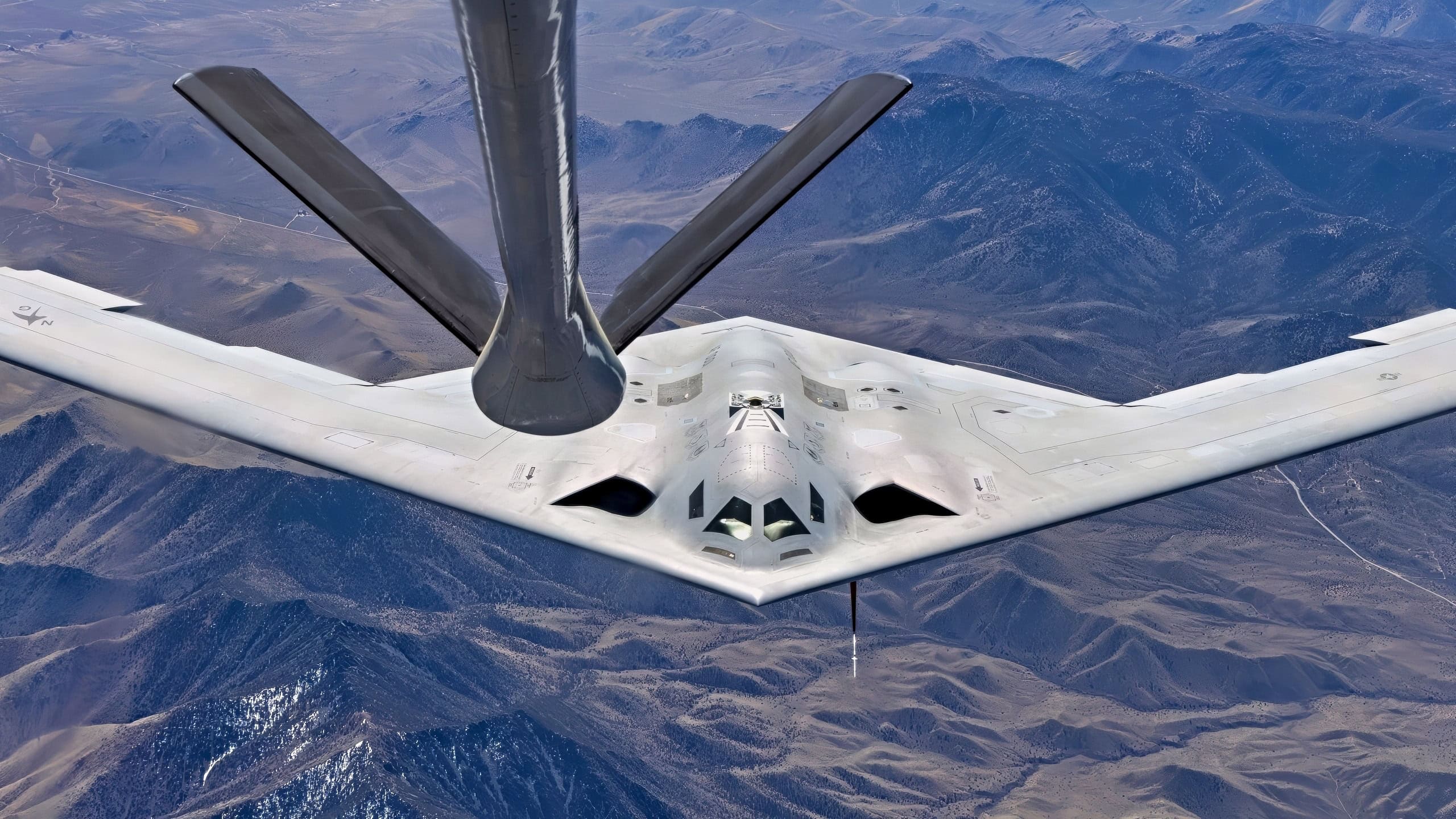
Newly released photos, taken during an aerial refueling, show the B-21 Raider from the top down for the first time.
The photos reveal previously hidden design elements of the secretive bomber, raising the question: could the B-21 be operational sooner than expected?
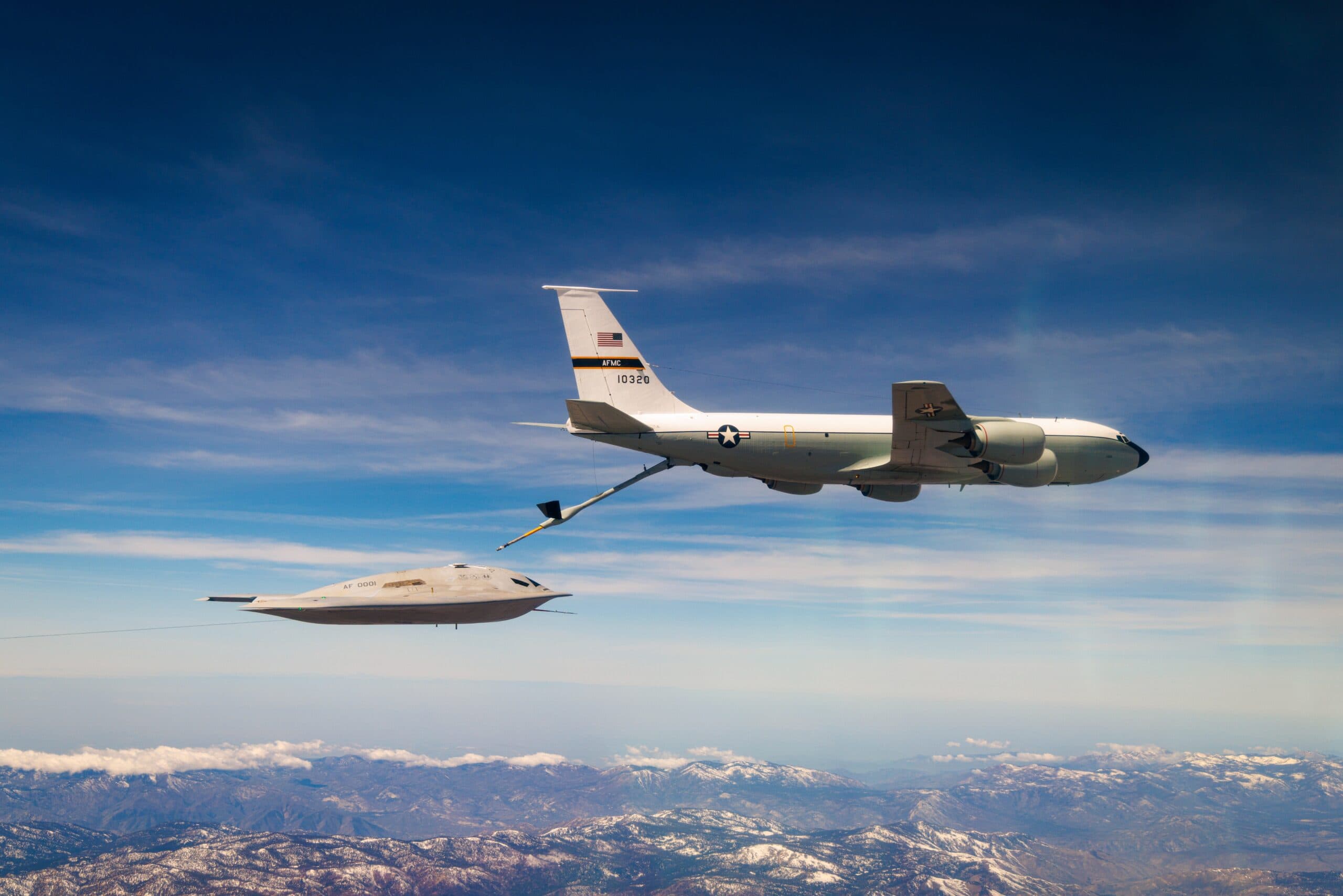
B-21 Raider Taking on Fuel. Image Credit: U.S. Air Force.
It seems the B-21 may be further along than publicly stated, with limited operational potential already emerging.
B-21 Raider: What the Photos Suggest
The B-21 has all-aspect stealth, rather than just frontal stealth like the B-2. Instead, the B-21 was designed for 360-degree low observability.
The photos reveal the bomber’s planform shaping and a simplified trailing edge with a “W”-shaped design.
The benefit here is fewer radar return spikes.
The RAM coatings appear integrated into a composite skin, which is thinner and more durable than the RAM coatings featured on the B-2, which was developed at the onset of such RAM technology.
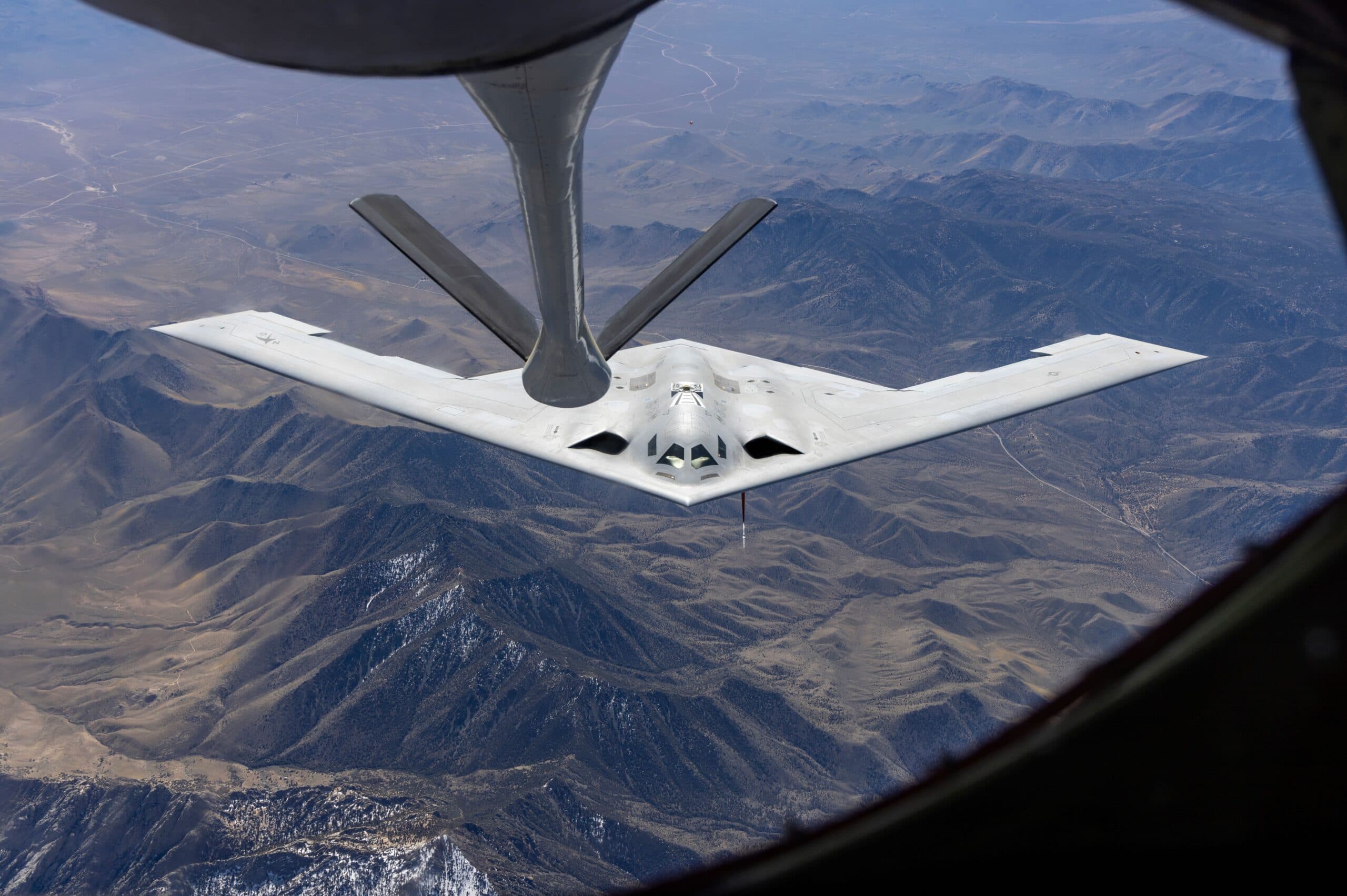
B-21 Raider. Image Credit: USAF.
The B-21’s configuration converts radar energy into heat. And unlike the B-2, which is relatively fragile, the B-21 was designed for sustained operations.
The air intakes are deeply recessed with “serpentine” ducting, hiding the engine face from radar.
Engine masking prevents direct radar reflection, helping to keep the radar cross-section low.
This mitigates engine visibility, which is one of the biggest stealth killers. Further, the airframe features low observable geometry with smooth transitions that reduce edge reflections.
Propulsion and Thermal Management
The photos reveal that the exhaust is deeply buried, positioned forward of the trailing edge.
The chevron shaping breaks up the heat plume.
The design likely mixes cool bypass air with hot exhaust, thereby reducing the bomber’s IR signature. Also, there is no visible “blackening,” which suggests an advanced cooling system.
In all, the design underscores how important IR suppression has become—in fact, it is as important as radar stealth in terms of avoiding detection.
Size, Scale, and Design Philosophy
Estimates hold that the B-21’s wingspan measures 145 to 155 feet.
This is smaller than the B-2, at 172 feet, but bigger than original estimates in the 130-foot range suggested.
The fuselage appears to be comparable in length to the F-15. The landing gear is simpler, with a two-wheel configuration that suggests a lighter aircraft requiring less elaborate gear systems. Basically, the B-21 is smaller, more efficient, and more survivable than the B-2.
Aerial Refueling and Global Reach
The newly released photos showed the B-21 positioning to take fuel from a KC-135, essentially confirming the ability to refuel in air.
The refueling port is top-mounted, with similar markings to the F-35.
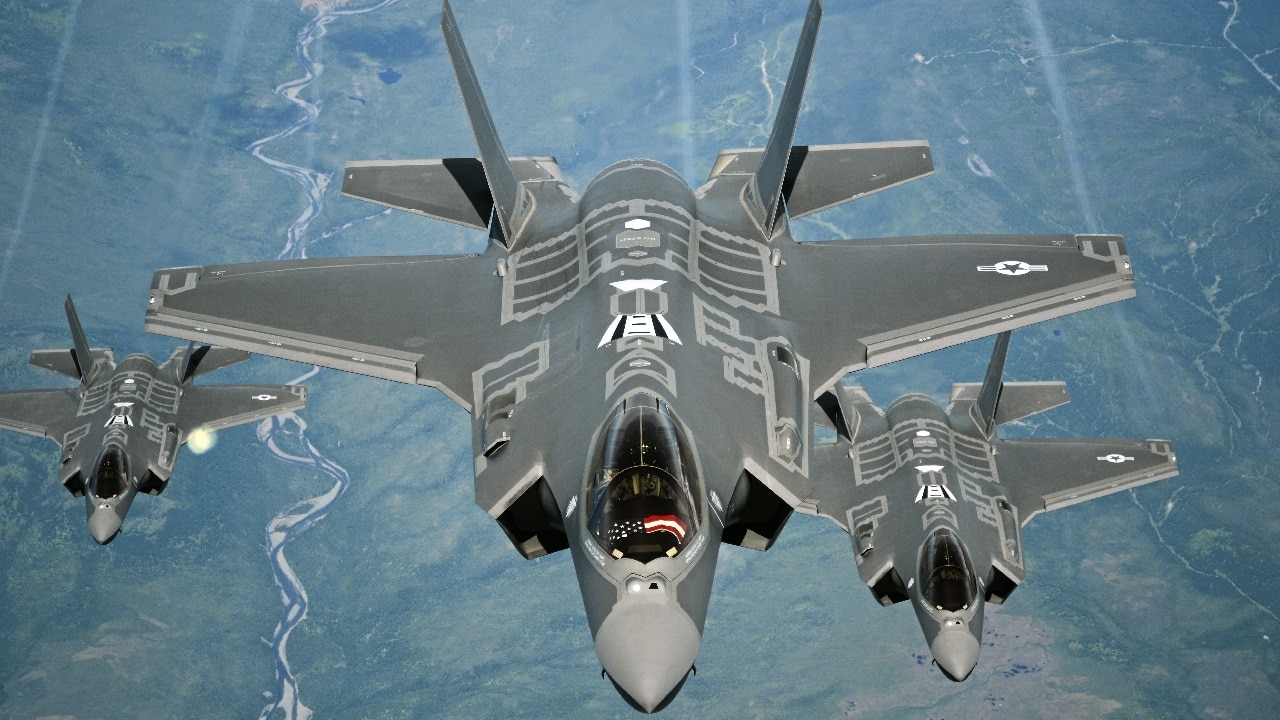
F-35 Lightning II aircraft receive fuel from a KC-10 Extender from Travis Air Force Base, Calif., July 13, 2015, during a flight from England to the U.S. The fighters were returning to Luke AFB, Ariz., after participating in the world’s largest air show, the Royal International Air Tattoo. (U.S. Air Force photo/Staff Sgt. Madelyn Brown)
The implication here is that the B-21’s 6,000-mile range can be extended indefinitely with each in-air refuel, meaning range is limited only by pilot endurance.
This enables global strikes from CONUS, similar to the B-2, which recently conducted strikes against Iran during Operation Epic Fury, basing in Missouri for 30-hour round-trip flights.
Digital Engineering and Test Program
The B-21’s digital twin design was simulated before flight, accelerating the development timeline.
These aircraft flying now are production-standard aircraft—not prototypes; they are built on an operational production line.
This is important because it means the testing phase is closer to operational validation than experimentation—the transition to operational from testing should be simpler than in most clean-sheet airframe development scenarios.
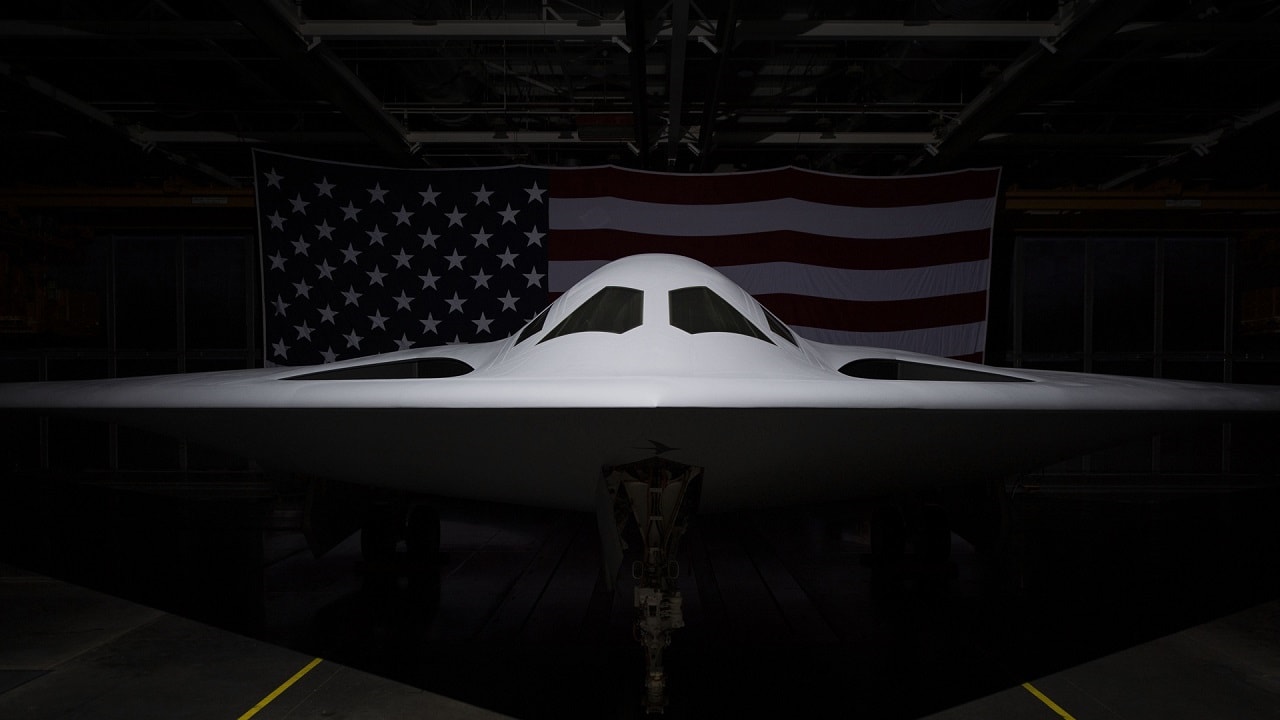
B-21 Raider. Image Credit: U.S. Military.
B-21 Raider Ready Soon?
So, could the B-21 Raider fly for the U.S. Air Force in 2026? The official IOC is still listed as 2027, but because the current airframes are production-standard aircraft and testing has shown a high sortie success rate, it’s possible that limited deployment could happen within weeks or months, at least in an emergency use scenario.
Likely roles for 2026 might be ISR, electronic warfare, or limited strike.
Weapons integration isn’t complete yet, though—that’s the main constraint on pushing the B-21 into operational status.
And with a small fleet size, each airframe is still precious.
So don’t expect the B-21 to enter anything resembling a full operational role this year.
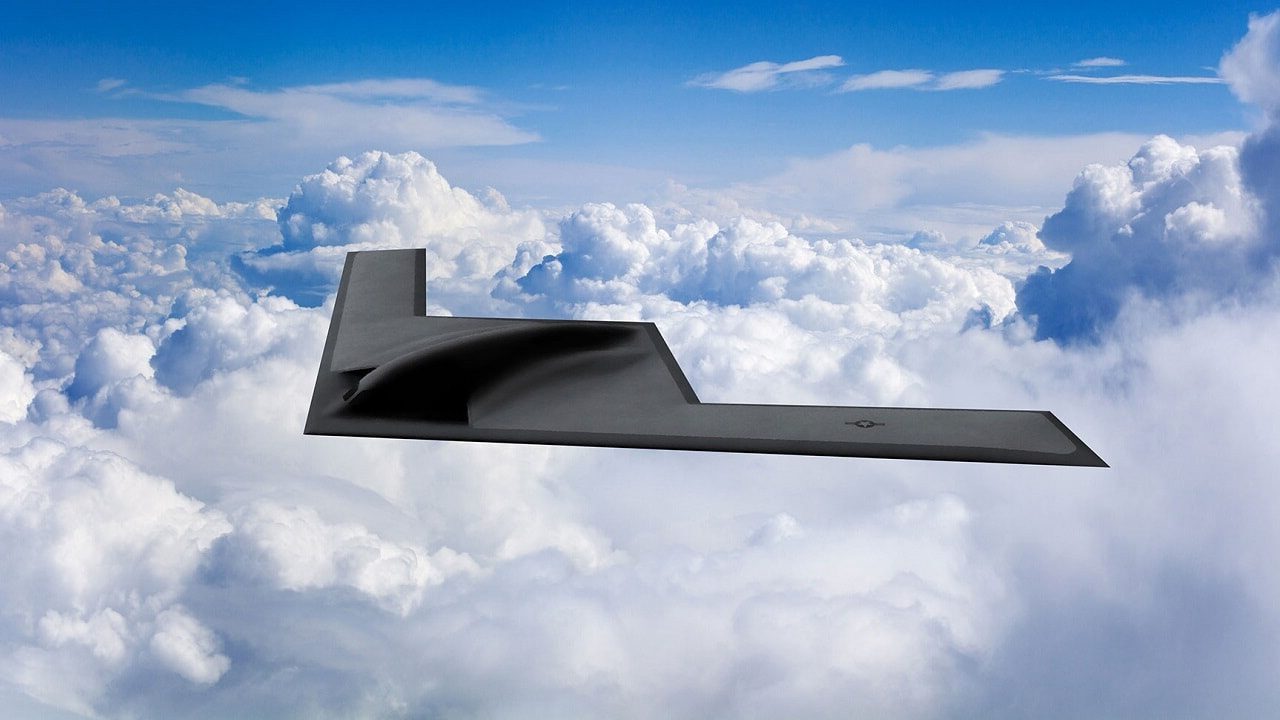
B-21 Raider Stealth Bomber. Image Credit: Creative Commons.
Tactics and Strategy
When the B-21 is ready, it will perform penetration missions against high-end IADS. Designed for survivability against China and Russia, the B-21 will have multirole capability (ISR, strike, EW).
Basically, the B-21 was designed for first-night-of-war missions. The effect should be deterrence: the platform signals that the US has deep strike capability.
And the B-21 represents a force structure shift toward smaller, more survivable bombers.
B-21 Raider: Some of the Most Amazing Photos We Have Seen So Far
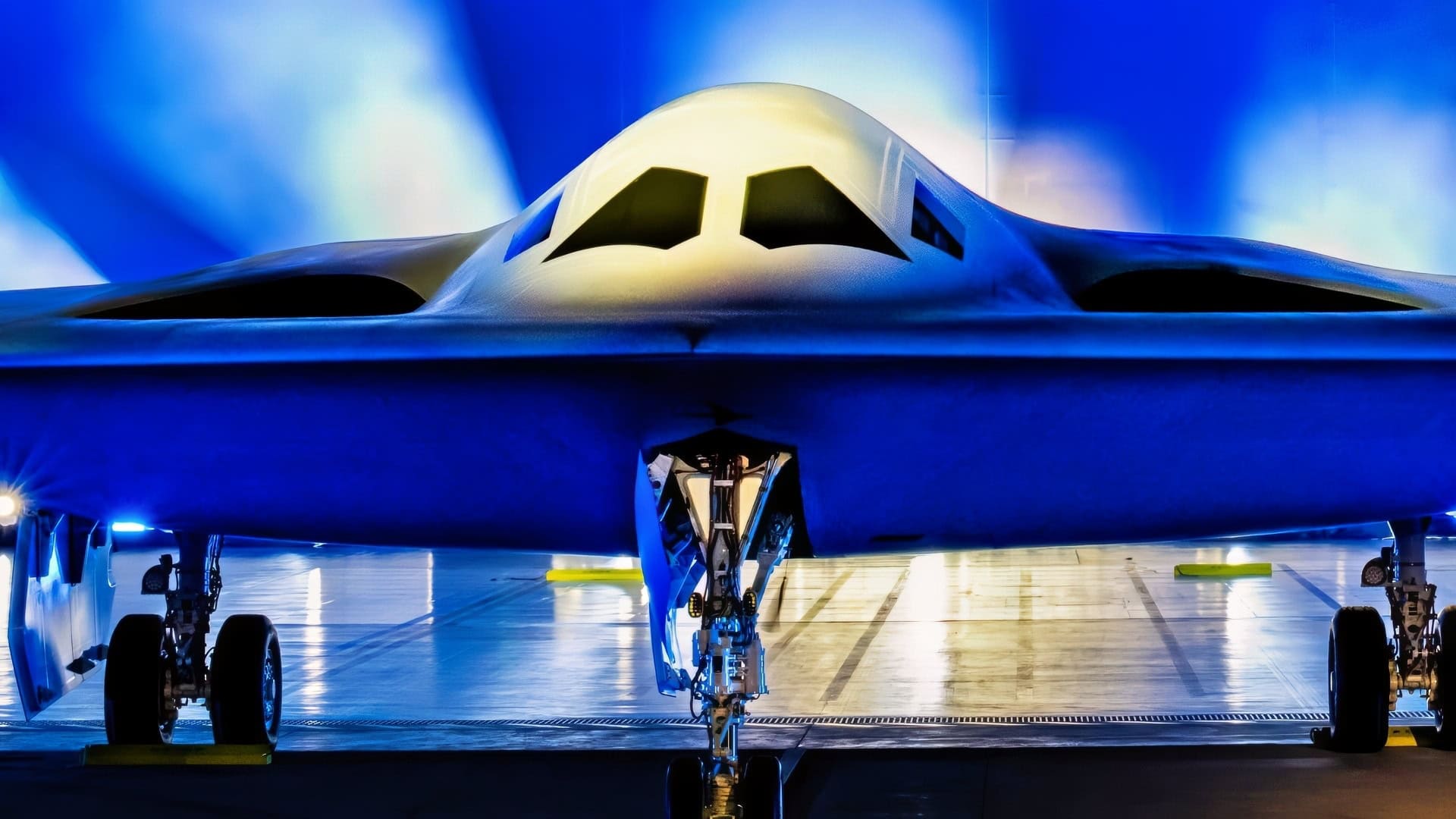
A B-21 Raider is unveiled at Northrop Grumman’s manufacturing facility on Air Force Plant 42 in Palmdale, California, Dec. 2, 2022. The B-21 will be a long-range, highly survivable, penetrating strike stealth bomber capable of delivering both conventional and nuclear munitions. (U.S. Air Force photo by Airman 1st Class Joshua M. Carroll)
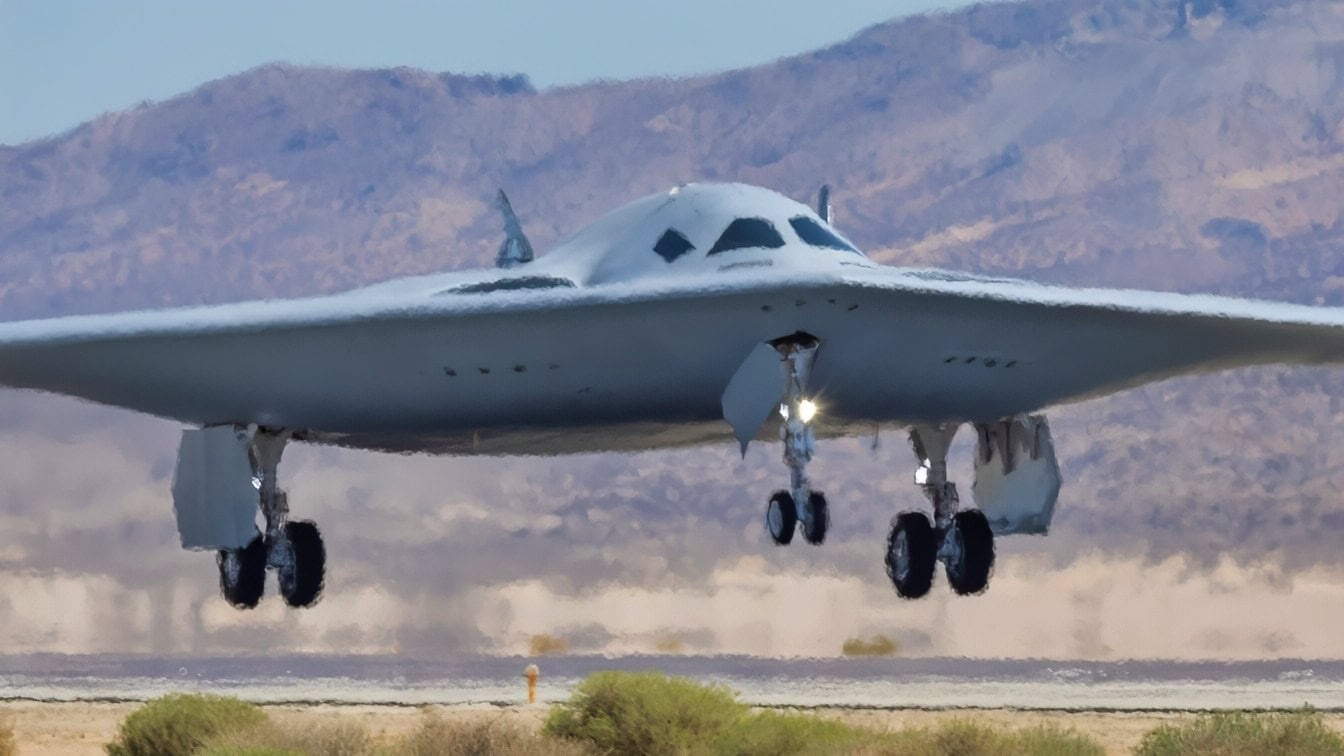
A B-21 Raider test aircraft lands at Edwards Air Force Base, Calif., during ongoing developmental flight testing, Sept. 11, 2025. The B-21 will be the backbone of the bomber fleet; it will incrementally replace the B-1 Lancer and B-2 Spirit bombers. (U.S Air Force photo by Todd Schannuth)
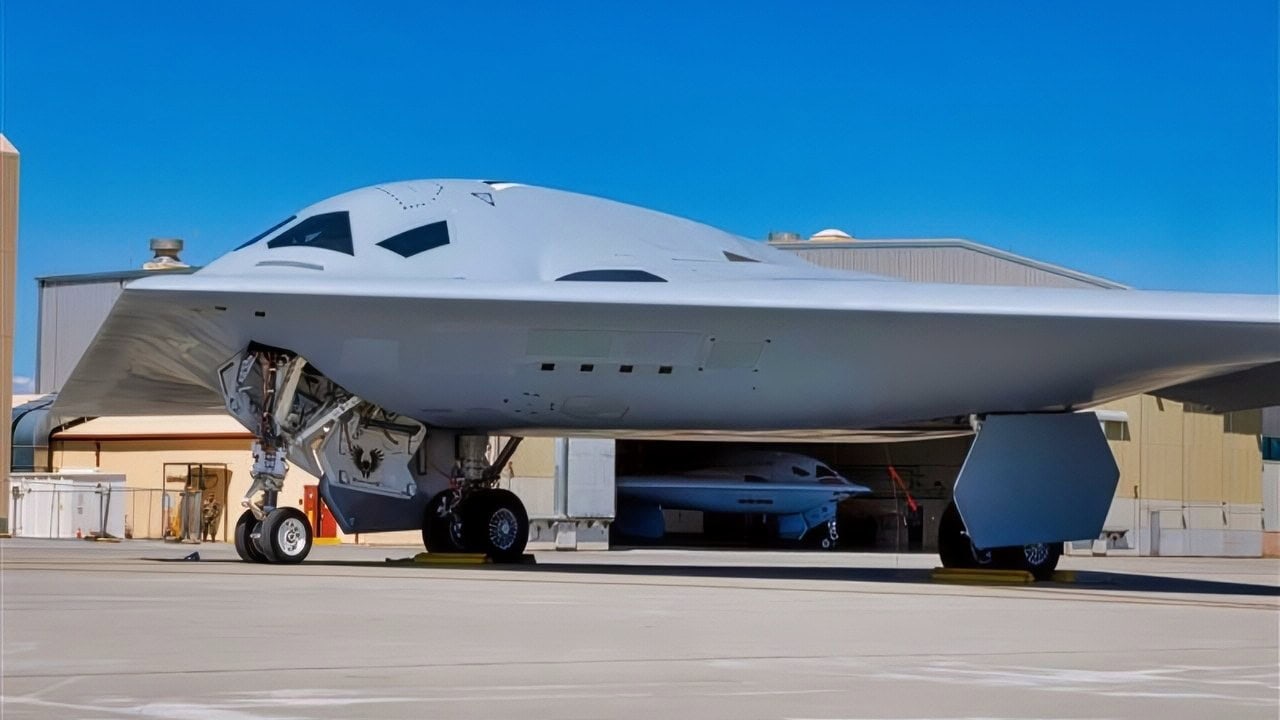
A second B-21 Raider, the world’s sixth-generation stealth bomber, test aircraft arrives at Edwards Air Force Base, Calif., Sept. 11, 2025. The addition of the second test aircraft expands mission systems and weapons integration testing, advancing the program toward operational readiness. (Courtesy photo)
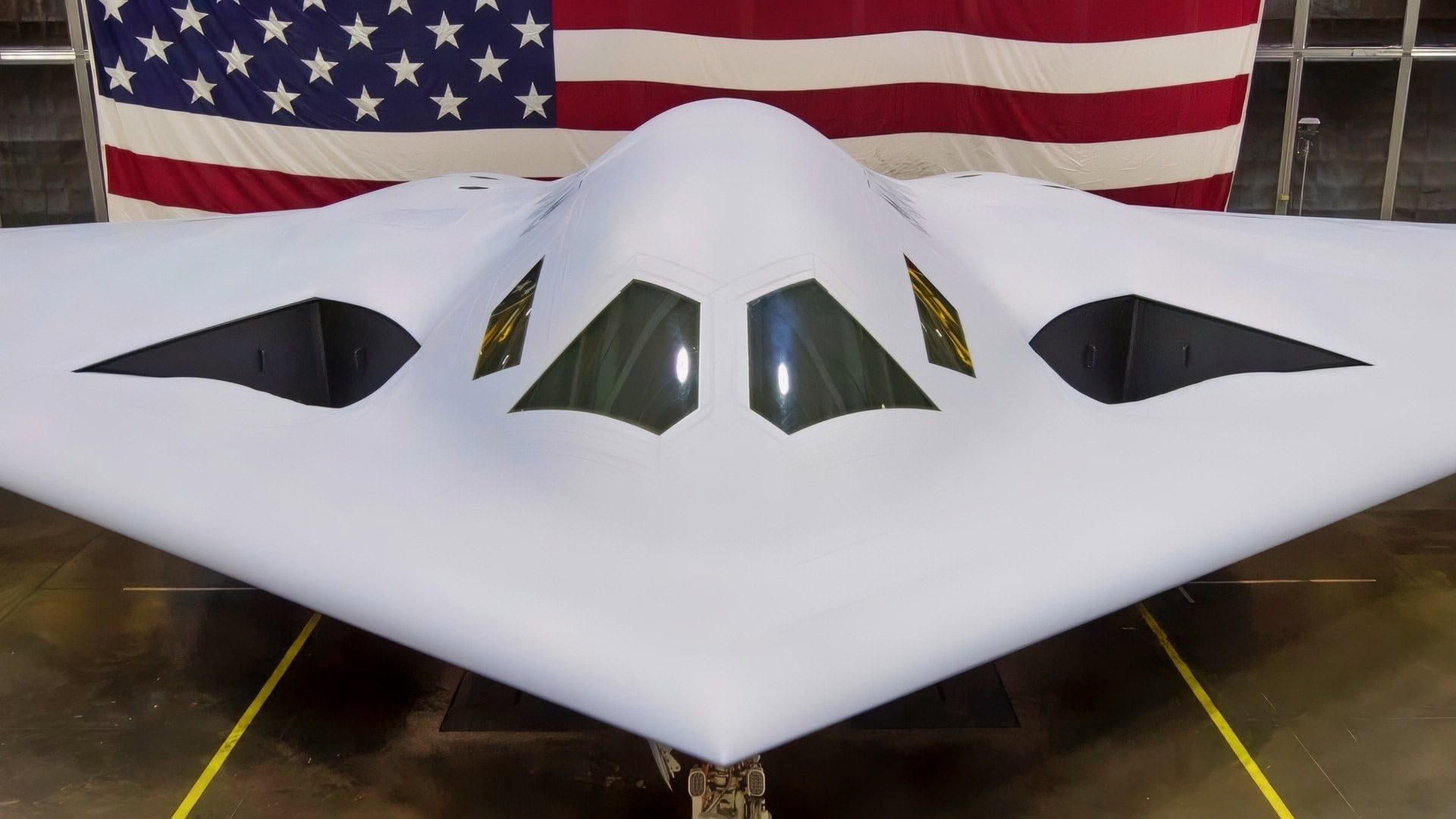
The B-21 Raider was unveiled to the public at a ceremony Dec. 2, 2022 in Palmdale, Calif. The B-21 will provide survivable, long-range, penetrating strike capabilities to deter aggression and strategic attacks against the United States, allies, and partners. (U.S. Air Force photo)
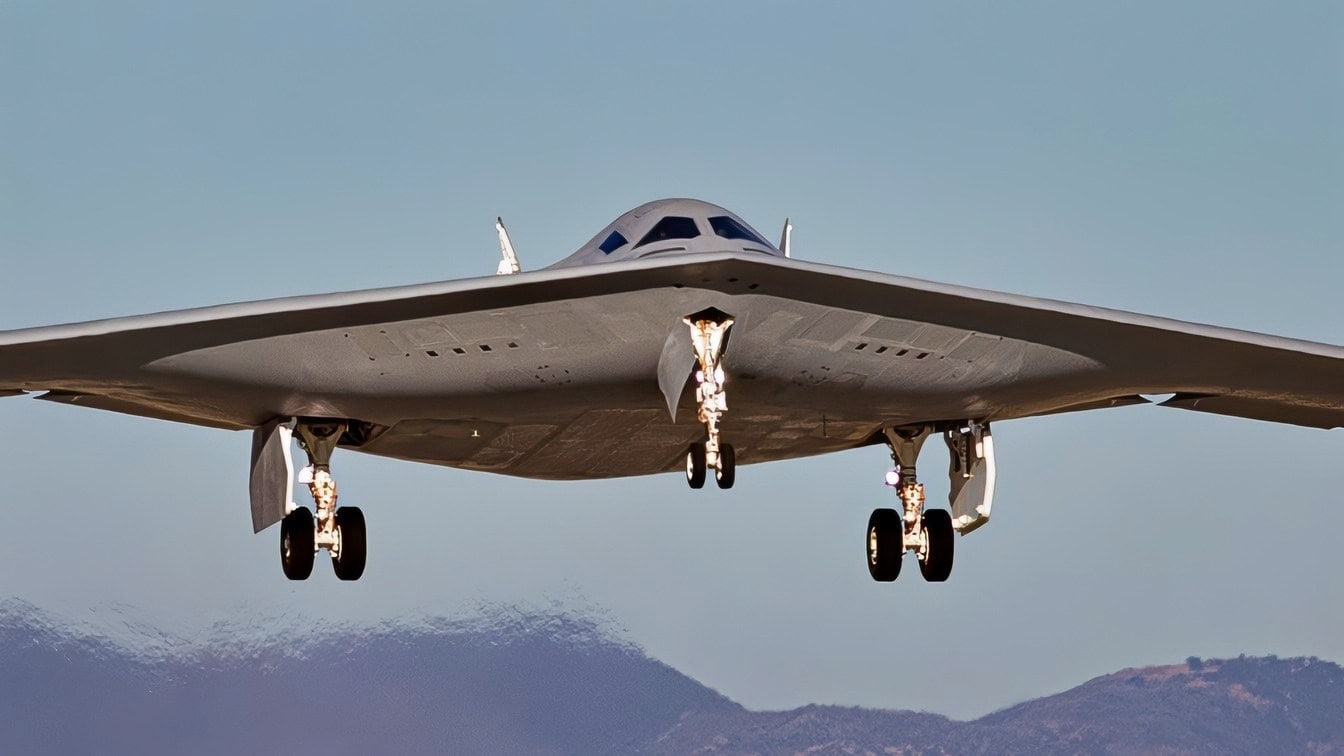
A second B-21 Raider test aircraft takes off, Sept. 11, from Palmdale, Calif., to join the Air Force’s flight test campaign at Edwards Air Force Base, Calif. The addition of the second test aircraft expands mission systems and weapons integration testing, advancing the program toward operational readiness. (Courtesy photo)
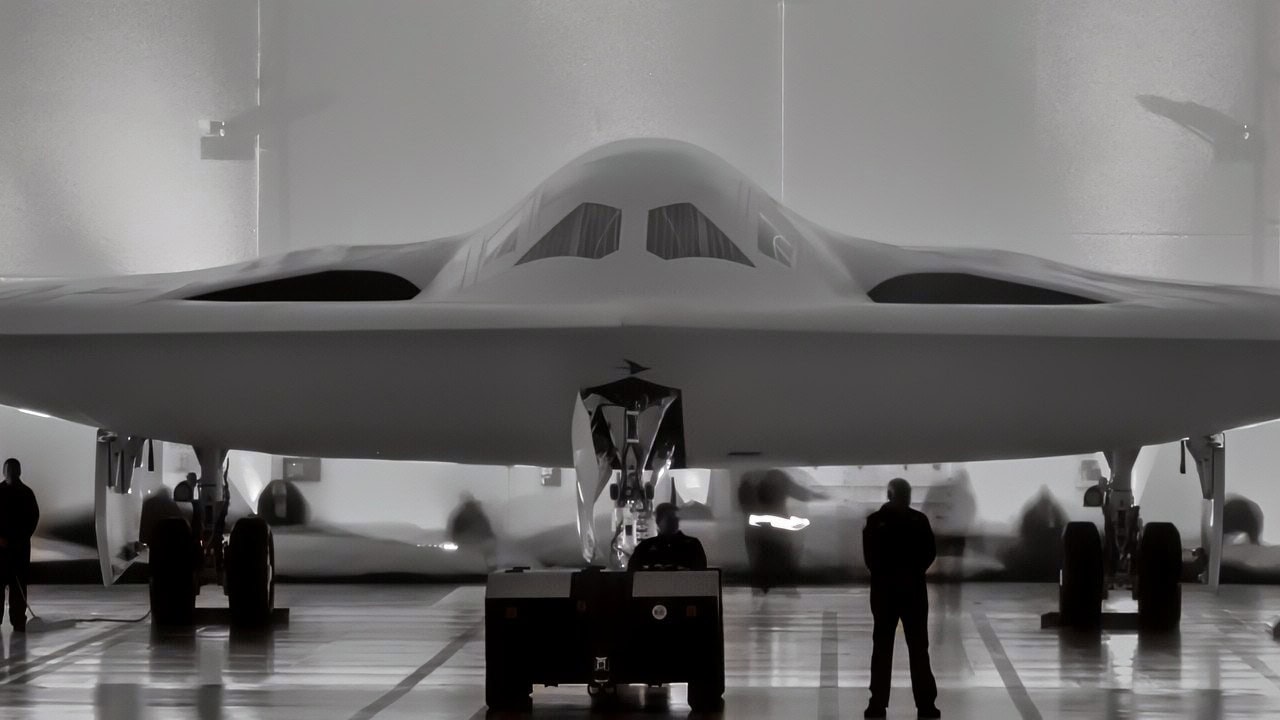
A B-21 Raider is unveiled at Northrop Grumman’s manufacturing facility on Air Force Plant 42 in Palmdale, California, Dec. 2, 2022. The B-21 will be a long-range, highly survivable, penetrating strike stealth bomber capable of delivering both conventional and nuclear munitions. (U.S. Air Force photo by Airman 1st Class Joshua M. Carroll)

U.S. Air Force Airmen with the 912th Aircraft Maintenance Squadron prepare to recover the second B-21 Raider to arrive for test and evaluation at Edwards AFB, Calif., Sept. 11, 2025. The arrival of a second test aircraft provides maintainers valuable hands-on experience with tools, data and processes that will support future operational squadrons. (U.S Air Force photo by Kyle Brasier)

The B-21 Raider was unveiled to the public at a ceremony December 2, 2022 in Palmdale, Calif. Designed to operate in tomorrow’s high-end threat environment, the B-21 will play a critical role in ensuring America’s enduring airpower capability. (U.S. Air Force photo)
About the Author: Harrison Kass
Harrison Kass is a writer and attorney focused on national security, technology, and political culture. His work has appeared in City Journal, The Hill, Quillette, The Spectator, and The Cipher Brief. He holds a JD from the University of Oregon and a master’s in Global & Joint Program Studies from NYU. More at harrisonkass.com.