
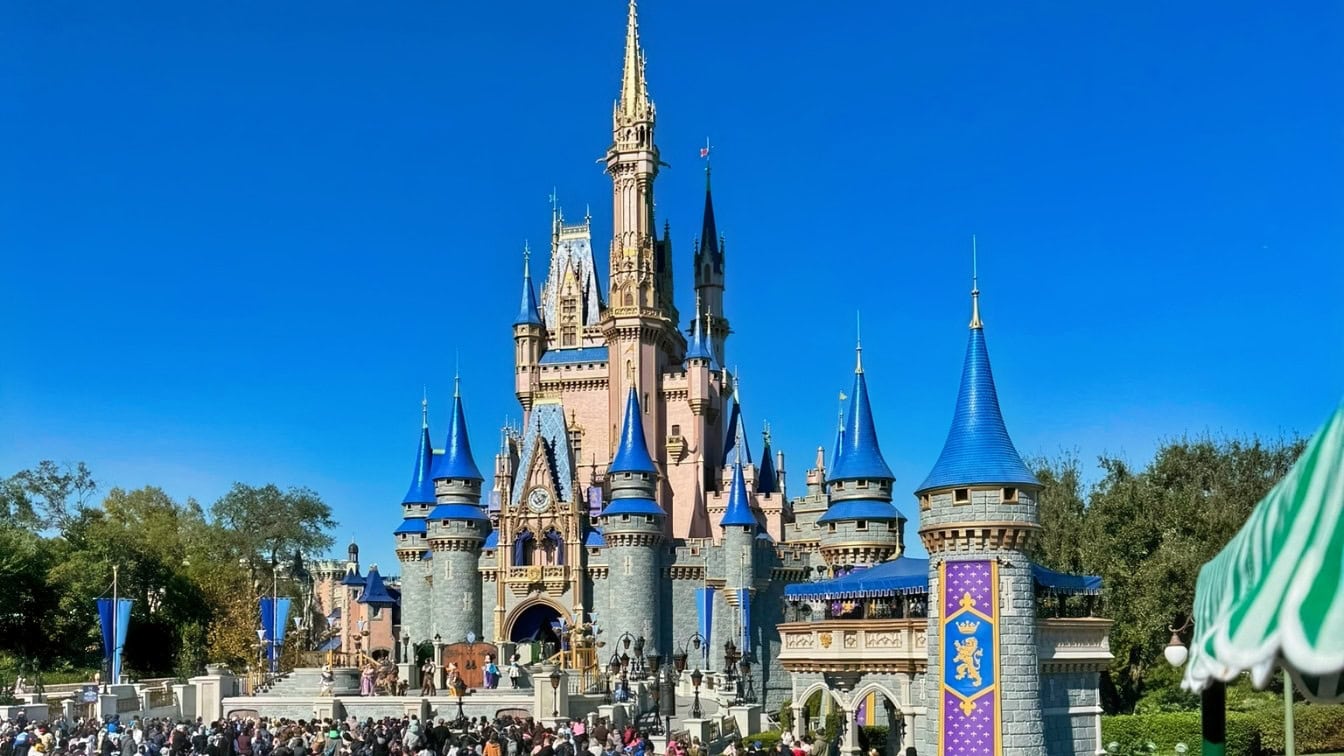
Is Florida Still An Inexpensive State To Live In?: The sunshine, the weather (no snow), and the proximity to both the Atlantic Ocean and the Gulf make Florida such a desirable destination. And no state tax is a huge factor for affordability.
But with the massive influx of people leaving the Northeast and California due to the exorbitant cost of living, high taxes, and the climate (both the weather and political), things are getting more expensive in the Sunshine State.
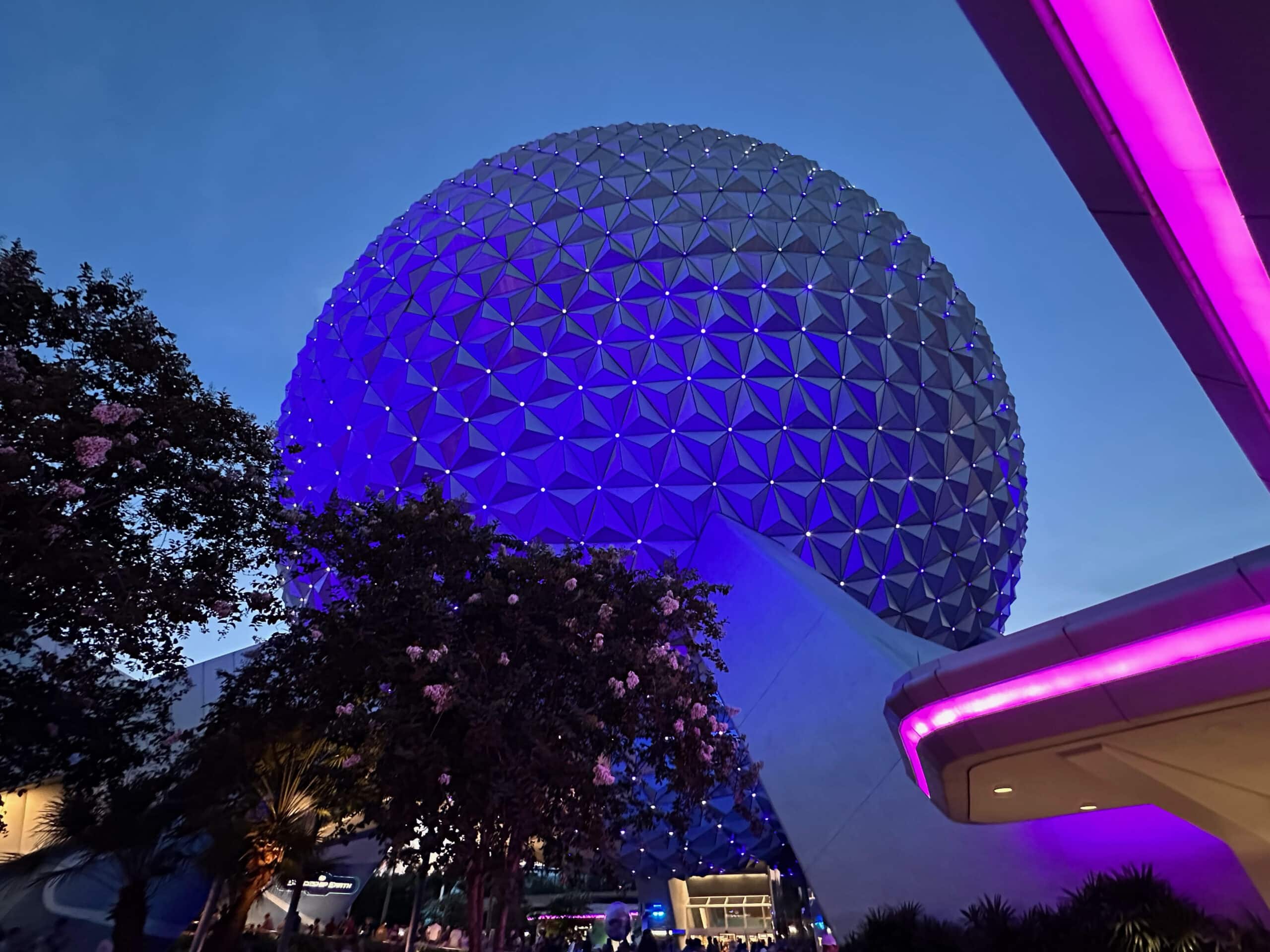
Walt Disney World’s Epcot. Image Credit: 19FortyFive.com
Florida is no longer considered an inexpensive place to live, and I know, I live in Florida.
It has transformed into one of the more expensive states, driven by soaring housing costs, high insurance premiums, and rapid population growth.
Cost Of Living Has Increased Fivefold Since The Pandemic in Florida
Florida’s cost-of-living rate has nearly quintupled since 2020, according to a new Florida TaxWatch analysis. The Sunshine State now ranks fourth among the South’s most expensive states.
Housing costs are the leading factor, with homeowners and renters hit by soaring prices. Due to the yearly hurricanes, Florida has recorded the highest homeowners’ insurance premiums in the nation since 2020.
Average rents climbed from the middle of national rankings to the sixth-highest in 2025, topping $2,200 a month, due to the massive influx of people moving there.
Florida’s Population Has Boomed Since The Pandemic
Florida has experienced a massive population explosion since 2020, with over 2 million Americans moving to the state, driven by pandemic-era migration. Florida is second only to Texas in the number of people moving to the state.
As of early 2026, the state’s population grew by 8.2 percent from July 2020 to July 2024, making it the fastest-growing state in the country, despite a recent slowdown in growth.
It’s worth noting that eight of the top 10 growth cities and 12 of the top 25 are in Florida.
Southwest Florida alone gained over 250,000 new residents since 2020, according to 2026 reports. Three of SWFL counties have had massive surges in population growth. Collier County’s population has grown 13.6 percent since the pandemic. Lee County has grown 16.4 percent, while Charlotte County’s population has surged 25.8 percent since the pandemic.
Lee County has seen a 124,580 increase in population since the pandemic. This has put a strain on the housing market and on traffic, as most road infrastructure was not designed to handle that many people.
Among the states that have seen the largest outward population migration, California led the way with 530,886 net outbound population, New York with 446,814 people leaving, and Illinois with 139,399 net departures.
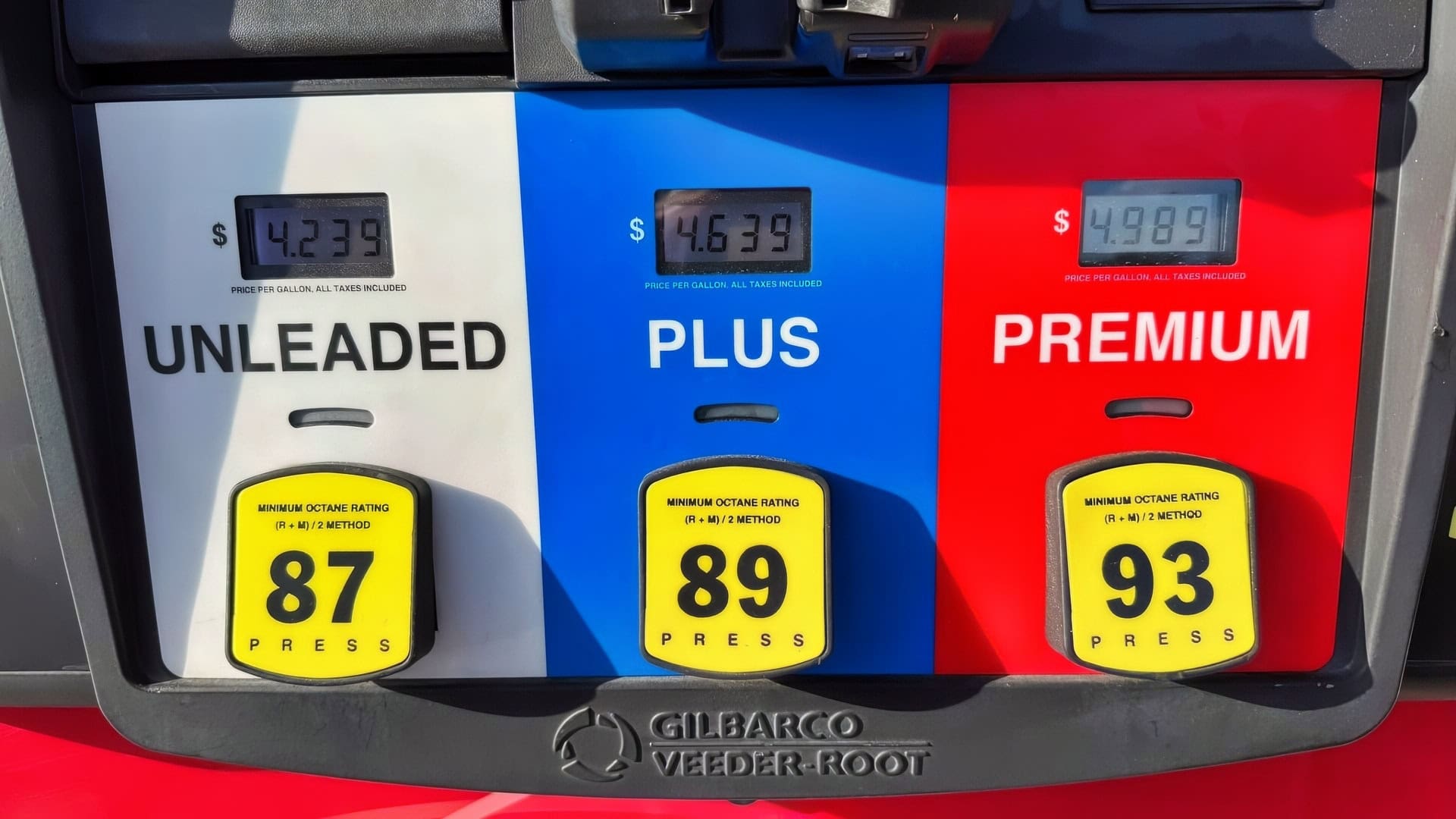
Gas Prices Outside of Walt Disney World. Taken by Harry J. Kazianis for 19FortyFive.com on 4/5/2026.
Does Politics Play A Role?
Migration from blue to red states remains a “discernible trend” that began during the pandemic, as people flocked to cheaper regions.
According to U-Haul, which gathered the data, seven of the top 10 growth states in 2025 have Republican governors, and nine of those states went red in the last presidential election.
Nine of the bottom 10 growth states have Democratic governors, and seven of those states went blue in the last presidential election.
Real Estate Market Is Beginning To Come Down
Home prices in Florida are dropping in several areas, with data showing a year-over-year decline of approximately 4.6 percent to 5.4 percent in early 2026.
A surge in inventory, rising insurance costs, and reduced demand relative to the pandemic-era boom have led to high seller concessions, particularly in regions like North Port-Sarasota and Cape Coral.
As of February 2026, the average home value has dropped, with many major Florida metro areas experiencing some of the steepest price declines in the country. Florida has seen a massive increase in active inventory, frequently exceeding pre-pandemic 2019 levels, as homes take longer to sell.
Disney’s Hollywood Studios. Image Credit: 19FortyFive Original Image.
Many cities are experiencing price corrections, with significant declines expected in areas like Cape Coral, Fort Lauderdale, and North Port-Sarasota-Bradenton.
Due to a glut in homes for sale, after a massive building spree in the past few years, a large percentage of sellers are lowering their asking prices to attract buyers, with 38,981 new listings added as of late March 2026.
Want To Live Close To The Beach? Be Prepared To Pay For It
The cost of real estate has skyrocketed since the pandemic, with the state’s median home sale price at $373,333. The national average is about $405,300. Florida’s cost is about 104 percent of the typical U.S. price, according to the Motley Fool. Households cover just 19 percent of the typical home’s value each year due to below-average wages.
Living near the coast (within 30-45 minutes) makes the cost much higher. The median price of a home in the Miami-Dade area is now over $600,000, which has led to a large segment of the population there moving to SWFL.
The most expensive areas in Florida are Miami, Tampa, Naples, Fort Lauderdale, Marco Island, and West Palm Beach. But living closer to the beaches (many of which are in floodplains) comes with a very high cost of homeowners’ insurance (see below).
Living inland in Florida is much more cost-friendly. Some of the more affordable areas of real estate include Sebring, Arcadia, Homosassa Springs, and Ocala.
Homeowners’ Insurance In Florida Is Very Expensive
Home insurance is exceptionally expensive in Florida, very often more than three times the national average, primarily due to high hurricane risk, rampant litigation, and fraudulent claims. The market is heavily affected by massive reinsurance costs and a high volume of lawsuits, despite recent legislative reforms aimed at curbing these issues.
As a peninsula, Florida faces immense risk from hurricanes, tropical storms, and coastal flooding, resulting in billions of dollars in annual damage. Florida has historically accounted for a disproportionate amount (up to 79 percent) of all US homeowners’ insurance lawsuits, driven by roof claim scams and “assignment of benefits” (AOB) abuse.

Image: NOAA.
“Reinsurance” (insurance for insurance companies) has increased significantly, with providers passing these high costs down to homeowners.
The insurance market has shrunk. Dozens of insurers have left the state or gone bankrupt, leading to a lack of competition and forcing many homeowners into the state-backed “insurer of last resort,” Citizens Property Insurance Corp.
Rising labor and material costs have made rebuilding significantly more expensive.
However, recent legislative reforms (2022-2023) aiming to curb lawsuits and reduce fraudulent roof claims are now beginning to show signs of stabilizing the market, with some insurers decreasing rates as of early 2026.
Utility Costs Are Rising Across the State
A common complaint in Florida is the rising costs of utilities. Florida has the 4th-highest usage rates in the country, but is currently about 28th in the nation in electricity rates.
Utilities in Florida are expensive, with average monthly electric bills around $174.23 in late 2025 (ranking among the highest in the nation), primarily driven by extremely high air conditioning demand during hot weather, heavy reliance on natural gas, and high costs for rebuilding infrastructure after hurricanes.
The intense Florida heat and humidity lead to high air conditioning usage. Florida generates approximately 72–89 percent of its electricity from natural gas, leaving customers vulnerable to global market price spikes, which are currently high.
Utility companies frequently pass on to customers the costs for rebuilding and strengthening infrastructure to withstand hurricanes and tropical storms. Major utilities like FPL are implementing large rate hikes (ranging from $7 billion to $10 billion) to fund grid modernization, storm hardening, and solar projects.
On a personal note, I installed solar panels on my home because electricity rates were skyrocketing. While the cost of paying that off isn’t cheap, it is still a more affordable alternative, especially with rates going up again.
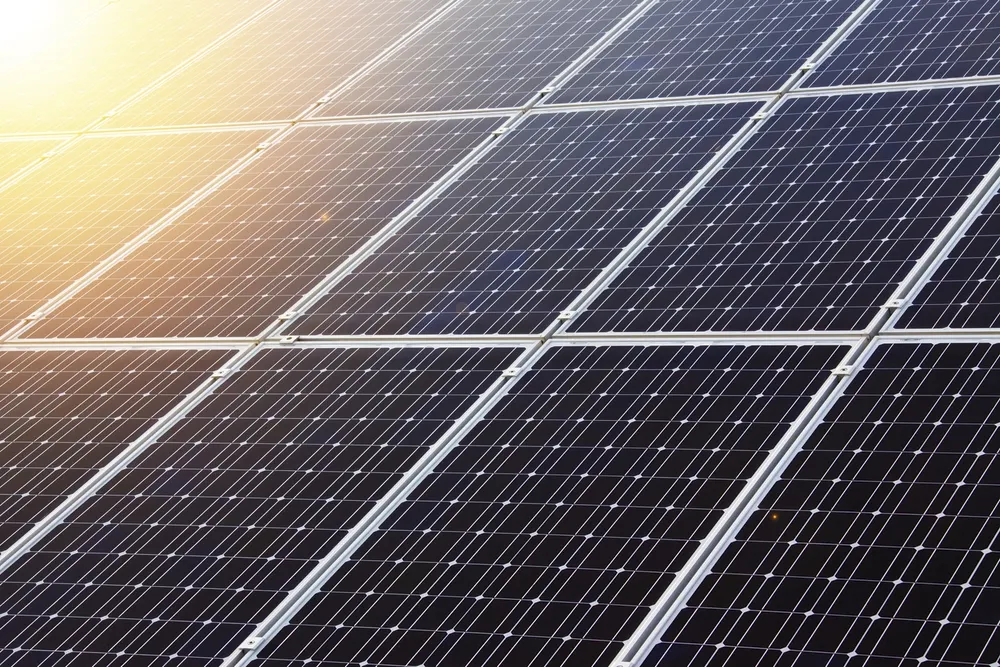
Solar Energy Panels. Image Credit: Creative Commons.
One thing Floridians don’t have to pay for is fuel oil for heating homes in the cold winters of the Northeast and Midwest. And the old saying, “You don’t have to shovel sunshine,” is very true. The costs of snowplowing in the north have gotten very high.
All things being equal, I do miss the fall in New England (my favorite time of year), but I like watching the Super Bowl from the friendly confines of my swimming pool in February.
About the Author: Steve Balestrieri
Steve Balestrieri is a National Security Columnist. He served as a US Army Special Forces NCO and Warrant Officer. In addition to writing on defense, he covers the NFL for PatsFans.com and is a member of the Pro Football Writers of America (PFWA). His work was regularly featured in many military publications.