
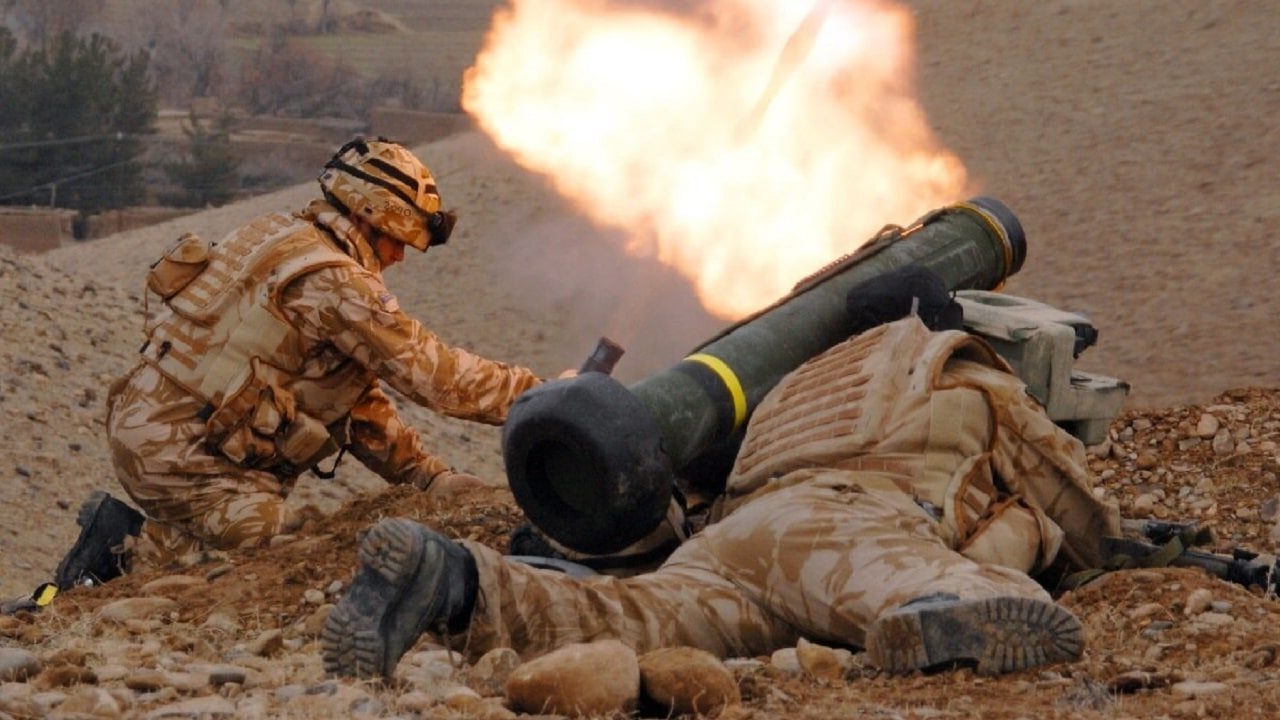
In modern warfare, it’s getting harder to hide. The battlefield is increasingly saturated with drones, sensors, and persistent surveillance systems, all making traditional concealment more difficult. Accordingly, the US Army Green Berets recently conducted a training exercise to address modern surveillance technology, focusing on how to remain undetected in a battlespace where even the smallest movements are trackable from above.
The exercise highlights how warfare is changing: survival is no longer just about avoiding detection by enemy troops, but about avoiding detection across multiple sensor domains, including thermal, aerial, and electronic.
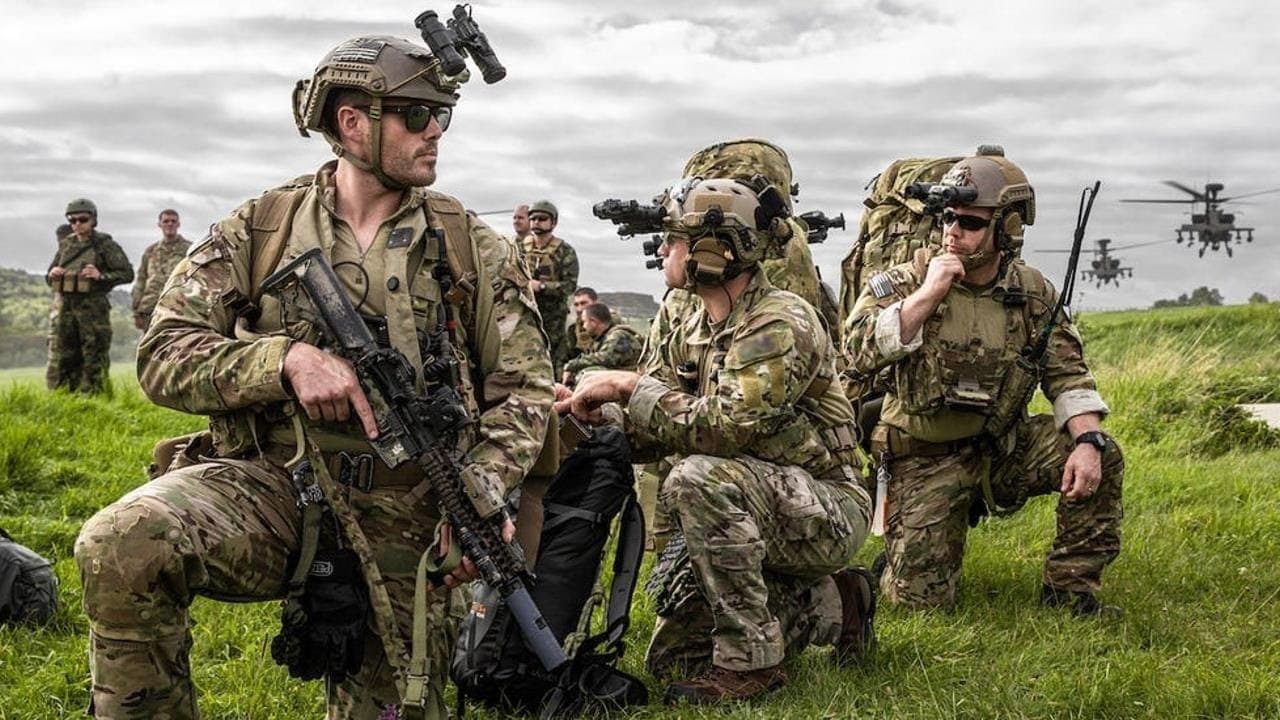
Green Berets. Image Credit: Creative Commons.
Exercise Deep Strike
The training exercise, known as Exercise Deep Strike, was conducted in February at the Joint Multinational Readiness Center in Hohenfels, Germany.
Personnel from the 2nd Battalion, 10th Special Forces Group (Airborne) participated.
The exercise lasted over a week, simulating a high-end conflict against a capable and conventional adversary. Green Beret teams were tasked with infiltrating deep into enemy territory, traveling over 90 miles on foot while avoiding multi-domain detection.
The objective: to identify and strike a mock high-value target using a drone, a mission profile that replicates modern deep-strike realities.
Conditions and Constraints
During the exercise, teams were placed under strict limitations designed to replicate real-world constraints. Specifically, no traditional weapons were carried, and only mission-specific gear was allowed.
Movement was restricted primarily to nighttime operations to reduce exposure to detection. In February, in Germany, conditions were harsh and wintry, adding physical strain to the exercise and further limiting mobility.
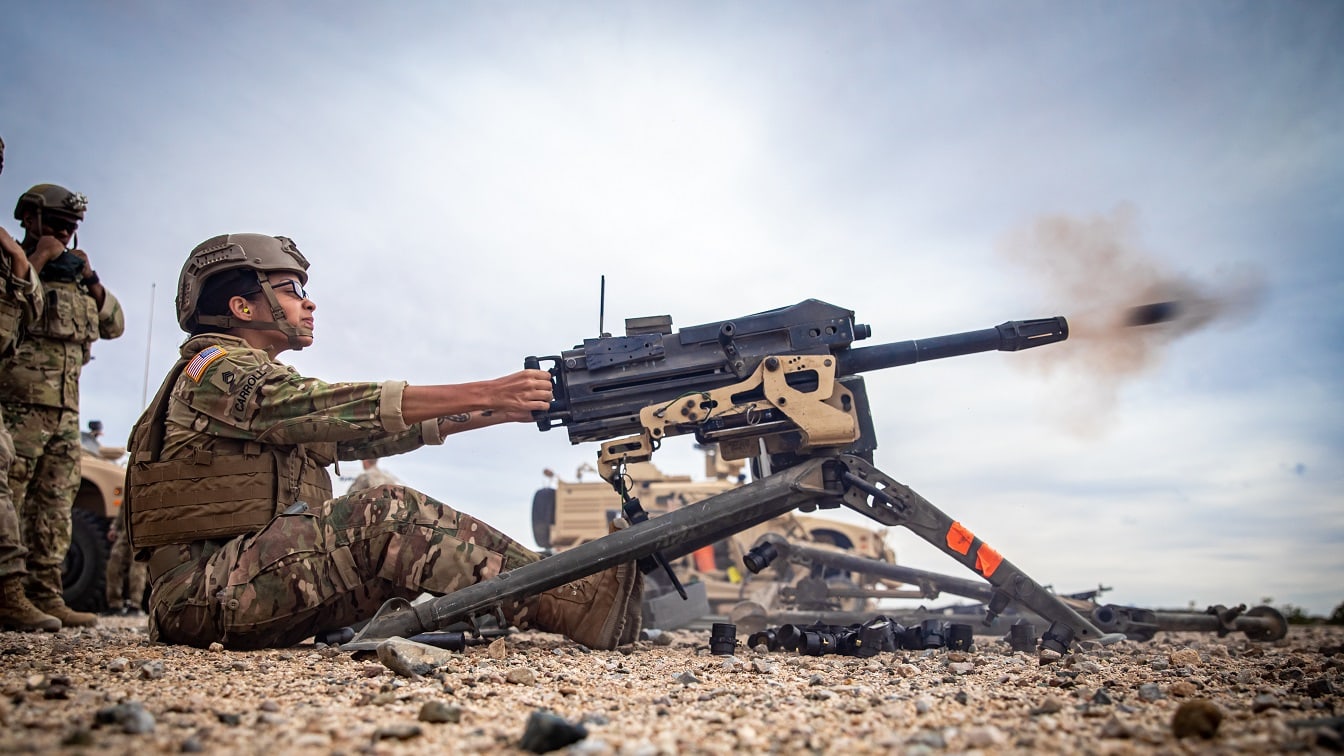
A Soldier assigned to 3rd Special Forces Group (Airborne) fires a MK 19 automatic grenade launcher during a training exercise at Camp McGregor, New Mexico March 26, 2020. The training exercise focused on enhancing a wide variety of skillsets for the participating Green Berets and Soldiers such as weapons training and medical training to prepare them for future operations. (U.S. Army photo by Sgt. Steven Lewis)
Operators had to manage fatigue, exposure, and logistics, all while maintaining stealth discipline. Teams were forced to rely on fundamentals such as movement control, terrain use, camouflage, and communication.
Traditional firepower was out of the question because it would have been detected immediately.
Adjusting to Drones and Sensors
The exercise reflects an emerging trend in modern warfare: drones are everything.
These systems, often cheap yet packed with advanced sensors, can provide continuous surveillance of the battlespace and are often equipped with thermal imaging, infrared tracking, and night vision.
Ukraine has demonstrated how capable drones are at detecting enemy troops—even small units can be detected and targeted quickly through constant drone surveillance.
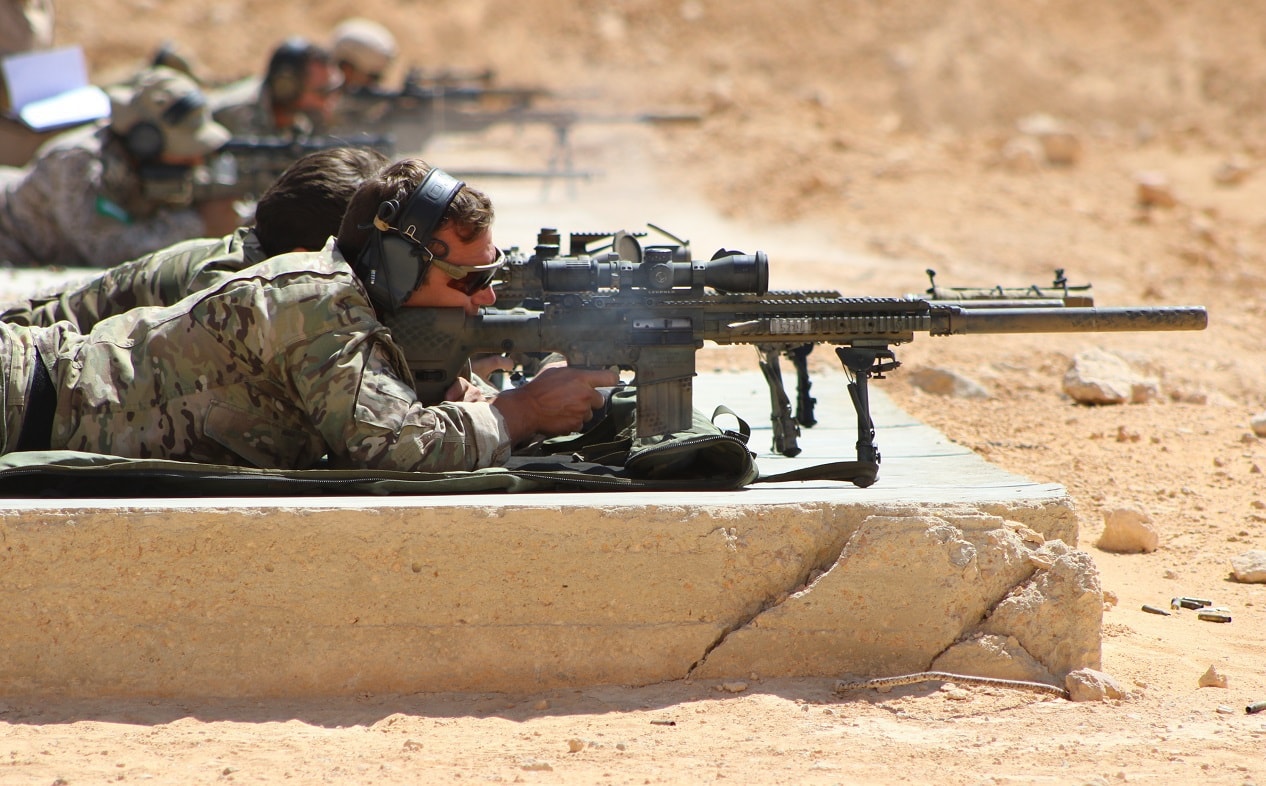
A U.S. Green Beret fires an M110 Semi-Automatic Sniper System during Exercise Bright Star 2021, Sept. 5, at Mohamed Naguib Military Base, Egypt. The exercise enables U.S. and partner forces to learn one another’s weapons systems while promoting regional security and cooperation, using interoperability and irregular warfare throughout the full range of military operations. (U.S. Army photo by Staff Sgt. Dean Gannon)
Troops are being forced to adjust their tactics; traditional concealment techniques, like hiding in vegetation or using terrain, which were sufficient through most of human history, are suddenly inadequate because persistent drone coverage can track heat signatures and subtle movements. Electronic emissions are also a giveaway now; radios and other devices can be tracked, revealing troop positions.
The net effect is a battlefield where hiding has become increasingly difficult, requiring the minimization of every detectable signature.
Why the Green Berets?
The Green Berets are an Army Special Forces unit trained for unconventional warfare, often behind enemy lines and in small, autonomous teams.
Historically, the Green Berets’ advantage has been their ability to move undetected, embed with local forces, and operate independently with speed and precision.
Exercises like Deep Strike are a valuable test to gauge whether traditional Green Beret tactics hold up on a battlefield with modern surveillance technology.
The Green Beret mission is expected to stay the same, but significant adaptations will be required; avoiding patrols is no longer sufficient to remain hidden—operators must now evade a network of sensors, drones, and electronic systems.
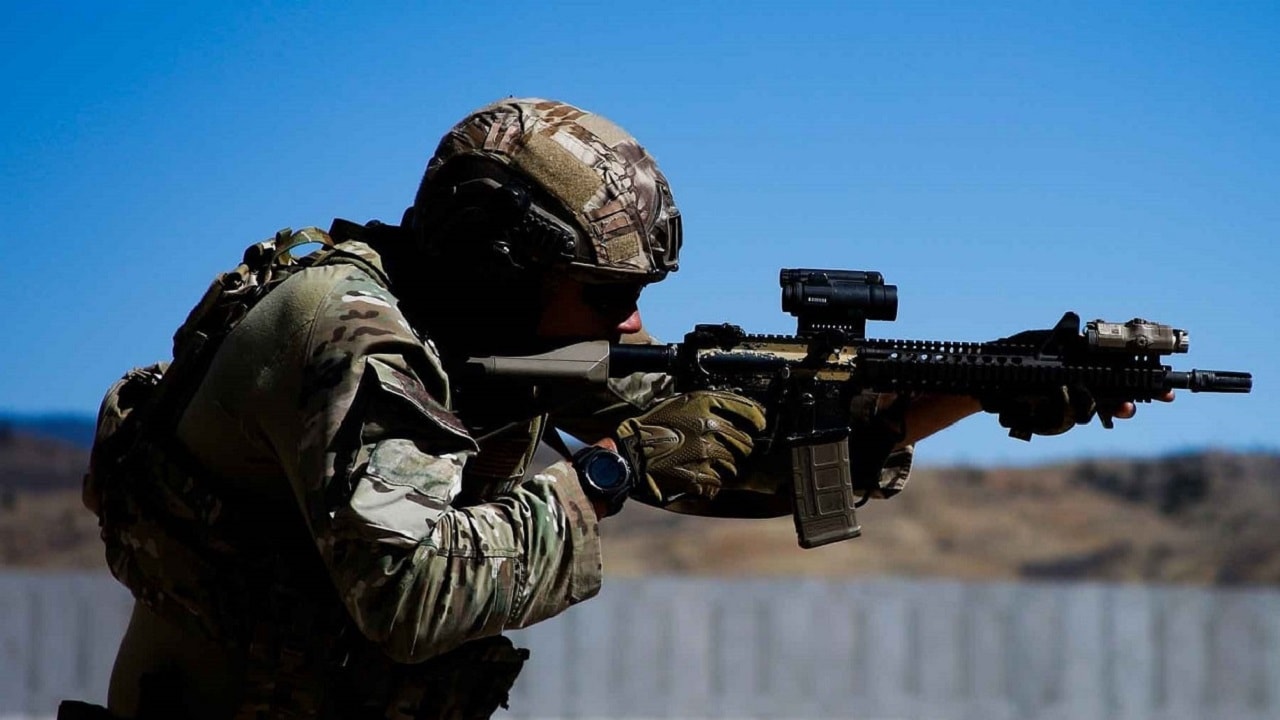
US Green Berets. Image Credit: Creative Commons.
Deep Strike specifically tested several key tactical adaptations, including signature reduction, movement discipline, camouflage techniques, and drone integration.
The goal was to minimize heat, sound, and electronic emissions, to move slowly, at night, with the terrain, and to blend into the environment both visually and thermally.
Strategic Implications
The exercise highlights a clearly emerging shift in warfare, in which battlefields are becoming sensor- and network-dominated. Special operations forces, once defined by stealth and invisibility, are going to face environments where hiding is significantly harder.
Against near-peer adversaries like Russia or China, which will have high-volume, persistent surveillance networks, US special forces will have an exceedingly difficult time remaining hidden.
Exercise Deep Strike is an effort to adapt and ensure special forces remain effective in future conflicts.
About the Author: Harrison Kass
Harrison Kass is a writer and attorney focused on national security, technology, and political culture. His work has appeared in City Journal, The Hill, Quillette, The Spectator, and The Cipher Brief. He holds a JD from the University of Oregon and a master’s in Global & Joint Program Studies from NYU. More at harrisonkass.com.