
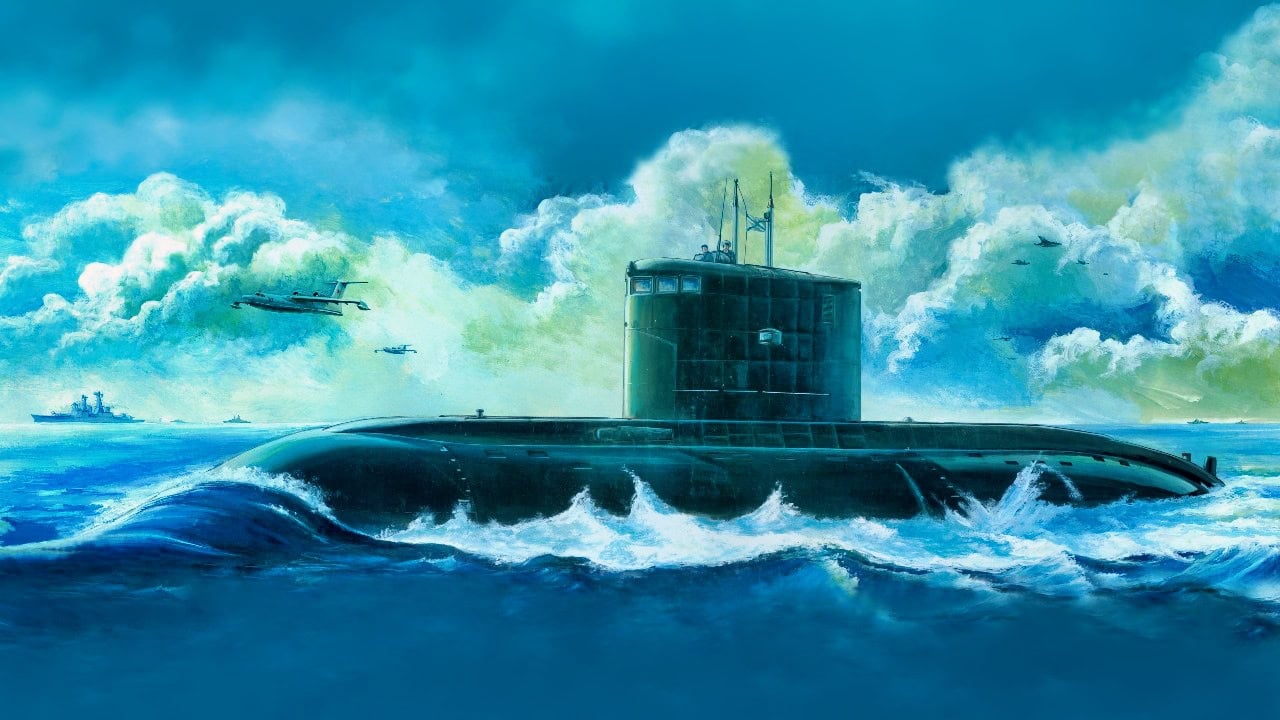
A Swedish fighter jet on April 10 intercepted a Russian submarine transiting one of Northern Europe’s most critical maritime corridors. A Saab JAS 39 Gripen fighter operated by the Swedish Air Force tracked a Russian Navy Kilo-class submarine, commonly known as the ‘black hole‘ for its supposed stealth capabilities, as the boat moved through the Kattegat—the narrow stretch of water separating the Swedish coast from Denmark and linking the North Sea with the Baltic Sea.
The Swedish Armed Forces said the aircraft shadowed the submarine’s movements while allied forces coordinated monitoring operations as the vessel continued into the Baltic.
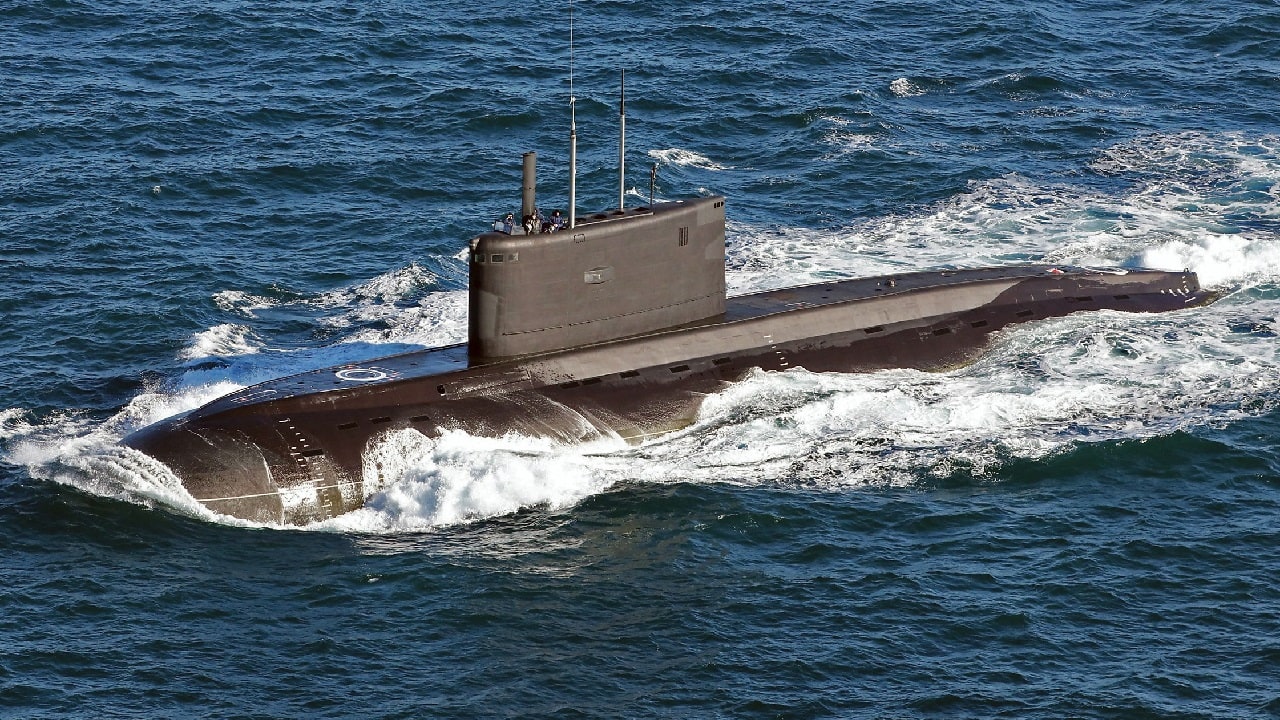
Pictured is a Kilo-Class Russian Submarine in the English Channel. The image was taken from Royal Navy Wildcat HMA2 Helicopter of 815 Naval Air Squadron. Kilo class is the NATO reporting name for the diesel-electric attack submarine.
The news comes as the Baltic continues to see a marked increase in Russian submarine and surface activity. NATO forces, in response, have intensified their surveillance of maritime choke points and various undersea routes. The Kattegat in particular has become a persistent focus for Western maritime surveillance, since it may serve as a gateway for Russian vessels entering or exiting the Baltic from the open ocean.
The official X account of the Swedish Armed Forces confirmed the interception in an April 10 post.
“Swedish fighter jets tracking Russian submarine in the Kattegat. On Friday, Swedish JAS 39 Gripen intercepted a Russian Kilo-class submarine in the Kattegat. Together with allies, we are now monitoring the submarine’s continued route into the Baltic Sea,” the post reads.
The interception also comes amid NATO efforts to monitor Russian naval movements following a series of suspected attacks on undersea infrastructure in Northern Europe, including the targeting of gas pipelines and communication cables.
What Happened in the Kattegat: Kilo vs. JAS 39 Gripen
The Swedish Armed Forces released images showing two Gripen fighter jets flying above a surfaced Russian Kilo-class submarine as it moved through the Kattegat.
Swedish officials have portrayed the incident as a routine monitoring operation aimed at maintaining situational awareness and protecting territorial integrity, rather than an aggressive exchange.
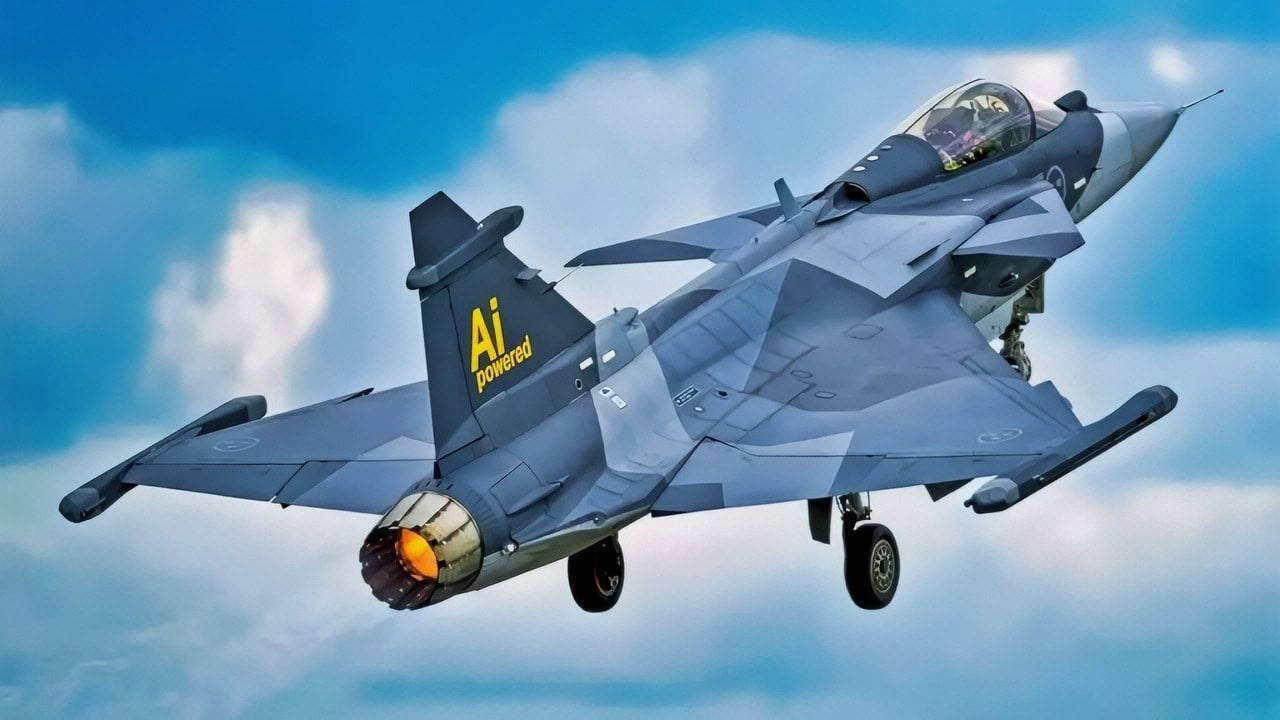
JAS 39 Gripen E Fighter. Image Credit: Creative Commons.
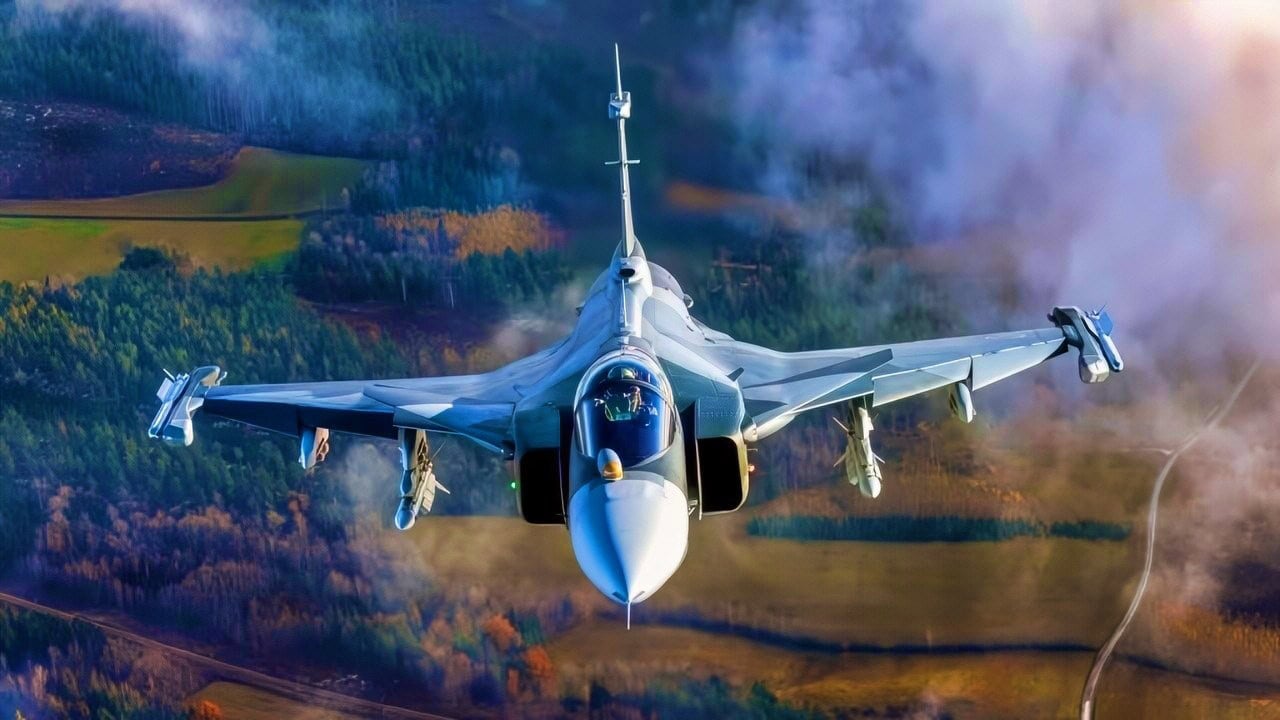
SAAB JAS 39 Gripen Fighter. Image Credit: Creative Commons.
They also confirmed that allied forces tracked the submarine as it continued into the Baltic.
Along with the Øresund and the Great Belt straits, the Kattegat forms one of the only maritime routes connecting the Baltic Sea to the North Sea and the Atlantic.
That makes it a crucial location for monitoring Russian naval movement.
Tracking movements in this way requires significant coordination—it involves more than simply locating a vessel.
An intercept in this context means that the aircraft established contact with the vessel, confirmed its identity, photographed it, monitored its course, and shared data with allied naval forces. It is part of routine maritime domain awareness and deterrence efforts.
Black Hole: The Kilo-Class Submarine’s Capabilities and Limitations
The Kilo-class is a diesel-electric attack submarine first introduced during the Cold War.
It is known for its quiet operation (many, however, dispute this), earning it the nickname “Black Hole” in NATO circles.
It is designed to operate stealthily in coastal and enclosed waters.
The submarines use diesel engines to charge large battery banks, allowing them to run silently underwater for extended periods.
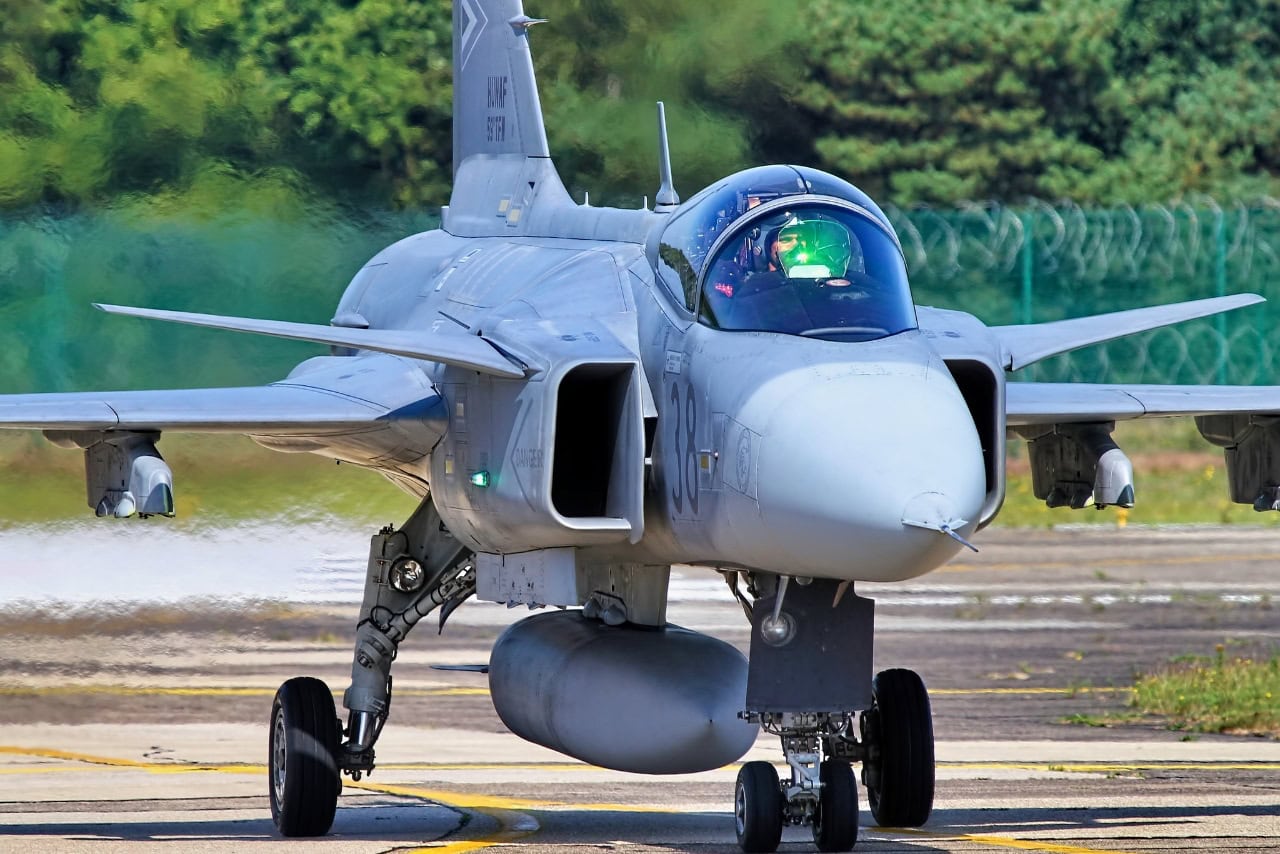
JAS 39 Gripen. Image Credit: Creative Commons.
However, unlike nuclear-powered submarines, they must periodically surface or snorkel to recharge batteries, which increases their vulnerability to detection.
Modern Kilo variants can launch Kalibr cruise missiles, giving them land-attack capability in addition to anti-ship warfare and intelligence collection.
The Kilo’s acoustic signature is further reduced by its clever vibration-isolated machinery and hydrodynamic shaping, which reduce the noise it makes as it travels and the noise its internal machinery emits. E
ven so, its lack of an air-independent propulsion system limits its underwater endurance compared to newer non-nuclear submarines operated by countries such as Japan and South Korea.
Despite its limitations, the Kilo-class submarine is a very capable machine and remains an effective platform for sea denial and intelligence gathering. It is also equipped to conduct strike missions, especially in restricted waters such as the Baltic.
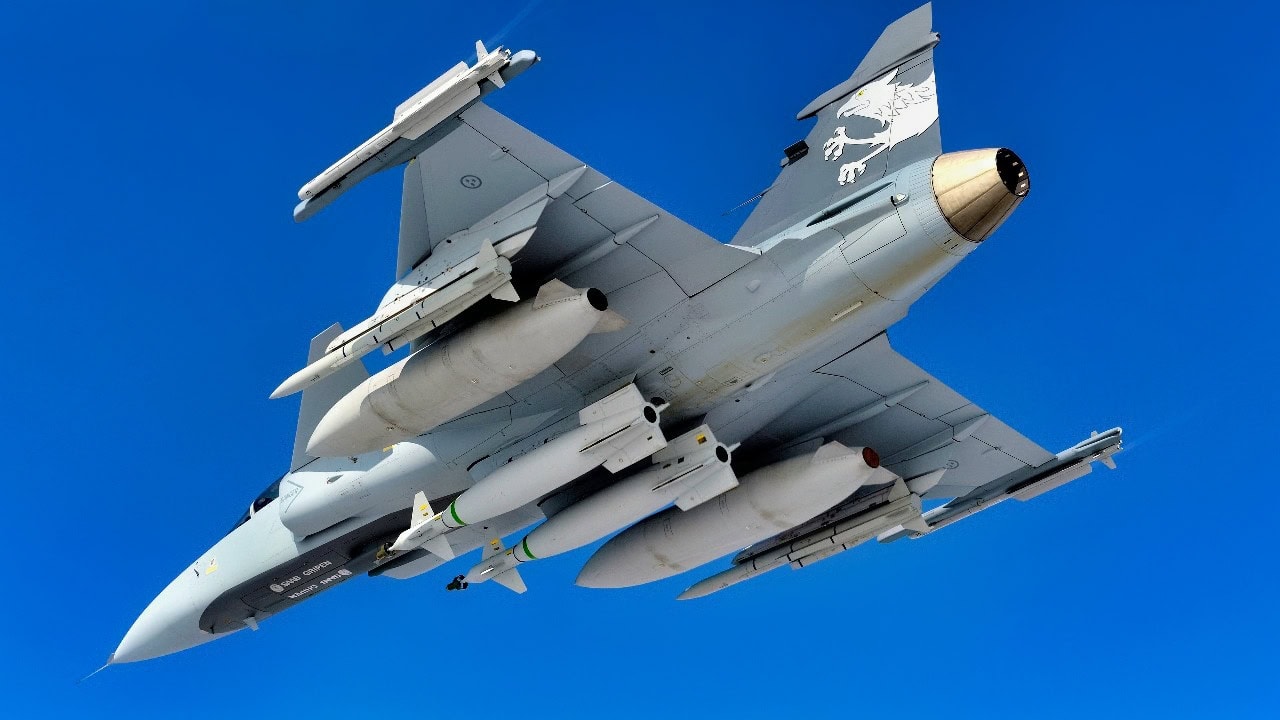
JAS 39 Gripen. Image Credit: Creative Commons.
Why Sweden Used the Gripen Fighter Jet
Sweden’s use of the Gripen fighter jet for such monitoring missions should not come as a surprise.
The Gripen is a lightweight, multirole fighter designed for dispersed operations.
The fourth-generation fighter can take off from short runways and even highways, and it is designed for rapid turnaround by small ground crews.
That makes it well-suited for quick-reaction alert missions, including maritime intercepts like the one just witnessed in the Kattegat.
However, Gripen C/D variants rely on older technologies, including mechanically scanned radar systems rather than modern active electronically scanned array (AESA) radars. Unlike AESA systems, which use hundreds of small transmit/receive modules to steer radar beams almost instantaneously, mechanically scanned radars physically move the antenna to point the beam.
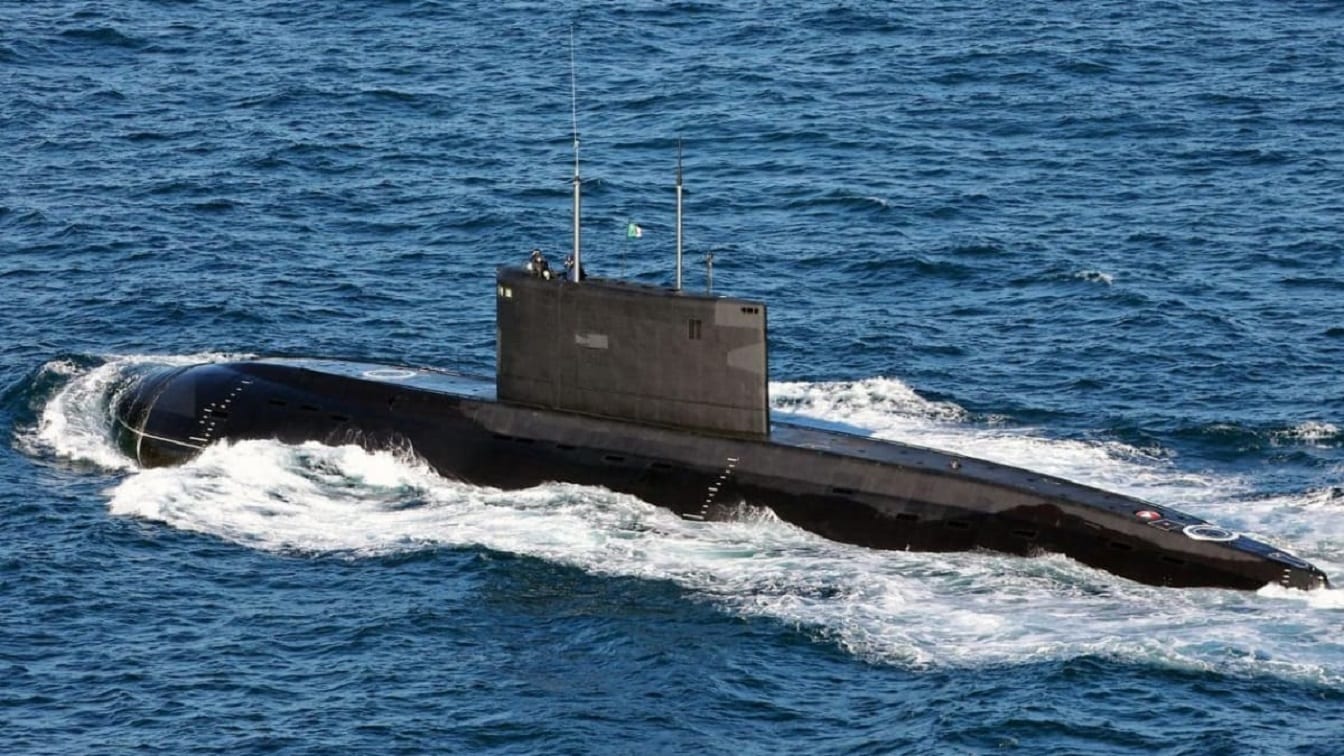
Iran’s Navy Has Kilo-Class Submarines. Image Credit: Creative Commons.
Mechanical steering slows tracking speed and reduces the number of simultaneous targets that can be tracked. Not only is this method less effective, but it also makes the radar more vulnerable to jamming and detection
. The newer Saab JAS 39 Gripen E variant—the one currently being considered for purchase by Canada—introduces AESA radar and improved electronic warfare capabilities. However, Sweden has only recently begun fielding this version, and in limited numbers.
During maritime surveillance missions, fighters like the Gripen will often work alongside surface vessels and coastal radar networks—and potentially, allied aircraft—to establish a shared operational picture. In this most recent incident, Swedish Visby-class corvette vessels also tracked the submarine.
Baltic Security After Sweden and Finland Joined NATO
The Baltic Sea has quickly become one of the most contested maritime regions in Europe, and the most recent interception is just one example of how the security environment there has changed. After Finland joined NATO in April 2023 and Sweden followed in March 2024, the alliance now has members along almost the entire Baltic coastline.
That has changed the operating environment for the Russian Navy, which is one reason Russia long opposed the accession of those two countries to NATO. The addition of these member-states has reduced the number of areas in the region where Russia’s vessels can operate without being observed.
Russian submarines departing from Kaliningrad or transiting to and from the North Atlantic must now pass through waters monitored by several NATO member states, including Sweden, Finland, Denmark, Germany, and Poland.
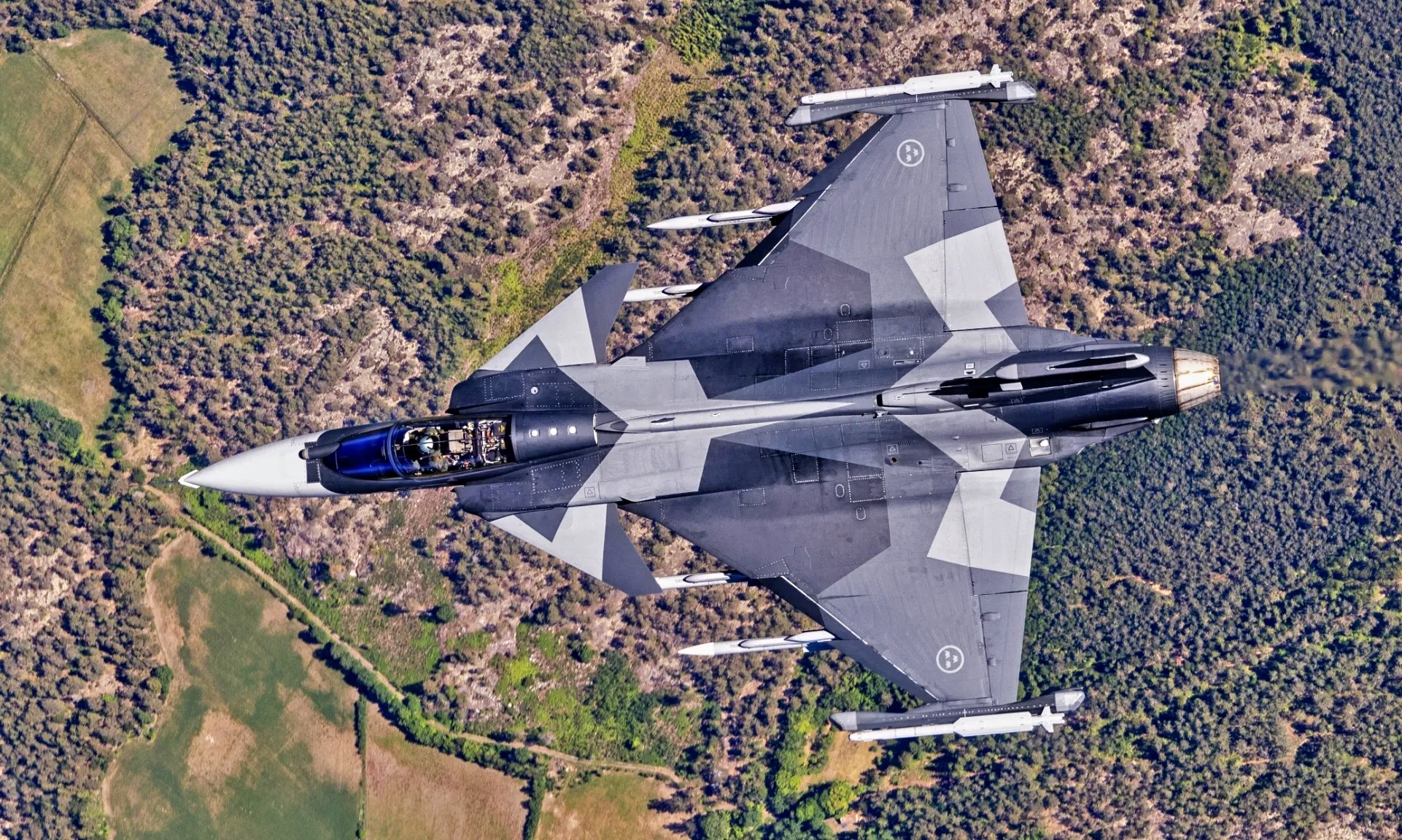
Saab JAS 39 Gripen E. Image from Saab.
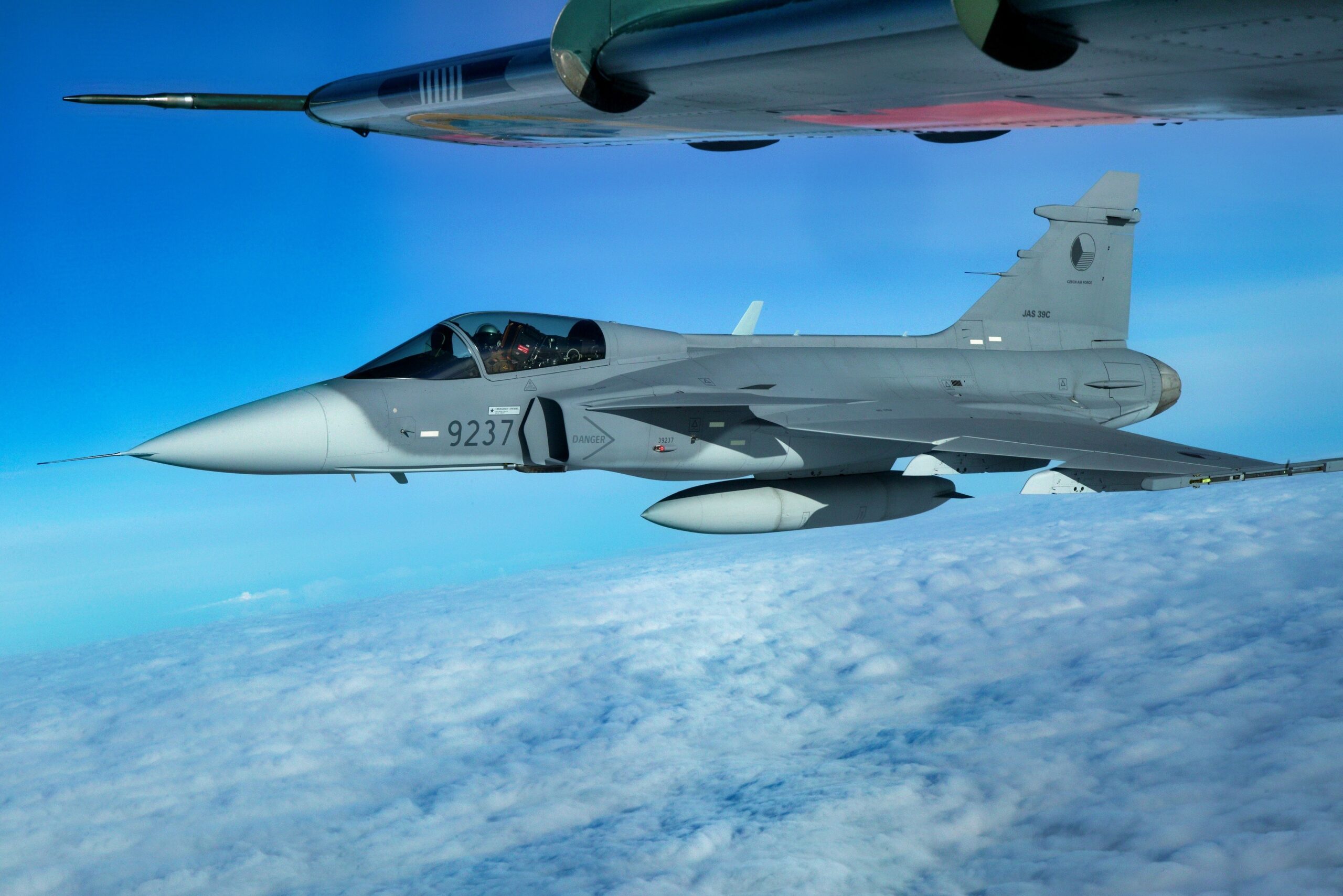
JAS 39 Gripen. Image Credit: Saab.
Russia no longer has the freedom to maneuver the way it did before, because while its submarines and ships may pass, they will be monitored when they do.
Russia’s submarine operations in the Baltic are conducted primarily by the Baltic Fleet, headquartered in Kaliningrad.
The Baltic Fleet operates multiple Kilo-class submarines capable of anti-ship, anti-submarine, and land-attack missions.
While the Kilo-class lacks the long endurance of nuclear-powered submarines, its relatively small acoustic signature and ability to launch 3M-54 Kalibr cruise missiles from torpedo tubes make it a significant threat in a confined maritime environment such as the Baltic.
About the Author: Jack Buckby
Jack Buckby is a British researcher and analyst specializing in defense and national security, based in New York. His work focuses on military capability, procurement, and strategic competition, producing and editing analysis for policy and defense audiences. He brings extensive editorial experience, with a career output spanning over 1,000 articles at 19FortyFive and National Security Journal, and has previously authored books and papers on extremism and deradicalization.