
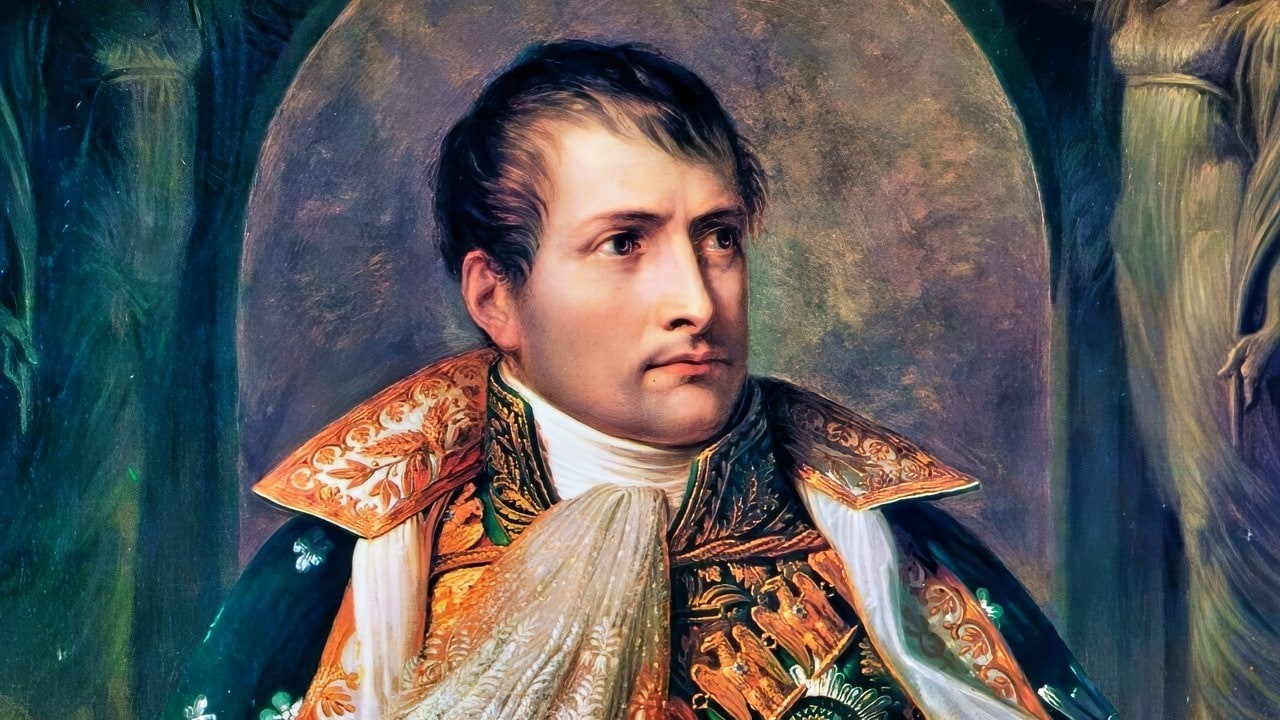
Key Points and Summary: “A soldier will fight long and hard for a bit of colored ribbon.” Napoleon Bonaparte made the observation aboard HMS Bellerophon on July 15, 1815, in conversation with British Royal Navy Captain Frederick Lewis Maitland, who commanded the 74-gun ship of the line transporting the defeated French Emperor to exile following his June 18 defeat at Waterloo. The quote captures one of Napoleon’s most consequential administrative innovations: the Legion of Honor (Légion d’honneur), the system of French military and civilian awards that Napoleon established by decree on May 19, 1802, and personally awarded for the first time on July 15, 1804.
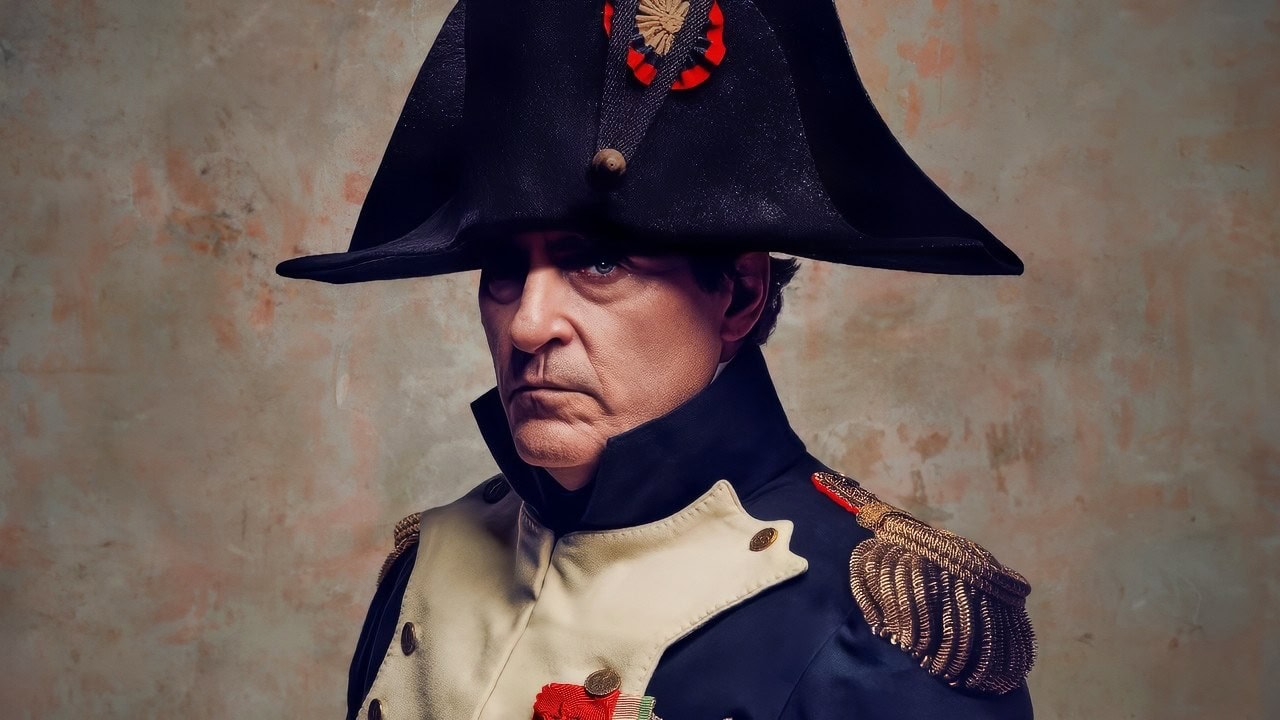
Napoleon Movie Poster Image. Image Credit: Industry Handout.

Napoleon with the Crown. Image Credit: Creative Commons.
Napoleon’s Quote of the Day and the History Behind It
“A soldier will fight long and hard for a bit of colored ribbon.” – Napoleon Bonaparte
Napoleon Bonaparte was one of the most brilliant and influential military commanders of the nineteenth century.
With an impeccable understanding of battlefield tactics and a well-coordinated army, Napoleon dominated continental Europe.
Despite his tactical brilliance, Napoleon was not immune to poor decision-making.
Over the course of his career, he made a number of tactical and strategic mistakes that eventually culminated in his final defeat at Waterloo.
Early Life and Education
Napoleon was born on August 15, 1769, in Ajaccio, Corsica, shortly after the island became part of France. His family belonged to the lower ranks of the Corsican nobility, possessing little wealth but enough status to secure him an education in France.
From an early age, Napoleon showed exceptional intelligence, particularly in mathematics, geography, and military history. Yet he also grew up isolated, marked by his Corsican identity and accent, which set him apart from his French peers and fueled a lifelong sense of resentment and determination.
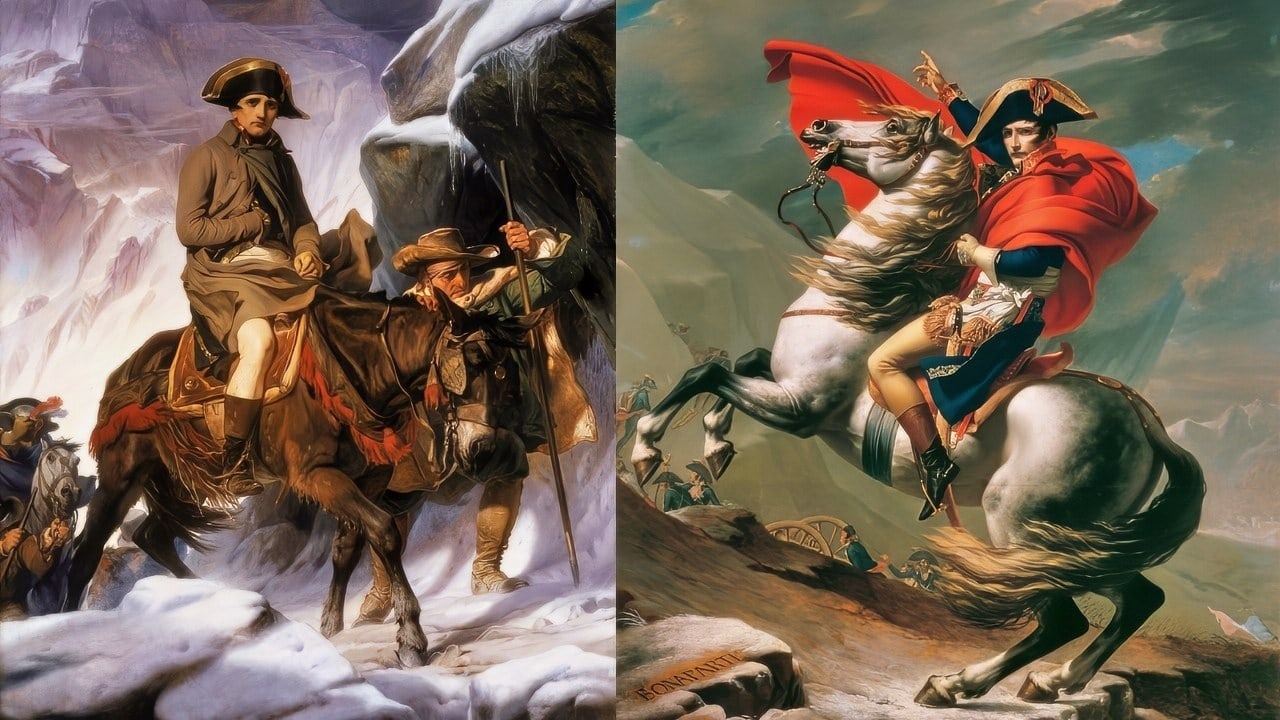
Napoleon Quote of The Day Two Looks. Image Credit: Creative Commons.
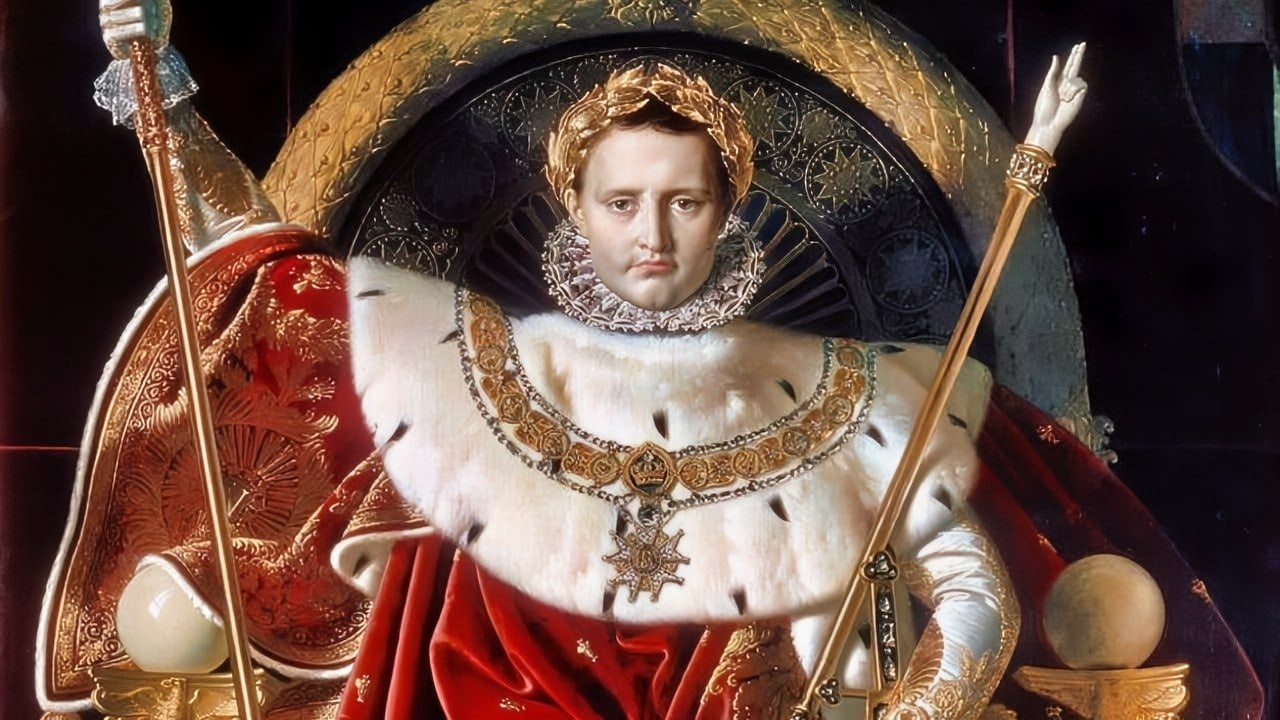
Napoleon the Emperor. Image Credit: Creative Commons.
He trained as an artillery officer, honing his skills of logic, precision, and calculation.
His military education would provide him with the necessary skills to wage his ambitious campaigns later in life. Napoleon was cautious of the French Revolution in 1798, but it provided him with an opportunity to make a name for himself. The collapse of aristocratic privilege allowed talent to rise over birth, and Napoleon’s skill and ruthlessness positioned him perfectly to exploit this shift.
Ascension to Power and the Creation of Empire
In 1804, Napoleon crowned himself Emperor in Notre-Dame Cathedral. Whereas past French monarchs had been crowned by the Pope, he decided to crown himself to proclaim his near divine status. Over the next decade, he claimed victory after victory in Continental Europe.
Battles such as Austerlitz, Jena, and Friedland showcased his mastery of maneuver warfare and his ability to command massive armies with apparent ease. Napoleon dismantled old kingdoms, installed family members as rulers, and redrew the political map of Europe.
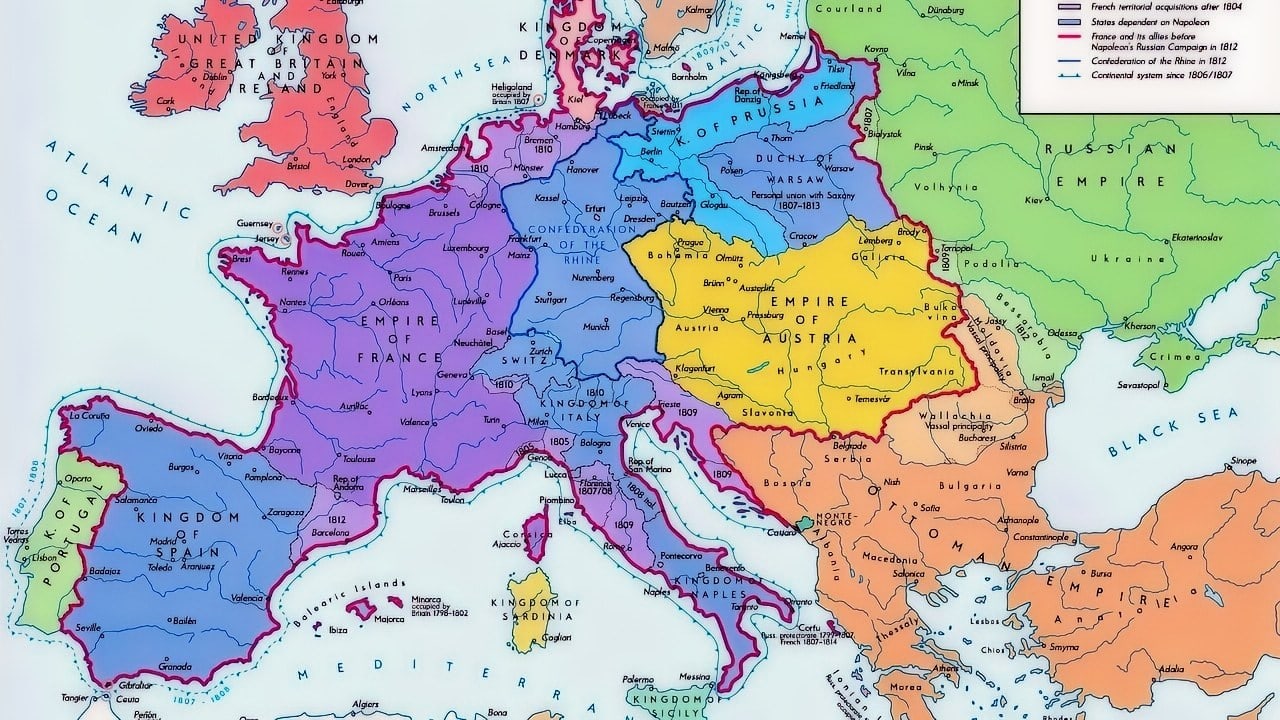
Map of Napoleon’s Empire. Image Credit: Creative Commons.
At the same time, Napoleon was also fairly competent as a statesman. The Napoleonic Code established legal equality for men, standardized contracts, protected property rights, and dismantled feudal privileges. His administrative system centralized authority, modernized taxation, and promoted meritocracy. These achievements changed the social fabric of France, and even opponents of Napoleon’s wars would later acknowledge his lasting impact.
Collapse of the Empire and First Exile
Following the disastrous invasion of Russia in 1811, Europe once again united against Napoleon. Many of his former allies would join the new European coalition, and although he fought a series of brilliant defensive campaigns in 1813, he could not overcome the numerical superiority of the Sixth Coalition.
The decisive defeat came at Leipzig, after which allied armies advanced into France. In 1814, Paris was occupied, and Napoleon abdicated the throne.
Rather than executing or imprisoning him, the coalition exiled Napoleon to the small Mediterranean island of Elba, granting him sovereignty over it. The exile deeply humiliated him, although he lived in surprisingly generous conditions.
He remained well informed, watching as the restored Bourbon monarchy reversed many of his reforms and restored the pre-revolution status quo. Veterans, reformers, and ordinary citizens increasingly viewed Napoleon as preferable to the old regime.
Return From Exile
It was therefore not surprising when Napoleon returned to France and easily reclaimed power. In February 1815, Napoleon escaped from Elba and returned to France. During his march toward Paris, he successfully persuaded the soldiers sent to arrest him to join his cause.
King Louis XVIII fled, and Napoleon reclaimed power without firing a shot. Yet his position was fragile. Europe’s powers, determined to end his rule permanently, mobilized their armies.
Napoleon knew his time was limited. Rather than wait for an invasion, he marched into Belgium to defeat the allied forces before they could unite. His army still contained experienced veterans, but it lacked the cohesion that had made his earlier campaigns so successful.
Moreover, Napoleon himself was no longer the tireless commander of his youth. His health had deteriorated, and his decision-making had slowed noticeably.
The Battle of Waterloo
On June 18, 1815, near the village of Waterloo, Napoleon confronted the Anglo-Allied army under the Duke of Wellington. What was supposed to be a quick, decisive engagement turned into a full day of brutal fighting.
Napoleon delayed the attack due to rain-soaked ground, allowing Prussian forces under Gebhard Leberecht von Blücher time to arrive and reinforce the British. Despite fighting hard, the French were poorly coordinated, and particularly costly cavalry charges were launched without proper infantry support.
As the battle wore on, Wellington’s forces held their defensive positions, absorbing attacks while awaiting Prussian reinforcements. When the Prussians arrived in the late afternoon, they struck Napoleon’s flank and shattered his carefully balanced plans.
Napoleon committed his last reserve, the Imperial Guard, in a final attempt to break the enemy line. Their repulse had made one thing clear: the offensive was a failure. By nightfall, the retreat had become a rout.
Final Exile and Death
Waterloo ended Napoleon’s reign forever. He abdicated again, hoping for exile in Britain or America, but the Coalition, not wanting to risk his return, instead exiled him to Saint Helena.
Saint Helena was a small, remote island in the South Atlantic, thousands of miles away from civilization. There, cut off from Europe and under constant surveillance, Napoleon spent his final years reflecting on his life and shaping his legacy through dictated memoirs.
At Saint Helena, Napoleon spiraled into loneliness and depression. He devoted the remainder of his days to writing, trying desperately to preserve his legacy and justify his actions and conquests.
He died on May 5, 1821, at the age of fifty-one. Despite being one of the most influential figures in modern European history, Napoleon died while secluded on a small island far away from his former subjects.
About the Author: Isaac Seitz
Isaac Seitz, a Defense Columnist, graduated from Patrick Henry College’s Strategic Intelligence and National Security program. He has also studied Russian at Middlebury Language Schools and has worked as an intelligence Analyst in the private sector.

