
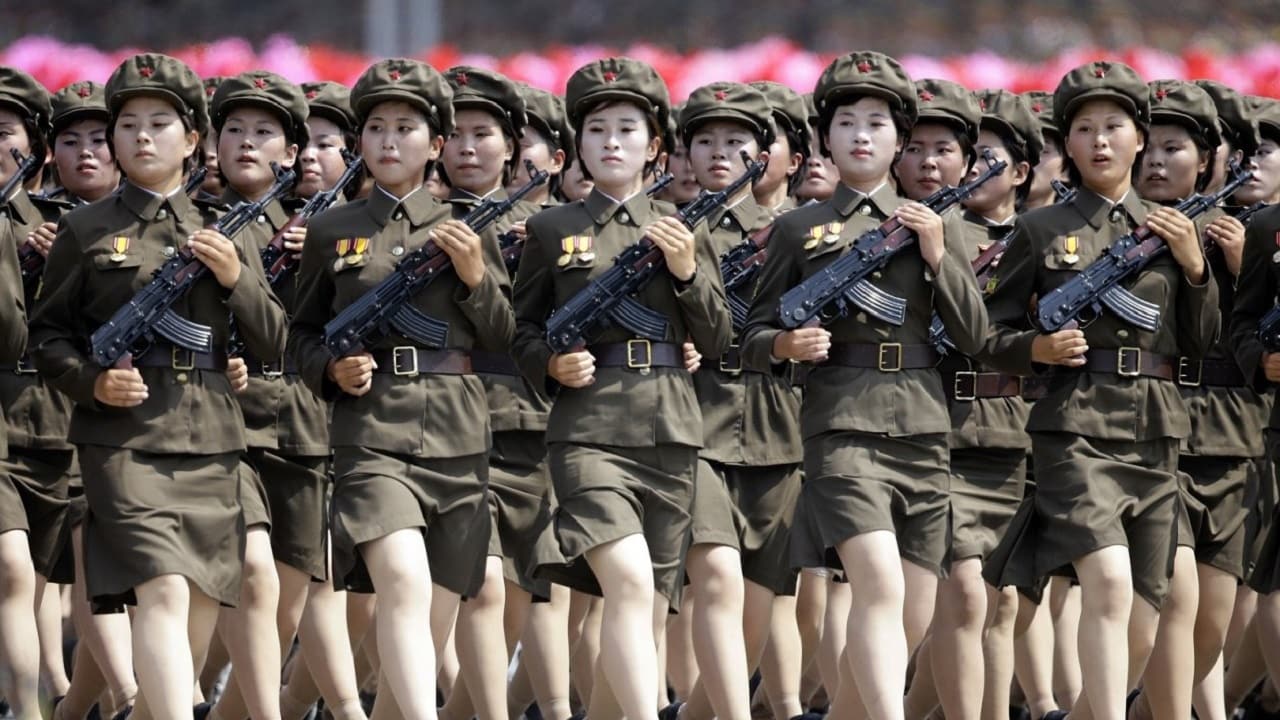
World War III over a Tree Near North Korea? It Almost Happened: The DMZ tree incident, or “axe murderer incident,” occurred on August 18, 1976, when North Korean soldiers killed two U.S. Army officers, Capt. Arthur Bonifas and 1st Lt. Mark Barrett, with axes, while supervising troops trimming a poplar tree in the Joint Security Area (JSA).
The tree blocked the view between UN checkpoints of the Demilitarized Zone.
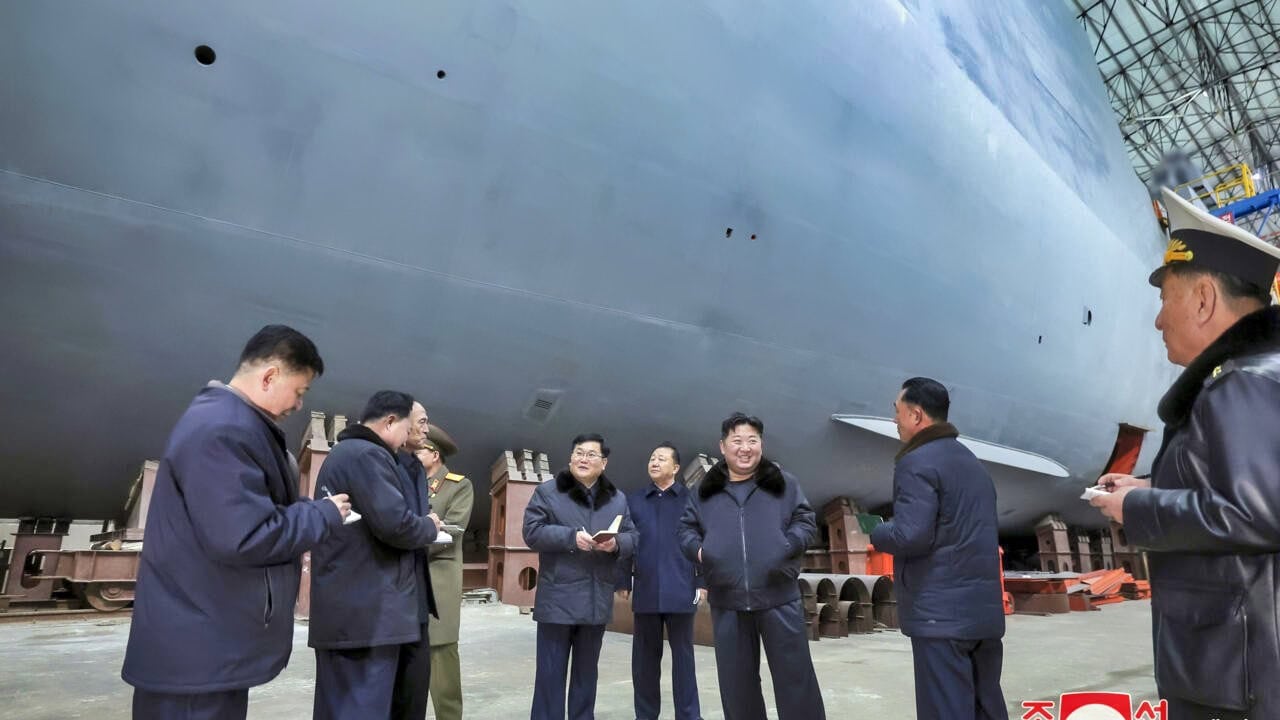
North Korea Submarine KCNA Media Photo.
The incident took place 23 years after the end of the Korean War, and nearly erupted on the peninsula in fresh fighting. This followed years of North Korean threats and provocations.
The Incident Background:
A small neutral camp, the Joint Security Area (JSA), lies on the border between North and South Korea in the Demilitarized Zone (DMZ). Both were created under the terms of the 1953 armistice that ended the Korean War.
The Korean Demilitarized Zone (DMZ) is a 250-kilometer (160-mile) long, 4-kilometer (2.5-mile) wide buffer zone established in 1953 to separate North and South Korea. It acts as a heavily fortified, de facto border surrounded by landmines and troops.
The JSA, also called Panmunjom or the Truce Village, is where negotiations between the two sides take place.
Beginning in the spring of 1976, the North Korean government broadcast nearly daily propaganda claiming the U.S. was committing aggression and threatening peace.
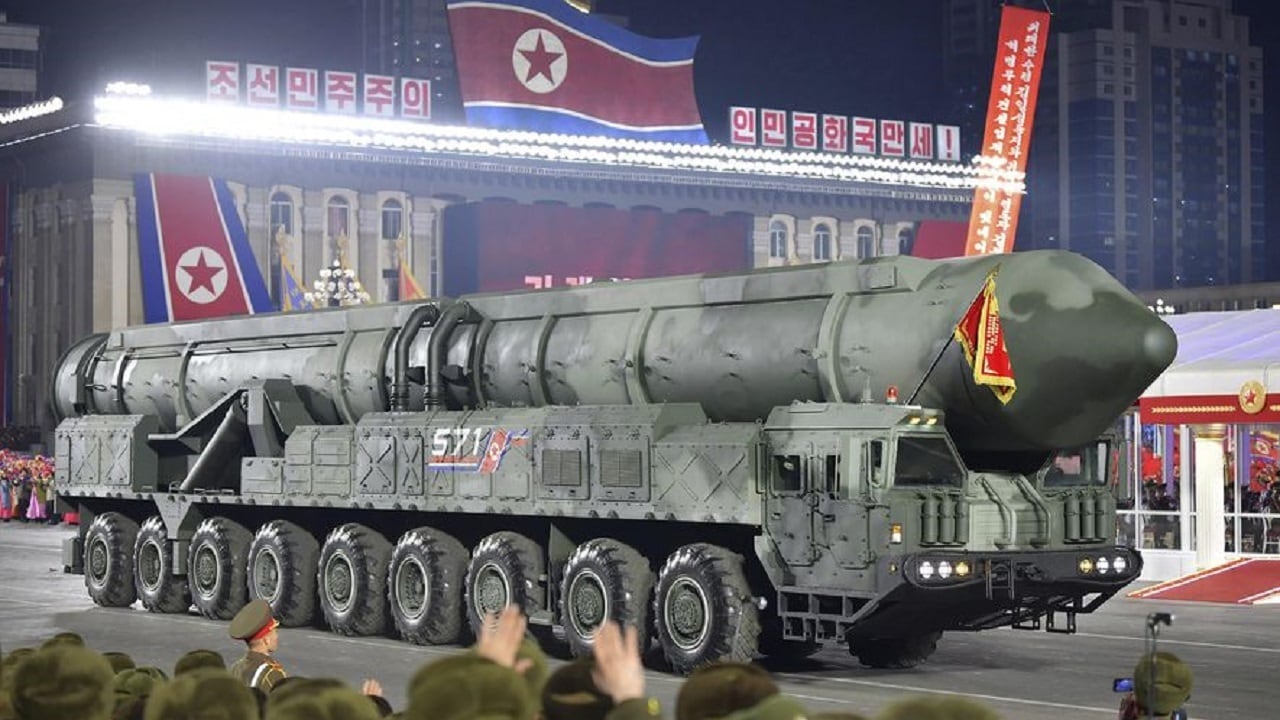
Image Credit: KCNA/North Korean Government.
On August 5th, after a shooting between North and South Korean soldiers in the DMZ, the North Koreans released a memo claiming that the U.S. was introducing new weapons to the Korean peninsula and was attempting to instigate a war.
The Washington Special Action Group (WSAG) received a report for the August 18, 1976, meeting that assessed that the North Koreans were trying to influence the upcoming American presidential election by trying to initiate fighting between North Korea and the United States.
The WSAG believed that North Korea hoped that American casualties would cause the American public to oppose the continued presence of U.S. troops on the peninsula.
Both sides watched each other across the DMZ, and it just so happened that a nearly 100-foot poplar tree began to block the view between a checkpoint and an observation post. A team of US and South Korean men was ordered to prune it back.
About 15 North Korean troops appeared and objected, claiming any landscaping work required permission from both parties. When the US troops, under the command of CPT Bonifas, returned, North Korean troops appeared and demanded that they stop the pruning of the tree.
When Bonifas ignored them, the North Koreans, led by Senior Lt. Pak Cheol, sent for additional troops, and 20 more troops armed with clubs and crowbars sprang into action, took the axes from the troops, and hacked Bonifas and 1LT Barrett to death. Four other Americans and four South Korean soldiers were wounded.
Other Americans and United Nations Command (UNC) troops filmed the entire incident, which CIA reports later stated was a planned attack by the North Korean government.
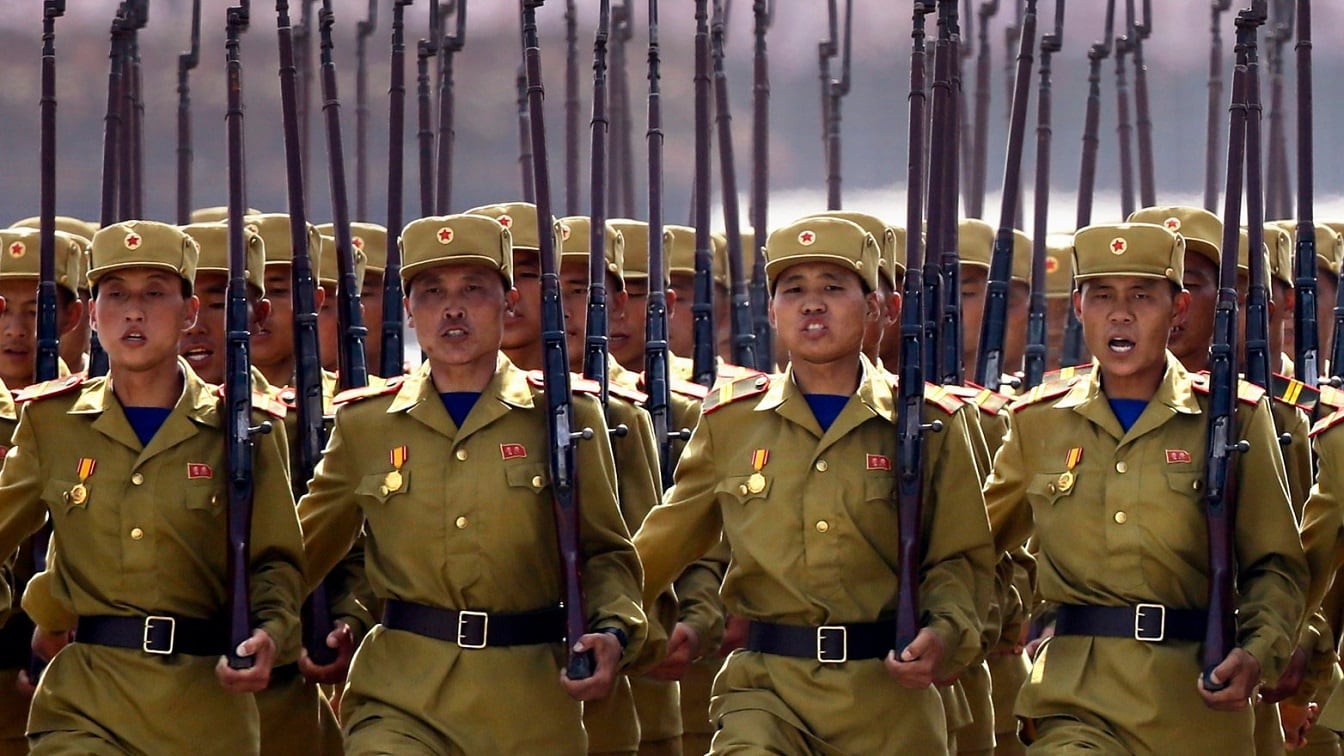
North Korean Military. Image Credit: Creative Commons.
North Korea Claims It Was Attacked:
In a totally false narrative, they began to air reports that it was their troops who were attacked. The statement released by North Korea via its media was full of falsehoods.
“Around 10:45 a.m. today, the Americans sent in 14 soldiers with axes into the Joint Security Area to cut down the trees on their own accord, although such work should be mutually consented beforehand.
Four people from our side went to the spot to warn them not to continue the work without our consent. Against our persuasion, they attacked our guards en masse and committed a serious, provocative act of beating our men, wielding murderous weapons, and depending on the fact that they outnumbered us. Our guards could not but resort to self-defense measures under the circumstances of this reckless provocation.”
Kim Jong Il, the son of the North Korean leader, Kim Il Sung, addressed the Conference of Non-Aligned Nations in Colombo, Sri Lanka, and presented a prepared document describing the incident as an unprovoked attack on North Korean guards that had been led by American officers just hours later.
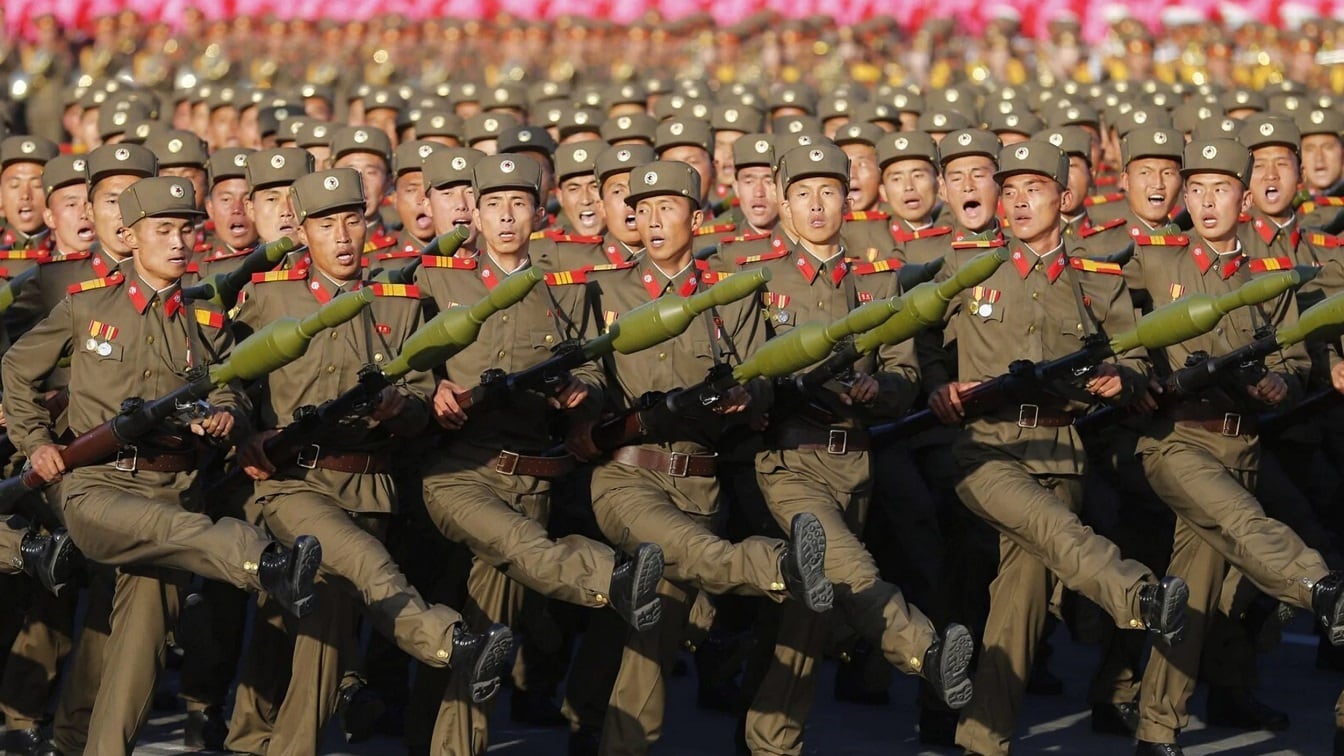
North Korean Special-Operations Forces. Image Credit: Creative Commons.
He then introduced a resolution asking the conference to condemn that day’s grave US provocation, and he called on participants to endorse both the withdrawal of US forces from South Korea and the dissolution of the UNC, which was seconded by Cuba. The conference members passed the resolution.
American Troops In Korea Placed On High Alert:
Sirens went off throughout the DMZ, and troops went to DEFCON 3. Word of the attack quickly reached Washington DC, where Secretary of State Henry Kissinger called for an attack on the North Korean barracks to ensure “a high probability of getting the people who did this”.
“They have killed two Americans, and if we do nothing, they will do it again,” he told a briefing. “We have to do something.”
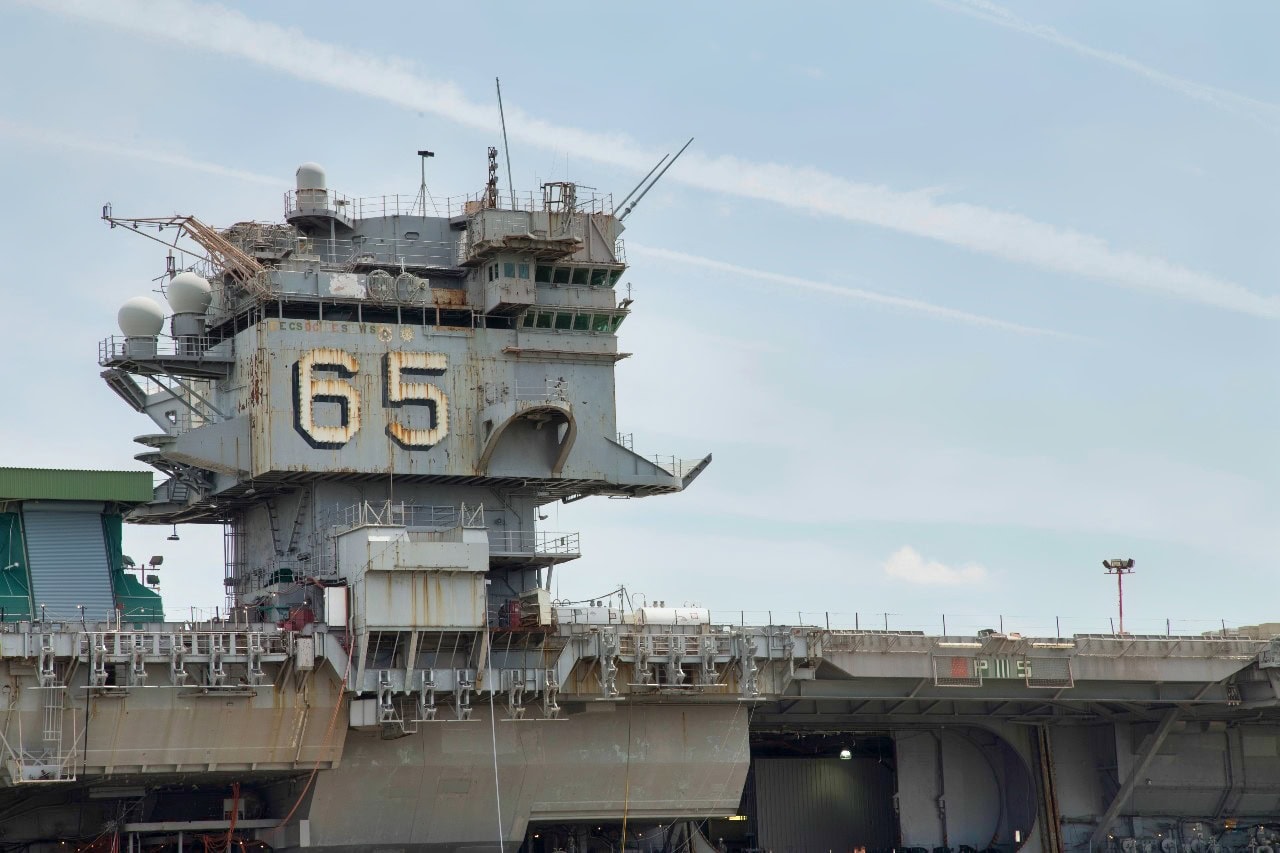
NEWPORT NEWS, Va. (July 15, 2018) — USS Enterprise (CVN 65) sits pierside at Newport News Shipbuilding following its decommissioning in February 2017. (U.S. Navy photo by Mass Communication Specialist 2nd Class Cat Campbell/RELEASED)
South Korean President Park Chung Hee did not want the US to respond militarily. China and Russia both decided to wash their hands of this incident.
But in the end, the US, despite the Commander U.S. Forces in Korea, General Richard Stilwell, wanting to avenge the dead officers by using military force, decided against it.
Operation Paul Bunyan:
President Gerald Ford decided that rather than going back to trim the tree, the US would cut the tree down backed by military force.
The operation began three days after the axe murders on August 21. A convoy of 23 American and South Korean vehicles drove into the JSA at 0700 hrs without any warning to the North Koreans, who had one observation post at that time of day.
Two eight-man teams of combat engineers with chainsaws began to cut down the tree. The teams were augmented by two 30-man security platoons from the Joint Security Force, who were armed with pistols and axe handles.
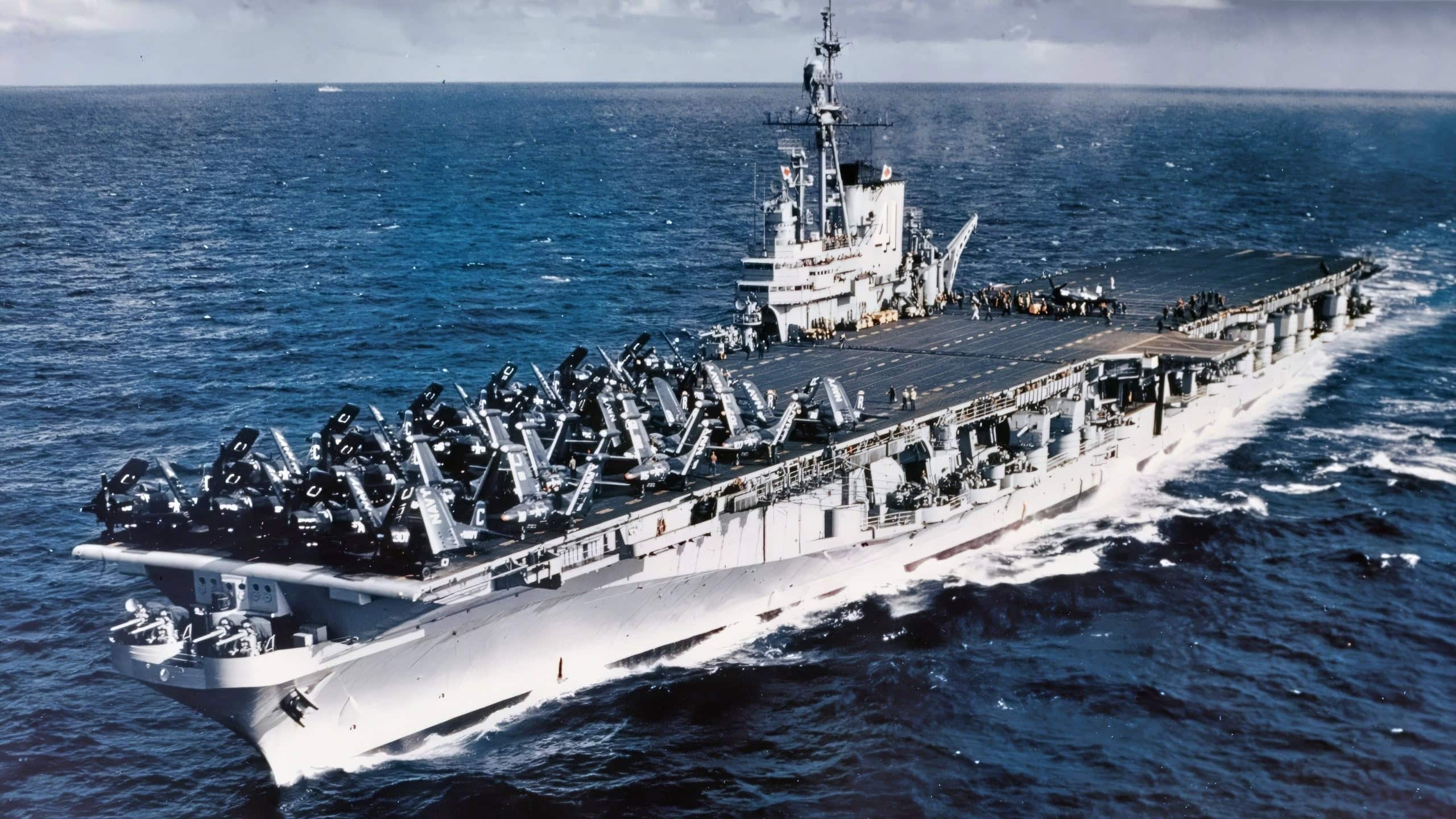
USS Midway Midway-Class Aircraft Carrier
The South Koreans sent a 64-man task force of the ROK Army 1st Special Forces Brigade. Once they arrived, the South Korean SF troops began handing out M16 rifles and M-79 grenade launchers.
Some South Korean SF troops even strapped claymore mines to their chests and held the detonators in their hands, goading the North Koreans to attack.
A US infantry company in 20 UH-1 helicopters and seven Cobra attack helicopters circled behind them. Behind the helicopters, B-52 Stratofortresses arrived from Guam, escorted by US F-4 Phantom IIs, and South Korean F-5 and F-86 fighters were visible flying at high altitude.
F-4Es, F-111 fighter bombers, F-4C, and F-4D Phantoms were also deployed. The aircraft carrier USS Midway task force had also been moved to a station just offshore.
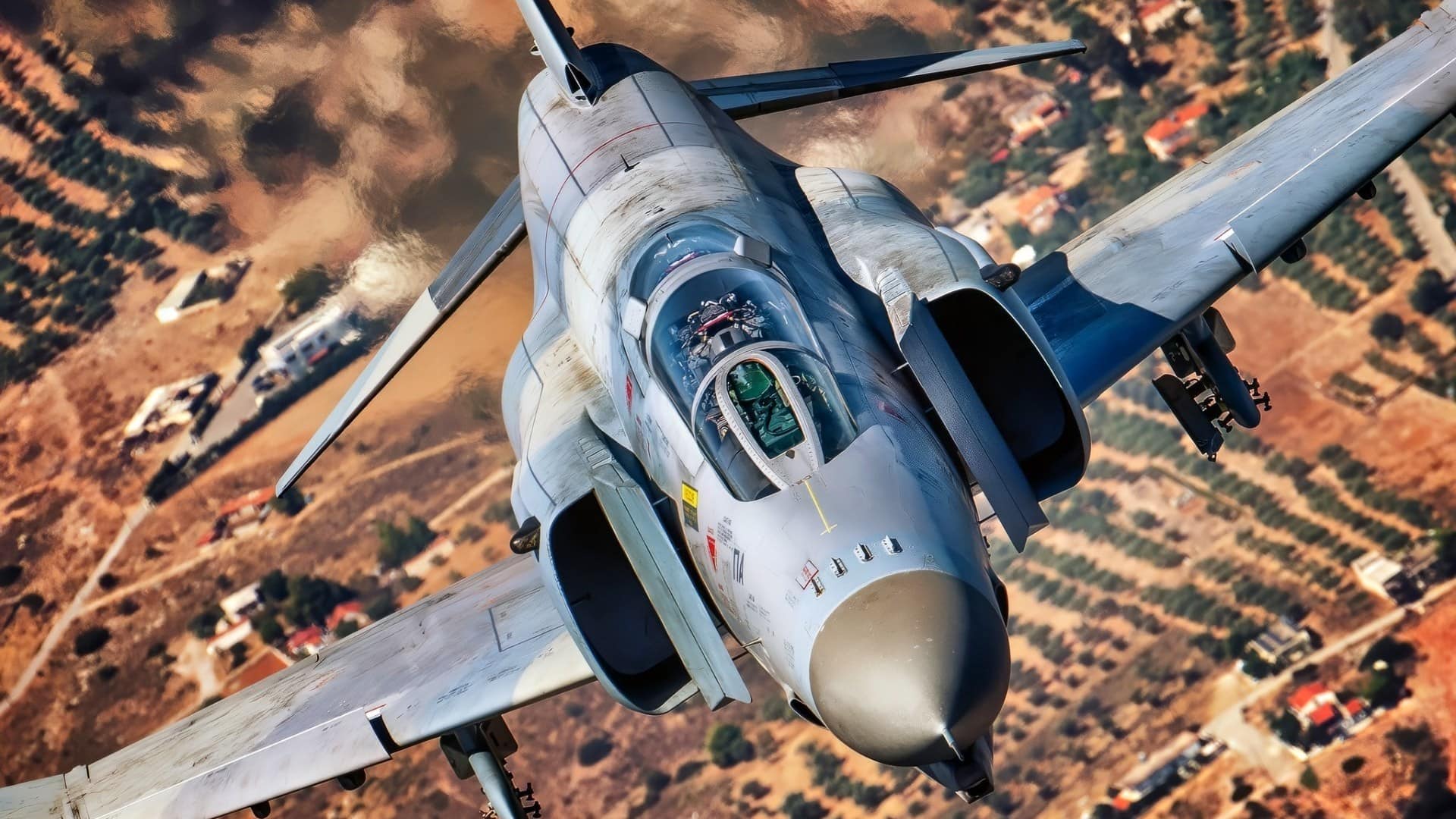
F-4 Phantom Fighter Flying High. Image Credit: Creative Commons.
The North Koreans sent about 200 troops armed with AK-47s and machine guns to the area, but they just watched as the engineers cut down the tree. But they were well aware of the air armada that was standing by.
Later, an intelligence analyst who was monitoring the North Korean communications network stated that the intimidation factor behind the US and South Korean troops that morning “blew their f***ing minds.”
About the Author: Steve Balestrieri
Steve Balestrieri is a National Security Columnist. He served as a US Army Special Forces NCO and Warrant Officer. In addition to writing on defense, he covers the NFL for PatsFans.com and is a member of the Pro Football Writers of America (PFWA). His work was regularly featured in many military publications.