
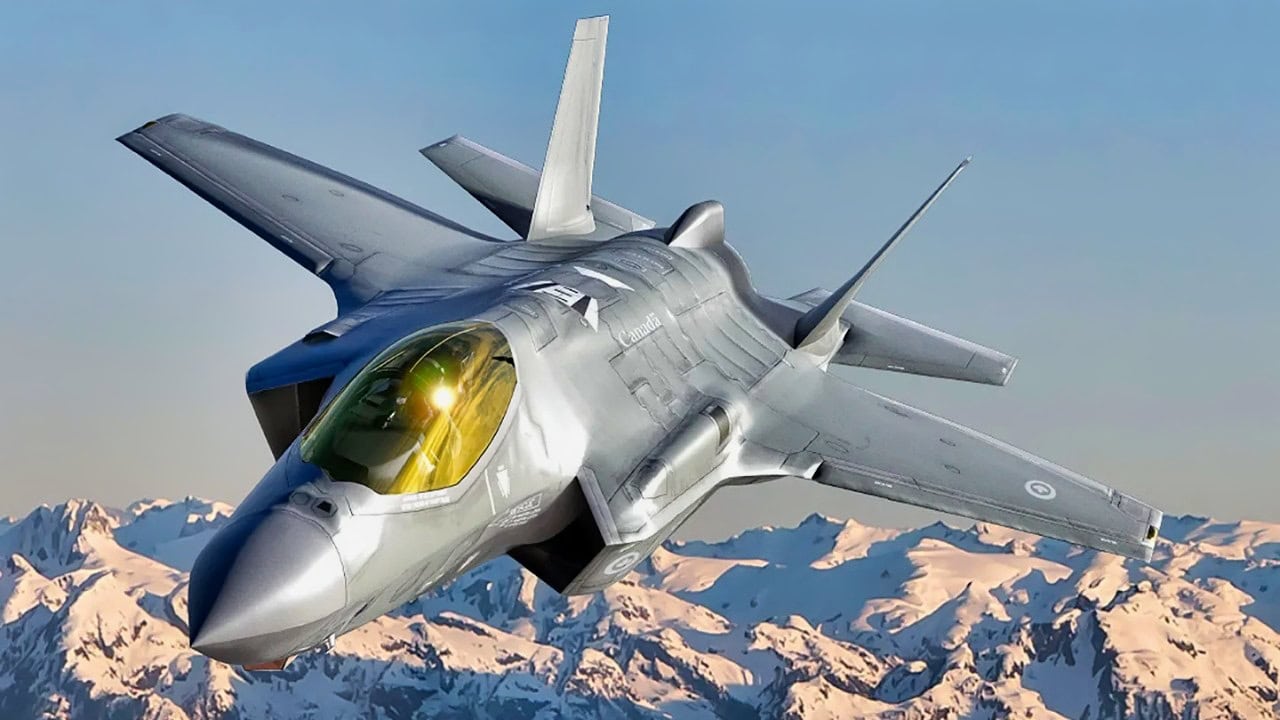
Canada has spent its way off Washington’s list of NATO deadbeats. In Ankara last week, Secretary General Mark Rutte praised Ottawa by name for a two-year, $215 billion spending surge from Canada and the Europeans that he called staggering. Donald Trump, who has spent a decade calling Canada a free rider, had nothing to add. For once, nobody in the room was angry at Ottawa.
The number everyone was applauding measures money. It does not measure the military.
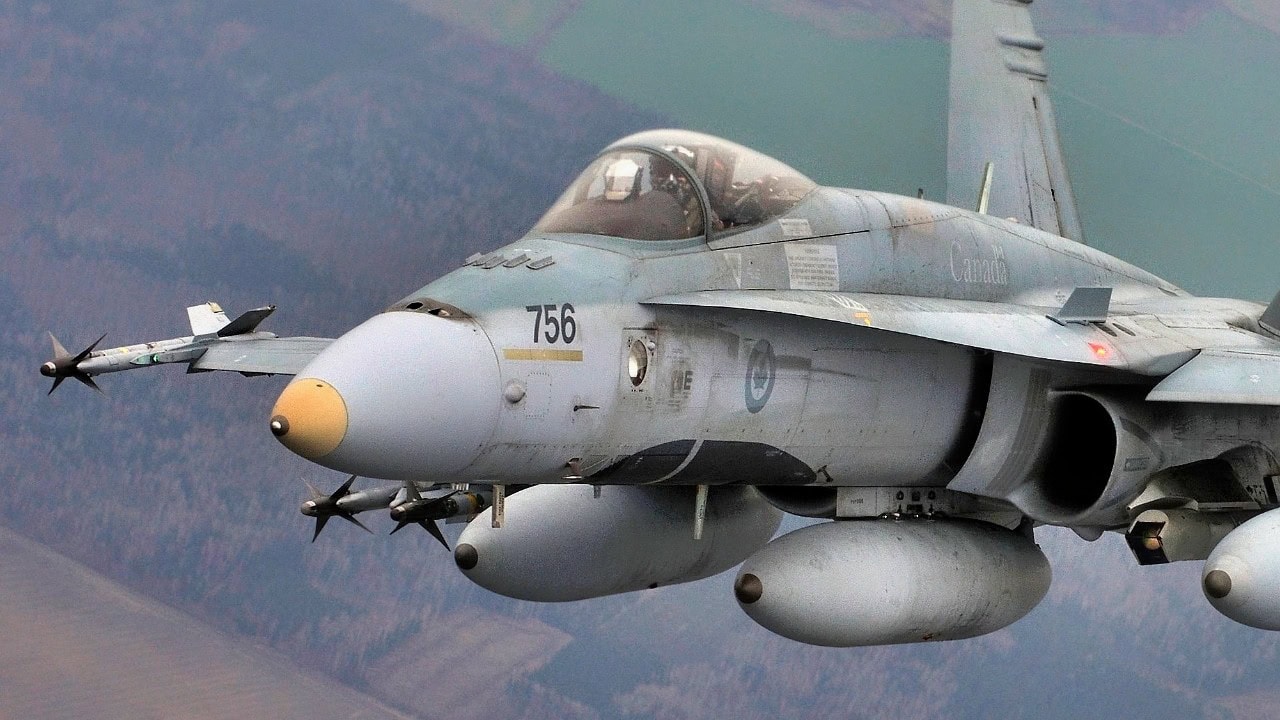
A CF-188 Hornet from the Canadian Air Task Force Lithuania flies over Lithuania on November 20, 2014 for the NATO Baltic Air Policing Block 36 during Operation REASSURANCE. Photo: Air Task Force — OP Reassurance, DND
Carney Actually Did the Thing His Predecessors Promised
Give Mark Carney his due first. Canada hit 2 percent of GDP on defense this year, the first time since the Berlin Wall fell, roughly $63 billion, and five years ahead of even its own government’s original timeline.
That’s the largest single-year increase in Canadian defense spending in a generation. It comes after a decade in which Justin Trudeau reportedly told NATO officials privately that Canada would never get there without a massive shift in domestic politics he didn’t expect to see.
Carney also signed on to NATO’s new Hague pledge: 3.5 percent of core military spending, plus another 1.5 percent on related infrastructure, by 2035. Eventually, that’s north of $150 billion a year.
Whatever else is wrong with Ottawa’s defense establishment, the target is the correct one, and Carney has taken it more seriously than any Canadian prime minister since the Cold War ended.
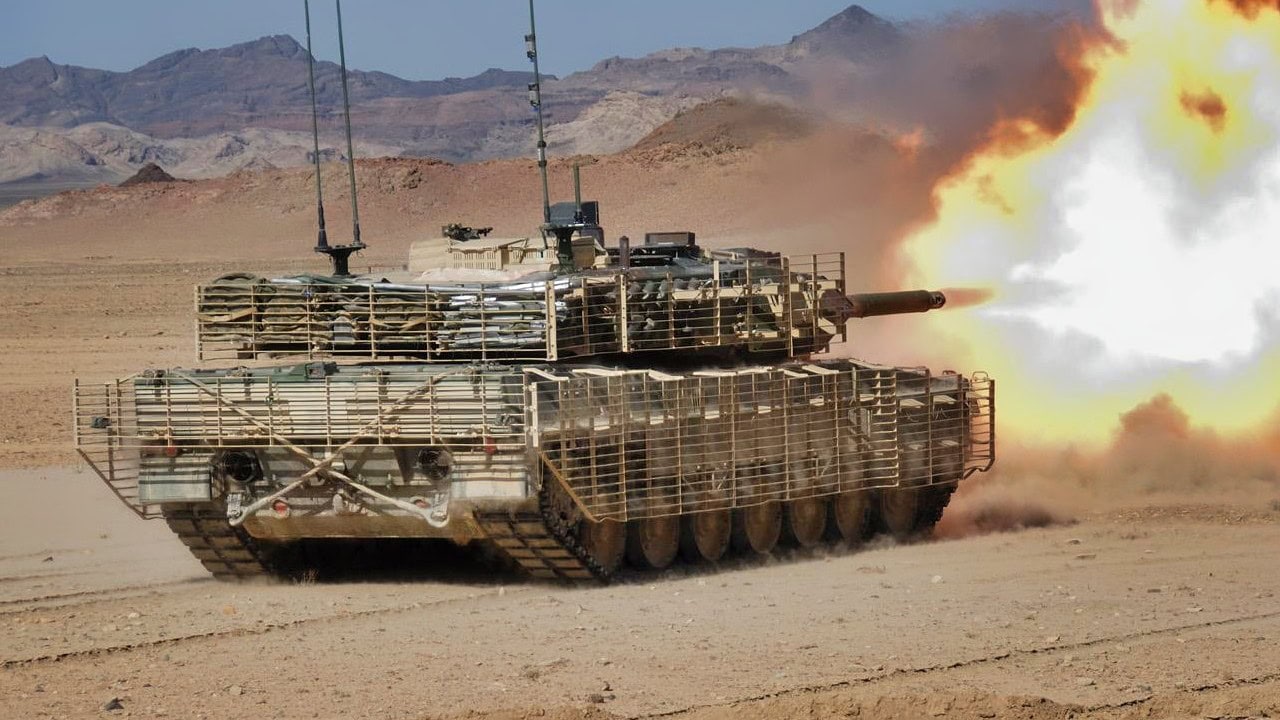
Canada Military Leopard C2 Tank.
None of that is in dispute. What’s in dispute is what the spending has actually produced.
The Readiness Numbers Tell a Different Story Than the Budget Numbers
Canada’s own defense department published readiness figures alongside its 2 percent announcement. They are rough. Overall force readiness across the Canadian Armed Forces sits at 61.3 percent, against an internal target of 90.
Maritime fleet serviceability is at 59.6 percent. Land equipment readiness is at 51 percent. Aerospace readiness — the fighters and patrol aircraft that would matter most in a NORAD contingency — is at 42.3 percent.
An air fleet that’s ready four days out of ten isn’t a fighting force in any meaningful sense. It’s a maintenance queue with squadron patches on it.
The hardware still being years from delivery compounds the problem. The River-class destroyer program won’t produce its final hull until around 2050.
The submarine project, meant to eventually field as many as 12 boats across three coastlines, hasn’t yet chosen between its German and Korean bidders. No keel has been cut.
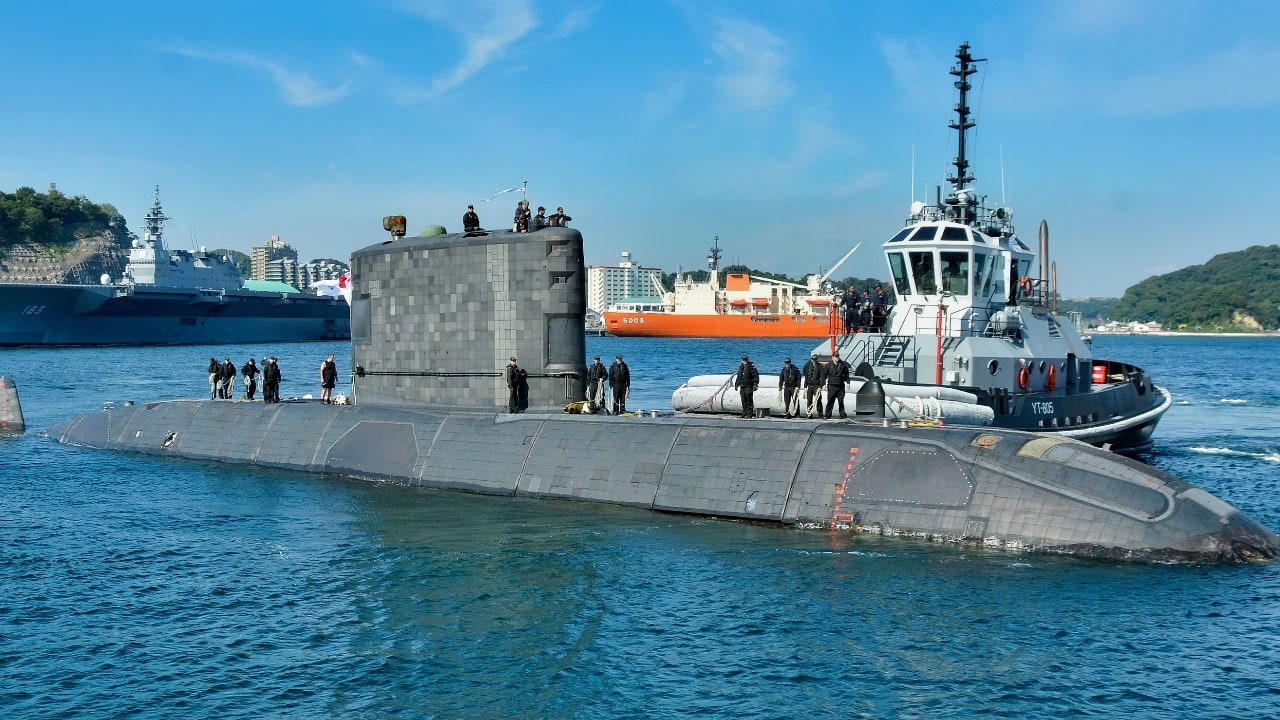
Canada Victoria-Class Submarine. Image Credit: Creative Commons.
And looming over the whole file is the fighter decision that reportedly needled the Trump administration most in Ankara: whether Canada completes its F-35 order or diverts part of it to the Swedish Gripen, a call that has been reviewed and re-reviewed for so long it has become its own small monument to Canadian defense indecision.
Money committed. Capability deferred. That’s been the pattern all year.
Crews Matter More Than Hulls, and Canada Doesn’t Have Enough of Them
Hardware isn’t even the tightest constraint. People are. Canada’s auditor general reported last October that between 2022 and 2025, the Canadian Armed Forces received about 192,000 applications and recruited roughly 15,000 people. One in thirteen.
She didn’t blame the budget. She blamed governance — decision-making she called ineffective, IT systems that don’t talk to one another, a recruiting pipeline built for peacetime that cannot process wartime volume.
Ottawa can point to genuine improvement. Enrollment hit 7,310 last year, the strongest recruiting class in three decades, helped by a 20 percent pay raise and the largest military housing program since the Second World War.
That’s real progress, and it shouldn’t be waved away.
But a good recruiting year doesn’t fix a broken intake system. The structural findings in the auditor general’s report will outlast this year’s enrollment numbers the way a cracked foundation outlasts a fresh coat of paint.
Canada could take delivery of every destroyer, every submarine, every fighter jet on its current list precisely on schedule, and still lack the trained people to crew or fly them when it counted.
Washington’s Mistake Would Be Grading the Wrong Test
There’s a reason this belongs in front of an American audience, not just a Canadian one. The Pentagon has been quietly thinning the forces it commits to NATO’s collective defense plan — fewer bombers, fewer fighter squadrons, fewer submarines held in reserve for a European contingency — on the assumption that Canada and the Europeans will backfill the difference.
A Canadian force that is 40 to 60 percent serviceable, depending on the domain, is not backfilling anything. It’s a promise, and NATO planners cannot count a promise as combat power, no matter how large the check that financed it.
Carney himself has said meeting 2 percent is a beginning, not an end. He’s right, though his own budget doesn’t yet show the follow-through that claim requires — there’s still no five-year plan attached to the pledge, according to Canada’s own parliamentary budget office.
The test that actually matters isn’t whether Ottawa reaches 3.5 percent by 2035. It’s whether the serviceability and recruitment numbers move over the next two years, while the destroyers and submarines are still a decade or more from the fleet.
If those numbers stay where they are, Canada will hit its five percent target right on schedule and buy the same half-ready force at a considerably higher price.
NATO can count Canada’s dollars without difficulty. What it cannot yet count on is the force those dollars were supposed to build.
About the Author: Dr. Andrew Latham
Andrew Latham is a professor of international relations and political theory at Macalester College in Saint Paul, MN. You can follow him on X: @aakatham.