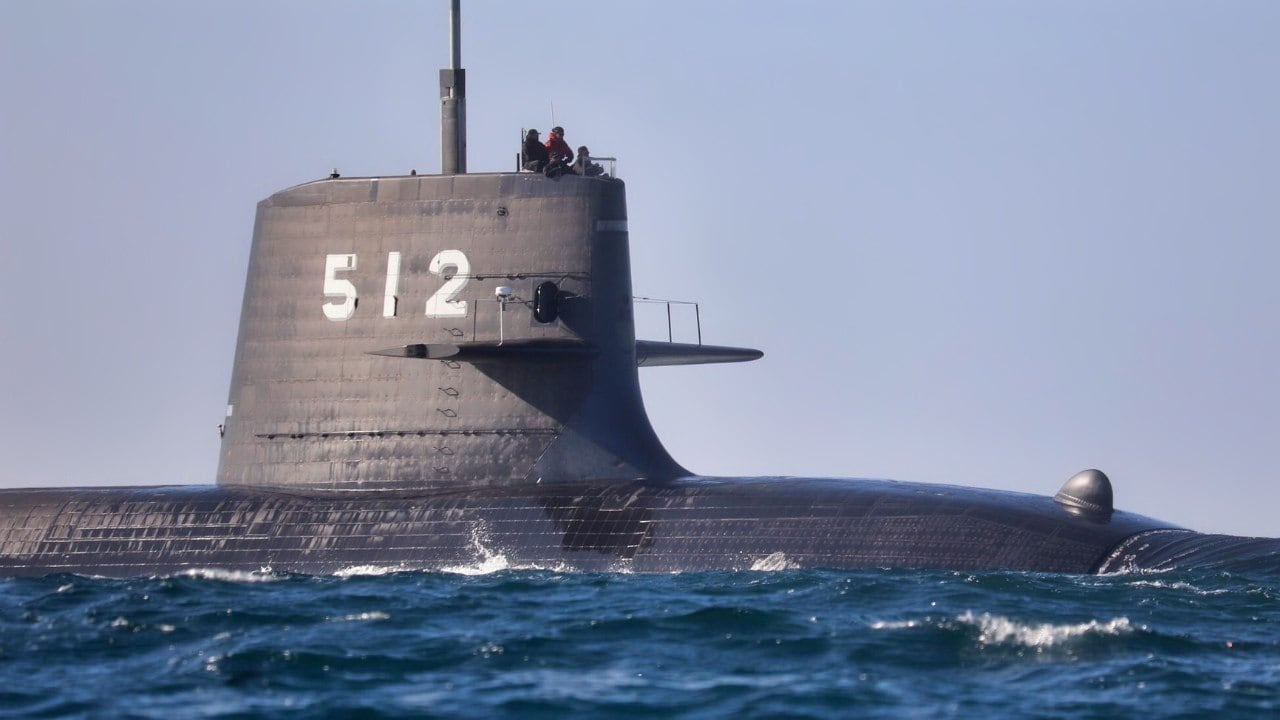
Japan designed its Soryu-class diesel-electric attack submarines around a singular objective: to remain invisible underwater, no matter what. The inclusion of two technologies made this design objective a reality–and ensured that the Soryu-class submarine remains one of the greatest attack submarines in the world, despite its age.
Those two technologies were the Air-Independent Propulsion (AIP) system and lithium-ion batteries. Together, these systems ensured that the Soryu-class would defend Japan’s interests for years.
Indeed, the Soryus sit at the epicenter of Japan’s grand strategy to counter the rising threats posed to them by the People’s Republic of China and the Democratic People’s Republic of Korea. These boats represented a generation leap in stealth, endurance, and lethality for diesel-electric submarines.
AIP Technology That Keeps the Hunter Hidden
The Soryu-class submarine employs the Kockums Stirling engine AIP design. Japan licensed this engine from Sweden. By burning diesel fuel with liquid oxygen, the AIP allows for the Soryu-class submarine to operate without surfacing.
That’s a big deal, considering that before the advent of AIP engines, diesel-electric subs had to constantly surface–snorkel–to recharge their batteries, making them vulnerable to detection and attack.
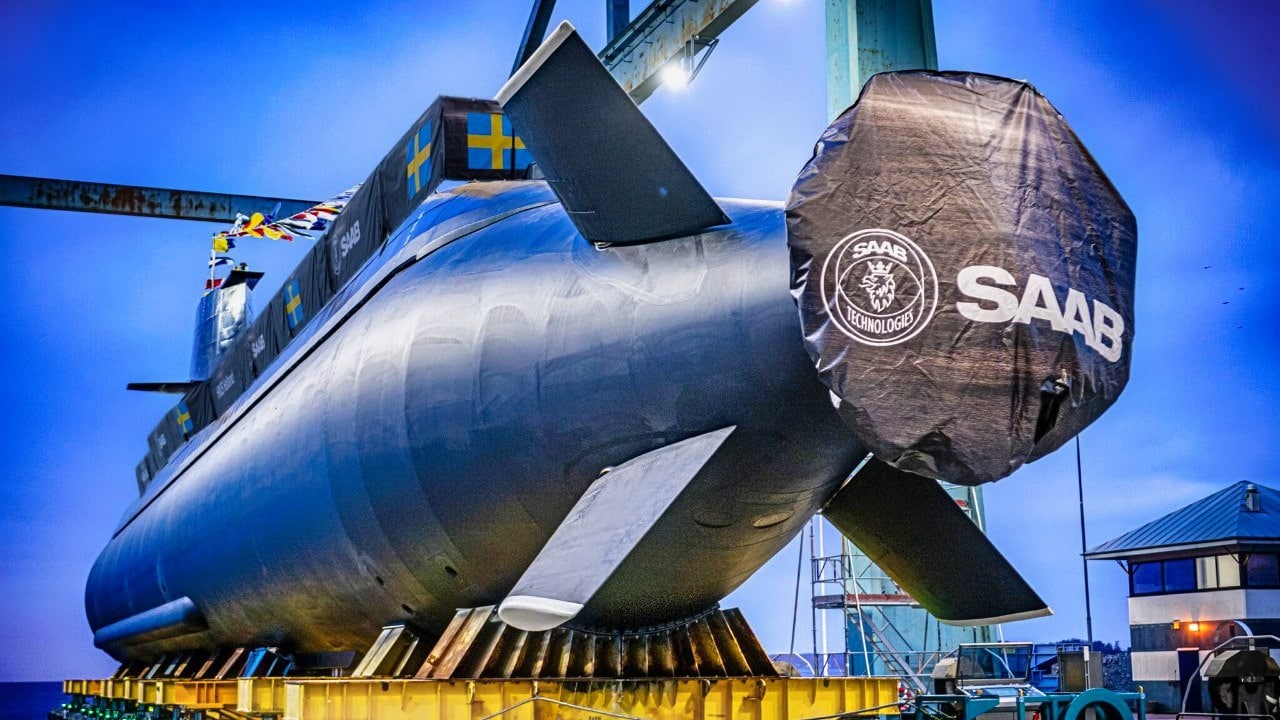
Gotland-Class. Image Credit: Saab.
What’s more, the AIP system the Soryus employs is much quieter than traditional diesel engines. So, not only does the Soryu-class remain submerged for extended patrols, ensuring it never loses the element of surprise, but it is harder to detect than your average diesel-electric sub. This development means Japan can send its Soryus on extended patrols lasting days or even weeks before the subs must return home.
Lithium-Ion Batteries: The Game-Changer Beneath the Waves
Japan installed these new batteries on later iterations of the Soryu-class submarine, such as the Oryu. The new lithium-ion batteries replaced older lead-acid-based systems. Thanks to new lithium-ion batteries, the Soryu-class submarine can achieve longer underwater endurance, faster recharge cycles, and higher sustained submerged speed.
Thanks to newer lithium-ion batteries, Japan’s Soryu-class submarines can stay underwater longer, move faster when needed, and perform these functions even more quietly than previous iterations of the submarine. In other words, Japan’s Soryu-class submarines are a true nightmare for enemy anti-submarine warfare (ASW).
Soryu-Class: Subs That Pack a Punch (and a Bite)
The Soryu-class submarines aren’t just quiet hunters. They’re heavily armed. Possessing six 533mm torpedo tubes, these boats can fire Type 89 heavyweight torpedoes (advanced, wire-guided) and UGM-84 Harpoon anti-ship missiles.
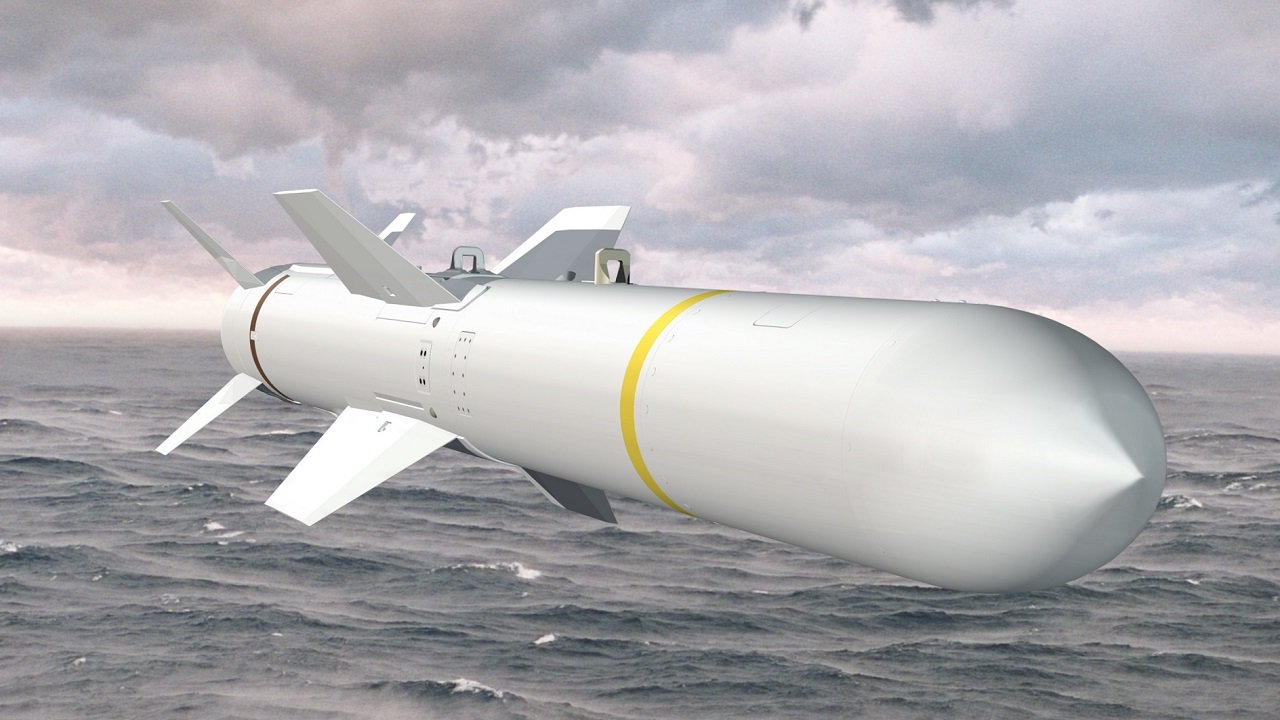
Harpoon Block II. Image Credit: Boeing.
These weapons give the Soryu-class a serious capability to hunt down enemy submarines, destroy enemy surface ships, threaten aircraft carrier strike groups, and conduct sea denial in chokepoints like the South China Sea (SCS).
If a Chinese warship ever encountered these undersea hunters, there’s no telling how much damage the Soryu-class could inflict on the Chinese. That’s why the Chinese have so obsessively worked to expand their own undersea force.
Yes, it is to counter the Americans and compete with the Russians. But it has also been driven by fears of the threat that Japanese submarines pose to Chinese naval forces.
Key Specs
Japan’s Soryu-class runs a length of around 84 meters and can hit about 20 knots when cruising submerged. Thanks to the innovative AIP system and those lithium-ion batteries, modern Soryus enjoy a range of more than 6,000 miles.
These submarines carry a crew of around 65.
The Strategic Importance of Soryu-class Submarines
Soryu-class submarines are part of Tokyo’s quest for regional balance with its neighbors, especially in Beijing and Pyongyang.
These submarines are ideal for denying access to Chinese naval forces. They can lurk in contested strategic waterways, like the East China Sea (ECS) and the South China Sea (SCS. And they’re quiet enough to ambush high-value targets.
In Japan’s ongoing struggle with North Korea, the Soryu-class submarines provide persistent intelligence, surveillance, and reconnaissance (ISR) capabilities. Further, the Soryu-class can strike North Korea’s naval assets or shipping if a conflict were to erupt.
In the event of any outbreak of hostilities with either China and/or North Korea, Tokyo would undoubtedly deploy their Soryu-class submarines to choke off critical sealanes (since China depends so heavily on maritime trade to sustain its otherwise powerful economy), Soryus would attack the many vessels that belong to China’s shadow fleet, and the Soryus would be used to disrupt any Chinese military amphibious operations, either aimed at Japanese territories (like the Senkaku Islands) or potentially against Taiwan.
Soryu-class versus Taigei-class: The Successor Rises
Despite its profound importance to the Japanese Maritime Self-Defense Forces (JMSDF), Tokyo has commissioned a new diesel-electric attack submarine slated to replace the Soryu-class. While the Soryu will continue its legendary service to Japan, the Taigei-class will inevitably succeed it.
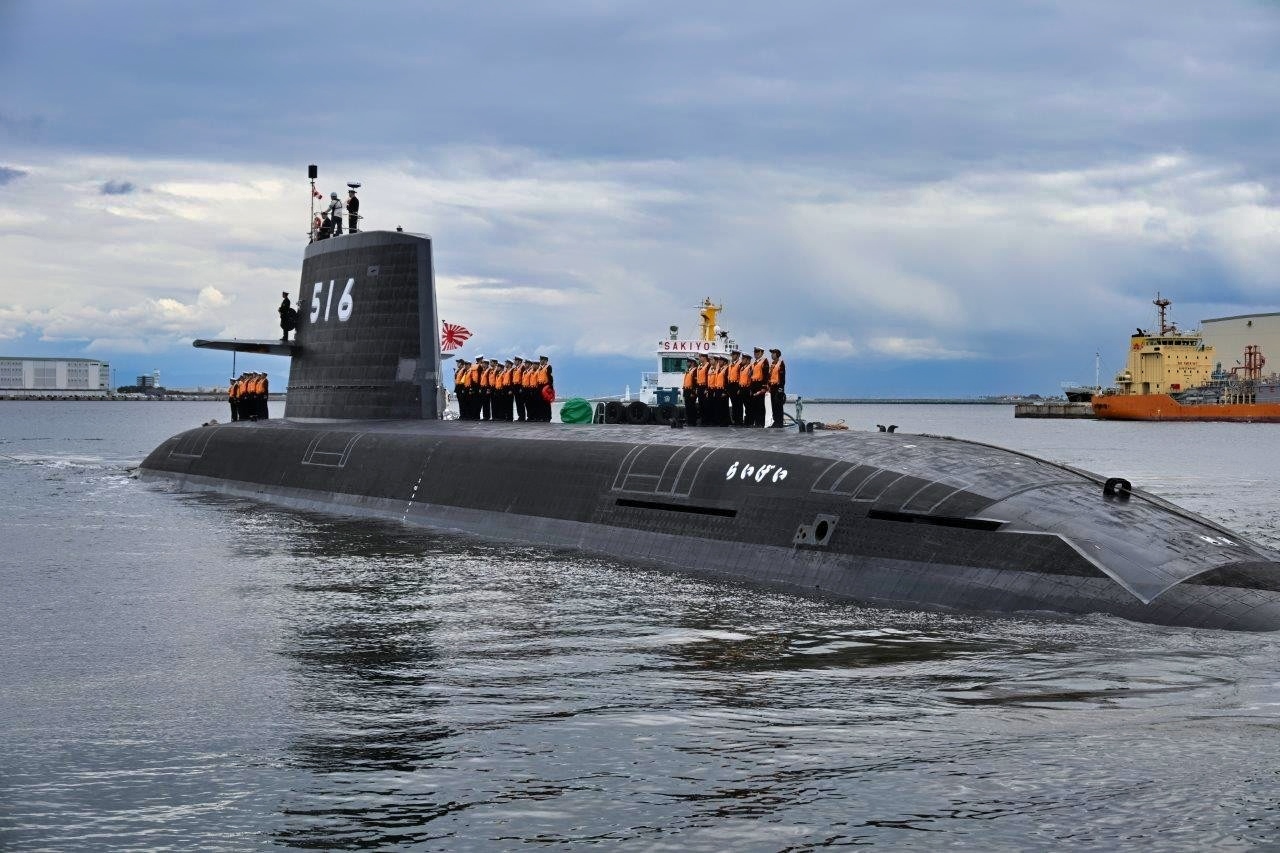
Taigei-Class Submarine. Image Credit: Creative Commons/JSDF.
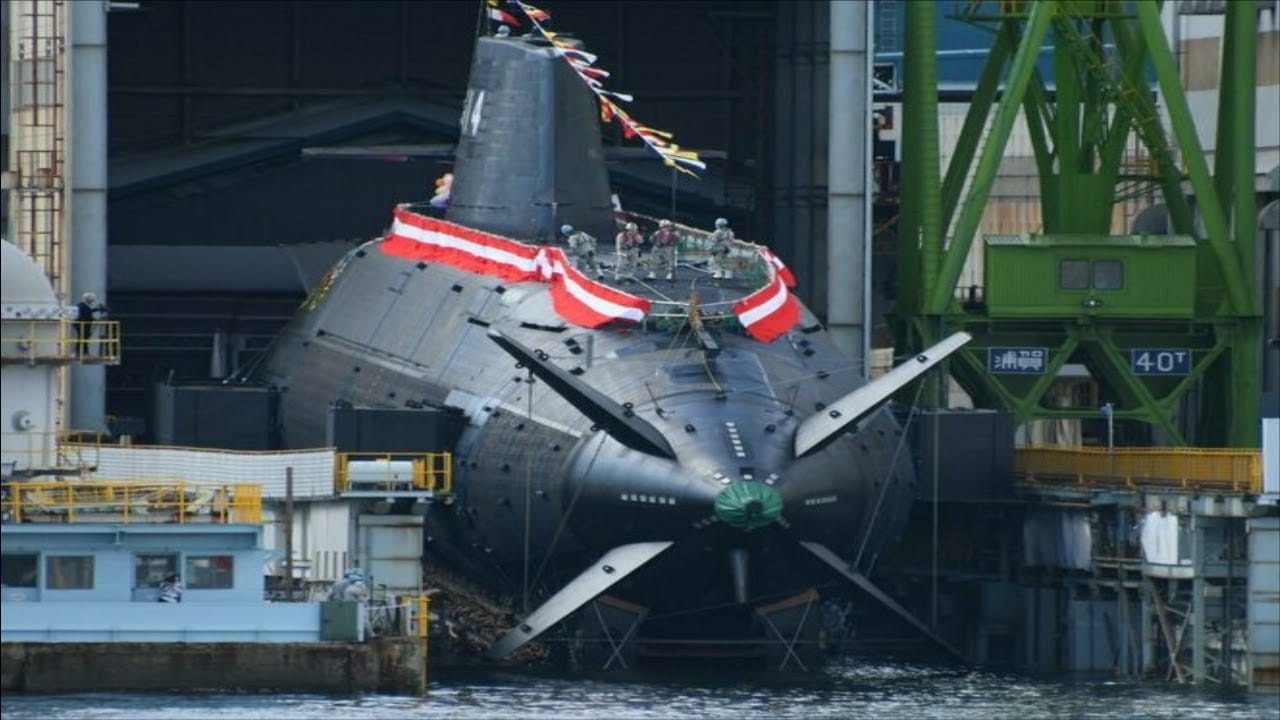
Taigei-Class Submarine. Image Credit: Creative Commons.
The Taigei-class absorbed the lessons of the Soryu-class and incorporated them into its foundational design.
Unlike the Soryu-class, which adopted lithium-ion batteries late in its service life, the Taigei-class embraced them from the outset of its design. The Taigei-class has significantly improved sonar and advanced combat systems compared to the older Soryu-class submarines. And, there are improved ergonomics and automation embedded within the Taigei-class submarines.
So, the Soryu-class submarines are still very relevant. However, they are old enough that the Japanese intend to start phasing them out in favor of the newer, more advanced Taigei-class AIP and lithium-ion battery-powered diesel-electric attack submarine. In fact, the Soryu-class was a bridge technology that enabled the even more potent Taigei-class submarine.
Global Interest in the Soryu-class
Although Japan is obviously powerful, it has yet to export the Soryu-class submarine. Nevertheless, at least five nations have expressed interest in acquiring the Soryu-class submarine.
Those nations include Australia, India, Norway, the Netherlands, and Taiwan.
Indeed, Japan even offered a variant during Australia’s submarine competition. Canberra ultimately turned down that variant in favor of a submarine deal with France (Australia scuppered that plan in favor of the AUKUS deal, which has yet to deliver).
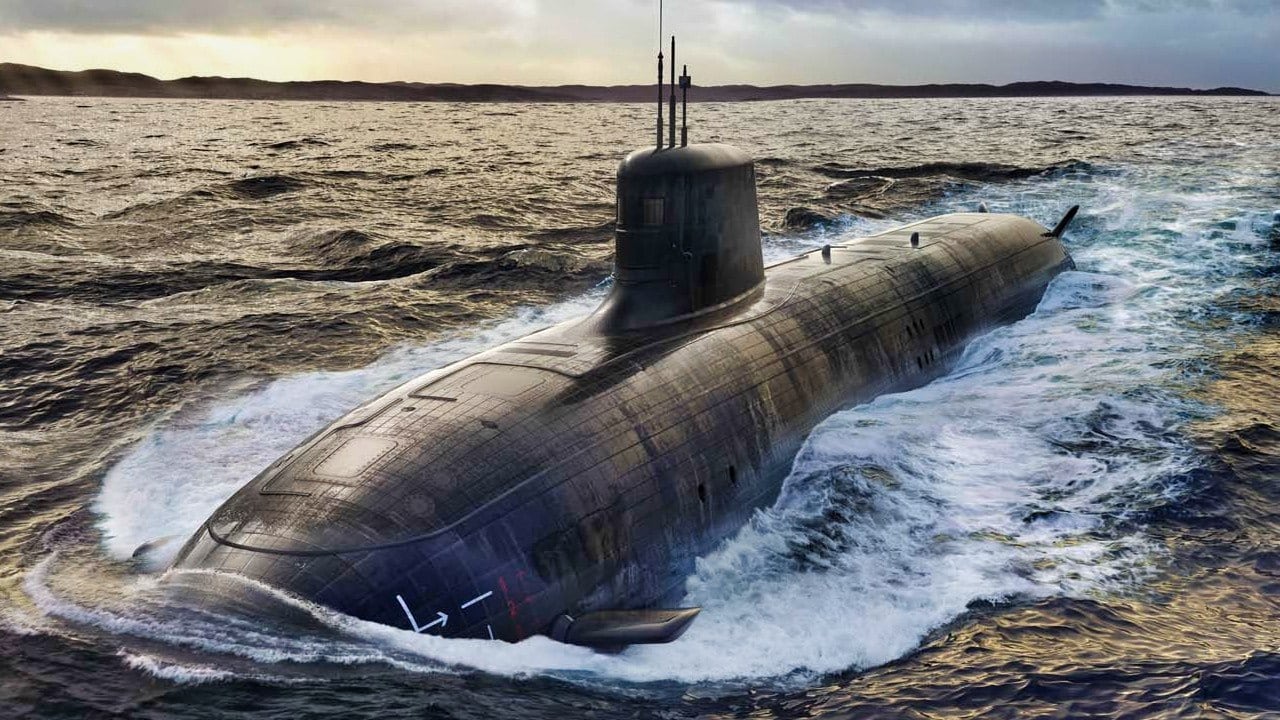
SSN-AUKUS Submarine. Image is Creative Commons Artist Rendering.
Given how excellent the Soryu-class submarine is, and the fact that Tokyo recently relaxed its rules forbidding the export of weapons systems, why hasn’t there been greater interest from foreign navies in acquiring the Soryu-class submarine?
That all comes down to the submarine’s high cost. Yes, it is nowhere near as expensive as nuclear-powered submarines are. However, it is still a highly complex machine–more complex than most diesel-electric submarines on the market today.
So, that makes it a very complicated technology transfer that, in fact, harms Soryu’s competitiveness in the global market.
Plus, the Soryu-class submarine is so stealthy that Tokyo regards any potential transfer of the technology, even to friendly navies, as likely to negate the real advantage the JMSDF currently enjoys over its two greatest rivals in the region, China and North Korea.
As time passes, given that Japan has relaxed export rules for its weapons systems and the global order is clearly breaking down, one should not rule out the prospect that this submarine will eventually become a hot commodity in the global export market.
Why the Soryu-class Still Matters
The Soryu-class proves a critical point: a nation does not need nuclear-powered submarines to dominate undersea warfare.
So long as a nation, like Japan, can master stealth, endurance, and kill-chain integration the way that the Soryu-class does, they will remain highly competitive.
In a likely Pacific war, these submarines would be one of the first assets the US alliance deployed into combat–and they’d be one of the hardest systems for Chinese and/or North Korean forces to kill.
About the Author: Brandon J. Weichert
Brandon J. Weichert is the Senior National Security Editor at 19FortyFive.com. Recently, Weichert became the editor of the “NatSec Guy” section at Emerald. TV. He was previously the senior national security editor at The National Interest. Weichert hosts The National Security Hour on iHeartRadio, where he discusses national security policy every Wednesday at 8 pm Eastern. He hosts a companion show on Rumble entitled “National Security Talk.” Weichert consults regularly with various government institutions and private organizations on geopolitical issues. His writings have appeared in numerous publications, among them Popular Mechanics, National Review, MSN, and The American Spectator. And his books include Winning Space: How America Remains a Superpower, Biohacked: China’s Race to Control Life, and The Shadow War: Iran’s Quest for Supremacy. Weichert’s newest book, A Disaster of Our Own Making: How the West Lost Ukraine, is available for purchase at any bookstore. Follow him via Twitter/X @WeTheBrandon.