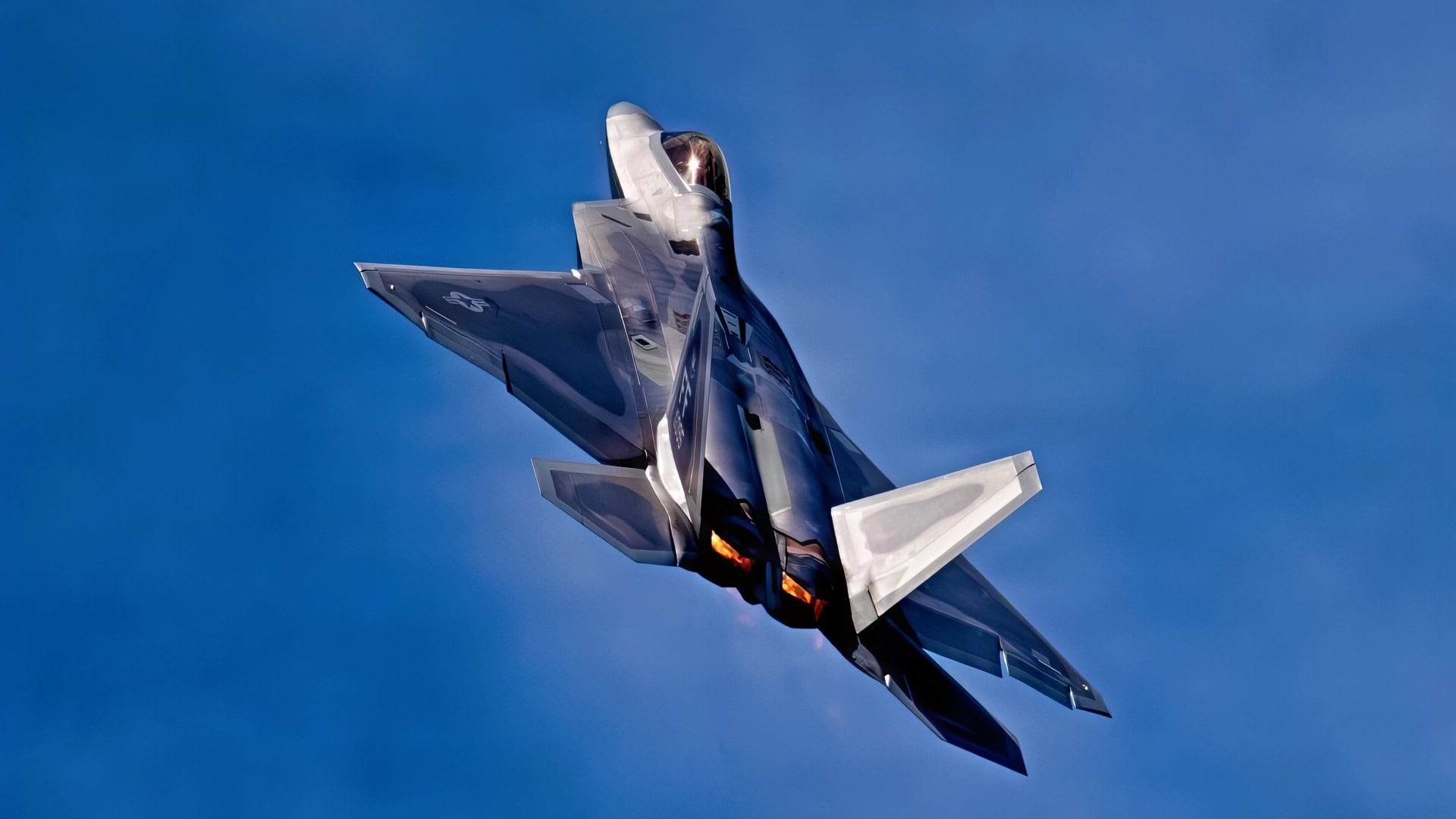
What the Iran War Teaches China About a Taiwan Crisis: Recent assessments are that the People’s Republic of China (PRC) is learning a great deal about American economic vulnerabilities from the war in Iran. Moreover, what they are learning would give Beijing an upper hand should an even greater economic and military crisis erupt in the future.
The U.S. and other Western nations would likely fall victim to a program of information warfare and manipulation directed by Beijing. Should the PRC decide at some point to blockade the Republic of China (ROC) on Taiwan, the disruptions seen in the U.S., Europe, and elsewhere caused by today’s rise in oil and other commodity prices could pale in comparison.
The formula, for lack of a better description, that the PRC would engage in involves a nexus of two different strategies.
Two Strategies
The first is that Beijing has carefully monitored the details of the U.S. response to the closure of the Strait of Hormuz and its impact on energy prices, supply chains, and stock markets.
These factors contribute to the overall level of pain — a composite index of sorts that provides a calculus of how long the U.S. is still willing to continue a military operation before it becomes politically unsustainable.
Writing for The Atlantic on April 9, staff writer Simon Shuster explains simply that “China will have paid close attention to Trump’s pain threshold. Iran’s blockade of that narrow waterway [Strait of Hormuz] caused an energy crisis and fears of a global recession that the White House could not abide for long.”
In the end, the PRC’s information warriors are trying to learn how they could use a blockade of the ROC and the ensuing negative impact on the world economy to cause whoever occupies the Oval Office to stand down.
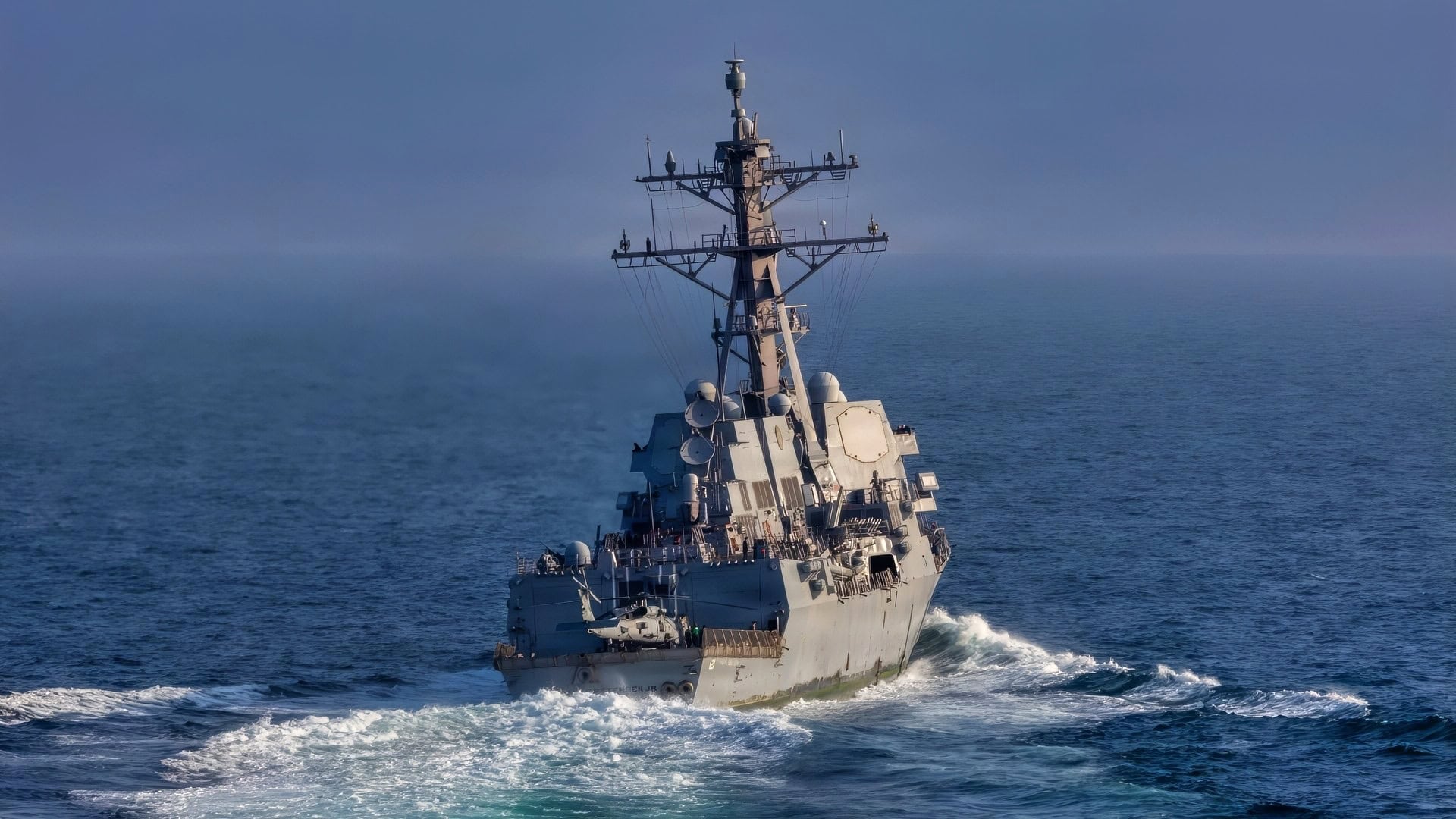
Arleigh Burke-class guided-missile destroyer USS Frank E. Petersen Jr. (DDG 121) sails in the Arabian Sea in support of Operation Epic Fury, March 18, 2026. (U.S. Navy photo)
Reflexive Control
“Whenever the West is in some kind of a crisis that has significant impact domestically the Chinese are watching how, where and to what degree we will react. What are early indicators of a major shift in policy or that some momentous decision is about to be made?” said a now-retired NATO-member nation intelligence officer who is now performing assessments of the PLA in the private sector.
“It’s a process of them essentially ‘mapping’ how our institutions function, how they interact with one another, and which ones lead the pack and which ones then follow. Obviously, depending on personalities, political priorities and the team around a president in any U.S. administration the centre of gravity will shift from where it was in the prevous White House,” he continued.
“The function of all this close examination of how the different agencies and personalities behave in the US and other western nations is so they – the Chinese — can exert a level of manipulation to the point where they achieve what they call ‘reflexive control’ — a trick they originally were taught by our friends the Russians.”
Reflexive control fits like a glove with the traditional PLA focus on doing what they refer to as “disintegrating the enemy” through political-psychological attacks, subversion, and the overall erosion of your adversary’s will to fight, said he and other China-watchers who spoke to 19FortyFive.
Using the definition from the late 2025 edition of the Journal of Strategic Security, “Reflexive control (RC) was defined as the transfer of decision-making from one opponent to another, meaning getting one’s adversary to accept Russian premises and then reason from those premises to conclusions that align with Russian goals and priorities. RC also draws on maskirovka [(deception), which involves masking identity and goals, using proxies, and denying attribution.”
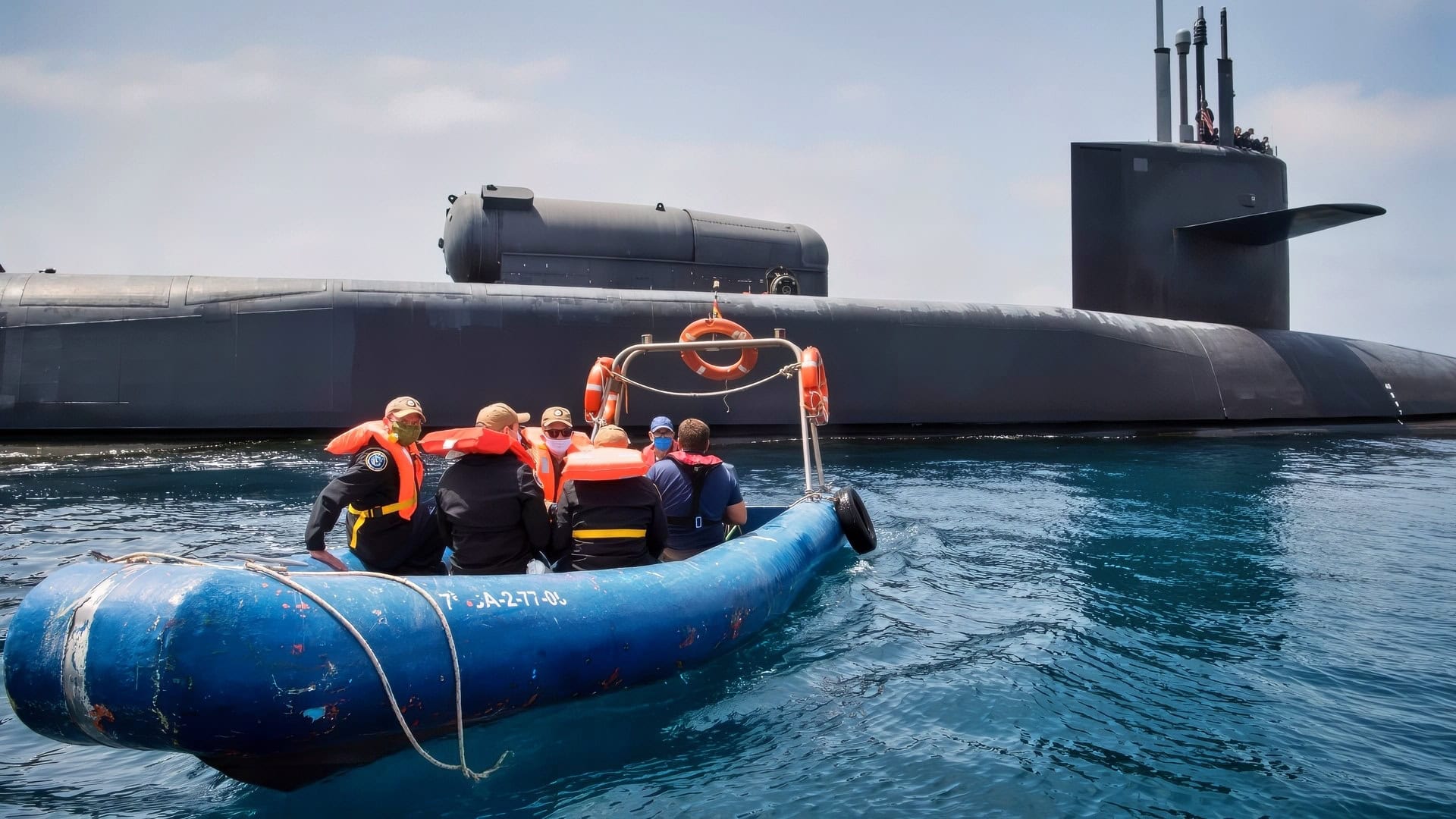
(Aug. 9, 2020) Members of the U.S. Fleet Forces Command’s Nuclear Examining Board ride a boat from the Ohio-class guided- missile submarine USS Georgia (SSGN 729), operating in the U.S. 6th Fleet area of responsibility toward Naval Station (NAVSTA) Rota, Spain’s pier after an inspection. U.S. 6th Fleet, headquartered in Naples, Italy, conducts the full spectrum of joint and naval operations, often in concert with allied and interagency partners, in order to advance U.S. national interests and security and stability in Europe and Africa. (U.S. Navy photo by Mass Communication Specialist 2nd Class Eduardo Otero)
The Disastrous Cost of a ROC or Taiwan Blockade
What would also play into the hands of a PLA RC operation is that just being in a position to be manipulated in this manner would be disorienting to the U.S. In the past, being leveraged by a sudden disruption in the supply of a strategic commodity was a rare occurrence for America.
For most of the nation’s history, Washington has “enjoyed a near-monopoly over this type of economic warfare, punishing wayward nations by barring them from using the dollar or enjoying access to Silicon Valley’s most advanced technologies,” writes David Lynch of the Washington Post on April 12. The U.S. is unlikely to know how to respond to this previously unanticipated level of vulnerability.
“It turns out that the United States does not have all the choke points. We are in a world where the U.S. cannot get away with the stuff that it thought it could get away with,” said Henry Farrell, the co-author of a book about economic warfare, “Underground Empire,” who spoke to the Post on this subject.
Losing access to the ROC and its chipmaking industry would be a thermonuclear, game-changing blow to the West’s economy. Chris Miller, a Tufts University historian, examined the implications of that scenario in his 2022 book, Chip War.
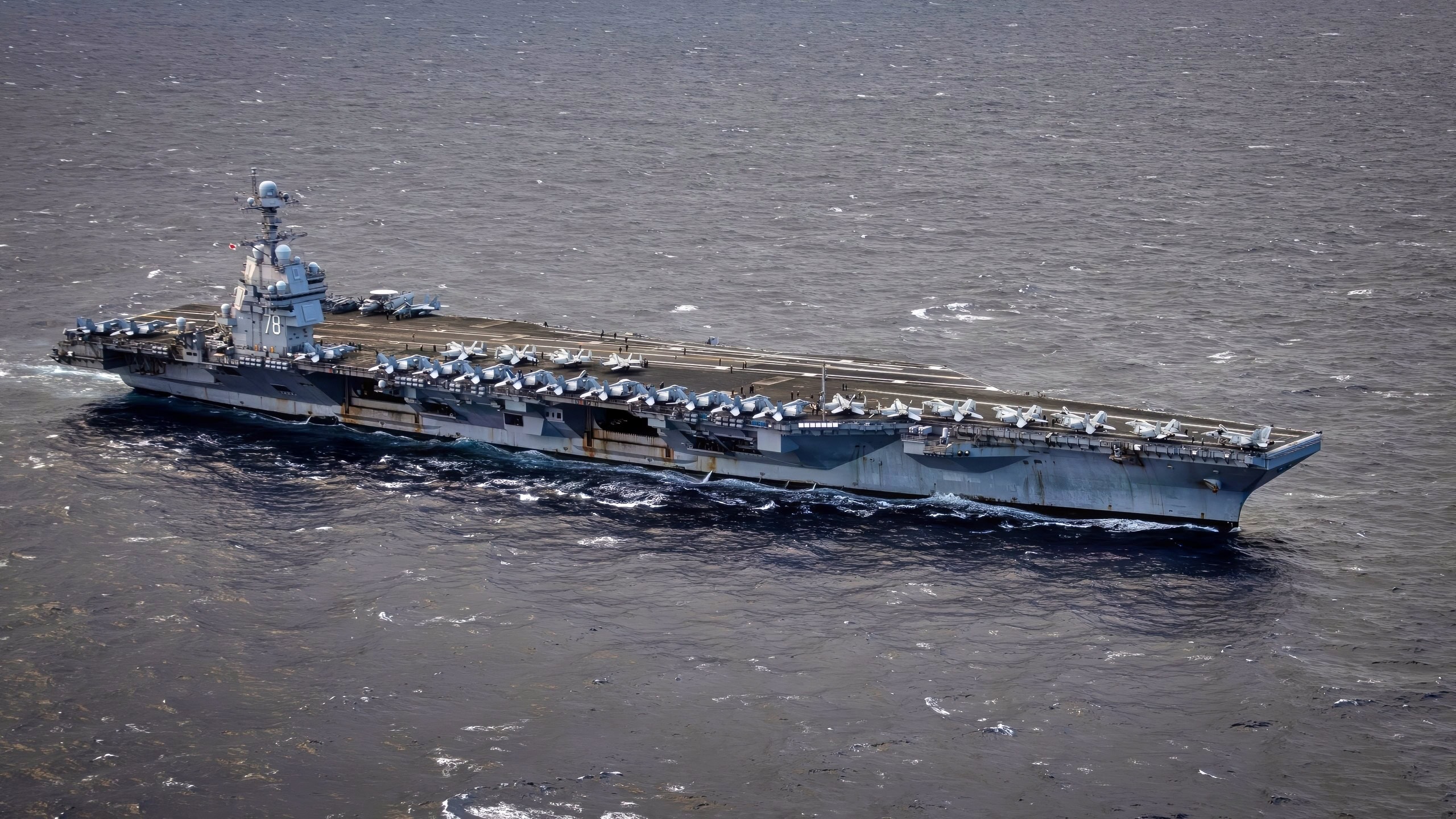
The world’s largest aircraft carrier, USS Gerald R. Ford (CVN 78), transits the Eastern Mediterranean Sea, March 22, 2026. Gerald R. Ford is on a scheduled deployment in the U.S. 6th Fleet area of operations to support the warfighting effectiveness, lethality and readiness of U.S. Naval Forces Europe Africa, and defend U.S., Allied and partner interests in the region. (U.S. Navy photo by Mass Communication Specialist 2nd Class Tajh Payne)
“Losing 37 percent of our production of computing power each year could well be more costly than the COVID pandemic and its economically disastrous lockdowns. It would take at least half a decade to rebuild the lost chipmaking capacity,” he concludes. The implications are so ominous that major company executives are now searching for new chip supply options separate from ties to Taiwanese companies.
One of these is Elon Musk, who announced last week he was forming a partnership with Intel to design and produce advanced microchips at a massive production site in Texas that his company, Tesla, recently purchased. If successful, the ROC would lose what its leaders have been calling their “Silicon Shield.”
That phrase was coined by then-ROC President Tsai Ing-wen, who wrote in Foreign Affairs that American dependence on Taiwanese-made chips constituted a “Silicon Shield” that would force Washington to protect the island against any “aggressive attempts by authoritarian regimes to disrupt global supply chains.” The unnamed regime here obviously being the one on the Mainland of China that constantly threatens to take over all of Taiwan.
Dictatorships like those in Beijing and Moscow are not subject to the vagaries of the global marketplace to the degree that democracies are. They also have little to no concerns about elections — mostly because they never hold any where the winner is not already known in advance.
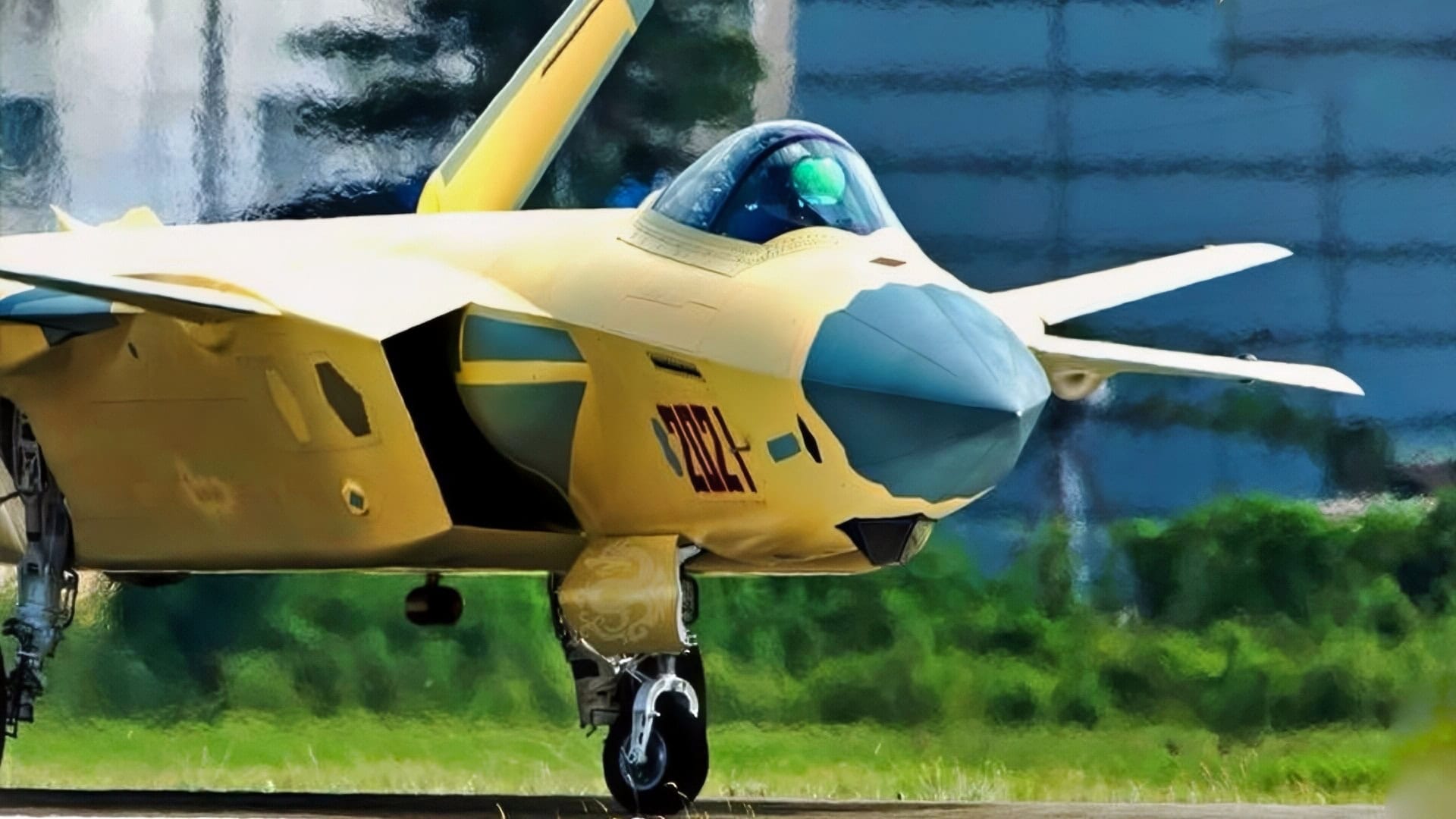
China’s J-20 Mighty Dragon in Yellow. Image Credit: Screenshot.
This gives them significant advantages. One of which is that the U.S. is highly susceptible to international economic upheavals in a way that authoritarian regimes are not.
The White House will have to make barely palatable decisions as a consequence of the Iran war. The likely compromises that will have to be made to keep petrol prices from rising to record levels “will be instructive to those PLA cyber and information warriors,” said the retired NATO intelligence officer.
“In Beijing, they now have the template for how to exert maximum leverage over the US if they decide to move against Taiwan,” he said. “And we now have to ask if any occupant of the White House would have any options other than to accede to a PLA takeover of its island neighbor.
About the Author: Reuben F. Johnson
Reuben F. Johnson has thirty-six years of experience analyzing and reporting on foreign weapons systems, defense technologies, and international arms export policy. Johnson is the Director of Research at the Casimir Pulaski Foundation. He is also a survivor of the Russian invasion of Ukraine in February 2022. He worked for years in the American defense industry as a foreign technology analyst and later as a consultant for the U.S. Department of Defense, the Departments of the Navy and Air Force, and the governments of the United Kingdom and Australia. In 2022-2023, he won two awards in a row for his defense reporting. He holds a bachelor’s degree from DePauw University and a master’s degree from Miami University in Ohio, specializing in Soviet and Russian studies. He lives in Warsaw.