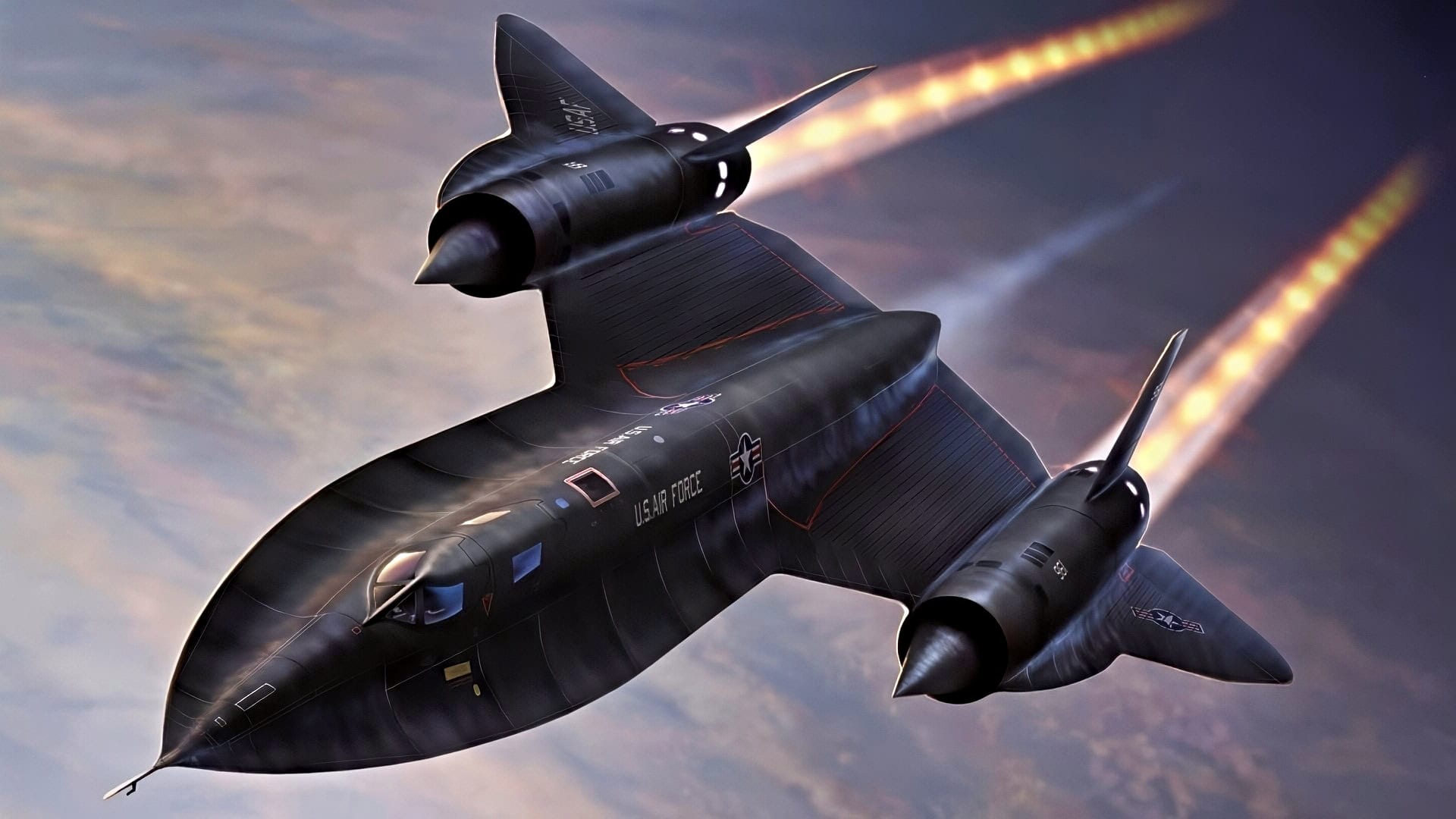
The SR-71 Blackbird was never shot down in its entire operational career — but it was killed anyway. Pentagon leadership wanted the budget for spy satellites and U-2 upgrades, and the fastest aircraft ever built lost a fight it was never designed for: a budget war.
SR-71 Blackbird: The Flying Battleship
The SR-71 Blackbird was a marvel of engineering. Designed to overfly any location on the globe and arrive on station in just hours, the Blackbird leveraged two enormous jet engines to propel itself to Mach 3-plus flight speeds. And at altitudes in excess of 85,000 feet, the SR-71 was, remarkably, never shot down.
The Blackbird made extensive use of titanium and titanium alloys, a then-exotic metal for aerospace applications that the United States sourced, ironically, from the Soviet Union via CIA front companies.
It was this material that gave the Blackbird its remarkable qualities.
“With anticipated temperatures on the aircraft’s leading edges exceeding 1,000 degrees Fahrenheit, dealing with the heat raised a host of seemingly insurmountable design and material challenges. Titanium alloy was the only option for the airframe —providing the strength of stainless steel, a relatively light weight, and durability at the excessive temperatures,” Lockheed Martin, the firm now behind the design, explains.
Titanium was difficult to work with, and “proved to be a particularly sensitive material from which to build an airplane. The brittle alloy shattered when mishandled, causing great frustration on the Skunk Works assembly line and prompting new training classes for Lockheed’s machinists. Conventional cadmium-plated steel tools, it was soon learned, embrittled the titanium on contact; so new tools were designed and fabricated out of titanium.”
The SR-71 was indeed an impressive aircraft. But it was also hugely expensive to fly and keep airworthy.
It became increasingly difficult to justify the record-setting aircraft, given its operational costs.
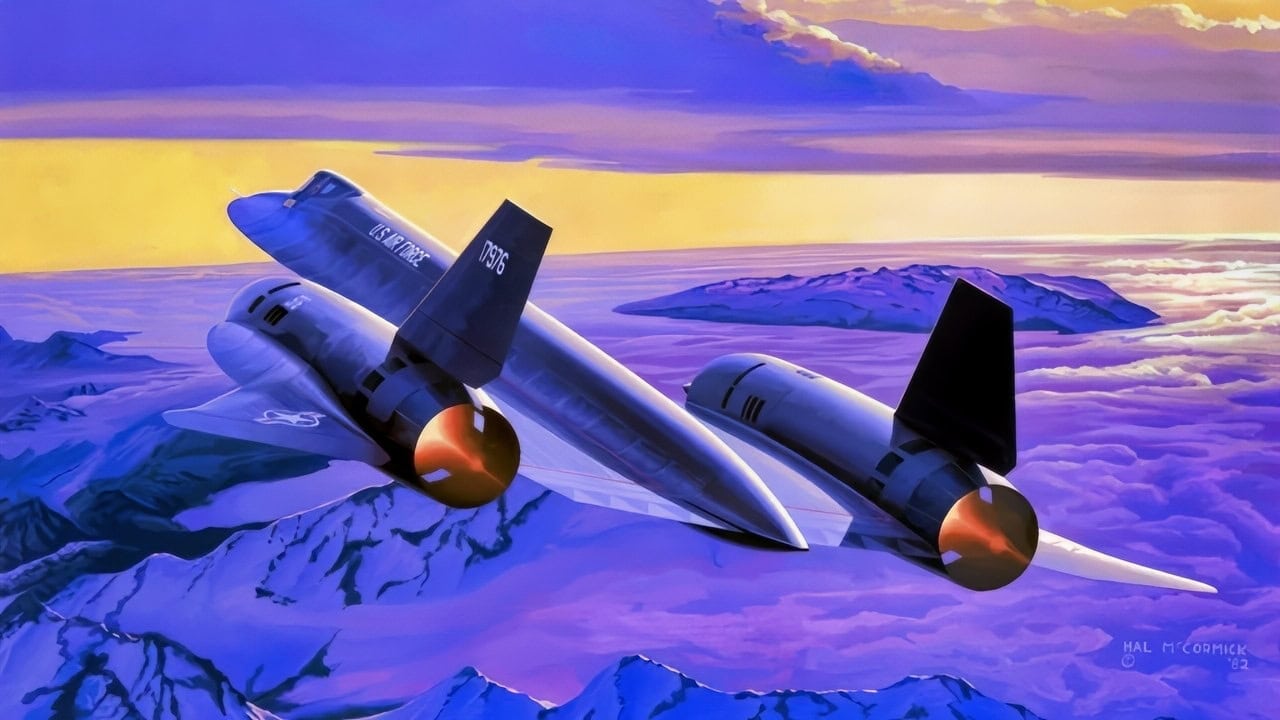
SR-71 Art from U.S. Government Archive.
Fuel and tanker support, as well as trained ground crews, were needed to support Blackbird operations.
And as the United States became the sole superpower following the end of the Cold War, those costs became increasingly difficult to justify.
That meant this ‘flying battleship‘ – amazing in photos and raw capability on paper – had to go.
A Changing Spy Game and the SR-71 Blackbird
The then-nascent spy satellite also helped force the SR-71 into retirement, and the United States shifted away from long-distance manned surveillance flights and toward persistent coverage of much of the globe from space — offering a few key advantages.
Rather than risking pilots’ lives via manned surveillance flights, where air defenses could theoretically blow a Blackbird out of the sky, spy satellites could remain up in space and in orbit for years at a time, without endangering the lives of a single pilot.
The risk of costly diplomatic fallout, like the political embarrassment of the 1960 Gary Powers shutdown over the Soviet Union, could also be avoided.
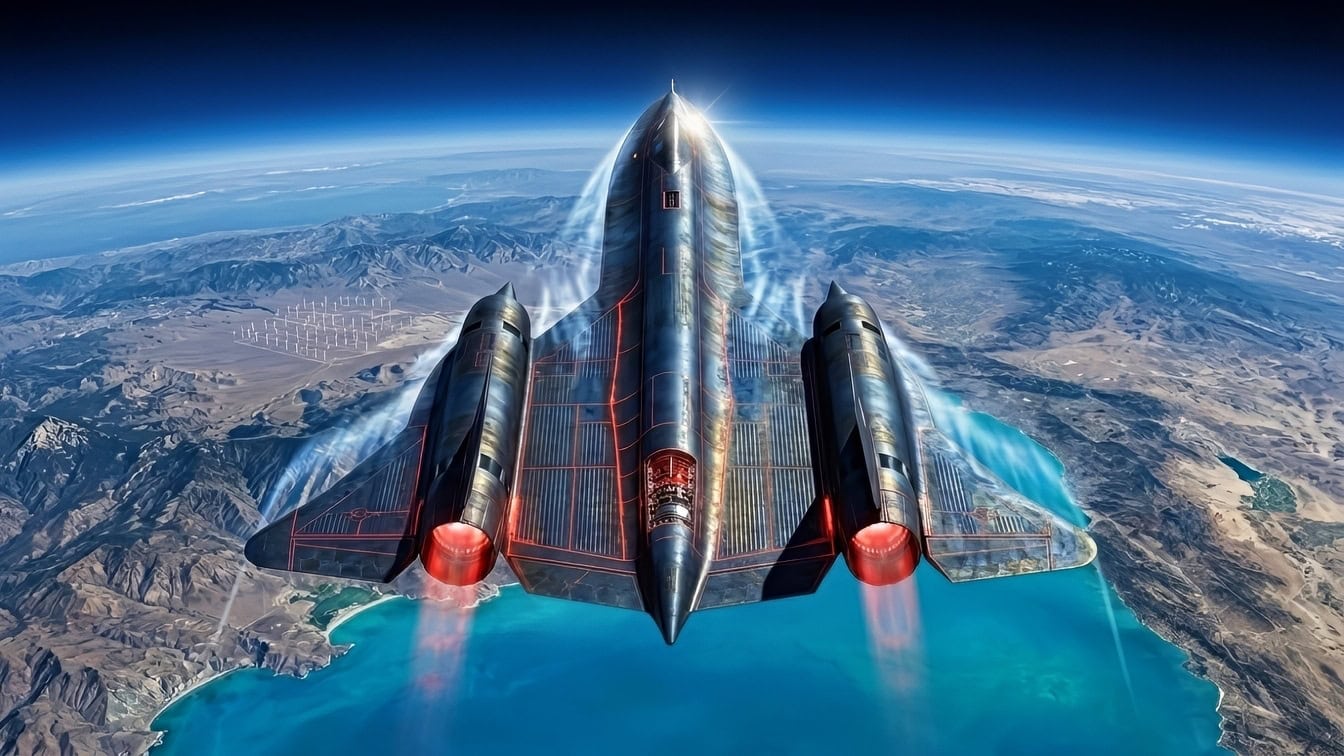
SR-71 Blackbird Hitting Mach 3. Image Credit: Banana Nano.
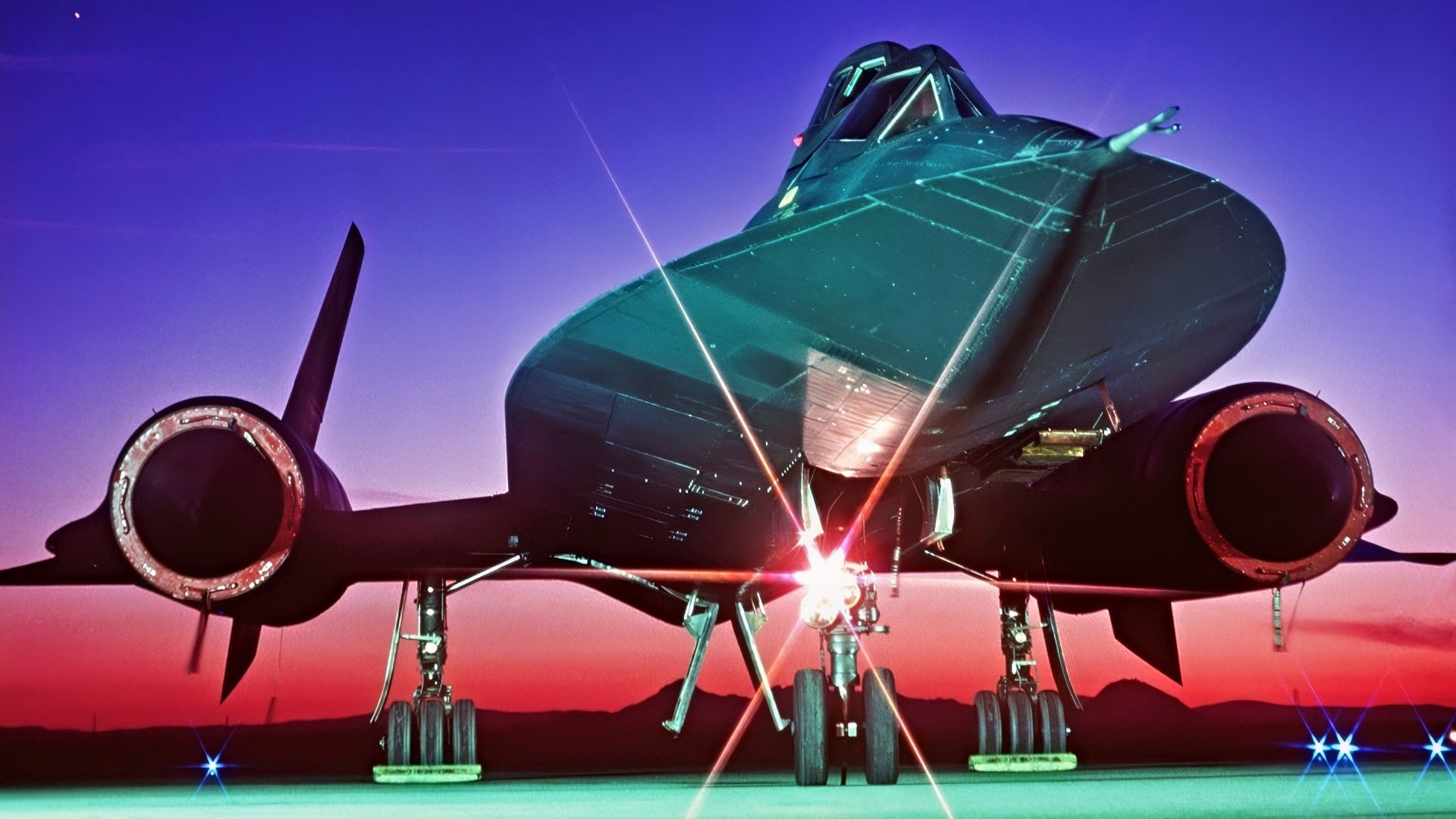
SR-71 Blackbird at Night. Image Credit: Creative Commons.
It was a relatively straightforward sell: high up-front costs, but little logistical footprint, very little risk, and persistent observation with digital imaging and image transfer capabilities.
Politics and the SR-71
But politics also played a role in the SR-71’s retirement.
By the latter stages of the Cold War, leadership within the Pentagon saw the Blackbird as competing for funding they would have preferred to divert to other projects, such as bolstering the U-2 spy plane program or improving spy satellite capabilities.
Though no other assets could be aloft and en route to geopolitically sensitive areas of the globe as quickly as the Blackbird, its detractors wanted to be rid of the jet.
The Blackbird found allies in Congress, however, who advocated for SR-71 for precisely these capabilities, and ordered part of the fleet reactivated in the mid-1990s. But that reactivation was short-lived.
The Last Nail
Congress was right: the SR-71’s capabilities were unrivaled by any other aircraft. If a commander deep within the Pentagon needed actionable, timely intelligence on, say, Libyan surface-to-air missile sites, the Blackbird could deliver.
In a time-sensitive operational context, the SR-71 was without equal — but for less urgent, routine intelligence collection, the Blackbird’s operational costs were difficult to justify. Nor could the Blackbird offer the persistent round-the-clock coverage of its satellite counterpart.
In the end, the SR-71 was permanently taken out of service not because it could no longer perform as a reconnaissance and spy platform, but because of a radically redefined threat environment.

Front view of Lockheed SR-71A (Blackbird, s/n 61-7972, A19920072000) on display at the National Air and Space Museum’s Steven F. Udvar-Hazy Center, Chantilly, Virginia.
Following the dissolution of the Soviet Union, the United States strategic environment changed, and it no longer required what the Blackbird offered.
Though the SR-71’s capabilities remain unrivaled even today, its costs and limited applicability during a period of geopolitical calm made it less useful than it had been during the height of the Cold War.
About the Author: Caleb Larson
Caleb Larson is an American multiformat journalist based in Berlin, Germany. His work covers the intersection of conflict and society, focusing on American foreign policy and European security. He has reported from Germany, Russia, and the United States. Most recently, he covered the war in Ukraine, reporting extensively on the shifting battle lines in Donbas and writing about the war’s civilian and humanitarian toll. Previously, he worked as a Defense Reporter for POLITICO Europe. You can follow his latest work on X.