
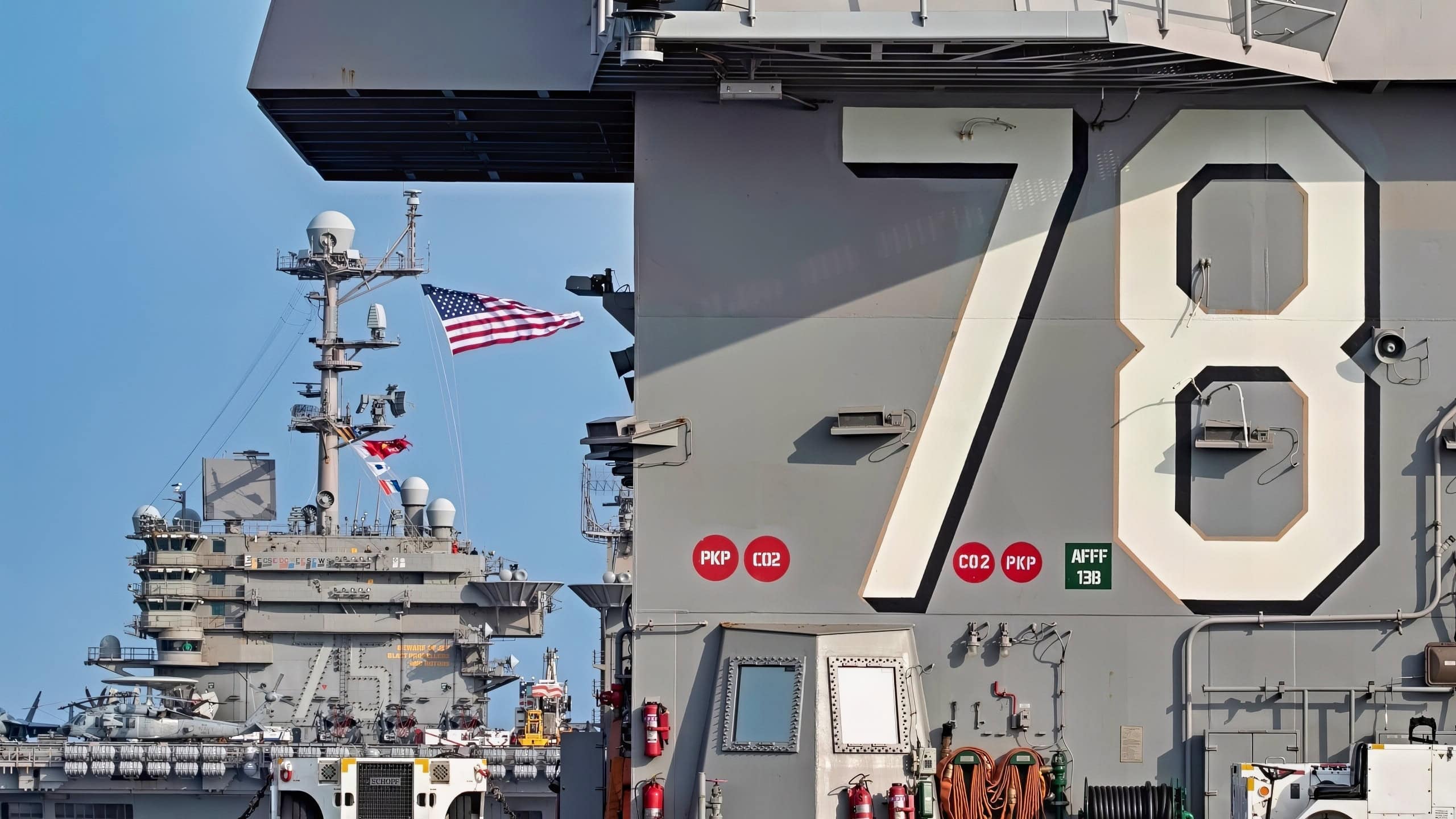
Most of America’s aircraft carriers are fighting Iran, stuck in shipyards, or routing around Africa — and China knows it. The Pentagon has gamed out what would happen if Beijing moved on Taiwan during this exact window, and the answer depends almost entirely on whether allies show up.
The U.S. Navy Aircraft Carrier Crisis of 2026?
The U.S. Navy’s carrier fleet is stretched thin.
With many carriers undergoing maintenance, waiting for maintenance, or serving in other theaters, the Navy has few of them on reserve to address any potential crisis in the South China Sea.
What would happen if China were to make a grab at Taiwan while the United States is busy with Iran? In such a scenario, the U.S. military would be at a disadvantage, but there are still several options available.
The South China Sea Without American Carriers
While aircraft carriers are central to the Navy’s operations, the fleet can operate without them. U.S. military planning for a China confrontation has assumed for more than a decade that carriers might not be immediately available at the outset of such a crisis; that they might have to operate farther from shore than in past wars, or could be constrained by missile threats. The U.S. defense posture in the Indo‑Pacific has been deliberately designed not to hinge on carriers alone.
They remain important, but they are no longer the decisive instrument carriers were during earlier eras.
Further, an invasion of Taiwan is unlikely. There are several economic and political reasons why an incursion into Taiwan is a bad idea for China. Most important, it would undercut the peaceful posture China has been trying to present for several decades.
There is a numbers problem for Beijing as well. If China were to invade Taiwan, it might face a coalition of Taiwan, the United States, Japan, the Philippines, and other states. That prospect reduces China’s willingness to be overtly hostile.
What Happens if China Invades?
For China, however, this important gap in U.S. capabilities could open an opportunity to launch a military operation.
Chinese military and political planning has long centered around exploiting windows of opportunity created by U.S. distraction, divided attention, or force rotation cycles.
For that reason, the most plausible Chinese move would not be an immediate attempt to invade Taiwan.
An invasion would be extraordinarily risky, difficult to reverse once launched, and almost guaranteed to trigger large‑scale war. A far more likely approach would involve a series of coercive actions that stay just below the threshold of war while forcing Washington and its allies into painful decisions.
Such actions could include a maritime and air quarantine of Taiwan framed as customs enforcement or military exercises; the seizure of lightly defended offshore islands; or sustained pressure through cyber attacks, disinformation, and economic intimidation.
Such steps would be designed to create urgency and uncertainty while avoiding a single dramatic event that would clearly justify an overwhelming U.S. response. China’s strategy would not be to win quickly, but to shape the crisis in ways that make the United States and its allies hesitate to intervene.
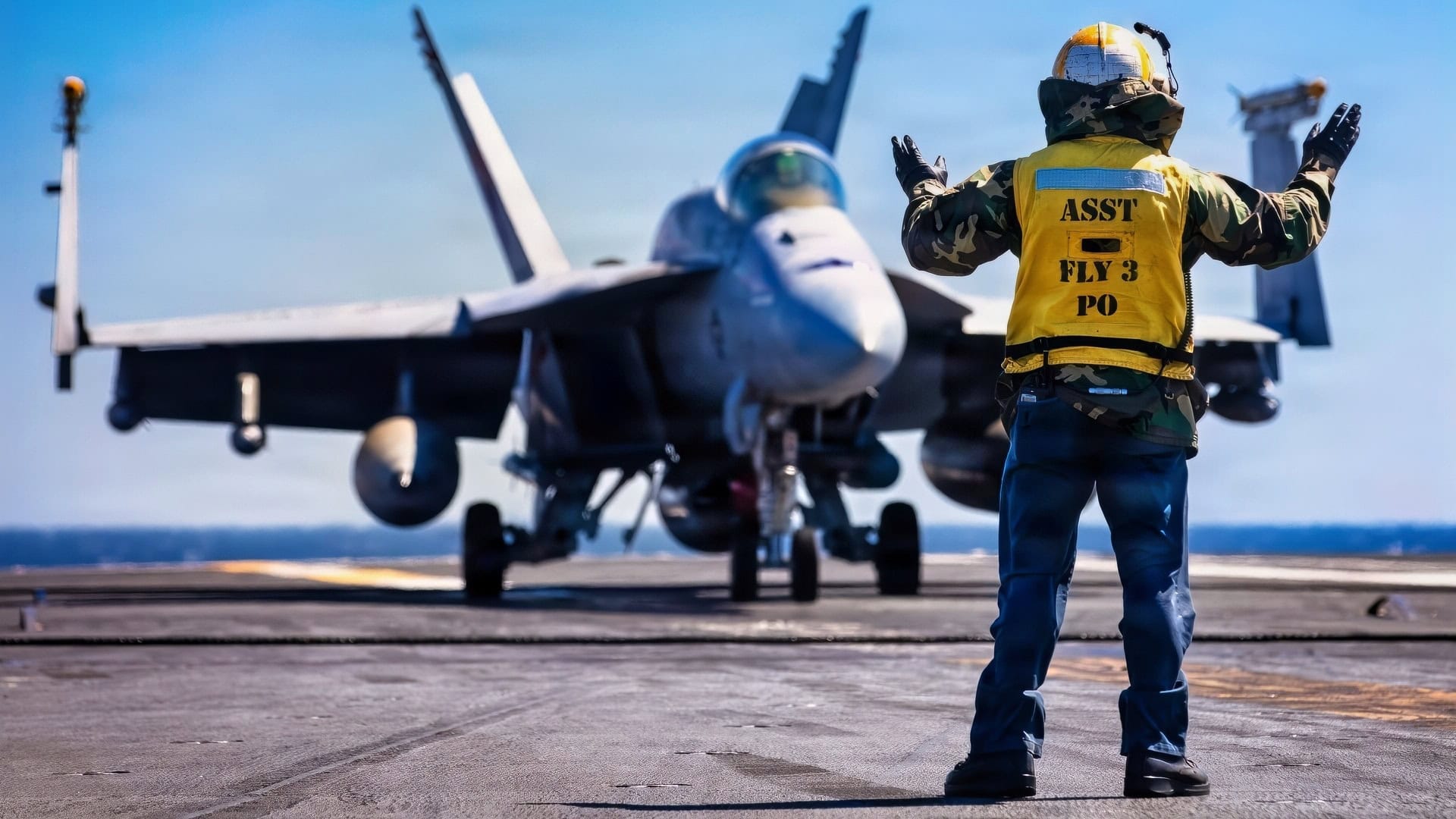
A U.S. Sailor signals to an F/A-18E Super Hornet aircraft, attached to Strike Fighter Squadron 31, on the flight deck of the world’s largest aircraft carrier, USS Gerald R. Ford (CVN 78), while underway during Operation Epic Fury, March 9, 2026. (U.S. Navy photo)
What Options Does the U.S. Have?
Say China does go all in. Even without multiple carriers available, the United States would not be paralyzed—but it would be forced to operate differently. Submarines would play a key role in the Navy’s defense posture. U.S. attack submarines, already forward‑deployed in the Pacific, would quietly surge into key operational areas. These submarines are some of the most important assets in the region, because they are difficult for China to detect, and they directly threaten nearly every Chinese surface vessel involved in coercive operations. Their presence alone would impose caution on Chinese naval commanders.
At the same time, the U.S. Air Force would activate long‑range bomber task forces.
Bombers operating from Guam, Australia, and the continental United States can reach the Western Pacific without relying on carrier decks, and they are central to U.S. planning for scenarios in which naval forces are constrained.
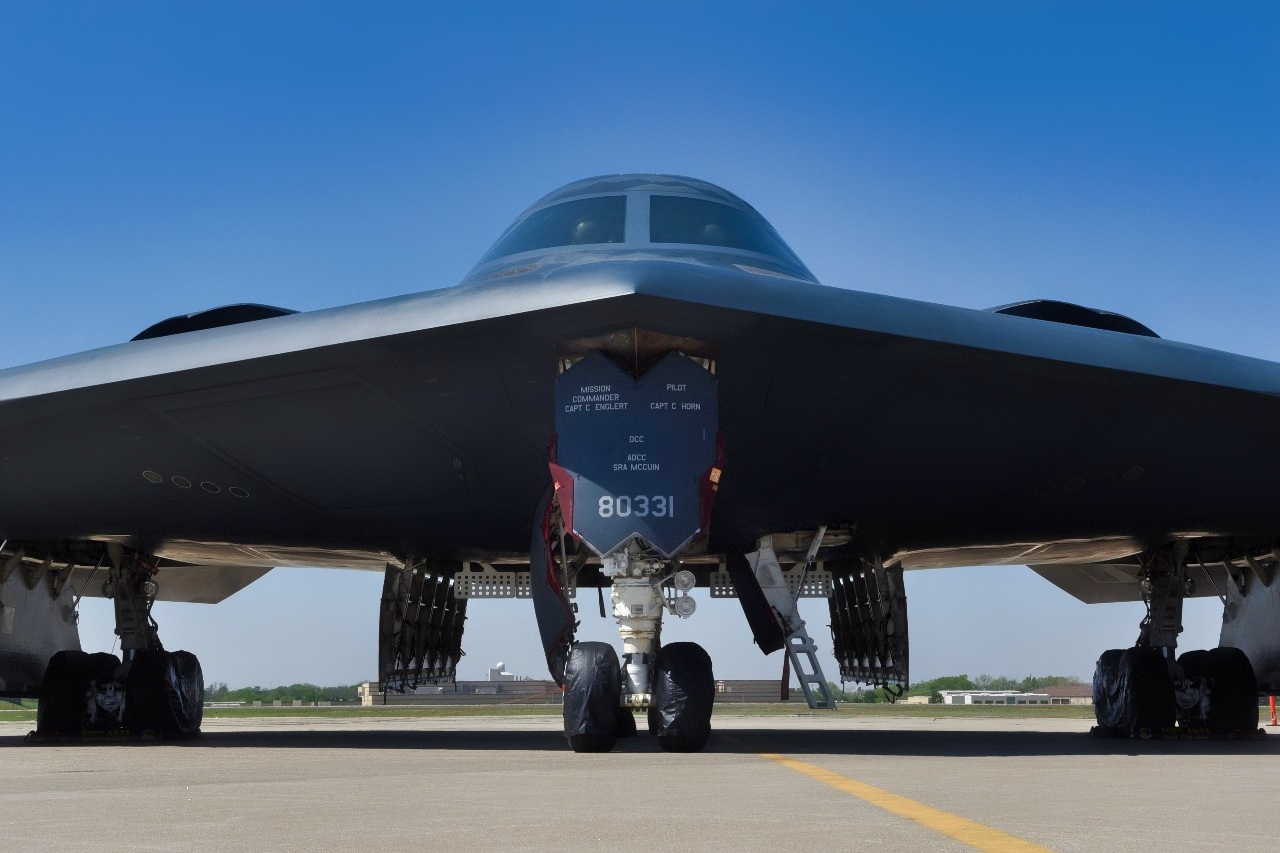
B-2A, serial #88-0331, ‘Spirit of South Carolina’ of the 509th Bomb Wing, Air Force Global Strike Command, on the parking ramp at Tinker Air Force Base, Oklahoma, during a visit April 11, 2017. The B-2A ‘stealth bomber’ visited the base to allow hundreds of personnel who work in direct support of the aircraft program through continuous software upgrades to see it in person and better understand the aircrafts’ role in the nation’s defense. (U.S. Air Force photo/Greg L. Davis)
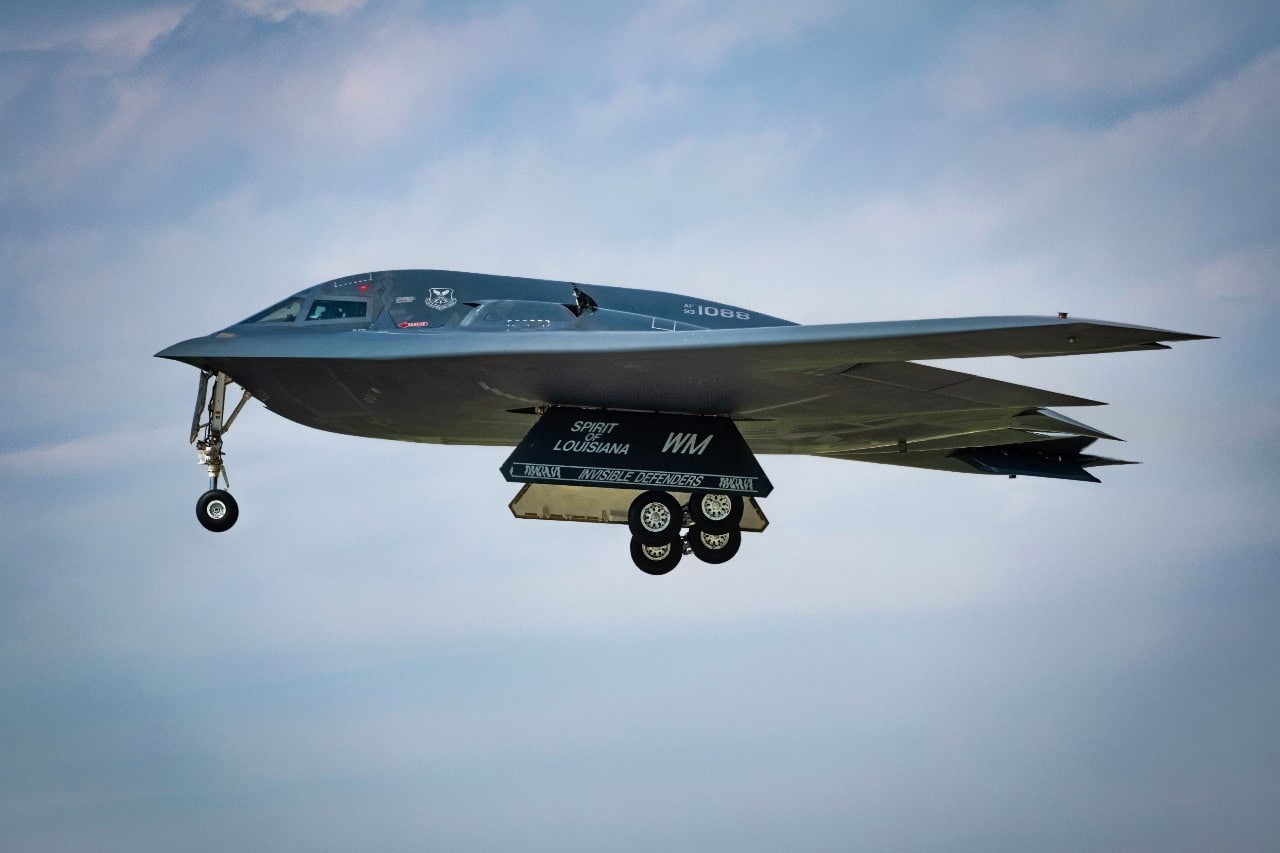
A B-2 Spirit stealth bomber departs from Whiteman Air Force Base, Missouri, April 16, 2025. The B-2 is capable of penetrating heavily defended air spaces and delivering conventional and nuclear munitions anywhere on the globe. (U.S. Air Force photo by Senior Airman Joshua Hastings)
Dispersed fighter forces and missile units also would reposition across Japan and the Philippines, complicating Chinese targeting and reinforcing regional defenses. Many of the forward units are in range of China’s missiles—but China is in their range as well.
Allied Assistance is Key
In this scenario, assistance from regional allies is crucial. With fewer carriers immediately available, the United States would have to rely even more heavily on allied capabilities and political resolve. Japan would be especially pivotal.
Its bases host key U.S. forces, its air and naval assets are among the most capable in the region, and any conflict near Taiwan would directly affect Japanese security.
The Philippines also would be under intense pressure, given its proximity to Taiwan and its expanding defense cooperation with Washington.
Australia is a bit of a wild card. In recent years, the government in Sydney has demonstrated less resolve to help the United States counter China in the region.
This might change if China were to launch an attack, but there is no guarantee of military assistance. What Australia would provide, however, is bases and logistics far enough from mainland China to be outside the range of most of its missiles.
If regional allies refuse to assist the United States, then Taiwan would likely be doomed.
The United States lacks the resources to take on the entire People’s Liberation Army on its “home turf.”
Right now, the U.S. Navy is dangerously stretched, and Chinese assets in the region outnumber them by more than two to one.
Any U.S. ships in the region would come under constant threat from Chinese anti-ship missiles and unmanned underwater vehicles.
With allied help, it is still uncertain whether the Chinese Navy could be beaten in a full-scale confrontation, but that assistance may be enough to deter such a conflict from happening in the first place.
About the Author: Isaac Seitz
Isaac Seitz, a Defense Columnist, graduated from Patrick Henry College’s Strategic Intelligence and National Security program. He has also studied Russian at Middlebury Language Schools and has worked as an intelligence Analyst in the private sector.