

The United States Military Academy at West Point is one of the most prestigious military academies in the entire world. It has produced the finest American leaders, some of whom went forth to shape the entire world. Because of its prestige, West Point is very selective about whom it admits.
The academy selects only the best candidates, and of those, only the best graduates. These high standards ensure that only the most qualified individuals serve in senior command positions within the United States Armed Forces.
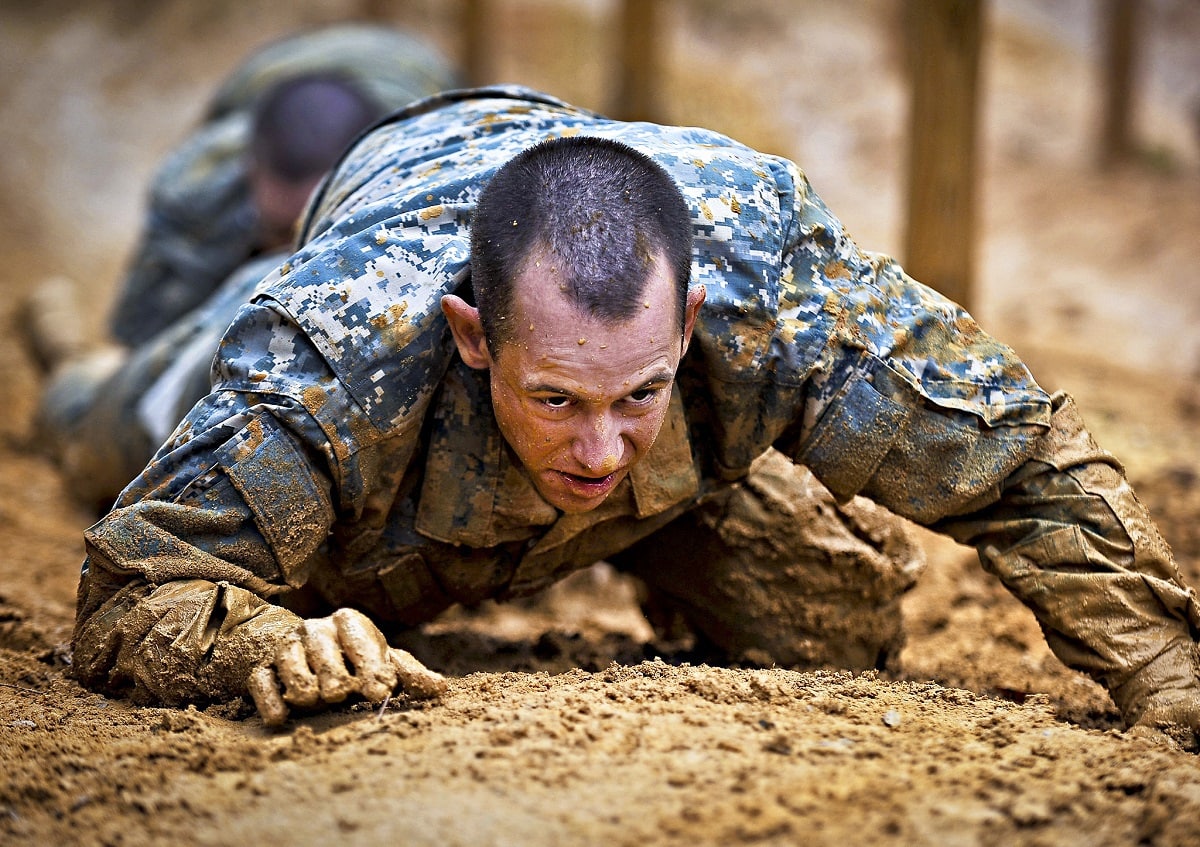
U.S. Army Soldiers from the One Station Unit Training (OSUT) low crawl while negotiating an obstacle course during their first week of Basic Training in Ft. Benning, Ga. March 9, 2012. OSUT is a training program in which recruits remain with the same unit for both Basic Combat Training (BCT) and Advanced Individual Training (AIT). (U.S. Army photo by Staff Sgt. Teddy Wade/ Released).
Evaluating Who Can Apply
Before West Point evaluates an applicant’s achievements, the candidate must meet several strict eligibility requirements set by federal law. All applicants must be U.S. citizens and at least 17 but not yet 23 on July 1 of the year of entry.
Candidates must be unmarried and cannot have legal obligations to support dependents. These requirements are nonnegotiable and exist to ensure that all incoming cadets meet the statutory conditions for commissioning as Army officers. Even exceptionally talented students will be disqualified immediately if they do not meet these baseline criteria.
Nearly all candidates must obtain a nomination from an authorized source to be eligible for an appointment (this is one of the most difficult steps in the process for many). Most nominations come from a U.S. Representative or one of the candidate’s two U.S. Senators.
Candidates are also encouraged to apply for a Vice Presidential nomination, which is open to applicants nationwide and not limited to a geographic district.
In addition, service-connected nominations are available to children of qualifying military members, as well as presidential nominations for certain eligible families.
A nomination is not an endorsement in the traditional sense and does not guarantee admission; it simply gives West Point legal authority to consider the candidate for appointment.
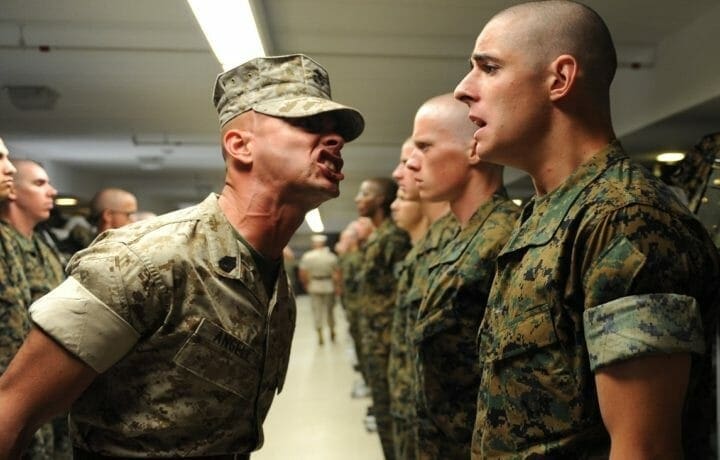
U.S. Army Basic Training. Image: Creative Commons.
Meeting Academic and Physical Requirements
Once a candidate meets the basic eligibility requirements and secures at least one nomination, West Point then focuses on academic strength.
The academy’s curriculum is rigorous and heavily focused on mathematics, engineering, and the sciences. West Point requires standardized testing and accepts both the SAT and ACT, with results from multiple test dates compared to capture a candidate’s best performance. While there is no official minimum score, competitive candidates generally score well above national averages, reflecting the academic intensity of the cadet population.
Physical fitness is another essential component of the admissions process, as military service demands physical readiness and resilience.
All candidates must complete the Candidate Fitness Assessment, which evaluates strength, endurance, speed, and coordination through a series of standardized events.
These events, which are typical in basic training, include upper-body strength exercises, core endurance tests, sprinting and agility drills, and a timed run. While the Candidate Fitness Assessment contributes to a candidate’s overall evaluation, it also functions as a basic qualification requirement.
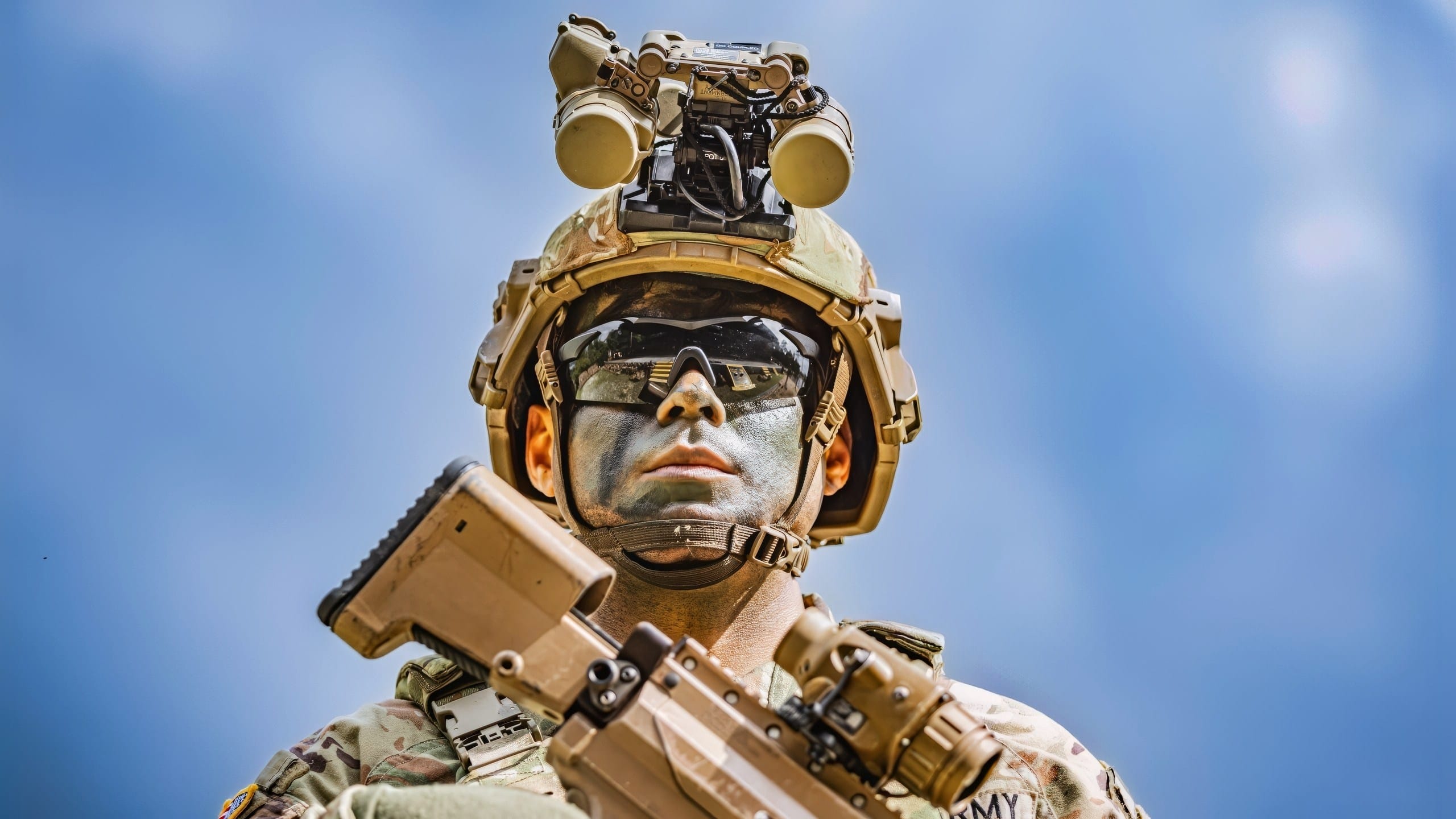
Soldiers, family and friends attend the Rangers in Action demonstration and graduation for class 08-25 Aug. 08, 2025, at Victory Pond on Fort Benning, Georgia. (U.S. Army photo by Capt. Stephanie Snyder)
Candidates who fail to demonstrate sufficient physical capability are unlikely to be admitted, regardless of academic achievements. West Point expects applicants not only to pass but to prepare deliberately and perform competitively.
Leaders Required: Evaluating a Candidate’s Personal Merits
Leadership is an important trait in the U.S. Military, but gauging leadership skills is often very difficult. The academy looks for evidence that applicants are willing and able to take responsibility and lead ethically under pressure.
Leadership is assessed through involvement in school organizations, athletic teams, community service, and other structured activities. Being a team captain, student government officer, or leader in programs such as Boys State or Girls State is a good indicator of the ability to lead peers.
Earning achievements such as the Eagle Scout or Girl Scout Gold Award is also valued, as it demonstrates personal commitment and discipline.
As part of the admissions process, many candidates are interviewed by a West Point Field Force Representative, often a graduate living in the candidate’s region.
This interview allows the academy to assess qualities that cannot be fully captured on paper, such as interpersonal skills, sincerity of motivation, understanding of military life, readiness for the demands of service, and so on.
The interview itself makes little difference for the overall score, but an overly negative interview may or may not influence the final decision.
Final Considerations
West Point also requires its applicants to be medically fit. All candidates must undergo evaluation by the Department of Defense Medical Examination Review Board (DoDMERB). The applicant must complete a detailed medical history and attend required physical and vision examinations.
The purpose of the DoDMERB evaluation is to determine whether a candidate meets the medical standards necessary for military service. As per federal law, certain conditions are automatically disqualifying, while others may be reviewed for potential waivers if the candidate is otherwise highly competitive.
To integrate academic, leadership, and physical performance into a consistent evaluation system, West Point uses a metric known as the Whole Candidate Score. This score weights academics most heavily, followed by leadership potential and physical aptitude.
Academics account for the majority of the score, as those who perform well academically often thrive at West Point. Leadership experiences and extracurricular involvement make up the second-largest portion, while physical fitness, as measured by the Candidate Fitness Assessment, rounds out the list.
Although the Whole Candidate Score provides an objective framework for comparing applicants, it does not, in and of itself, determine admission. The final decision is made by experienced admissions officers who consider individual circumstances and the needs of the incoming class.
Acceptance: The Real Test Begins Here
When West Point offers admission, it does so through an official appointment. Accepting that appointment is a serious decision. Acceptance is only part of the West Point experience.
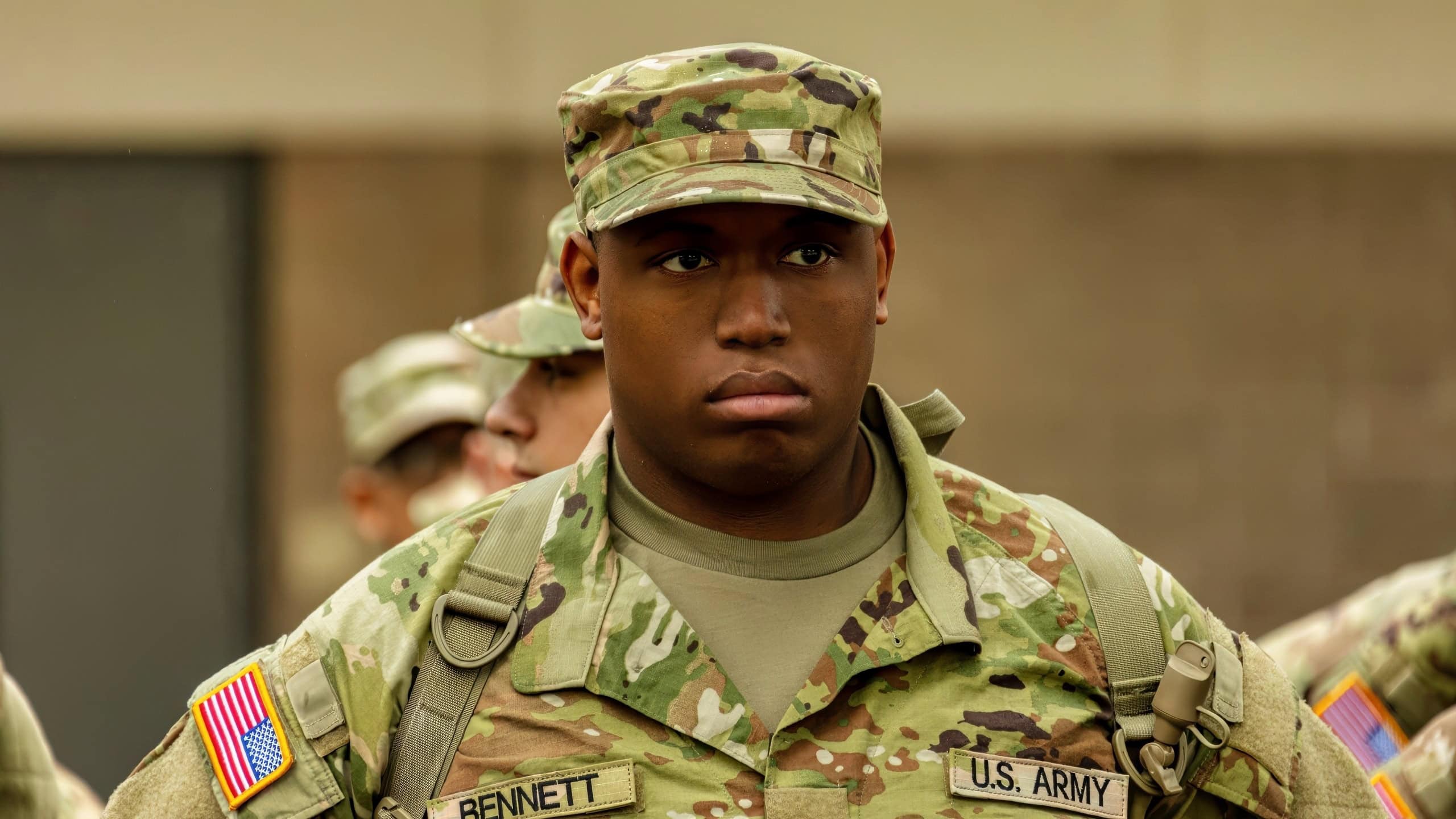
Basic Combat Training, also known as “boot camp,” is the process in transforming civilian volunteers into Soldiers. Over 10 weeks, trainees will go through four phases that cover Army core values, physical training, first aid, hand grenades, obstacle course, basic rifle marksmanship, navigation, and three separate field exercises. Basic training produces Soldiers that are disciplined, resilient, physically fit and competent in their basic skills who can successfully contribute as members of a team when they arrive at their first unit of assignment. (US Army photo by Robin Hicks)
New cadets are required to report to West Point on Reception Day and immediately begin Cadet Basic Training, often referred to as Beast Barracks. Upon graduation, cadets are commissioned as second lieutenants in the United States Army and incur a minimum five-year active-duty service obligation, followed by time in the Individual Ready Reserve.
Those who graduate from West Point have proven they can withstand the most academically rigorous training the U.S. Military offers.
About the Author: Isaac Seitz
Isaac Seitz, a Defense Columnist, graduated from Patrick Henry College’s Strategic Intelligence and National Security program. He has also studied Russian at Middlebury Language Schools and has worked as an intelligence Analyst in the private sector.