
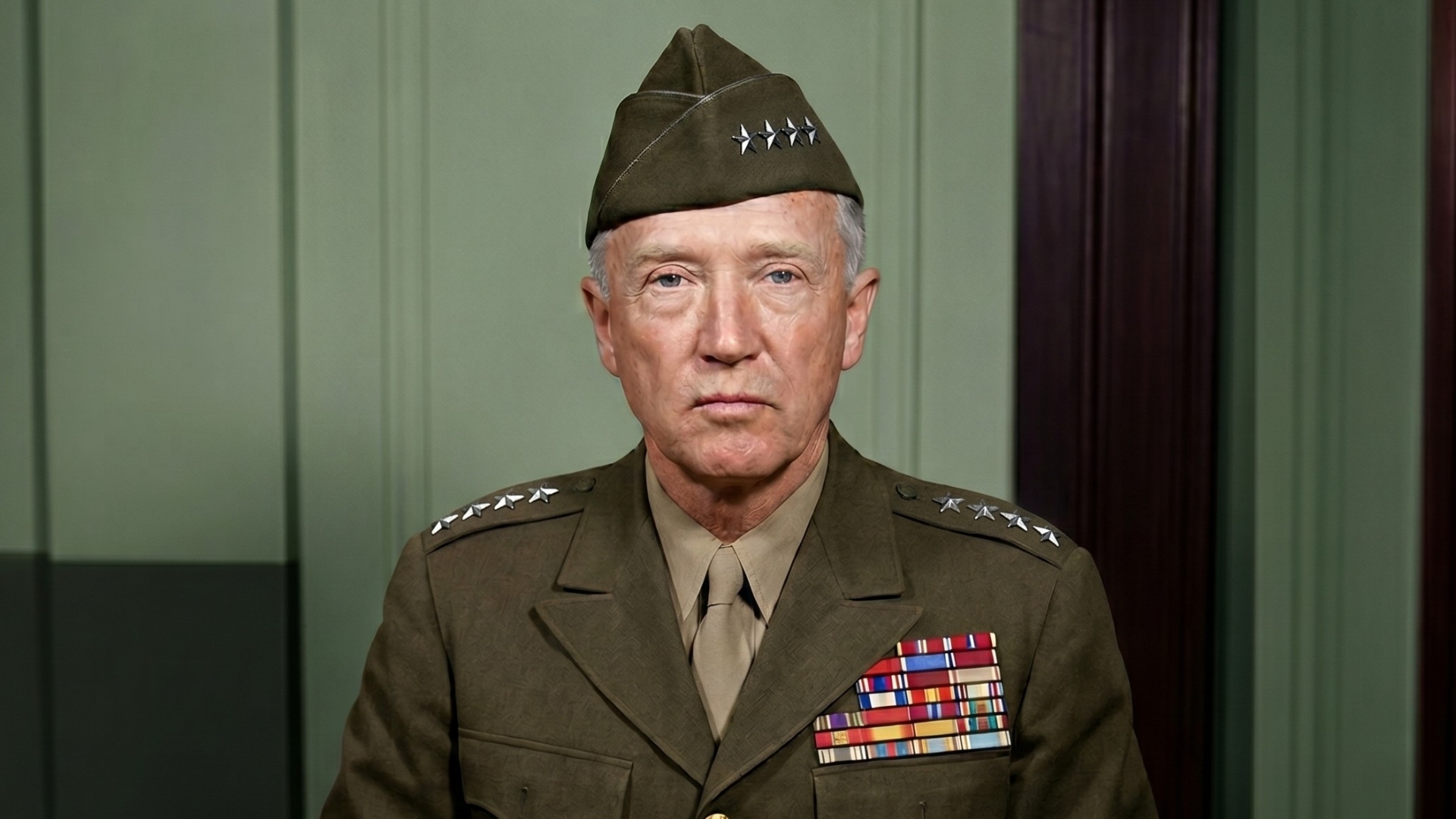
General George S. Patton lived by a simple battlefield philosophy: total discipline from top to bottom, no exceptions. After watching American troops crumble at Kasserine Pass under MG Lloyd Fredenhall’s lax command, Patton took over II Corps and saw the truth instantly: “A blind man can see it in a minute. They don’t look like soldiers, they don’t act like soldiers.”
Weekend Quote by U.S. Army General George S. Patton
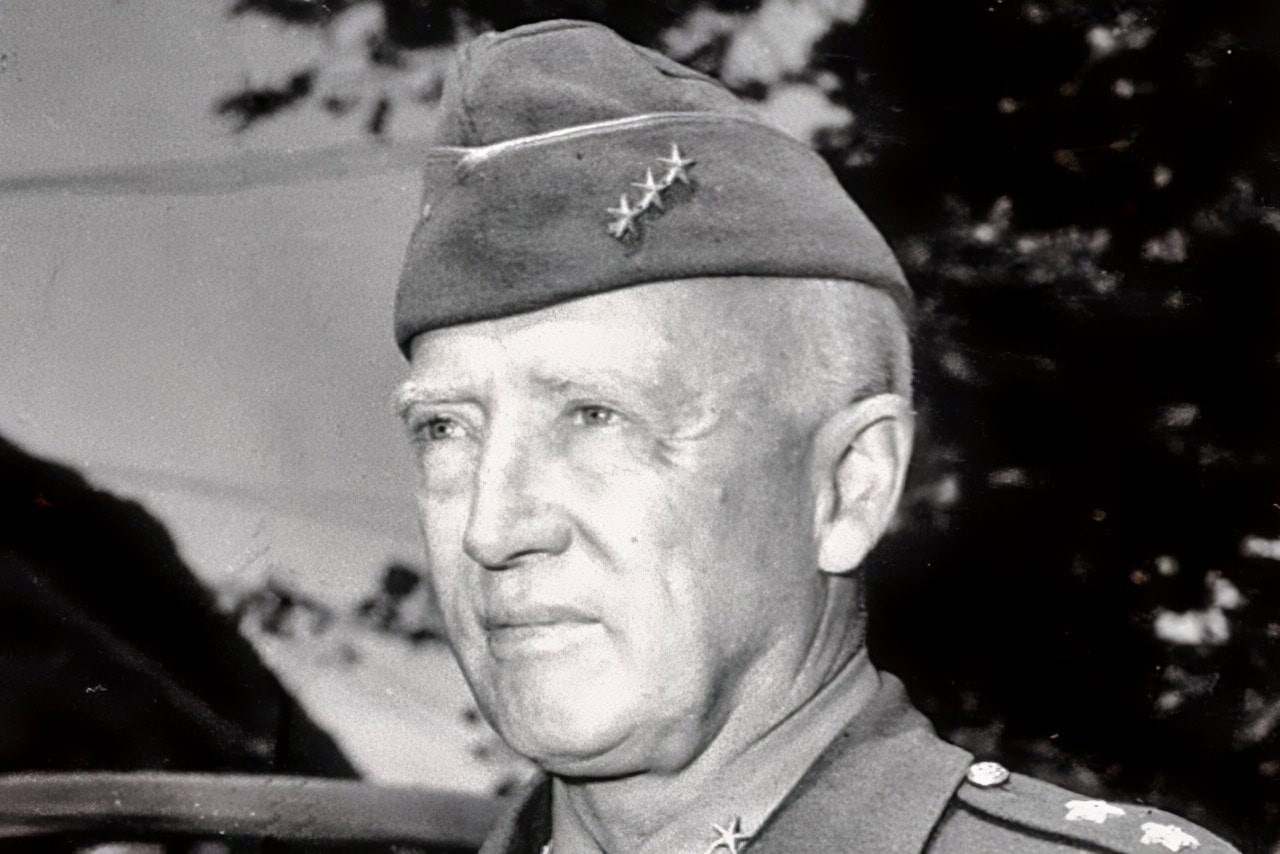
George S. Patton Quote of the Day. Creative Commons Image.
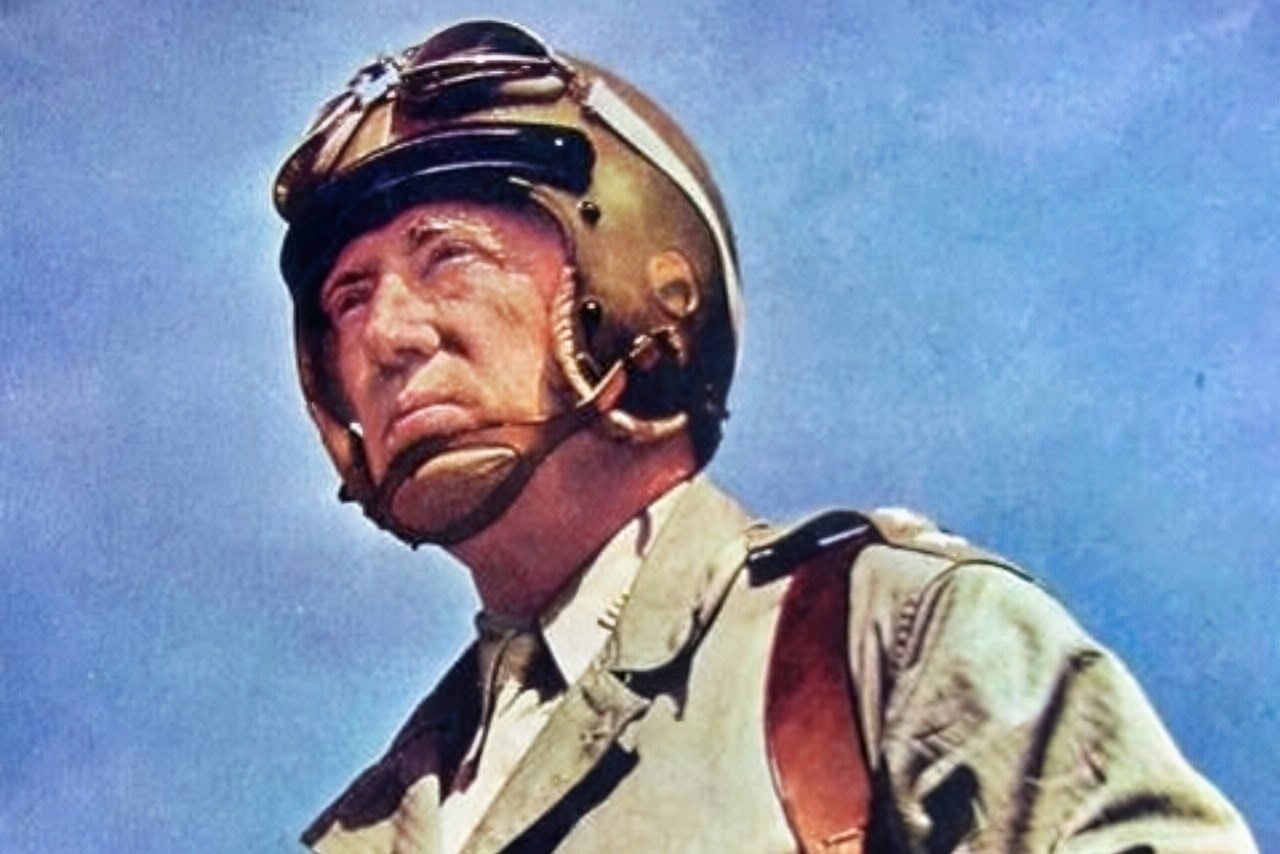
General George Patton of the U.S. Army. Image Credit: Creative Commons.
General George Patton was an outstanding combat leader, going from a lieutenant in Mexico during the Punitive Expedition chasing Pancho Villa, to commanding a battalion of the new armored forces in World War I, to commanding the Third Army in Europe during World War II.
Patton was arguably the finest combat commander that the United States ever produced. He was adamantly against defensive warfare, believing that wars are won by relentless aggression, speed, and audacity, frequently quoting Frederick the Great, with the phrase “L’audace, l’audace, toujours l’audace” (Audacity, audacity, always audacity).
Patton grew up in a southern military family, where he was regaled with stories of his ancestors who fought and died in the American Revolution and for the Confederacy during the Civil War. Those stories shaped his early life and profoundly affected his military career as an adult.
He believed in reincarnation and wrote poetry. Although in public, he often delivered intense, profane, and charismatic extemporaneous speeches designed to instill aggression, confidence, and a “killer instinct”.
What Was Patton’s Meaning Of the Quote?
Patton’s philosophy was deeply rooted in his belief that an Army must have absolute discipline from the top to the bottom. It emphasizes that discipline cannot be selective or partial; it must be total and absolute.
He believed that, especially in a military context, you cannot be disciplined in great things while being undisciplined in small things, as a lack of discipline in minor details inevitably leads to failure in crucial moments.
His point was driven home early in the war, when II Corps was routed by the Germans at the Battle of Kaserine Pass. Discipline was poor under the then-commander, MG Lloyd Fredenhall. Patton saw this and immediately recognized why they suffered after he replaced Fredenhall in Tunisia.
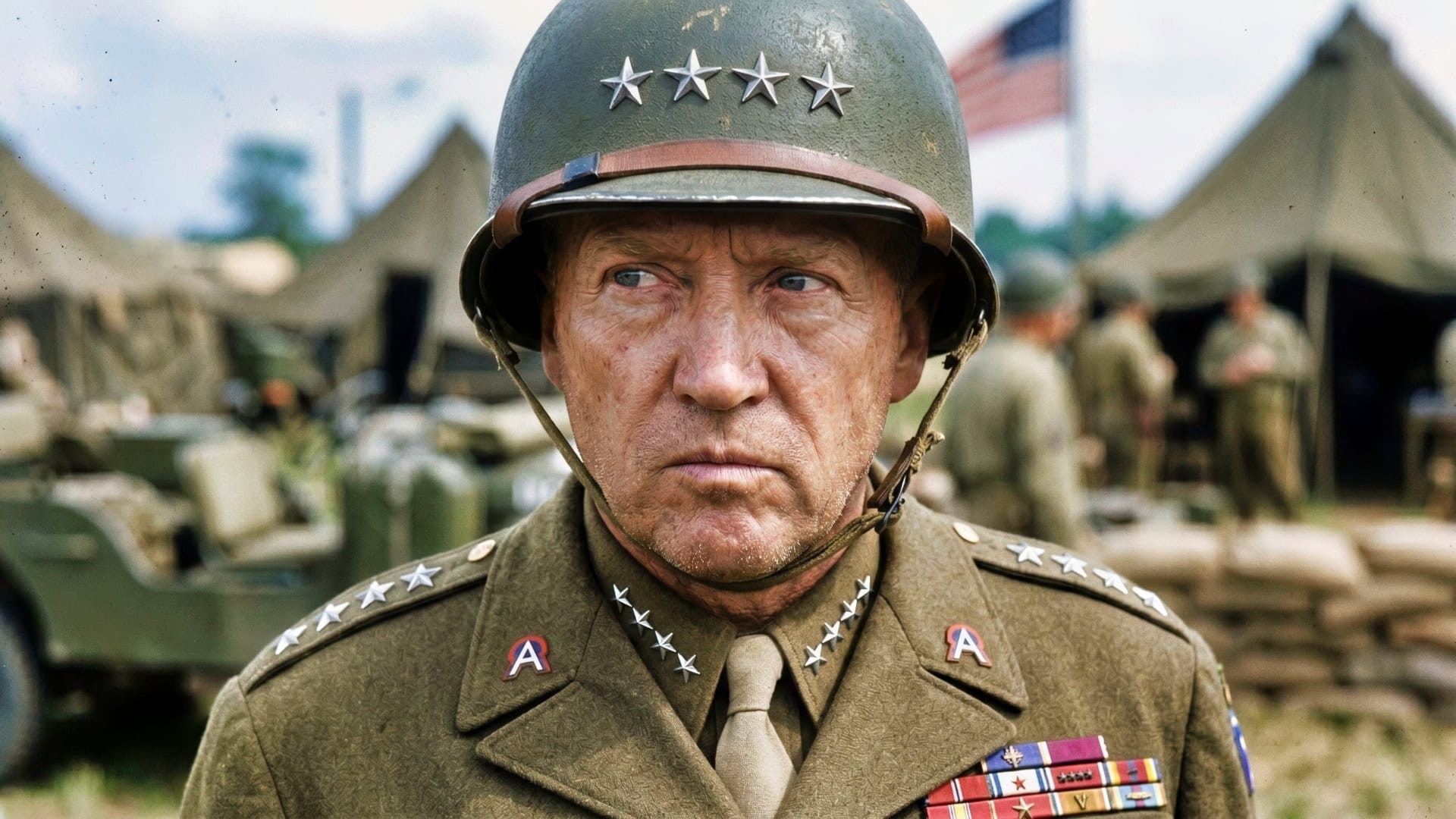
New General George Patton in Camp WWII. Image Credit: Banana Nano Image.
“A blind man can see it in a minute,” he said. “They don’t look like soldiers, they don’t act like soldiers, why should they be expected to fight like soldiers?”
Part of the discipline for senior officers, Patton believed, was for them to lead from the front and to ensure that the soldiers saw that. “The more senior the officer, the more time he has to go to the front.”
Patton Always Led From the Front
Patton frequently visited soldiers at the front lines during the war to inspire aggressive action, maintain high morale, and personally assess combat situations.
He often appeared in forward positions, and the positions were often far from secure. The troops respected this as he would get a first-hand look at the battles and expected all of his officers to do the same.
In an earlier post, I mentioned my father talked about the visits Patton would make to the front, where the fighting was heaviest. One particular event was during the siege of Metz, during the Lorraine Campaign.
His tank destroyer battalion was pouring fire into one of Metz’s forts and under fire themselves from German artillery. But Patton stood there exhorting the troops and talking to the officers, getting a better picture of the tactical situation. A continuation of that story he told me follows.

General Patton Portrait. Image Credit: Creative Commons.
While the Americans would pour fire into and around the fort (Fort Driant), with minimal effect due to the very thick walls, during lulls in the action, the Americans would see a German soldier, at meal times, shuttling a wheelbarrow with a tarp over it, going to and from different positions.
Patton asked what he was doing. My father’s platoon commander said that they believed he was bringing food to the German troops. Curious, Patton zoomed in with his binoculars and saw that the German wheelbarrow had a wooden front wheel and was digging deep in the rain-soaked soil.
“That SOB is carrying ammunition,” Patton said. He then directed his next comment at my father. “Put a round in that wheelbarrow.” The high-explosive round blew up the wheelbarrow and set off secondary explosions. That was the last time they tried that tactic.
Those visits to the front were good for morale and, as this one shows, sometimes also beneficial to the overall tactical situation.
About the Author: Steve Balestrieri
Steve Balestrieri is a National Security Columnist. He served as a US Army Special Forces NCO and Warrant Officer. In addition to writing on defense, he covers the NFL for PatsFans.com and is a member of the Pro Football Writers of America (PFWA). His work was regularly featured in many military publications.