
The terms of the Memorandum of Understanding ending the war between the United States and Iran are now public. From the point of view of US war aims, they are dreadful. The deal is worth supporting because it offers hope for an end to the pointless, destructive war that the Trump administration embarked upon four months ago. But it does not leave the United States in a better position, and represents an emphatic acknowledgment that the war was not worth the costs.
The Terms: How the Iran War Ends

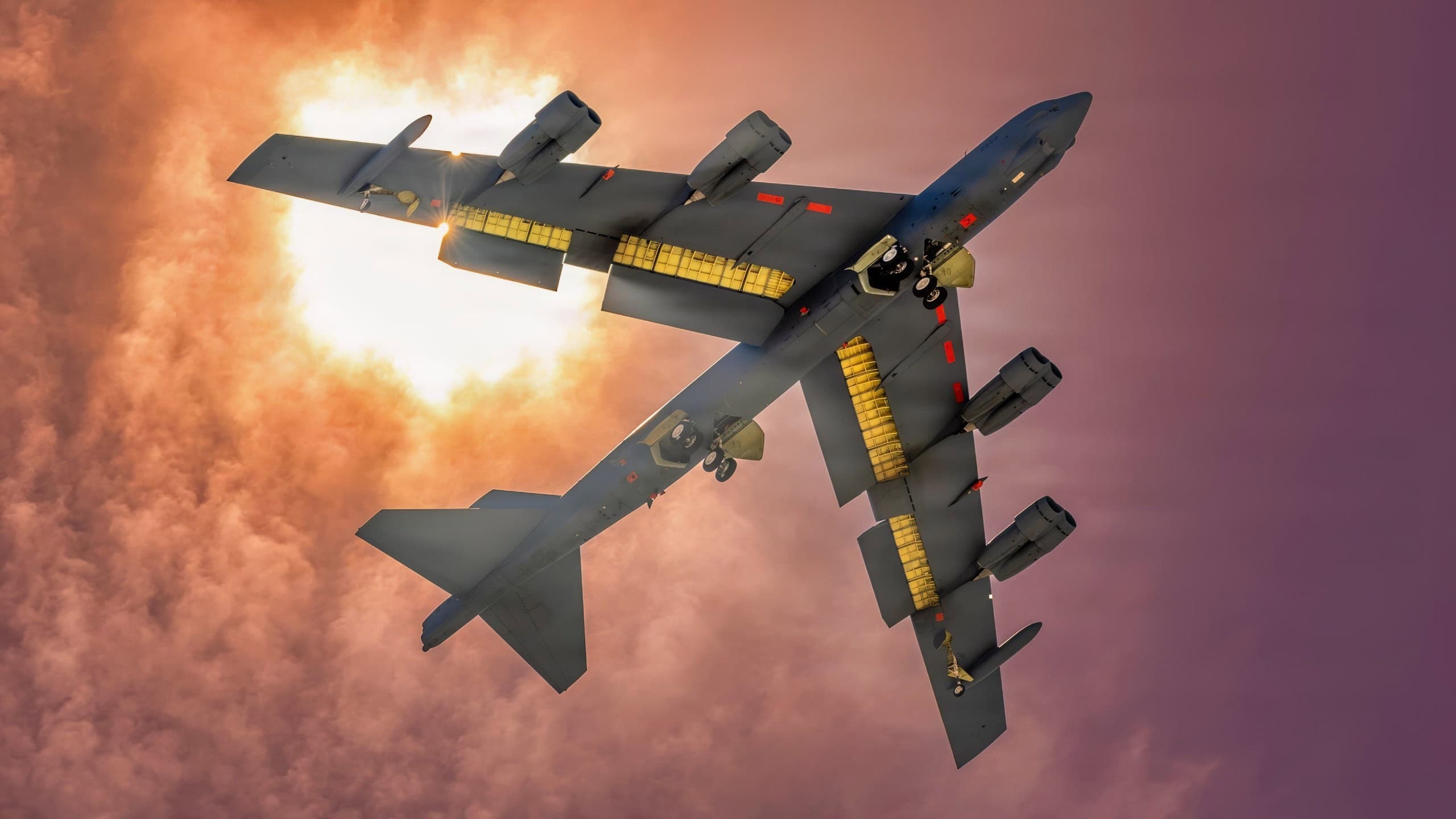
A B-52 Stratofortress from Barksdale AFB is parked on the flight line at Fairchild Air Force Base, Washington, Aug. 16, 2022. The B-52s landed at Fairchild to conduct their own Agile Combat Employment exercise creating more multi-capable Airmen ready to deploy anywhere, anytime. (U.S. Air Force photo by Staff Sgt. Lawrence Sena)
Rumors of the contents of the MOU have been circling since last week.
The rumors suggested a deal which would heavily favor Iran… and those rumors have been confirmed.
Understanding the likely reaction from Iran hawks in his own party, the Trump administration attempted to delay the release of the terms until close to the formal signing of the agreement, but administration officials released an official confirmation of the contents today.
In addition to specifying conditions for an immediate cessation of hostilities, the agreement established:
-A sixty-day period of negotiation over Iran’s nuclear program and frozen assets;
-A $300 billion reconstruction and investment fund that would activate in stages during the negotiation process;
-A timetable for the relaxation of Iran’s blockade of the Strait of Hormuz and the US blockade of Iranian ports;
From there, the details get bad for the Trump administration.
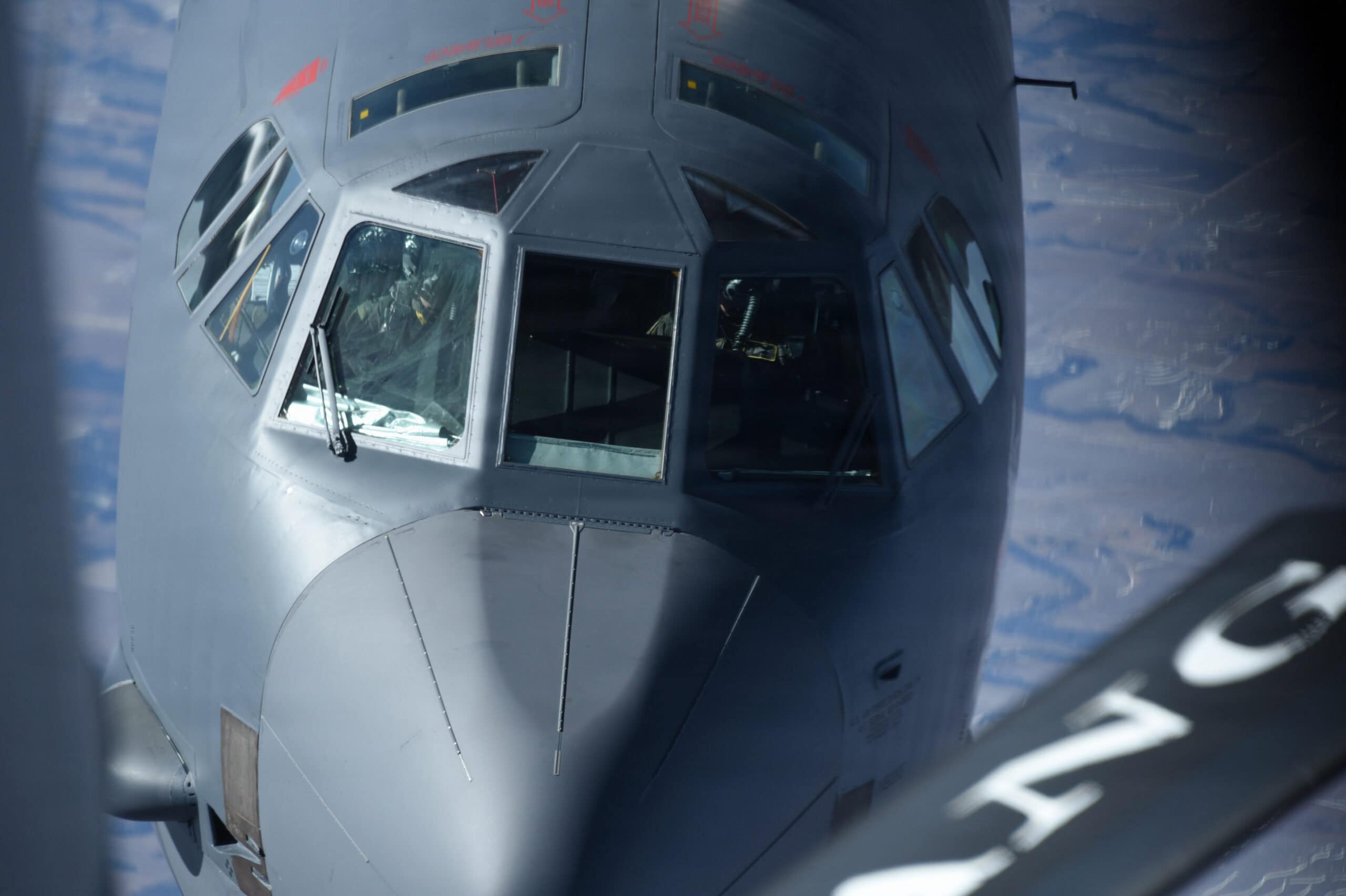
A U.S. Air Force B-52H Stratofortress assigned to the 5th Bomb Wing of Minot Air Force Base flies behind a U.S. Air Force KC-135 Stratotanker assigned to the 185th Air Refueling Wing of the Iowa Air National Guard over Kansas, Feb 5, 2026. Aerial refueling operations are routinely conducted to support training and mission requirements. (U.S. Air National Guard photo by 1st Lt. Daniel Ter Haar)
With respect to the opening of the Strait of Hormuz, the agreement seems to leave open the prospect of some kind of Iranian toll or fee, specifying no charges within sixty days and a joint Iranian-Omani administration thereafter.
Iran is entitled to an immediate resumption of its oil sales, placing its economy on a stronger footing than at any time since early in Trump’s first term.
Iran’s ballistic missile, drone, and militia programs will remain untouched.
The Next Negotiation
Much would seem to rest on the next sixty days of negotiation, but hopes for a full accord are probably illusory.
There is much reason to doubt that anything serious will be accomplished during the period of negotiation specified by the agreement.
President Trump appears to have little interest in reigniting the conflict two months closer to the midterms, and the Iranians are well aware of the dismal state of the President’s approval rating with respect to his handling of the war.
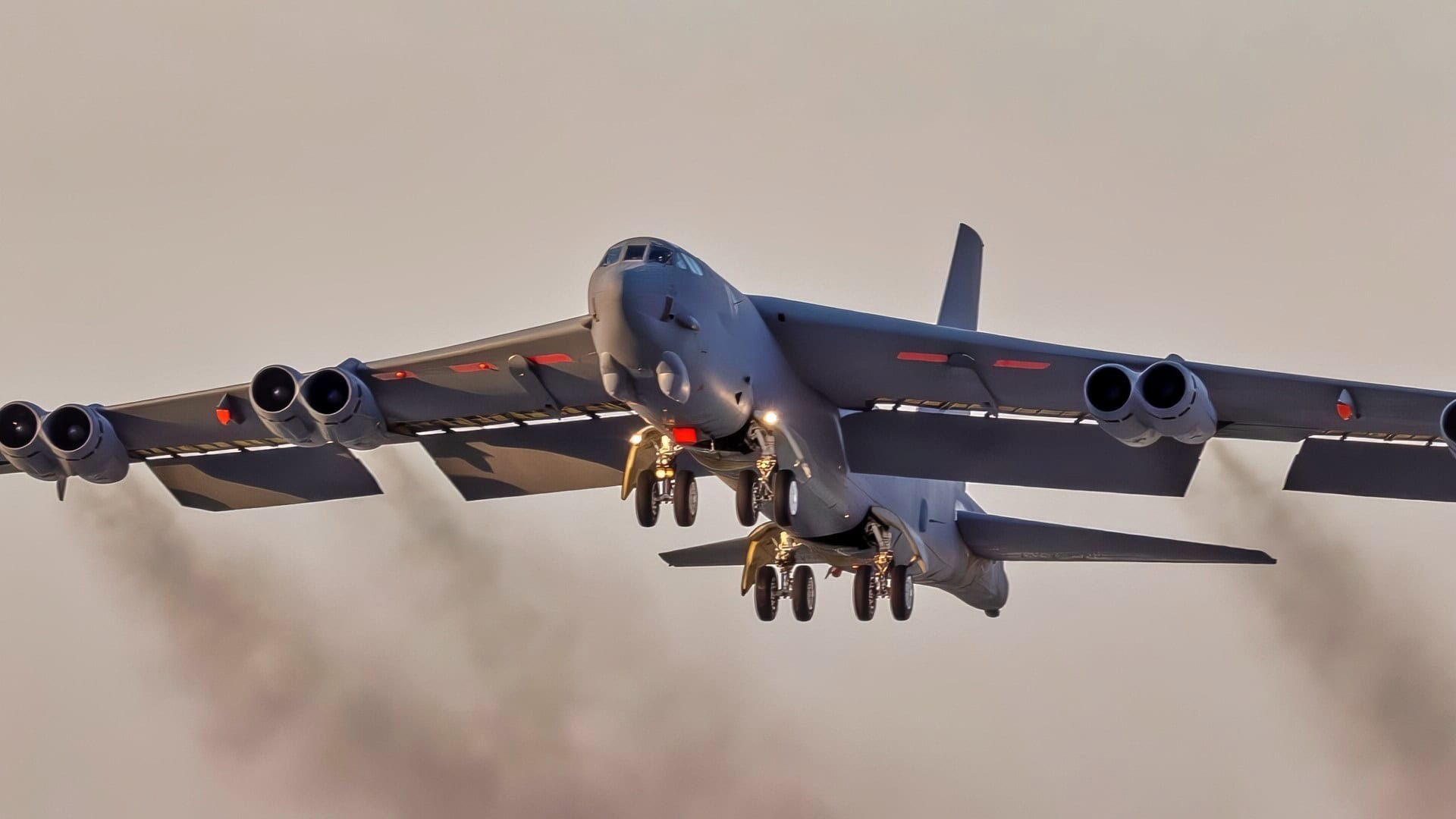
A modified B-52H Stratofortress departs Edwards Air Force Base for an evening training mission on June 25, 2025. The aircraft is assigned to the 419th Flight Test Squadron, Global Power Bombers Combined Test Force, tasked with supporting developmental testing across the B-52, B-1, and B-2 bomber portfolio. Along with most 412th Test Wing aircraft, B-52H bombers at Edwards include special instrumentation to conduct a variety of testing activities. (Air Force photo by Chase Kohler)
Iran will thus have extraordinary leverage over the terms of any agreement on the nuclear program.
Let there be no mistake; with the promise of complete relaxation of sanctions, $100 billion in frozen assets, and a $300 billion reconstruction slush fund, this deal could place Iran in a far stronger position than the JCPOA that President Trump disavowed during his first term.
But again, much depends on the course of negotiations.
War Aims
From the Israeli point of view, these terms are catastrophic. Iran will face no limits in the reconstruction of its drone and ballistic missile programs, and can continue to support regional militia groups without serious hindrance from the United States.
Worse, Israel clearly faces pressure from the United States to cease its attacks on Lebanon and to refrain from future attacks against Iran.
Of course, Israel may choose to play spoiler and attack anyway, but its diplomatic and military leverage is far weaker now than on February 28.
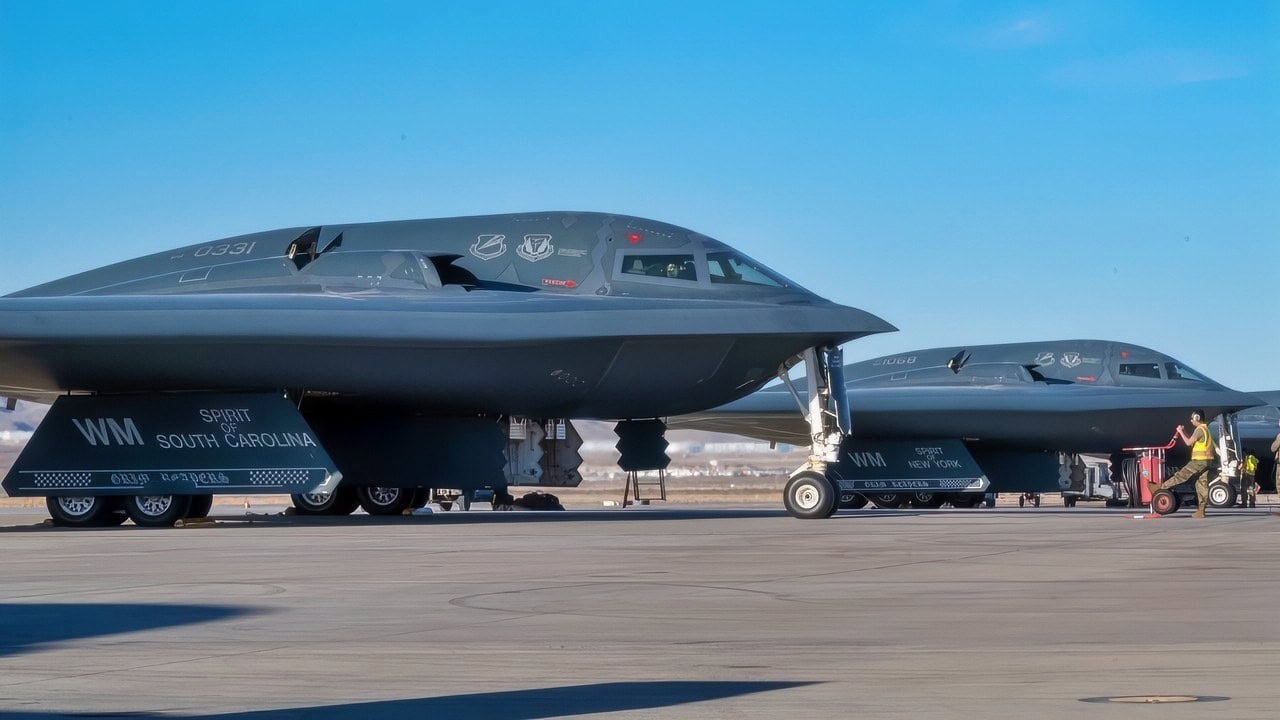
Three B-2 Spirit stealth bombers prepare for departure during Exercise Bamboo Eagle at Nellis Air Force Base, Nevada, Feb. 10, 2025. Bamboo Eagle incorporates multiple mission scenarios, preparing aircrews for complex operational challenges. (U.S. Air Force photo by Senior Airman Bryson Sherard.)
The MOU confirms what many have suspected over the last week: the war was an utter failure for the United States and Israel, even given the significant damage inflicted on Iranian military installations.
The US has abandoned the goal of regime change, has agreed to allow Iran’s non-nuclear military programs to proceed unabated, has agreed to restrain Israel in Lebanon, and is offering immediate sanctions relief that will undoubtedly reinvigorate Iran’s economic and military infrastructure.
Worse, Iran has learned that it can close the Strait of Hormuz at will without incurring significant consequences.
What Happens Now?
This is why so many people for so many years have argued that attacking Iran would be a catastrophic error for the United States. US negotiators won a better deal in 2015; they may have been on their way to another in February 2026. Now, the Islamic Republic can claim a massive victory over a superpower, generating legitimacy for a new generation of leaders.
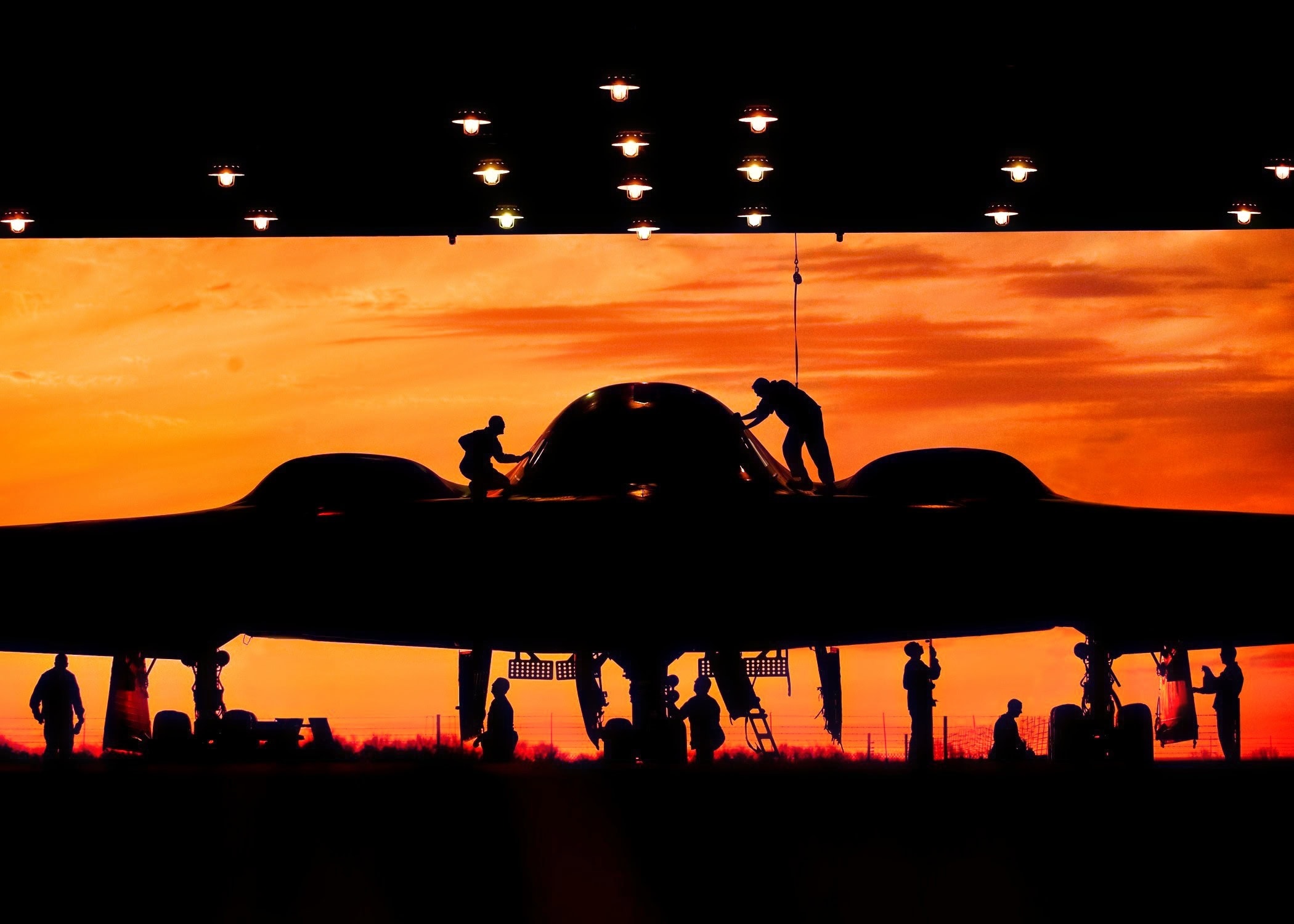
B-2 Spirit Bomber. Image Credit: Creative Commons.
The President and his Secretary of War were under the misapprehension that it was easy to turn military might into profitable outcomes.
Let us hope that they learn some lessons from this conflict, expensive though those lessons may have been.
About the Author: Dr. Robert Farley
Dr. Robert Farley has taught security and diplomacy courses at the Patterson School since 2005. He received his BS from the University of Oregon in 1997 and his Ph. D. from the University of Washington in 2004. Dr. Farley is the author of Grounded: The Case for Abolishing the United States Air Force (University Press of Kentucky, 2014), the Battleship Book (Wildside, 2016), Patents for Power: Intellectual Property Law and the Diffusion of Military Technology (University of Chicago, 2020), and most recently Waging War with Gold: National Security and the Finance Domain Across the Ages (Lynne Rienner, 2023). He has contributed extensively to a number of journals and magazines, including the National Interest, the Diplomat: APAC, World Politics Review, and the American Prospect. Dr. Farley is also a founder and senior editor of Lawyers, Guns, and Money.