
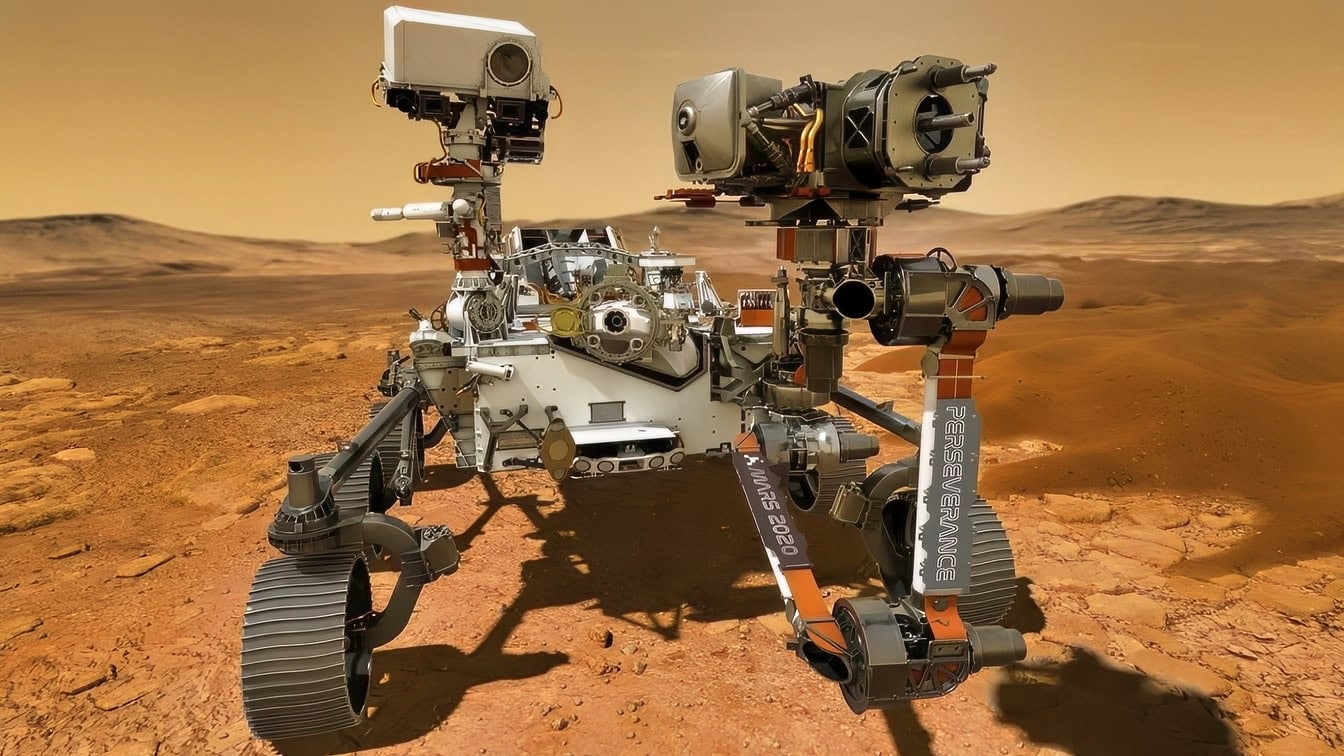
Mars Exploration Gets Serious: NASA’s Perseverance rover has detected complex organic carbon molecules preserved inside Martian rocks in Jezero Crater.
To be clear: scientists are not claiming to have found evidence of life, but they have discovered some of the same fundamental chemical ingredients that underlie all known life on Earth.
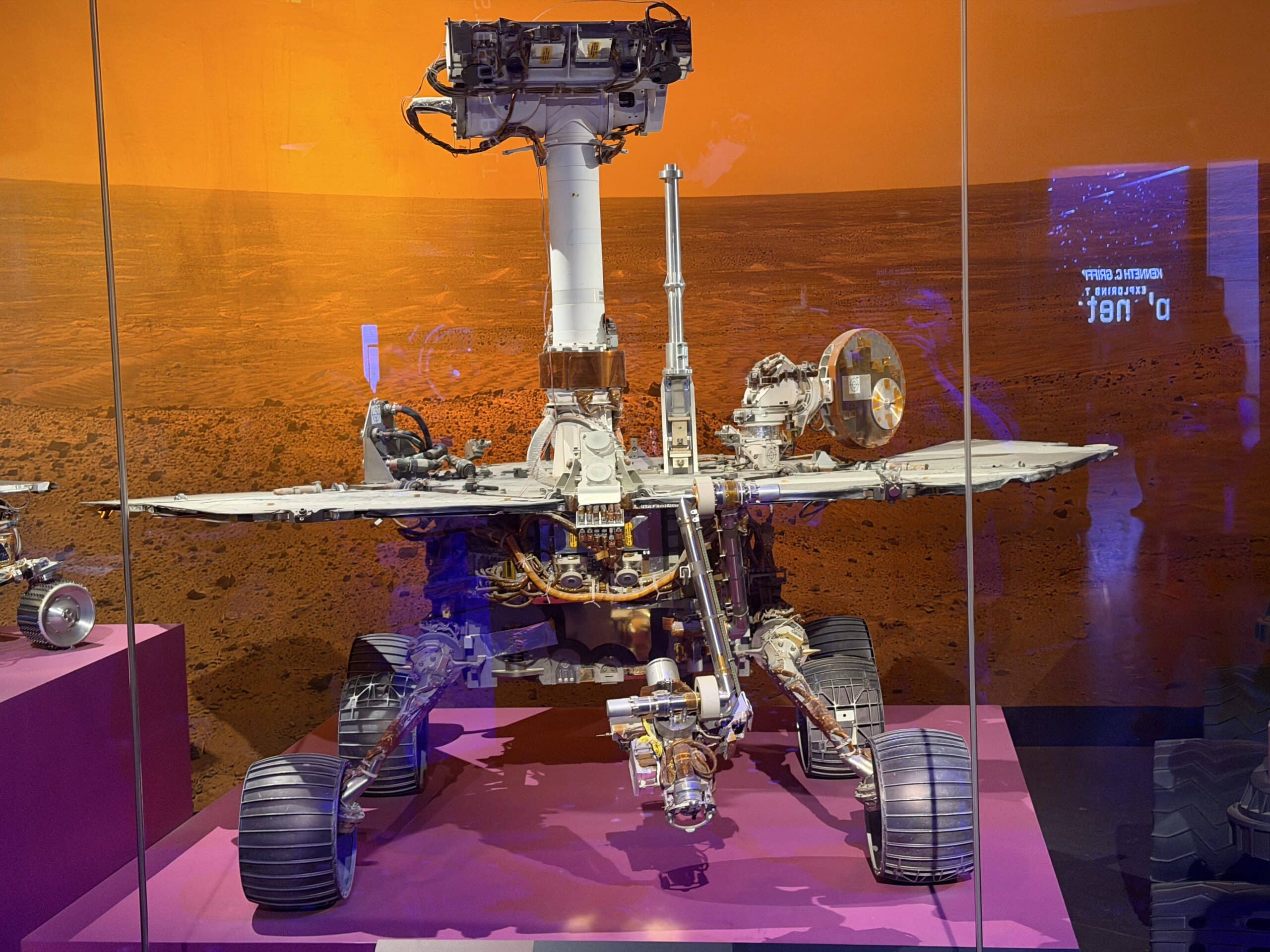
Mars Pathfinder at the Smithsonian on July 1, 2026 image taken by 19FortyFive.
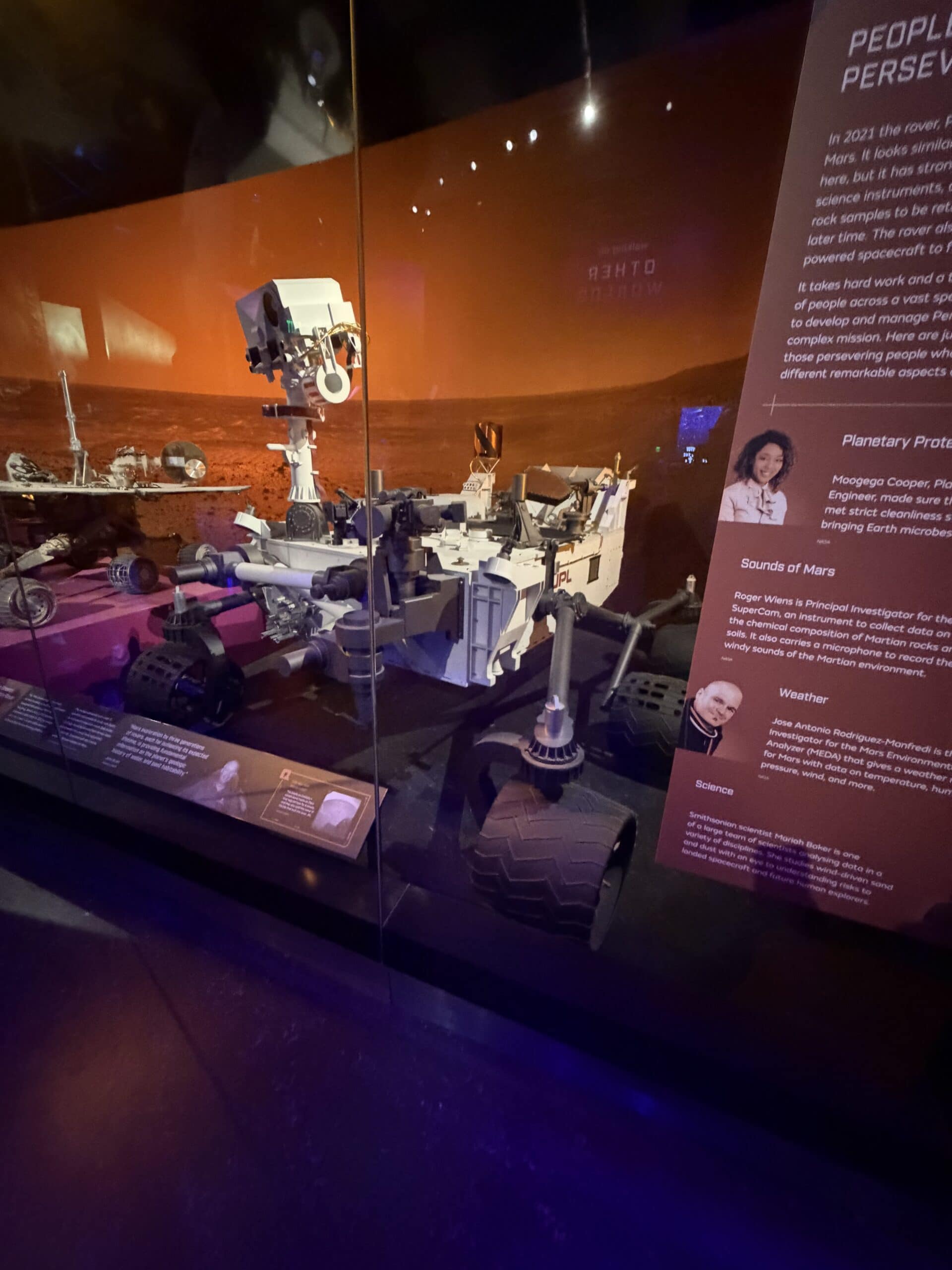
Mars Pathfinder at the Smithsonian on July 1, 2026 image taken by 19FortyFive.
Obviously, this is significant, representing a shift in Mars research from asking whether Mars was habitable to asking how far Martian chemistry progressed toward life.
The find also reinforces why returning Martian rock samples to Earth has become a pressing priority.
What Perseverance Found
The discovery comes from rocks found inside Jezero Crater, an ancient impact basin that, billions of years ago, is believed to have contained a lake and river delta.
Using the SHERLOC instrument (Scanning Habitable Environments with Raman & Luminescence for Organics & Chemicals), Perseverance scanned rocks using ultraviolet spectroscopy to identify minerals and organic compounds.
The rover did indeed detect organic molecules containing carbon, along with hydrogen, oxygen, and nitrogen.
The find included ring-shaped carbon structures that are commonly found in organic chemistry.
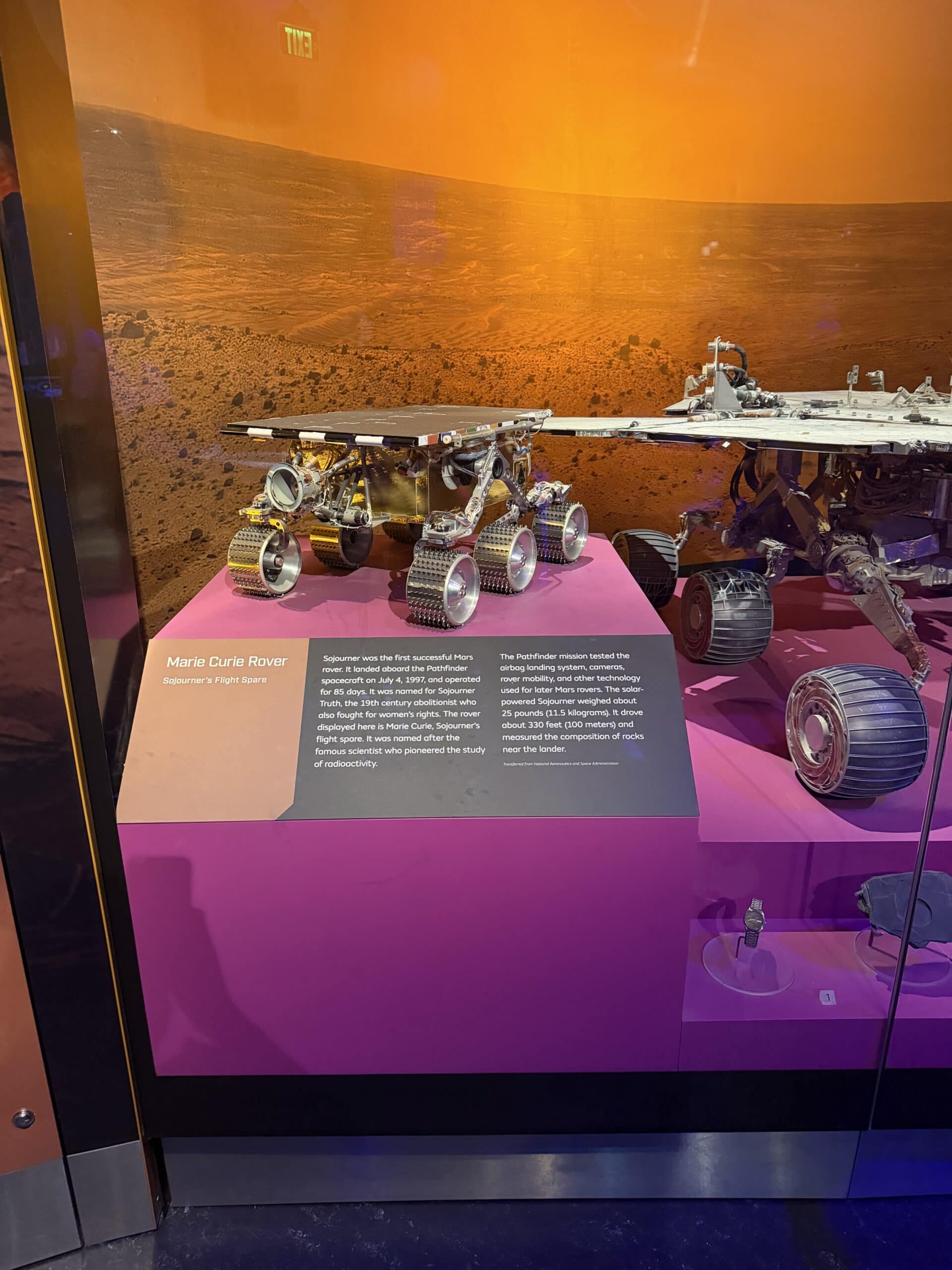
Mars Pathfinder Sojourner at the Smithsonian on July 1, 2026 image taken by 19FortyFive.
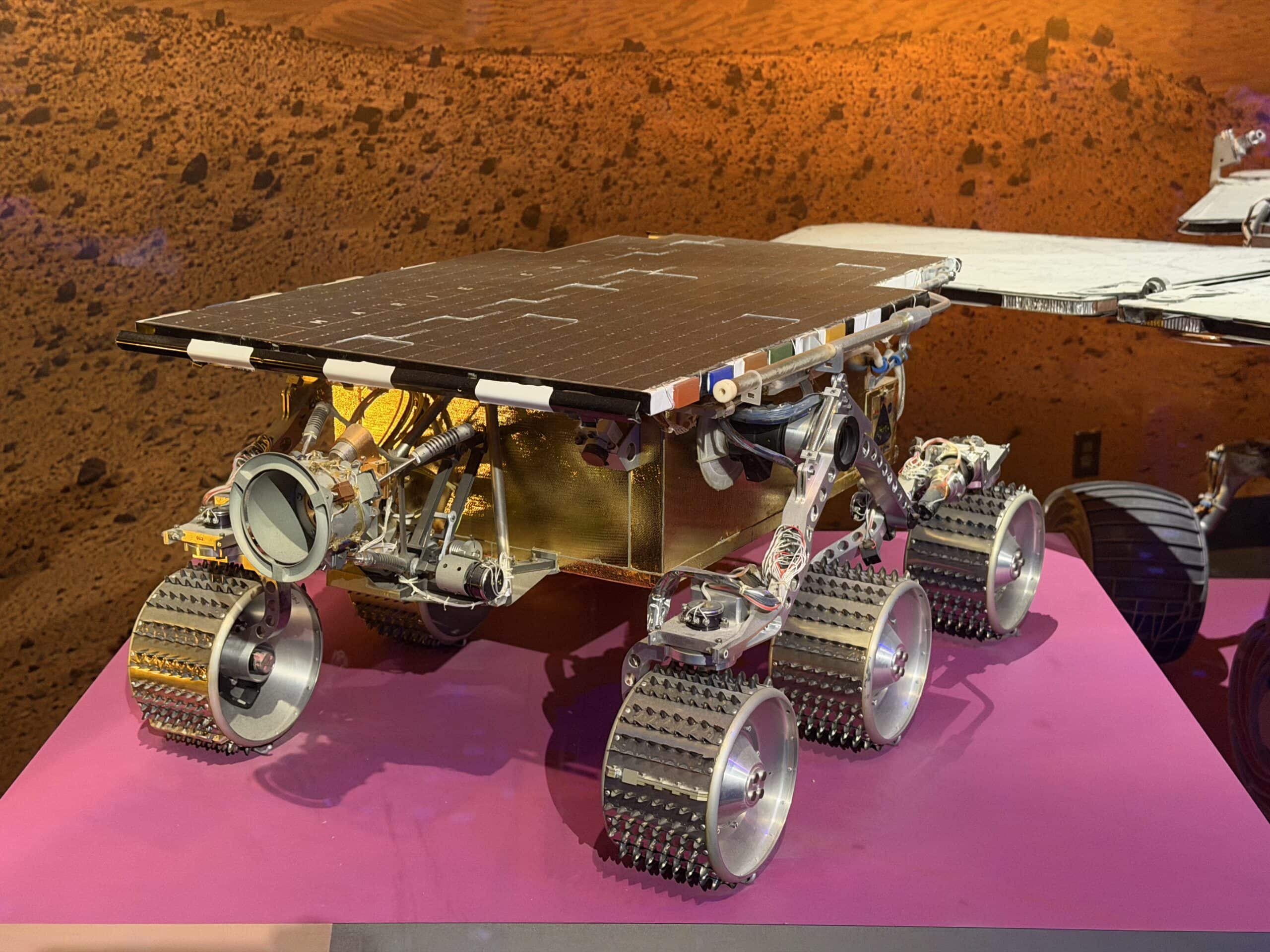
Mars Pathfinder at the Smithsonian on July 1, 2026 image taken by 19FortyFive.
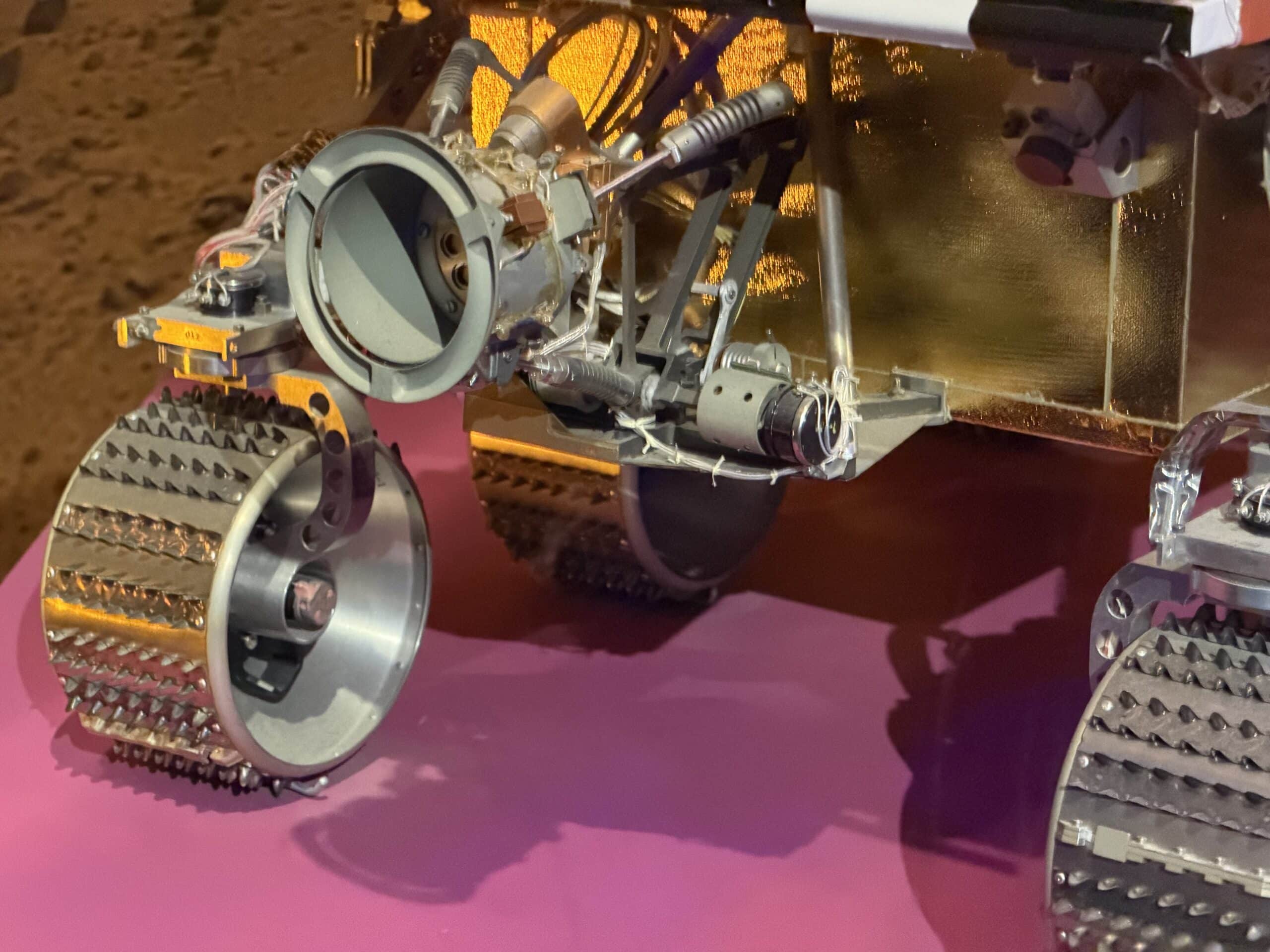
Mars Pathfinder at the Smithsonian on July 1, 2026 image taken by 19FortyFive.
It’s important to note, however, that these structures are not fossils, microbes, or proof of biology. Instead, they are complex molecules that serve as the building blocks for many biological compounds.
The Importance of Carbon
Carbon is uniquely suited for life because it forms stable bonds with many other elements. Carbon can create long chains, rings, branching molecules, and highly complex chemical structures.
Every known organism on Earth is carbon-based. DNA, proteins, amino acids, carbohydrates, and lipids all depend on carbon chemistry.
Now, that doesn’t mean every carbon molecule comes from life, as organic chemistry also occurs naturally through non-biological processes.
The Martian rocks are still encouraging, however.
The carbon compounds weren’t simply lying on the Martian surface; they were trapped inside carbonate and sulfate minerals.
On Earth, these minerals commonly form when water dissolves chemicals and minerals precipitate from evaporating lakes or groundwater.
This suggests that ancient liquid water transported and concentrated these carbon compounds. Jezero was therefore not simply wet—it possessed an active geochemical environment capable of preserving ancient chemistry for billions of years.
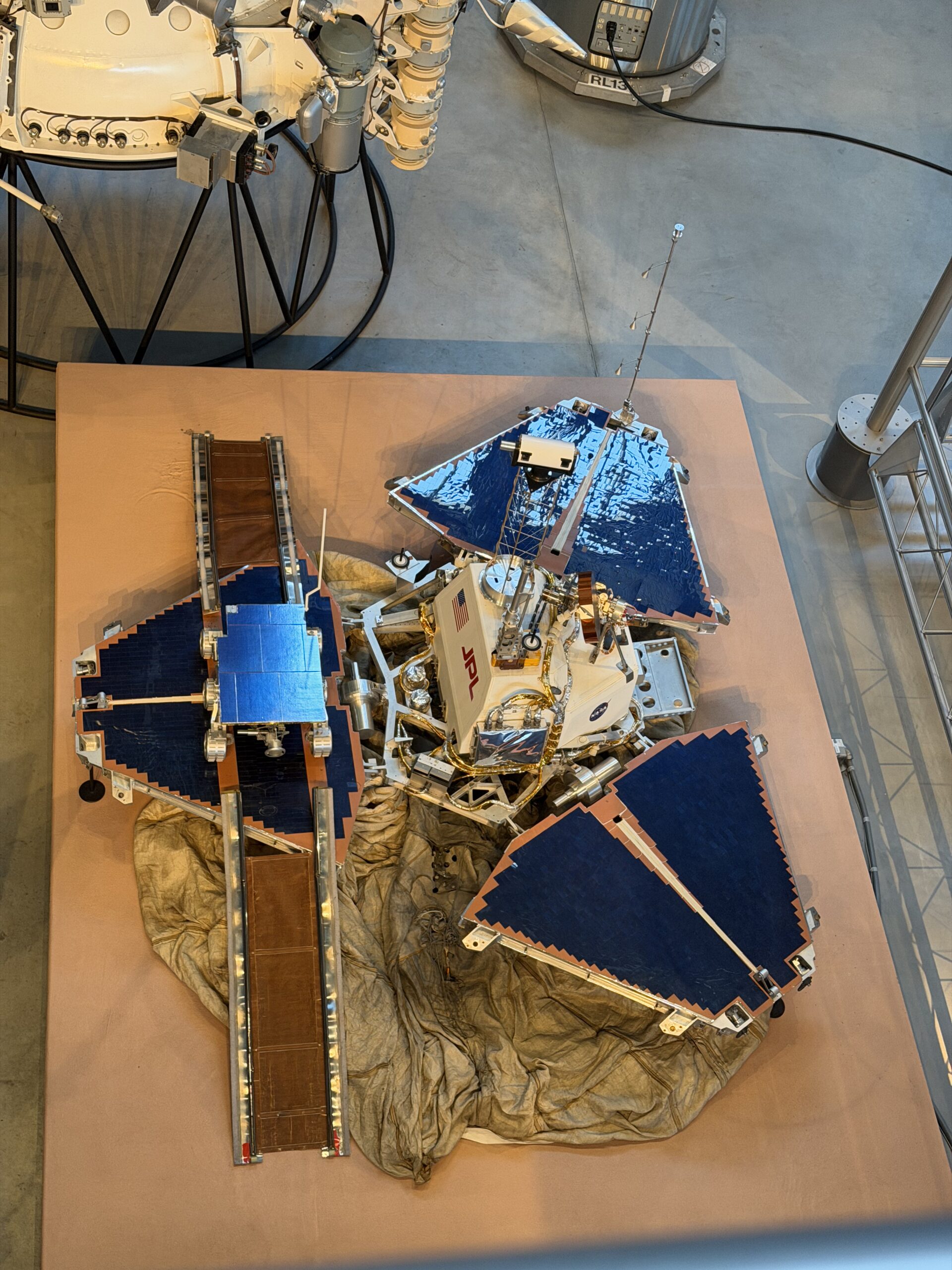
Mars Pathfinder at the Smithsonian. Image taken by 19FortyFive on 6/30/2026.
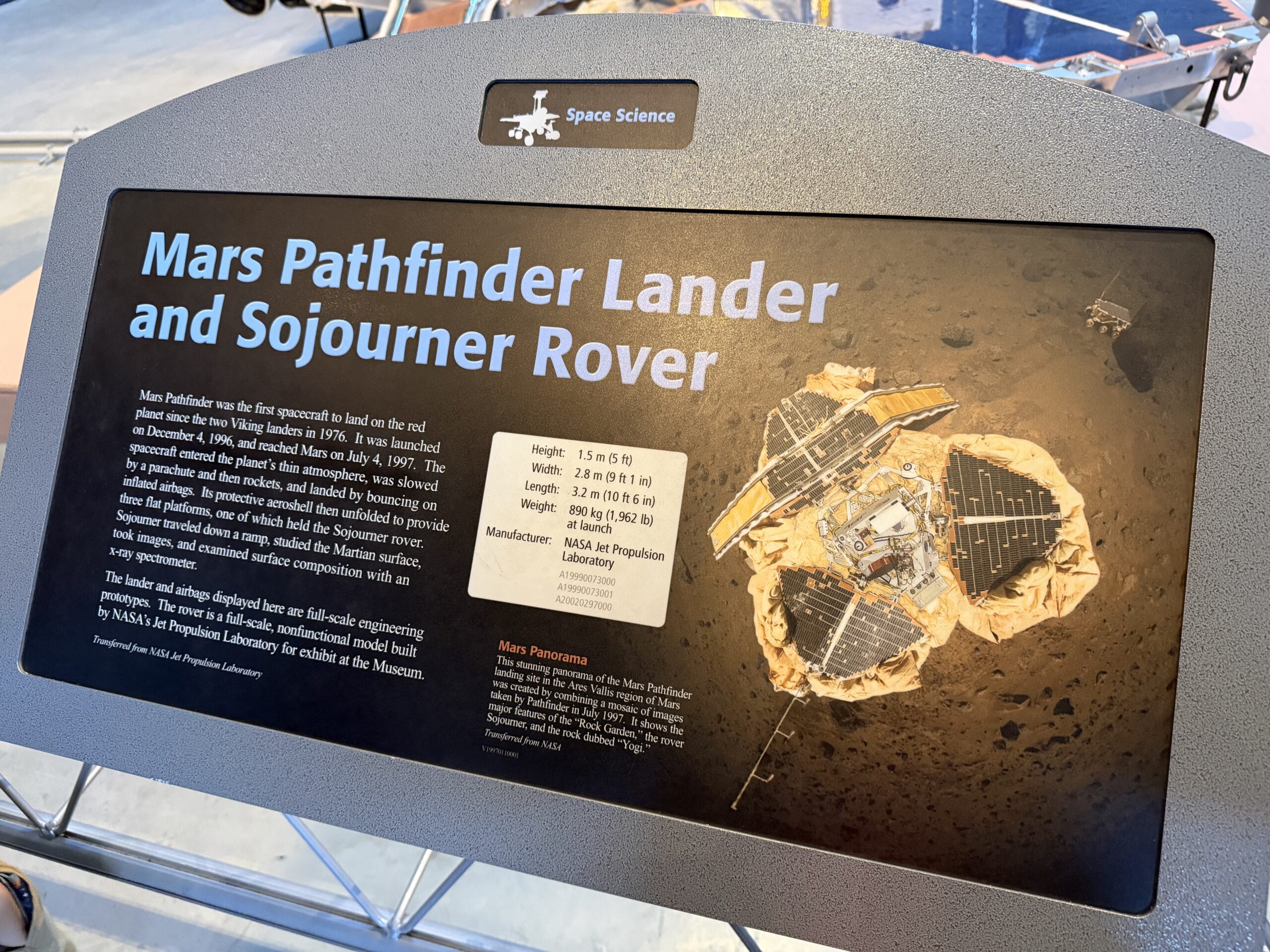
Mars Pathfinder at the Smithsonian. Image taken by 19FortyFive on 6/30/2026.
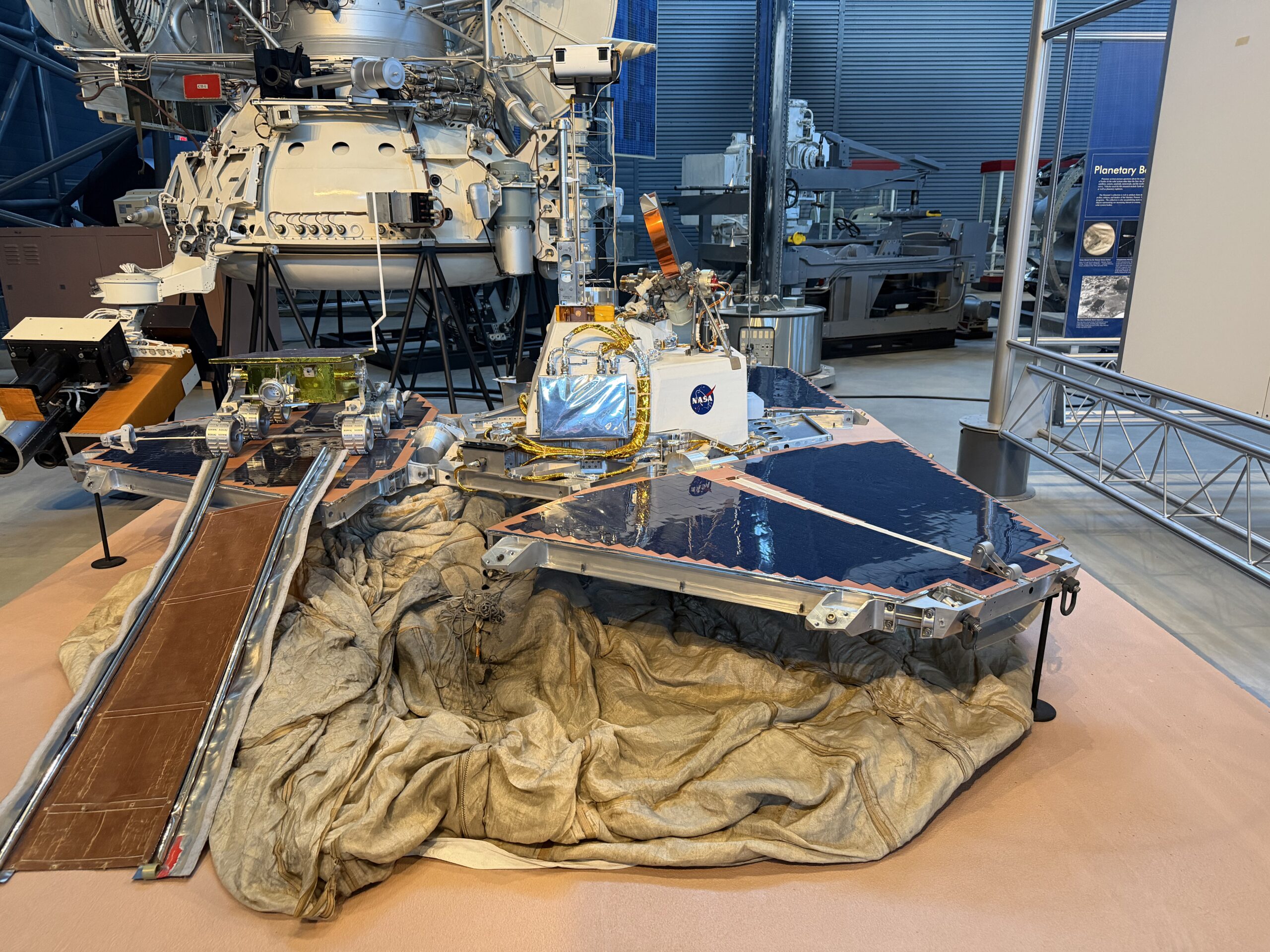
Mars Pathfinder at the Smithsonian. Image taken by 19FortyFive on 6/30/2026.
Choosing Jezero
Jezero was chosen because orbital observations showed that the crater once hosted a lake, river channels, and a sediment delta, which is an excellent location for preserving organic material because flowing water concentrates sediment.
Similar environments on Earth are known to preserve ancient biosignatures quite well.
And now Perseverance has confirmed that Jezero contains exactly the kinds of sedimentary rocks scientists had hoped to study.
What Does It Mean?
The first possibility is that the carbon structures have a biological origin. Ancient Martian microbes may have produced these carbon compounds.
If confirmed, it would mean life arose independently on both Earth and Mars billions of years ago.
This would drastically increase the likelihood that life can emerge relatively easily throughout the universe, boosting the odds that we are not alone.
This understanding would fundamentally reshape astrobiology.
The second possibility is that the carbon structures have a non-biological chemistry, as organic compounds can also form without life.
This could be explained by volcanic reactions, hydrothermal systems, meteorite delivery, or serpentinization, which is the chemical reaction between water and iron-rich rocks.
If the second possibility is proven correct, it would not negate the significance of the discovery; it would still show that planets naturally manufacture increasingly complex organic chemistry long before biology necessarily appears.
Perseverance won’t be able to answer this question alone, though. SHERLOC can identify molecules, but it cannot determine their ultimate origin.
Scientists will need much more sophisticated laboratory equipment than what can be fit aboard a Mars rover. Key measurements that must still be taken include isotopic ratios, molecular chirality, microscopic textures, and mineral relationships.
These analyses require instruments available only in terrestrial laboratories. And this makes the return of Mars samples to Earth all the more important.
Accordingly, Perseverance is drilling rock cores and sealing them inside titanium sample tubes.
Those samples are intended for eventual return to Earth through a future Mars Sample Return mission.
Once returned, scientists could analyze them using electron microscopes, ultra-high-resolution mass spectrometers, and isotope laboratories.
Those tests may finally determine whether the carbon reflects biology or geology.
About the Author: Harrison Kass
Harrison Kass is a writer and attorney focused on national security, technology, and political culture. His work has appeared in Tablet, City Journal, The Hill, The Spectator, and The Cipher Brief. He holds a JD from the University of Oregon and a master’s in Global & Joint Program Studies from NYU. More at harrisonkass.com.