
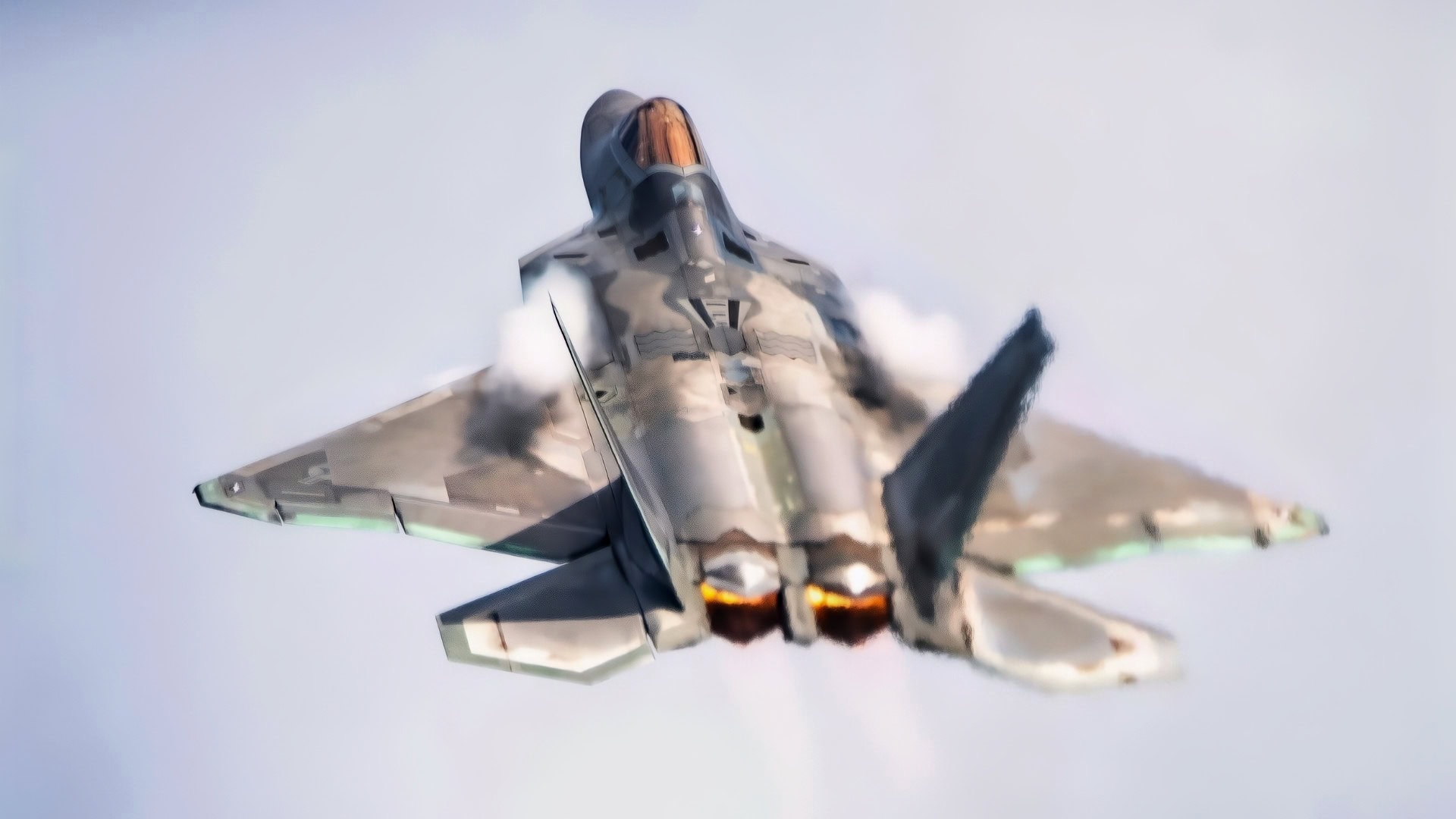
The F-22 Raptor is widely considered one of the most advanced fighter jets in the world, second only to the F-35 in certain respects.
Originally created from the Advanced Tactical Fighter (ATF) program, the F-35 was designed to fight and defeat the most advanced aircraft the Soviet Union had to offer.
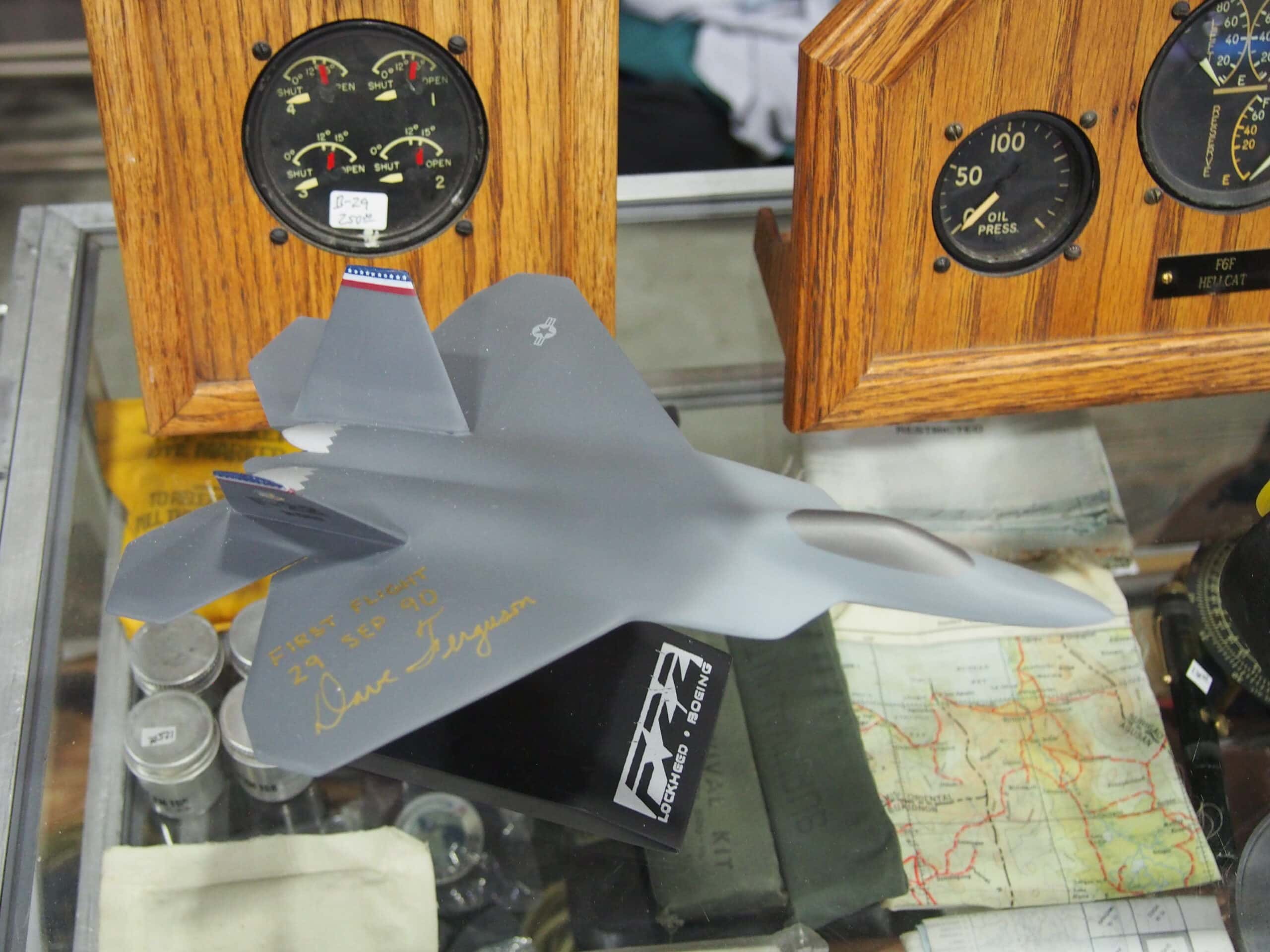
F-22 Model. Image Credit: 19FortyFive.com
To that end, it incorporated all of the cutting-edge technologies the United States could add. However, there is no denying: the F-22 is an expensive aircraft.
According to some estimates, the Raptor has a total cost of around $350 million per aircraft and is one of the most expensive aircraft in the U.S. Air Force.
This fact led to the termination of its production lines in the early 2000s, following the end of the Cold War. Several decades later, has the aircraft been worth its massive investment?
How Much Does the F-22 Cost
By and large, modern fighter jets are incredibly expensive pieces of hardware. However, in this category, the F-22—and fifth-generation aircraft in general—is in a category of its own.
Estimates of the aircraft’s cost vary, with figures ranging from $140 million to $350 million per aircraft. According to the Program Acquisition Unit Cost (PUAC) reports, as of December, 2010, the cost of all 179 aircraft totaled around $33.2 billion in then-year dollars.
Dividing that total by the number of aircraft produces a price tag of 185.7 million. Adjusted for inflation, a single F-22 costs somewhere in the realm of $284.3 million.
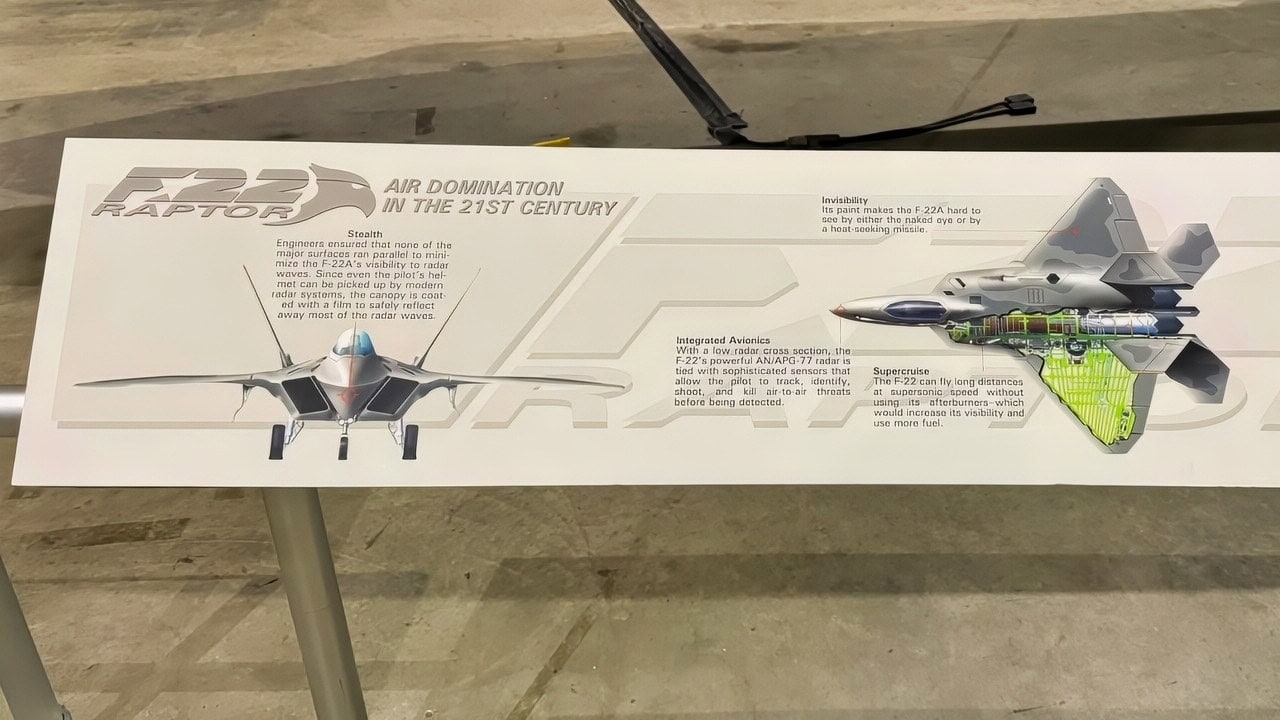
F-22 Raptor Diagram from National Museum of the U.S. Air Force. Image Credit: Harry J. Kazianis.
Keep in mind, this figure accounts for research, testing, development, and so on. For comparison, a newer F-16 Block 70/72 costs between $60 million and $80 million.
Flying and maintaining the Raptor is also financially draining. According to figures from the Government Accountability Office (GAO), flying the F-22 costs around $85,325 per flight hour.
Maintenance on the aircraft is also insanely expensive. Many of the aircraft’s stealth systems, particularly its RAM coatings, require constant maintenance to ensure its low observability.
In 2025, the USAF requested $9 billion in funding for F-22 maintenance and upkeep through 2030.
If we do some basic math, this means that maintenance on one aircraft costs around $10-11 million per year.
This does not account for the billions spent on modernization programs to update the aircraft’s avionics and sensors.
Why the F-22 Raptor Is so Expensive
There are many reasons why the F-22 is so expensive. First, the F-22 was a clean-sheet design utilizing unproven technologies.
According to David Tussey, a former Naval A-7E Corsair II pilot involved in the ATF program, working on such projects creates uncertainty for contractors. “The weapons contractor generally wants the R&D costs to be variable, as they’re developing a new, unproven, perhaps even highly innovative platform,” Tussey writes. “That is, of course, a blank check where costs can quickly spiral out of control with little to show for it.” During the height of the Cold War, however, the threat of the Soviet Union gave the USAF incentive to spend big on the ATF program.
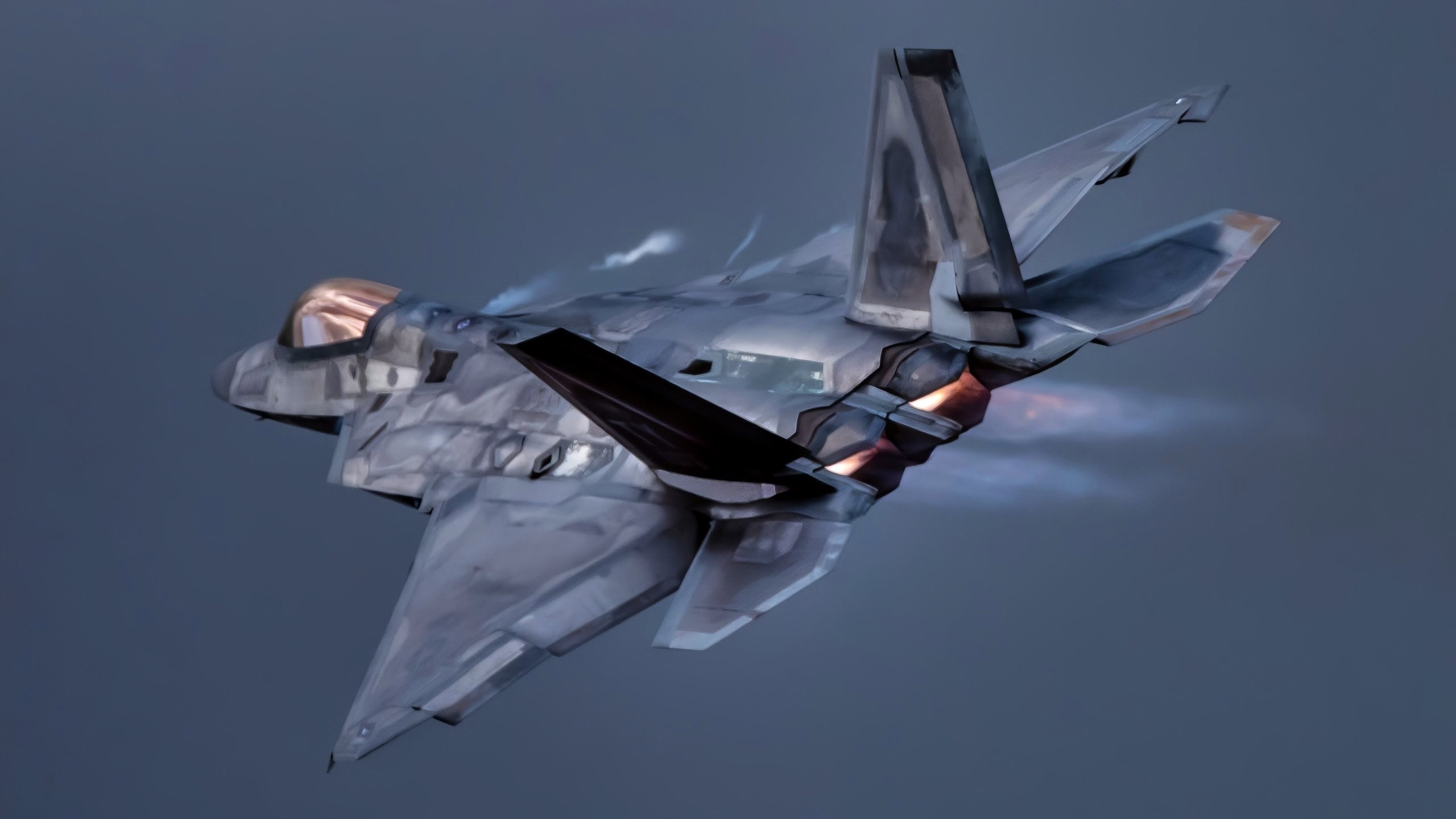
U.S. Air Force Maj. Josh Gunderson, F-22 Raptor Demonstration Team commander and pilot, flies a practice demo at Joint Base Langley-Eustis, Va., Dec. 6, 2019. Representing Air Combat Command, the F-22 Demo Team travels to air shows all across the world showcase the performance and capabilities of the world’s premier 5th-generation fighter. (U.S. Air Force photo by 2nd Lt. Sam Eckholm)
In the 90s, however, the Soviet Union collapsed. Suddenly, the threat that the ATF program was designed to counter no longer existed, and the F-22’s high price tag became that much harder to justify.
The USAF had originally planned for a fleet of 1,000 aircraft, but after the Cold War had ended, that was never going to happen.
Consequently, shuttering the production lines increased the cost of the F-22, since the program could no longer benefit from economies of scale.
Restrictions on foreign exports meant that foreign allies were unable to split the bill, as they would later on the F-35 program, and spare parts would no longer be manufactured in large numbers, thereby increasing their cost.
The final Raptor was delivered to the Air Force in 2012, sparking an enduring debate over whether the production lines should be reopened.
Is the F-22 Worth the Price?
Several billion dollars later, has the program been worth it? In the present author’s humble opinion, the answer is yes.
That being said, critics of the program do have some valid complaints. While the F-22’s capabilities are undoubtedly ahead of their time, they come with a staggeringly high cost.
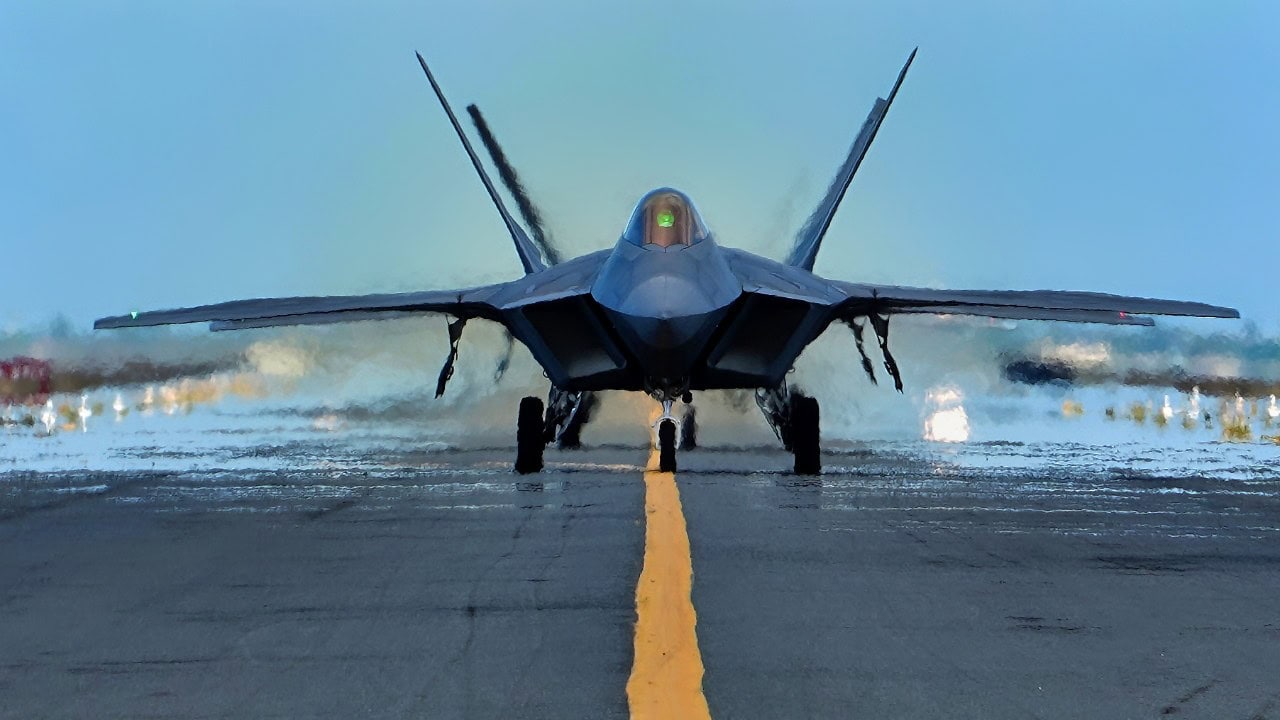
A U.S. Air Force F-22 Raptor taxis on the runway during a routine training schedule April 21, 2020, at Honolulu International Airport, Hawaii. Given the low traffic at the airport due to COVID-19 mitigation efforts, the active-duty 15th Wing and the Hawaii Air National Guard’s 154th Wing seized an opportunity to document the operation which showcases readiness and their unique Total Force Integration construct. The units of Team Hickam work together seamlessly to deliver combat airpower, tanker fuel, and humanitarian support and disaster relief across the Indo-Pacific. (U.S. Air Force photo by Airman 1st Class Erin Baxter)
One flight hour in the Raptor costs four times that of an F-16V and twice that of an F-35.
In some areas, like range and upgradability, the F-22 proved inferior to some of its fourth-gen counterparts, as upgrading the aircraft’s avionics proved to be more difficult than first thought.
At the time, when the Soviet Union collapsed and the GWOT began, there were genuine concerns that the F-22 simply was not needed in its current environment.
Aircraft like the F-15 or the F-16 could perform strikes against insurgents at a fraction of the cost.
Hindsight, as they say, is 20-20. Against insurgents with little to no air defenses, the F-22 made no sense. However, times have changed.

F-22 Raptor. Image: Creative Commons.
The era of great-power competition has returned, and Russia and China are fielding their own fifth-generation aircraft. Stealth fighters are currently in high demand, with the great powers in the East and the West scrambling to field as many fifth-generation fighters as possible.
Despite the advancements made by Russia and particularly China, the F-22 still remains the king of the proverbial hill.
Its stealth systems and avionics (thanks to modernization programs) remain unmatched by those of its foreign adversaries, making it a vital asset for the USAF. Currently, the F-22 is expected to remain in service until the 2040s, or even the 2060s when the F-47 is expected to enter into service and finally replace it.
That Time We Visited the F-22 Raptor Down in Florida – A Photo Essay
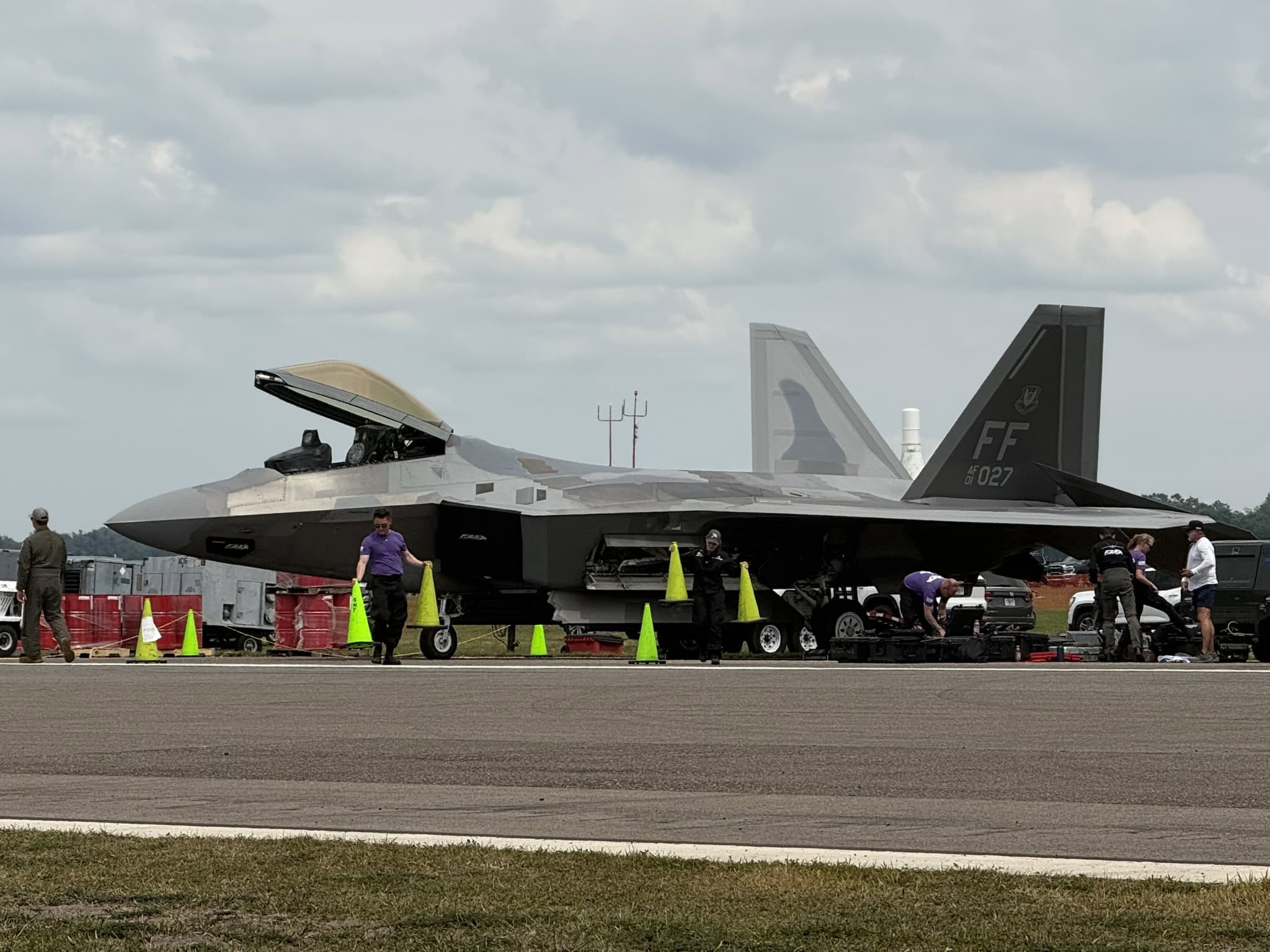
F-22 Raptor Lakeland Florida Airshow. Image Credit: 19FortyFive.com
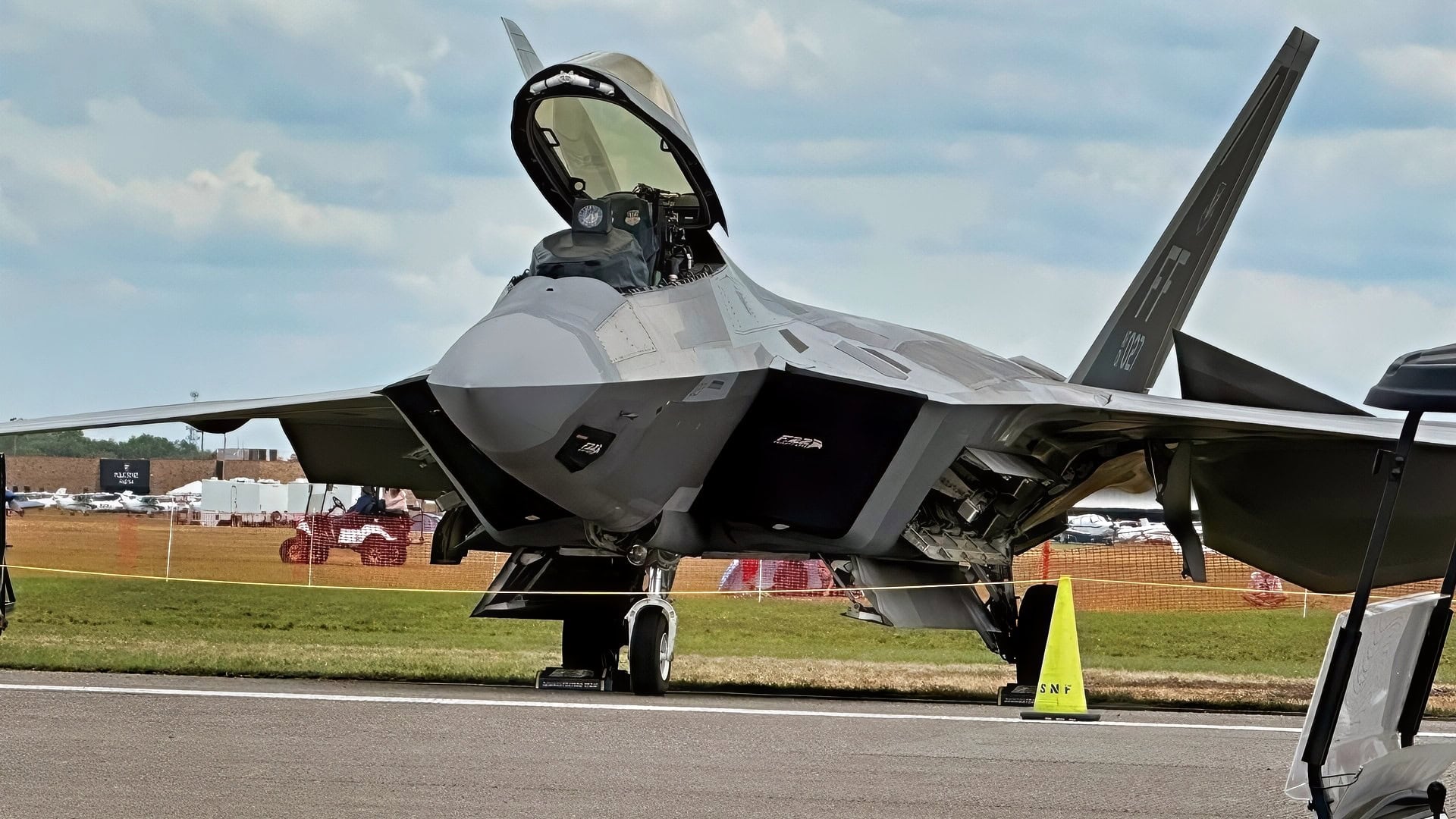
F-22 Raptor Lakeland Florida Airshow. Taken by Harry J. Kazianis on 4/19/2026.
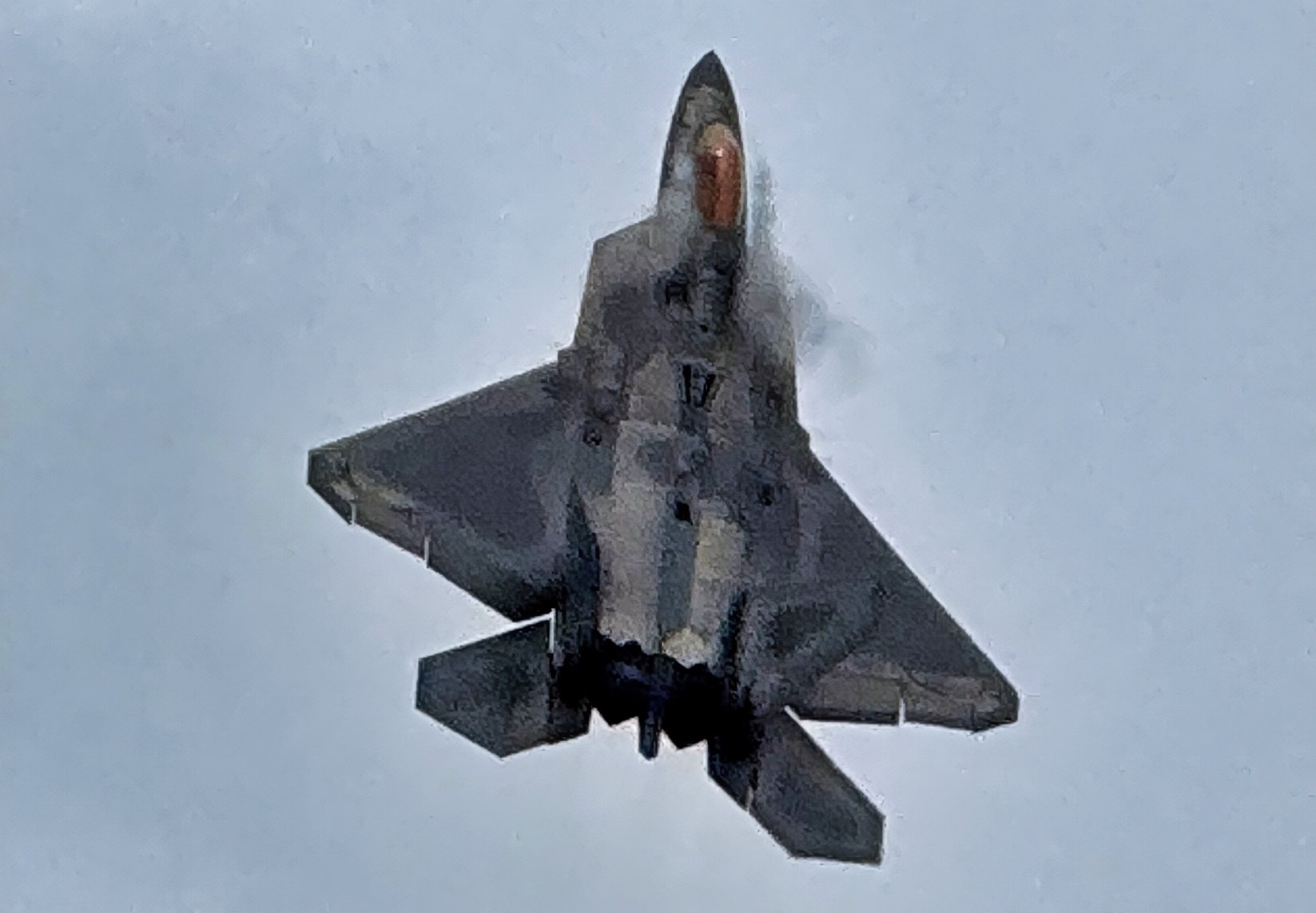
F-22 Raptor high in the sky. Image taken by Harry J. Kazianis in Lakeland, Florida on 4/19/2026.
About the Author: Isaac Seitz
Isaac Seitz, a Defense Columnist, graduated from Patrick Henry College’s Strategic Intelligence and National Security program. He has also studied Russian at Middlebury Language Schools and has worked as an intelligence Analyst in the private sector.