
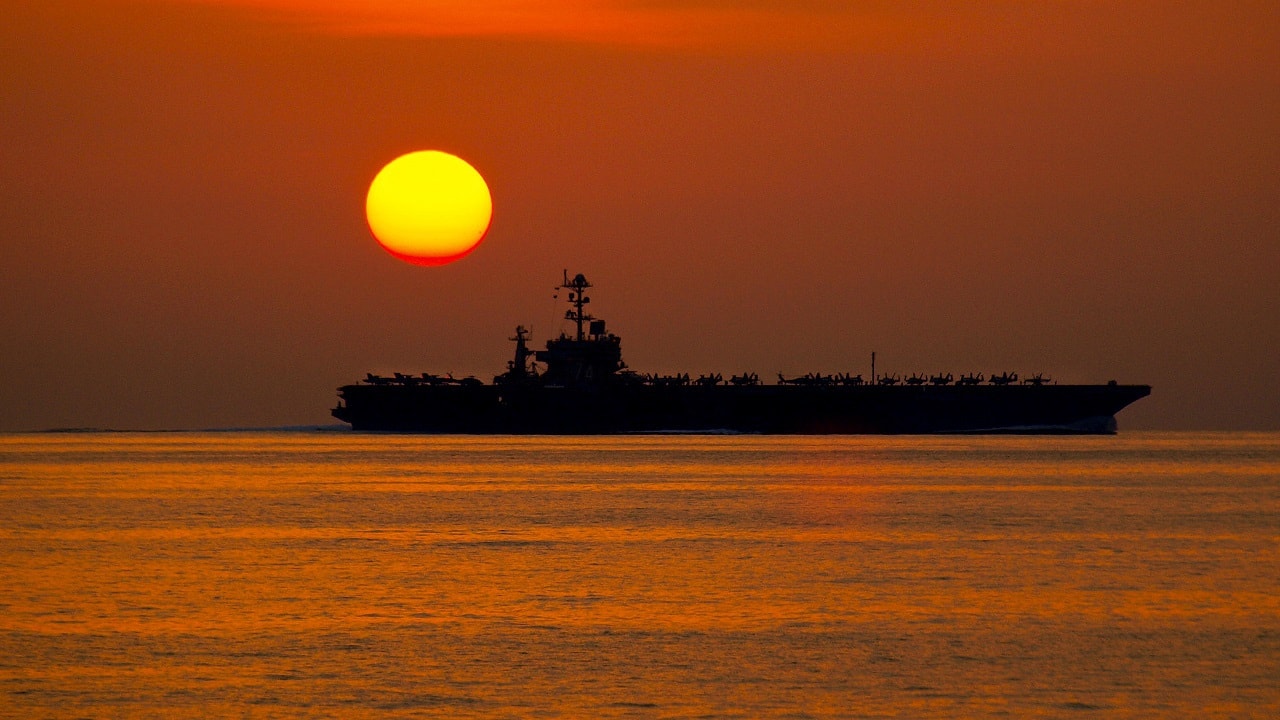
The U.S. Navy Paid $17.5 Million to Rent Sweden’s Gotland Submarine—and Asked for a Second Year: Before HSwMS Gotland became famous for reportedly reaching a firing position (a $6 billion dollar carrier ‘sunk’ by a $100 million submarine) against USS Ronald Reagan, the U.S. Navy had already arranged to bring the Swedish submarine and its crew to San Diego. The two navies signed their training agreement on March 21, 2005, and Gotland arrived in California on June 27.
The chronology matters. The Navy did not rent Gotland after an embarrassing carrier exercise. The United States initiated the arrangement in 2004, months before the December 2005 exercise involving Ronald Reagan. The reported simulated kill occurred because the lease had placed a difficult adversary inside the U.S. training system.
The United States had no operational air-independent-propulsion submarine of its own. USS Blueback, the Navy’s last active-duty diesel-electric submarine, had left service in 1990. American submariners operated nuclear boats optimized for global range, sustained speed, and long deployments. Gotland posed a different threat: a small submarine capable of remaining submerged quietly for weeks near coasts, ports, and maritime chokepoints.
The initial one-year arrangement cost $17.5 million. Sweden retained the flag, command authority, and crew, while U.S. personnel embarked as riders and observers. The plan allowed as many as 160 training days at sea against carrier groups, expeditionary forces, patrol aircraft, surface ships, and American submarines.
The Navy Needed an AIP Adversary It Did Not Own
Chief of Naval Operations Adm. Vern Clark created Fleet Anti-Submarine Warfare Command in San Diego in April 2004. The new organization was meant to integrate training, doctrine, assessment, and technology across aviation, surface, and submarine forces. Bringing Gotland to California gave that command a standardized target for repeated work against the AIP submarine problem.
The threat extended beyond one carrier. More navies were acquiring quiet conventional submarines suited to littoral waters. Traditional diesel-electric boats had to snorkel periodically and run diesel engines to recharge batteries, producing radar, infrared, and acoustic signatures. AIP lengthened the interval between those vulnerable periods.
A brief multinational exercise might reveal that one foreign crew was difficult to locate. A long lease produced data across different American units, weather conditions, sensor combinations, and crew experience levels. The Navy adjusted tactics, repeated searches, and measured whether improvements survived outside a carefully prepared event.
The Lease Bought a Swedish Crew and a Repeatable Threat
Gotland crossed the Atlantic aboard the Norwegian heavy-lift ship Eide Transporter. After arriving at Naval Air Station North Island, the boat was attached to Submarine Squadron 11 at Point Loma. Its crew re-ballasted the submarine because Pacific water had a different salinity from the Baltic environment for which it had been designed.
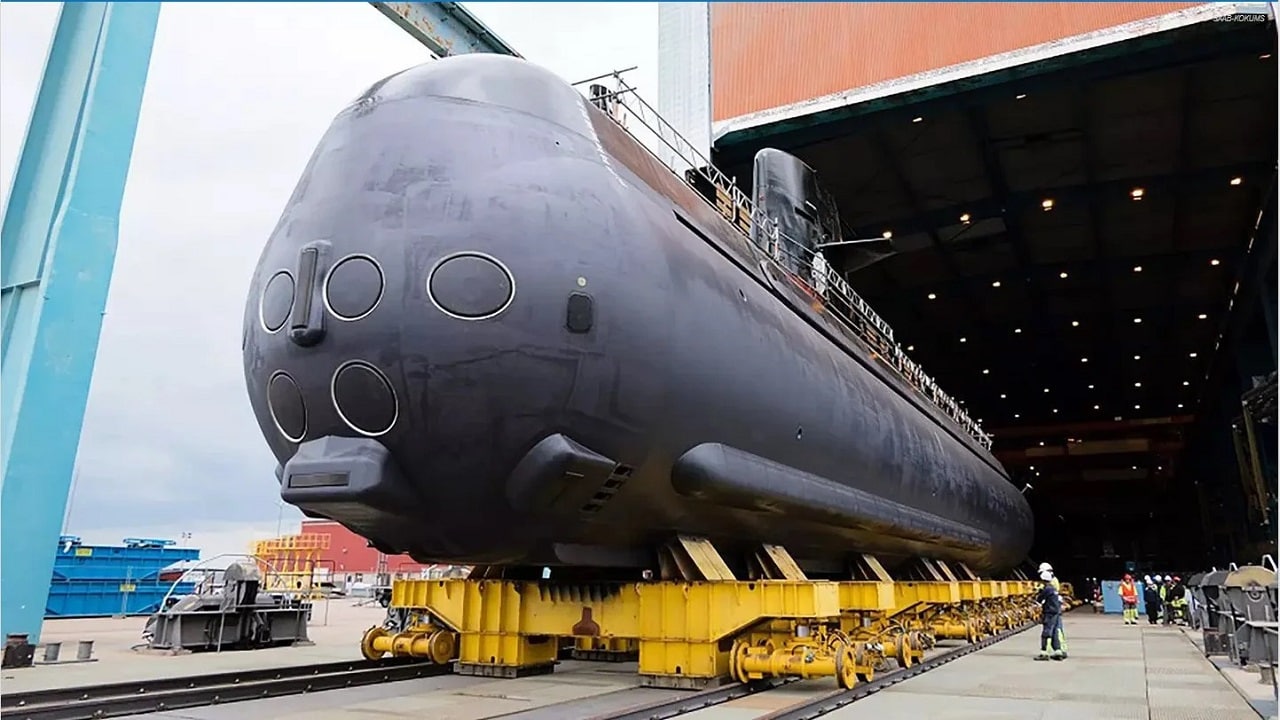
Gotland-Class. Image Credit: Creative Commons.
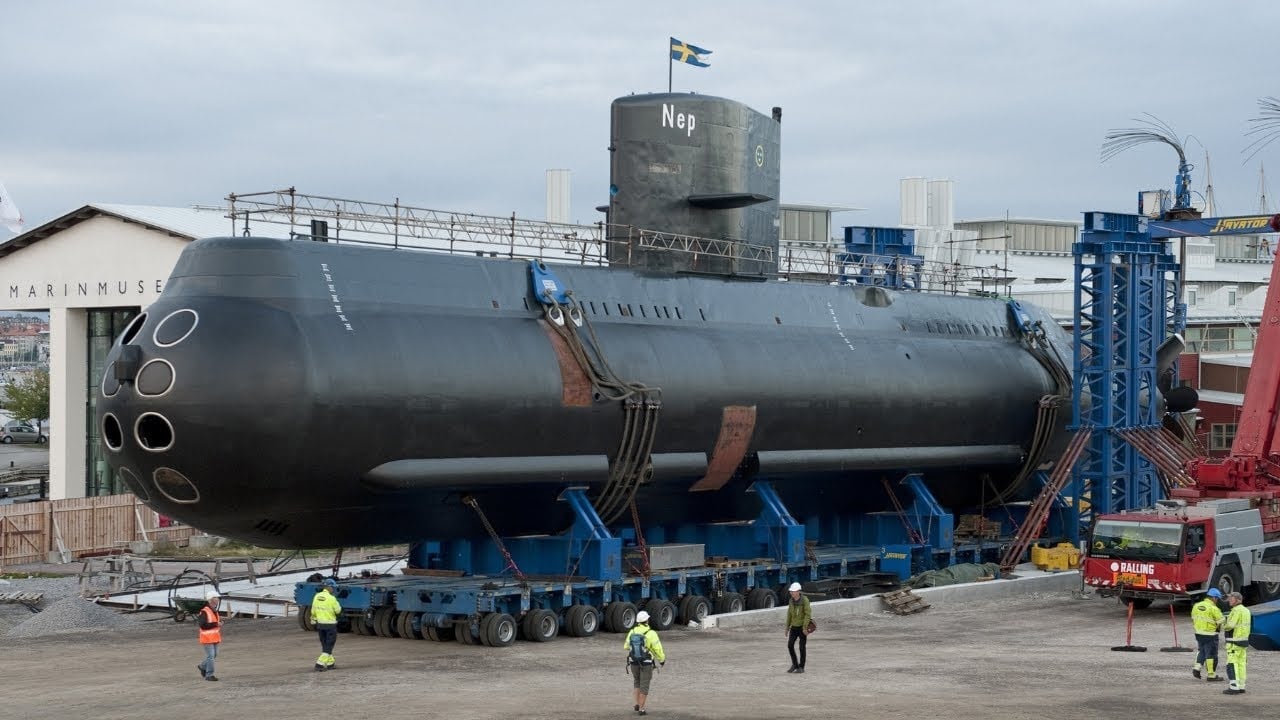
Gotland-class submarine. Image Credit: Creative Commons.
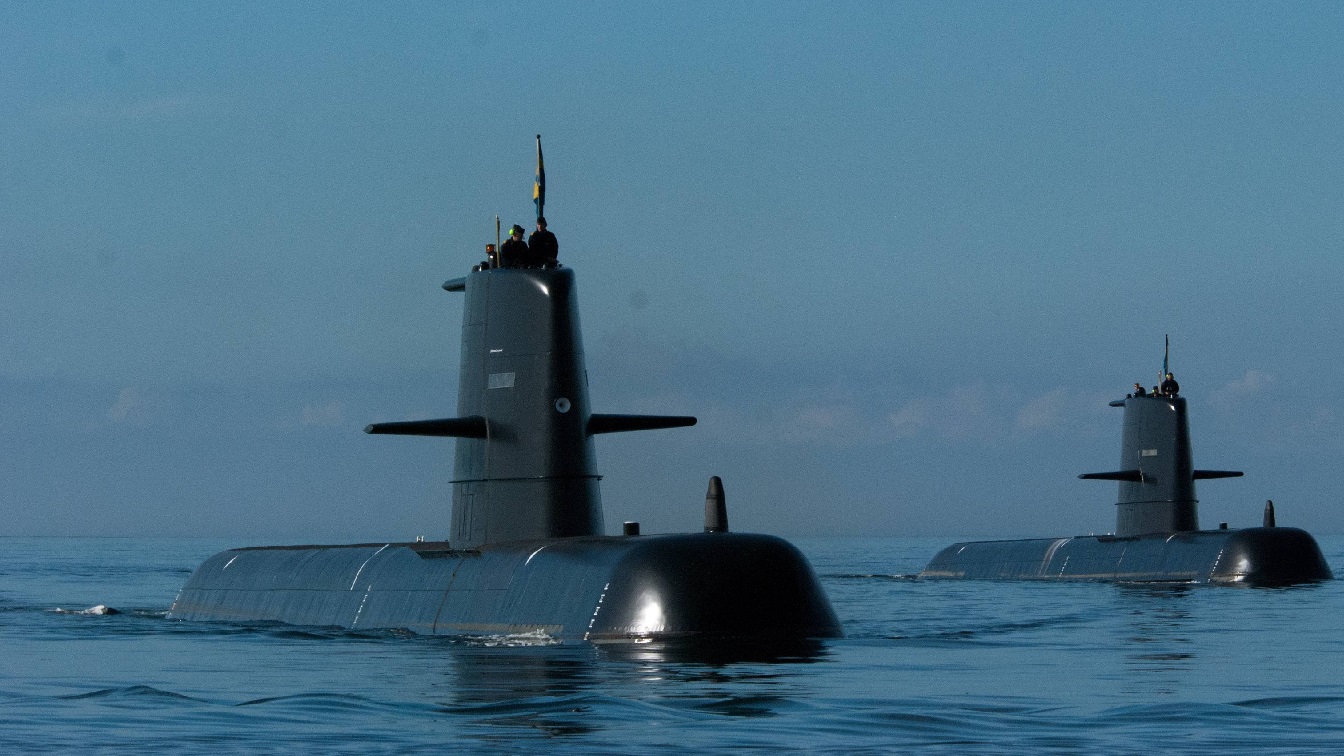
Gotland-class Submarine.
Sweden supplied alternating Blue and Gold crews of about 35 people, rotating roughly every four weeks. A small shore group handled liaison, maintenance, and logistics. The arrangement kept the submarine available for an unusually demanding schedule without forcing one crew to absorb the entire deployment.
The Navy’s published objectives covered acoustic analysis, operator performance, strike-group and unit assessments, individual qualifications, doctrine, education, and equipment testing. Gotland also supported submarine-rescue work. The United States was therefore paying for a complete training service: the boat, experienced Swedish operators, a known acoustic problem and enough sea time to measure progress.
Gotland’s Stirling Engines Removed a Familiar Detection Opportunity
The original Gotland displaced 1,647 tons submerged and measured about 198 feet long. Two 75-kilowatt Stirling engines used stored liquid oxygen and fuel to generate electricity without drawing air through a snorkel. The system supported more than two weeks underwater before the supply of liquid oxygen became the main limit.
That endurance did not give Gotland a nuclear submarine’s sustained high speed. Its advantage came at low speed. The crew preserved a charged battery, moved quietly and waited while the surface force searched a large area. The submarine’s small size, low acoustic signature and X-shaped stern controls also suited operations in confined water.
American anti-submarine forces had spent decades preparing to find Soviet nuclear submarines in the open ocean. Gotland forced them to work against a patient conventional boat using silence and coastal geography. The task involved more than improving sonar. Aircraft, ships and submarines had to exchange contact data, classify weak returns and maintain coverage long enough to prevent the target from slipping through a gap.
The Ronald Reagan Exercise Made the Program Famous
Gotland joined a Joint Task Force Exercise with U.S. Third Fleet and the Ronald Reagan carrier strike group from December 6 through 16, 2005. The official Navy account says the Swedish boat alternated between opposing-force, friendly intelligence, and reconnaissance roles before returning to the opposition.
Later accounts say Gotland entered a firing position, photographed Ronald Reagan through its periscope, and achieved a simulated kill.
The public Navy release does not provide the umpire ruling, detection timeline, or firing geometry. The exercise still supplied the image that defined Gotland’s American deployment.
The carrier episode was one event inside a broader program.
Gotland trained against individual ships, patrol aircraft, rescue submarines, and attack submarines, supported equipment development, and changed roles within major exercises.
Repetition across those missions gave the lease more value than a single simulated attack.
The Navy Asked Sweden to Extend the Lease
By April 2006, the Navy wanted another year. Swedish reporting said Gotland had repeatedly eluded American pursuers, while officials from both countries supported an extension. The boat remained in San Diego through 2007.
Sweden also gained from the arrangement. Its crews worked around carrier strike groups, observed American command arrangements, and operated in a warmer ocean far from their normal support network. U.S. personnel gained direct access to Swedish operating practices rather than studying AIP performance only through intelligence reports or occasional exercises.
No complete unclassified after-action report identifies every tactic, sensor setting, or procurement decision changed by the deployment. The public record supports a narrower judgment: AIP submarines required sustained training, local environmental knowledge, and coordinated performance across every anti-submarine platform. The request for a second year showed that the Navy considered one training cycle insufficient.
The U.S. Fleet Stayed Nuclear While Its Training Changed
The Navy did not order an American version of Gotland. Nuclear propulsion still met U.S. requirements for crossing oceans quickly, following fast targets, and remaining deployed far from home.
The rental strengthened the ships, aircraft, and submarines used to find conventional boats operated by other countries.
The debate continued through examinations of why the United States does not build AIP submarines, the Gotland class’s technical design, the Ronald Reagan exercise, and similar carrier-defense problems involving conventional submarines.
Sweden carried the same propulsion lineage into the Blekinge-class program. Gotland returned to Sweden in 2007 after operating from San Diego since June 2005.
About the Author: Harry J. Kazianis
Harry J. Kazianis (@Grecianformula) was the former Senior Director of National Security Affairs at the Center for the National Interest (CFTNI), a foreign policy think tank founded by Richard Nixon based in Washington, DC. Harry has over a decade of experience in think tanks and national security publishing. His ideas have been published in the NY Times, The Washington Post, The Wall Street Journal, CNN, and many other outlets worldwide. He has held positions at CSIS, the Heritage Foundation, the University of Nottingham, and several other institutions related to national security research and studies. He is the former Executive Editor of the National Interest and the Diplomat. He holds a Master’s degree focusing on international affairs from Harvard University.

