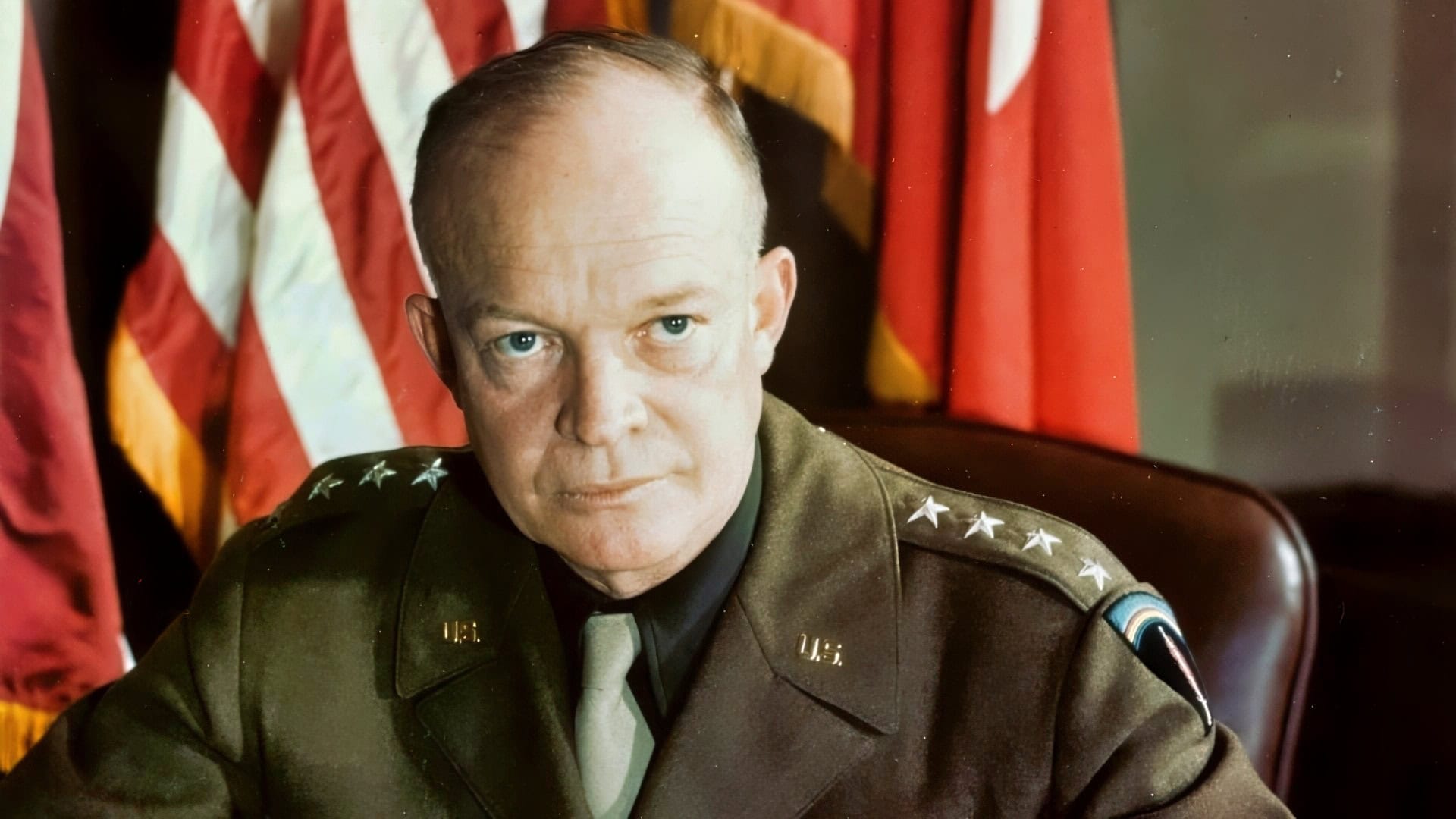
On June 5, 1944, Dwight D. Eisenhower prepared two messages. One was the Order of the Day, printed and distributed to every soldier, sailor, and airman of the invasion force, announcing the Great Crusade to liberate Europe. The other was 66 words in his own cramped handwriting on a 4-by-7-inch slip of paper, meant for exactly one contingency, and he folded it into his wallet, hoping no one would ever hear it.
Eighty-two years later, the second document is the one historians hold up as the purest act of leadership an American commander ever committed to paper.
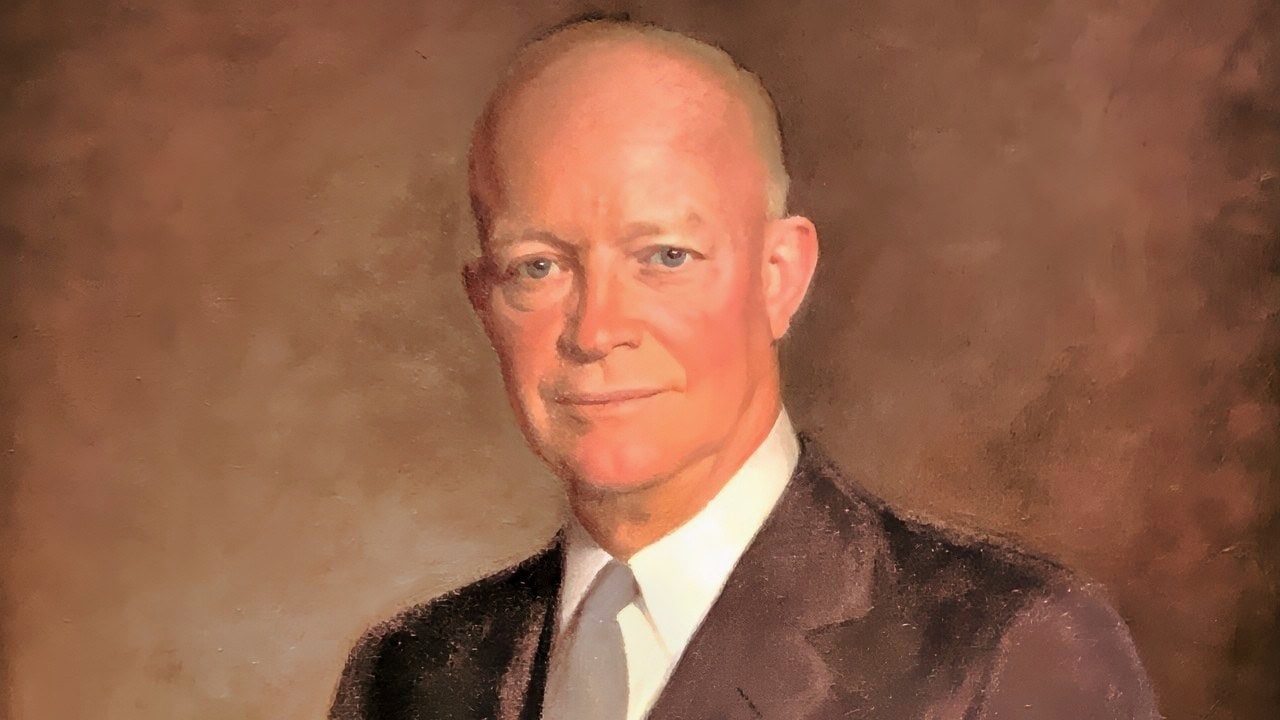
Dwight D. Eisenhower President. Image Credit: Creative Commons.
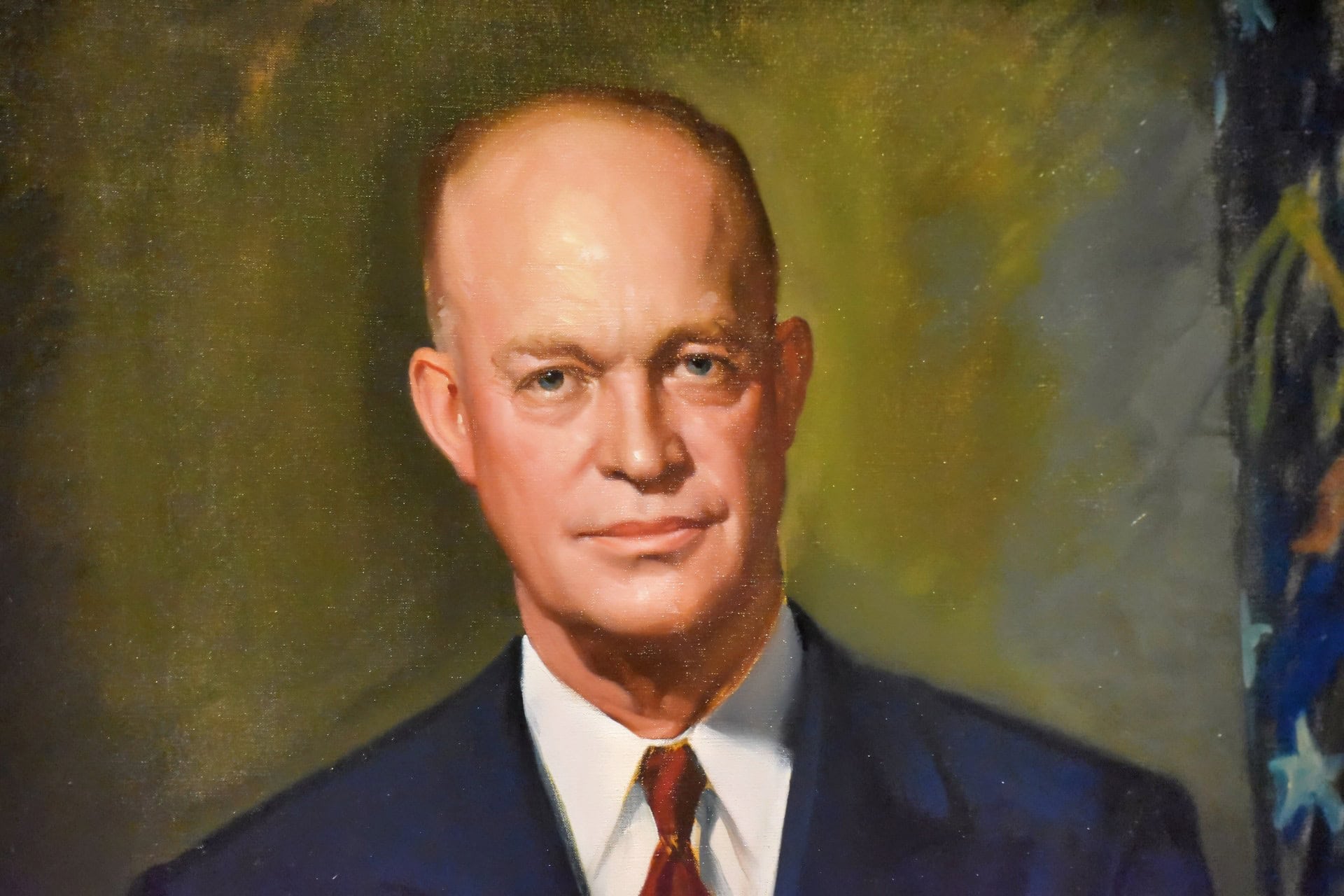
Dwight D. Eisenhower 19FortyFive.com Image. Taken on 1/23/2026 at the National Portrait Gallery in Washington, DC By Dr. Brent M. Eastwood.
The Weight
No one in American history had ever carried what Eisenhower carried that week.
When Stalin pressed the Western Allies to name the one man who would bear the moral and technical responsibility for the invasion, the job landed on Ike, and by June 1944, the arithmetic of that responsibility was staggering: some 160,000 men in the first assault, thousands of ships, more than 11,000 aircraft, one usable combination of moon and tide, and no second try.
The fears were specific, not abstract.
His own air commander, Trafford Leigh-Mallory, formally predicted the airborne drops would be a futile slaughter, with casualties running as high as 70 percent, and begged him to cancel them; Eisenhower overruled him, judging the invasion likelier to fail without the paratroopers than the paratroopers were to die with it, and later wrote of the anguish of that choice.
Then the English Channel itself turned against him. On June 4, with the fleet loading, his chief meteorologist delivered what Eisenhower remembered as the worst report you ever saw, gales on the beaches, and Ike postponed everything by 24 hours.
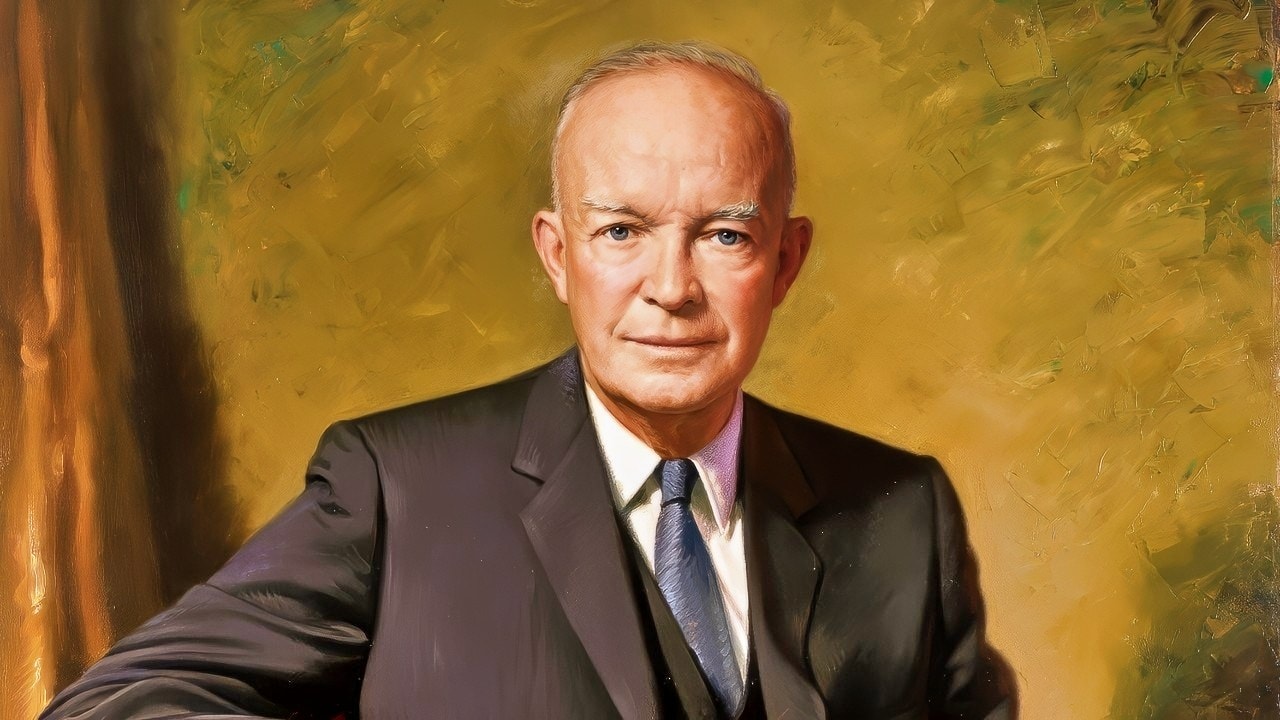
Former General Dwight D. Eisenhower. Image Credit: Creative Commons.
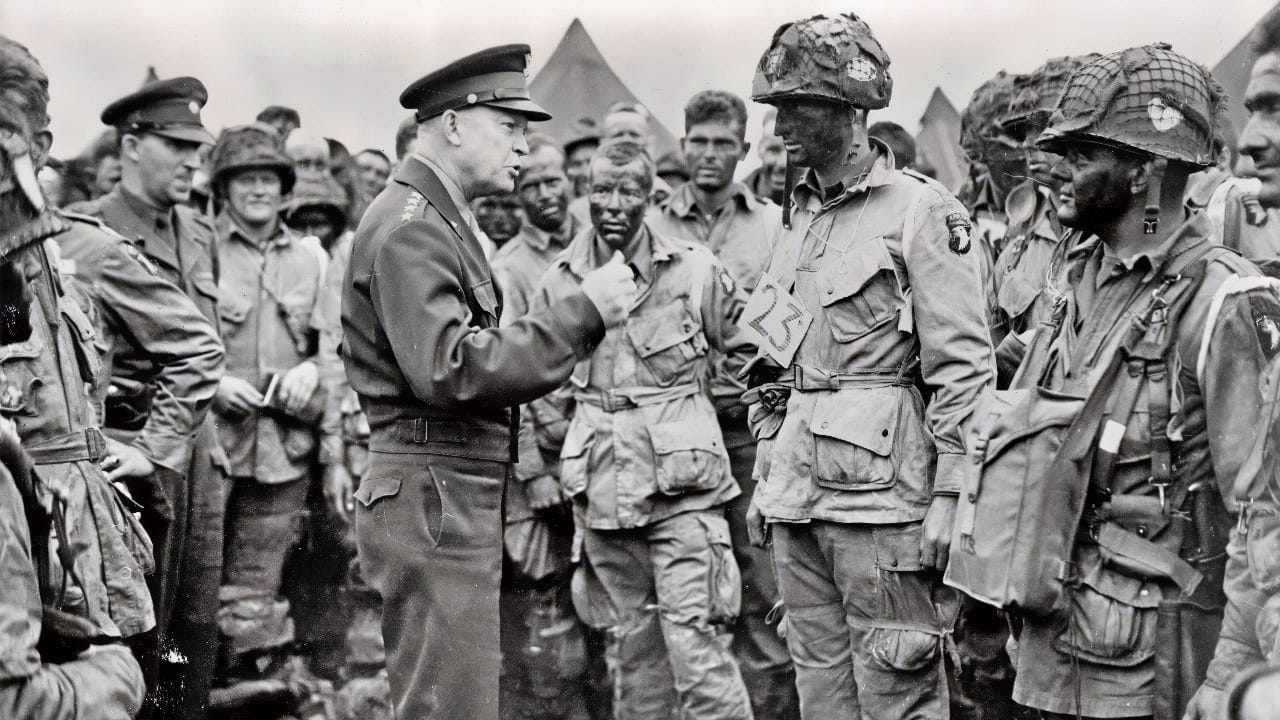
Dwight D. Eisenhower D-Day 1944. Image Credit: Creative Commons.
At dawn the next morning, Group Captain James Stagg offered a sliver of hope: a rough 36-hour window of barely acceptable weather, against the certainty that waiting for the next tides meant two more weeks and the likely death of secrecy.
Eisenhower paced, chin on his chest, then said the three words that launched the largest amphibious invasion in history: “OK, let’s go.”
That evening, he drove to the airfields and stood with the men of the 101st Airborne, the same troops his air commander expected to be massacred, as they blackened their faces and boarded the planes.
The Note
Sometime that same day, at his portable desk, Eisenhower wrote the message he prayed would stay in his pocket:
“Our landings in the Cherbourg-Havre area have failed to gain a satisfactory foothold, and I have withdrawn the troops. My decision to attack at this time and place was based upon the best information available. The troops, the air and the Navy did all that Bravery and devotion to duty could do. If any blame or fault attaches to the attempt it is mine alone.”
The document, preserved by the National Archives and long since in the public domain, carries two details that turn it from a press release into a portrait.
The first is the date: Eisenhower, running on cigarettes and no sleep, dated it July 5 instead of June 5, the strain of the week visible in his own hand.
The second is a correction.
He first wrote that the troops “have been withdrawn,” then scratched out the passive phrasing and wrote that I have withdrawn the troops, reworking the note so that every failure in it had a name attached, and the name was his.
He blamed no weather, no intelligence, no ally, no subordinate, and he did it in advance, before knowing the outcome, when blame-shifting drafts would have cost him nothing.
The Eisenhower Library adds the detail that finishes the picture: he wrote a note like this before every major operation he commanded and quietly destroyed them afterward; this is the only one that survived, because five weeks after D-Day he found it forgotten in his wallet and tossed it away, and his aide Harry Butcher fished it back and asked to keep it.
How Close It Came
The note was nearly news. Omaha Beach spent the morning of June 6 on the edge of failure, its first waves pinned under the bluffs, and the invasion’s margin was thinner than the newsreels ever showed.
The full vindication of the June 5 gamble arrived two weeks later, when the next available tidal window, the one a second postponement would have forced, sailed straight into the worst Channel storm in two decades, a tempest that wrecked the Allies’ artificial harbor even sitting in place.
Had Eisenhower flinched, D-Day would have launched into it.
The Legend
Here is the strange economy of leadership: the man who signed for the failure in advance received the credit forever.
Within months came a fifth star, then Army Chief of Staff, then NATO’s first supreme commander, and in 1952 a landslide presidency and a second term after that, resting on the trust a nation places in a man it believes will own the worst outcome as completely as the best.
The proof sits under glass in Abilene, Kansas: a misdated scrap of paper, 66 words, four sentences, in which the most powerful commander on Earth practiced losing everything and reserved every ounce of the blame for himself.
It is mine alone, he wrote, and eight years later, the country elected him president partly because it believed him.
About the Author: Harry J. Kazianis
Harry J. Kazianis (@Grecianformula) was the former Senior Director of National Security Affairs at the Center for the National Interest (CFTNI), a foreign policy think tank founded by Richard Nixon based in Washington, DC. Harry has over a decade of experience in think tanks and national security publishing. His ideas have been published in the NY Times, The Washington Post, The Wall Street Journal, CNN, and many other outlets. He has held positions at CSIS, the Heritage Foundation, the University of Nottingham, and several other institutions related to national security research and studies. He is the former Executive Editor of the National Interest and the Diplomat. He holds a Master’s degree focusing on international affairs from Harvard University.