
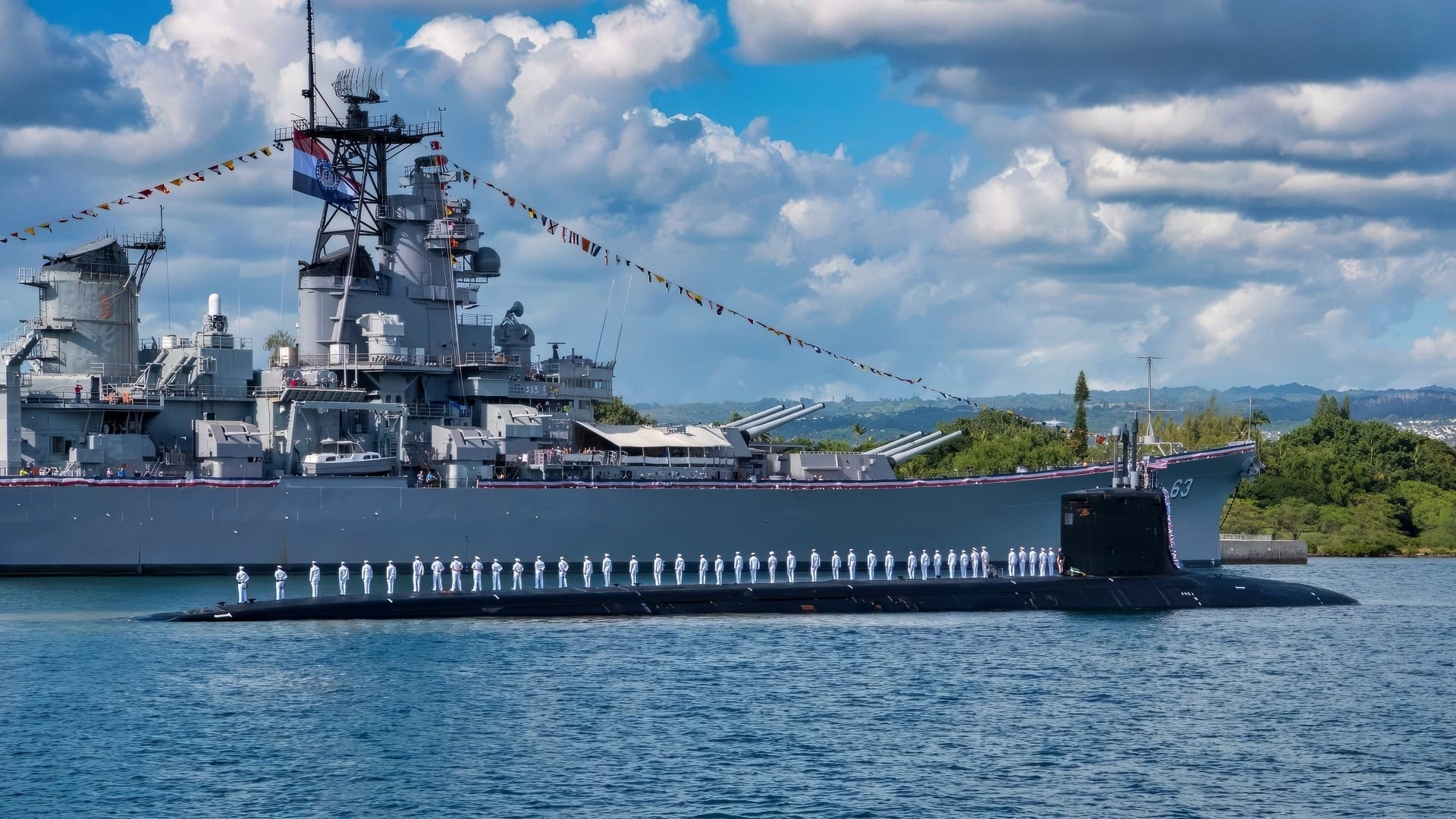
On October 2, 2021, one of the United States Navy’s most advanced and secretive warships slammed into something no chart had ever recorded.
The USS Connecticut (SSN-22), a Seawolf-class nuclear-powered fast attack submarine, struck an uncharted underwater seamount while operating submerged in the South China Sea.
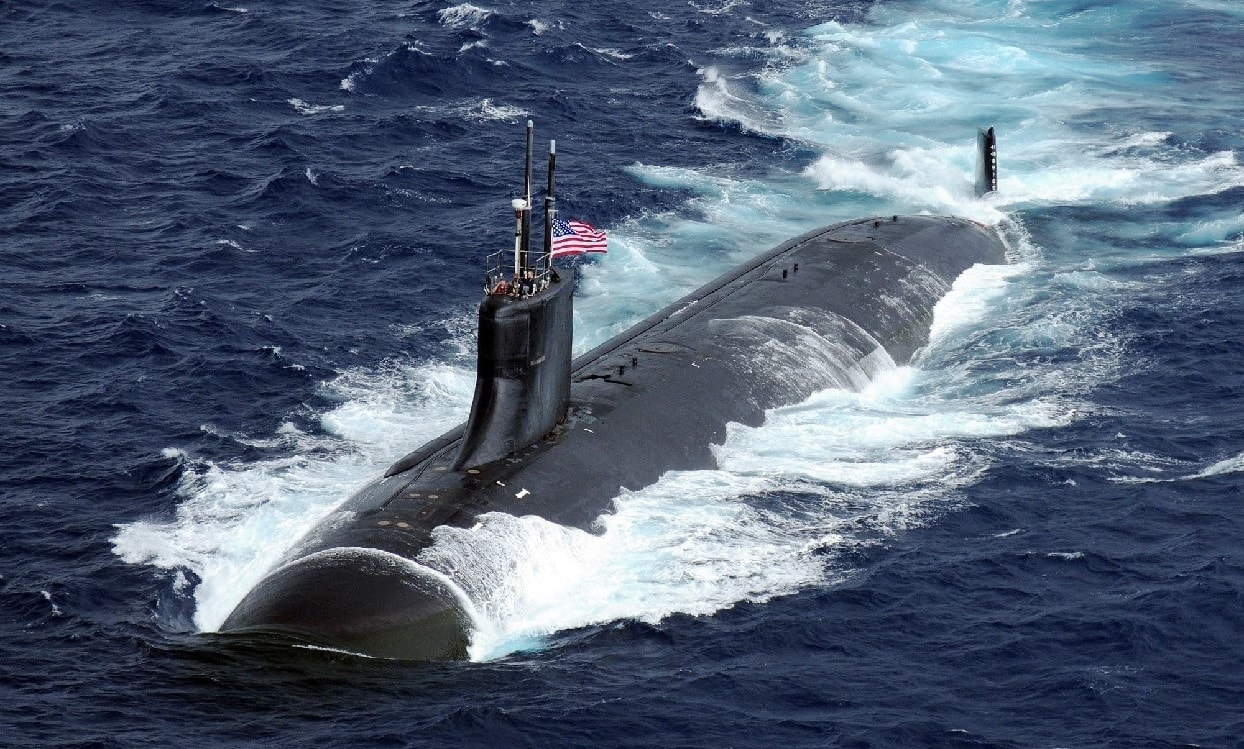
USS Connecticut. Image: Creative Commons.
The collision would trigger a repair effort spanning roughly five years, costing tens of millions of dollars and sidelining one of only three submarines of its kind in the entire fleet.
Yet the very fact that Connecticut survived a high-speed impact with solid rock and that its crew brought it safely home has become a striking illustration of just how tough American submarines, especially the Seawolf-class, are built.
What Happened in The Collision
The Seawolf-class was designed during the late Cold War as the ultimate answer to Soviet submarine advances: fast, quiet, deep-diving, and heavily armed.
Only three were ever built: Seawolf, Connecticut, and Jimmy Carter, because their enormous cost led the Navy to switch to the cheaper Virginia-class instead.
That rarity makes Connecticut one of the most expensive and capable attack submarines in the world, with an original program price tag estimated at $ 3 billion, which would equate to $10 billion today.
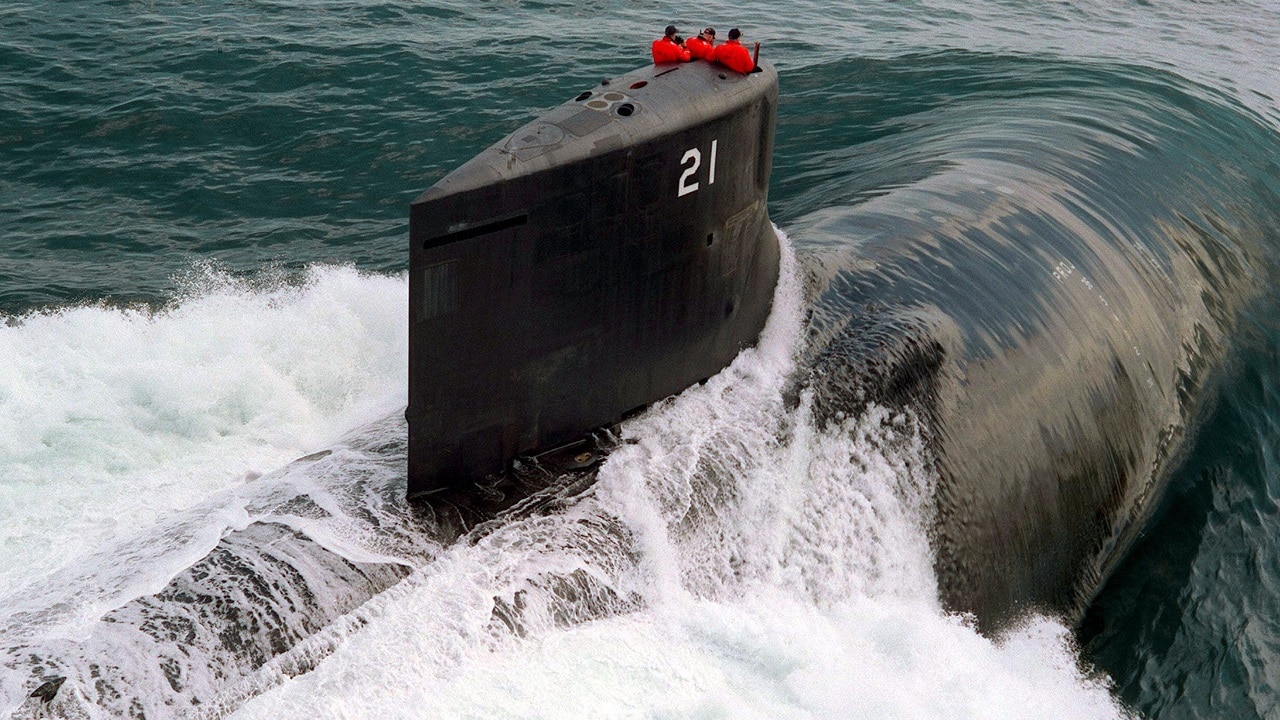
The U.S. Navy’s newest attack submarine, USS Seawolf (SSN 21), conducts Bravo sea trials off the coast of Connecticut in preparation for its scheduled commissioning in July 1997.
The impact on the seamount in the South China Sea, located off the coast of Japan, damaged the bow section, the ballast tanks, and the sonar dome, making underwater travel unsafe, several Navy officials said at the time.
Eleven crew members suffered injuries, though none were life-threatening.
Because the collision had damaged the forward part of the hull rather than the pressurized crew compartments further aft, the boat was able to surface and travel, under its own power, on the surface, first to the U.S. base in Guam for initial assessment, and later across the Pacific to San Diego, California.
The Submarine’s Command Element Was Quickly Relieved
The submarine’s Commanding Officer, Cmdr. Cameron Aljilani, Executive Officer, Lt. Cmdr. Patrick Cashin, and Chief of the Boat Master Chief Sonar Technician Cory Rodgers were relieved from command following the completion of an investigation by U.S. 7th Fleet commander Vice Adm. Karl Thomas in early November 2021.
“We have very rigorous navigation safety procedures, and they fell short of what our standard was,” Naval Submarine Forces commander Vice Adm. William Houston said.
The Navy investigated and determined the accident was preventable and resulted from a “command environment” and “lax attitudes toward the performance of key tasks,” leading to the relief of the commanding officer, executive officer, and chief of the boat from their duties.
The command investigation led by the chief of U.S. Pacific Fleet’s Maritime Headquarters, Rear Admiral Christopher Cavanaugh, said the sub was sailing rapidly in an area of the ocean that was not charted properly.
Cavanaugh’s report noted that Commander Cameron Aljilani contributed to a “poor command climate” and his actions “set the conditions of the boat’s performance.”
After a month’s trip back to the West Coast of the US, the Connecticut entered into extensive repairs at Puget Sound Naval Shipyard and Intermediate Maintenance Facility.
The incident was an unusually public rebuke for what the Navy typically treats as sensitive, classified operational matters.
Why the Repair Took So Long
After stabilizing the boat on the West Coast, the Navy eventually moved Connecticut north to the Puget Sound Naval Shipyard and Intermediate Maintenance Facility in Bremerton, Washington, where the submarine entered a period known as an Extended Docking Selected Restricted Availability, or EDSRA.
Every submarine undergoes this type of extended dry-dock maintenance periodically during its service life, but Connecticut’s version was complicated by the need to rebuild its damaged bow structure.
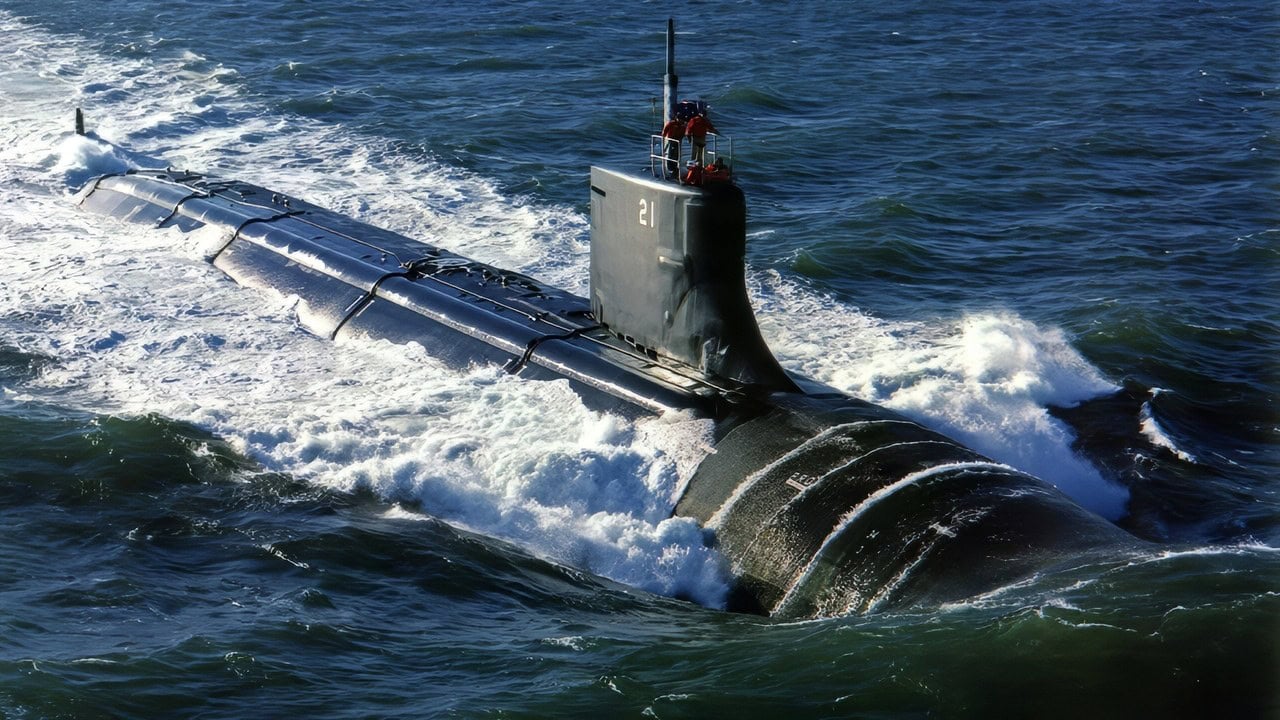
The nation’s newest and most advanced attack submarine Seawolf (SSN 21) puts to sea in the Narragansett Bay operating area for her first at-sea trial operations on July 3, 1996. Sea trials include various tests of the Seawolf propulsion systems and the first underway submergence of the submarine. The Seawolf represents the Navy’s most advanced quieting technology, weaponry, tactical capability and communications. Seawolf is scheduled to be delivered to the Navy and commissioned this fall. U.S. Navy photo courtesy of General Dynamics.
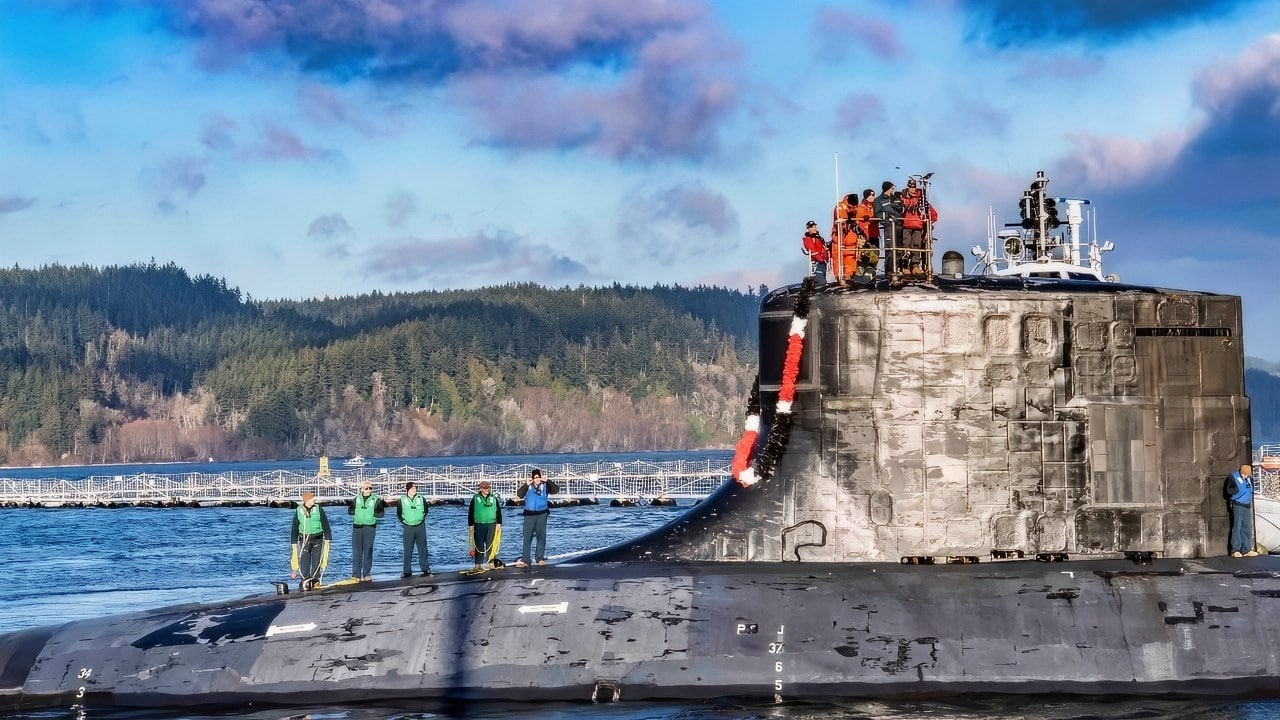
The Seawolf-class fast-attack submarine USS Seawolf (SSN 21) returns home to Naval Base Kitsap-Bangor, Washington, Dec. 14, 2022, following a seven-month deployment. Seawolf is the first of the Navy’s three Seawolf-class submarines, designed to be faster and quieter than its Los Angeles-class counterpart. (U.S. Navy photo by Mass Communication Specialist 2nd Class Gwendelyn L. Ohrazda)
The EDSRA officially began in February 2023 and was originally projected to last around 31 months, putting a return to service somewhere around 2025. That schedule slipped repeatedly.
By mid-2025, Navy officials were pointing to “late 2026” as the target date for Connecticut’s return to the fleet, meaning the submarine would have been out of commission for roughly five years, an extraordinary length of time even by the standards of major naval overhauls.
Some defense analysts have since suggested the timeline could stretch into 2027 given how consistently the project has fallen behind.
Several factors explain the delay. Rebuilding the bow of a nuclear submarine is not comparable to ordinary hull repair; it involves precision-fabricated pressure-hull sections, specialized sonar and sensor housings, and rigorous testing to ensure the vessel can still operate safely at depth.
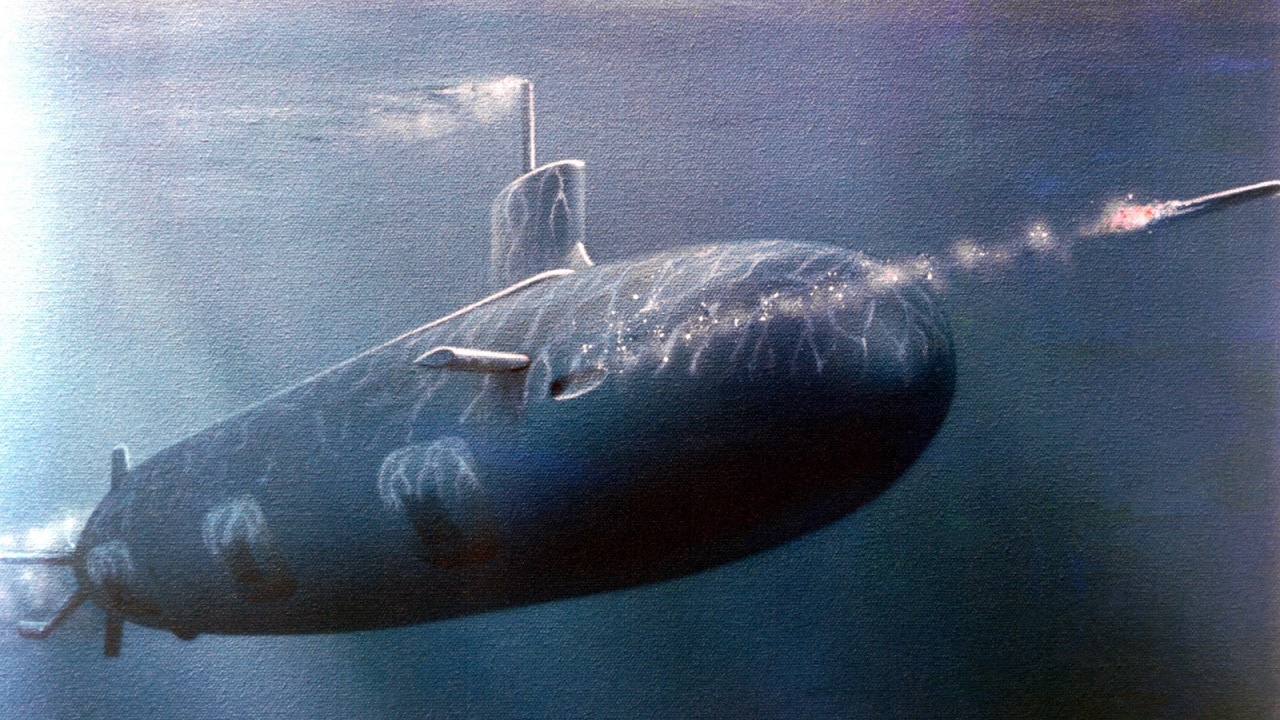
An artist’s concept of the nuclear-powered submarine SEAWOLF (SSN-21).
Because only three Seawolf-class boats were ever built, spare parts and design expertise are far scarcer than for the Navy’s more numerous Virginia-class submarines.
Shipyard capacity has also been strained industry-wide, with the Navy simultaneously trying to build new Virginia- and Columbia-class submarines while maintaining an aging fleet, a competition for skilled labor, docking space, and specialized components that has pushed back numerous Navy maintenance projects in recent years, not just the Connecticut’s.
The Navy has not disclosed the full cost of the repair, but Congress approved an initial $40 million for emergency work shortly after the accident, along with roughly $10 million earmarked for a new bow dome.
The total bill for the complete rebuild, folded into the broader EDSRA maintenance package, is almost certainly far higher once the multi-year shipyard labor is factored in.
The Seawolf-Class: A Symbol of Rugged Engineering
Despite the eye-watering timeline and expense, naval observers have repeatedly framed the episode less as an embarrassment and more as evidence of resilient engineering.
A submarine that strikes an underwater mountain at speed while submerged, and still manages to surface, sail thousands of miles under its own power, and eventually return to full duty rather than being scrapped, reflects a hull and pressure-vessel design built with enormous safety margins.
The Seawolf class was engineered to operate at depths and speeds beyond those of most other submarines, using a thick, high-strength steel hull (HY-100) meant to withstand extreme pressure and, apparently, blunt-force trauma that would likely have been catastrophic for a less robust vessel.
Once repairs are finished, Connecticut is expected to return not merely restored but modernized, with the Navy using the extended downtime to fold in additional upgrades to its combat and sensor systems.
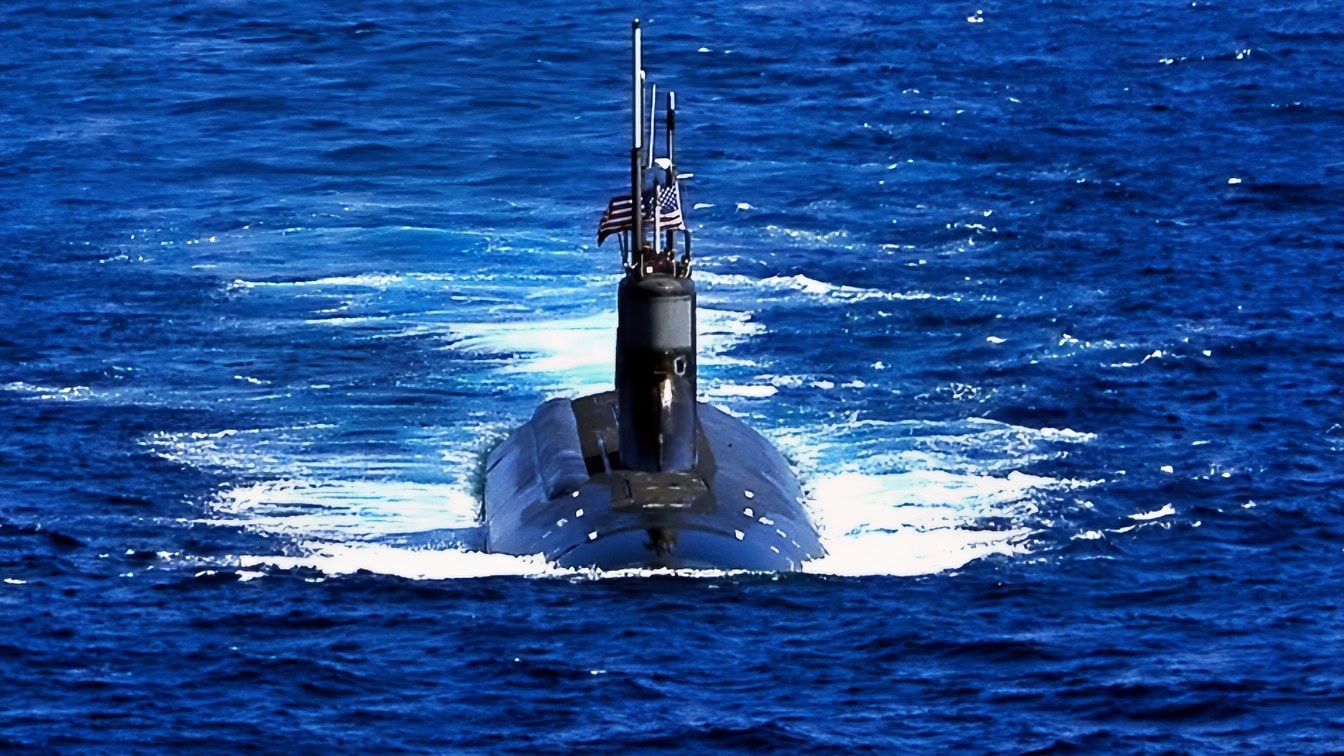
PACIFIC OCEAN (Feb. 12, 2009) The Seawolf-class submarine USS Seawolf (SSN 21), bottom, Japanese destroyer JS Oonami (DD 111), left, and the Nimitz-class aircraft carrier USS John C. Stennis (CVN 74) steam in formation during a photo exercise following a successful Under Sea Warfare Exercise involving the John C. Stennis Carrier Strike Group, Japan Maritime Self-Defense Force and other naval vessels operating in the 7th Fleet. Stennis is on a scheduled six-month deployment to the western Pacific Ocean. (U.S. Navy photo by Mass Communication Specialist 3rd Class Walter M. Wayman/ Released)
Capable of speeds exceeding 35 knots submerged, operating under Arctic ice, and carrying up to 50 weapons, including Mark 48 torpedoes, Tomahawk cruise missiles, and Harpoon anti-ship missiles, the USS Connecticut remains one of the most capable hunter-killer submarines in the world.
Its return will matter well beyond symbolism.
With only two other Seawolf-class boats in service and the Navy’s newer submarine programs facing production delays, Connecticut’s stealth and firepower are seen as important assets for deterrence in the Indo-Pacific, where U.S. attack submarines increasingly operate near a growing Chinese navy.
A vessel that survived a seamount collision and years of reconstruction may ultimately re-enter service as a quiet reminder that American submarine engineering, however expensive, is built to endure far more punishment than any of its designers ever hoped it would need to.
About the Author: Steve Balestrieri
Steve Balestrieri is a National Security Columnist. He served as a US Army Special Forces NCO and Warrant Officer. In addition to writing on defense, he covers the NFL for PatsFans.com and is a member of the Pro Football Writers of America (PFWA). His work was regularly featured in many military publications.