
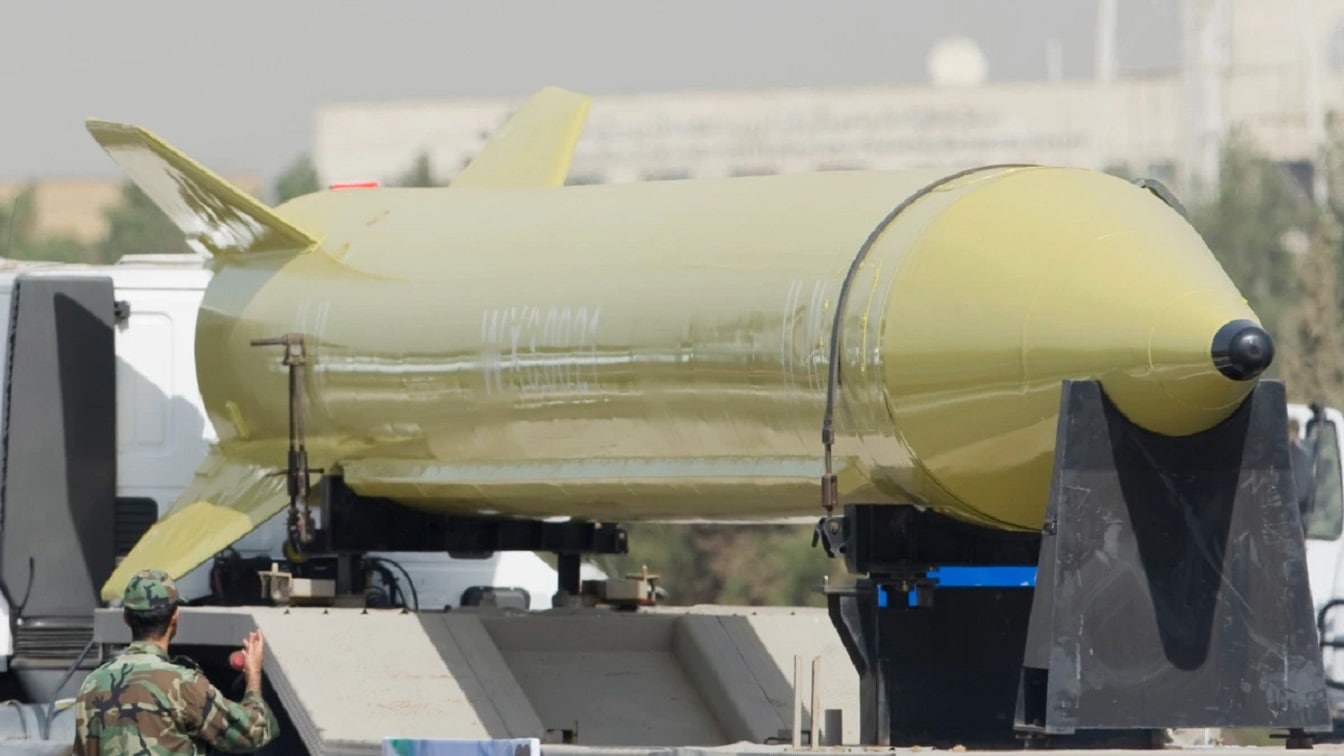
China and Iran are often discussed primarily as economic partners—with Iran supplying China with heavily discounted oil while China helps Iran bypass Western sanctions.
But the relationship has an important military component, too, which stretches back decades. Chinese weapons and technology have long helped Iran develop capabilities ranging from anti-ship cruise missiles to air defenses and missile guidance.
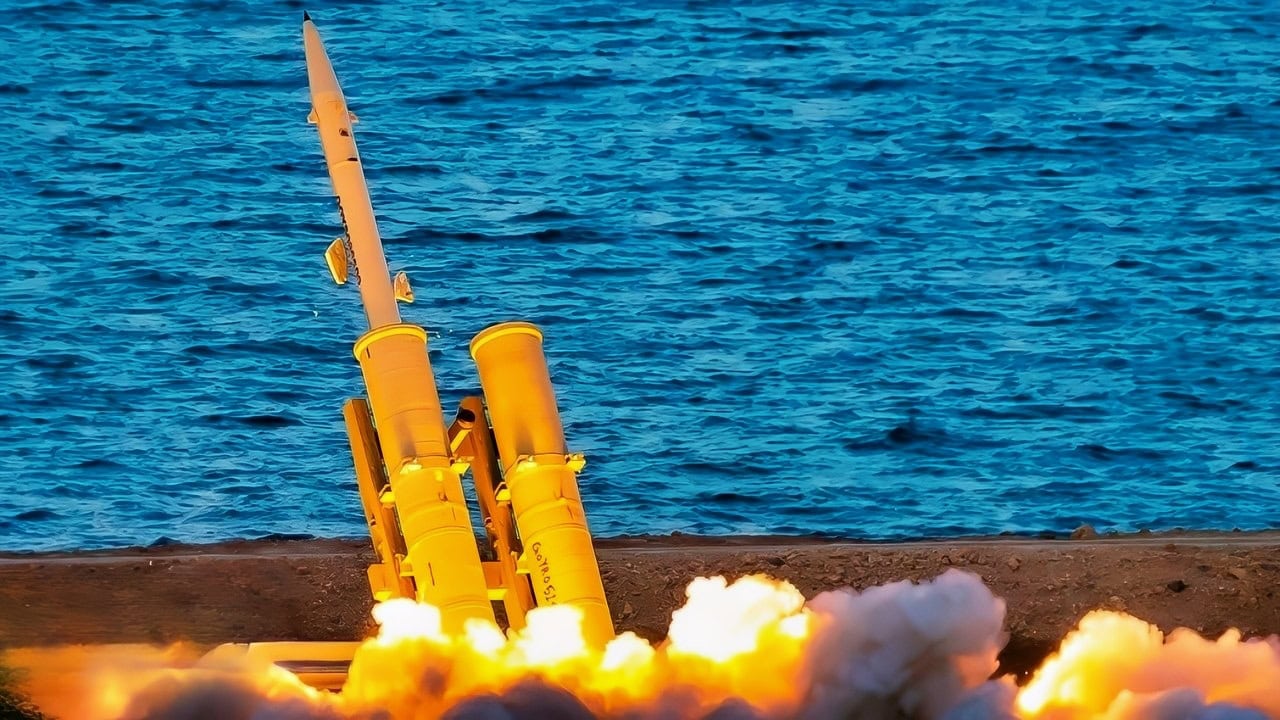
Iran Missiles. Image Credit: Creative Commons.
Even today, Chinese commercial and dual-use supply chains remain important to Iranian weapons production.
But it’s important to note that Iran is not just another Chinese client state—and China has been cautious about openly arming Iran in a way that could trigger confrontations with the US, or worse, jeopardize China’s Gulf relations.
Instead, China provides Iran with tech, components, designs, and industrial inputs that Iran turns around and incorporates into its increasingly capable homegrown defense industry.
Back to the Iran-Iraq War
The modern relationship between Iran and China really accelerated during the 1980s, while Iran was engaged in war with its neighbor Iraq.
At the time, Iran found itself isolated from many Western arms suppliers, having just taken Americans hostage. China stepped in as an important alternative supplier, providing weapons such as tanks and armored vehicles, artillery, combat aircraft, anti-ship missiles, and missile technology.
For Iran, this Chinese equipment provided something particularly valuable: a technological jump-start that would enable it to develop domestic weapons.
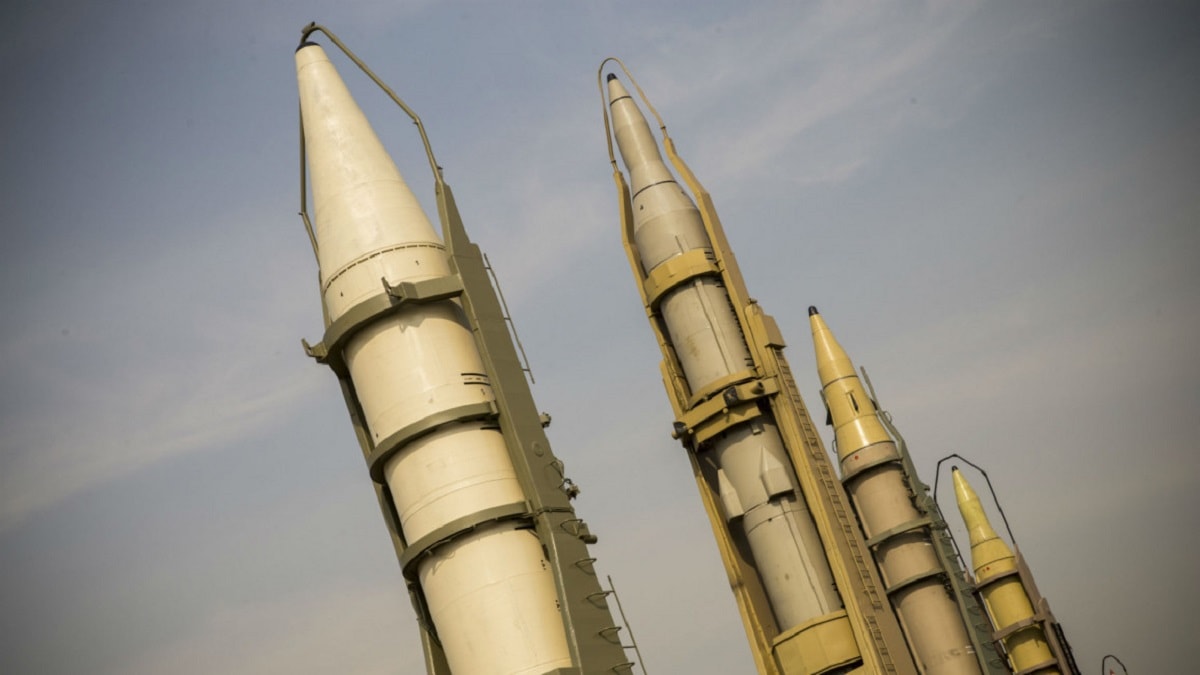
Iran’s missiles. Image Credit: Creative Commons.
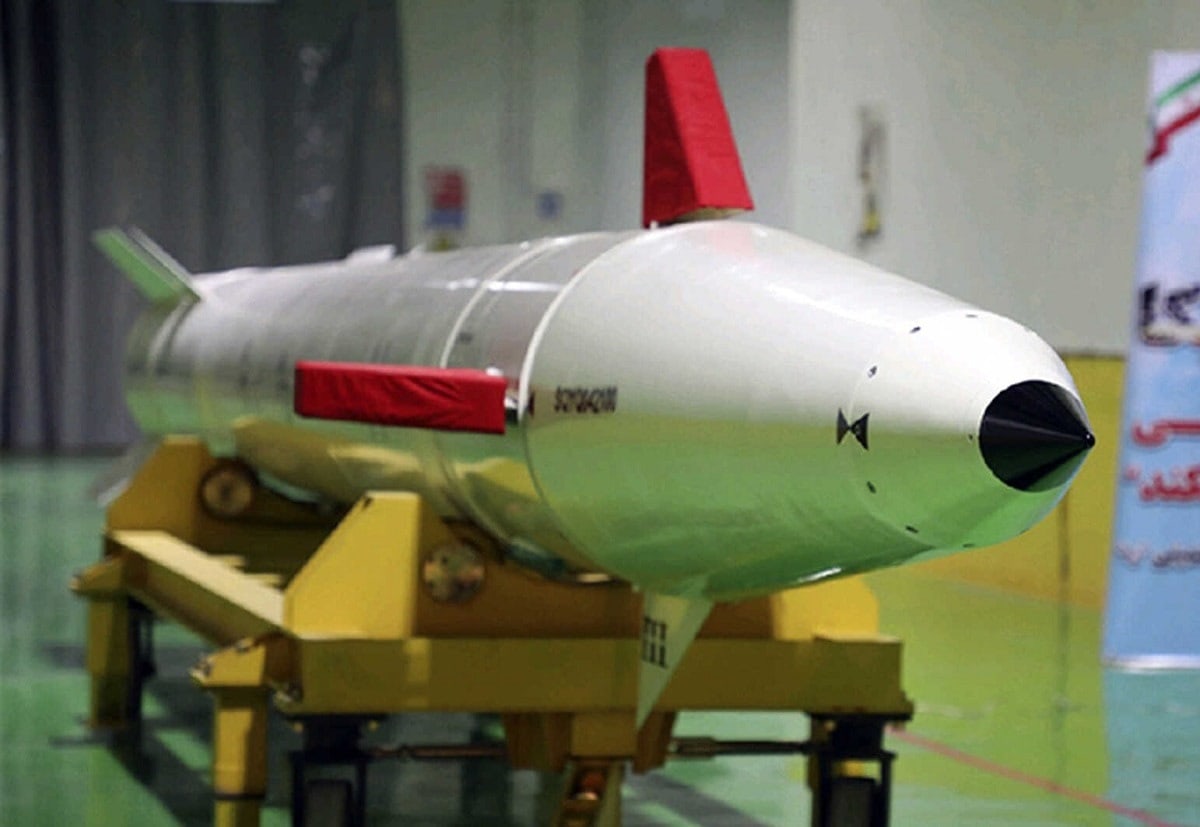
Iranian ballistic missiles. Image: Creative Commons.
Anti-ship Connections
Arguably, the most important contribution China made to Iran, at least in a military technology sense, might be the anti-ship missile. Iran obtained Chinese HY-2 Silkworm anti-ship missiles and proceeded to acquire C-801 and C-802 technology.
The C-802 became especially significant because it provided the technical foundation for Iran’s Noor anti-ship cruise missile, a sea-skimming, subsonic missile that uses radar terminal guidance.
Iran has subsequently produced longer-range weapons and improved derivatives, building a large family of coastal and ship-launched weapons that have helped Iran dictate terms in the Strait of Hormuz.
Essentially, the technology has helped Iran create an anti-access environment in both the Strait and the Persian Gulf.
With mobile missile batteries that can hide along Iran’s extensive coastline before emerging to fire and relocate before counterattacking, Iran has proven very persistently nettlesome.
Indeed, Iran has abandoned the idea of competing with the US Navy on conventional terms; Iran recognizes it only needs enough missiles, drones, mines, and small boats to make operating near its coastline prohibitively dangerous and expensive.
The threat isn’t theoretical, either. In 2006, Hezbollah used an Iranian-supplied C-802-family anti-ship missile to strike the Israeli corvette INS Hanit.
The missile struck the ship, killing four sailors and demonstrating how relatively inexpensive shore-launched cruise missiles could threaten sophisticated modern warships.
That model of cost asymmetry has become fundamental to Iran’s maritime strategy, where cheap drones and missiles have been used to counter the US’s world-leading navy.
Bolstering the Industrial Base
China also matters to Iran’s industrial base, especially for missile production. Iran has developed a significant domestic ballistic-missile program—but sophisticated missiles require enormous amounts of components and raw materials, which can be difficult for a heavily sanctioned nation to obtain.
Chinese-origin commercial and dual-use products help Iran bypass sanctions, providing electronics and microprocessors, machine tools, navigation components, specialty chemicals, drone components, and materials useful for solid rocket propellant.
Headed to China
The relationship has a transactional quality, with China gaining access to Iran’s vast energy reserves.
Indeed, China has become the dominant destination for Iranian crude oil, all this despite US sanctions. Iran also serves China’s broader interests in complicating American strategy in the Middle East.
Consider US involvement in Epic Fury, which forces the diversion of resources and weaponry away from the Pacific and towards the Middle East.
This directly aids China, which China recognizes.
The link between Iran and China creates an uncomfortable reality for the US. And while China doesn’t need to send PLA forces to fight alongside Iran to impose costs on Washington, even indirect Chinese support can help Iran maintain the relatively inexpensive weapons it needs to thwart US efforts in the region.
About the Author: Harrison Kass
Harrison Kass is a writer and attorney focused on national security, technology, and political culture. His work has appeared in Tablet, City Journal, The Hill, The Spectator, and The Cipher Brief. He holds a JD from the University of Oregon and a master’s in Global & Joint Program Studies from NYU. More at harrisonkass.com.