
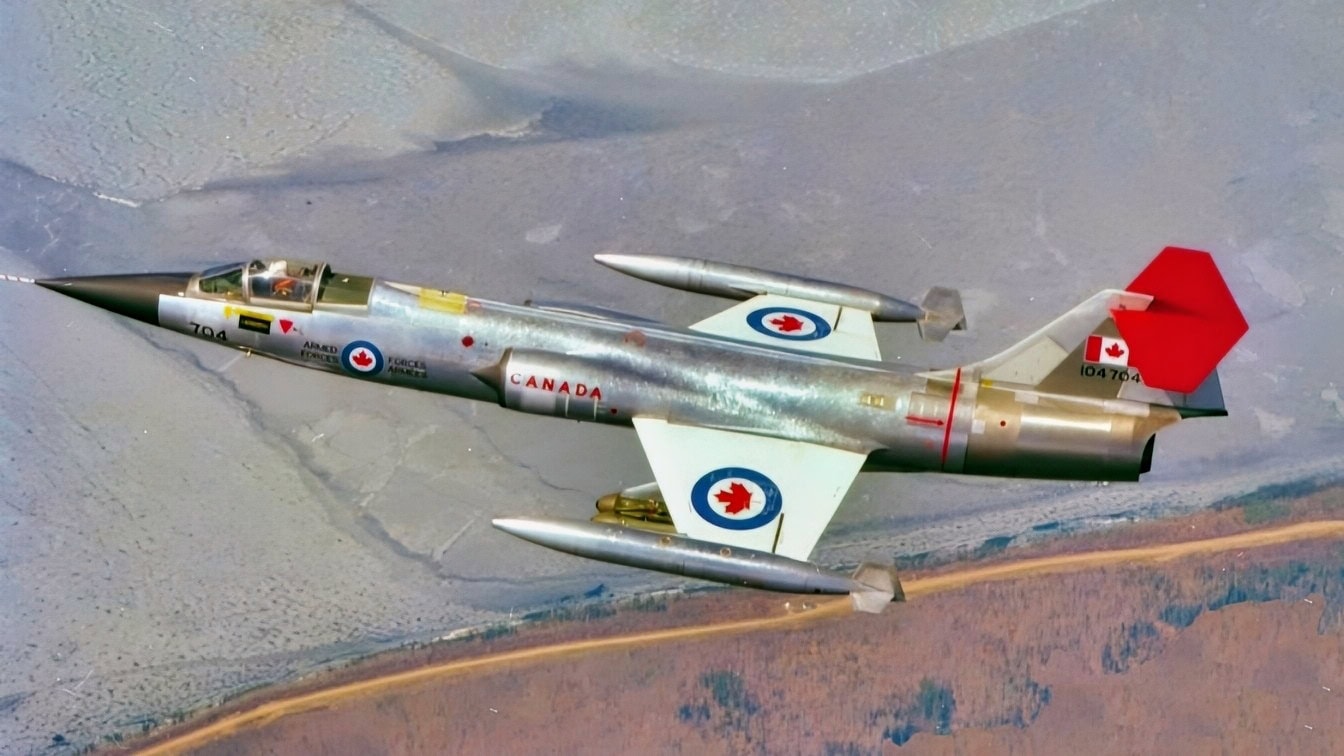
The fastest aircraft Canada has ever flown never fired a shot in anger. It spent a decade sitting nuclear alert in German revetments with an American atomic bomb under its belly, crashed roughly 110 times in Canadian hands, and was retired without ever meeting the war it was built for. The Canadair CF-104 Starfighter is the strangest chapter in Canadian air power, and the most revealing.
Out of the CF-104 Arrow’s Shadow
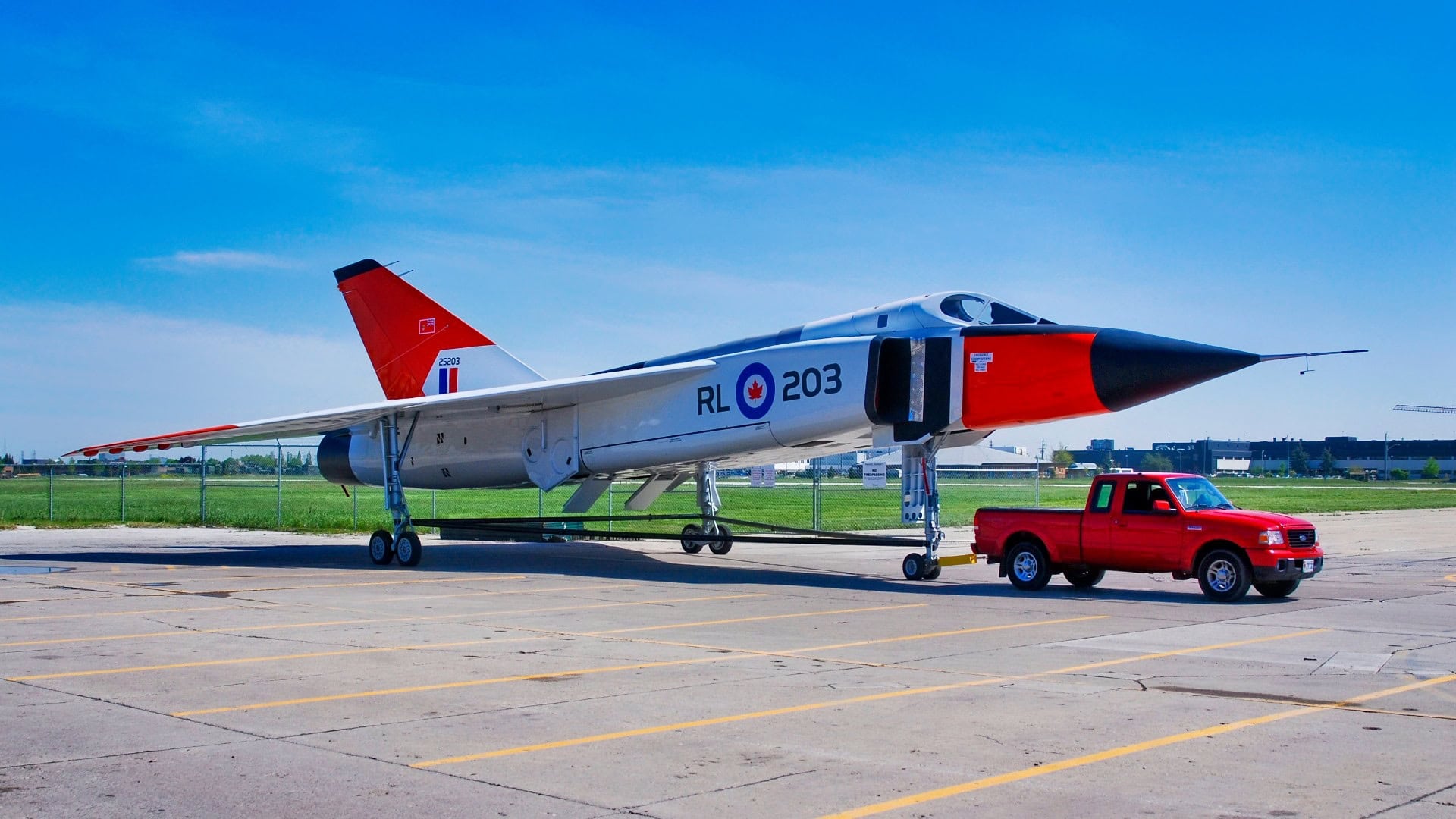
Avro Arrow CF-105 Canada. Image Credit: Creative Commons.
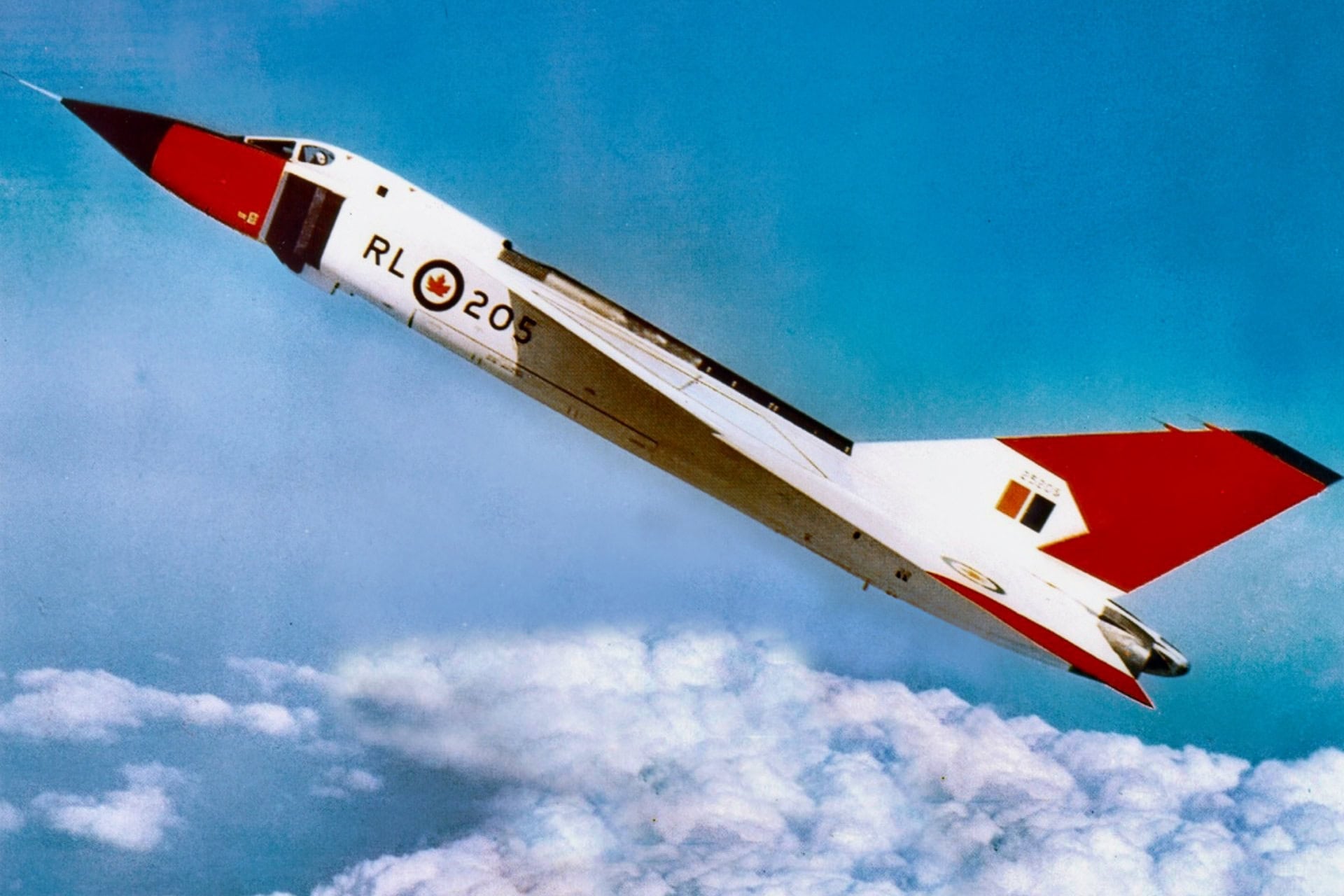
Avro Canada CF-105 Arrow. Image Credit: Creative Commons.
The CF-104 was born from a wound. In February 1959, Ottawa canceled the Avro Arrow, the sleek homegrown interceptor that remains Canadian aviation’s great what-if, and within months the Royal Canadian Air Force needed a different airplane for a different job: NATO had pressed Canada to convert its European fighter force from day fighters to nuclear strike.
The RCAF ran a competition and privately preferred the big Republic F-105 fitted with the Orenda Iroquois engine orphaned by the Arrow, but the F-105 cost too much, and Lockheed offered something Ottawa wanted almost as badly as capability: a license to build the airplane at home.
On August 14, 1959, Canadair of Cartierville, Quebec, was selected to manufacture 200 Starfighters under the company designation CL-90; the RCAF briefly called its version the CF-111 before settling on CF-104, and the first Canadian-built jet flew on May 26, 1961, from Lockheed’s Palmdale plant with a company test pilot at the controls.
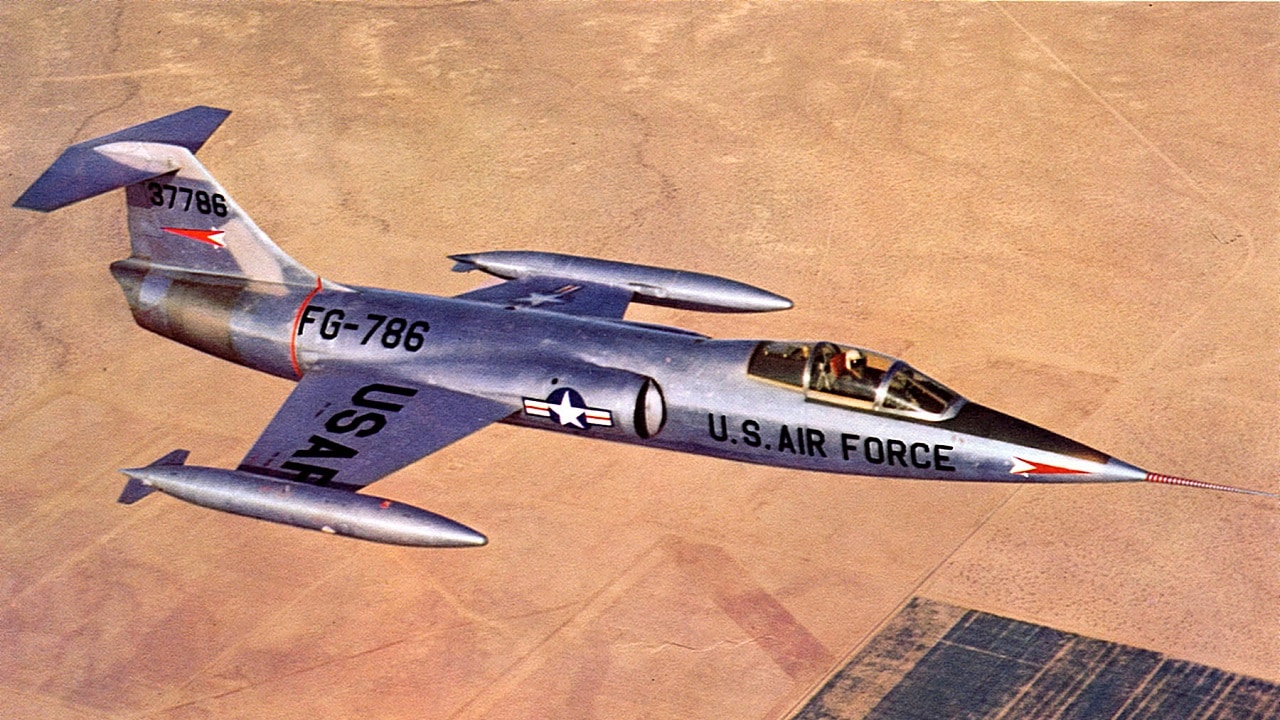
Lockheed XF-104 (S/N 53-7786) in flight. This aircraft crashed on 11 July 1957 due to uncontrollable tail flutter. The pilot, Bill Park, ejected safely.
Alongside the RCAF’s 200 single-seaters, Canadair built another 140 F-104Gs for American military aid to NATO partners, plus major subassemblies for West German aircraft, while Orenda built the J79 engines in Canada, each producing 15,800 pounds of afterburning thrust.
Thirty-eight two-seat CF-104D trainers came from Lockheed. The type entered squadron service in March 1962.
A Uniquely Canadian Starfighter
Kelly Johnson had designed the F-104 as a dash-and-climb interceptor, a stubby-winged dart the industry called the missile with a man in it. Canada rebuilt the concept around one mission: getting a nuclear bomb through Soviet air defenses at treetop height.
The Canadian jet’s NASARR radar was wired for air-to-ground only, its 20mm cannon was pulled out and replaced with an extra fuel tank, because a lone penetrator needed range more than bullets, its landing gear was beefed up for heavyweight operations, its refueling probe was retained, and it could carry a ventral pod with four cameras, which two of the eight squadrons used full-time in the photo-reconnaissance role.
Eight squadrons of 1 Air Division deployed across France and West Germany, and NATO’s American commanders, who rated the Canadian division among the alliance’s best, handed it one of the grimmest jobs on the board: nuclear interdiction deep into Eastern Europe.
Under dual-key arrangements, Canadian Starfighters stood alert with American B-28, B-43, and B-57 bombs, weapons Canada did not own but Canadian pilots would deliver, alone, one jet and one bomb per target, with fuel calculations that treated the return leg as optional.
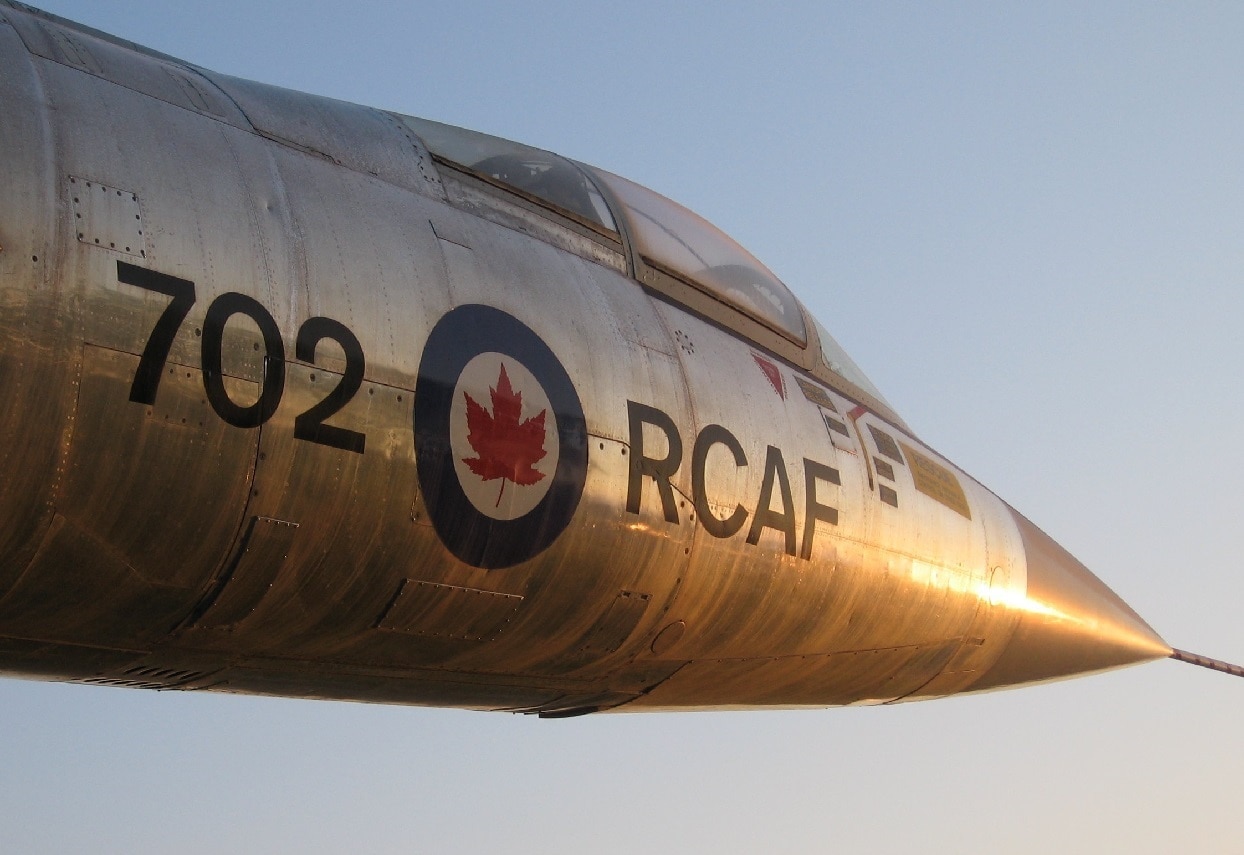
F-104 Starfighter. Image: Creative Commons.
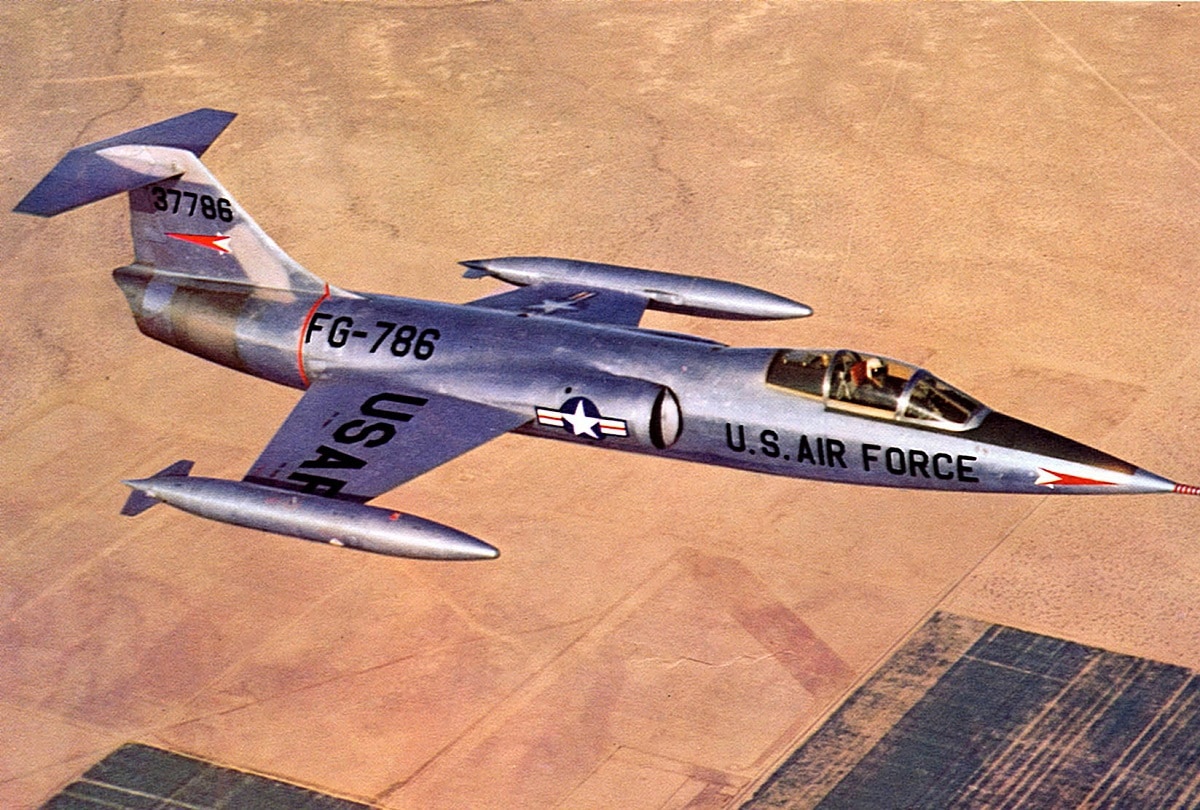
Image: Creative Commons.
That arrangement was itself the controversy: the question of accepting nuclear warheads helped bring down John Diefenbaker’s government in 1963, and the weapons arrived under his successor.
All the while, the CF-104 remained the fastest RCAF aircraft ever, a member of the Starfighter family that in 1958 became the first type in history to hold the world speed, altitude, and time-to-climb records simultaneously.
The Price
The other controversy was written in smoking holes across the German countryside. Canada lost roughly 110 of its 238 Starfighters and 37 pilots across a quarter century, a loss rate near 46 percent, driven by bird strikes, engine failures, and above all a mission that parked a razor-winged interceptor at 100 feet in European murk; bad weather figured in nearly half the accidental losses, and the tiny wing glided so poorly that a pilot with a dead engine had seconds to decide between ejection and dying with the airplane.
The type’s family nicknames, Widowmaker in Germany, Lawn Dart and Flying Coffin elsewhere, followed it everywhere. Yet the Canadian numbers carry a twist: Canada’s rate was among the lowest of any major Starfighter operator.
West Germany lost 292 of 916 with 116 pilots killed, and by phase-out, Canadian airframes averaged 6,000 flying hours, triple the German figure.
The CF-104’s record was less an indictment of Canadian flying than the honest price of the mission every Starfighter nation had accepted.
From Nuclear Alert to Iron Bombs
Canada’s commitment shrank in stages, eight squadrons to six in 1967, then three in 1970, and at the start of 1972, the nuclear strike role ended altogether as Ottawa recast its NATO contribution.
The Starfighters were rebuilt for conventional attack: the Vulcan cannon went back in, the silver skin disappeared under green-and-gray camouflage, and the jets took up Mk 82 Snakeye bombs, British BL755 cluster munitions, and the Canadian-designed CRV7 rocket pod, one genuinely national weapon on a licensed airframe; Sidewinder missiles, notably, were never carried operationally by Canadian jets even as the exported ones flew with them.
Pilots who had trained for years to fly solo had to relearn flying in pairs and four-ship formations, training that later eased the transition to the CF-18. Through it all, over 25 years of Cold War alert, no Canadian Starfighter ever flew a combat mission.
The Long Goodbye
The CF-18 Hornet’s arrival ended the era, and the last Canadian Starfighters stood down in 1986. The fleet scattered the way Starfighters did: surplus jets had already gone to Denmark and Norway in the early 1970s, and the final survivors went to Turkey, where Canadian-built airframes flew on for years after Canada was done with them.
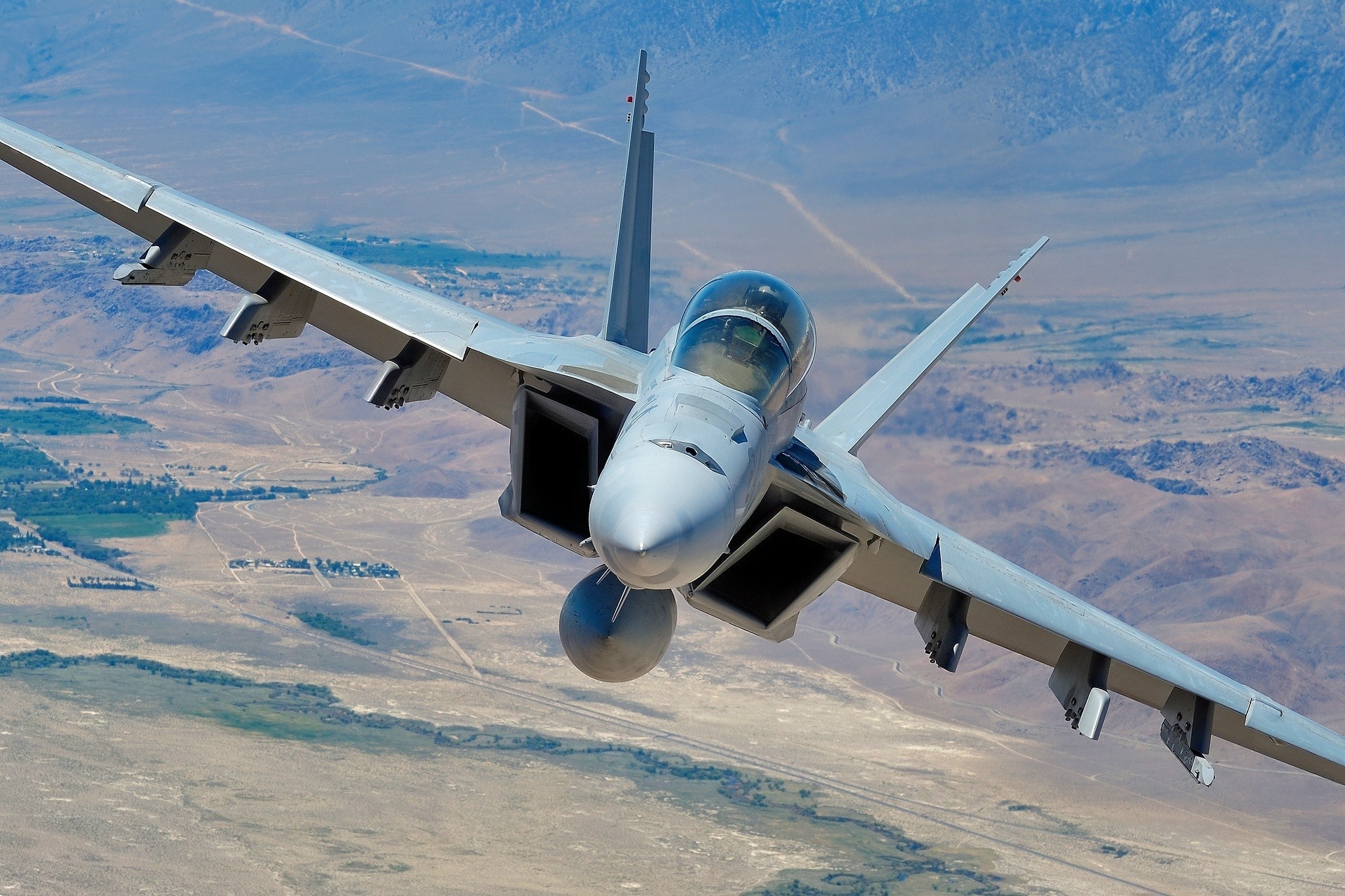
CF-18 Canada. Image Credit: Creative Commons.
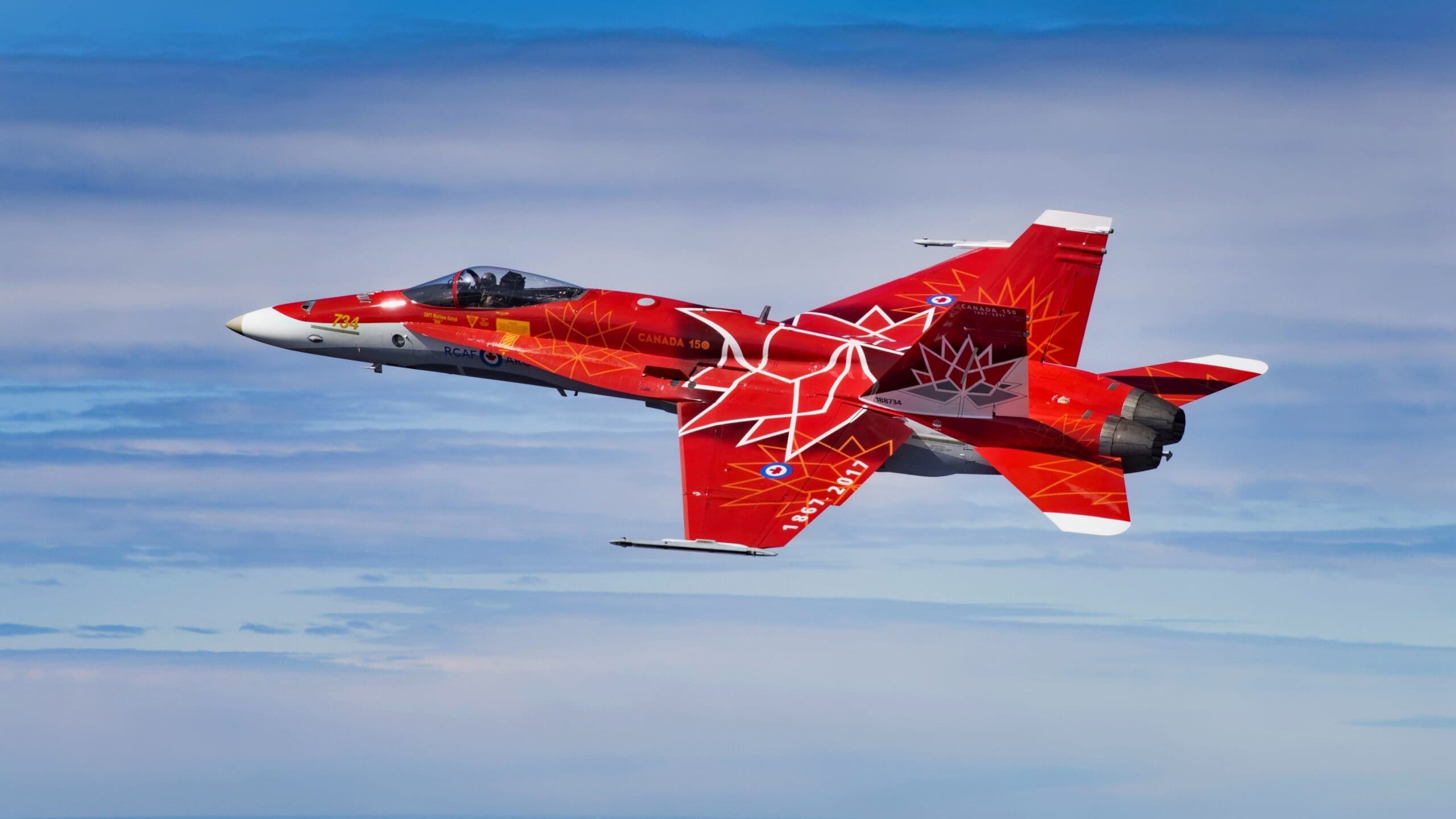
CF-18 Fighter from Canada. Image Credit: Creative Commons.
The type’s deeper legacy went into the design lineage, where its speed-over-everything philosophy echoes in the F-16 that so many Starfighter nations bought next, though Canada itself went another way.
Today, airframe 12703 stands in the Royal Aviation Museum of Western Canada in Winnipeg, still wearing the silhouette of a machine built to make one flight, on one morning, that never came.
About the Author: Harry J. Kazianis
Harry J. Kazianis (@Grecianformula) was the former Senior Director of National Security Affairs at the Center for the National Interest (CFTNI), a foreign policy think tank founded by Richard Nixon based in Washington, DC. Harry has over a decade of experience in think tanks and national security publishing. His ideas have been published in the NY Times, The Washington Post, The Wall Street Journal, CNN, and many other outlets. He has held positions at CSIS, the Heritage Foundation, the University of Nottingham, and several other institutions related to national security research and studies. He is the former Executive Editor of the National Interest and the Diplomat. He holds a Master’s degree focusing on international affairs from Harvard University.

