
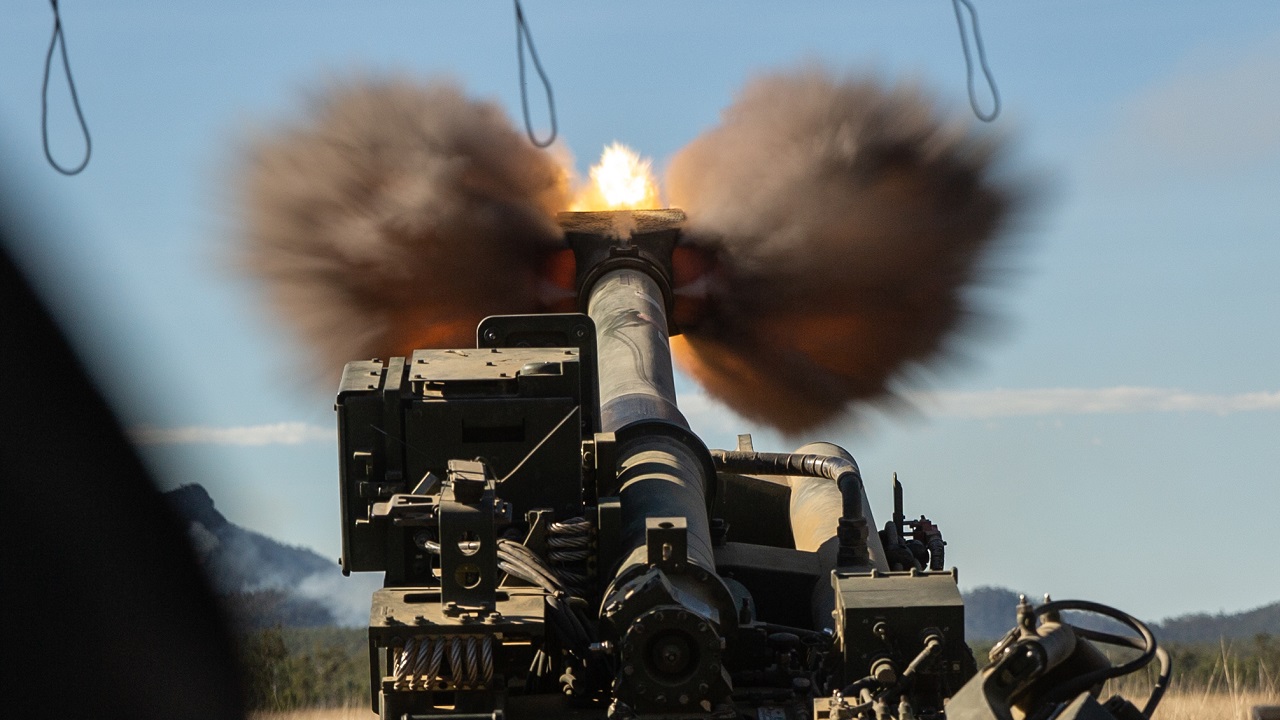
The US Marine Corps began Force Design 2030 with more than 450 M1A1 Abrams tanks. The March 2020 plan called for zero tank companies, eliminating seven companies plus prepositioned capacity. The decision came in 2020, but the institutional break with armor stretched into 2021 as the 2d Tank Battalion, 4th Tank Battalion, and 1st Tank Battalion held their final ceremonies.
The Corps also cut deeply into cannon artillery. The original objective reduced 21 cannon batteries to five while increasing rocket artillery from seven batteries to 21. Experience changed part of that plan. In 2022, the service raised the cannon-artillery floor to seven batteries. The October 2025 update listed 10 HIMARS batteries across the active and reserve components, with M777A2 howitzers retained as a complementary capability.
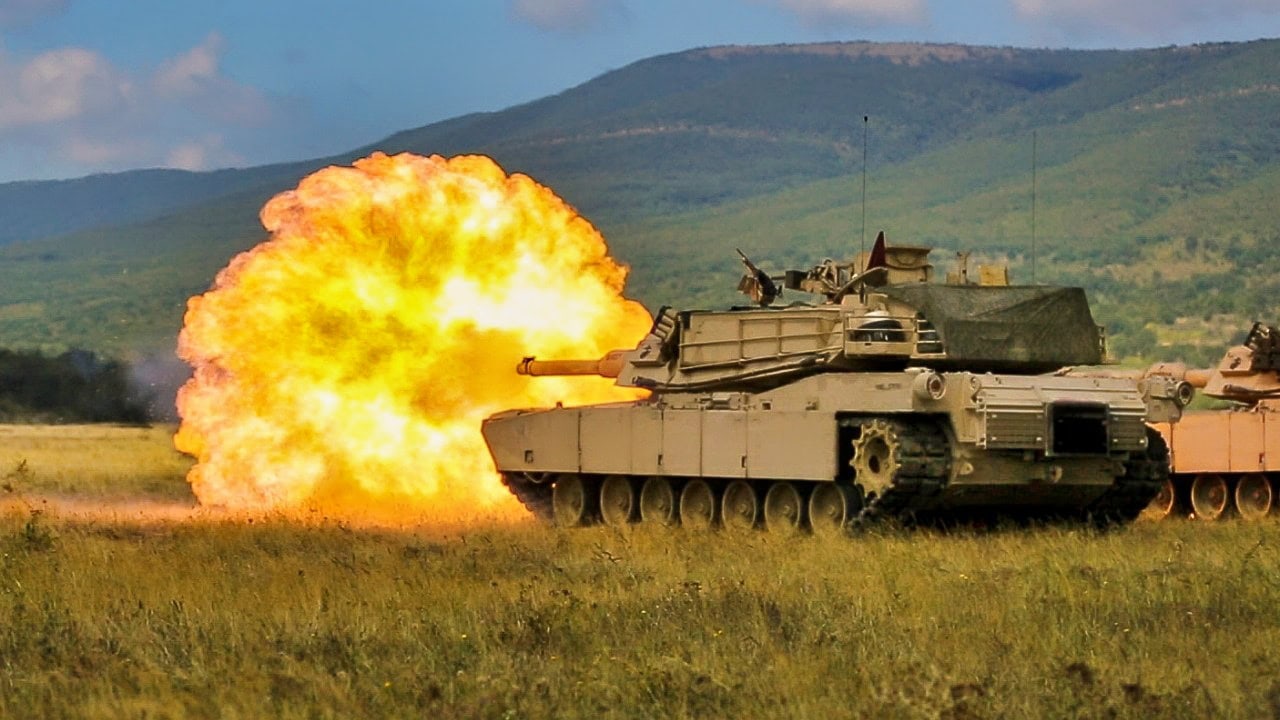
U.S. Marines with Combined Arms Company fire an M1A1 Abrams tank during a field training exercise at Novo Selo Training Area, Bulgaria, Sept. 21, 2015. The Marines underwent several days in the field to prepare for multinational training exercises over the next few months. (U.S. Marine Corps photo by Lance Cpl. Melanye E. Martinez/Released)
Why remove the tank? The answer was not that the Abrams had become useless. Force Design was a choice about what the Marine Corps should contribute to a joint war, especially against China in the Western Pacific. Commandant Gen. David Berger wanted a lighter naval expeditionary force able to disperse across islands, find enemy ships, launch long-range missiles, and survive inside contested littorals.
The M1A1 was built for another type of fight. A General Dynamics specification sheet listed a weight of 67.6 tons, a 120mm gun, and a 1,500-horsepower turbine. It delivered protected firepower and shock action, but also required heavy transport, recovery vehicles, bridging support, maintenance capacity, ammunition, and large fuel deliveries. Moving that package between small islands under missile attack was the problem Force Design was trying to solve.
Force Design Was a Mission Choice, Not a Verdict on Tanks
After two decades of sustained land campaigns, Force Design returned the service toward its naval identity and the 2018 National Defense Strategy.
Small, low-signature formations would operate forward, sense maritime targets, pass data into joint networks, and help deny an adversary use of key sea lanes.
That explains why the Marines dumped their tanks. An Abrams company is valuable when a force must break a defended position, defeat enemy armor, or protect infantry in close combat. It is less useful when the immediate task is to hide on an island, move before an enemy targeting cycle closes, and strike a warship at long range.
Berger also started with a flat budget. The 2020 report estimated $12 billion in potential savings across the entire Phase II package, not from tanks alone. The money was meant for equipment, training, and force development. Keeping every legacy formation while buying missiles, drones, radars, and air defenses was not considered affordable.
More Than 400 Abrams Tanks Went to the Army
The Corps did not scrap its fleet. Marine Corps Systems Command reported in December 2021 that more than 400 of its more than 450 tanks had been transferred to the Army. Remaining vehicles aboard maritime prepositioning ships were scheduled to follow.
The transfer preserved national value while ending an organic Marine capability. The Corps also divested M88 recovery vehicles, assault breachers, and heavy bridging equipment tied to the armored force.
The service acknowledged the risk. Its 2021 update said legacy divestments could create near-term exposure while the future force was built. Force Design assumed that a joint campaign requiring heavy armor would receive it from the Army. That works when time, sealift, ports, and command relationships allow Army formations to arrive. It is less reassuring during a fast crisis or an isolated fight.
The Corps Bought Missiles, Drones and Air Defense
The trade has produced real equipment. The Marine Corps fielded its first six Navy-Marine Expeditionary Ship Interdiction System launchers to the 3d Marine Littoral Regiment in 2023. NMESIS places two Naval Strike Missiles on an unmanned vehicle, giving Marines a mobile land-based weapon against ships. Its intended role is examined in an early assessment of NMESIS against China.
The October 2025 Force Design update lists 10 HIMARS batteries, loitering munitions, MQ-9A surveillance aircraft, and new air defenses. The Corps had delivered 20 MADIS systems, expected the first 10 L-MADIS systems in 2026, and projected nearly 60 percent of planned G/ATOR radars in the fleet by the end of fiscal 2025.
Those systems were tested together during Balikatan 2025, when the 3d Marine Littoral Regiment integrated NMESIS, MADIS, and G/ATOR inside the First Island Chain. The exercise reflected the idea behind placing Marine anti-ship missiles near strategic maritime terrain. A tank battalion could not perform that mission.
The Lost Capability Is Still Real
Precision fires do not replace everything an Abrams did. A missile battery cannot push through rubble, absorb direct fire, or provide a mobile shield for infantry. The Amphibious Combat Vehicle adds protection and mobility, but it is not a main battle tank. Infantry anti-armor weapons destroy vehicles without creating the same protected offensive mass.
Congressional researchers have identified questions about NATO operations, Middle Eastern contingencies, sustained land combat, and the loss of combined-arms capacity. The debate over a Marine Corps built to fight without organic tanks is not settled by Russian armor losses in Ukraine. Tanks remain dangerous when integrated with infantry, engineers, air defense, electronic warfare, and drones.
Supporters answer that the United States already maintains a large armored service. The Marine Corps does not need to duplicate every Army capability when its budget is better spent on weapons the joint force lacks. That case appears in arguments that the Corps made the correct trade by returning to naval warfare and long-range fires. The opposing case remains visible in the continuing debate over combined arms and urban combat.
Mobility and Logistics Remain the Unfinished Part
The future force still needs ships capable of moving missiles, sensors, fuel, and Marines between dispersed positions. The Medium Landing Ship is central to that plan. The Corps has said one Marine Littoral Regiment requires nine, and the wider force needs 35 to account for availability. The first delivery is expected in fall 2029, leaving interim vessels to cover a mobility requirement identified years ago.
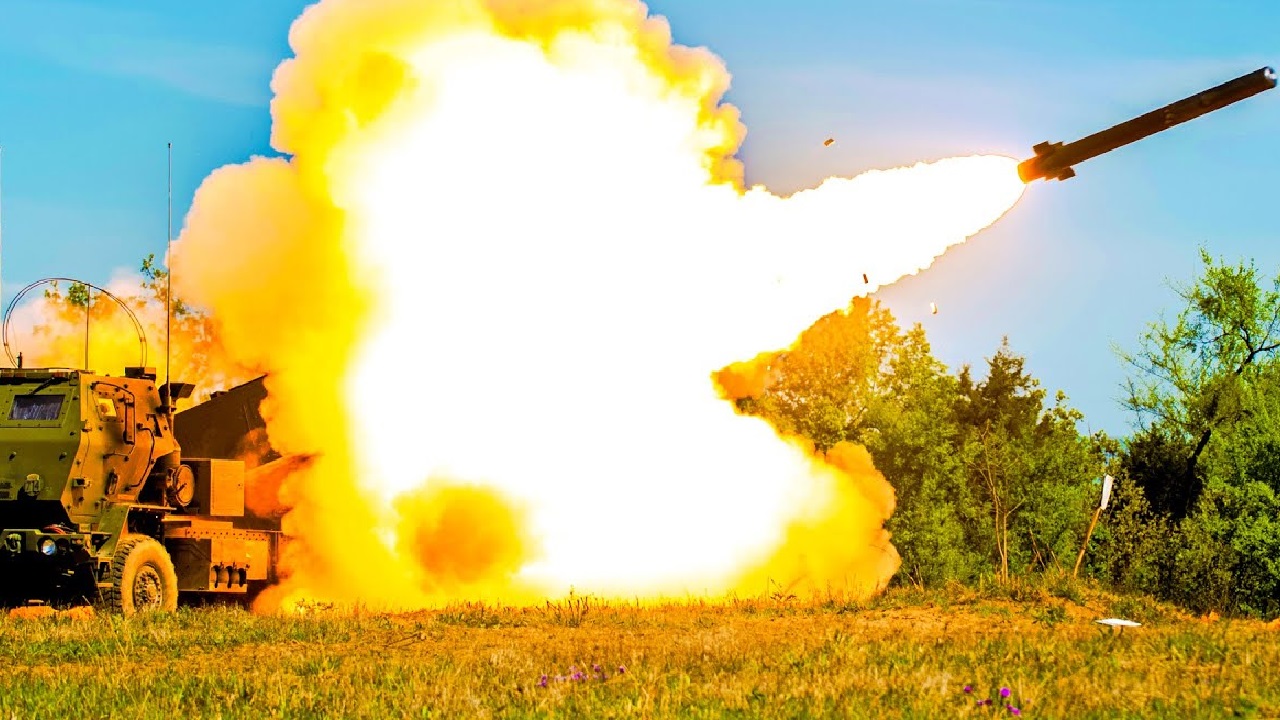
HIMARS Attack. Image Credit: Creative Commons.
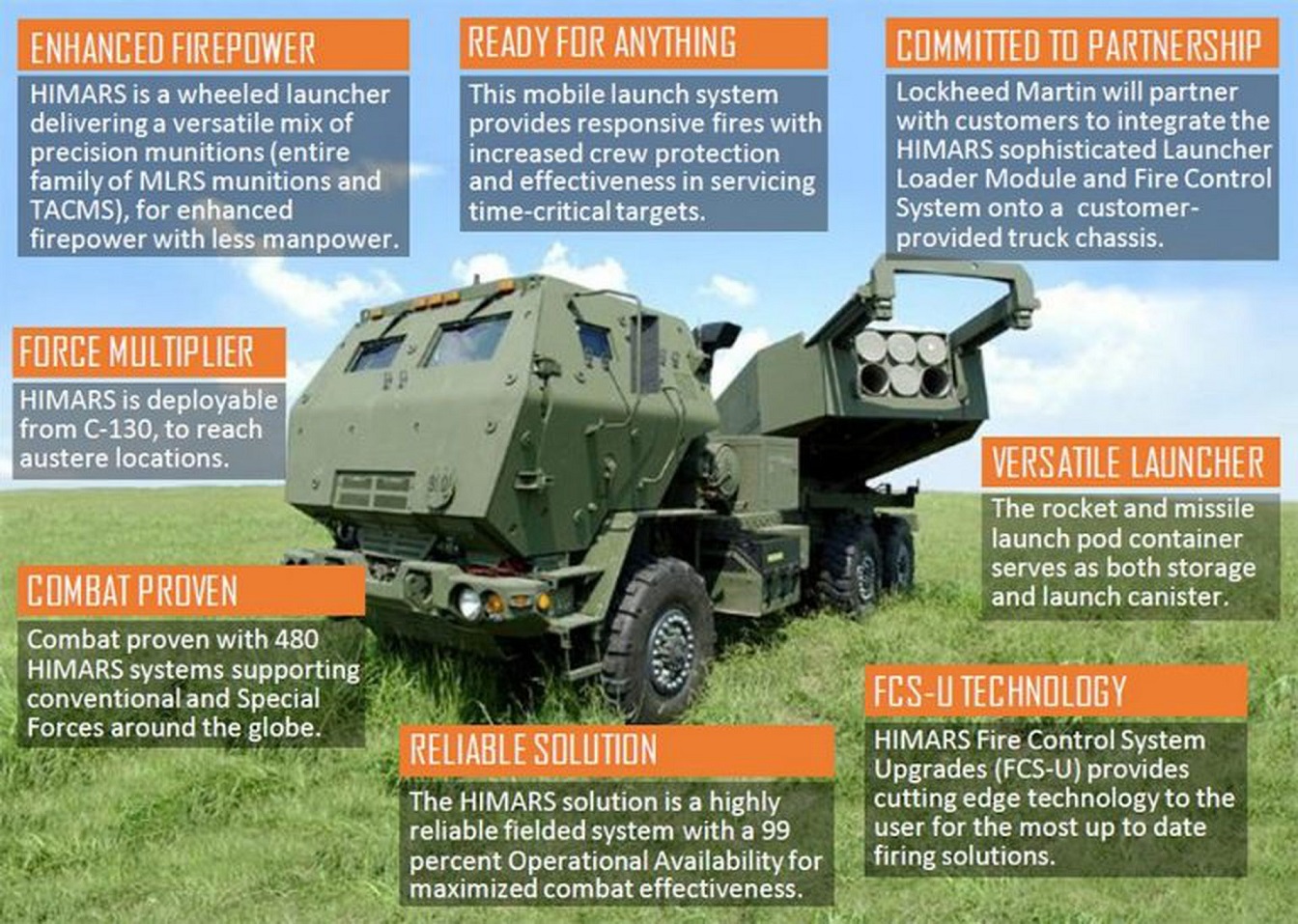
HIMARS graphic from Lockheed Martin.
The Corps has fielded missiles, radars, and drones, but the system must also move, hide, communicate, and resupply under attack. A launcher without transport or ammunition is no more useful than a tank without fuel.
Recreating tank battalions would require vehicles, trained crews, maintainers, ranges, recovery equipment, doctrine, and a new place in the budget. The Marine Corps’ current Force Design update lists NMESIS, HIMARS, drones, and layered air defense as the path forward. It contains no plan to restore a tank battalion.
About the Author: Harry J. Kazianis
Harry J. Kazianis (@Grecianformula) was the former Senior Director of National Security Affairs at the Center for the National Interest (CFTNI), a foreign policy think tank founded by Richard Nixon based in Washington, DC. Harry has over a decade of experience in think tanks and national security publishing. His ideas have been published in the NY Times, The Washington Post, The Wall Street Journal, CNN, and many other outlets worldwide. He has held positions at CSIS, the Heritage Foundation, the University of Nottingham, and several other institutions related to national security research and studies. He is the former Executive Editor of the National Interest and the Diplomat. He holds a Master’s degree focusing on international affairs from Harvard University.

