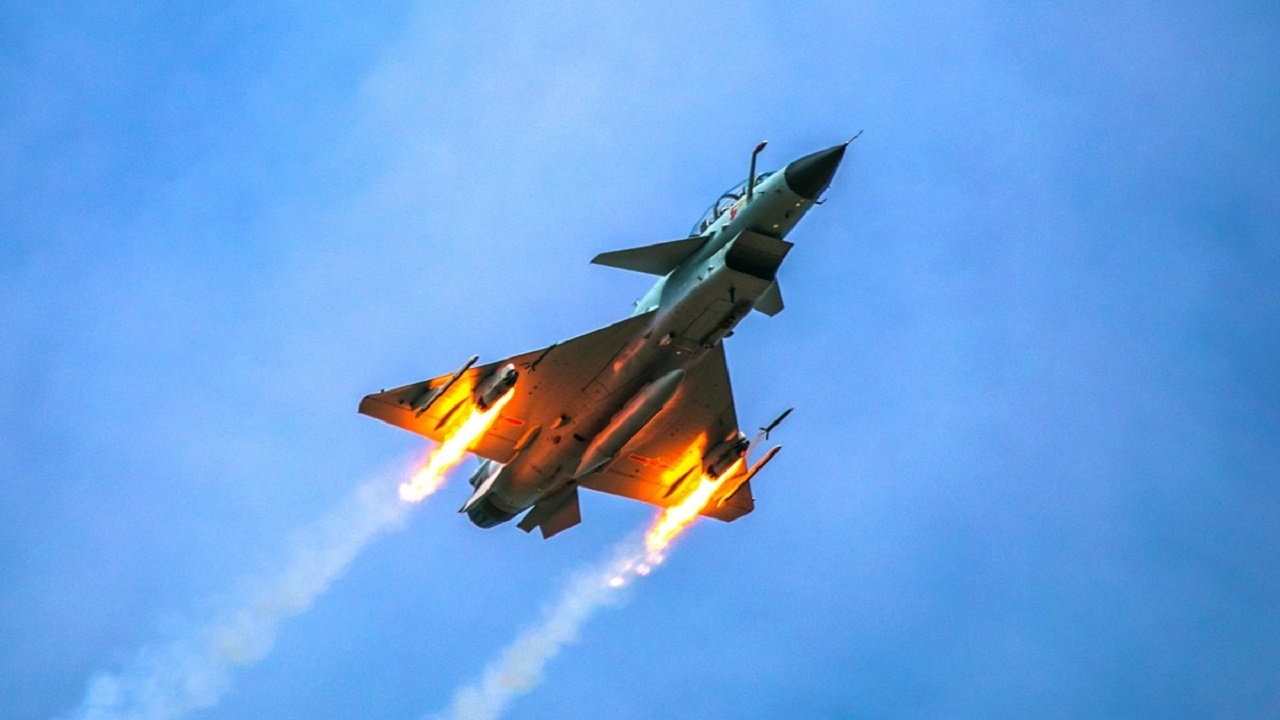
When China first flew its Chengdu J-10 “Vigorous Dragon” in 1998, Beijing had no idea this fourth-generation warplane would become one of its most important aerial platforms, both for the Chinese military and as an export commodity. But that is precisely what it has become.
Today, the newest variant, the J-10C, combines an indigenously made Chinese engine, advanced active electronically scanned array radar, modern electronic warfare (EW) gear, and some of Beijing’s newest–very powerful–air-to-air missiles, like the PL-15.
Initially, however, the J-10 was not so promising.
The Development History of the J-10 Fighter
The original J-10 was heavily dependent on foreign technology for its most advanced fighters when the Vigorous Dragon was created.
Although the plane first took to the air in March 1998, its design dates back to the 1980s.
The Chinese People’s Liberation Army Air Force (PLAAF) wanted a new fighter to replace the Chinese-made J-7 (derived from the Soviet MiG-21).
The PLAAF also wanted the new warplane to ultimately assume the missions performed by the Q-5 attack aircraft.
By 1991, the Chinese had a full-sized mockup of the J-10.
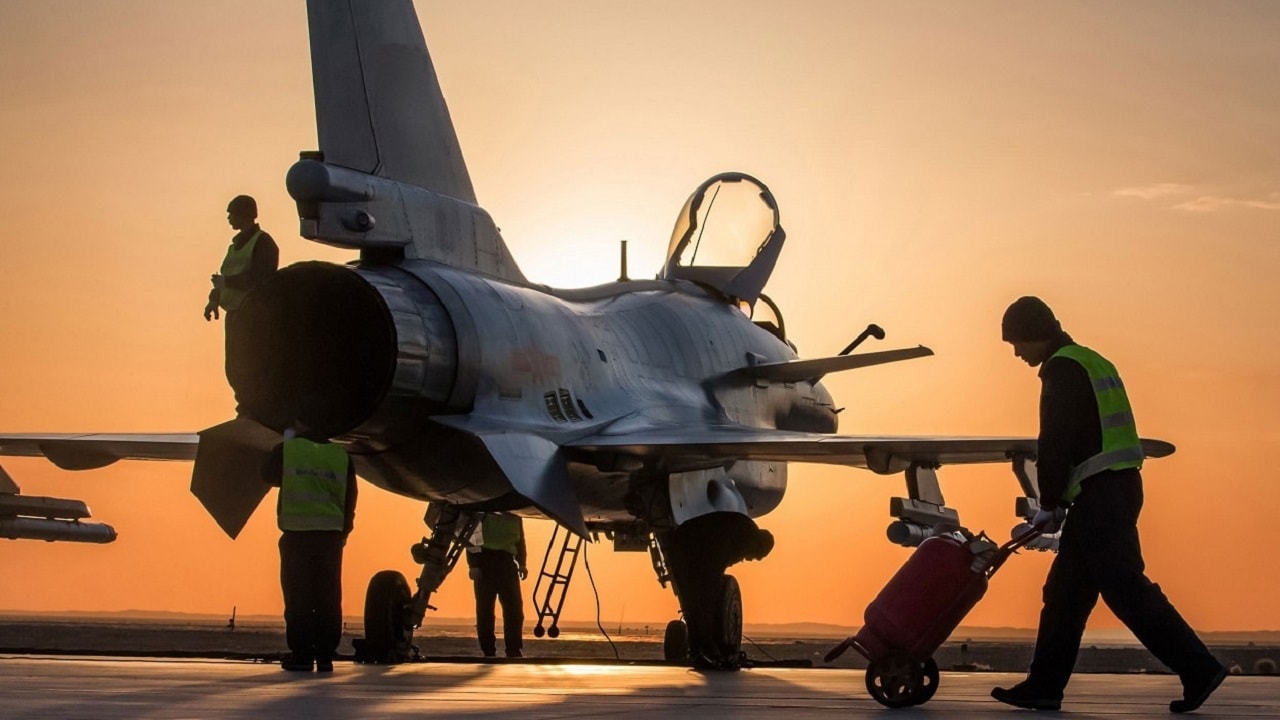
Chinese J-10 fighter. Image Credit: Creative Commons.
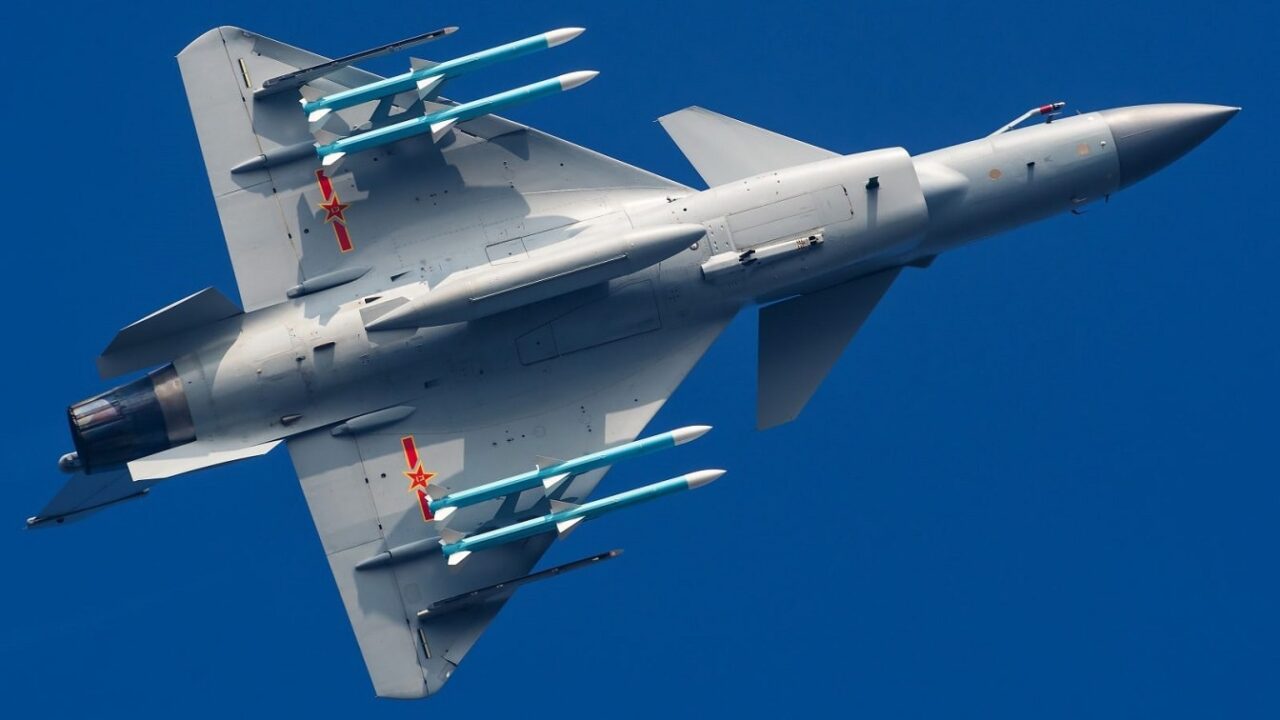
Chengdu J-10 Fighter Jet. Image Credit: Creative Commons.
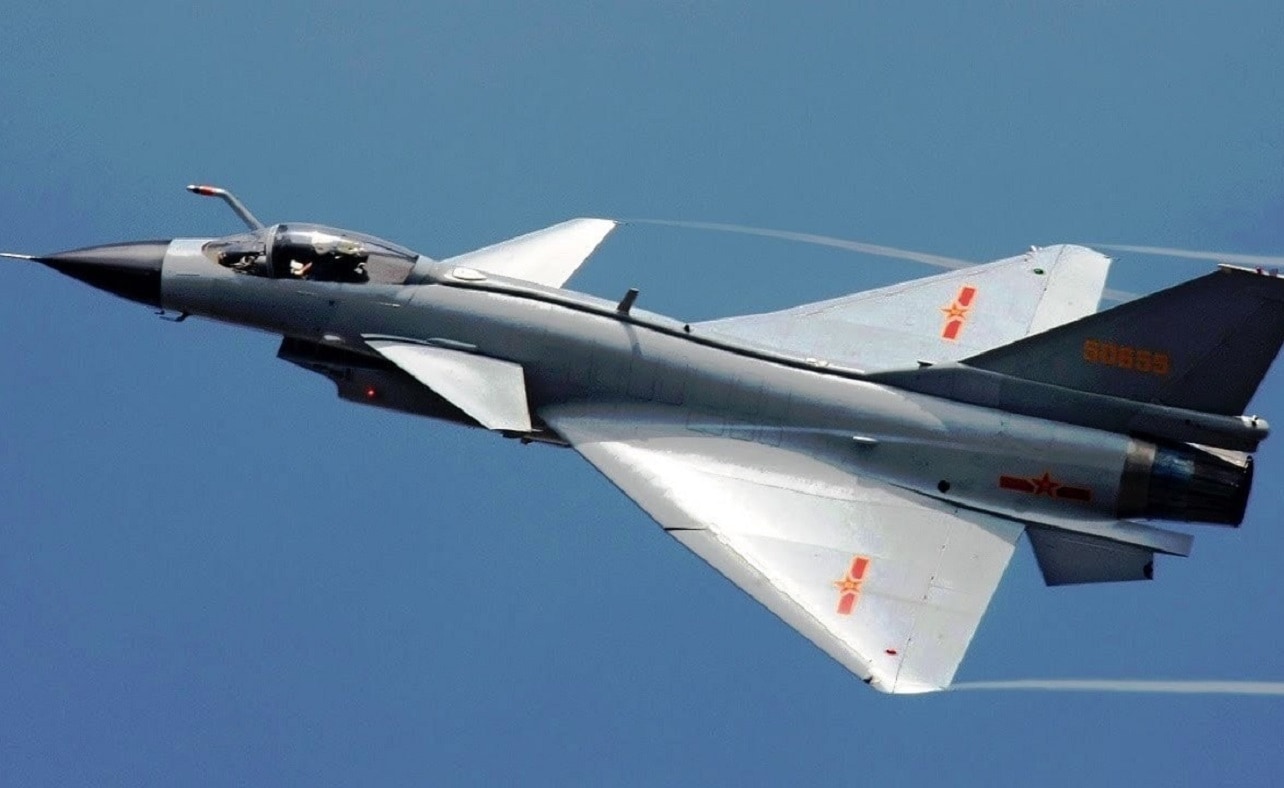
J-10 Fighter.
As noted above, the J-10’s prototype flew in 1998. By 2003, the fighter’s testing was basically complete, and the J-10 entered operational service by the mid-2000s.
Today, many analysts classify the J-10 as being the Chinese equivalent of the American F-16 Fighting Falcon.
A delta-wing design with close-coupled canards and a powerful single engine, some analysts suspect Israel gave China the design and technology after the Israeli firm IAI canceled its Lavi program.
Israel has denied these accusations.
Chinese officials say the J-10’s inspiration comes from design experiments involving the Chengdu J-9. No reliable evidence links the J-10’s creation to technology transfer from Israel’s IAI.
Over time, however, the J-10 became a unique and powerful Chinese system.
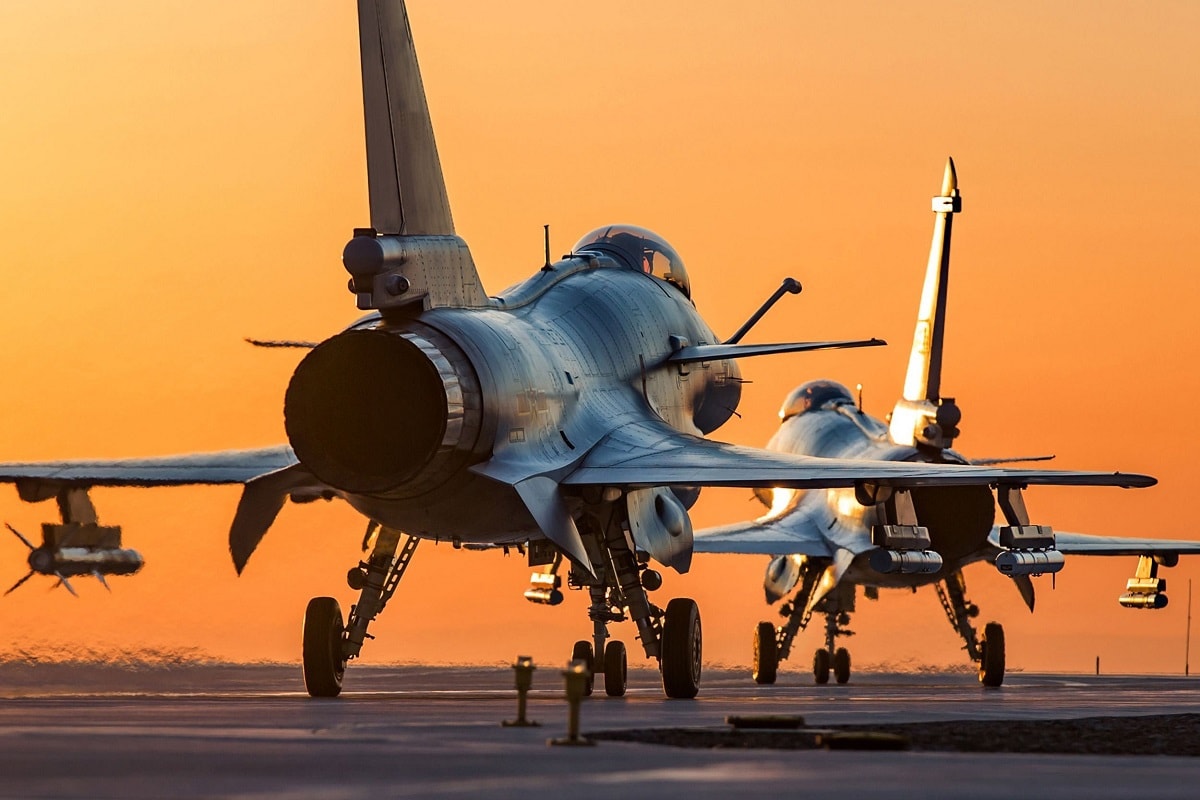
J-10 Fighter. Image: Creative Commons.
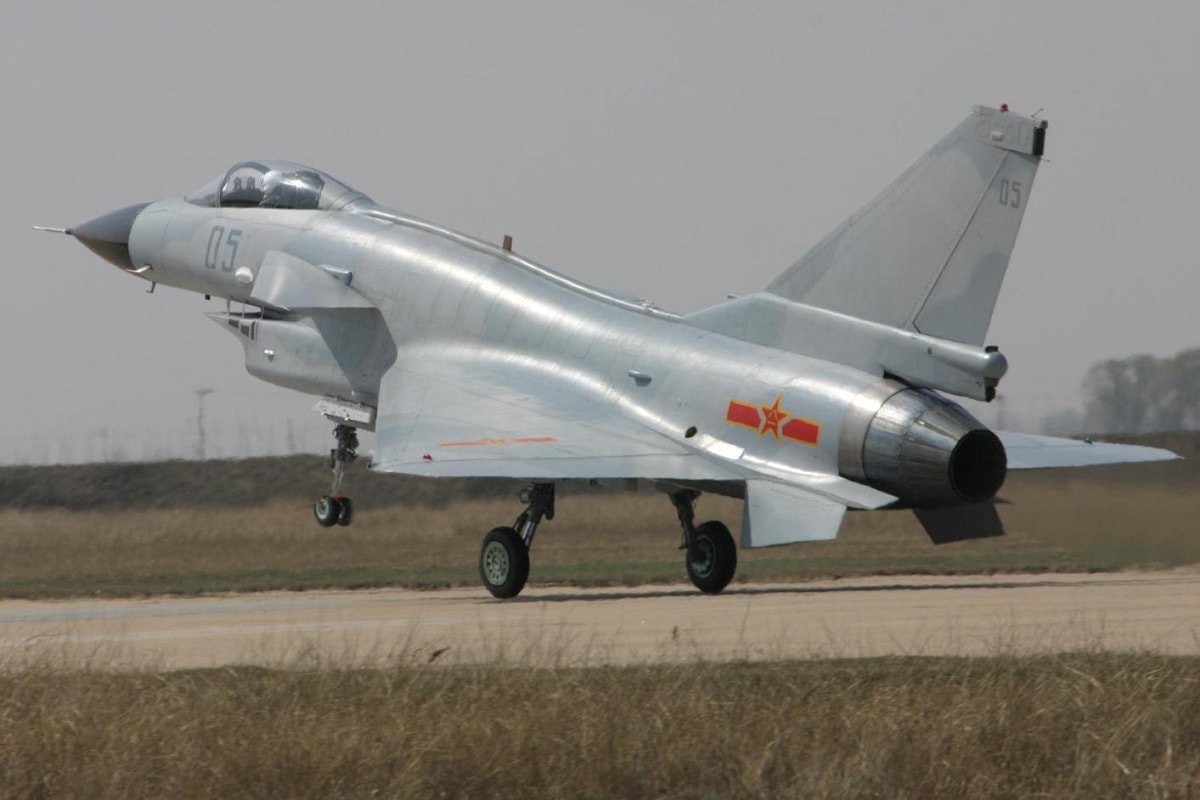
A Chengdu J-10 fighter of the People’s Liberation Army Air Force.
When it was first made, the J-10A employed Russian-built AL-31FN turbofan jet engines.
China has long struggled to create reliable indigenous fighter engines (until recently).
So, the AL-31FN was sufficient for what the PLAAF needed at the time.
The Russian engines produced 123 kilonewtons of thrust (with afterburners). Eventually, the Chinese developed the powerful WS-10 engine and began installing it on the J-10 in the 2020s.
That move was a turning point in China’s overall military modernization push.
Beijing is not only trying to build better systems in greater numbers, but is also focused on achieving those lofty goals through the intensive indigenization of its defense industrial base.
The advent of the WS-10 meant China needed Russia a little less than before. This pattern played out throughout the Chinese warplane fleet, not just with the J-10s.
Earlier J-10 models carried weapons like China’s PL-8 infrared-guided missiles and PL-11 and PL-12 radar-guided missiles.
Air-to-ground options included precision-guided munitions, targeting pods, along with anti-ship and anti-radiation missiles.
Chinese designers added a 23mm internal cannon for potential close-range dogfighting.
Major Advances
The second iteration of the J-10, the J-10B Vigorous Dragon, came out in the late 2000s.
This platform had a diverterless supersonic inlet and other key features, like an infrared search-and-track system. China built only around 60 J-10Bs before Chengdu moved to the newest variant, the J-10C.
And the J-10C is the Cadillac variant of the J-10 series. It has an active electronically scanned array (AESA) radar.
That radar system provides better scanning, greater reliability, better performance against background clutter, and significant resistance to EW attacks.
The improvement is so significant that China keeps the radar upgrades a state secret.
But the Chinese enhancements to the J-10 model, including its “C” variant, don’t stop with the radar.
The J-10C carries an arsenal of advanced Chinese air-to-air missiles that, combined with its AESA radar and datalinks with other platforms, give it a much greater attack radius than most realize.
This was a hard truth that the Indian Air Force (IAF) learned during the Indo-Pakistani War last year, when IAF elements believed their French-made Dassault Rafales would overcome the Pakistani J-10Cs.
The Indians were proven wrong. Pakistan defended itself better than most expected, largely because the Chinese planes, such as the J-10Cs, and the Chinese missiles, such as the PL-15s, were so effective.
J-10 in 4 Words: Simply a Great Fighter
China’s Vigorous Dragon isn’t stealthy like its J-20 Mighty Dragon or Shenyang J-35.
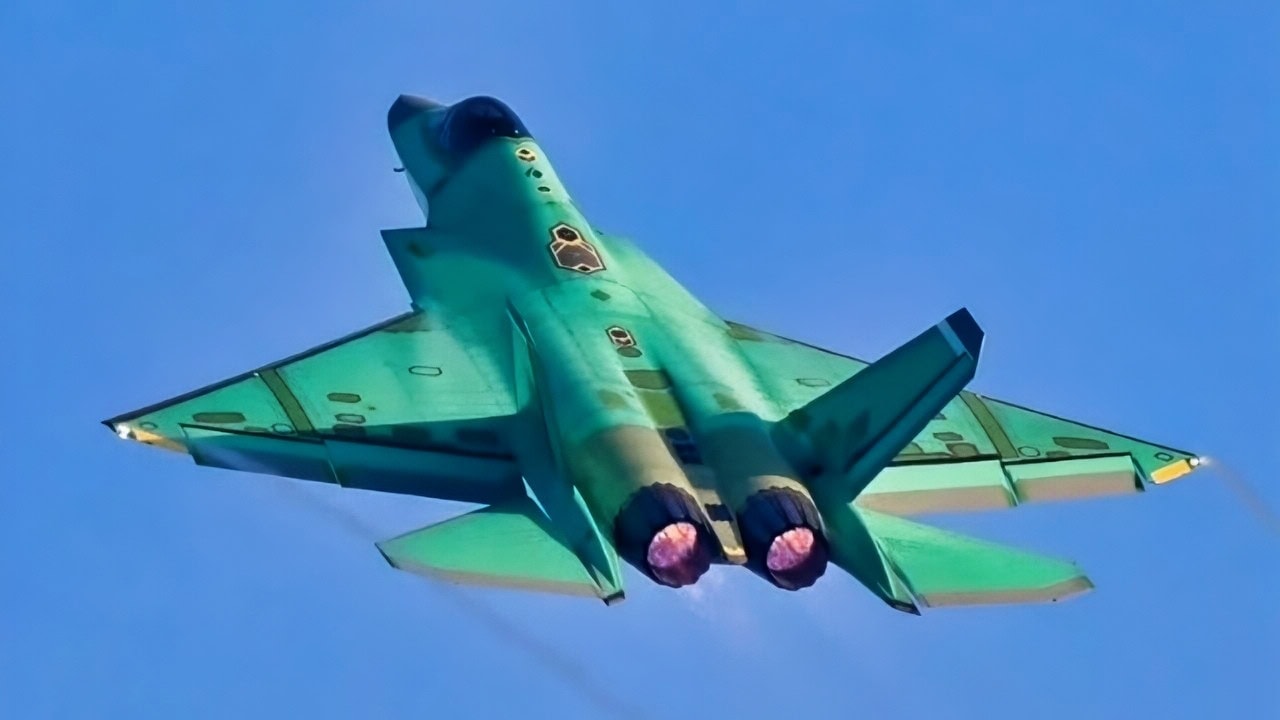
J-35A Stealth Fighter. Image Credit: Social Media Screenshot.
It doesn’t have to be.
The fact is that the J-10 was designed as a catch-up plane to the Russian and American platforms–even utilizing Russian engines early in its development.
But that plane more than caught up, and more recent iterations of the platform have demonstrated this in the beyond-visual-range warfare (BVR) domain; thanks to the PL-15 missile, the J-10s may have surpassed rival fourth-generation platforms (at a much lower cost).
About the author: Brandon J. Weichert
Brandon J. Weichert is the Senior National Security Editor at 19FortyFive.com. He also manages The Weichert Brief on Substack. Weichert also hosts “National Security Talk” on Rumble. He is the author of four bestselling national security books, most recently A Disaster of Our Own Making: How the West Lost Ukraine (Encounter Books). Follow him via Twitter/X @WeTheBrandon.