
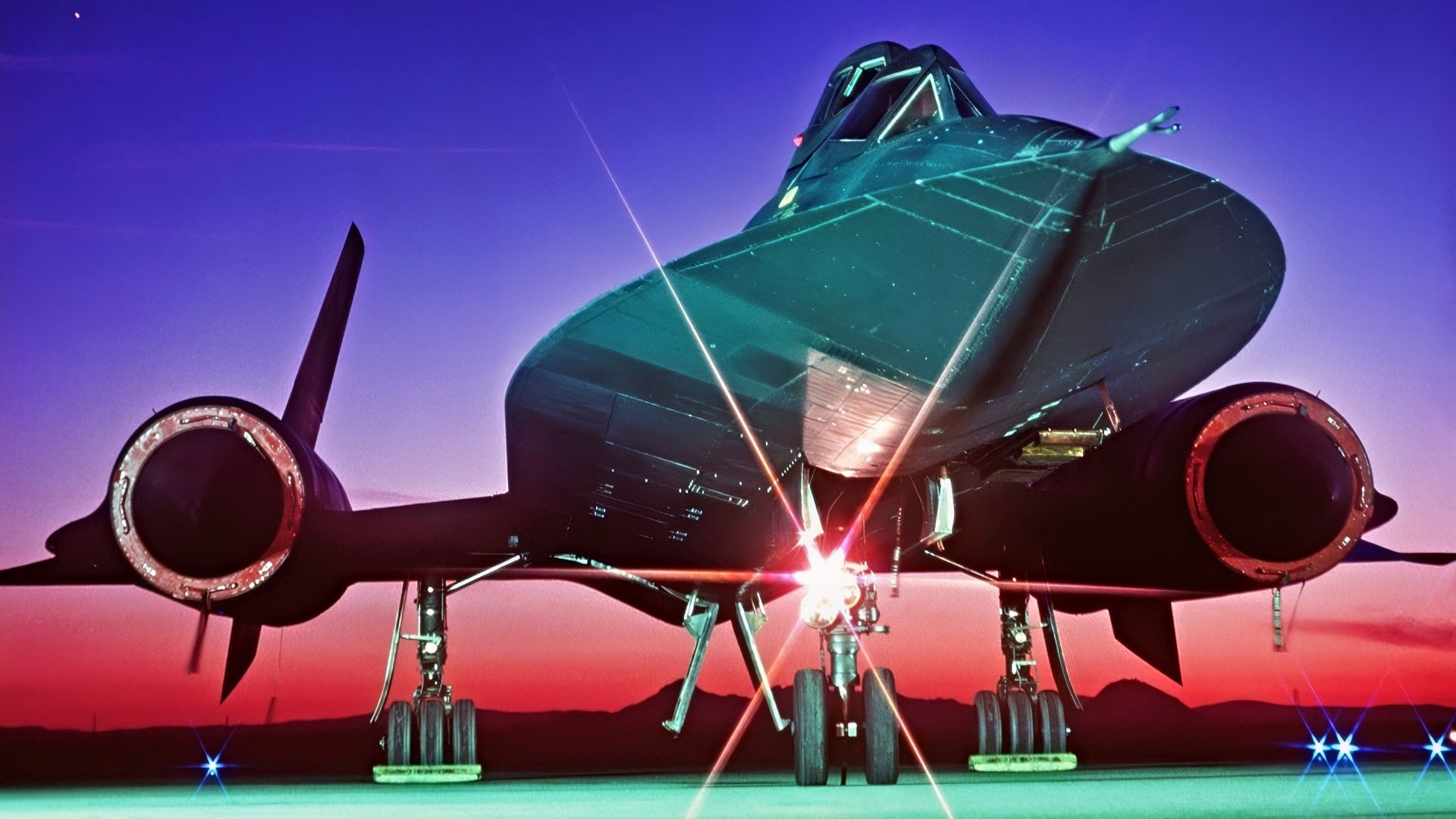
Summary and Key Points: The Lockheed SR-71 Blackbird is remembered for its shape — the long black dart that looks as if it is flying at Mach 3 while parked. But the shape is not what made it the fastest air-breathing manned aircraft ever built. The engines did. Everything else on that airframe, from the titanium skin to the chines running down the fuselage, exists because Lockheed’s engineers had to build an airplane around a pair of Pratt & Whitney J58s that were doing something no jet engine had ever done: running flat out, in full afterburner, for hours at a stretch, above Mach 3. Exhaust gas temperatures ran near 3,400 degrees Fahrenheit. And at the Blackbird’s Mach 3.2 cruise, roughly 80 percent of the total thrust was not coming from the engine core at all. It was coming from the inlet and the ejector nozzle.
The SR-71 Engines Made Her Famous
The SR-71 Blackbird was a fantastic aircraft. It was designed and built by Clarence “Kelly” Johnson’s Lockheed “Skunk Works” in Burbank, California. It was intended to be a long-range, high-altitude, Mach 3+ strategic reconnaissance aircraft.
The CIA approached Johnson about finding a replacement for the U-2 spy plane, which could fly at extreme altitudes but was slow.
Johnson’s Skunk Works produced the aircraft, which was first called the YF-12.
However, General Curtis LeMay, the Air Force Chief of Staff, wanted it renamed the SR-71, with SR standing for “Strategic Reconnaissance.”
A total of 32 SR-71s were built: 29 SR-71As, two SR-71Bs, and one SR-71C. Johnson designed the aircraft with the smallest possible radar cross-section, one of the earliest attempts at stealth.
Two Pratt & Whitney J-58 engines powered it, allowing it to reach Mach 3.2+, or about 2,200 mph. The service ceiling was 85,000 feet.
The Engines Were The Key To The Blackbird
The SR-71 Blackbird is remembered for its shape, that long black dart that looks like it’s doing Mach 3 while sitting still on the tarmac.
But the shape didn’t make the Blackbird the fastest air-breathing manned aircraft ever built.
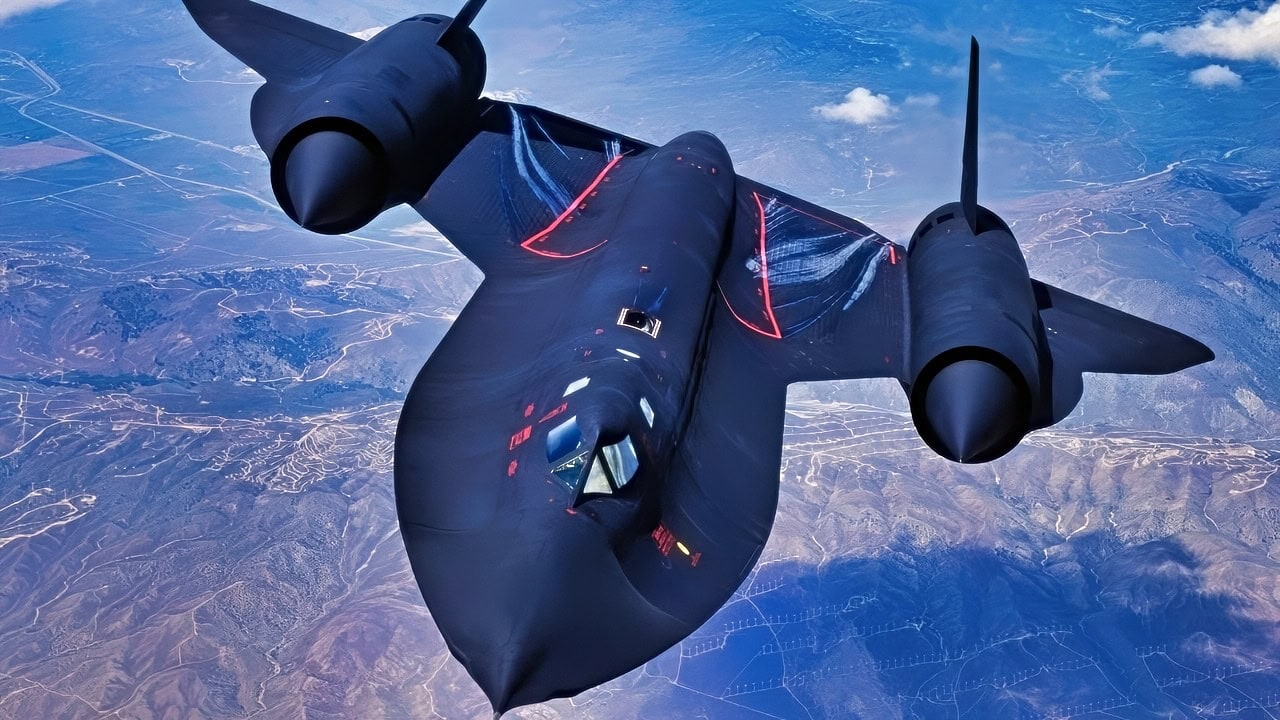
SR-71 Mach 3. Image Credit: Creative Commons.
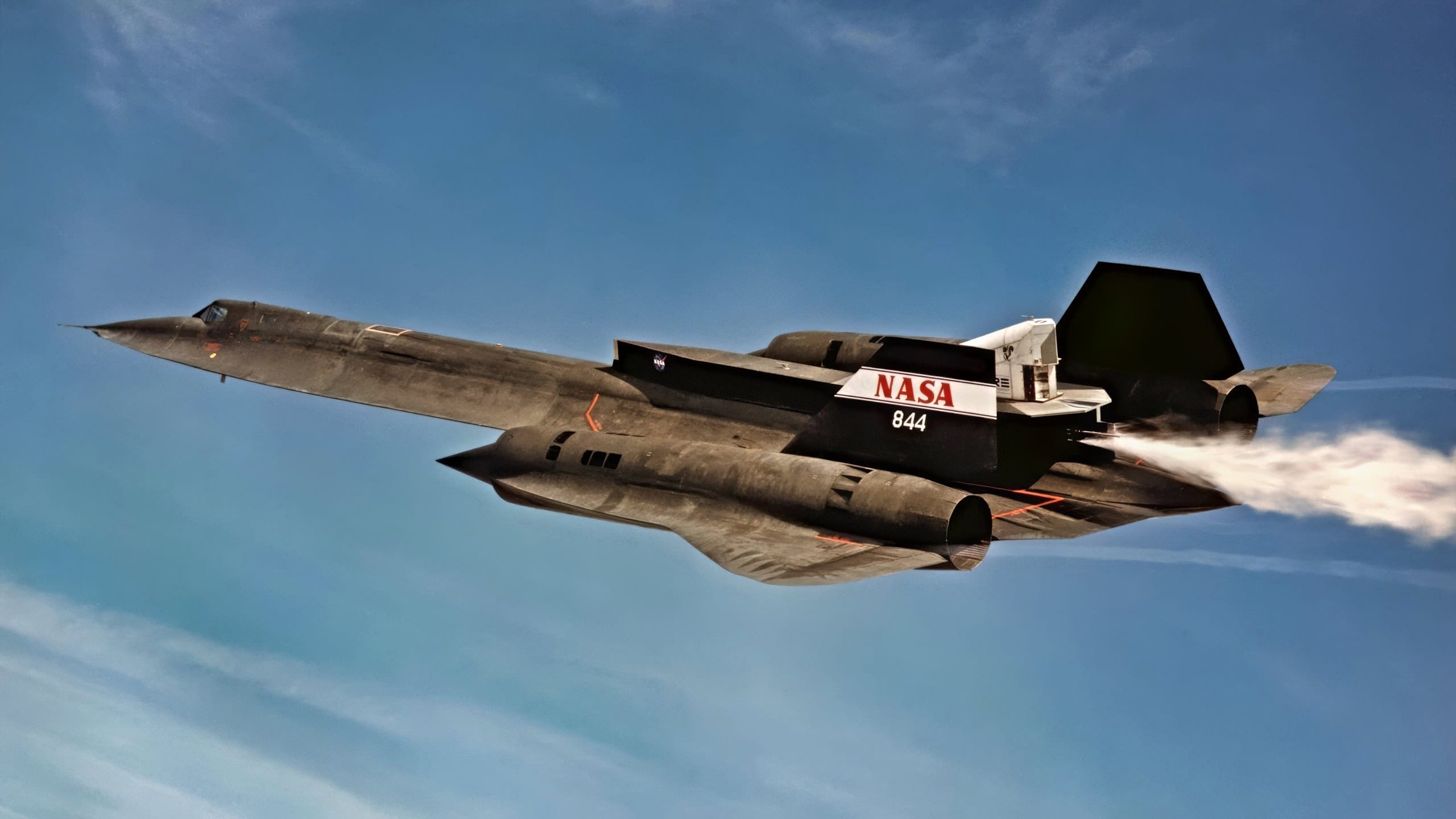
SR-71 Blackbird with NASA
The engines did.
Everything else on that airframe, from the titanium skin to the chine that runs down the fuselage, exists because Lockheed’s engineers had to build a plane around a pair of engines that were doing something no jet engine had ever done before: running flat-out, in full afterburner, for hours at a time, at speeds above Mach 3.
Those engines were Pratt & Whitney J58S, and they weren’t really turbojets in the way we normally think of them.
They were more like a turbojet and a ramjet sharing the same 15-foot tube, switching jobs depending on how fast the plane was going.
A Jet Engine Pretending to Be a Ramjet
Below Mach 2, the J58 behaved like a conventional afterburning turbojet: air comes in, gets compressed, burned, afterburned, and goes out the back.
The problem is that a normal turbojet compressor chokes and stalls as inlet air temperatures rise with speed, and by Mach 3, the air hitting the front of the engine is already superheated by friction before it’s even compressed.
Pratt & Whitney’s fix, patented as a compressor bleed-bypass system, was to tap air after the fourth compressor stage and route it around the engine core through six external tubes straight into the afterburner.

SR-71A 959 Big Tail. Lockheed Photo # C76-1097-4. Creative Commons Image.
That bled-off air did three things at once: it kept the compressor from surging, it cooled the afterburner liner by hundreds of degrees, and it added extra mass flow that turned into extra thrust.
Once that bypass kicked in around Mach 2.5, the “turbojet” was increasingly just along for the ride.
Pratt & Whitney and multiple technical histories describe the J58 at cruise as effectively acting like a turbo-ramjet, and at the Blackbird’s Mach 3.2 cruise, roughly 80 percent of the total thrust came from the inlet and ejector nozzle, not the engine core itself.
That inlet was doing just as much work as the engine bolted behind it.
Each nacelle had a movable, spike-shaped inlet cone that slid forward and backward up to 26 inches, constantly repositioning itself to keep the shockwave the engine created in exactly the right spot as the plane accelerated.
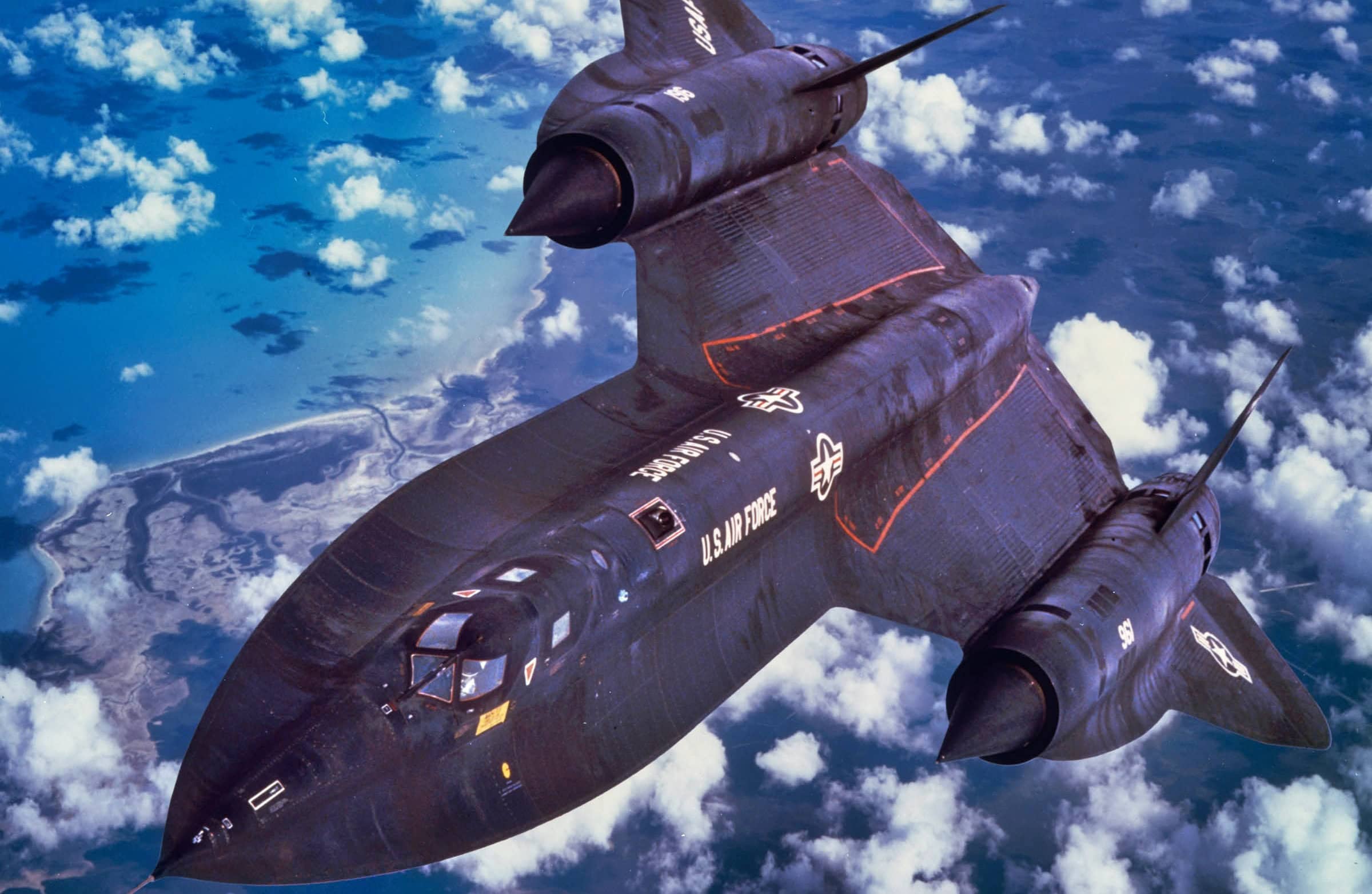
SR-71 Blackbird. Image Credit: Creative Commons.
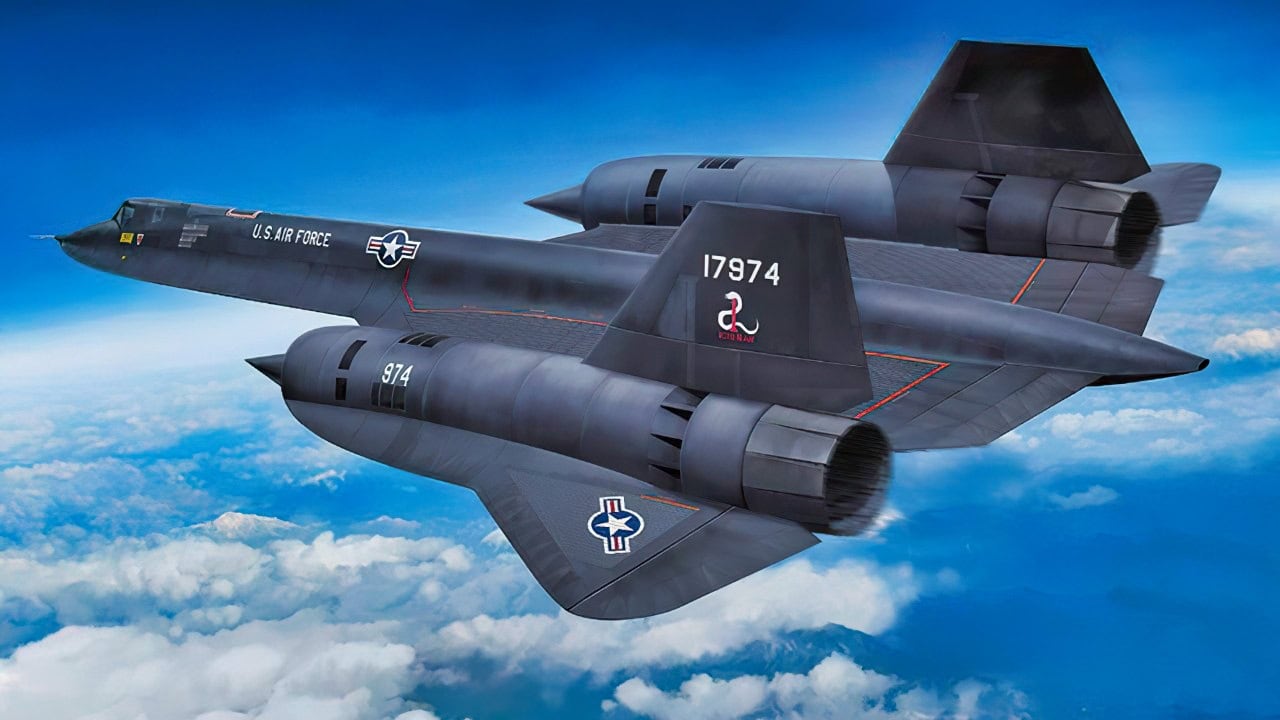
SR-71 Blackbird. Image Credit: Creative Commons.
Get that shockwave position wrong, and you’d get compressor stall, violent yaw, or an “unstart” that could throw the crew against their harnesses hard enough to crack a helmet visor.
The engine nacelles were, in effect, a second propulsion system working in concert with the engine, not just plumbing to feed it air.
The J58 Was The Whole Point of the Aircraft
This is why the J58 mattered more than any other single system on the Blackbird.
The mission profile, flying reconnaissance over hostile territory faster than anything could catch it, only worked if the plane could sustain Mach 3.2 at 80,000-plus feet for extended stretches, not just hit that speed in a brief dash.
No other engine of the era could survive continuous max-afterburner operation; most would melt or flame out.
The J58 was, and largely remains, the only aircraft engine ever built to run continuously at full afterburner during high-Mach cruise.
It came with brutal side effects.
Running that hot meant the engine needed JP-7 fuel, a low-volatility blend so hard to ignite that a lit match dropped into it would go out, which meant the engines needed chemical ignition via triethylborane, injected in small shots that flash green on startup and afterburner light.
At full power, each engine was burning around 8,000 gallons of fuel an hour, with exhaust gas temperatures near 3,400°F.
What Did It Cost?
None of that came cheap, and Lockheed’s Skunk Works never published a clean per-engine price tag; the J58 program was developed and produced under classified defense contracts, and Pratt & Whitney never made its unit-cost records public the way, say, a commercial engine’s list price would be.
What is documented is the cost of the airplane it powered. Each SR-71 ran the Air Force about $34 million in 1964 dollars to build, north of $340 million in today’s money, a price driven heavily by the propulsion system and the exotic titanium airframe needed to survive the heat that system generated.
Operating the finished aircraft wasn’t cheap either: estimates put the Blackbird’s running cost at roughly $200,000 per flight hour, once you account for fuel, tanker support, and the specialized maintenance those engines demanded after every sortie.
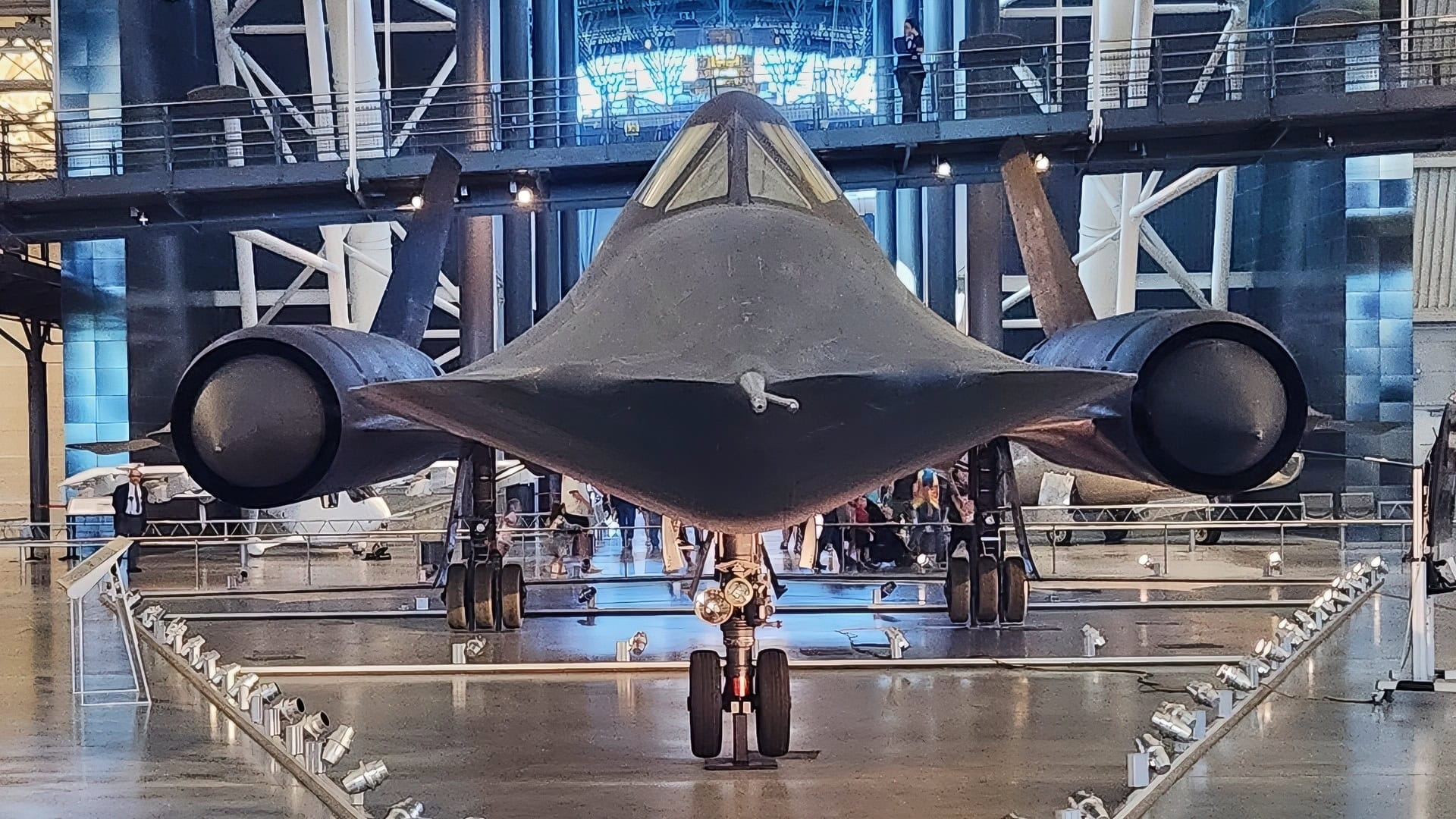
SR-71 At the Smithsonian. Image Credit: Creative Commons.
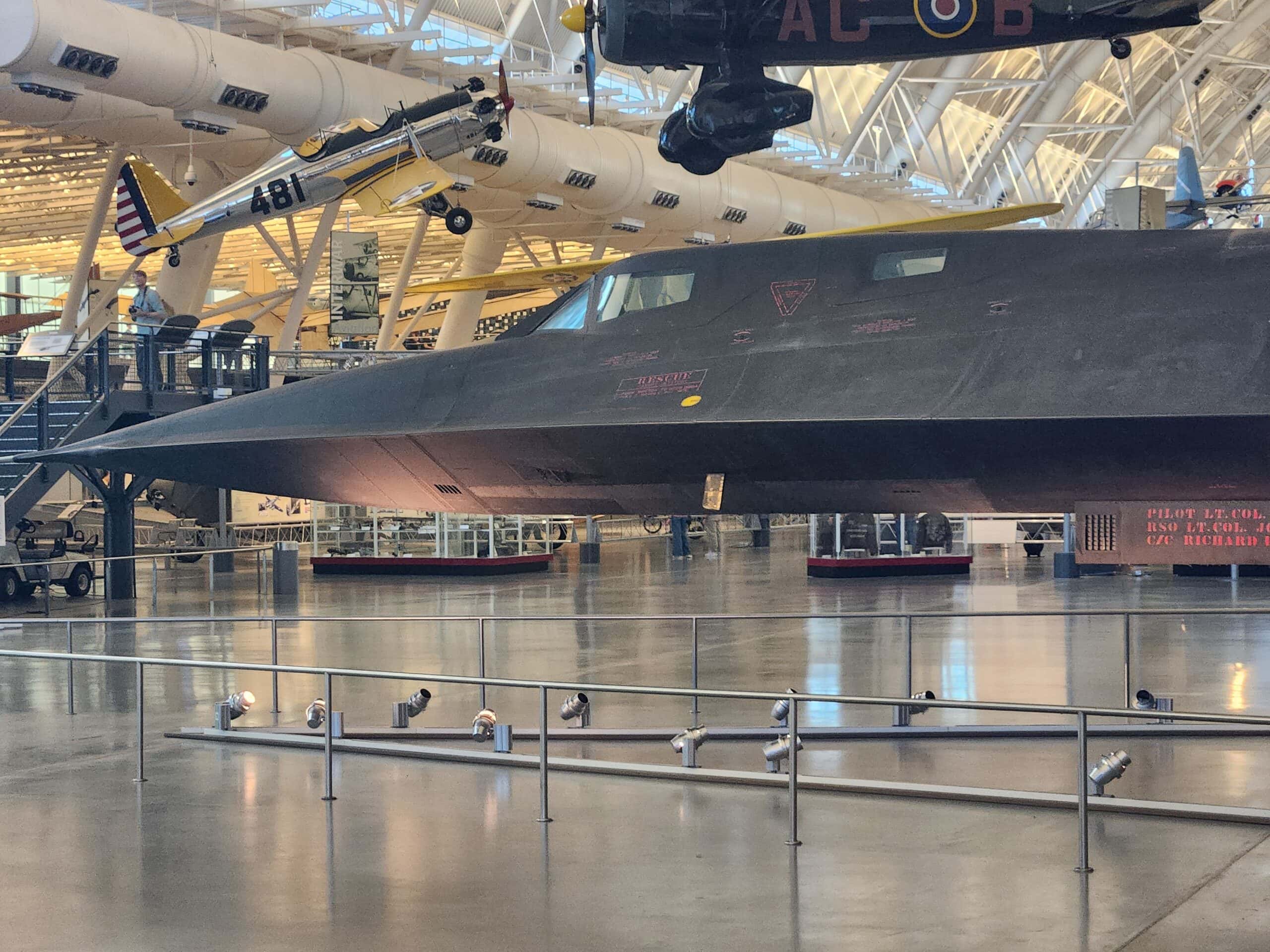
SR-71 Blackbird. 19FortyFive.com Image from the Smithsonian.
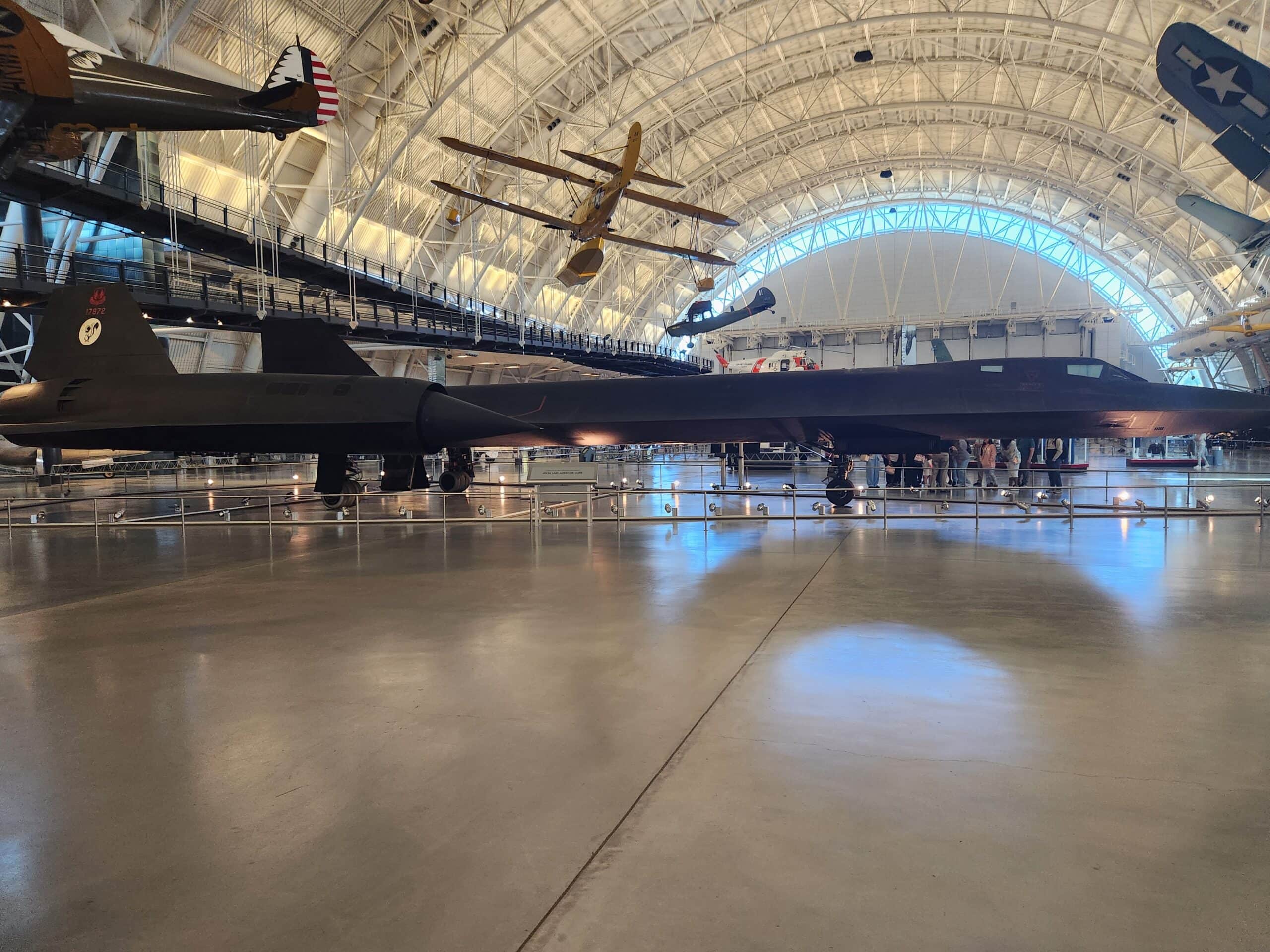
SR-71 Blackbird. 19FortyFive.com Image from the Smithsonian.
When the Air Force briefly pulled a handful of Blackbirds out of retirement in the mid-1990s, Congress had to appropriate $100 million just to reactivate three airframes, a reminder that keeping J58S flying was never going to be a line item anyone loved.
The Blackbird retired in 1998, and no airframe has replaced it. That’s really a story about the engines.
Lockheed could sculpt a fuselage that reduced radar cross-section and handled thermal expansion, but without an engine willing to run at the ragged edge of its own materials science for hours on end, none of it would have gotten off the ground, let alone stayed ahead of every one of the 4,000 missiles fired at it…and missed.
About the Author: Steve Balestrieri
Steve Balestrieri is a National Security Columnist. He served as a US Army Special Forces NCO and Warrant Officer. In addition to writing on defense, he covers the NFL for PatsFans.com and is a member of the Pro Football Writers of America (PFWA). His work was regularly featured in many military publications.