
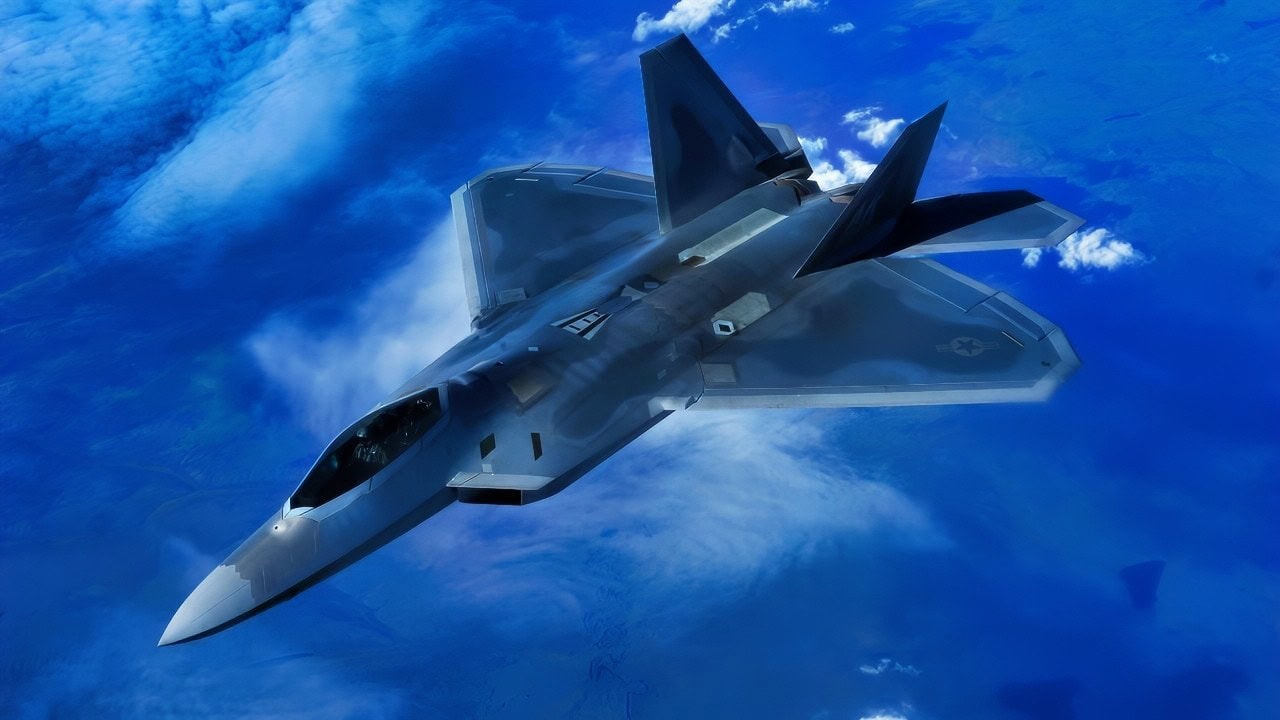
Summary and Key Points: The US Air Force is spending $10,900,000,000 to modernize a stealth fighter it can never build another one of. Lockheed Martin received the contract in 2021, sixteen years after the F-22 Raptor entered service in 2005 and ten years after the production line shut down in 2011. The money buys stealth coatings, avionics, software, sensors, new infrared defensive systems, and radar improvements. It does not buy internal volume, cooling capacity, or electrical power generation, and it cannot, because those were set by a design that took shape in the 1980s. That is the hard ceiling, and China’s J-20 is being built against it in numbers the Raptor fleet cannot answer.
The F-22 Raptor: The Upgrades Can’t Last Forever
Two decades after entering service, the F-22 Raptor remains one of the most capable air superiority fighters ever fielded. Designed for stealth and supercruise, the aircraft was intended to defeat advanced threats before they could even detect it.
But the Raptor’s strengths are tied to a design that first took shape in the 1980s, entered operational service in 2005, and ended production in 2011.
Today, the U.S. Air Force is investing heavily in upgrades to keep the jet competitive, even as China deploys newer stealth fighters and the Pentagon prepares a sixth-generation replacement under the F-47 NGAD program.
The question now is: how long can upgrades keep the F-22 relevant, and can those modernization efforts keep up with evolving threats?
The Raptor Was Built for Air Dominance in Another Era
The F-22 was engineered during the Cold War to defeat Soviet fighters that never ultimately entered service.
Its core design — stealth shaping, thrust-vectoring engines, and integrated sensors — still gives it formidable performance advantages, including supersonic cruise without afterburners and the ability to track and engage targets before they are detected.
However, those same design decisions reflect the technological realities of the 1980s and 1990s.
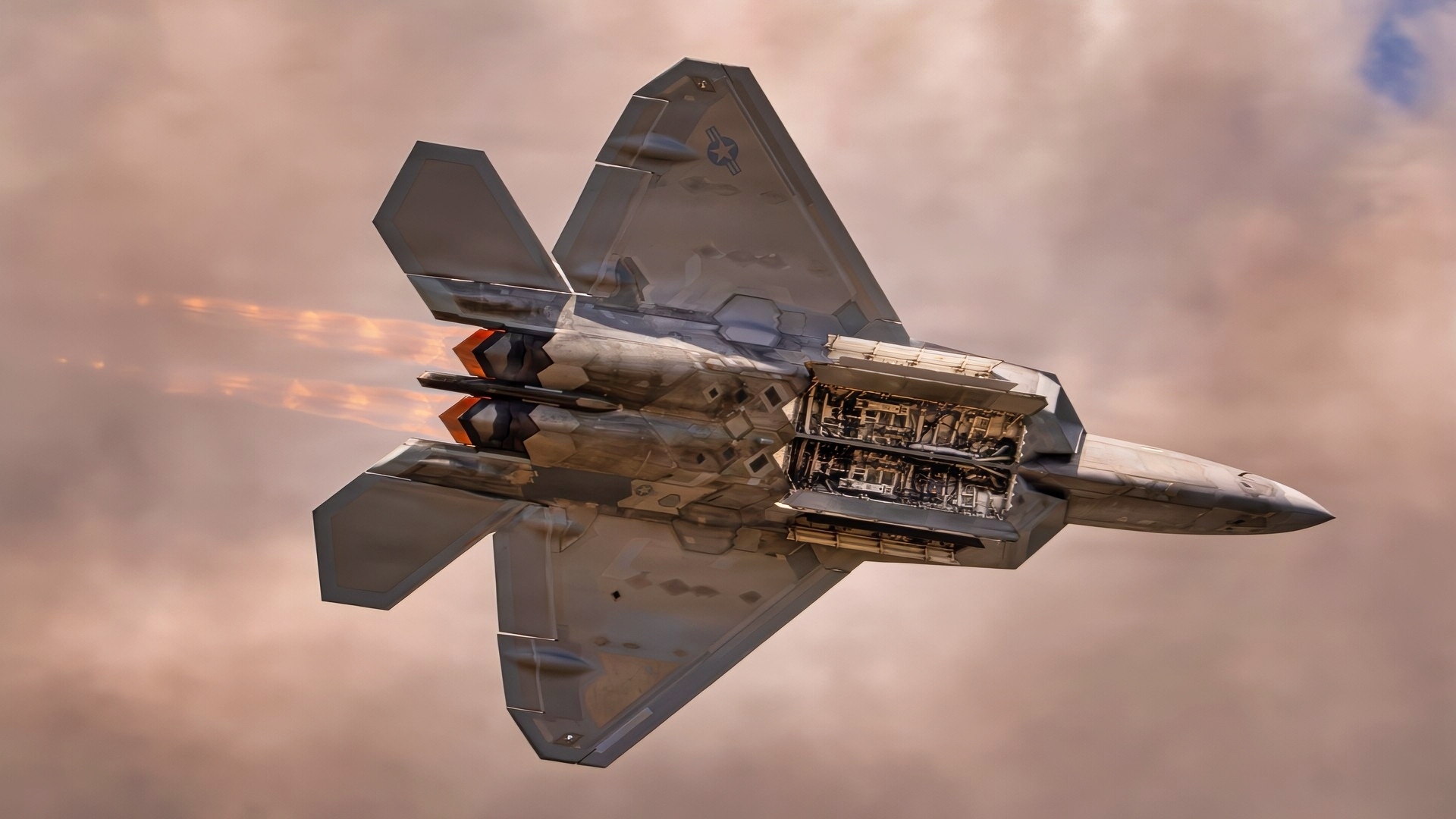
U.S. Air Force Capt. Nick “Laz” Le Tourneau, pilot and commander of the F-22 Raptor Aerial Demonstration Team, performs an aerial demonstration during the 52nd Annual SUN ‘n FUN Aerospace Expo in Lakeland, Florida, April 18, 2026. Capt. Le Tourneau showcased the unmatched capabilities of the F-22 to the SUN ‘n FUN crowds by performing multiple series of combat maneuvers. (U.S. Air Force photo by Staff Sgt. Mary Bowers)
Unlike newer aircraft designed around open digital architectures, the F-22 was built with more tightly integrated avionics and hardware, making upgrades more complex.
Production ended in 2011, which means structural redesigns or major new variants are no longer feasible.
That means modernization can only actually do so much. Software and sensors can be improved, but core constraints remain regarding internal volume, cooling capacity, power generation, and other factors.
As a result, the F-22 faces a structural reality shared by all aging platforms: modernization can extend its usefulness, but it cannot fundamentally turn it into a next-generation aircraft.
Buying Time and Preserving U.S. Air Force Lethality
Despite its age, the Air Force is investing billions to keep the F-22 operationally relevant. In 2021, Lockheed Martin received a $10.9 billion contract to modernize the Raptor fleet.
Those upgrades include improvements to its stealth coating, avionics, software, and sensors — all intended to enhance survivability and combat effectiveness.
Recent upgrade packages also include new infrared defensive systems and radar enhancements designed to protect the aircraft against modern threats.
Those changes ensure that the F-22 can still detect adversaries earlier, evade enemy systems, and employ more modern weapon systems.
The Air Force recognizes that modernization is not optional.
Ongoing upgrades are essential to ensure that the aircraft is protected against emerging threats and remains relevant in future conflicts — and the changes being made are expected to guarantee this well into the 2030s.
China’s J-20 and Emerging Threats
The F-22 was designed to dominate late-20th-century fighters, but today’s threat environment is evolving rapidly. China’s J-20 stealth fighter represents a new generation of design, built specifically to challenge U.S. air superiority.
While U.S. fighters like the F-22 still retain many qualitative edges over China’s fleets, there is one area where China excels — and that’s in mass production.
Beijing’s ability to produce large numbers of J-20 fighters could shift the balance in future conflicts by overwhelming smaller fleets of American stealth aircraft.
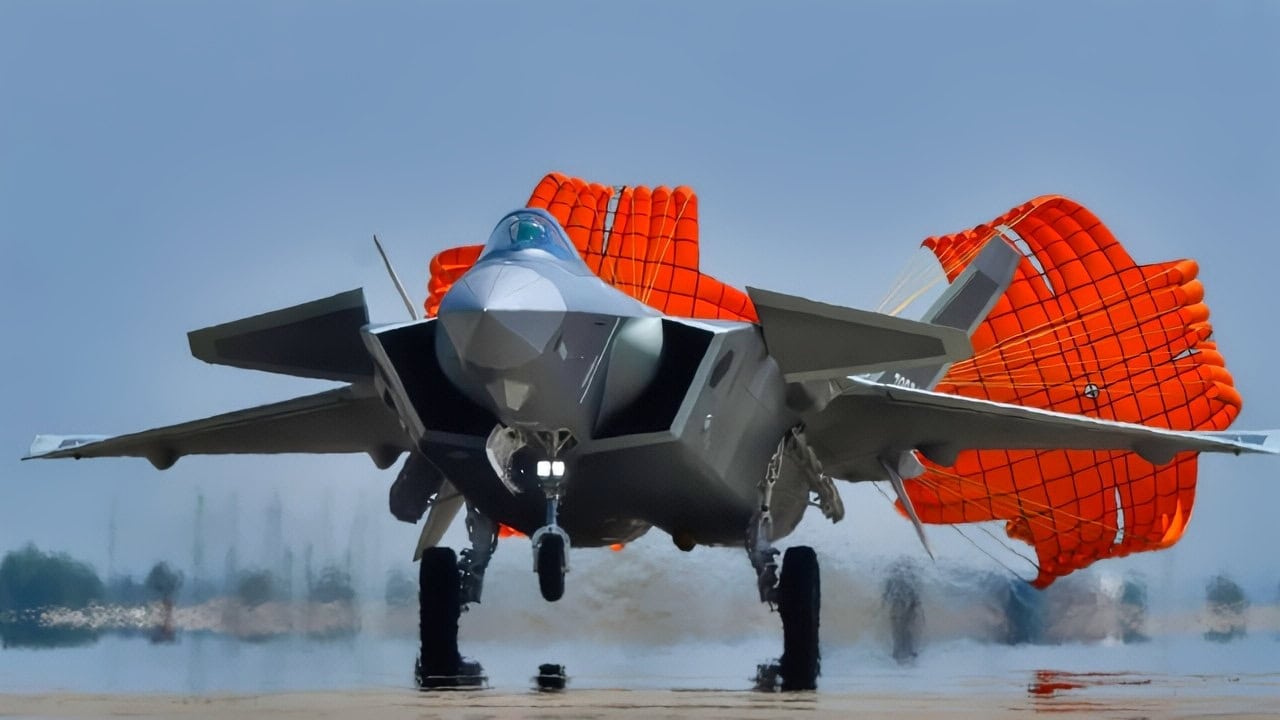
J-20 Stealth Fighter Landing. Image Credit: Creative Commons.
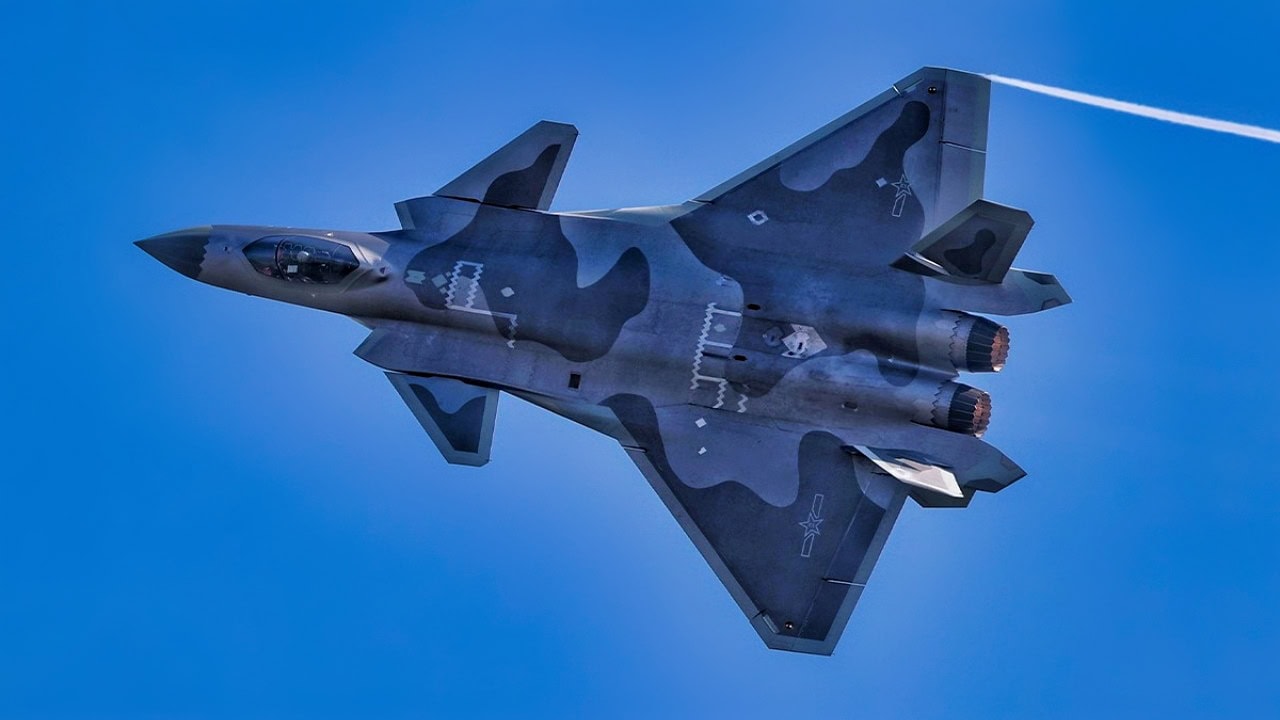
J-20 Fighter. Image Credit: Creative Commons.
What’s more, newer stealth fighters benefit from major advances in computing power and sensor integration — not to mention the networking capabilities that are seen on modern fifth-generation fighters and that did not exist when the F-22 was first designed.
Even if the Raptor remains highly capable, adversaries are now fielding aircraft designed specifically to compete with, and eventually surpass, it.
NGAD Will Replace the Raptor – Eventually
The U.S. Air Force and Pentagon are well aware of these dynamics. The Air Force has already begun developing the F-22’s replacement under the Next Generation Air Dominance (NGAD) program.
NGAD intends to field a sixth-generation fighter designed to surpass the Raptor in stealth, range, and computing power, and to operate alongside autonomous drones.
NGAD will gradually replace the F-22 fleet over the coming decades, with the ongoing Raptor modernization efforts serving as a bridge to the next system. However, NGAD is still years away from widespread deployment.
Until then, the F-22 remains essential to U.S. air superiority missions worldwide.
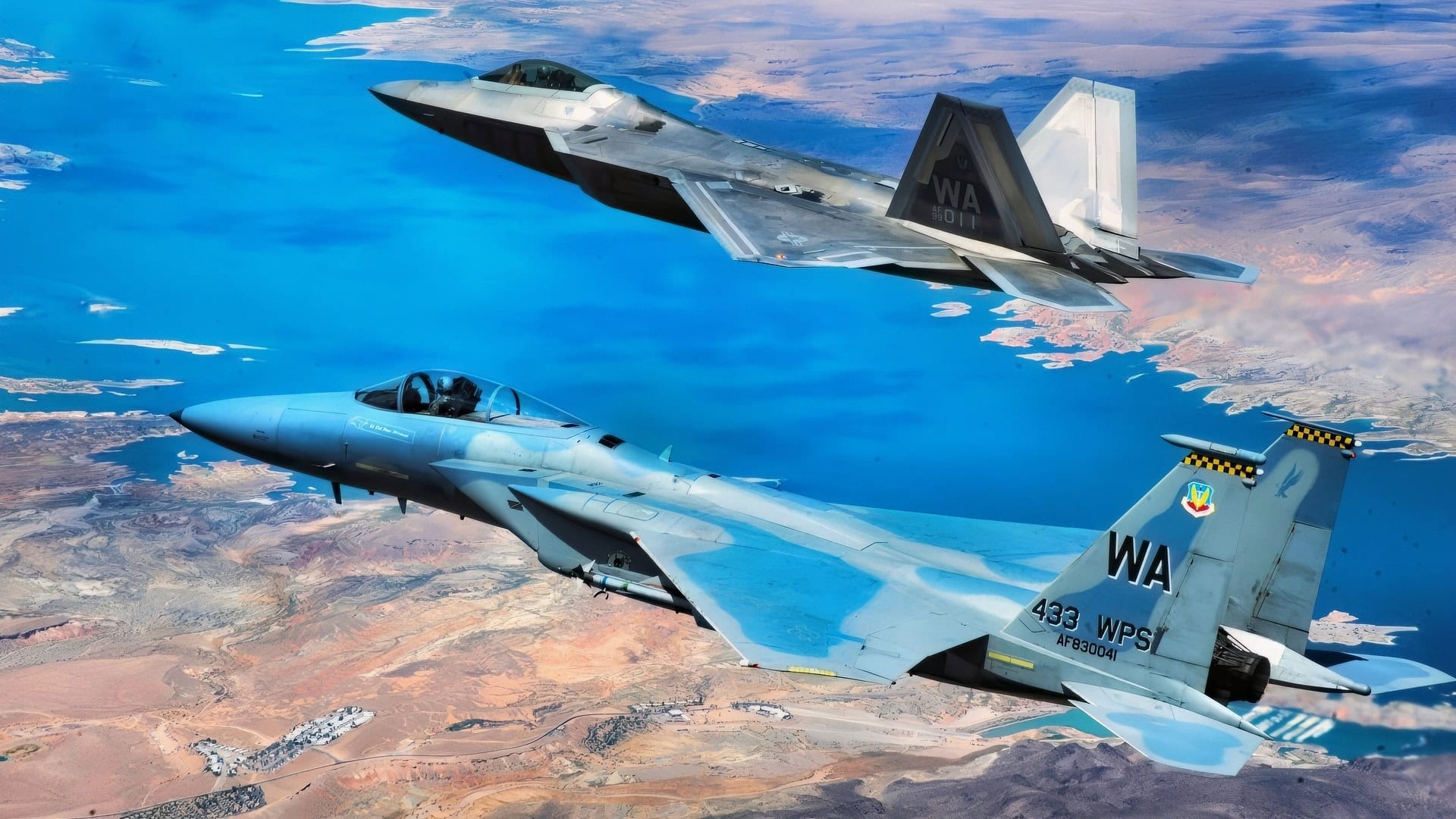
U.S. Air Force photo/ Master Sgt. Kevin J. Gruenwald released
That places the Raptor in an interesting position: it is simultaneously indispensable today and already scheduled for eventual replacement.
The F-22 remains one of the most capable fighters in the world, and while ongoing modernization will ensure its relevance for at least another decade, there are still some hard limits. The aircraft’s Cold War-era design cannot fully match the flexibility and scalability of newer stealth fighters or future sixth-generation systems.
As China fields newer aircraft and the U.S. prepares the NGAD, the Raptor’s role may gradually shift. But until then, the F-22 can still win today’s air superiority battles.
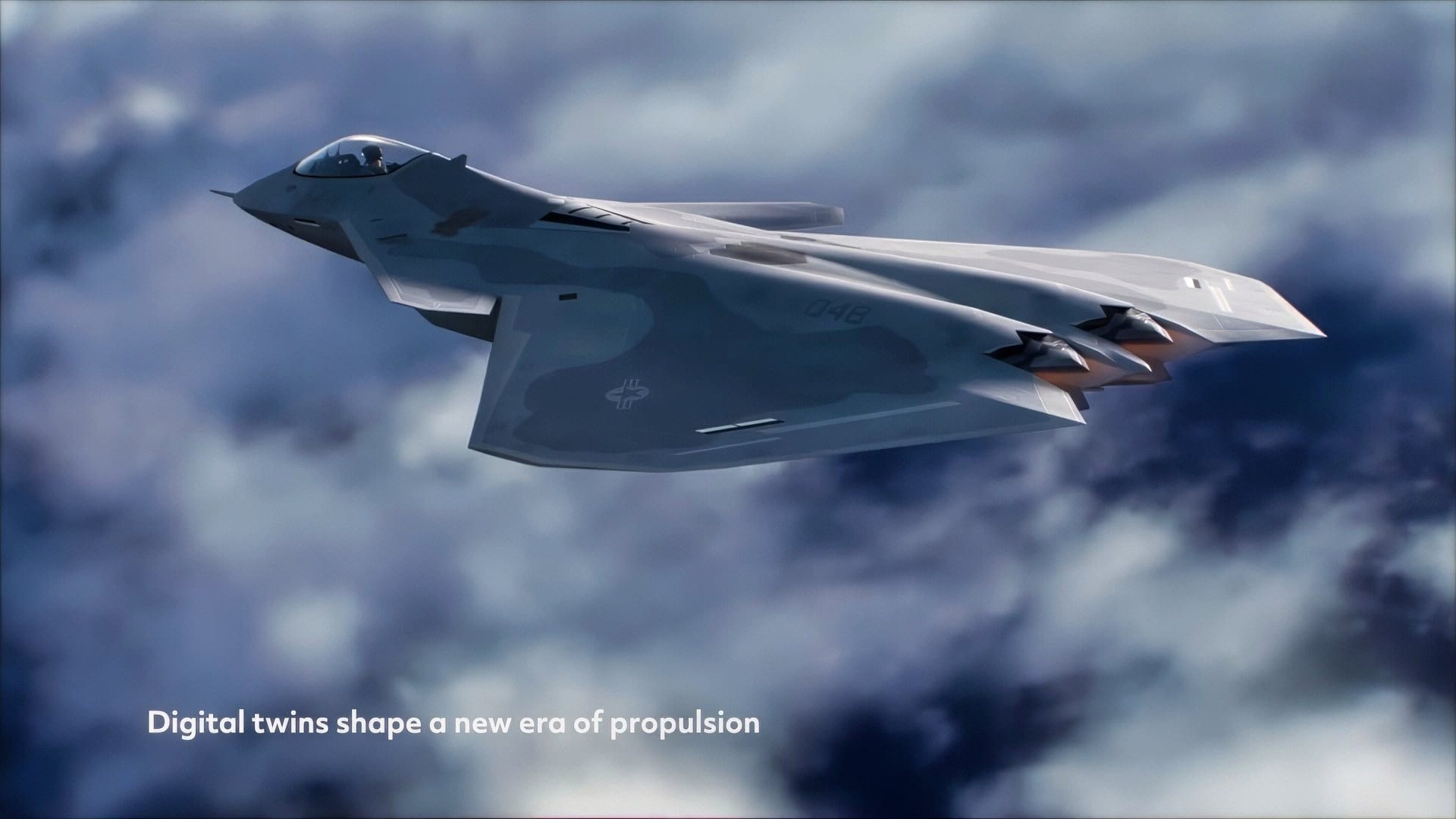
F-47 NGAD Fighter Possible Image. Image Credit: Screenshot.
About the Author: Jack Buckby
Jack Buckby is a British researcher and analyst specializing in defense and national security, based in New York. His work focuses on military capability, procurement, and strategic competition, producing and editing analysis for policy and defense audiences. He brings extensive editorial experience, with a career output spanning over 1,000 articles at 19FortyFive and National Security Journal, and has previously authored books and papers on extremism and deradicalization.