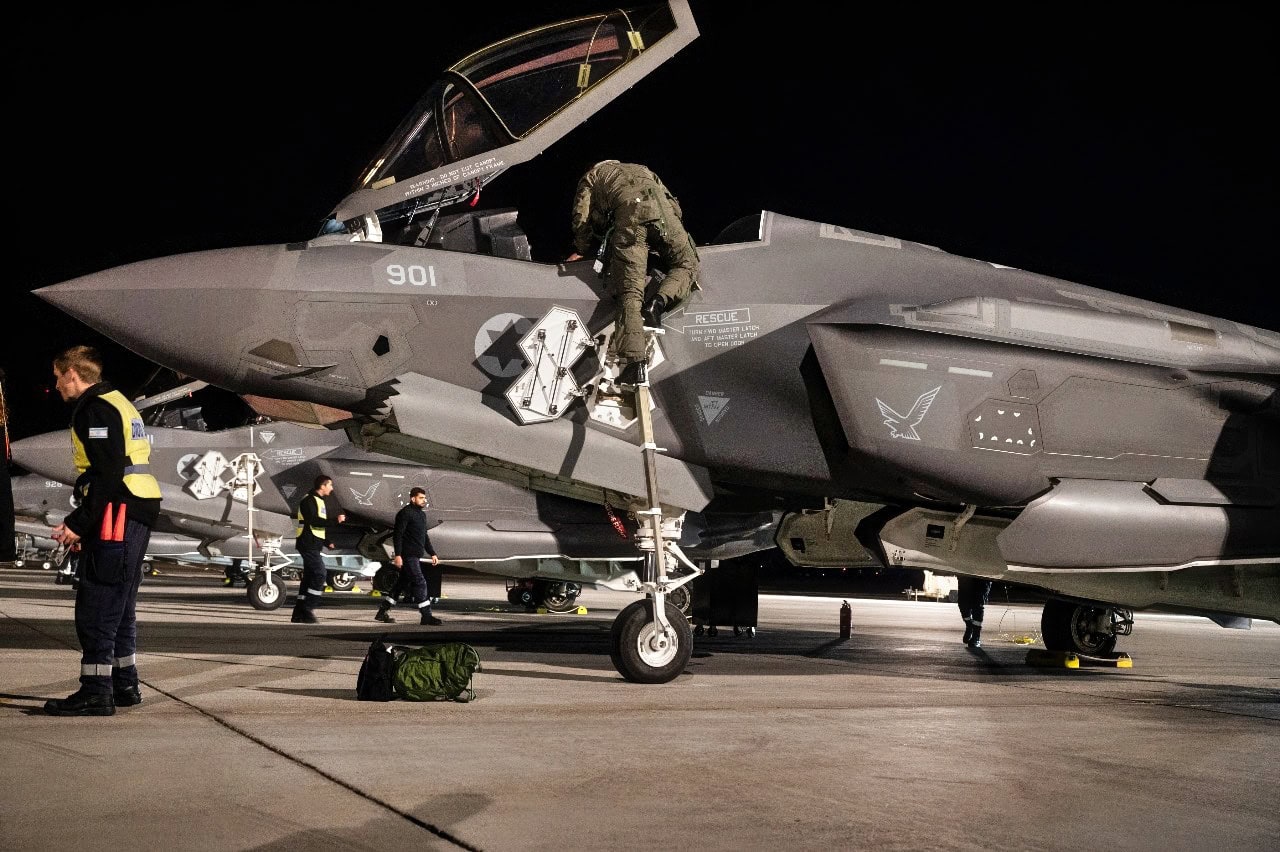
Summary and Key Points: Israel used its F-35I Adir during the 12-day fight with Iran, but the campaign is framed as a networked operation where drones, intelligence assets, special operators, and fourth-generation fighters carried much of the load from standoff ranges.
-The argument is that stealth jets were a contributor, not the decisive weapon, and that modern air war is increasingly distributed and unmanned.
-With the F-35 program priced at nearly $2 trillion and U.S. readiness only recently reaching about 50 percent, critics argue the jet is a costly jack-of-all-trades and urge a pivot to drones, not gold-plating.
A $2 Trillion Fighter at 50 Percent Readiness: The F-35 Reckoning
During the 12-Day War between Iran and Israel, the Israelis deployed their fleet of F-35I “Adir” fifth-generation stealth warplanes to conduct beyond-visual-range airstrikes on key Iranian targets.
The Cult of the F-35
The Israelis swear by these American-made fifth-generation jets and are apoplectic whenever it seems like another one of their Arab neighbors (or now, possibly, Turkey) is set to receive their own fleet of F-35s.
Meanwhile, European NATO members, like Finland, continue transitioning from their fourth-generation warplanes to export variants of the F-35. And the US military continues its wide-eyed embrace of these warplanes.
A $2 Trillion “Flying Computer”
The F-35 program cost the American taxpayer $2 trillion over 20 years. This “Jack-of-all-Trades” plane has been billed as a “flying computer chip.” It is, we are told by its makers, the greatest flying machine ever conceived.
Yet the reality is starkly different.
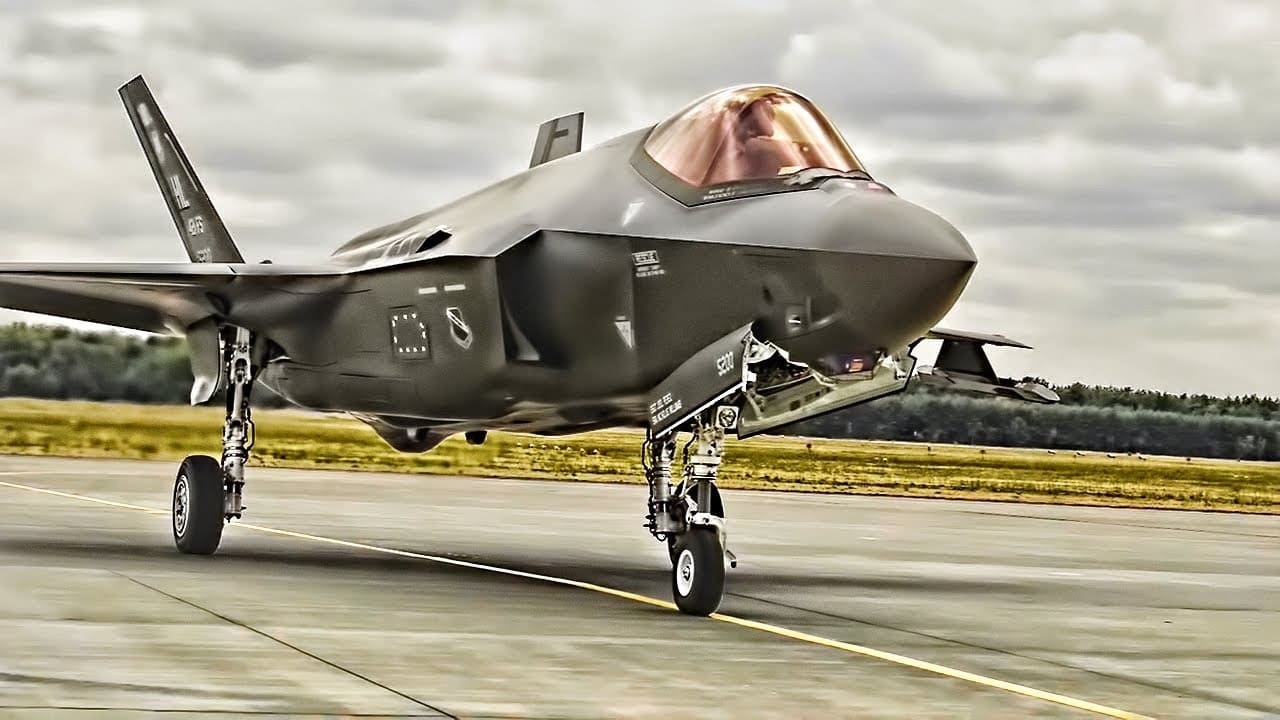
F-35 in Poland. Image Credit: Creative Commons.
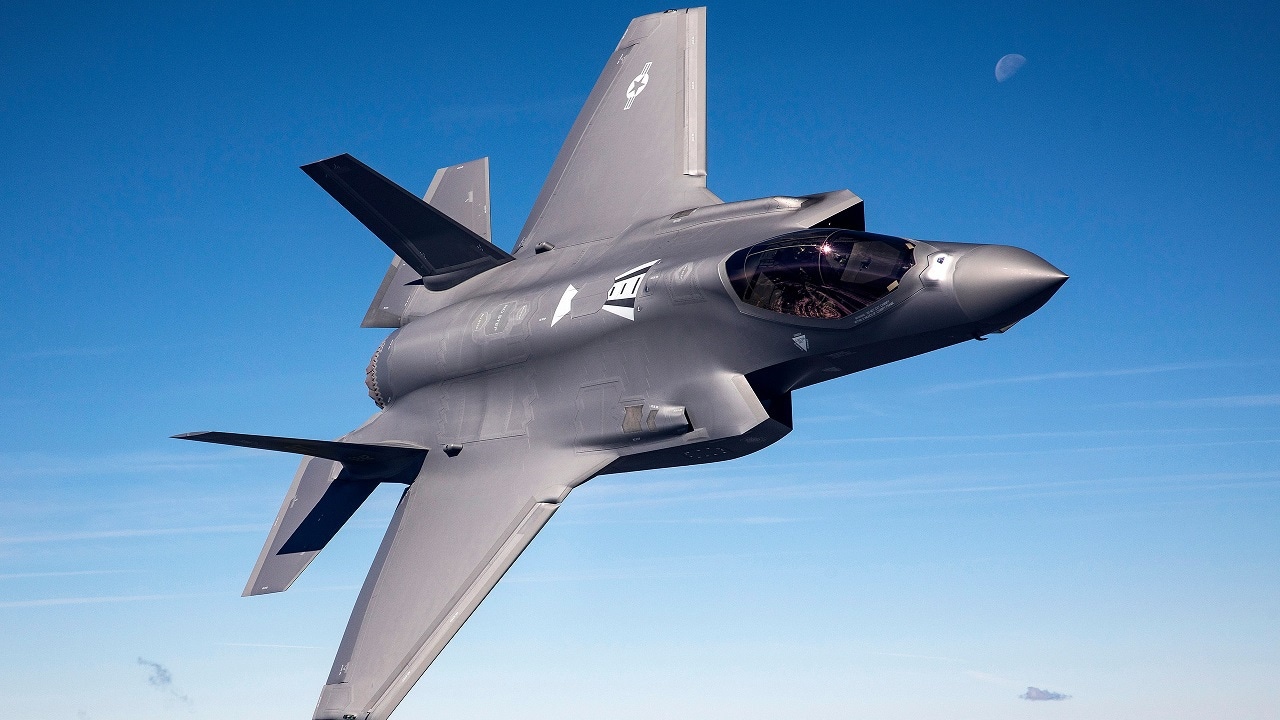
F-35 AF-184 flown by Lt. Cdr. Jonathan ‘Dos’ Beaton, in Owen’s Moa, with Whitney and snowcapped Sierra Nevadas in background
Even after the successes of the Israeli Air Force (IAF) in using the F-35I, or the repeated uses of the F-35s in smaller operations by U.S. forces, none of what was demonstrated was worth the cost in terms of money, resources, and time. Any other plane would have been sufficient.
Combat Readiness at 50 Percent
The F-35 went over-budget significantly, and over schedule. Multiple audits of the F-35 program have revealed the U.S. military’s fleet of F-35s are not fully combat ready. Indeed, it is only recently that the F-35 reached 50 percent combat-readiness.
This is, again, after 20 years of development and plenty of money.
Let’s quickly assess the actions of the IAF’s F-35I during last years’ 12-Day War. What we know is that the IAF’s air campaign was not exclusive to their F-35Is, nor was it even exclusive to their manned warplane fleet (which includes systems such as the F-16I and other fourth-generation warplanes).
A Cog in the Machine—Not the Machine
The Israelis deftly infiltrated their secret services into the regions of Iran just outside major population centers and deployed drone swarms from the backs of concealed vehicles to harass and destroy sensitive Iranian targets during the 12-Day War.
What’s more, the Israelis fought mostly beyond visual range. That is because, despite boasts about suppressing Iran’s air defense network, the IAF was justifiably concerned about those Iranian, Russian-made air defenses.
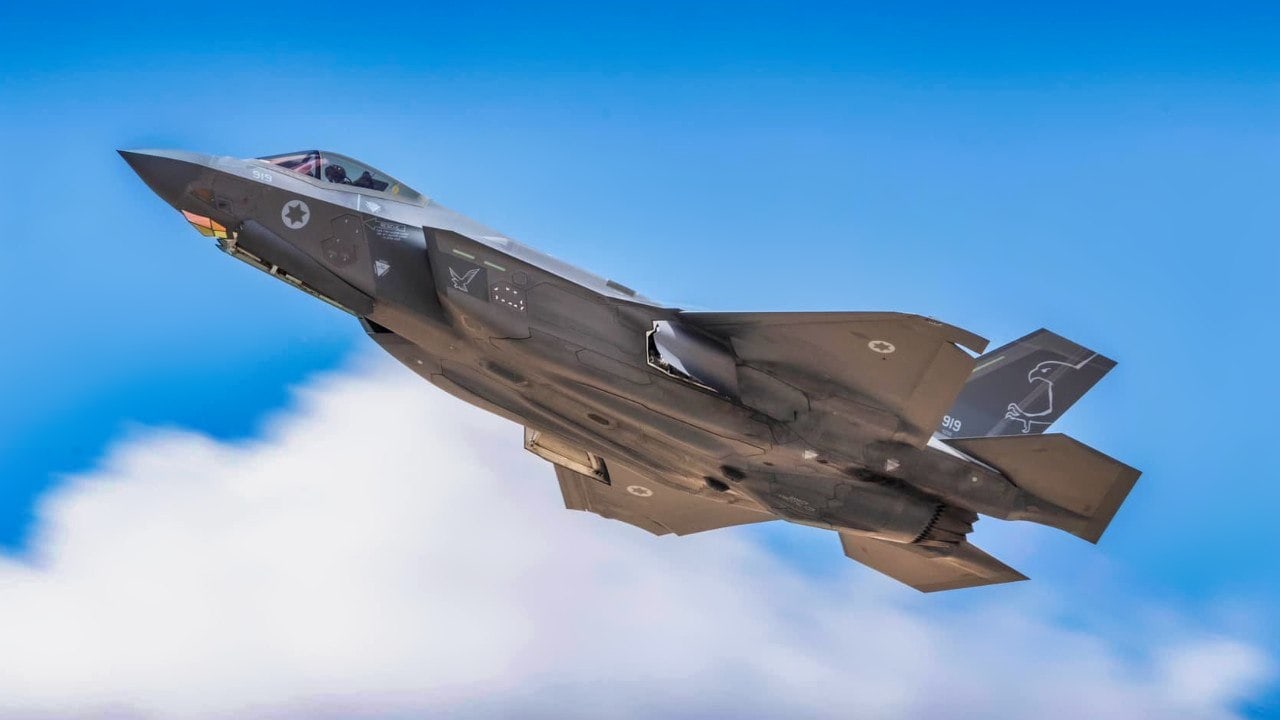
Israeli Air Force (IAF) F-35I Adir
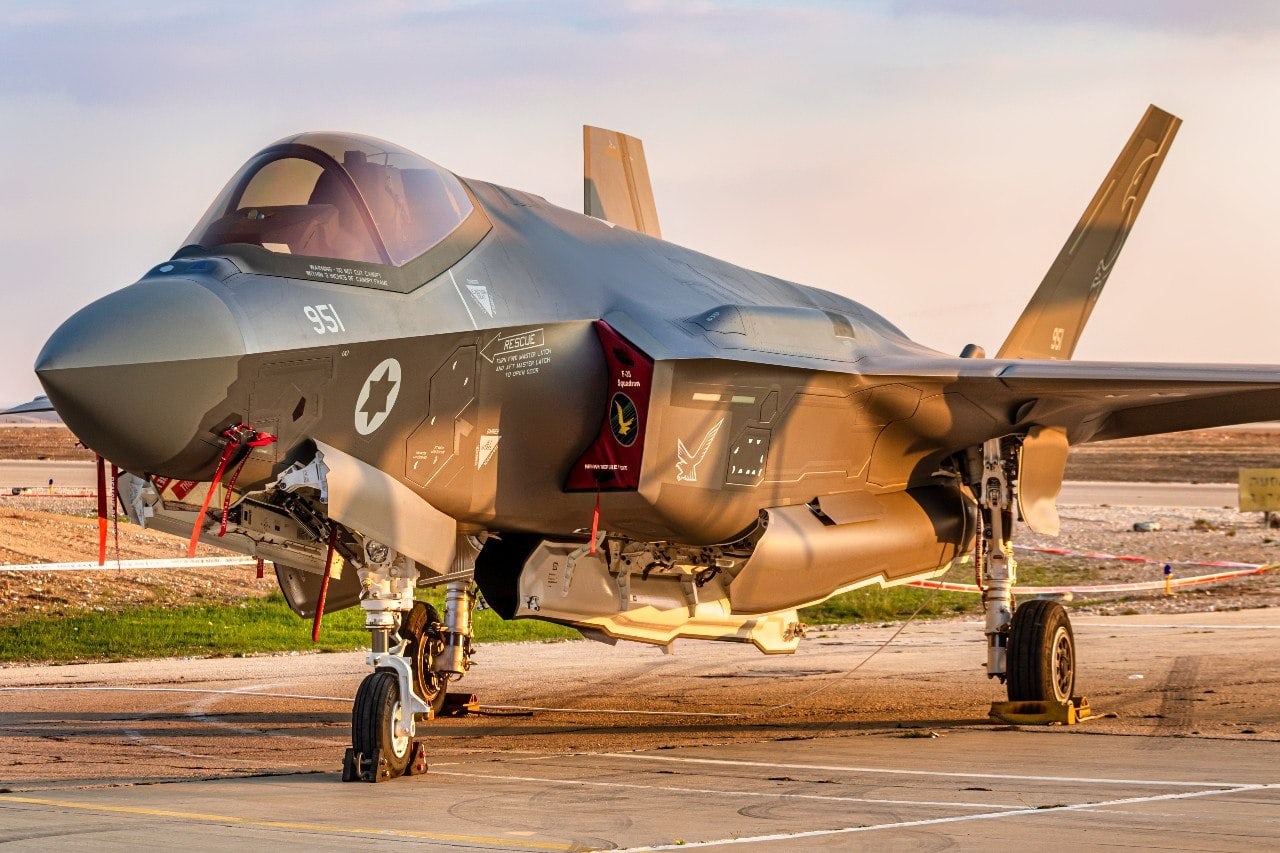
F-35I Adir from Israel. Image Credit: Creative Commons.
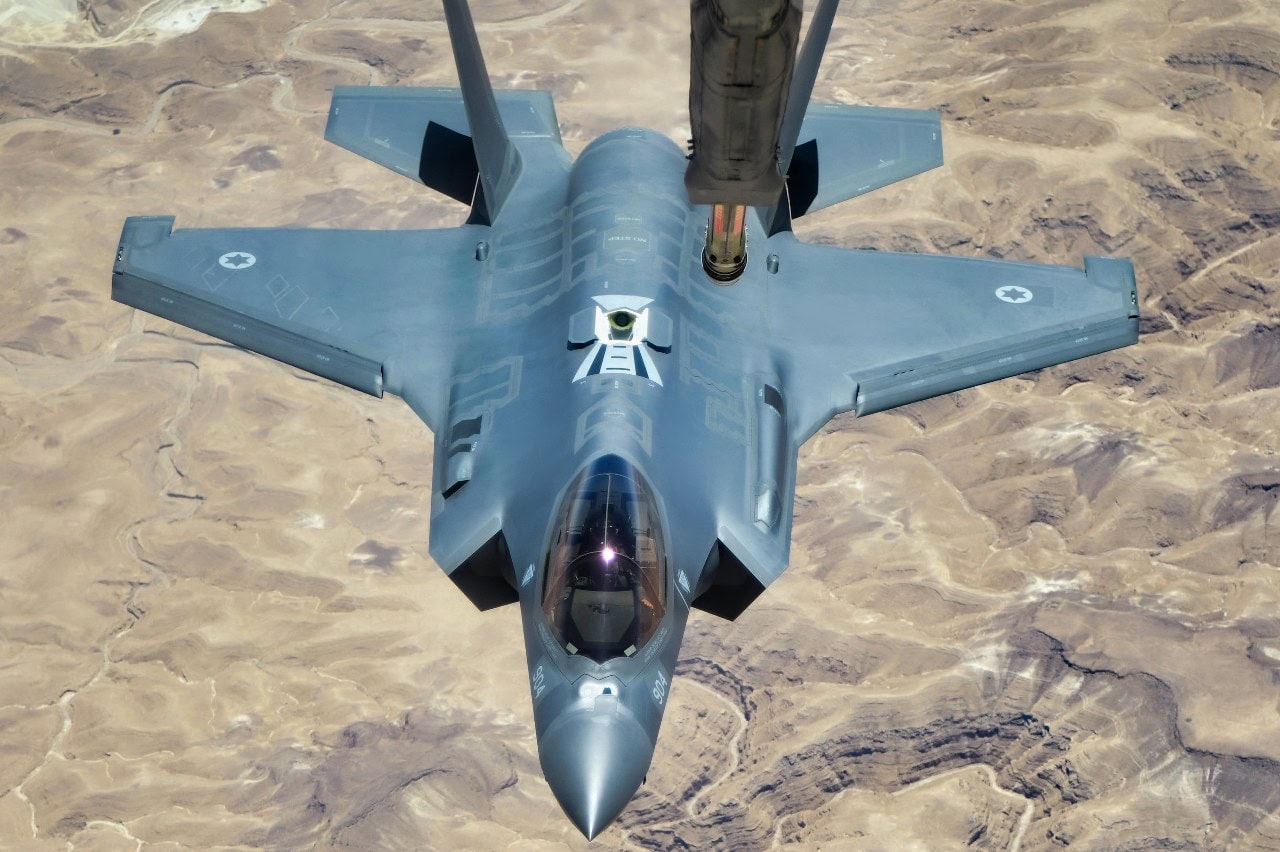
An Israeli Air Force F-35I Lightning II “Adir” approaches a U.S. Air Force 908th Expeditionary Refueling Squadron KC-10 Extender to refuel during “Enduring Lightning II” exercise over southern Israel Aug. 2, 2020. While forging a resolute partnership, the allies train to maintain a ready posture to deter against regional aggressors. (U.S. Air Force photo by Tech. Sgt. Charles Taylor)
So, they kept their birds just out of range and popped off missiles at sensitive Iranian targets from places such as Iraq and even nearby Azerbaijan. The F-16Is were the primary attack platform deployed from Azerbaijan.
In other words, the F-35I did not actually distinguish itself in the recent round of warfare between Israel and Iran. It was merely a cog in a larger machine.
One might say that’s the nature of modern warfare. But the F-35s, particularly for the United States, were billed as being the next-generation main warplane for not only the U.S. Air Force, but also the Navy and Marine Corps.
Jack-of-All-Trades, Master of None
Given the complications in producing the F-35, the fact that the operational tempo and demand on U.S. air forces continues to escalate—and the F-35, even after all these years is not yet ready for war—it should be obvious that the F-35 is a failure.
In the age of advanced drones, why continue investing in this boondoggle—and why attempt to build a sixth-generation warplane?
The F-35 was an attempt by the U.S. military to make a standardized, advanced multirole stealth fighter that would be the primary warplane for three of the main branches of the Armed Forces and was interoperable with the militaries of several allies. The problem is that this plane is a “Jack of all trades” and a master of none.
The key lesson of the 12-Day War is not that the F-35 is useless. It’s that the plane is not indispensable. It’s certainly not worth mortgaging the future for. In Israel’s campaign, the F-35I functioned as one node in a sprawling network of drones, fourth-generation warplanes, special operations forces, and intelligence assets.
Stop Funding Yesterday’s Air War
That is what modern warfare looks like: distributed, asymmetric, and increasingly unmanned.
Yet Washington continues to cling to its Cold War-era obsession with exquisite, gold-plated platforms that arrive late, cost way too much, and deliver marginal advantages. The F-35 was sold as the silver bullet that would dominate the skies for decades.
Instead, it has become a cautionary tale about bureaucratic excess and strategic inertia.
About the Author: Brandon J. Weichert
Brandon J. Weichert is the Senior National Security Editor at 19FortyFive.com. He was previously the senior national security editor at The National Interest. Weichert is the host of The National Security Hour on iHeartRadio, where he discusses national security policy every Wednesday at 8pm Eastern. He hosts a companion show on Rumble entitled “National Security Talk.” Weichert consults regularly with various government institutions and private organizations on geopolitical issues. His writings have appeared in numerous publications, among them Popular Mechanics, National Review, MSN, and The American Spectator. And his books include Winning Space: How America Remains a Superpower, Biohacked: China’s Race to Control Life, and The Shadow War: Iran’s Quest for Supremacy. Weichert’s newest book, A Disaster of Our Own Making: How the West Lost Ukraine, is available for purchase wherever books are sold. He can be followed via Twitter/X @WeTheBrandon.