
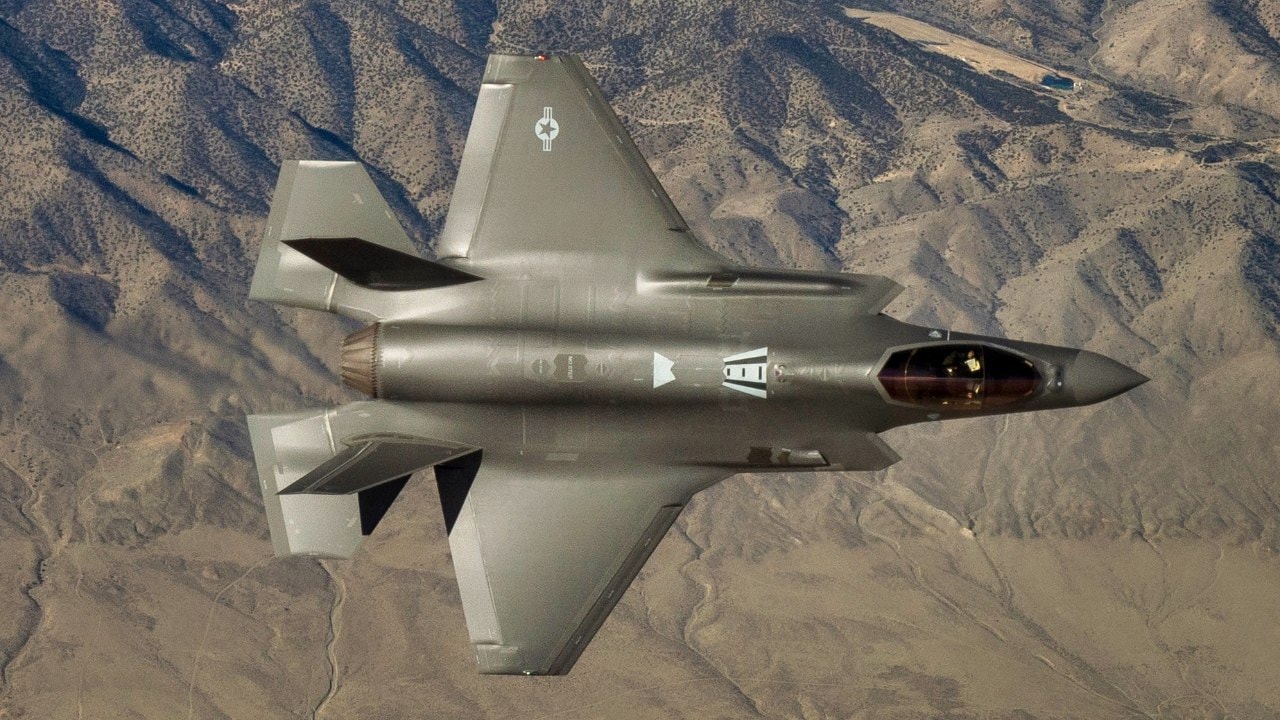
Israel’s F-35I Fleet Hits 48 Jets After New Adir Deliveries
Three new F-35I “Adir” stealth fighter jets arrived in Israel on January 18, bringing the Israeli Air Force’s operational fleet of fifth-generation aircraft to 48, according to a statement.
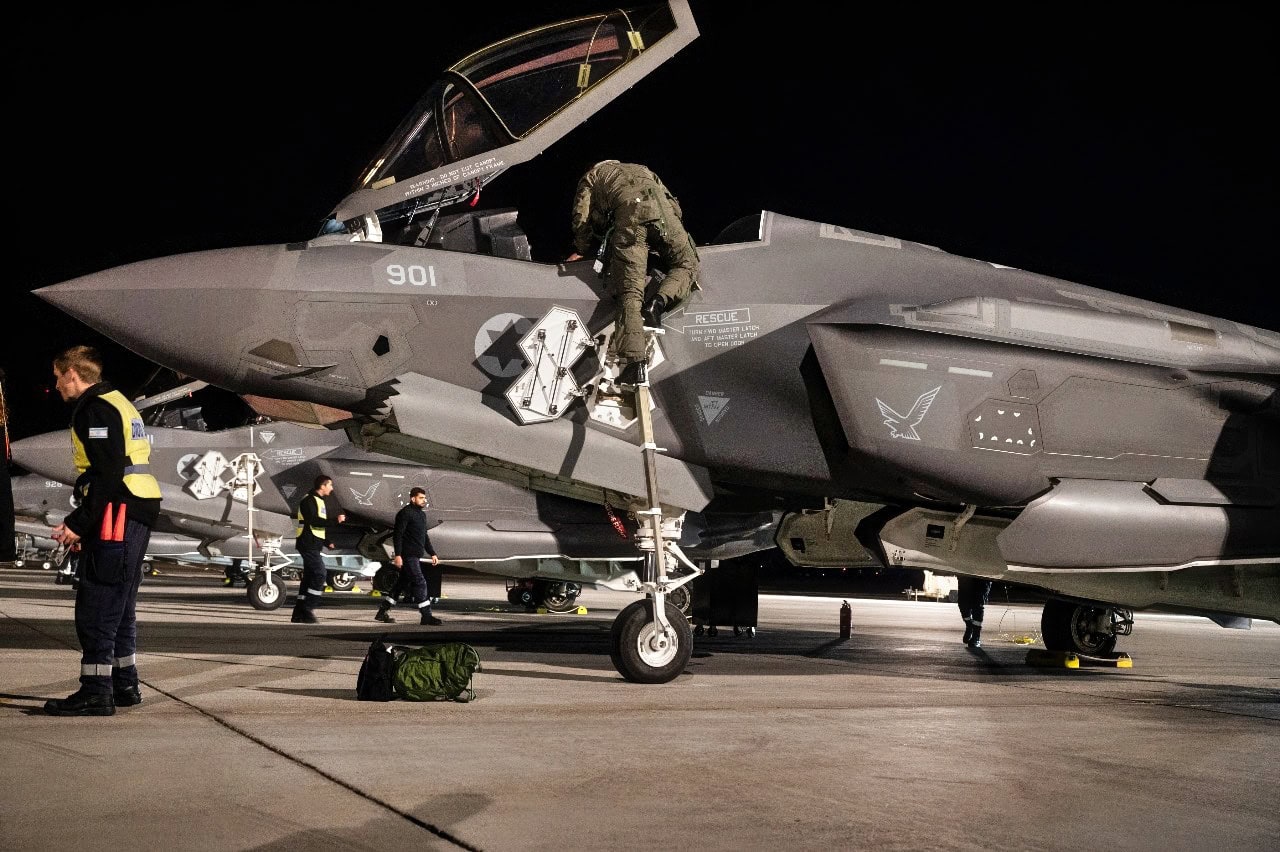
An Israeli Air Force pilot climbs into an F-35I Adir prior to a Red Flag-Nellis 23-2 mission at Nellis Air Force Base, Nevada, March 16, 2023. Red Flag is an opportunity to build on the success of JUNIPER OAK 23-2, JUNIPER FALCON, and additional combined exercises to enhance interoperability with Israel, strengthen bilateral cooperation, and improve capabilities in ways that enhance and promote regional stability and reinforce the United States’ enduring commitment to Israel’s security. (U.S. Air Force photo by Airman 1st Class Trevor Bell)
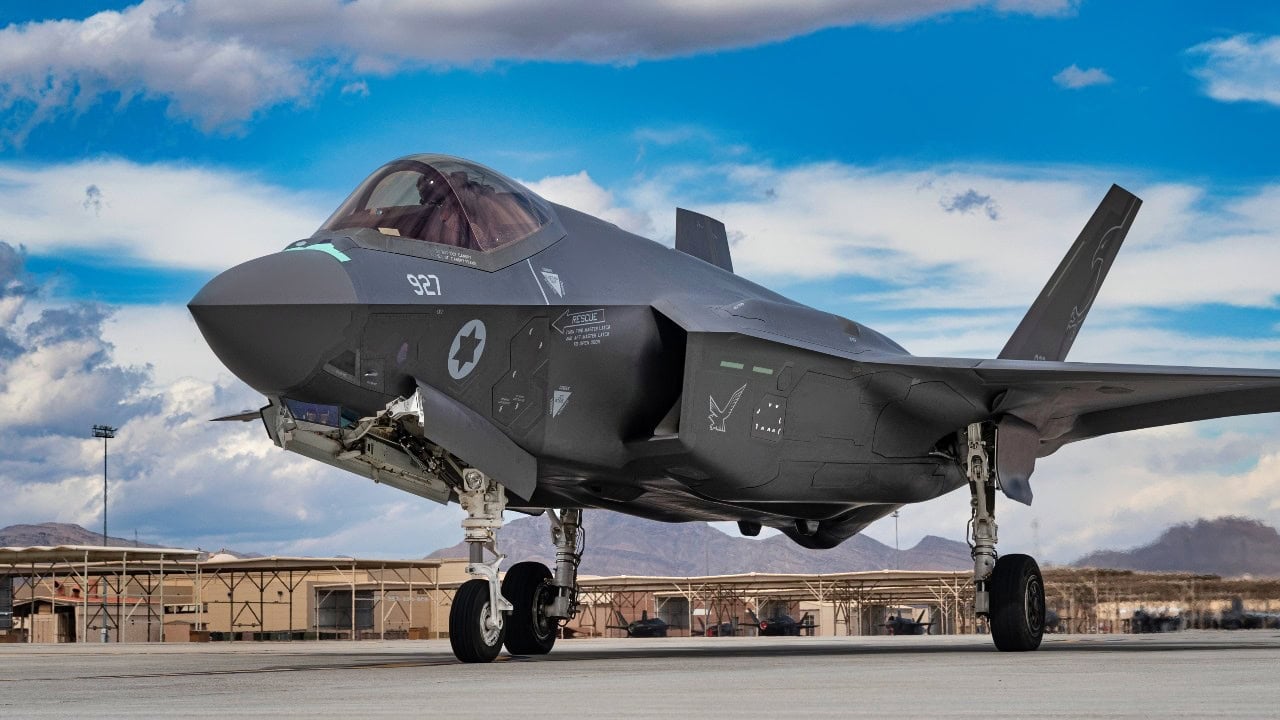
F-35I Adir Fighter from Israel
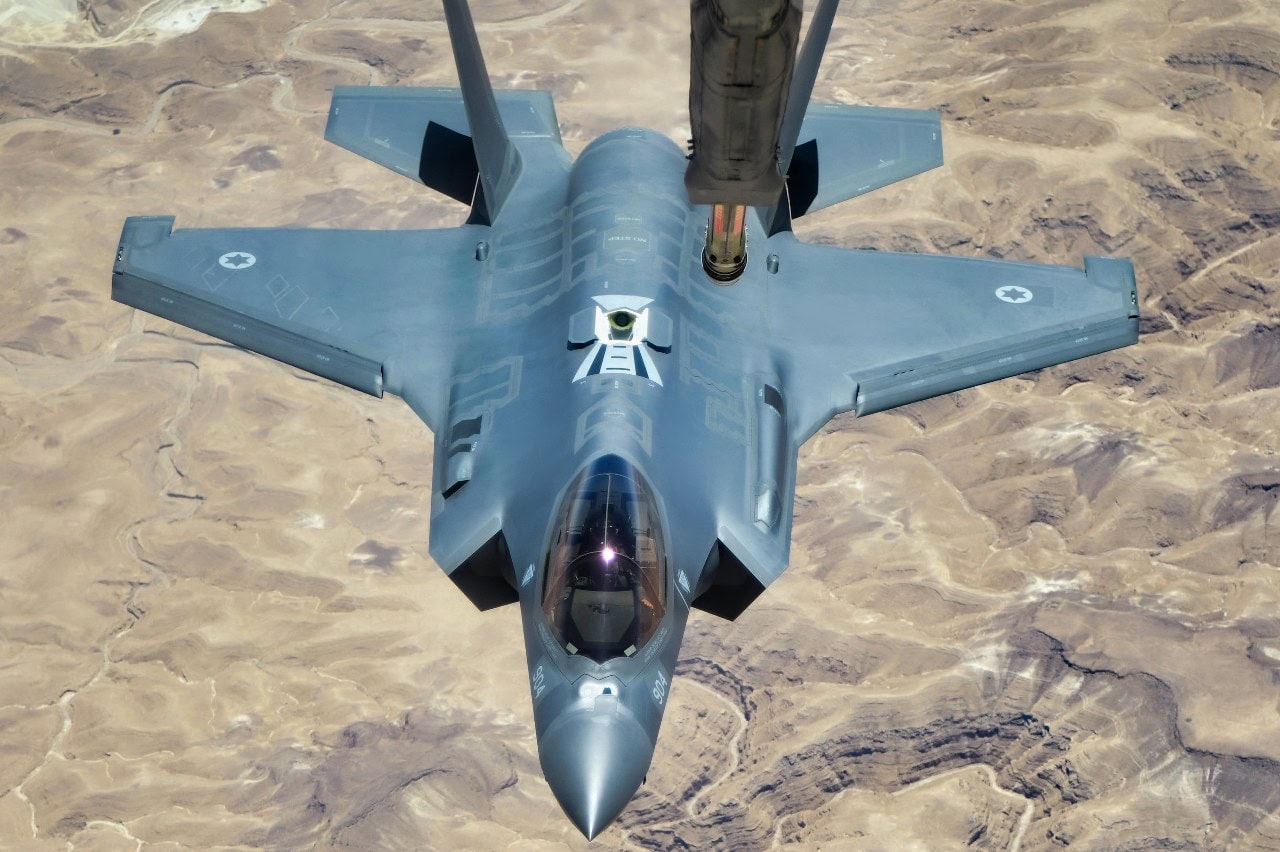
An Israeli Air Force F-35I Lightning II “Adir” approaches a U.S. Air Force 908th Expeditionary Refueling Squadron KC-10 Extender to refuel during “Enduring Lightning II” exercise over southern Israel Aug. 2, 2020. While forging a resolute partnership, the allies train to maintain a ready posture to deter against regional aggressors. (U.S. Air Force photo by Tech. Sgt. Charles Taylor)
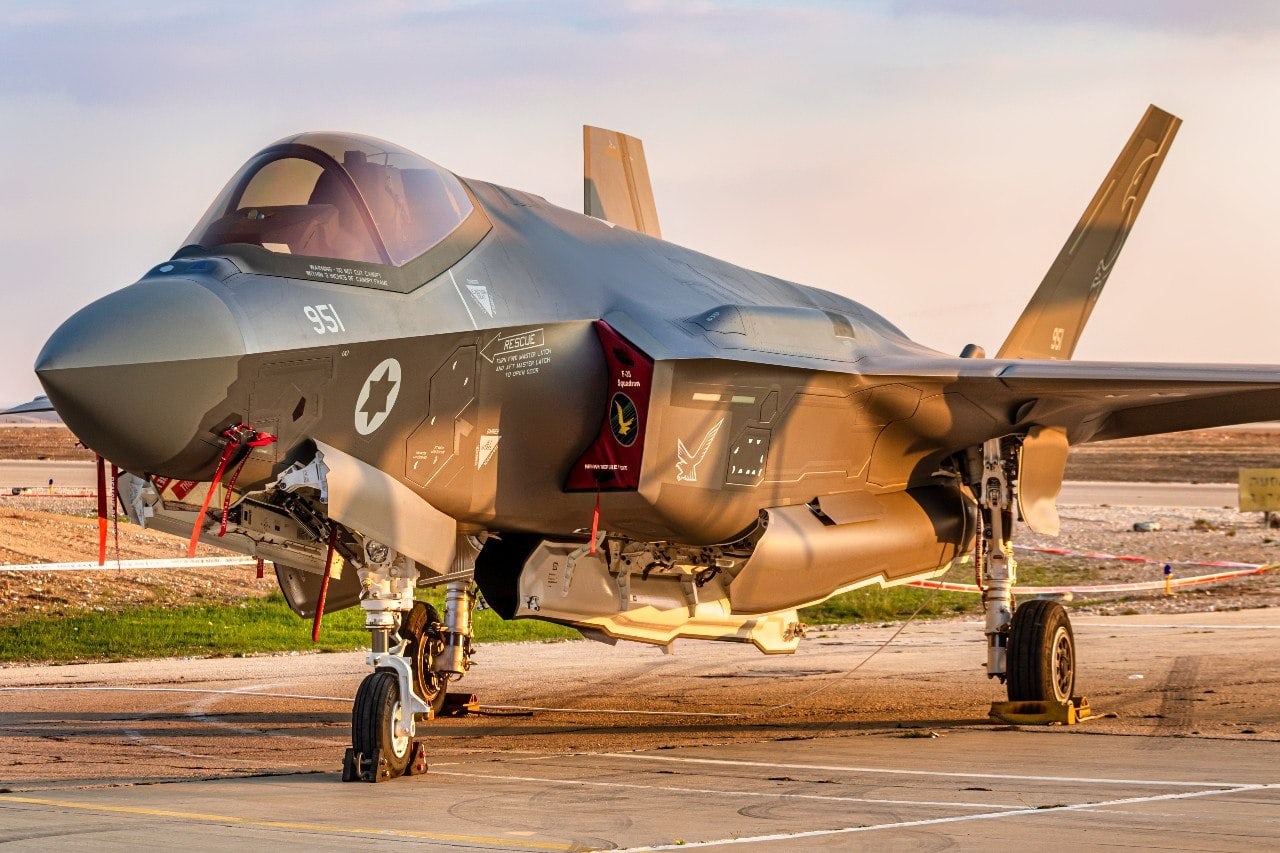
F-35I Adir from Israel. Image Credit: Creative Commons.
The aircraft flew from the United States to Nevatim Air Base in southern Israel, where they will be assigned to two operational squadrons already flying the variant of Lockheed Martin’s F-35 Lightning II.
The arrival of the aircraft brings Israel close to completing its initial order of 50 F-35 aircraft, a procurement that has been underway for more than a decade already.
The Israeli military said the delivery is part of a long-planned schedule and is not directly connected to a single current security crisis.
Still, the timing is interesting; the arrival of the jets occurs as fighting continues in Gaza, with regular exchanges of fire with Hezbollah along the northern border, and amid growing tension with Iran, which Israeli leaders have described as one of the country’s most serious long-term threats.
The continued arrival of Israel’s specialized F-35I “Adir” aircraft may have been planned for some time, but it still reflects the reality that Israel is taking its defense and attack capabilities seriously, ensuring that its forces remain effective for decades rather than only for current conflicts.
Meet the F-35I Adir
The F-35I is a variant of Lockheed Martin’s fifth-generation stealth fighter – the most popular platform of its kind that is operated by the United States and a growing number of allied countries. The aircraft is designed to be difficult for radar systems to detect and to collect and share large quantities of information during flight.
Israel’s version of the aircraft is unique in that Israel is the only country allowed by the United States to install its own electronic systems and software on the jet.
Israel received its first F-35 aircraft in 2016 and declared the fleet operational the following year after completing training and integration at Nevatim Air Base.
In 2018, Israeli officials said the country had become the first in the world to use the F-35 in combat operations, though details of those missions were not made public.
Despite its advanced capabilities, the F-35 does not replace Israel’s older fighter jets in day-to-day operations.
Israeli air strikes in Gaza, Lebanon, and Syria have continued to rely heavily on F-15 and F-16 aircraft, which are cheaper to operate and better suited for sustained, high-volume missions. Stealth aircrafts like the Adir – and the platform on which it is based – are typically reserved for situations where avoiding detection or destroying sophisticated air defenses is critical.
The three newly delivered jets will be absorbed into Israel’s 116th and 140th squadrons, both based at Nevatim, according to Israeli media reports. Israel has also expanded its training capacity for the aircraft, reopening a dedicated F-35 training squadron in 2021 in preparation for operating a larger fleet.
Future growth is planned, too; in 2025, Israel signed an agreement with the United States to purchase an additional 25 F-35 jets at an estimated cost of $3 billion. Deliveries from that order are expected to begin in 2028 and continue into the 2030s, according to defense officials. That expanded fleet would bring Israel’s total number of F-35 aircraft to 75 – enough to equip three full squadrons.
Those decisions reflect the expectation that future conflicts in the region will involve more advanced air defenses, long-range missiles, and unmanned aircraft – all of which make traditional air operations more dangerous.
The F-35 Fleet Is Growing Quickly for Israel
Israel’s F-35 fleet is growing amid recent U.S. military activity – notably, strikes that took out Iran’s top nuclear facilities – and threats to the regime in Tehran.
Washington, its allies, and Israel in particular view the air threat environment around Iran as particularly serious – and in January, U.S. Central Command confirmed the deployment of an additional squadron of F-15 fighter jets to the Middle East, citing the need to reinforce deterrence and protect U.S. forces amid rising regional tensions.
That deployment comes as Iran has continued to invest in its air defense systems, long-range missiles, and armed drones – capabilities that U.S. and Israeli officials say are increasingly shared with proxy forces like Hezbollah.
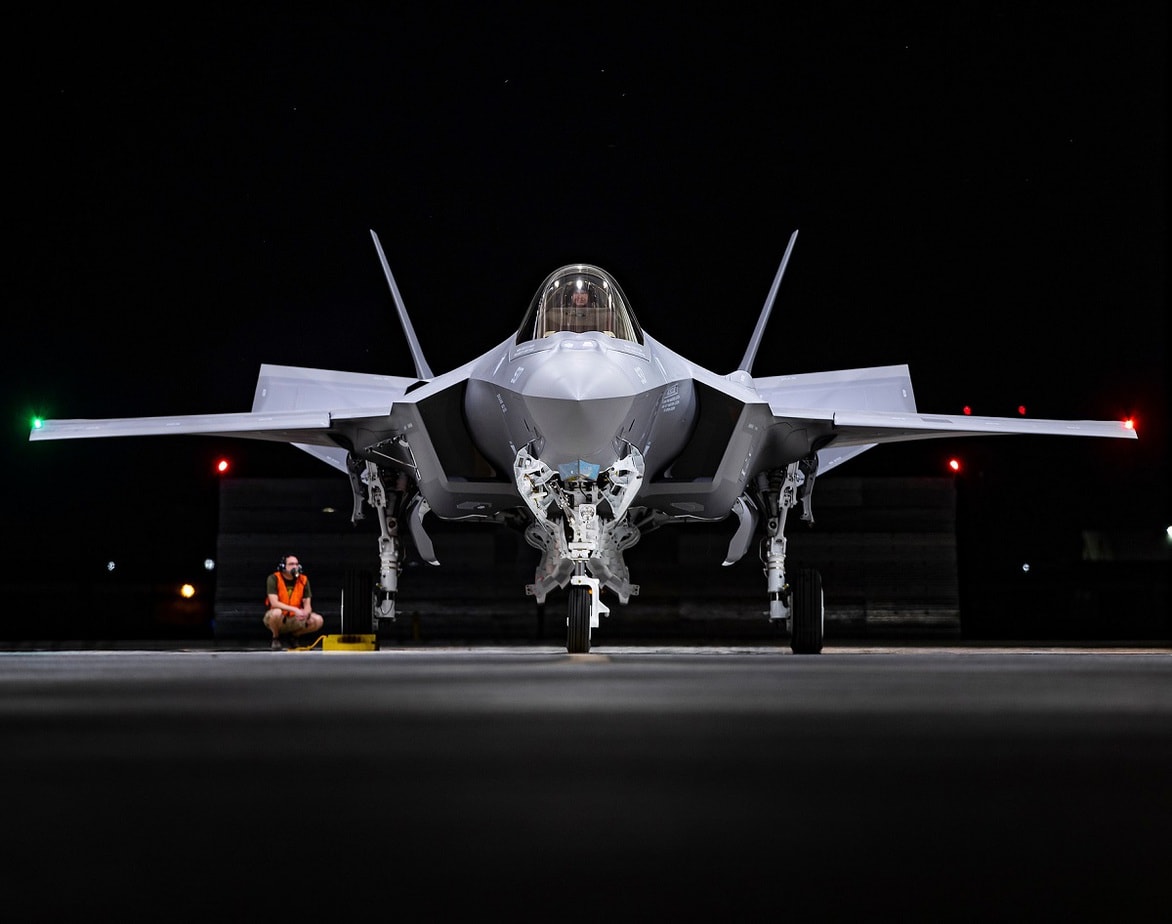
F-35I Adir. Lockheed Martin Photo
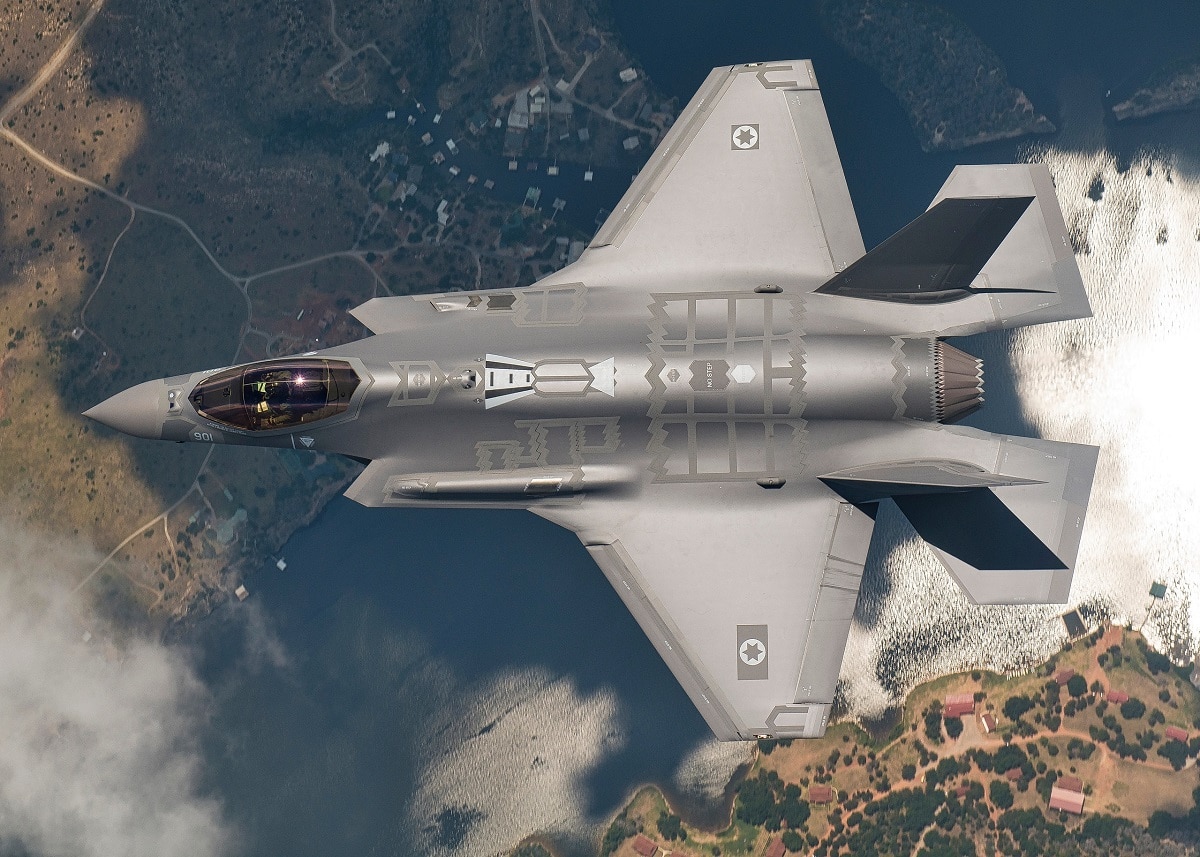
F-35I Adir. Image: Creative Commons.
Meanwhile, Israel is moving to modernize its non-stealth fighter fleet. In November 2024, Israel signed an agreement with Boeing to purchase 25 new F-15 fighter jets in a deal valued at roughly $5.2 billion, with deliveries expected to begin early in the next decade.
Israeli officials said at the time that the aircraft were needed to maintain long-range strike capacity and heavy weapons payloads that smaller stealth fighters cannot provide.
With the arrival of the latest three aircraft, Israel now has just two F-35I jets left to be delivered before completing its original 50-aircraft order.
The remaining aircraft are expected to arrive later this year, formally ending a procurement process that began more than a decade ago.
About the Author: Jack Buckby
Jack Buckby is a British researcher and analyst specialising in defence and national security, based in New York. His work focuses on military capability, procurement, and strategic competition, producing and editing analysis for policy and defence audiences. He brings extensive editorial experience, with a career output spanning over 1,000 articles at 19FortyFive and National Security Journal, and has previously authored books and papers on extremism and deradicalisation.