
Key Points and Summary – Israel’s F-35I “Adir” takes the core strengths of the Lightning II—stealth, sensor fusion, electronic warfare, and connectivity—and adds Israeli-specific enhancements tailored to Israel’s security environment.
-Unlike most operators, the IAF has been able to integrate domestic systems, including customized electronic warfare, data-processing features, and a unique blend of Israeli weapons, giving the jet more flexibility for regional contingencies.
-Range considerations also loom large, with Israel focused on long-distance strike planning and survivability against modern air defenses.
-The result is an F-35 variant optimized not just for fifth-generation performance, but for Israel’s operational doctrine and threat set.
Why Israel’s F-35I Is Different: Range, EW, and Israeli Weapons
The American-made F-35 Lightning II series is perhaps the most recognizable fighter jet in service today.
From an unparalleled avionics suite and stealth to world-renowned connectivity and overall versatility, the fifth-generation powerhouse remains one of the most coveted airframes around.
While the three US-made Lightning II variants are certainly cutting-edge, the Israeli-specialized version of the fighter is particularly advanced.
Israel acquired its one-of-a-kind “Adir” F-35 variant back in 2010, when the Jewish state notably became the first outside of the fighters’ nine-nation co-development group to purchase the platform. Israel’s desire for a customized F-35 variant stems from the nation’s unique security needs amid hostile adversaries.
Particularly, the Jewish state is in part guided by the Begin Doctrine, which instructs lawmakers to use preventive force to prevent regional powers from acquiring weapons of mass destruction that threaten Israel’s existence. To carry out such potential missions, possessing a fleet of sophisticated fighters that can get the job done is a top priority for the Middle Eastern nation.
The Custom F-35 for Israel
The Israeli “Adir” variant may stand out; however, the F-35 is certainly not inferior. The initial Joint Strike Fighter concept emerged decades ago as the result of a merger of previous fighter concepts from the Cold War era.
The Defense Advanced Research Project Agency’s (DARPA) Advanced Short Take-off/Vertical Landing program particularly impacted the foundation of the JSF design. The fifth-generation project is primarily funded by the United States, with additional funding from the program’s partner nations: Canada, Denmark, Italy, Australia, the Netherlands, Norway, and the United Kingdom.
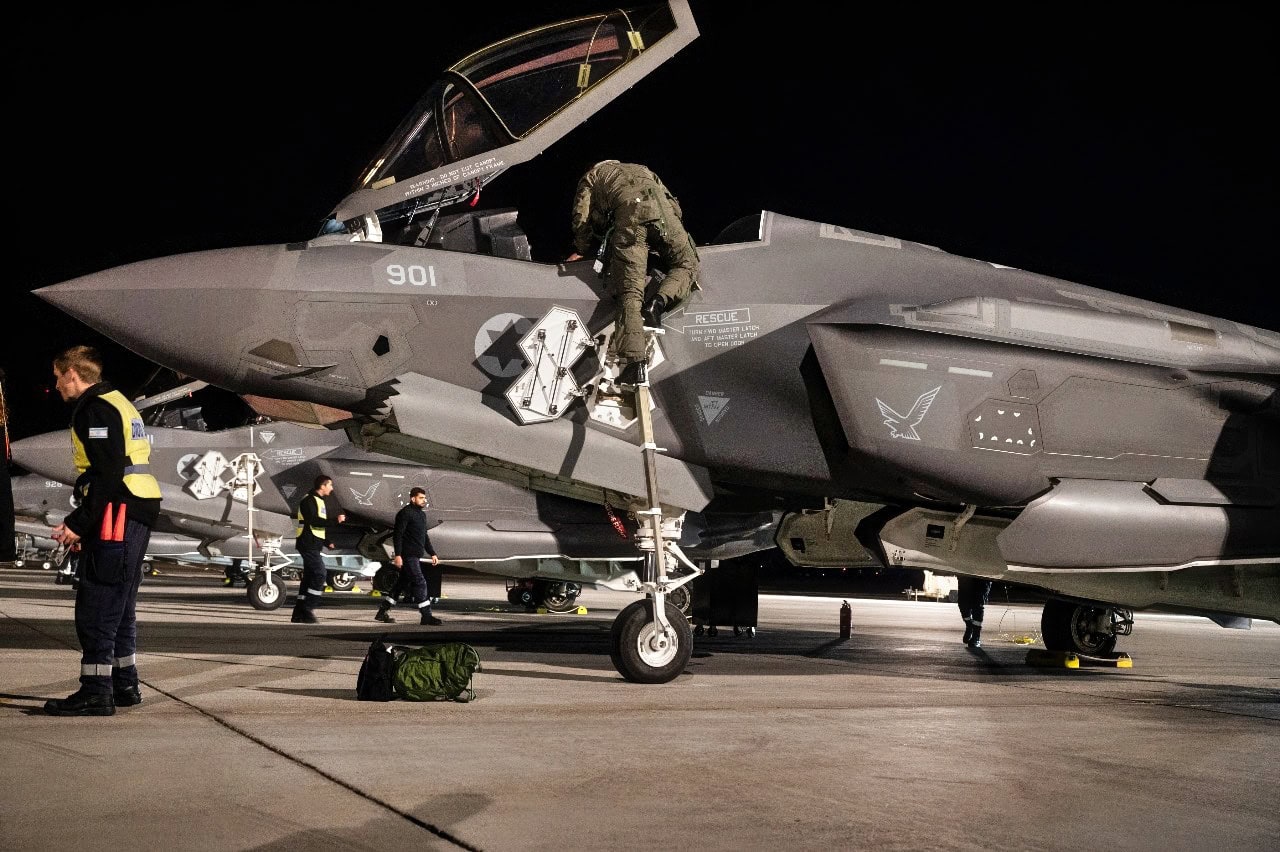
An Israeli Air Force pilot climbs into an F-35I Adir prior to a Red Flag-Nellis 23-2 mission at Nellis Air Force Base, Nevada, March 16, 2023. Red Flag is an opportunity to build on the success of JUNIPER OAK 23-2, JUNIPER FALCON, and additional combined exercises to enhance interoperability with Israel, strengthen bilateral cooperation, and improve capabilities in ways that enhance and promote regional stability and reinforce the United States’ enduring commitment to Israel’s security. (U.S. Air Force photo by Airman 1st Class Trevor Bell)
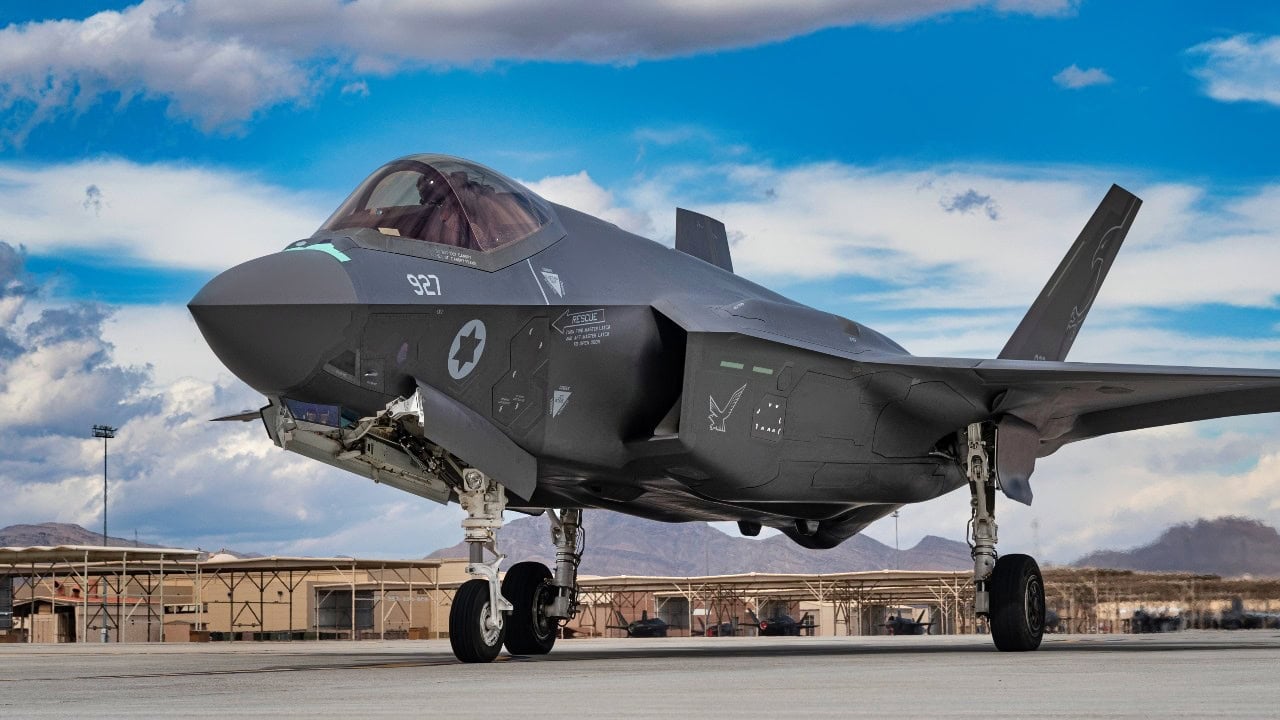
F-35I Adir Fighter from Israel
Initially, Turkey also participated in the JSF program but was removed from it in 2019 following Ankara’s purchase of the Russian-produced S-400 air defense system, which violated US policy. Currently, more than 1,100 F-35s have been exported worldwide, underscoring the platform’s global success.
What Makes the F-35I Adir So Special?
The Adir variant features all the strengths of the F-35, including stealth, electronic warfare, avionics, and data connectivity, as well as homegrown enhancements. Manufacturer Lockheed Martin agreed to deliver a specially modified aircraft variant to the Israeli Air Force so that the service could incorporate its own domestic technologies to better support its defense strategy.
Some of these Israeli-made contributions include helmet-mounted displays and data-gathering and processing functions. Additionally, the tailored electronic warfare system featured on the Israeli fighter enables the IAF to better secure its borders from Iranian-affiliated proxies in Gaza, Lebanon, and Yemen.
When it comes to range, Israel’s ability to strike deep within its top adversary, Iran’s territory, is essential.
To achieve this capability with the Adir, the IAF added compliant external fuel tanks with a low radar signature to its F-35 contingent. As explained by flyajetfighter.com, “Integrated into the fuselage and covered with absorbent materials, they do not significantly alter the aircraft’s radar profile. These tanks enable a range of over 2,200 km in cruise flight, allowing a round-trip flight to Iran without refueling. They are attached using pylons designed specifically to preserve the jet’s aerodynamics and electromagnetic signature.”
Another key capability featured on the Adir is the jet’s ability to integrate a unique blend of Israeli-made weaponry. This bonus attribute has notably not been granted to the majority of other Lightning II operators. Some of the ordnance the Adir can carry include the SPICE family of precision-guided bombs, Delilah cruise missiles, and an array of the standard suite of F-35 weapons like the AIM-120 AMRAAM and the AIM-9C Sidewinder.
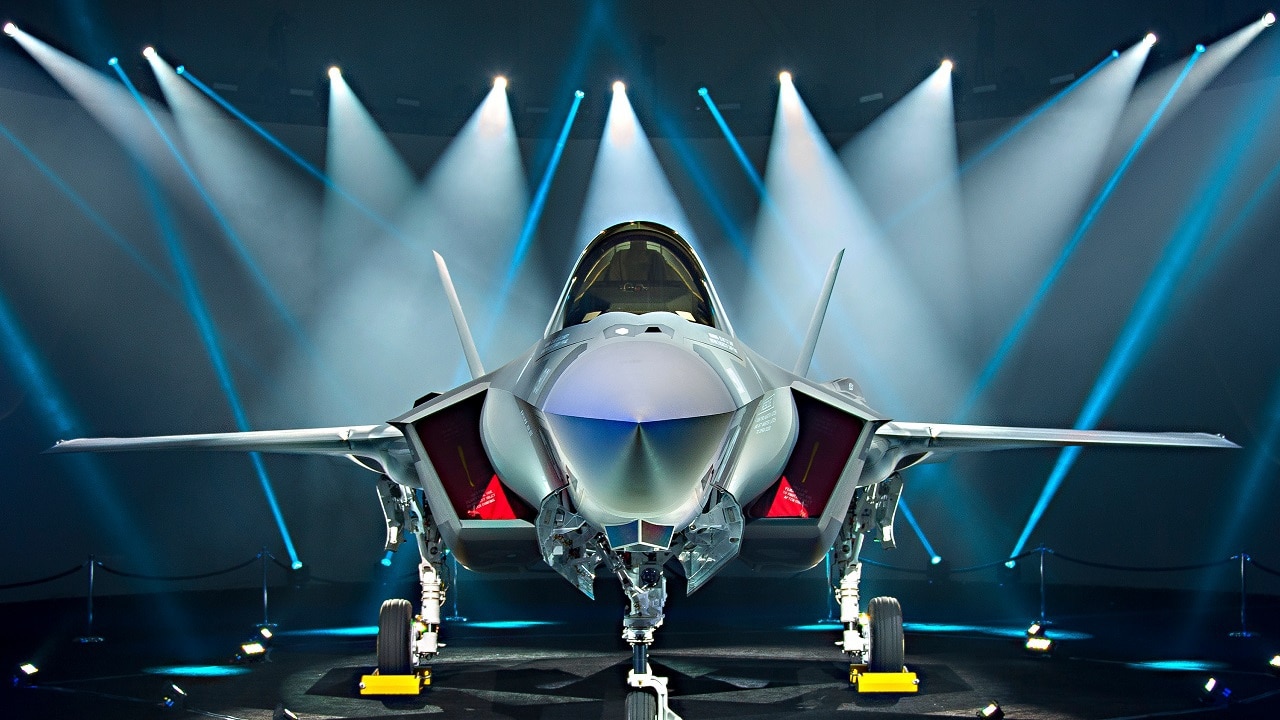
F-35I Adir from Israel. Image Credit: Creative Commons.
Combat History Is Extensive
Based on the F-35I’s stellar capabilities, Israel’s reliance on the jet in modern conflicts checks out. In fact, an Israeli F-35 became the first to fly in a combat operation when it was used to strike Iranian assets in Syria in 2019.
Two years later, the IAF revealed some of its Adir fighters also became the first to carry out an aerial engagement when several were deployed to take down an Iranian-launched unmanned aerial vehicle near Israeli territory.
While the Adir platform certainly stands out within the IAF’s aerial fleet, the service also flies other modified American-made fighter variants that remain critical players in its overall defense strategy.
About the Author: Maya Carlin
Maya Carlin, national security writer with 19FortyFive, is an analyst with the Center for Security Policy and a former Anna Sobol Levy Fellow at IDC Herzliya in Israel. She has over 1,000 articles published over the last several years on various defense issues. Carlin has bylines in many publications, including The National Interest, Jerusalem Post, and Times of Israel. You can follow her on Twitter: @MayaCarlin.