
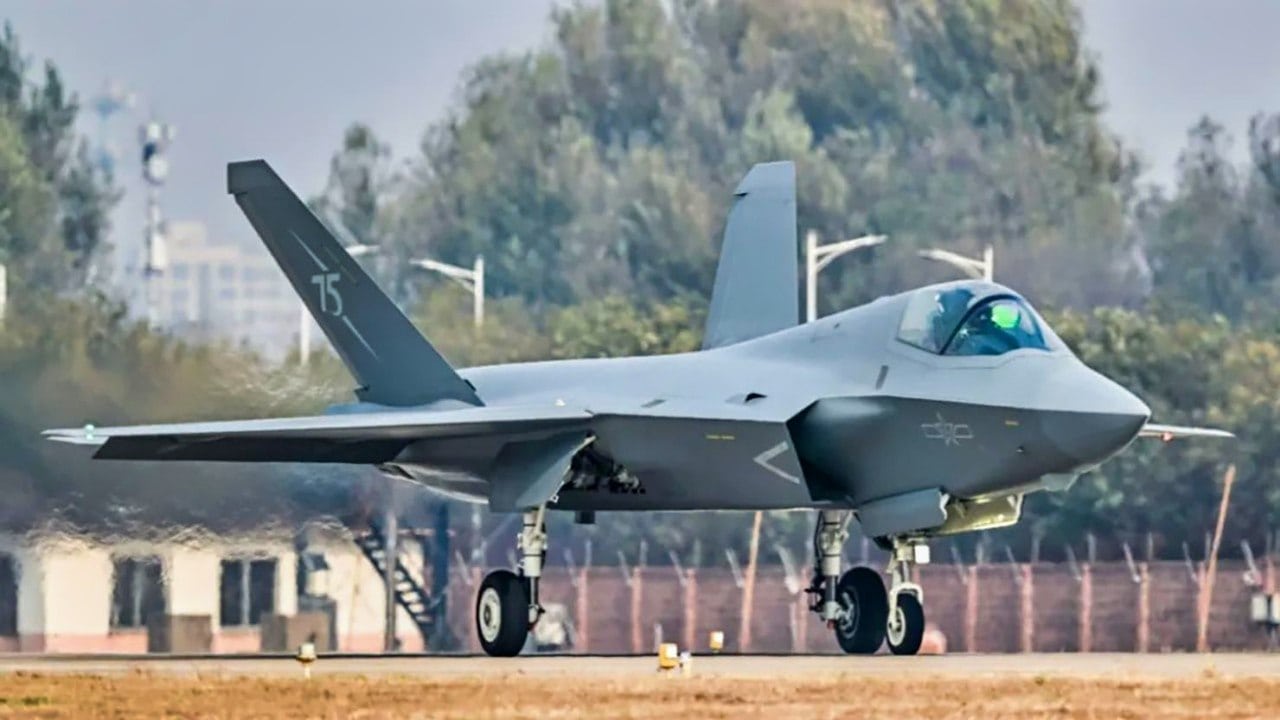
Synopsis: China’s new J-35A stealth fighter was meant to rival the F-35, but Beijing’s export dream has stalled. Countries are still lining up to buy the F-35, but not so much the J-35A.
-Despite aggressive promotion at the 2024 Paris Air Show and reports of a sale to Pakistan, no contracts have materialized.
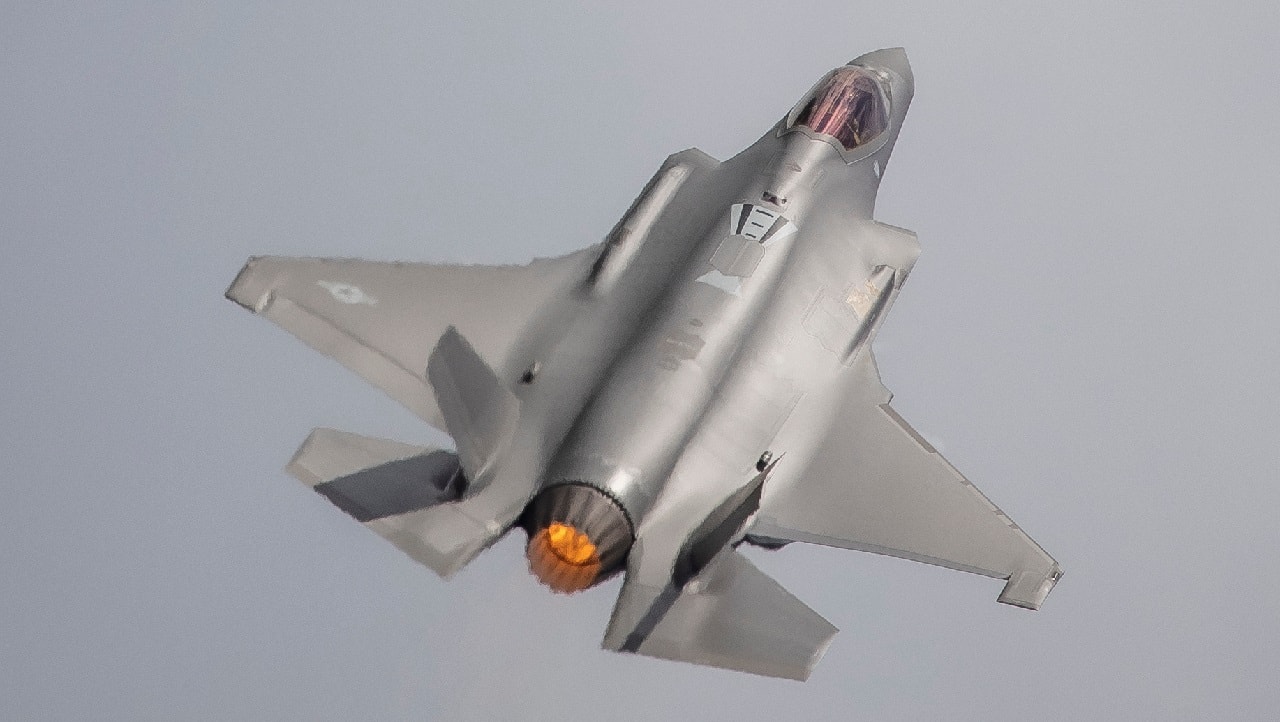
Lockheed Martin F-35 Stealth Fighter. Image Credit: Lockheed Martin.
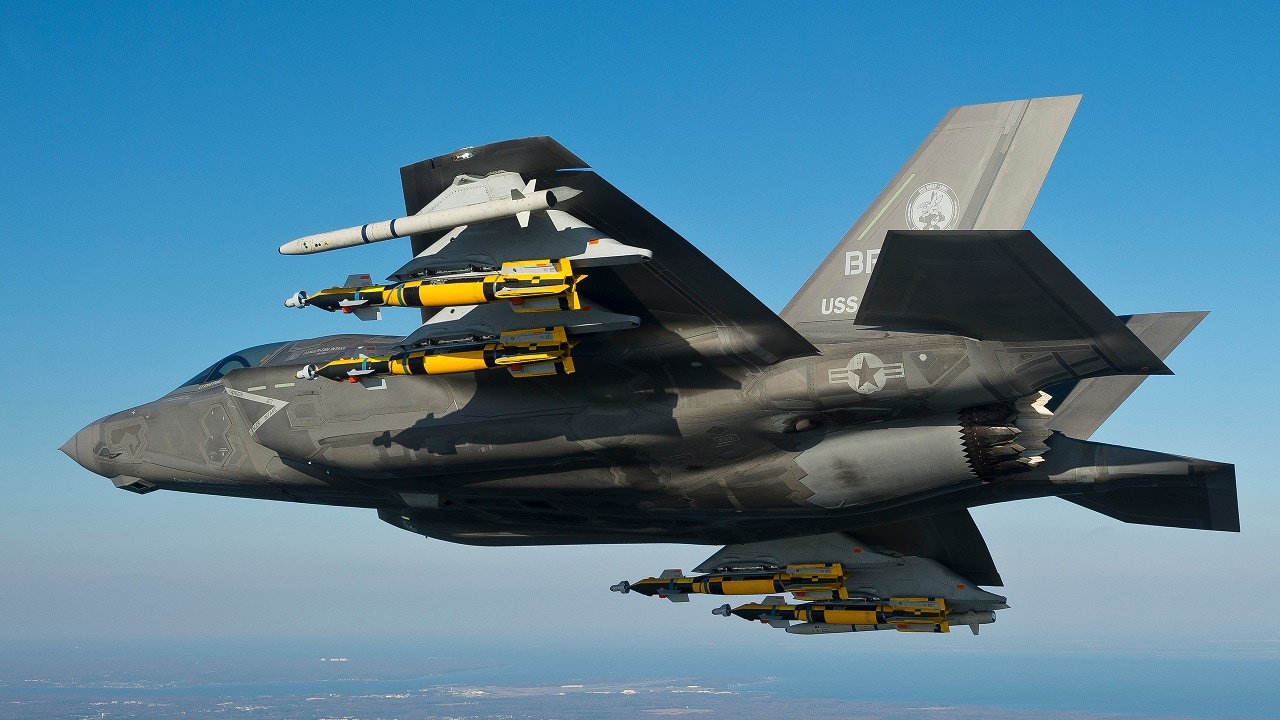
F-35 Joint Strike Fighter. Image Credit: Lockheed Martin.
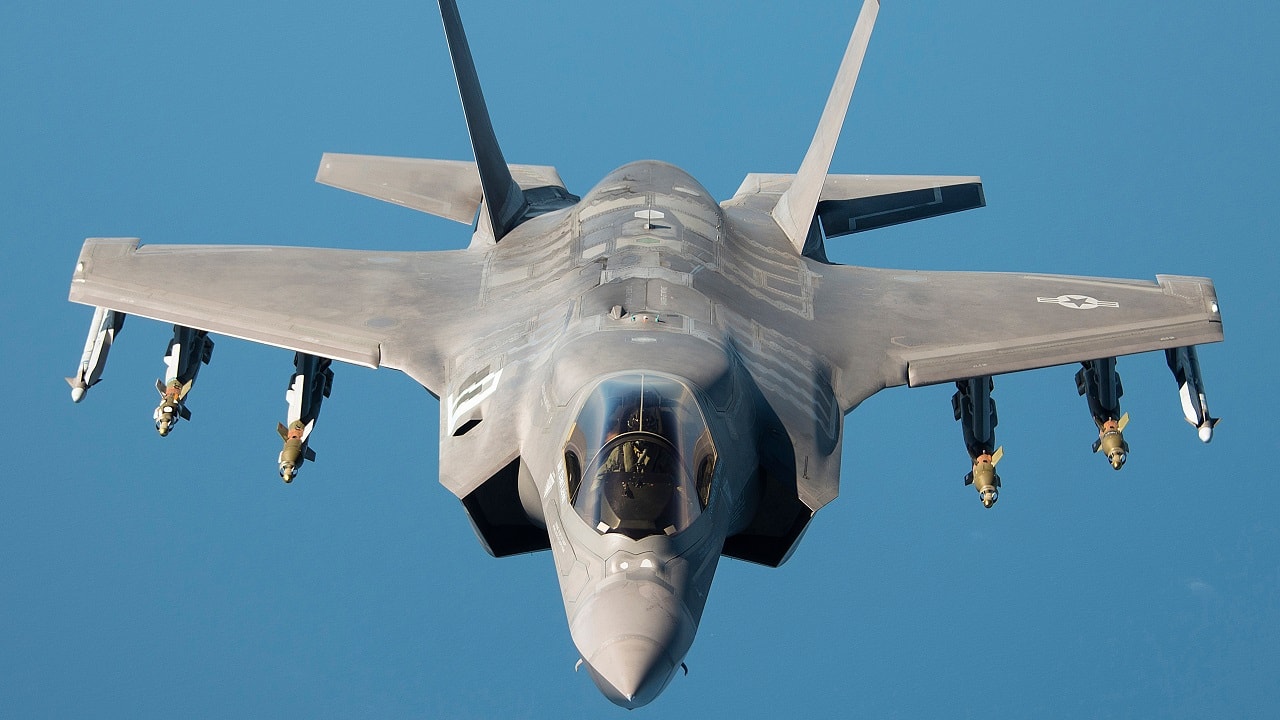
F-35 JSF. Image Credit: Lockheed Martin.
-Pakistan denied any deal, and other potential buyers—like Saudi Arabia—remain firmly tied to U.S. systems after joining the F-35 program.
-The J-35A’s challenges are clear: it’s untested, lacks combat history, and buyers distrust China’s claims of stealth and sensor parity with the U.S. Lockheed-built jet.
-Until Beijing proves its fighter in real operations, the J-35A remains a marketing story, not a global success.
China’s J-35 Stealth Fighter Has a Big Problem: Nobody’s Buying It
Last November, the People’s Liberation Army Air Force officially announced it would adopt the J-35A medium-weight multi-role stealth fighter “mainly for air combat operations.” China thus joined the United States as the only two countries to operate two distinct stealth fighter types.
China has sought to pitch the J-35A specifically to countries that the United States has barred from buying the F-35. In June, Bloomberg and other media outlets reported that Pakistan had agreed to buy the Shenyang J-35A. The reports described Pakistan as the aircraft’s first overseas buyer.
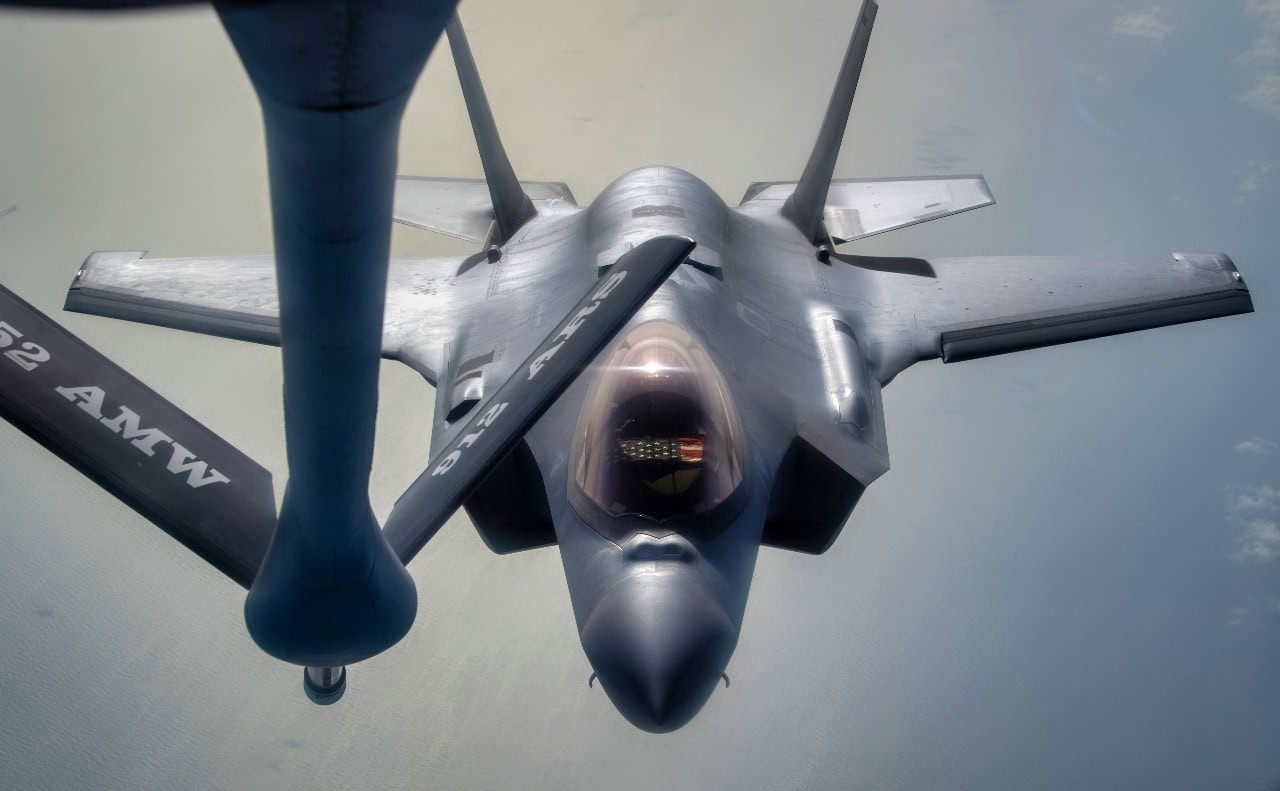
A U.S. Air Force F-35 Lightning II approaches a U.S. Air Force KC-135 Stratotanker over the U.S. Central Command area of responsibility, July 22, 2020. The F-35 Lightning II is an agile, versatile, high-performance, multirole fighter that combines stealth, sensor fusion and unprecedented situational awareness. (U.S. Air Force photo by Airman 1st Class Duncan C. Bevan)
Following the news, shares of AVC Shenyang Aircraft Corporation rose 10 percent, suggesting positive market sentiment around a potential breakthrough in China’s defense exports. But despite those reports, confirmed sales of the J-35A have simply not materialized.
Why Hasn’t the J-35A Been Selling On the Export Market?
Despite China’s media hype, the J-35A isn’t selling well because it is unproven. The aircraft is still in testing, lacks any combat experience, and critics are skeptical about its performance, cost, and reliability compared to Western aircraft.
Nations prefer established Western suppliers for their reliable technology and long-term support. They are wary of integrating new Chinese hardware without proven track records and vulnerable to potential geopolitical complications.
Technological doubts about China’s capabilities are a significant reason sales have been so slow. Buyers have their doubts about the J-35’s actual performance—including its stealth coatings, engines, and sensor fusion, which likely lag behind U.S. technology.
Pakistan Officially Denies Any Sale
Pakistani Defense Minister Khawaja Asif said during a televised interview that there was no agreement to purchase the J-35A.
“I think it is only in the media. It is good for sales, Chinese defense sales, you know,” Asif said, indirectly suggesting the story was intended to promote China’s defense industry.
According to the earlier reports, Pakistan was to purchase 40 J-35A stealth aircraft, and Pakistani pilots were already being trained in China to fly them.
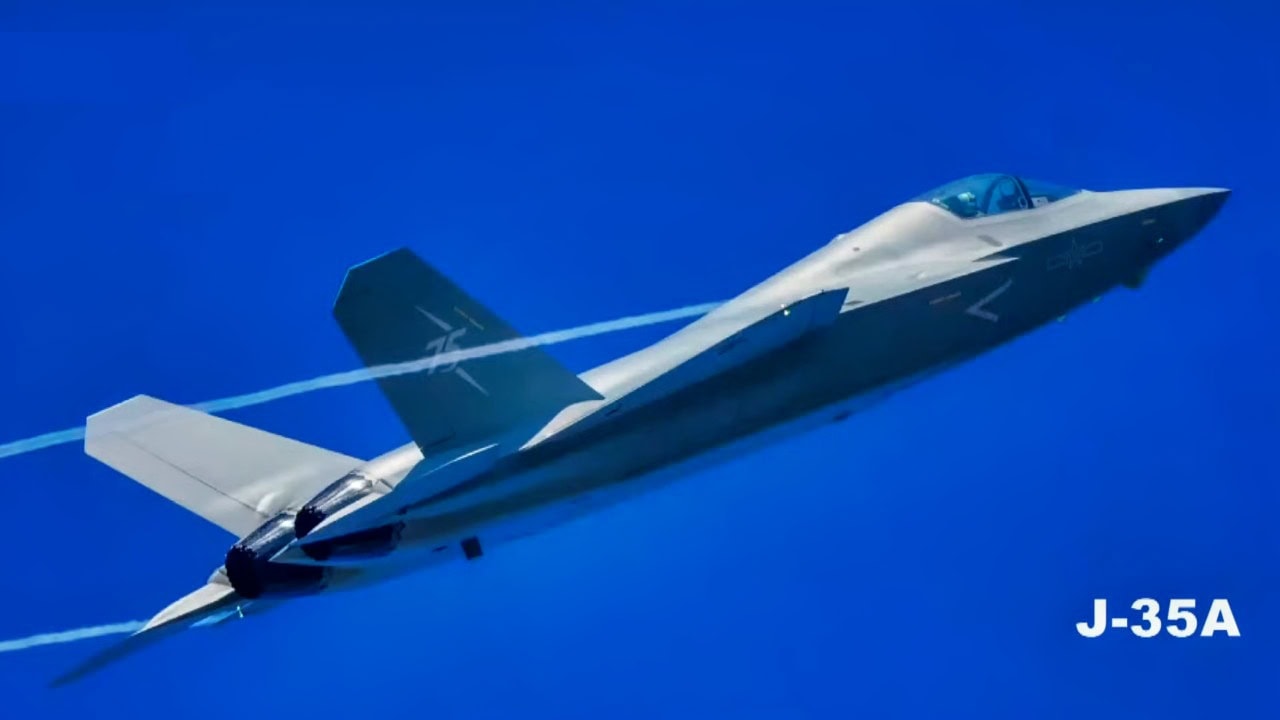
China J-35 Fighter. Image Credit: Creative Commons.
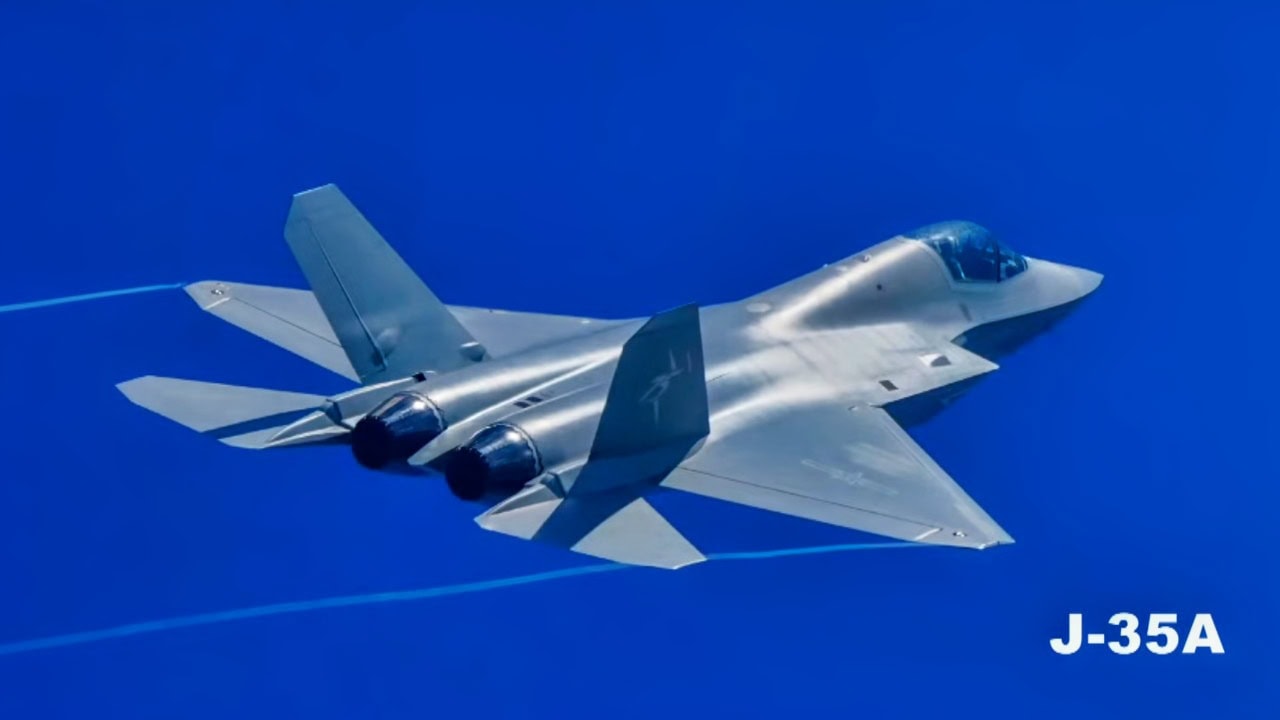
J-35 flying at Zhuhai Airshow 2024.
Many now believe this news was planted in the media to generate interest in the global market, especially in countries such as Saudi Arabia, Egypt, and Algeria.
Saudi Arabia Is Now In The F-35 Program
The Saudis, long frustrated by U.S. arms sales restrictions, could have been in the market for the J-35A. Washington has an agreement with Israel that Israel will retain a qualitative military edge over other U.S. sales partners in the Middle East. Further, the U.S. has concerns about the security of classified software placed in the hands of other nations.
The U.S. keeps an especially tight rein on the F-35’s proprietary software, including the source code, effectively keeping users reliant on U.S. support and permission. Saudi Arabia wants to operate and upgrade the aircraft independently.
The U.S. is also leery of the Kingdom buying Chinese-made air defense missiles, which it feels would compromise the jet’s stealth and intelligence-sharing capabilities.
The Saudis are leery about Washington’s ability to cut the flow of arms—as they did in 2021 during the fighting in Yemen, in response to human rights concerns.
The Chinese, fresh from pushing the J-35A at the Paris Air Show, offered Riyadh the J-35A, advanced drones, and ballistic missile systems—weapons the U.S. was either unable or unwilling to provide.
But in November, U.S. President Donald Trump hosted Saudi Crown Prince Mohammed bin Salman, and the two came to an agreement. The Saudis have agreed to invest in the United States, and in turn, the U.S. will allow the Saudis to join the F-35 program.
Saudis Buy 70-80 percent of Their Arms From the US
Saudi Arabia is the fifth-largest global spender on defense, with an annual expenditure of nearly $70 billion, about 80 percent of which comes from the U.S. However, it aims to produce 50 percent of its weapons domestically by 2030.
The Kingdom, while maintaining close ties to Washington, has begun seeking military ties elsewhere—not just with China, but with France as well.
Will China Find A Market For the J-35A?
Eventually, the Chinese will export the J-35A, but there are limiting factors that may hold it back.
Diplomatic relationships drive the global arms market, and many nations prefer to stick with long-standing suppliers for continuity and support. Saudi Arabia, for instance, has been a long-time buyer of advanced U.S. weapons, and its defense philosophy mirrors that of Washington.
The J-35A is a twin-engine, medium-weight stealth fighter, which makes it inherently more costly to purchase, fly, and maintain. Some nations may opt for less costly, more numerous alternatives.
And since it is a new aircraft,the J-35A lacks the long-term combat history and operational reliability provided by established platforms such as the F-35, which is in use by 20 countries.
The J-35A is facing an uphill battle against established Western military suppliers, despite China’s strong marketing push.
About the Author:
Steve Balestrieri is a National Security Columnist. He served as a US Army Special Forces NCO and Warrant Officer. In addition to writing on defense, he covers the NFL for PatsFans.com and is a member of the Pro Football Writers of America (PFWA). His work was regularly featured in many military publications