
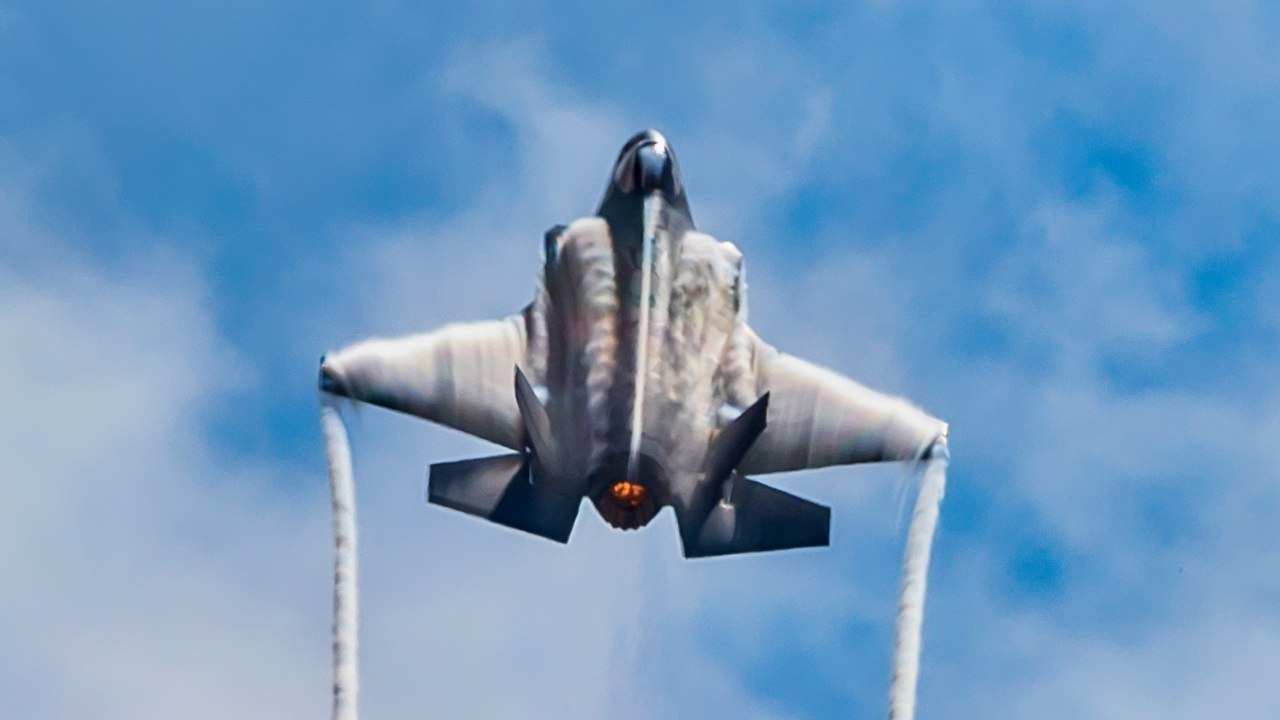
Key Points and Summary: The U.S. Air Force faces a critical choice between Boeing’s new 6th-generation F-47 (NGAD) and Lockheed Martin’s proposed “Ferrari” upgrade to the F-35.
-The Conflict: While the Trump administration awarded Boeing the F-47 contract to counter future threats, officials question its affordability compared to upgrading existing platforms.
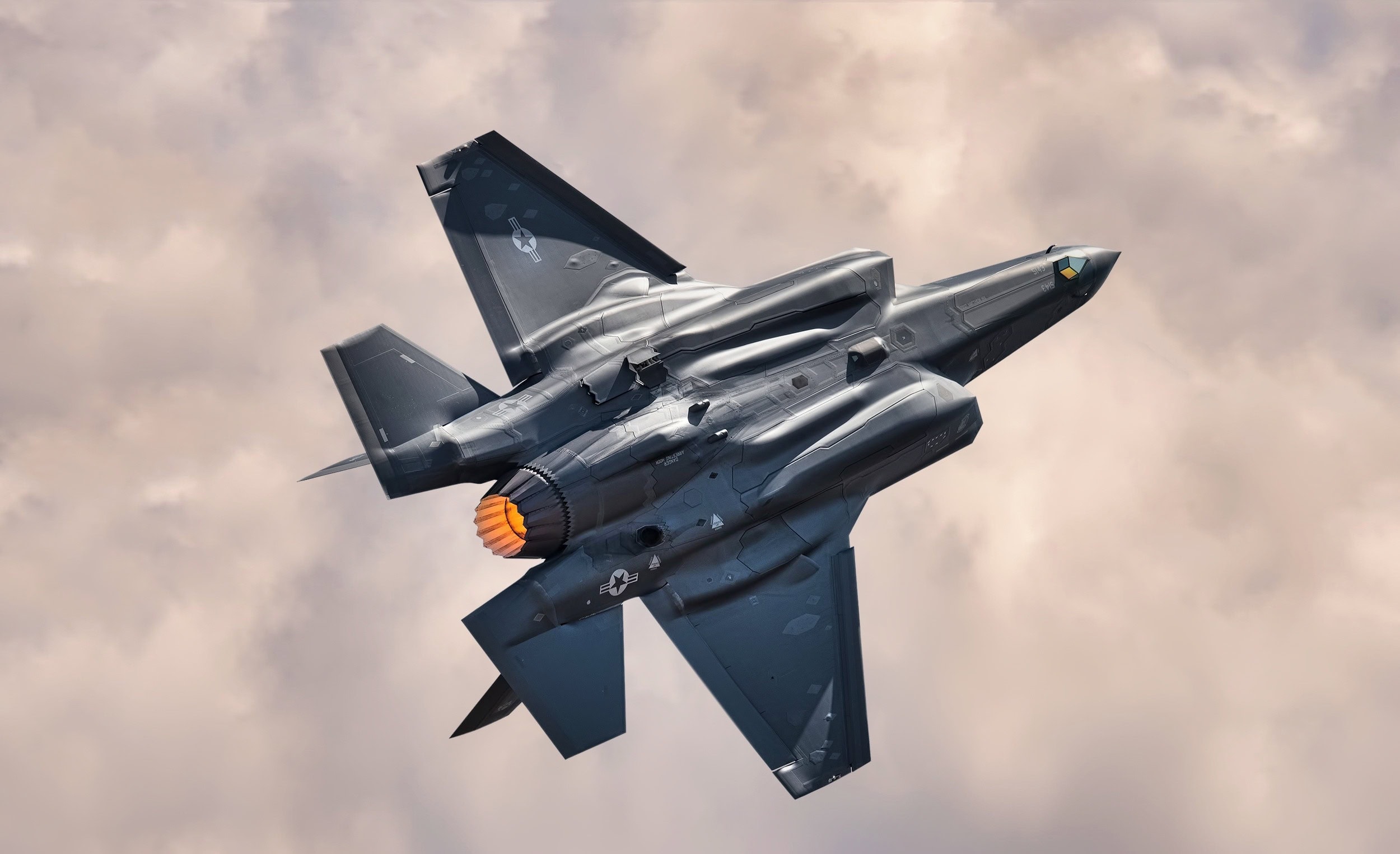
F-35 Fighter. Image Credit: Creative Commons.
-The Alternative: Lockheed proposes a “Ferrari” F-35 featuring new AETP engines and AIM-260 missiles, claiming it can provide a “bridge” with 80% of NGAD’s capability at 50% of the cost.
-The Stakes: With China developing its own 6th-gen fighters, the F-47 offers generational leaps in range and connectivity, but the “Ferrari” F-35 offers immediate value.
What Is the ‘Ferrari’ F-35? Inside Lockheed’s Plan to Stop the F-47
The US Air Force is investing in the F-47 as its next-generation air dominance fighter, replacing the F-22. The F-47 is designed to address current and future threats, offering enhanced capabilities in stealth, range, speed, and connectivity.
While the F-22 remains a capable platform, the F-47 is seen as a generational leap forward, providing a more adaptable and sustainable platform for the future.
However, many aviation analysts believe that an upgraded F-35 may be enough, and the US doesn’t need to invest in the very expensive sixth-generation stealth fighter program.
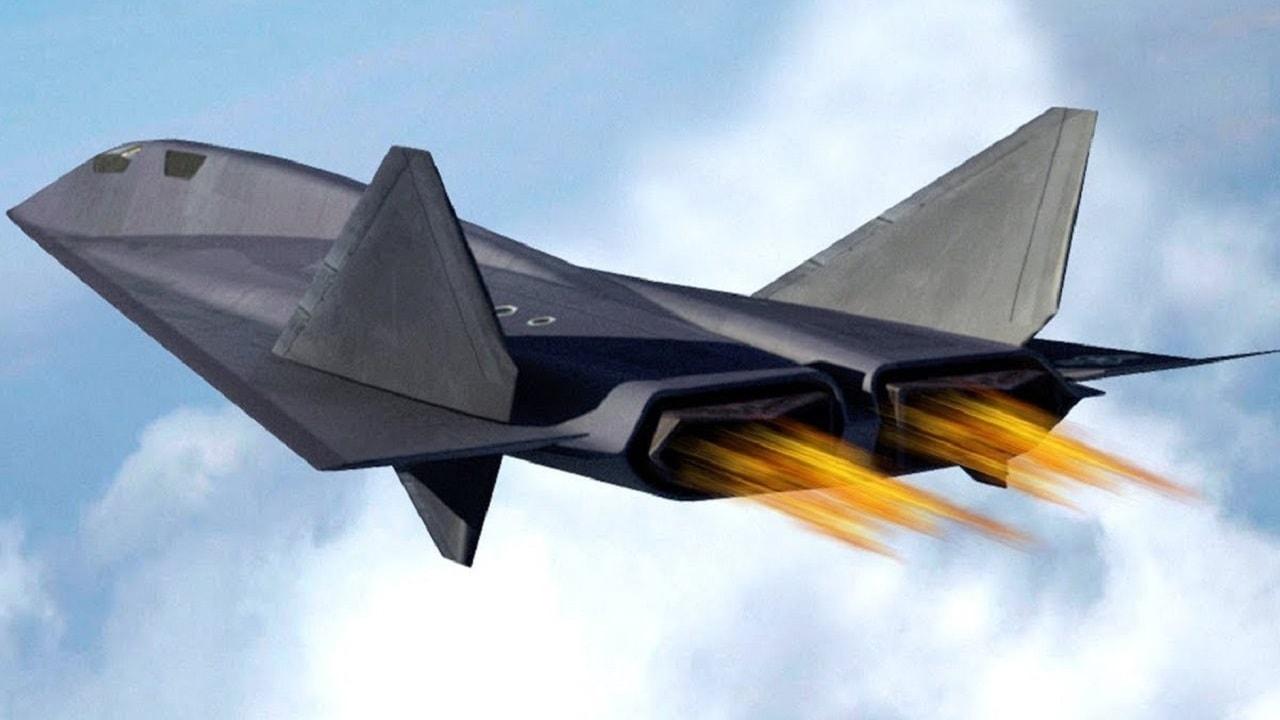
By: Image Credit: Rodrigo Avella
When the Trump administration announced that Boeing was being awarded the contract to develop the Next Generation Air Dominance fighter, or NGAD, now called the F-47, outgoing Air Force Secretary Frank Kendall asked the questions, “Is this the right airplane for our defense strategy? Is it affordable? Does it displace higher priorities?
“I deferred the NGAD decision because I didn’t have those answers before I left the Department of the Air Force—and it’s unclear whether the Trump administration has them now.”
Lockheed Martin Plans To Build a Ferrari-type F-35
Lockheed Martin CEO Jim Taiclet has a proposal for a significant upgrade to the F-35 fighter jet, describing it as a critical “bridge” to the future F-47 aircraft.
The proposed upgrade, a “Ferrari” version of the aircraft, is based on technologies developed under Lockheed’s NGAD bid. “We did bid on NGAD. Everyone knows that we weren’t selected, but the pivot that we made is one that we’re taking incredibly seriously,” he said.
Taiclet stated that upgrading the F-35 could deliver 80 percent of the NGAD capability at 50 percent of the cost. He said the jet could serve as the “best value option” for the US government, noting that “NGAD … may not be fielded for quite a few years,” potentially five to ten years.
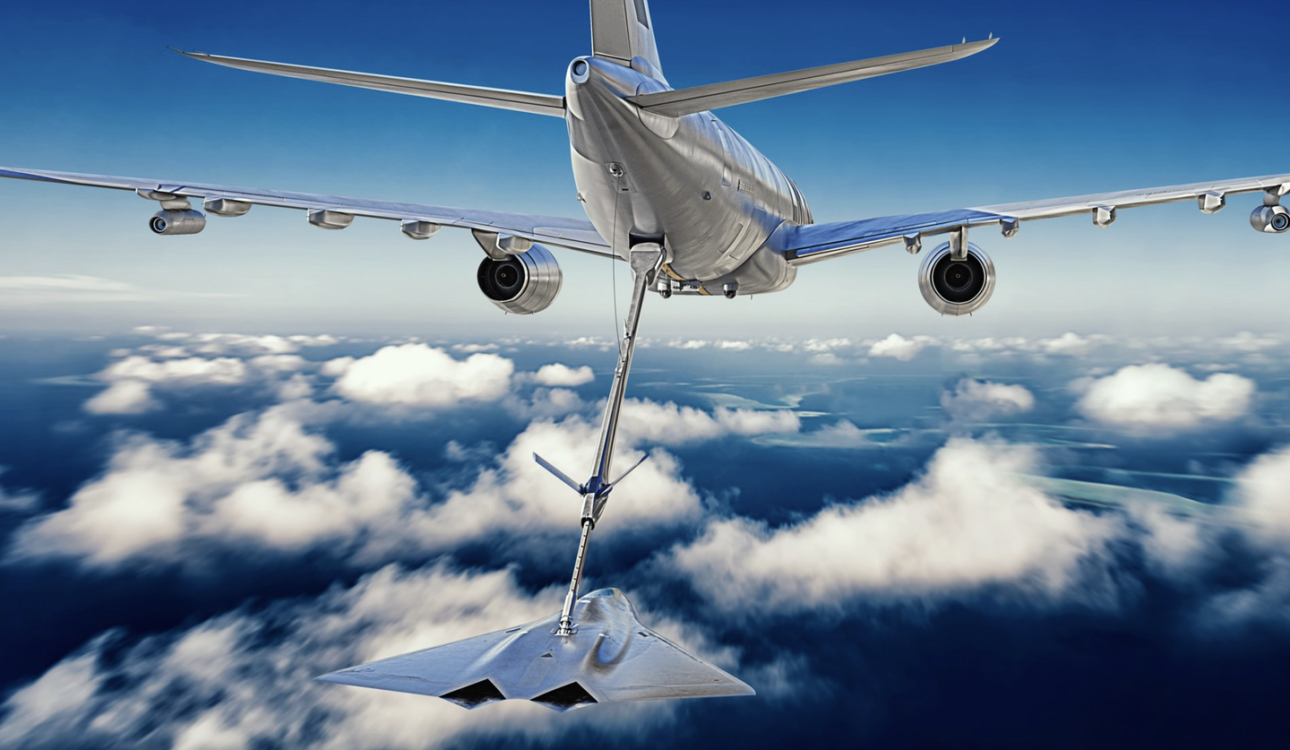
Image: Lockheed Martin showing a refueling NGAD fighter.
“In the interim, the F-35 is the only fighter I’m aware of that can make that bridge” to a new air dominance structure for the U.S., Taiclet said.
What Would the Ferrari version of the F-35 Look Like?
The Lockheed “fifth-generation +” F-35 would feature enhanced stealth, new sensors, advanced electronic warfare capabilities, and potentially even pilot-optional technology. The goal is to achieve roughly 80 percent of the capability of a sixth-generation fighter at half the cost.
Powerplants already exist to make the Air Force F-35A faster, with better climb and acceleration, plus more electricity for sensors and processors. GE Aerospace and Pratt & Whitney developed the Adaptive Engine Transition Program (AETP) engines.
The AIM-260 Joint Advanced Tactical Missile—also developed by Lockheed—is a highly classified air-to-air missile in testing and is intended to restore some of the F-22’s “first look, first kill” capability by being able to shoot a stealth target as soon as it is detected. In sufficient quantities, the AIM-260 would be available to equip a large part of the F-35 force and extend its lethal reach.
Why Does The US Air Force Need The F-47?
While details are very scarce about the F-47, “the capabilities that it brings to the fight are game-changing,” said Maj. Gen. Joseph Kunkel, the service’s director of force design, integration, and wargaming.
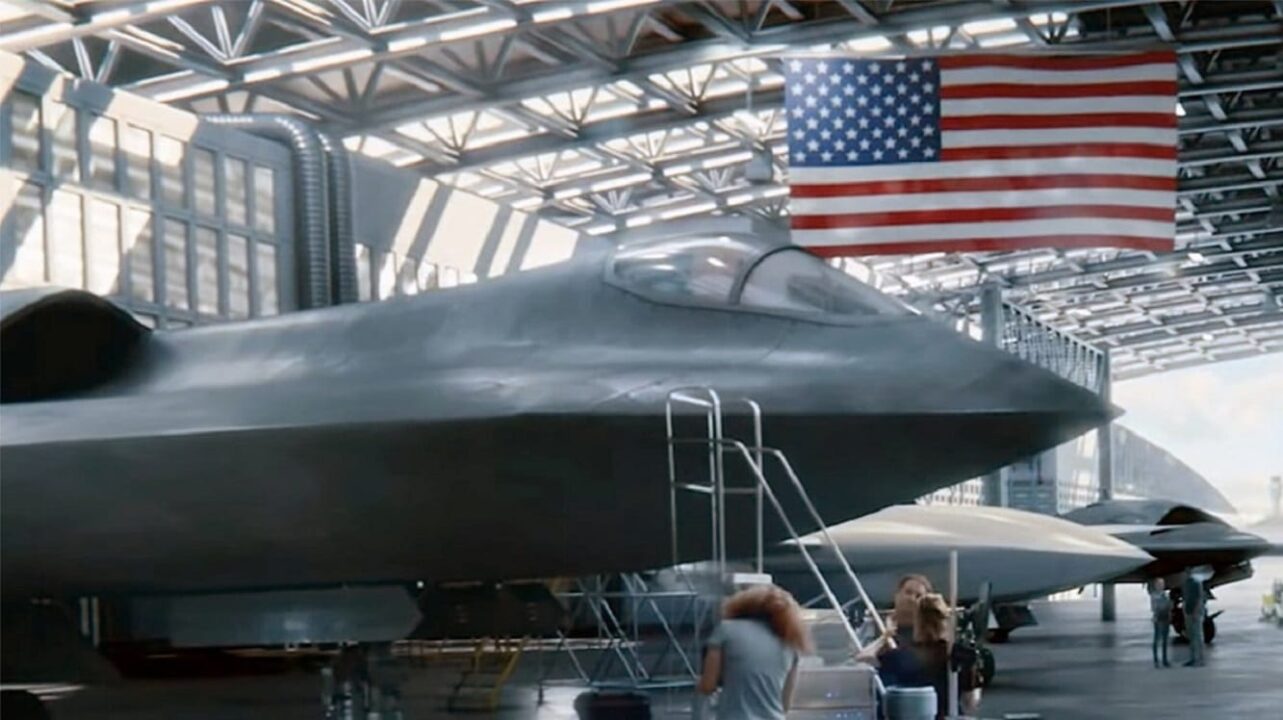
NGAD artist concept from Northrop Grumman.
“The F-47 absolutely does matter and changes the character of the fight,” not just for the Air Force but the entire Joint Force as well, he said. The aircraft allows “the Joint Force to get places where it otherwise couldn’t. … It allows us to move closer to the adversary and allows us to counter the adversary in ways we can’t” currently.
Addressing Evolving Threats
The F-47 is designed to counter advanced threats, including those from potential adversaries with sophisticated air defense systems. Our potential adversaries are already testing sixth-generation stealth fighters.
The F-47 will ensure the US maintains its air dominance advantage, a crucial factor in projecting power and deterring potential aggressors, especially when China will outnumber our aircraft in a possible conflict in the Indo-Pacific.
Enhanced Capabilities
The F-47 is expected to offer significant improvements over the F-22 in terms of range, stealth, and connectivity, allowing it to operate in more challenging environments and with greater effectiveness.
The F-47 is designed with a “built to adapt” mindset, making it easier to upgrade and integrate new technologies as they emerge.
Integration with Collaborative Combat Aircraft (CCA)
The F-47 will be a key component of the Air Force’s broader NGAD program, which includes CCAs – AI-driven drones that will act as “loyal wingmen” and enhance the F-47’s capabilities.
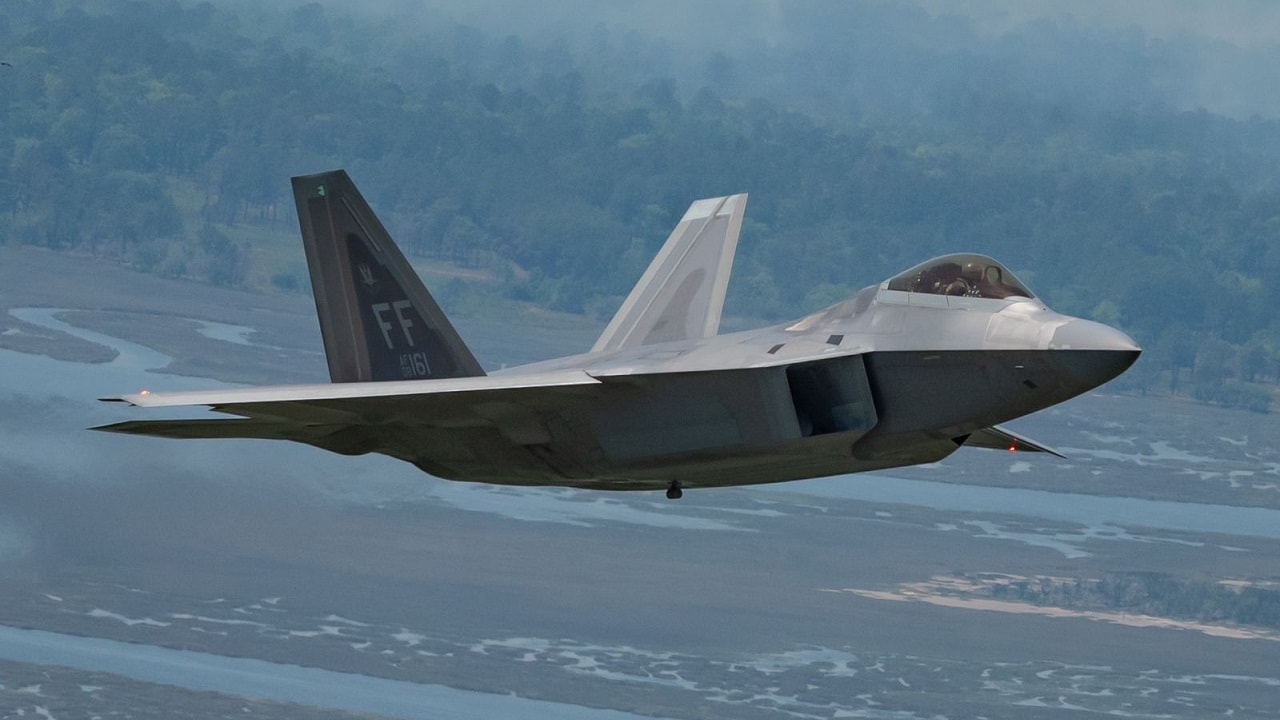
F-22 Raptor. Image Credit: Creative Commons.
The F-47 is not just a replacement for the F-22; it’s a fundamental shift in how the US will project airpower, with a focus on networked, adaptable, and highly capable systems.
Technology is forever moving forward at ever faster rates. The F-22 and the F-35 are outstanding aircraft, serving as the standard against which other aircraft are measured. But they are fifth-generation fighters.
The F-47 is not fifth-gen; it is a new sixth-generation stealth fighter. It isn’t built to win the wars of yesterday, or even just the wars of today. It is being built to win the US’s air wars of the future.
The F-47 is needed and must be produced at a level to keep our enemies at bay.
About the Author: Steve Balestrieri
Steve Balestrieri is a National Security Columnist. He served as a US Army Special Forces NCO and Warrant Officer. In addition to writing on defense, he covers the NFL for PatsFans.com and is a member of the Pro Football Writers of America (PFWA). His work was regularly featured in many military publications.