
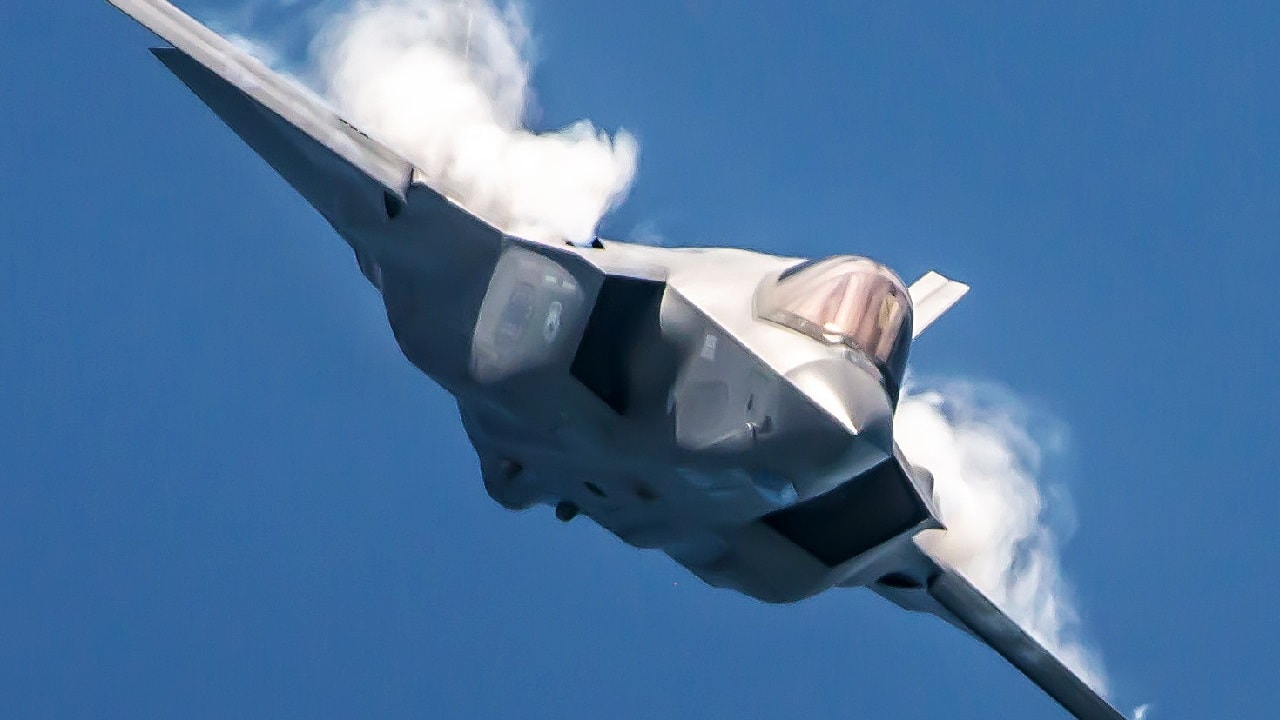
Summary and Key Points: The F-35 program faces a new crisis as Lot 17 aircraft are reportedly being delivered without radars.
-While intended to carry the next-generation AN/APG-85, engineering mismatches between the new GaN-based system and current bulkhead mounts have stalled installation.
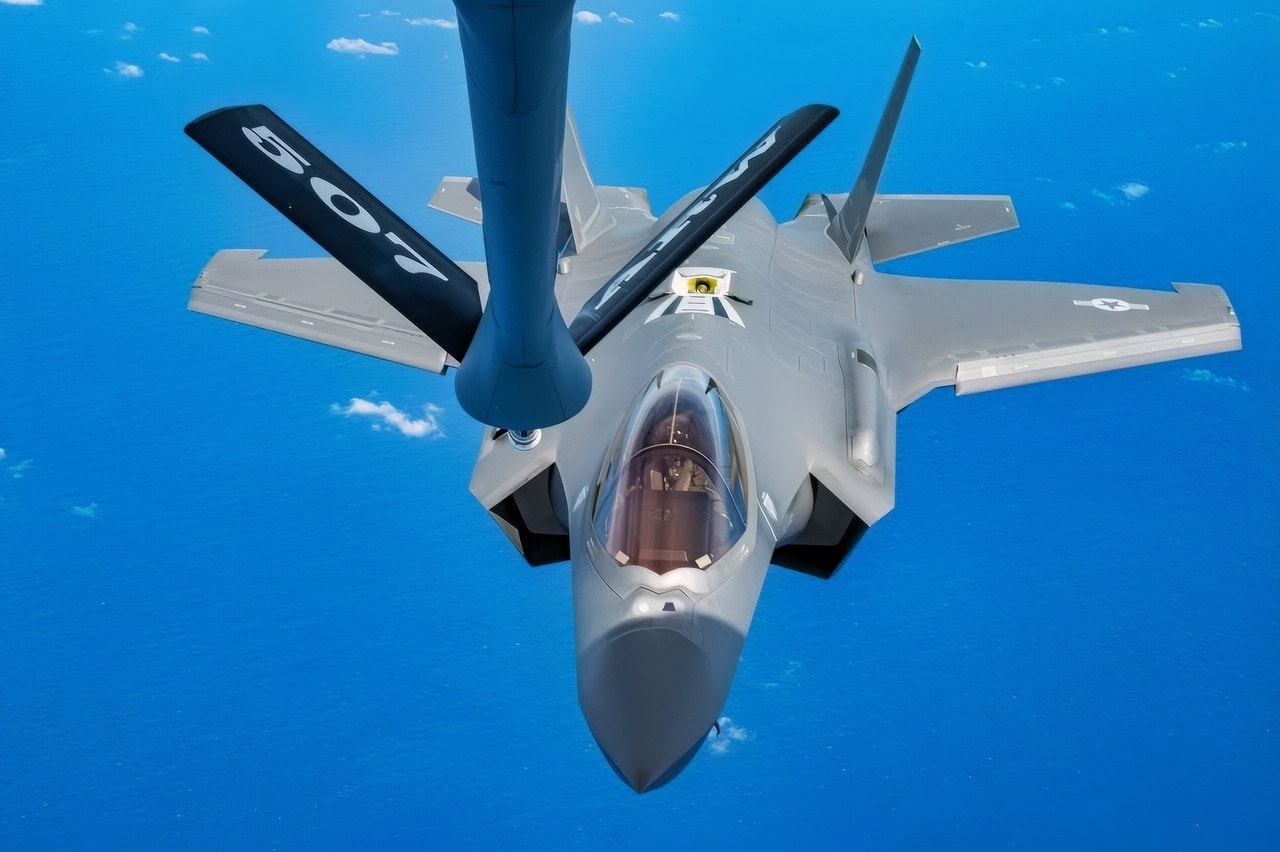
A U.S. Air Force F-35A Lightning II assigned to the 134th Fighter Squadron, Burlington Air National Guard Base, Burlington, Vermont is in pre-contact over the U.S. Indo-Pacific Command area of responsibility before receiving fuel from a U.S. Air Force KC-135 Stratotanker assigned to the 465th Air Refueling Squadron, Tinker Air Force Base, Oklahoma during exercise Cope North 2025, Feb. 7, 2025. The KC-135 provides the core aerial refueling capability for the U.S. Air Force and has performed this role for over 50 years. It provides aerial refueling to the U.S. Air Force, U.S. Navy, U.S. Marine Corps and allied nation aircraft during CN25 to support exercise operations. (U.S. Air Force photo by Staff Sgt. Caleb Roland)
-Although the jets remain “sensor-rich” via passive EOTS and data-sharing, the lack of an onboard AESA radar cripples independent air-to-air search and electronic attack.
-With a universal “dual mount” solution potentially years away, this setback adds to the Block 4 modernization delay, now projected by the GAO to stretch until at least 2031.
Why the U.S. Military is Receiving F-35 Stealth Jets Without Radars
According to a recent Defense Daily report, the U.S. military received F-35 Lightning II fighter jets without radar, and the F-35 Joint Program Office (JPO) has since refused to comment on the story. In response to a request for comment by TWZ, the F-35 JPO simply described how F-35 aircraft “are being built to accommodate the F-35 advanced radar (APG-85) for [the] U.S. Air Force, Navy, and Marine Corps.”
A spokesman also confirmed that initial fielding for some F-35s is planned for Lot 17 – a $7.8 billion Lockheed Martin contract option for the production and delivery of 126 F-35 aircraft that began delivery in 2025 and is expected to conclude in September 2026.
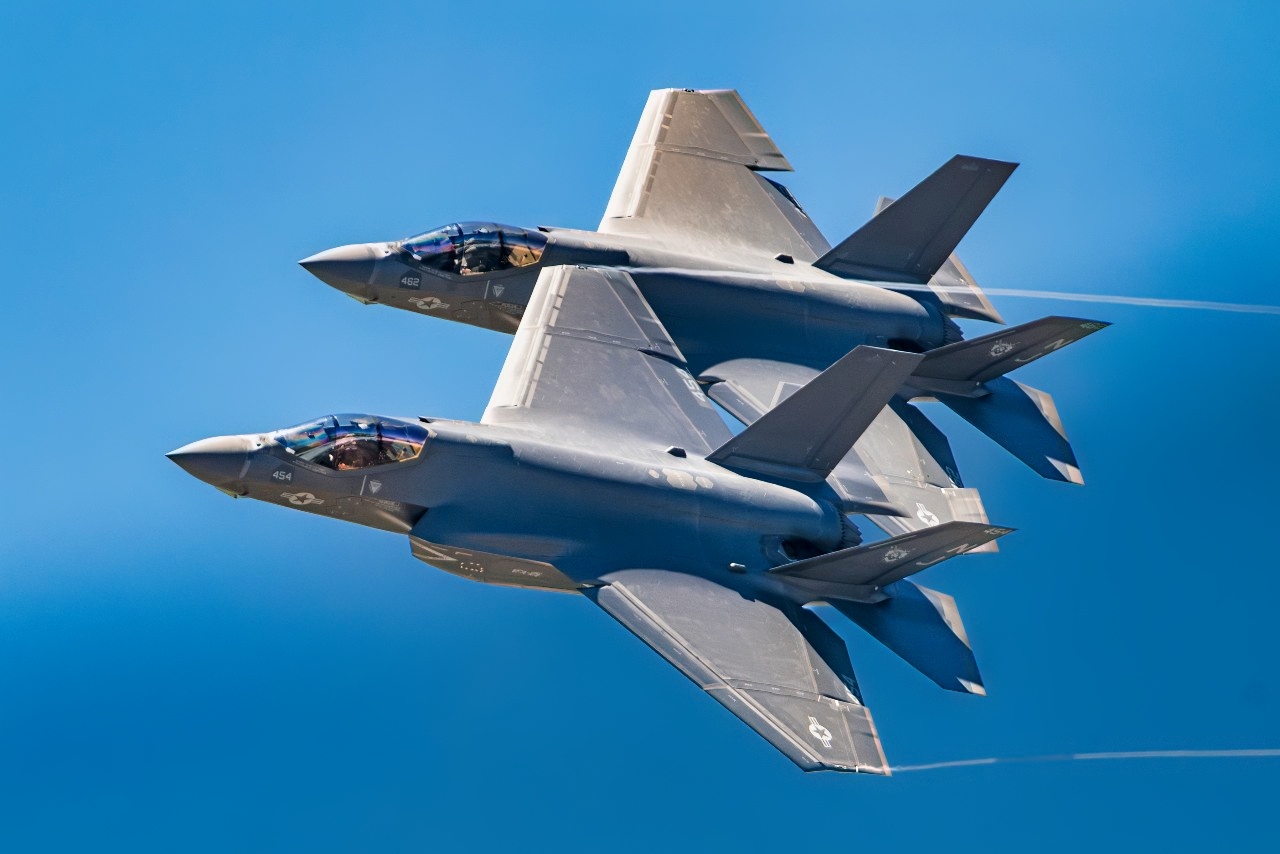
The U.S. Navy F-35C Lighting II Demo Team performs a flight demonstration at the Wings Over South Texas Air Show. This year’s air show marks Wings Over South Texas’s first return to Naval Air Station Corpus Christi since 2019.
Delivered With No Radars?
According to recent reports, Lot 17 F-35s, which began delivery last year, may be entering service without their full onboard radar systems. The aircraft in question, delivered to the U.S. military since June 2025, were expected to be fitted with the new APG-85 radar, replacing the APG-81 radar on Block 5 F-35s, beginning with Lot 17. The latest reporting indicates, however, that the radar system has been plagued by delays that have prevented it from entering production.
The APG-85’s development was first publicly acknowledged by the F-35 JPO in 2023, shortly before Northrop Grumman confirmed that it was developing the next-generation radar system for America’s most advanced fifth-generation stealth fighter.
“Northrop Grumman Corporation (NYSE: NOC) is developing AN/APG-85, an advanced Active Electronically Scanned Array (AESA) radar for the F-35 Lightning II. Northrop Grumman currently manufactures the AN/APG-81 active electronically scanned array (AESA) fire control radar, the cornerstone to the F-35 Lightning II’s sensor suite,” a January 11 statement revealed.
Reports from early February indicate that radar mountings in the nose of the F-35 fighter differ between the current and next-generation radar systems, both developed by Northrop Grumman. The design difference has made fielding the new radar system difficult, pushing its expected delivery to Lot 20, possibly within the next two years.
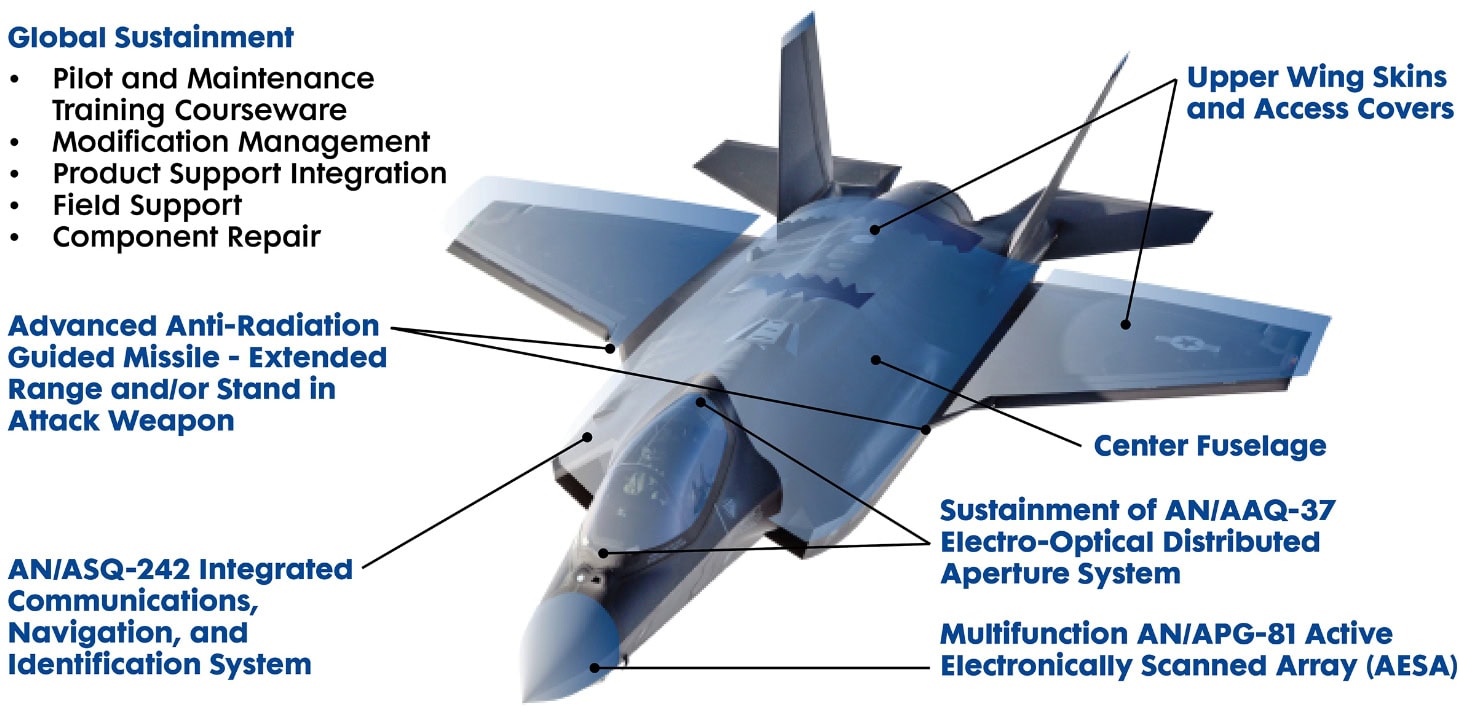
F-35 Fighter. Image Credit: Industry Handout.
The problem was acknowledged during an interview off the House floor on February 3 with Republican Rep. Rob Wittman, who said that delivering the aircraft with the new APG-85 radar system was currently “challenging.”
“The bulkhead configuration is key because for both of the radars, they are very different,” the congressman said. “Remember, the bulkhead configuration allows the placement of the radar towards the attitude of the array, and the attitude of the array makes all the difference in the world about how the radar operates.”
Sources familiar with the problem have said that the chances of a fix being implemented soon are low, with a new dual mount that can accommodate both the APG-85 and APG-81 could take another two years to develop and field.
In its response to TWZ’s request for comment, the F-35 JPO said that “program security reasons” were preventing them from providing additional information.
What That Means
Delivering F-35 aircraft without the radar system doesn’t mean that they are blind, but it does mean that they are missing key features that make the platform so advanced. The F-35’s Distributed Aperture System (DAS) and Electro-Optical Targeting System (EOTS) provide passive sensing, and aircraft operating alongside the jets can share radar data through the Multifunction Advanced Data Link (MADL).
Without an onboard radar, however, independent air-to-air search is impossible, and some of the aircraft’s electronic warfare capability will be limited. And there lies the controversy: the F-35 is designed around sensor fusion, and the radar is central to that architecture.
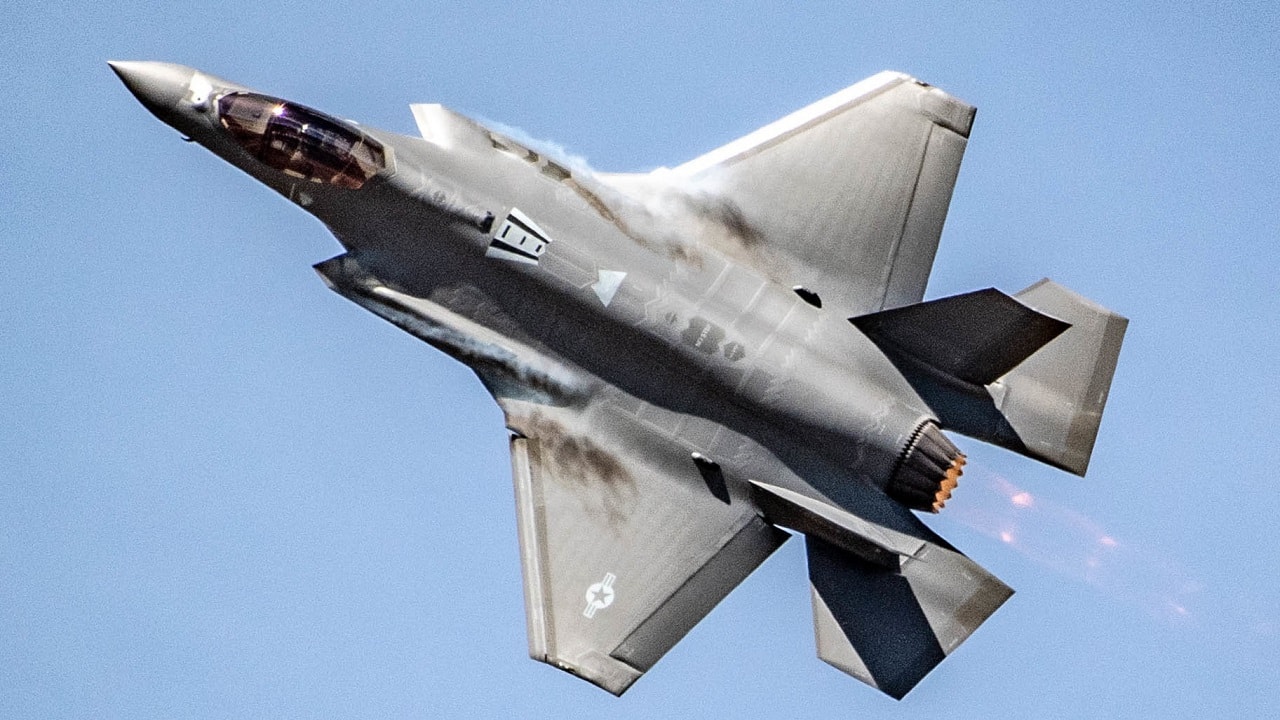
U.S. Air Force Maj. Kristin Wolfe performs a demonstration in the F-35A Lightning II during at the Reno Air Races in Reno, Nevada, September 19, 2021. The F-35 Lightning II Demonstration Team is based out of Hill Air Force Base, Utah. (U.S. Air Force photo by Tech. Sgt. Nicolas Myers)
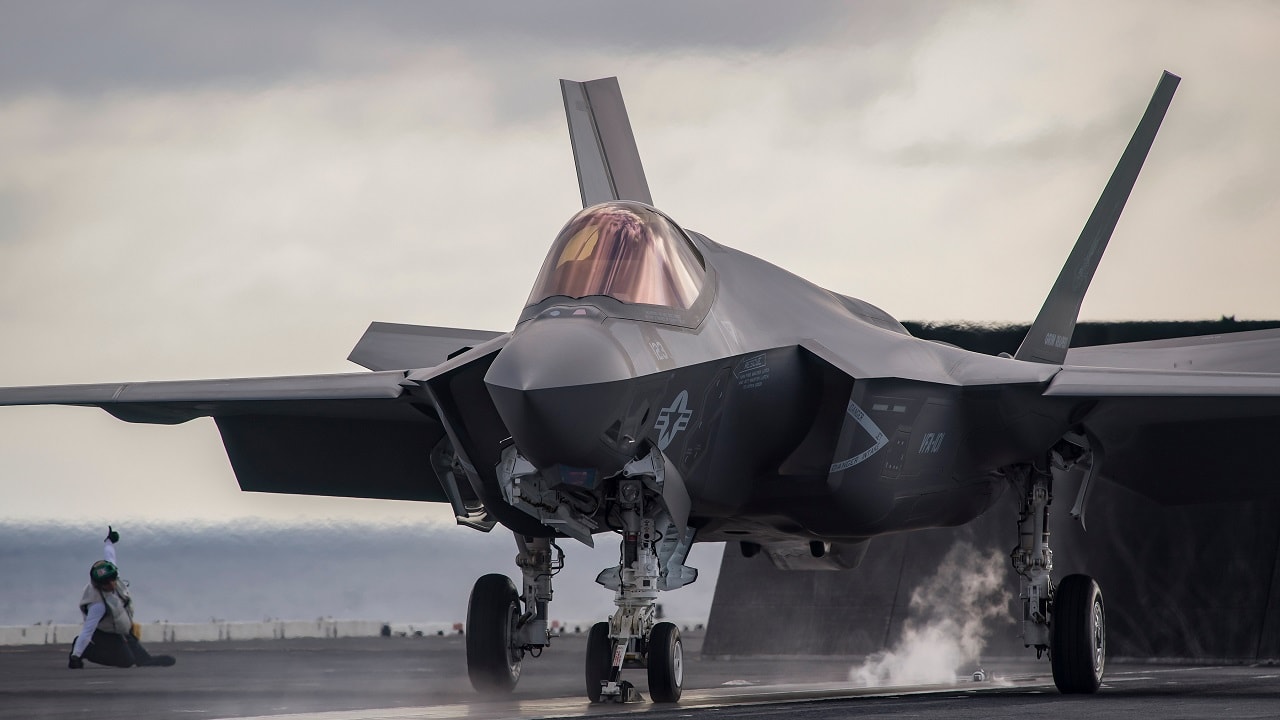
F-35 Joint Strike Fighter on carrier operations.
The APG-85 and Block 4 Pressures
The AN/APG-85 is intended to replace the APG-81, a radar system that began development in 2001 and is based on 1990s technology. While some specifications remain classified, the new radar is expected to use gallium nitride (GaN) technology to improve power efficiency and electronic attack capability. Northrop Grumman has described the new radars as a foundational improvement for the next-generation F-35s.
“The AN/APG-85 is an advanced multifunction sensor that will be compatible with all variants of the F-35 aircraft and will be capable of defeating current and projected adversarial air and surface threats,” a statement from 2023 claimed.
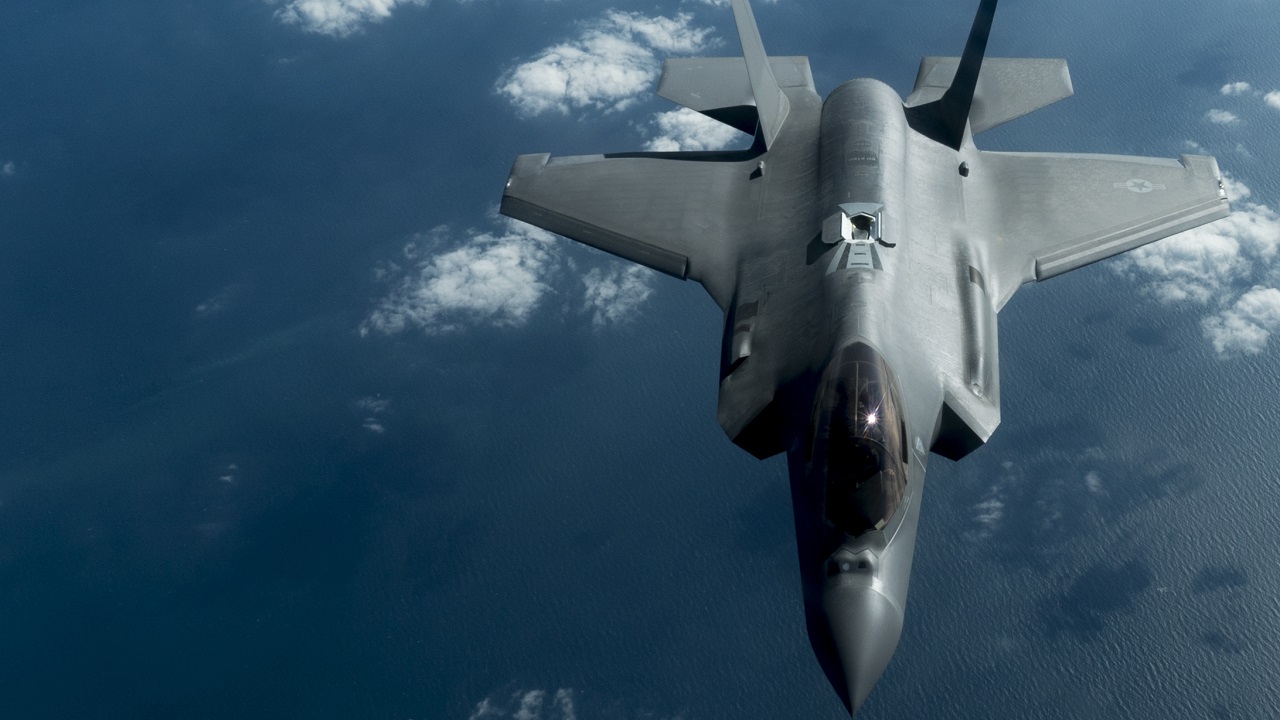
A U.S. Air Force F-35 Lightning II aircraft, assigned to the 34th Expeditionary Fighter Squadron, flies over the U.S. Central Command area of responsibility, Jan. 07, 2019. The Lightning II is a fifth-generation fighter, combining advanced stealth with fighter speed and agility that provides U.S. Air Forces Central Command lethal war-winning airpower. (U.S. Air Force photo by Senior Airman Brandon Cribelar)
The new radar is part of more than 75 major upgrades within the Block 4 initiative to ensure the F-35 remains competitive until 2070.
In September 2025, the Pentagon confirmed that the F-35’s Block 4 modernization will not be complete until 2031 at the earliest – five years later than its originally anticipated conclusion date of 2029. The new estimate was published by the Government Accountability Office, revising its original timeline from May 2024.
About the Author:
Jack Buckby is a British researcher and analyst specialising in defence and national security, based in New York. His work focuses on military capability, procurement, and strategic competition, producing and editing analysis for policy and defence audiences. He brings extensive editorial experience, with a career output spanning over 1,000 articles at 19FortyFive and National Security Journal, and has previously authored books and papers on extremism and deradicalisation.