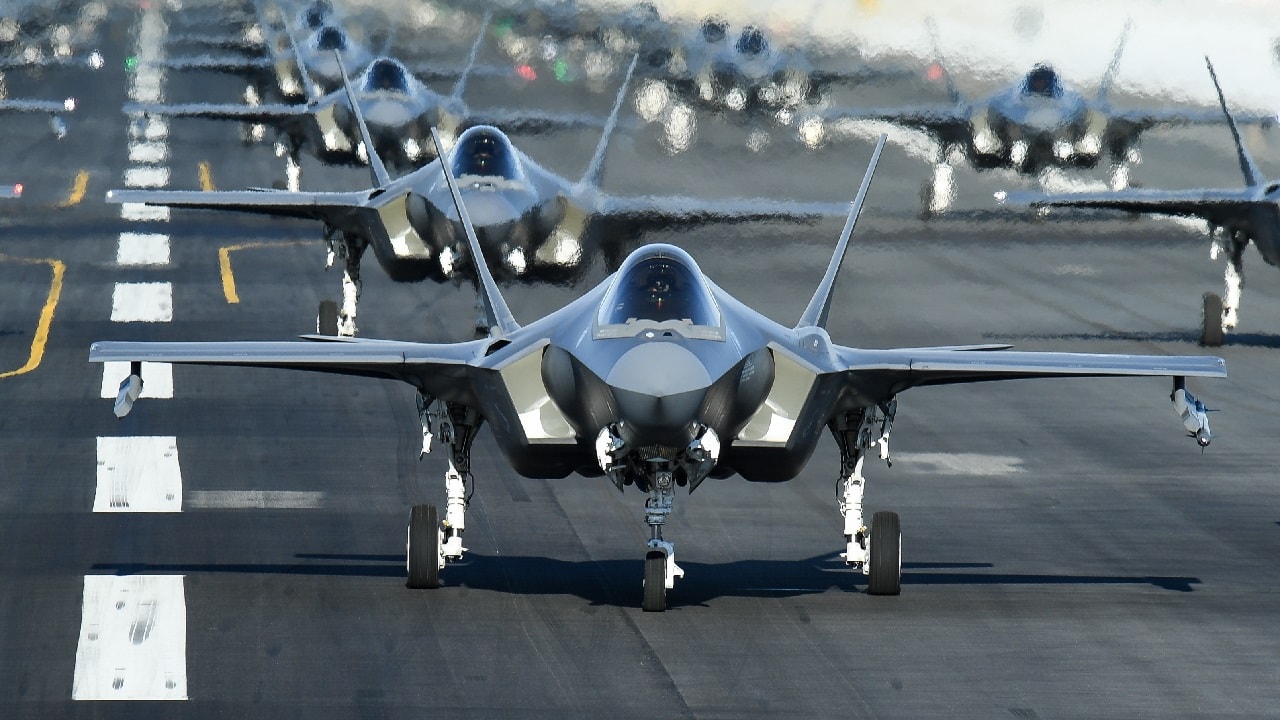
Summary and Key Points: Switzerland’s decision to procure 36 Lockheed Martin F-35A fighters over the Eurofighter Typhoon, Super Hornet, and Rafale was driven by a decisive “technological advantage.”
-According to the Swiss Federal Council’s Air2030 report, the F-35 achieved the highest situational awareness through superior sensor fusion and networked systems.
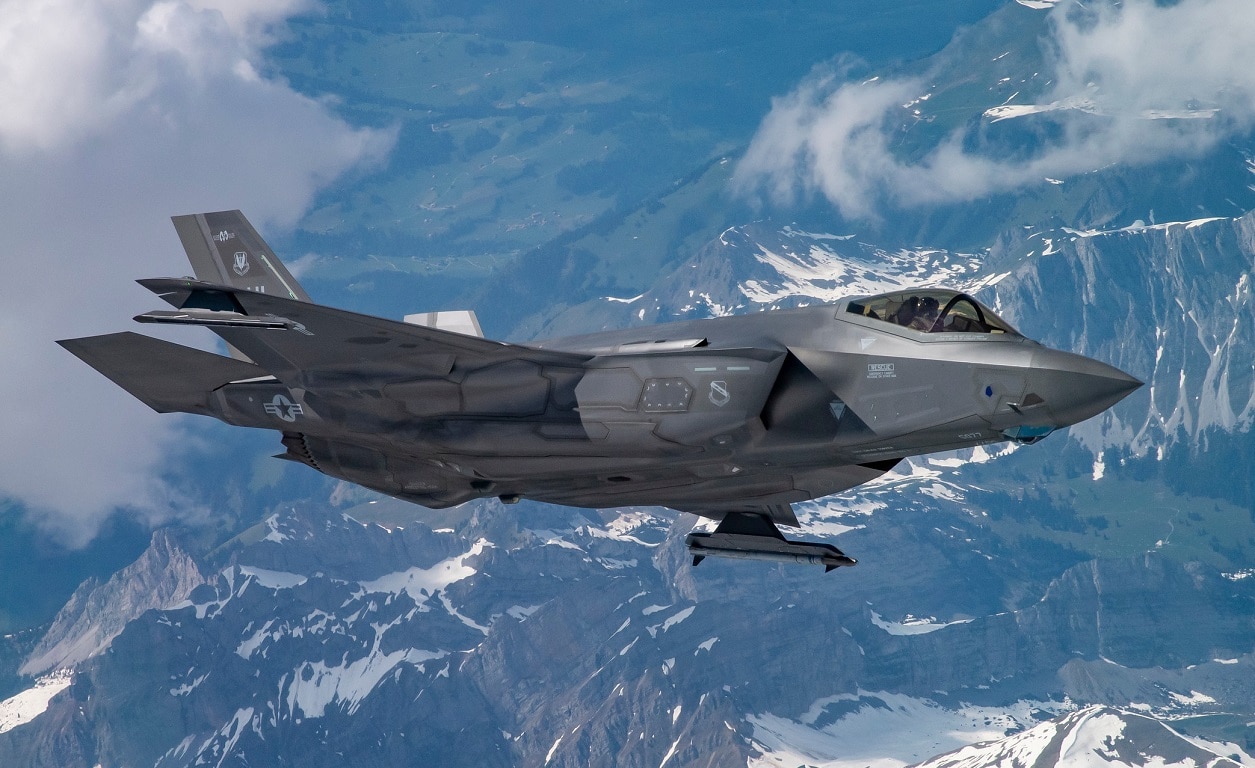
F-35A air-to-air during flight test evaluations in Switzerland. This image is cleared for use by Swiss Armasuisse, Nadine Schröder
-By selecting the F-35, Switzerland has joined a growing European “Joint Strike Fighter” thread, signaling the end of 4th-generation dominance.
-Despite years of cost controversy, the Swiss “fly-off” results validated that the F-35 offers an “information superiority” that legacy platforms simply cannot match in a modern threat environment.
Why Switzerland Ditched the Eurofighter for the F-35
Switzerland’s decision to acquire the F-35 Joint Strike Fighter several years ago seemed to send ripples through the European Continent, leading some to suggest that the 5th-generation aircraft will indeed become a unifying NATO-Europe thread of continuity, if not begin to emerge as the stealth fighter for the “free world.”
Following Switzerland’s decision, Germany and the Czech Republic also joined the F-35 community of nations. The pace at which new countries have embraced the F-35 tells its own factual story, a reality seemingly at odds with the consistent criticisms levied against the F-35 program.
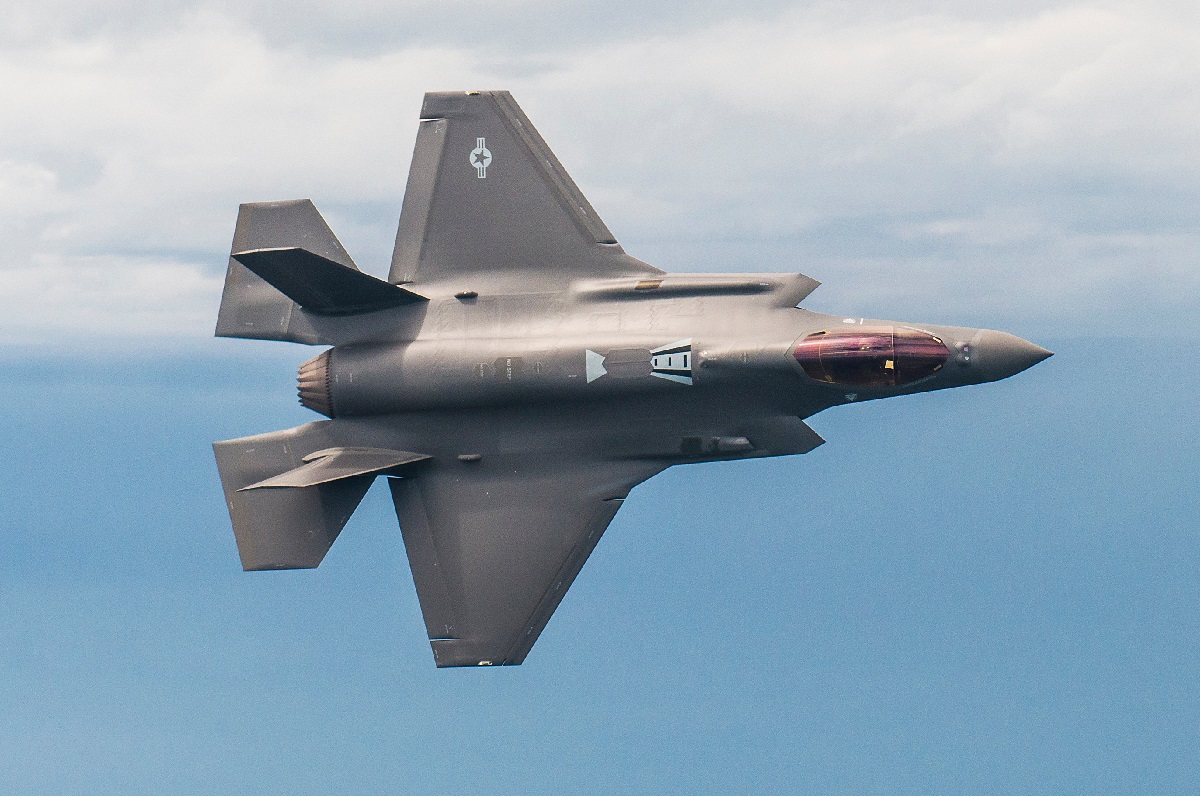
F-35. Image Credit: Lockheed Martin.
Many are likely to wonder how this happened, as the F-35 journey has been complex, marked by controversy and embattled by a chorus of critics and cost concerns for many years.
Certainly, the program’s early pains have long since subsided, and the aircraft is heralded by pilots and militaries alike, but are there must be additional reasons for this massive F-35 global expansion?
F-35 vs 4th-Gen Fighters
Just what is it that makes the leap from 4th- to 5th-generation so decisive with the F-35?
Why does there appear to be a massive overmatch or discrepancy between the targeting, detectability, and combat effectiveness of the F-35 when compared with upgraded 4th-generation aircraft?
Such a statement, which may have been considered an exaggeration earlier in the F-35 program, is far from theoretical.
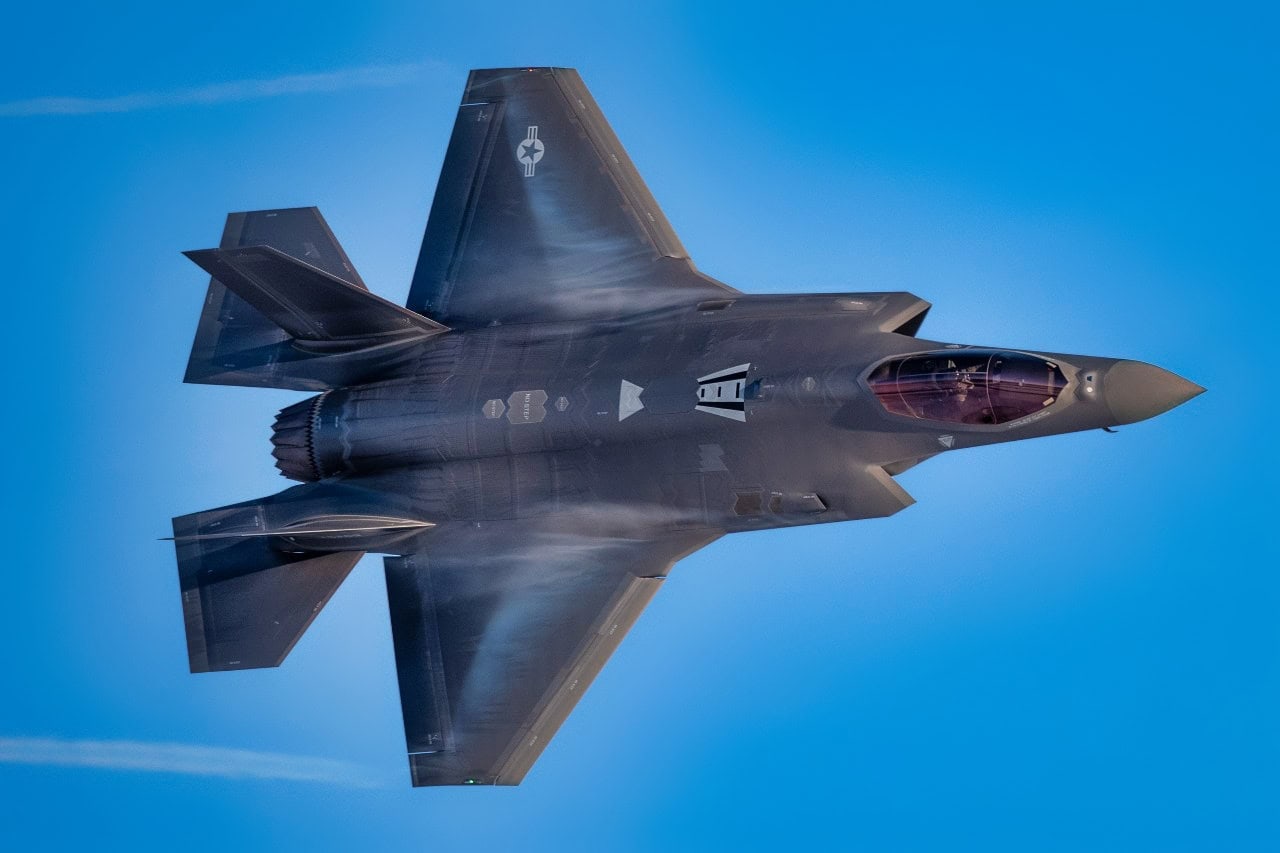
An F-35A Lightning II soars over Hill Air Force Base during a demonstration practice Jan. 10, 2020, at Hill AFB, Utah. The F-35 Demo Team is scheduled to perform at 22 airshows during the 2020 season. (U.S. Air Force photo by Senior Airman Alexander Cook)
Air Force war games, such as Red Flag, have for years shown that a single F-35 can detect and “eliminate” groups of advanced 4th-gen aircraft from ranges where it remains undetected.
Also, there are now many years of US and European pilot testimonials, live-fire tests, multinational drills, and war-preparation exercises lending credibility to the aircraft’s stated merits.
There is also the simple, unavoidable reality that F-35 customers have expanded worldwide as the program has evolved from eight or nine member nations to 18 in recent years.
Some may be inclined to ask why countries consistently choose the F-35, particularly given the European Typhoon, Rafale, Eurofighter, and a handful of allied and rival-nation 5th- and 6th-generation stealth fighters at various stages of production and development.
Swiss Analysis
An interesting assessment, performed and published by the Federal Council of the Swiss Government, outlines the parameters and variables that informed its decision to purchase the F-35.
Before announcing its decision to purchase the F-35, the Swiss government and military conducted a thorough investigation, assessment, and test, or “fly-off,” among a small group of candidate aircraft.
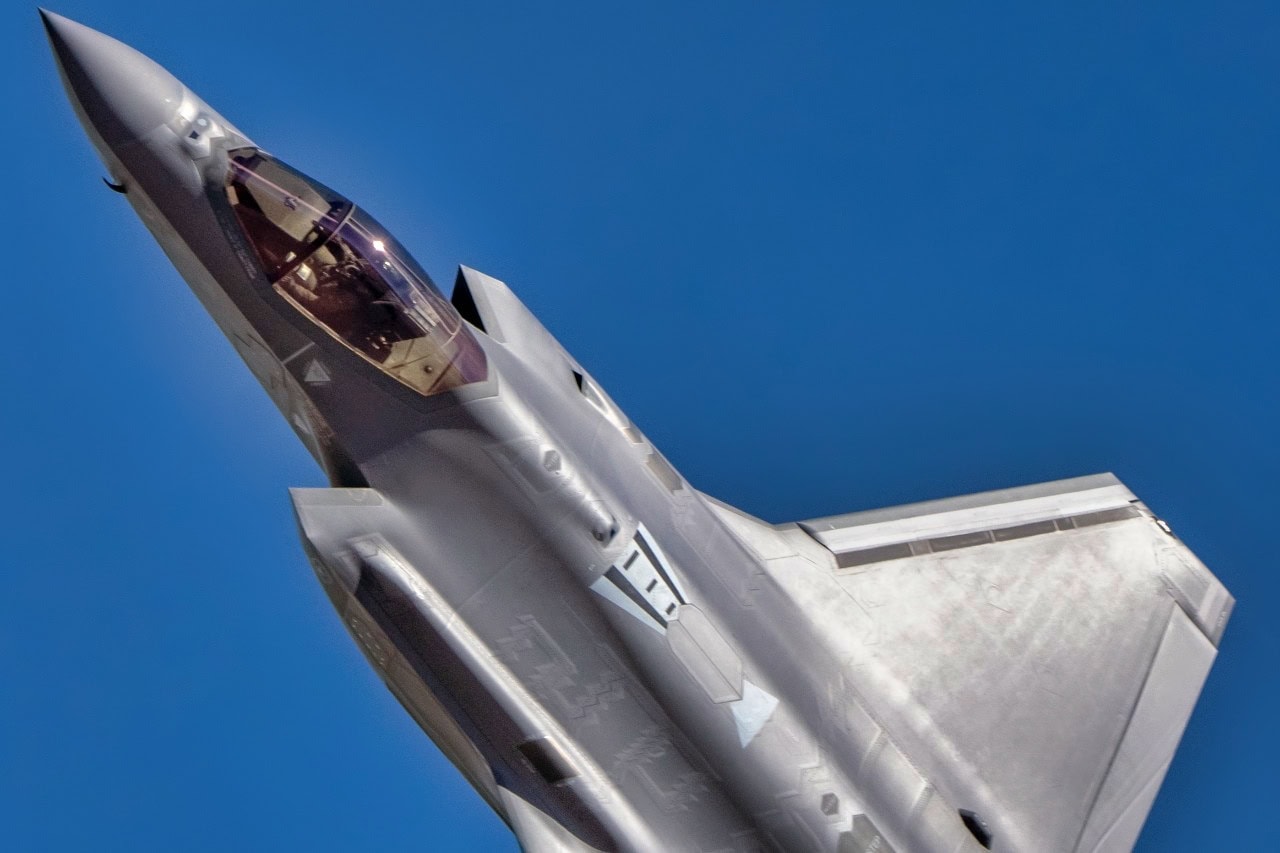
U.S. Air Force Maj. Kristin “BEO” Wolfe, F-35A Lightning II Demonstration Team pilot and commander, flies during the 2021 Reno Air Races, Reno, Nev., Sept. 18, 2021. The 2021 Reno Air Races featured performances from the U.S. Air Force F-35A Demo Team and the U.S. Air Force Thunderbirds. (U.S. Air Force photo by Capt. Kip Sumner)
A paper published by the Swiss Federal Council in 2021, titled “Air2030: Federal Council Decides to Procure 36 F-35A fighter aircraft,” details the scope of the fly-off.
“The Federal Council based its decision on a comprehensive technical evaluation of four new fighter aircraft candidates (Eurofighter by Airbus, Germany; F/A-18 Super Hornet by Boeing, USA; F-35A by Lockheed Martin, USA; Rafale by Dassault, France).”
Technical Advantage
Certainly, the Swiss paper cannot be oversimplified into a few words, yet it unequivocally states that a determined F-35 “technological advantage” drove the decision.
Another critical two-word phrase used in the Swiss report is “information superiority,” often associated with discussions of the F-35’s sensor fusion, high-fidelity long-range sensors, and computing power.
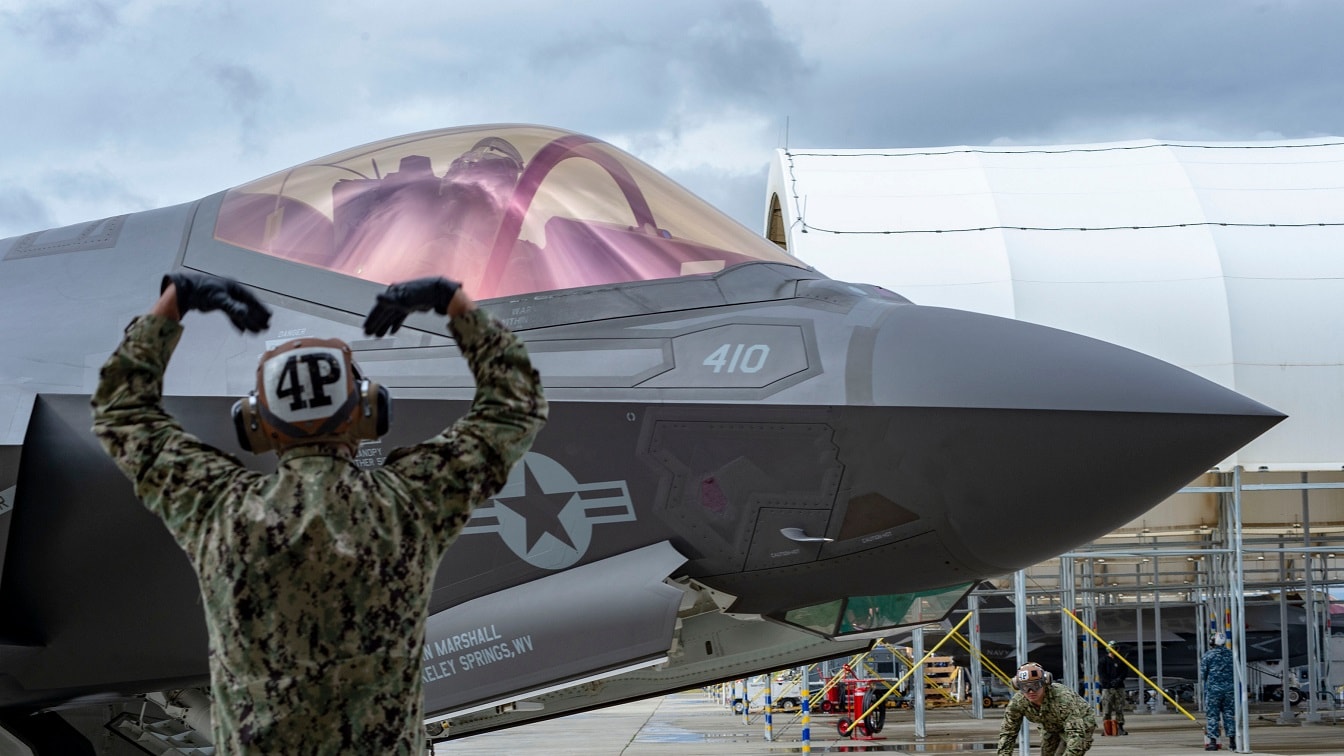
190221-N-WR119-0029 NAVAL AIR STATION LEMOORE, Calif. (Feb. 21, 2019) Airman Loren Price, a plane captain assigned to the “Argonauts” of Strike Fighter Squadron (VFA) 147, warns F-35C Lightning II pilot Cmdr. Patrick Corrgan of surrounding maintenance personnel after the aerial change of command. VFA-147 is the first Navy operational squadron for the F-35C carrier variant that sets new standards in weapon system integration, lethality, maintainability combat radius and payload that bring true multimission power projection capability from the sea. (U.S. Navy photo by Mass Communication 1st Class Gilbert Bolibol/Released)
“The F-35A achieved the best result because it has a marked technological advantage over the other candidates: it includes entirely new, extremely powerful, and comprehensively networked systems for protecting and monitoring airspace. The F-35A can ensure information superiority; this means pilots benefit from a higher situational awareness in all task areas when compared with the other candidates,” the Swiss report says.
About the Author: Kris Osborn, Defense Expert
Kris Osborn is the President of Warrior Maven – Center for Military Modernization. Osborn previously served at the Pentagon as a highly qualified expert in the Office of the Assistant Secretary of the Army—Acquisition, Logistics & Technology. Osborn has also worked as an anchor and on-air military specialist at national TV networks. He has appeared as a guest military expert on Fox News, MSNBC, The Military Channel, and The HistoryChannel. He also has a Master’s Degree in Comparative Literature from Columbia.