
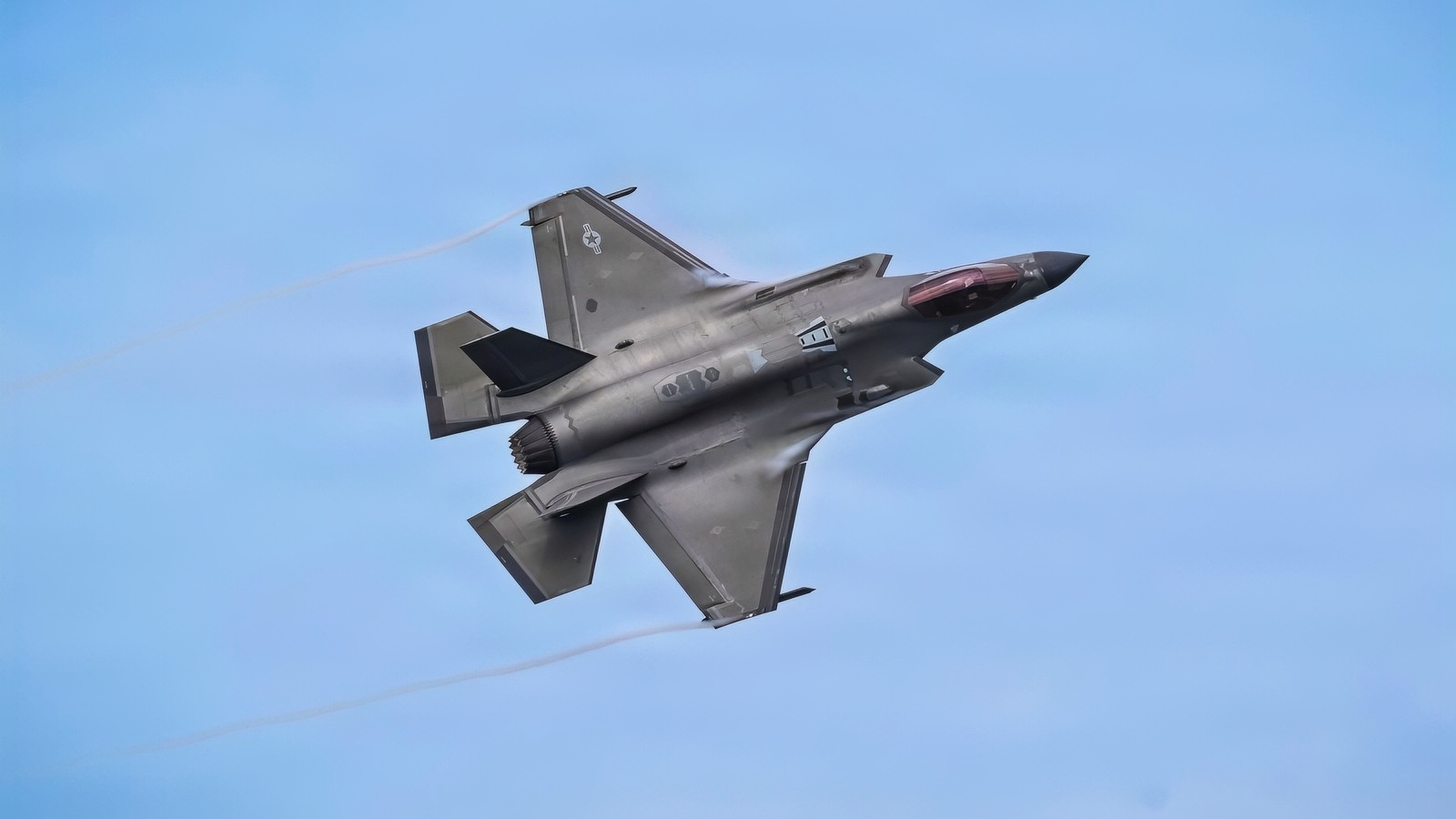
Is Trump’s F-35 Sale to Saudi Arabia Equivalent to Reagan’s AWACS Sale? – On September 17, 2026, the White House sent Congress notice that it planned to sell 30 F-35 Joint Strike Fighters to Saudi Arabia, a $24 billion deal. The timing of the deal is deliberate. The drone strike on Saudi Arabia’s East-West Petroline and the Houthi seizure of Mokha, a Yemeni town astride the Bab el-Mandeb, threaten Saudi Arabia’s ability to export oil through the Red Sea, its lifeline since Iran’s on-again, off-again closure of the Strait of Hormuz.
Crown Prince Muhammad Bin Salman faces perhaps the greatest crisis of his tenure, at least since the murder and dismemberment of former Saudi intelligence official turned Muslim Brotherhood activist and Washington Post columnist Jamal Khashoggi.
Congress has voiced concerns. The F-35 sale potentially violates U.S. Qualitative Military Edge commitments to Israel. For more than a half-century, both the U.S. Congress and Pentagon have guaranteed that Israel would always have a technological edge given its small size and population relative to its Arab neighbors. Saudi Arabia’s flirtation with both China and Turkey also raises questions of trust. If Turkey got kicked out of the F-35 program due to its purchase of Russia’s S-400 system, why should Saudi not suffer similar consequences given its membership in BRICS and its stewardship of the Mecca Pact. Perhaps these do not make Riyadh an adversary, but Bin Salman’s hedging raises questions about trust.
Nor will the F-35 solve Bin Salman’s Houthi problem. The Saudis have not been able to rein in the Houthis with airpower over the past 12 years, and the upgraded fighter jets will not change that dynamic. When Saudi Arabia bombed the Mokha Airport after its capture by the Houthis, it was little more than military and diplomatic virtue signaling.
After all, the Mokha Airport handled only two round trips weekly, equivalent to Amook Bay, Alaska. By closing the sale, both President Donald Trump and Bin Salman can convince constituents that they are taking action against the current threat, even though delivery and training mean any entry of F-35s into Saudi service is years, if not a decade, away. Neither Congress nor the press should fall for such sleight of hand.
F-35 sale or not, both Trump and Bin Salman must explain their strategy to keep the Red Sea open. Simply put, the F-35 is not it.
There is precedent to the sale, though. Just over 35 years ago, President Ronald Reagan announced he would sell five AWACS planes to Saudi Arabia, an $8 billion deal that also included Sidewinder missiles and aerial fuel tankers. Critics cited both the need to maintain Israel’s Qualitative Military Edge and concerns that advanced AWACS technology could fall into enemy hands, much as had happened with the F-14s the United States sold to Iran prior to the Islamic Revolution.
In today’s dollars, Reagan’s $8 billion deal would be worth about $30 billion. It was an inflated amount at the time that went unexplained until nine years later when Iraqi forces invaded Kuwait. During Operation Desert Shield, the United States staged an airlift to Saudi Arabia to move into air bases that were turn-key ready to receive U.S. forces.
In hindsight, while not explicit or acknowledged at the time, Reagan’s deal appears to have involved far more than AWACS and sidewinders and, at a minimum, coincided with Saudi efforts to revamp its defense capability for a generation.
F-35 Mistake?
The dangers of the F-35 deal are real, and they will do nothing to rescue Bin Salman from the mess his own Yemen policies created.
There is also a danger that Trump simply hopes to make an end run and normalize sales for his longstanding effort to bring Turkey back into the program.
But, as Congress begins its review, it should question whether Trump’s sale is the result of a hasty reaction, or part of a well-thought-out plan to tie the United States to Saudi Arabia together to face a growing challenge from Iran and other revisionist forces.
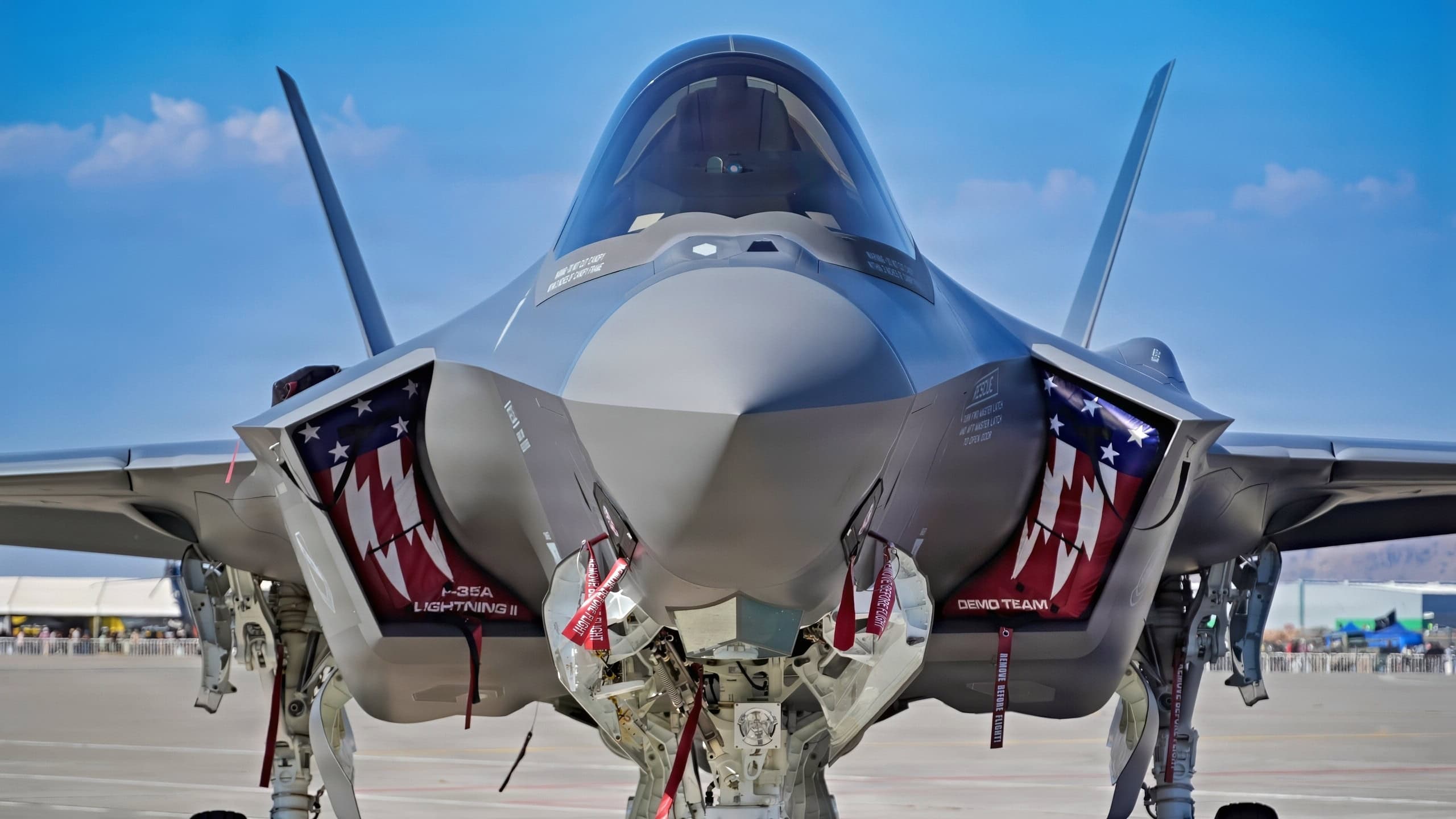
An F-35A Lightning II from the 388th Fighter Wing on display on a taxiway during Feria Internacional del Aire y del Espacio (FIDAE) in Santiago, Chile, April 11, 2026. The F-35A Lightning II is a fifth-generation multirole fighter designed for air superiority and precision strike missions. (U.S. Air Force photo by Staff Sgt. Derek Gutierrez)
Trump has yet to make the case. Frankly, Saudi Arabia’s pivot toward China, self-defeating actions in Yemen, and resistance to the Abraham Accords suggest Bin Salman has also not made the case about why Washington should anymore consider Riyadh a trusted partner.
About the Author: Dr. Michael Rubin
Michael Rubin is director of policy analysis at the Middle East Forum and a distinguished fellow at India’s Usanas Foundation. A former Pentagon official, Dr. Rubin was a senior fellow at the American Enterprise Institute for more than two decades. He has lived in post-revolution Iran, Yemen, and both pre- and postwar Iraq. Opinions expressed here are the author’s own.