
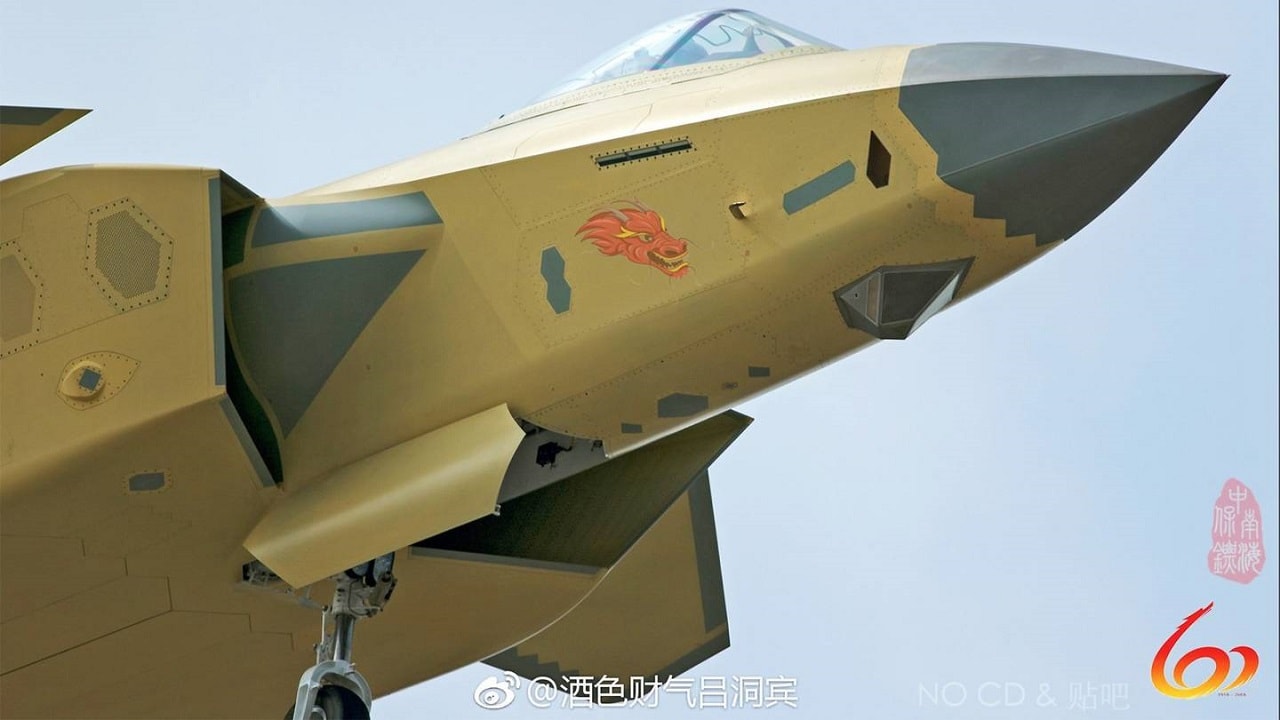
Summary and Key Points: Expert Harrison Kass examines China’s January 11, 2026, state-media claim, timed to the 15th anniversary of the J-20’s first flight, that the two-seat J-20S Mighty Dragon will conduct precision strikes against maritime targets alongside air superiority, electronic jamming, command and control and manned-unmanned teaming. USNI News reports the anti-ship payload is unidentified, with internal-bay fit and stealth unresolved. If real, the J-20S adds a stealth ship-hunter to China’s A2/AD network facing the US Navy near Taiwan.
The J-20S Stealth Fighter Looks Like a Threat
China has revealed that its latest J-20S Mighty Dragon stealth fighter variant is intended to conduct precision strikes against maritime targets.
The announcement, made by Chinese state media on January 11, 2026, marked the 15th anniversary of the J-20’s maiden flight and represents a potentially important expansion of the aircraft’s mission beyond its original emphasis on air superiority.
Beyond its maritime strike capability, the J-20S reportedly has enhanced electronic warfare, command-and-control, and manned-unmanned teaming capabilities.
The aircraft could pose challenges to American naval forces operating near Taiwan and throughout the western Pacific, though Beijing has not publicly demonstrated the J-20S’s anti-ship weapons or combat effectiveness.
What is the J-20S?
The J-20 is China’s first domestically produced operational fifth-generation stealth fighter, originally designed for air superiority missions with a more limited air-to-ground capability. The aircraft’s role has expanded in recent years.
The S variant is a two-seat variant intended to expand the aircraft’s operational profile.
Adding a second crewmember could help manage complex missions involving sensors, electronic warfare, and unmanned aircraft. Chinese state broadcaster CCTV describes the J-20S as being capable of medium- and long-range air superiority, precision strikes against ground and maritime targets, advanced situational awareness, electronic jamming, tactical command and control, and manned-unmanned teaming.
These are Chinese claims, of course, not independently confirmed capabilities of the aircraft.
The Importance of Maritime Strike
Modern naval warfare increasingly depends on detecting and attacking enemy ships before they can launch their own weapons.
Aircraft carriers, destroyers, amphibious assault ships, and logistics vessels are potentially valuable targets, and stealth aircraft could complicate their defense by evading detection.
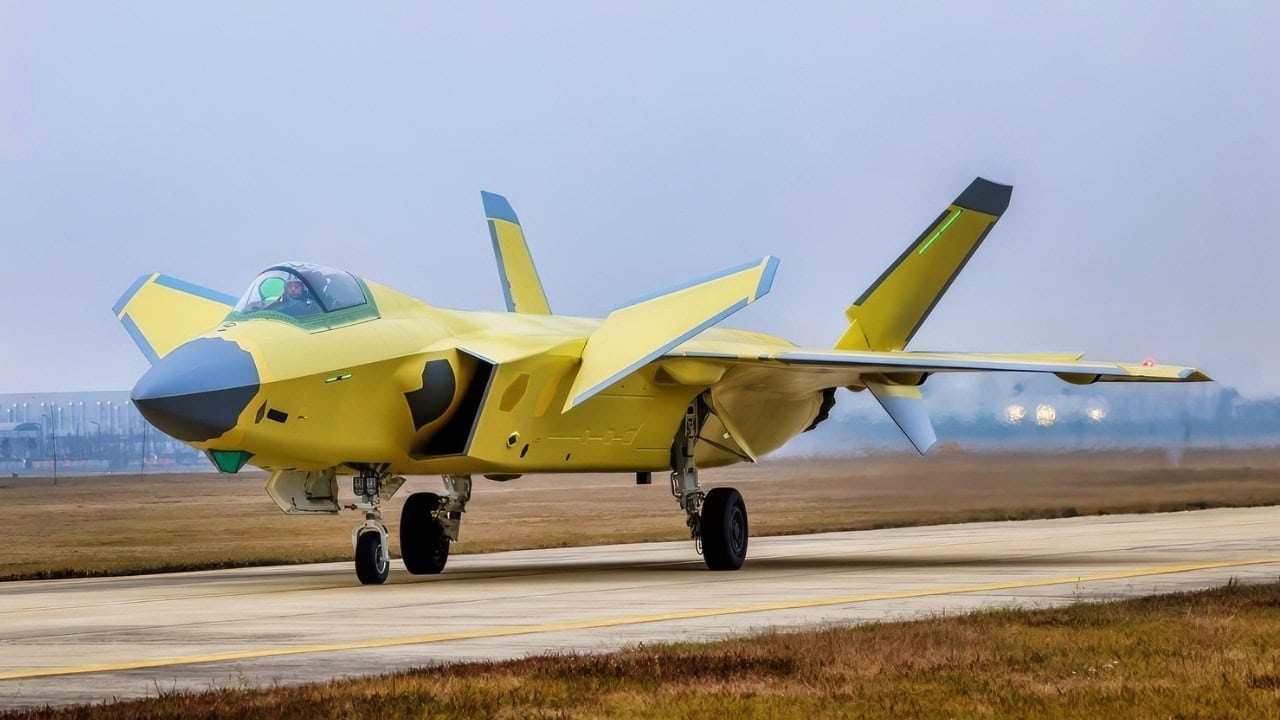
J-20 Fighter from China X Screenshot. Image Credit: Creative Commons.
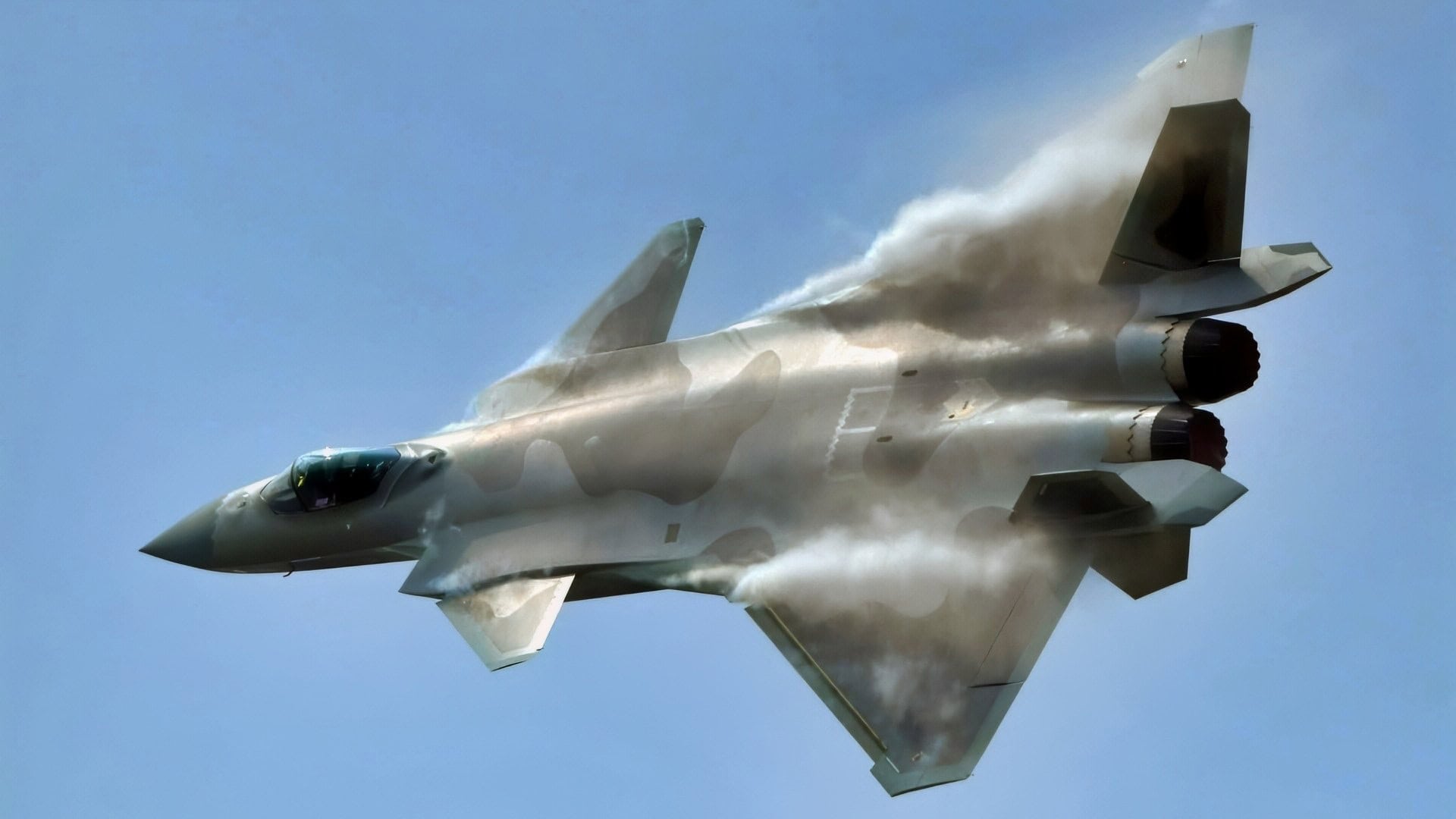
China J-20A Fighter. Image Credit: PLAAF.
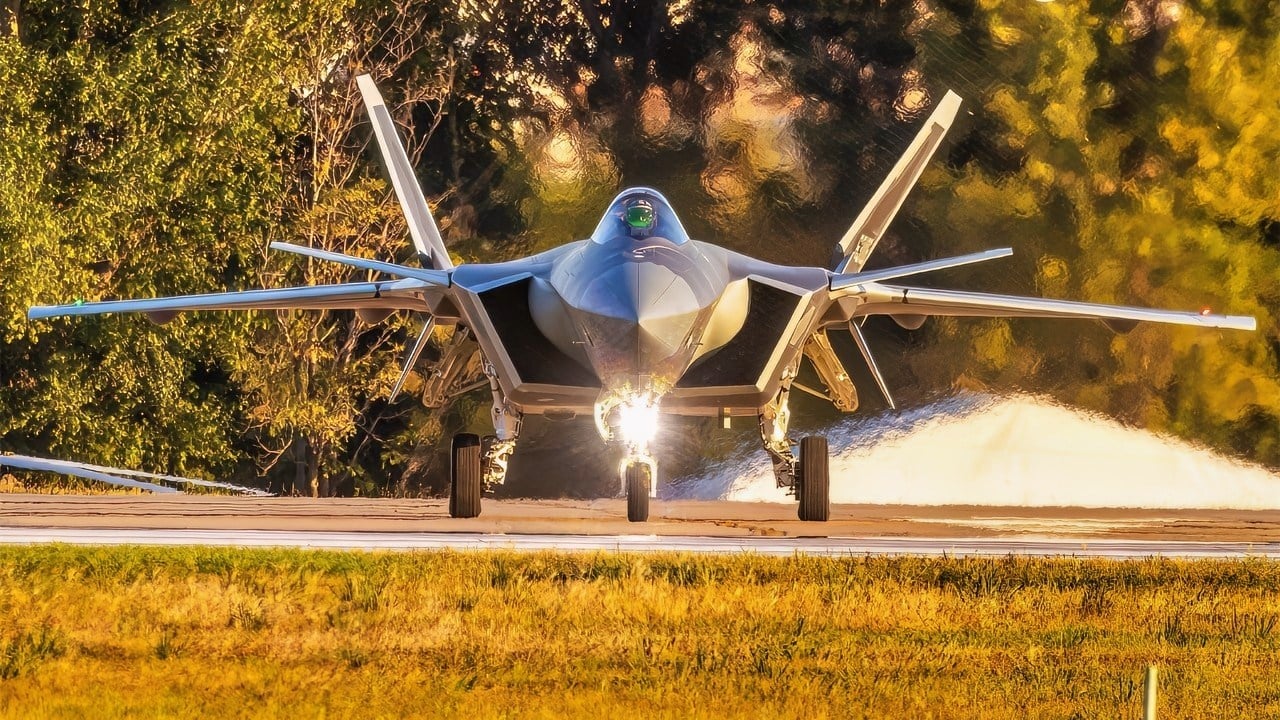
J-20 2026 New Image. Image Credit: PLAAF/Chinese Military.
A stealthy J-20S equipped with anti-ship weapons could approach contested maritime areas undetected, giving defense systems less time to react.
The S variant could also serve as a reconnaissance platform, providing targeting information to other Chinese aircraft or weapons systems.
This is particularly relevant to US Navy operations around the Taiwan Strait, East China Sea, South China Sea, and First Island Chain.
Weapons Compatibility
USNI News reported that the J-20S’s maritime strike payload remains unclear.
China has not publicly identified the specific anti-ship weapons intended for the aircraft.
So major questions remain outstanding, including whether anti-ship missiles would fit inside the J-20S’s internal weapons bays or whether larger weapons would require external carriage; how external weapons would affect the aircraft’s low-observable characteristics; and what range and targeting capabilities its weapons would provide.
Internal carriage matters because it helps preserve stealth.
And while China has separately developed an extensive inventory of advanced anti-ship weapons, it is not confirmed that those weapons are compatible with the J-20S. Obviously, weapons compatibility will dictate the aircraft’s maritime strike capabilities.
Manned-Unmanned Teaming
The potential pairing of manned and unmanned components should not be overlooked.
If true, one of the J-20S’s most significant potential capabilities is its ability to coordinate unmanned aircraft. China, like the United States, has demonstrated a growing interest in collaborative combat aircraft systems and other autonomous systems.
Because the J-20S has a two-seat configuration, one crewmember could focus on piloting while the other manages dedicated wingmen.
The unmanned asset could receive delegated missions, including reconnaissance and maritime surveillance, electronic warfare, jamming, target identification, decoy operations, and supporting strikes against defended targets that would be too high risk for a manned fighter.
Again, however, China’s actual ability to conduct sophisticated J-20S-led drone operations remains publicly unproven.
The Threat to the US
US Navy forces operating near the First Island Chain already face an expanding and formidable A2/AD network.
Existing threats include long-range anti-ship missiles, submarines, surface combatants, maritime patrol and strike aircraft, and shore-based surveillance and targeting systems.
The J-20S could add another potential attack platform to this network; a stealth aircraft capable of maritime strikes could pose a serious problem for allied forces near the First Island Chain. Indeed, the J-20S could represent a meaningful evolution in China’s airpower strategy.
About the Author: Harrison Kass
Harrison Kass is a writer and attorney focused on national security, technology, and political culture. His work has appeared in Tablet, City Journal, The Hill, The Spectator, and The Cipher Brief. He holds a JD from the University of Oregon and a master’s in Global & Joint Program Studies from NYU. More at harrisonkass.com.