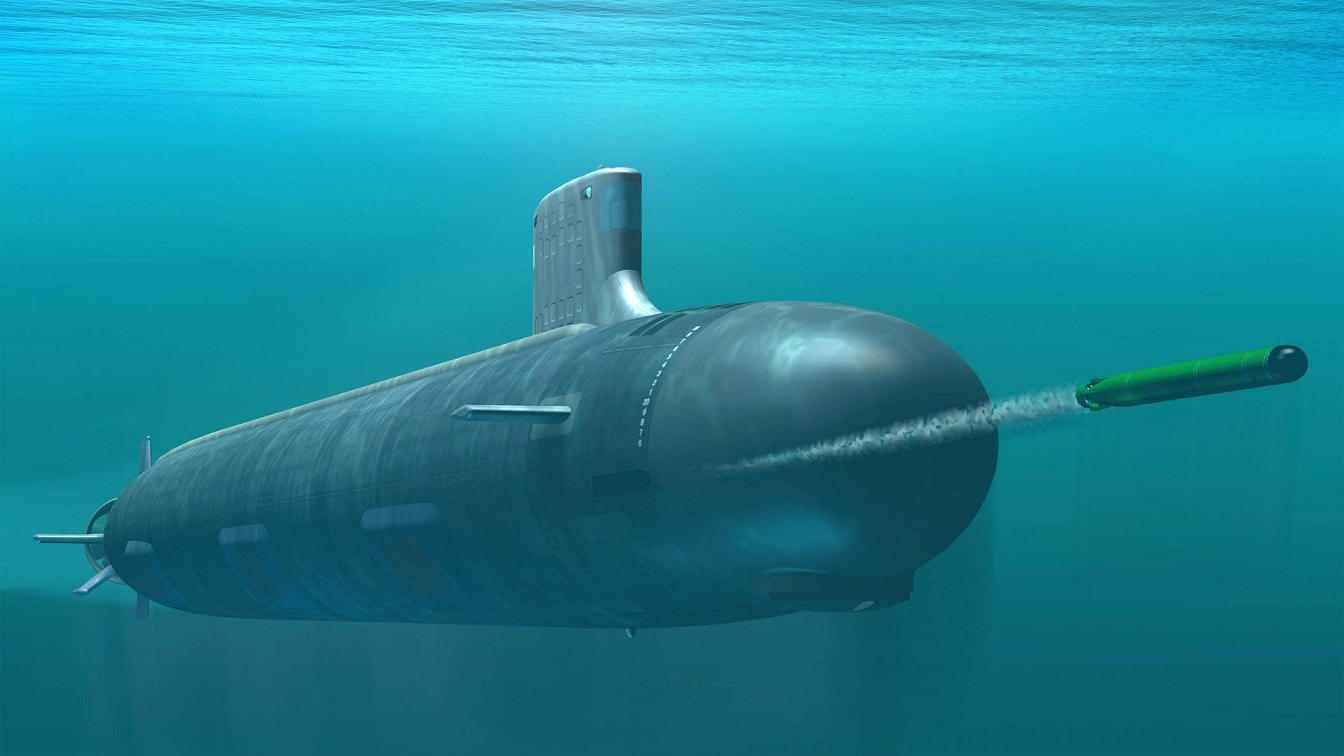
Summary and Key Points: Brandon J. Weichert argues the US Navy’s broken shipyards have sunk the SSN(X), the next-generation Virginia-class replacement. Procurement slipped from the mid-2030s to the 2040s so Electric Boat and Newport News can finish Virginias and Columbia-class boomers, despite a $622.8 million 2026 RDT&E request. The 10,000-ton, $8 billion boat pairs Seawolf speed with Virginia quieting, electric drive, and UUV mothership duty, as China outbuilds America 200 to 1 and a 14-year deterrence gap looms ahead.
The SSN(X) Problem
The United States Navy desperately needs to expand its fleet.
Its ships are aging and retiring faster than the Navy can replace them.
Meanwhile, China’s total shipbuilding capacity is 200 times that of the United States.
In fact, China already possesses the world’s largest Navy.
With each new ship, China enhances its capabilities and fleet size.
The Americans, however, keep plodding along, hoping reality can somehow be avoided (or that China will vanish as a strategic competitor).
The SSN(X) Is a Victim of the Navy’s Broken Shipyards
Now, the Navy is building the SSN(X), or the Next-Generation Attack Submarine Program, to replace the current-generation Virginia-class attack submarines.
But the program has faced complications and delays. Indeed, the initial procurement timeline slipped from the mid-2030s to the 2040s.
That’s because the Navy needs to free up space at its ailing shipyards to finish building the remaining Virginia-class attack submarines and the new Columbia-class ballistic missile submarines.
This is happening because the American defense industrial base is strained and getting more strained every year.
And what has Congress or the Trump administration done about it?
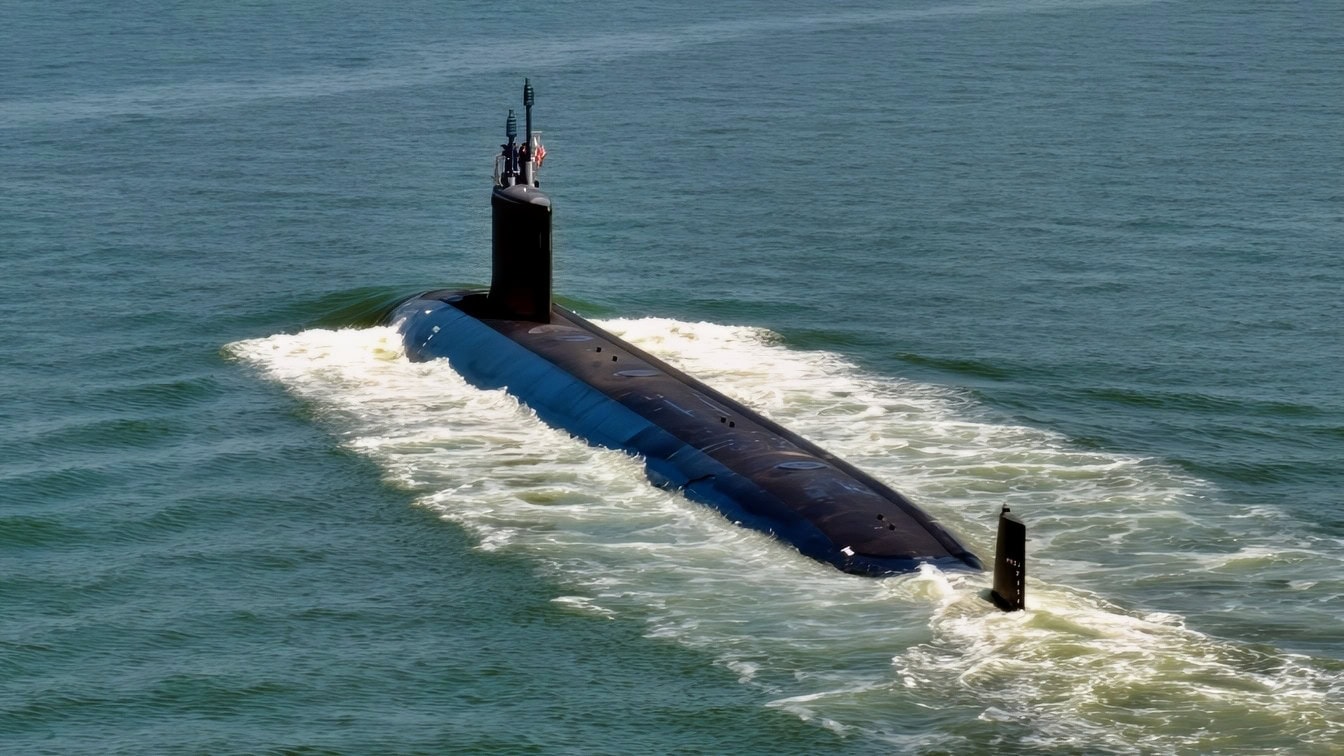
Virginia-Class Submarine USN Photo
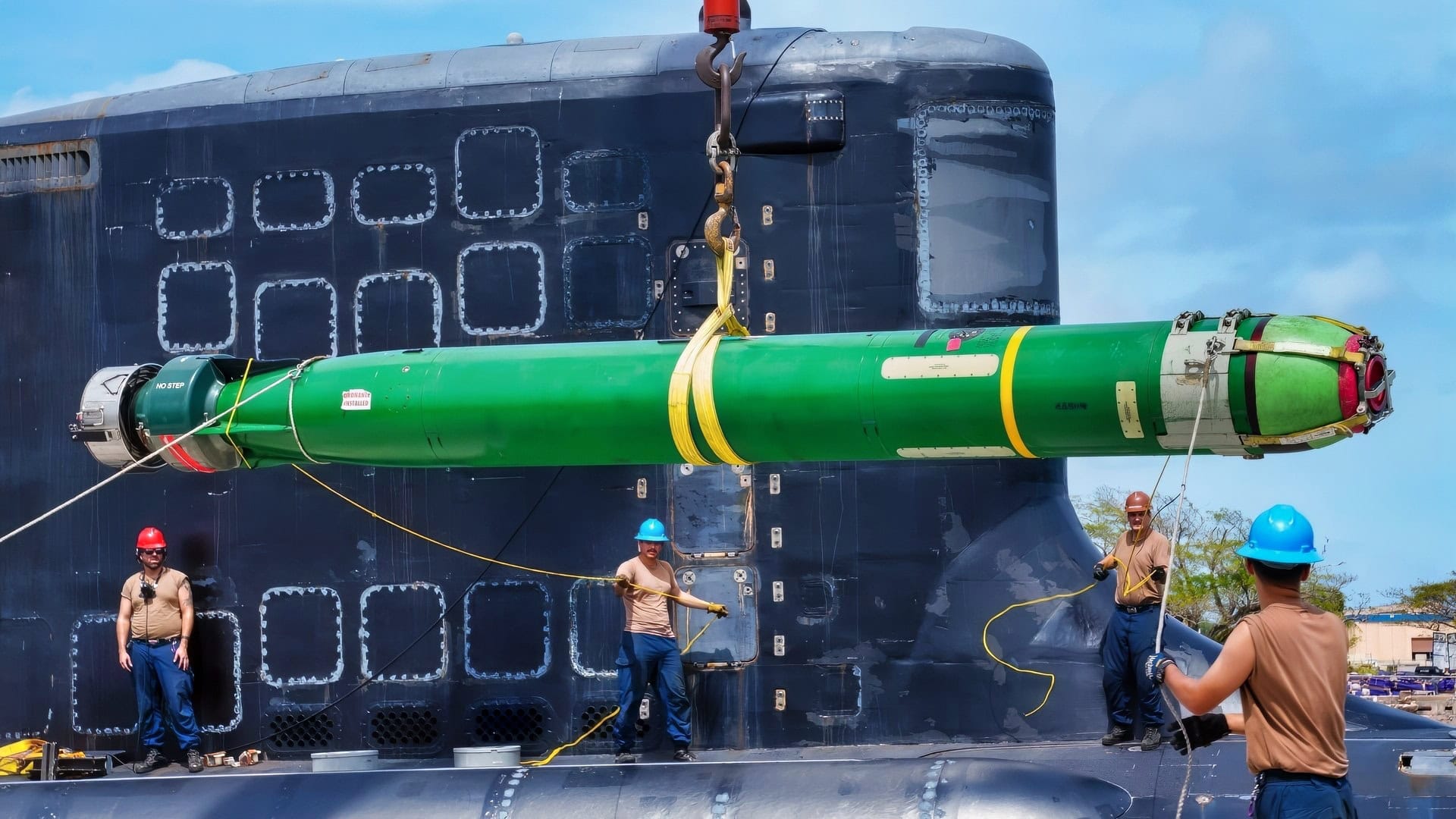
NAVAL BASE GUAM (Feb. 3, 2025) – Sailors assigned to the Virginia-class fast-attack submarine USS Minnesota (SSN 783) guide a Mark 48 ADCAP (Advanced Capability) torpedo during a weapons offload onboard Naval Base Guam, Feb. 3, 2025. Assigned to Commander, Submarine Squadron 15, based at Polaris Point, Naval Base Guam, Minnesota is one of five forward-deployed fast-attack submarines. Renowned for their unparalleled speed, endurance, stealth, and mobility, fast-attack submarines are the backbone of the Navy’s submarine force. Regarded as apex predators of the sea, Guam’s fast-attack submarines serve at the tip of the spear, helping to reaffirm the submarine force’s forward-deployed presence in support of a free and open Indo-Pacific. (U.S. Navy photo by Mass Communication Specialist 1st Class Nikita Custer)
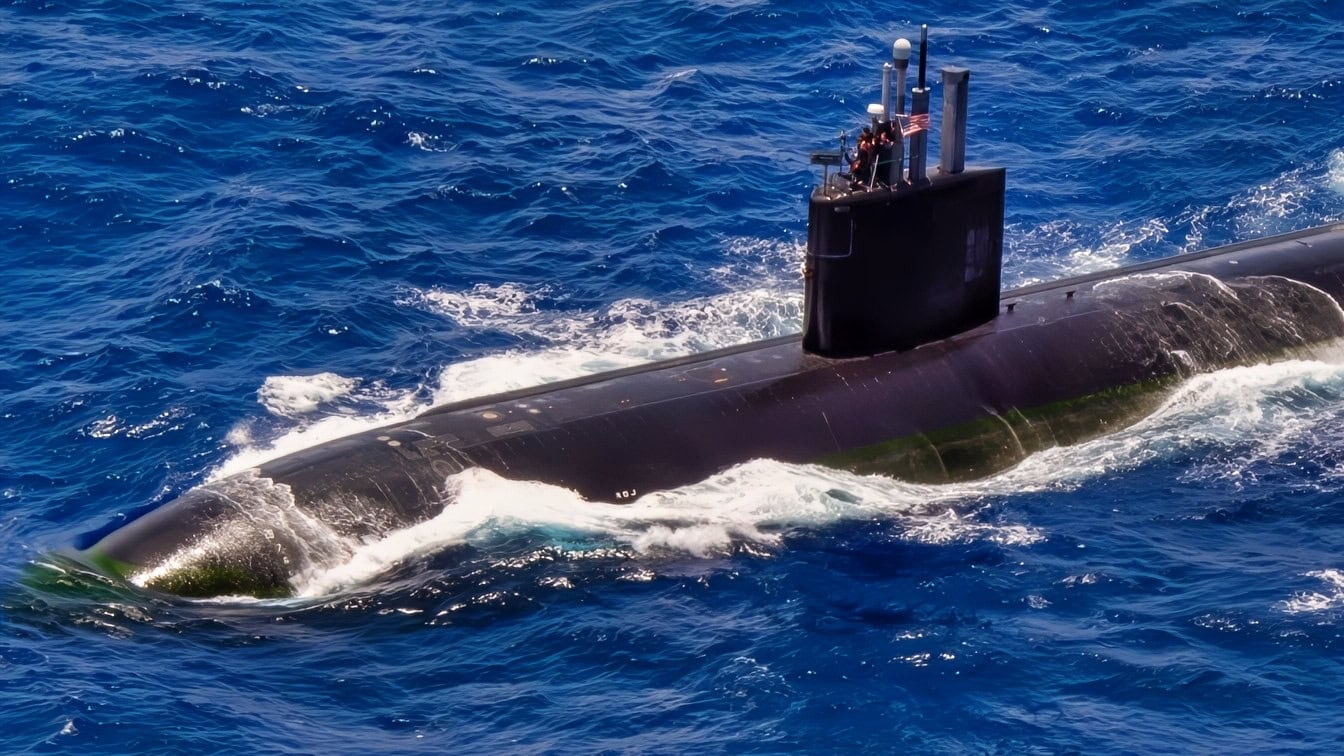
Virginia-class submarine USS North Carolina (SSN-777) sails during the at-sea phase of Exercise Rim of the Pacific (RIMPAC) 2024. Twenty-nine nations, 40 surface ships, three submarines, 14 national land forces, more than 150 aircraft and 25,000 personnel are participating in RIMPAC in and around the Hawaiian Islands, June 27 to Aug. 1. The world’s largest international maritime exercise, RIMPAC provides a unique training opportunity while fostering and sustaining cooperative relationships among participants critical to ensuring the safety of sea lanes and security on the world’s oceans. RIMPAC 2024 is the 29th exercise in the series that began in 1971. (U.S. Navy photo by Mass Communication Specialist 2nd Class Terrin Hartman)
Not much, it would appear.
The Navy needs more shipyards with modern accouterments (such as greater automation), and those shipyards need a larger workforce that can be sustained over the years.
Right now, these conditions exist in places like China.
They do not exist here in the United States.
As a result, the Navy can barely keep up with current submarine demand on older systems, like the Virginia-class, let alone work on new systems like the SSN(X) or the Columbia-class (a critical component of the Navy’s second-strike nuclear deterrence mission).
Because of the delay, the Navy is extending the Virginia-class Block VIII submarines into the 2040s.
Still, the Navy’s 2026 budget request included $622.8 million for research, development, test, and evaluation (RDT&E) to keep the design moving despite the serious delays.
The estimated cost of the SSN(X) program is about $8 billion per submarine.
Understanding the SSN(X)
Under its current design, the SSN(X) will displace more than 10,000 tons when submerged, making it larger than both the Virginia-class and Seawolf-class attack submarines.
These new SSN(X) attack submarines will combine the speed that defined the Seawolf-class submarines, along with their classified payload, with key features of the Virginia-class attack submarines.
For instance, the new SSN(X) is expected to adopt the Virginia-class’s acoustic-quieting technologies and advanced sensors.
As any attack submarine worth its saltwater would do, the new SSN(X) will focus on stealth to avoid detection by modern anti-submarine threats and rival submarines in contested regions.
The new SSN(X) is expected to employ electric-drive propulsion (enhancing its silent running).
The new SSN(X) will also have significant capability to act as a mothership for autonomous underwater vehicles (UUVs).
General Dynamics Electric Boat and Huntington Ingalls Industries (HII) Newport News Shipbuilding will build this new submarine class.
The Readiness Bathtub Floods
Whatever advances the SSN(X) may bring to the US Navy, the question is when they will ever deploy. Shipyard problems are only worsening.
Now that the Navy is quickly approaching the moment in which the various warships and submarines the service has kept deployed waging the Iran War will need to return to port for extensive maintenance, at a time in which more systems are to be retired soon, and when there are already backlogs in other key submarine development programs, the notion that these new attack submarines will be ready anytime soon is ridiculous.
In fact, as the Navy approaches what retired US Navy Adm. Mark Montgomery once called a “readiness bathtub” by this decade’s end, the question will be how the Navy maintains its existing capabilities while a core element of the fleet is unavailable for deployment (and new ships are scarce).
Delay is the Death of the SSN(X)
One critic of the Navy’s plan to delay the deployment of the SSN(X) until the 2040s notes that the delivery timeline actually creates a serious strategic 14-year gap that, when compared to the rapid submarine expansion of China’s Navy, makes the notion that the US Navy can effectively deter China in the Indo-Pacific absurd.
Face it, the industrial base supporting the Navy is broken. As a result, the likelihood of the SSN(X) coming online in any meaningful way or on any meaningful timeline is low.
A rival force is not destroying the Navy.
Its inability to plan effectively for the future is sinking it. The SSN(X) program is just one (of many) victims.
About the Author: Brandon J. Weichert
Brandon J. Weichert is the Senior National Security Editor at 19FortyFive.com. He also manages The Weichert Brief on Substack. Weichert also hosts “National Security Talk” on Rumble. He is the author of four bestselling national security books, most recently A Disaster of Our Own Making: How the West Lost Ukraine (Encounter Books). Follow him via Twitter/X @WeTheBrandon.